Finding the Best Smartwatch Isn't About Features - It's About Solving Your Actual Problems
Let's be real: you've probably researched smartwatches before. You've compared specs, read reviews, and still felt unsure. That's because most guides focus on technical details you'll never use, instead of helping you solve the specific problems a smartwatch can actually fix in your daily life.
Why Most Smartwatch Buyers End Up Disappointed
Here's something you won't hear from most tech reviewers: the majority of smartwatches end up in drawers within six months. Not because they're bad products, but because people buy them for the wrong reasons.
You see the ads - someone checking their heart rate after a perfect workout, getting important notifications without pulling out their phone, looking stylish while doing it. The reality? You might use it for a week, then forget to charge it, find the notifications annoying, or realize you don't actually need 87 different workout modes.
The Promised Dream
• Health insights that transform your lifestyle
• Seamless productivity boost
• The perfect fashion tech accessory
• Becoming more active effortlessly
The Actual Reality
• Another device to charge daily
• Notifications you end up disabling
• Fitness tracking you check once a month
• Features you never actually use
The good news? When you choose the right smartwatch for your actual needs, it can genuinely improve your life. The key is understanding what problems you're really trying to solve.
Forget Spec Sheets - Answer These 3 Questions First
Before we talk about brands, battery life, or features, let's get clear on what matters. Grab a pen or open a notes app, because this will save you from buyer's remorse.
1. What's Your Primary Use Case?
Be brutally honest. Is this mainly for:
• Fitness tracking and workouts?
• Notifications and quick replies?
• Health monitoring (sleep, heart, etc.)?
• Fashion and customization?
• A bit of everything?
Most people are 80% one thing, 20% everything else.
2. What's Your Charging Tolerance?
This matters more than you think:
• Daily charging while you shower?
• Every few days is okay?
• Need a week+ between charges?
• Will you remember to charge it?
Forgetfulness kills more smartwatch usage than any technical flaw.
3. What's Your Phone Ecosystem?
This dictates your options:
• iPhone user = best with Apple
• Android = more choices available
• Willing to switch phone brands?
• Need cross-platform compatibility?
Some watches work everywhere, others lock you in.
Got your answers? Good. Now we can actually talk about which watches make sense for you.
Matching Watches to Actual Lifestyles (Not Marketing Categories)
Smartwatch companies love creating categories: "for athletes," "for professionals," "for minimalists." Real life is messier. Let's look at actual use cases based on how people really live.
🏃♂️
The "Weekend Warrior"
You exercise regularly but aren't training for anything specific. You want tracking that works without fuss, decent battery for weekend trips, and notifications while you're active. Priority: Balance of fitness and smart features.
💼
The "Connected Professional"
You need to stay available but want to minimize phone checking. Quick replies, calendar alerts, and a professional look matter. Fitness is secondary. Priority: Notification management and style.
❤️
The "Health Conscious"
You're tracking specific health metrics - sleep quality, heart rate trends, stress levels. Accuracy matters more than sports features. Priority: Reliable health sensors and good app insights.
📱
The "Tech Minimalist"
You want just enough tech to be helpful, not overwhelming. Basic notifications, maybe fitness tracking, long battery life, simple interface. Priority: Simplicity and battery life.
See how these differ from marketing categories? Your lifestyle doesn't fit neatly into "sports" or "luxury" - it's a mix of practical needs.
Her actual needs: "I want to track my runs without taking my phone, see important work messages during meetings, and not have another device die on me at 4 PM."
What she thinks she needs: All the latest health sensors, fancy watch faces, integration with every app.
The reality check: Sarah would be happiest with a watch that has:
1. Built-in GPS for phone-free runs
2. 3+ day battery life (because she'll forget to charge)
3. Good notification filtering (so she's not distracted)
4. Comfort for all-day and workout wear
Tech comfort level:
(Comfortable with tech but doesn't want to tinker constantly)
Sarah doesn't need an ultra-advanced sports watch or a luxury smartwatch. She needs the right tool for her specific mix of needs.
The Smartphone Compatibility Maze (And How to Navigate It)
Here's where people get tripped up: assuming any smartwatch works perfectly with any phone. The truth is more complicated, and it affects everything from basic features to advanced functionality.
Quick Compatibility Checklist
Before falling in love with a watch, verify these:
- Does it work fully with your phone's operating system?
- Can you respond to messages (not just see them)?
- Do your essential apps have watch versions?
- Will you get timely software updates?
- Can you use all health features with your phone?
For iPhone users, the Apple Watch offers seamless integration but locks you into Apple's ecosystem. For Android users, you have more choices but need to check compatibility carefully. Samsung watches work best with Samsung phones but function with other Androids. Wear OS watches (like Fossil smartwatch models) offer broad Android compatibility. Some fitness brands like Garmin work across platforms but with varying feature sets.
If you're considering a kids smart watch for family use, compatibility with parent phones is even more critical - you need to manage settings and monitor activity reliably.
Battery Life: The Feature That Actually Determines If You'll Use It
Manufacturers love to tout "up to 18 hours" or "all-day battery." What they don't tell you: that's with everything turned off, in battery saver mode, barely using any features.
Here's what battery life really looks like with actual use:
Real-World Battery Expectations
1 Day
Apple Watch Series
(with Always-On display)
2-3 Days
Most Wear OS watches
(with moderate use)
5-7 Days
Garmin fitness watches
(with daily GPS use)
14+ Days
Basic fitness trackers
(minimal smart features)
The charging routine becomes part of your life. Daily charging works if you have a consistent routine (like charging while showering). Multi-day charging is better for travel or inconsistent schedules. Week-plus battery is ideal if you're forgetful or want sleep tracking without charging breaks.
Consider this: if you want sleep tracking (which happens at night) and daily wear (which happens during the day), when exactly are you charging a watch that needs daily charging? This simple logistics question eliminates many options for some people.
Health Tracking: What's Actually Useful vs. Marketing Hype
Every smartwatch now has heart rate monitoring, blood oxygen sensors, sleep tracking, and sometimes ECG or temperature sensing. But accuracy varies wildly, and usefulness varies even more.
Here's what's genuinely helpful for most people:
• Heart rate trends (resting, during activity)
• Sleep duration and consistency patterns
• Activity reminders if you sit too long
• Workout duration and intensity estimates
What's often overhyped:
• Exact sleep stages (interesting but not super accurate)
• Blood oxygen for non-medical use
• Stress scores (based on heart rate variability)
• Calorie burn estimates (take with a grain of salt)
For serious athletes, accuracy matters more. Garmin smartwatch models are known for reliable GPS and sports metrics. For general health awareness, most major brands are fine. For medical concerns, no consumer smartwatch replaces professional devices - though some features like ECG can provide useful data to share with doctors.
If you're looking at top rated smart watches for health features, pay attention to sensor generation and independent testing. Second-generation sensors are usually significantly better than first-gen.
The Style Factor: Will You Actually Wear It Every Day?
This sounds superficial but matters tremendously: if you don't like how it looks or feels, you won't wear it. And an unworn smartwatch provides exactly zero value.
Consider these often-overlooked factors:
Size & Comfort
A 46mm watch might look cool but feel huge on smaller wrists. Try to see them in person or measure your wrist against dimensions. All-day comfort matters more than occasional impressiveness.
Band Options
Can you easily swap bands? Silicone for workouts, leather for work, nylon for casual? Band compatibility increases long-term satisfaction significantly.
Screen Visibility
Can you read it in bright sunlight? Does the always-on display actually show useful information? Touch responsiveness with wet hands?
Some brands excel at style versatility. Fossil smartwatch collections often look like traditional watches with smart features inside. Apple Watches have endless band options. Sport-focused watches tend to look sporty all the time - fine if that's your style, limiting if you need professional appearance.
For kids, durability and size are even more critical - a smart watch for kids needs to survive playgrounds and small wrists.
A Note From Someone Who Got It Right (Eventually)
"My first smartwatch was a top-of-the-line model with every feature. I used maybe 20% of them. It died daily, was bulky for dress shirts, and I eventually stopped wearing it. My second try? I bought based on my actual needs: 4-day battery (because I forget), slim profile, and good notifications. I've worn it daily for two years. The lesson: perfect for someone else doesn't mean perfect for you."
- Michael, 42, who now actually uses his smartwatch
Your Personal Decision Framework
Let's put this all together into a practical framework you can use right now:
Step 1: Eliminate by Dealbreakers
• Battery life below your minimum? Eliminate
• Doesn't work well with your phone? Eliminate
• Too big/small for your wrist? Eliminate
• Missing your 1 must-have feature? Eliminate
This usually cuts options by 70%.
Step 2: Compare Remaining Options
• How do they handle your primary use case?
• What's the real-world battery with your usage?
• How's the app/ecosystem quality?
• Any known issues or limitations?
Focus on 2-3 remaining contenders.
Step 3: Consider Long-Term Factors
• Software update commitment?
• Repair/service availability?
• Resale value if you upgrade?
• Accessory ecosystem?
This often reveals the winner.
Notice what's not in this framework: comparing every single spec, worrying about features you'll never use, or getting swayed by marketing claims about future updates.
Smartwatch Recommendations Based on Real Needs
⚠️ AFFILIATE DISCLOSURE: This website contains affiliate links. As an Amazon Associate, we earn from qualifying purchases. If you make a purchase through these links, we may receive a small commission at no additional cost to you.
Read our full affiliate policy.
![Smart Watches for Women Men, Fitness Tracker Watch with 110 Sports Modes, Step Counter/Sleep Monitor/Pedometer, IP68 Waterproof, Bluetooth Call & Music Control Smartwatch for iPhone/Android]](https://m.media-amazon.com/images/I/71Ay8EUdRKL._SL500_.jpg)
Smart Watches for Women Men, Fitness Tracker Watch with 110 Sports Modes, Step Counter/Sleep Monitor/Pedometer, IP68 Waterproof, Bluetooth Call & Music Control Smartwatch for iPhone/Android]
$19.99
Price as of 2025-12-26 12:55:49
Buy on Amazon
⚠️ Note: The purchase links above are affiliate links. As an Amazon Associate, we earn from qualifying purchases at no additional cost to you.

Smart Watch for Men Women (Answer/Make Call), 2025 1.83" HD Touchscreen Fitness Tracker, 110+ Sport Modes, Fitness Watch with Heart Rate/Sleep Monitor/Step, IP68 Waterproof Smartwatch for Android iOS
$18.99
Price as of 2025-12-26 12:55:49
Buy on Amazon
⚠️ Note: The purchase links above are affiliate links. As an Amazon Associate, we earn from qualifying purchases at no additional cost to you.
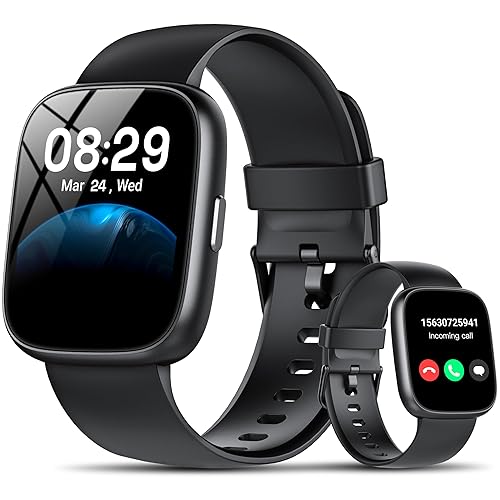
Smart Watch with Alexa Built-in, 1.83" HD Touchscreen Fitness Tracker with Bluetooth Calling, Fitness Watch with Heart Rate/Sleep Monitor, 120+ Sports Modes, IP68 Waterproof Smartwatch for Android iOS
$49.99
Price as of 2025-12-26 12:55:49
Buy on Amazon
⚠️ Note: The purchase links above are affiliate links. As an Amazon Associate, we earn from qualifying purchases at no additional cost to you.
![SAMSUNG Galaxy Watch 7 40mm Bluetooth AI Smartwatch w/Energy Score, Wellness Tips, Heart Rate Tracking, Sleep Monitor, Fitness Tracker, 2024, Cream [US Version, 1Yr Manufacturer Warranty]](https://m.media-amazon.com/images/I/71SZNup1qrL._SL500_.jpg)
SAMSUNG Galaxy Watch 7 40mm Bluetooth AI Smartwatch w/Energy Score, Wellness Tips, Heart Rate Tracking, Sleep Monitor, Fitness Tracker, 2024, Cream [US Version, 1Yr Manufacturer Warranty]
$149.99
Price as of 2025-12-26 12:55:49
Buy on Amazon
⚠️ Note: The purchase links above are affiliate links. As an Amazon Associate, we earn from qualifying purchases at no additional cost to you.
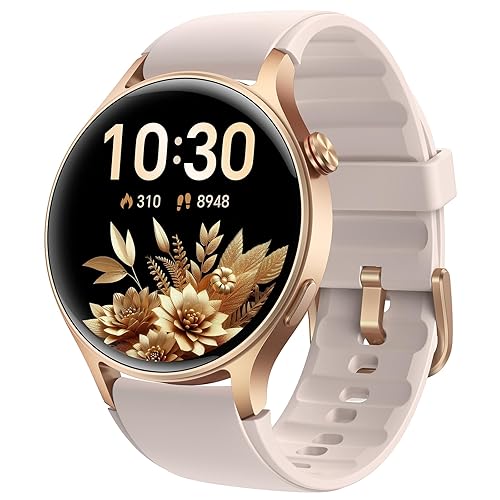
Smart Watch for Women, Answer/Make Call, 1.32'' AMOLED Ultra-Clear Screen Fitness Tracker with Heart Rate/Sleep/SpO2 Monitor, Smartwatch for iPhone/Samsung/Android, 110+ Sport Modes, 3ATM Waterproof
$54.59
Price as of 2025-12-26 12:55:49
Buy on Amazon
⚠️ Note: The purchase links above are affiliate links. As an Amazon Associate, we earn from qualifying purchases at no additional cost to you.

Smart Watch, 1.85"HD Smartwatches for Men Women (Answer/Make Calls), 100+ Sport Modes Fitness Tracker Watch, Heart Rate/Sleep Monitor, IP68 Waterproof Activity Tracker Smartwatch Android iOS
$14.99
Price as of 2025-12-26 12:55:49
Buy on Amazon
⚠️ Note: The purchase links above are affiliate links. As an Amazon Associate, we earn from qualifying purchases at no additional cost to you.
When to Upgrade (And When to Keep What You Have)
Smartwatch marketing wants you to upgrade annually. Reality: most people shouldn't. Here's when an upgrade actually makes sense:
Good reasons to upgrade:
• Your current watch is broken or battery-degraded
• A new feature would genuinely solve a daily problem
• You're switching phone ecosystems
• Your needs have fundamentally changed
Bad reasons to upgrade:
• New model has slightly better specs
• Marketing says it's "revolutionary"
• All your friends are upgrading
• You're bored with your current watch
The improvement curve has flattened. A 2-year-old high-quality smartwatch still does 95% of what a new one does. Battery degradation is often the real upgrade driver after 2-3 years.
If you're considering an Android smartwatch upgrade, check if your current one still gets updates. If you're eyeing an Apple smart watch but have an older model, the performance jump might be worth it if you use advanced features heavily.
Your Next Step (That Doesn't Involve Buying Anything)
Before you make a decision, do this one thing: wear a regular watch (or nothing) for a week. Pay attention to when you wish you had smart features. Is it during workouts? In meetings? While traveling? Those moments reveal your true needs.
Then, with that clarity, revisit your options. You'll see them differently - not as collections of features, but as solutions to your specific problems.
The best smartwatch isn't the one with the most features or the highest price. It's the one you'll actually wear and use every day to make your life slightly better. And that's different for everyone.
Smartwatch Questions People Actually Ask
What should I prioritize when choosing a smartwatch?
Focus on what actually matters to you daily. If you're an athlete, battery life and accurate GPS are non-negotiable. If you're mainly using it for notifications and quick replies, smartphone integration matters more. Most people overestimate how many features they'll actually use - pick 2-3 core functions that will genuinely improve your daily life and prioritize those.
How important is battery life really?
More important than you think. Watches that need daily charging often get abandoned after a few months. A 3+ day battery means you can sleep track without worrying about morning charging. For serious athletes, look for 7+ days or GPS battery over 20 hours. The charging routine needs to fit your lifestyle - if you're forgetful, longer battery is crucial.
Should I stick with the same brand as my phone?
It helps but isn't mandatory. Apple Watches work seamlessly with iPhones but are limited to that ecosystem. Many Android watches work across platforms. Samsung watches have great Android integration but also work with iPhones (with some limitations). Consider how deeply you want integration - basic notifications work across most platforms, but advanced features often require same-brand pairing.
Are expensive smartwatches worth the money?
Only if you'll use the premium features. A $400 watch isn't twice as good as a $200 one - but it might have specific features you need. Medical-grade ECG, advanced sleep tracking, or professional sports metrics justify the cost for some users. For most people, mid-range watches ($150-300) offer the best balance of features and value.
How accurate are fitness trackers on smartwatches?
It varies dramatically by brand and activity. Heart rate is generally accurate for steady-state cardio, less so for interval training. Step counts are reasonably accurate. GPS accuracy depends on the chipset - newer multi-band GPS is significantly better. Sleep tracking gives good trends but exact sleep stages should be taken with caution. For medical purposes, always use dedicated devices.
Can smartwatches actually improve health?
They're tools, not solutions. They can increase awareness of activity levels, sleep patterns, and heart rate trends. The reminders to move are genuinely helpful for sedentary workers. But the real benefit comes from acting on the data - using sleep insights to adjust habits, or activity data to set realistic fitness goals. They won't make you healthy by themselves, but they can support better habits.
How often should I upgrade my smartwatch?
Every 2-3 years for meaningful improvements, unless yours breaks or lacks a crucial new feature. Smartwatch evolution has slowed - a 3-year-old watch still does most things well. Battery degradation is the main reason to replace after 2+ years. Software support matters - look for brands that provide 3+ years of updates if you want longevity.
What's the biggest mistake people make when buying smartwatches?
Buying for features they'll never use. People get excited about ECG, blood oxygen, or 100 sports modes, then only use basic tracking and notifications. Or they buy a bulky sports watch for office wear. The second biggest mistake: not considering daily charging logistics. Be brutally honest about what you'll actually do with it day-to-day.