 Link copied successfully!
Introduction
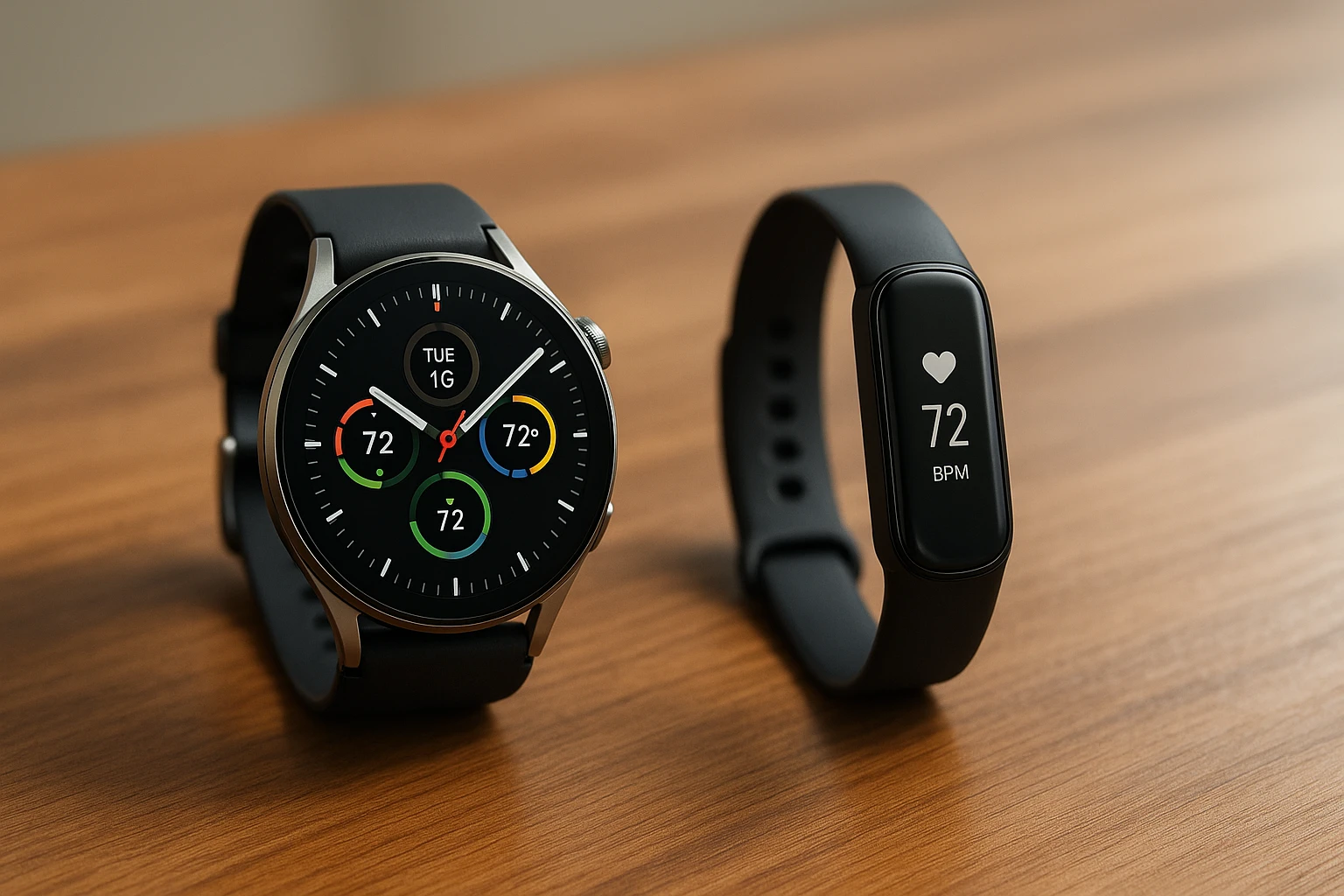
Choosing between a smartwatch and a fitness tracker can be confusing. While both devices track health metrics and tell time, they serve different primary purposes. This comprehensive guide will help you understand the key differences, compare features, and determine which device best suits your lifestyle and needs.
Quick Fact:
According to recent market research, 65% of wearable device users own both a smartwatch and a fitness tracker, using them for different activities and occasions.
Core Purposes
The fundamental difference lies in their primary functions:
Smartwatches

Smartwatches are miniature computers for your wrist, designed to extend your smartphone's functionality. They focus on connectivity and smart features while including fitness tracking as an added benefit.
- Receive notifications and respond to messages
- Run third-party apps
- Make contactless payments
- Control smart home devices
- Store and play music
Fitness Trackers
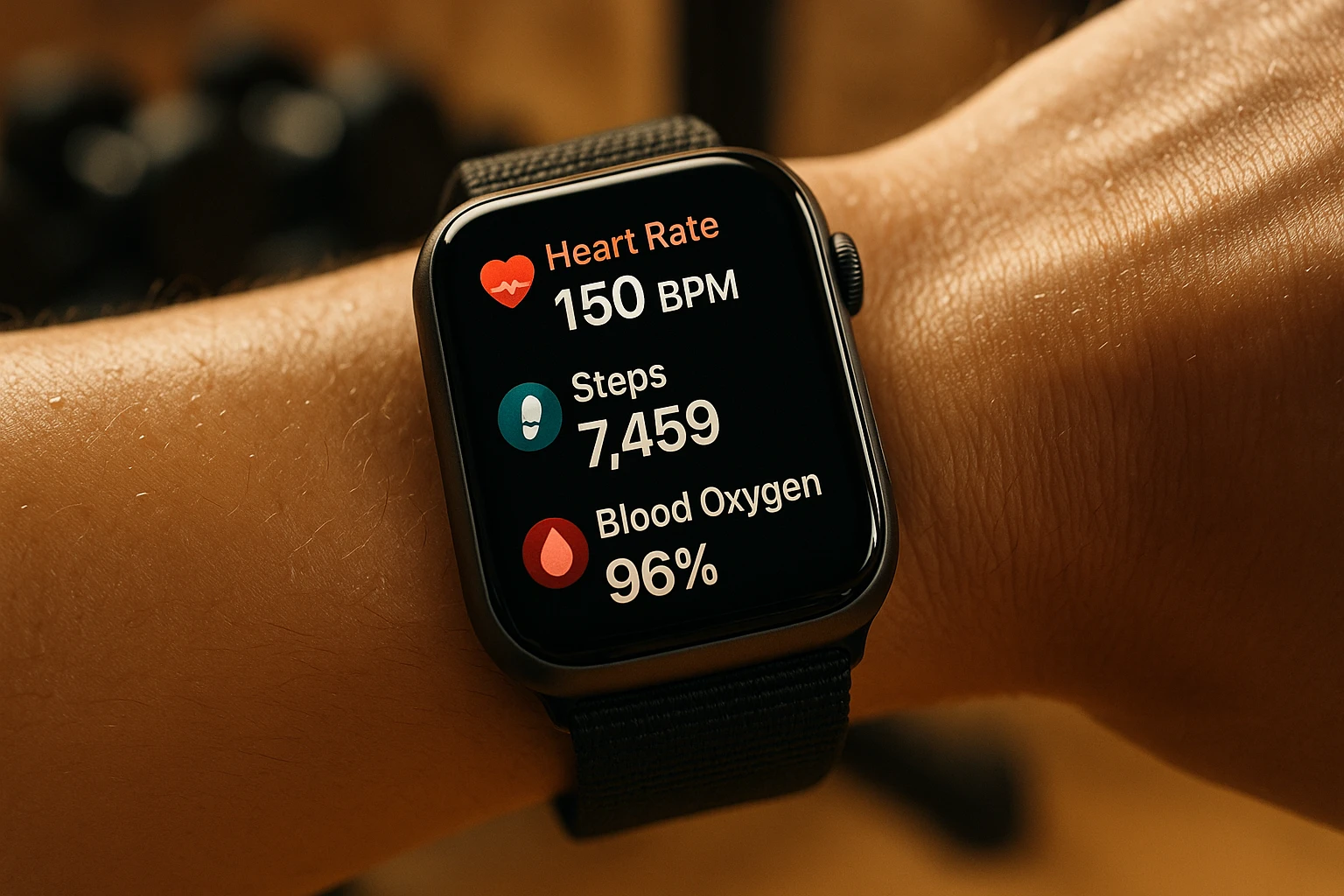
Fitness trackers specialize in health and activity monitoring. They provide detailed metrics about your physical activities and health indicators with minimal smart features.
- Continuous heart rate monitoring
- Step counting and distance tracking
- Sleep analysis and quality scoring
- Calorie expenditure estimation
- Workout-specific tracking
Price Range Comparison
The cost difference between these devices can be significant:
Price Ranges:
- Basic Fitness Trackers: $50 - $100
- Mid-range Fitness Trackers: $100 - $200
- Premium Fitness Trackers: $200 - $300
- Entry-level Smartwatches: $150 - $250
- Mid-range Smartwatches: $250 - $500
- Premium Smartwatches: $500+
Note that smartwatch prices can vary dramatically based on brand, materials, and features, with luxury models reaching several thousand dollars.
Features Comparison
Here's a detailed comparison of the key features:
| Feature | Smartwatch | Fitness Tracker |
|---|---|---|
| Notifications | Full notifications with replies | Basic alerts only |
| Apps | Extensive app support | Limited or no apps |
| GPS | Built-in on most models | Only on premium models |
| Battery Life | 1-3 days typically | 5-14 days typically |
| Heart Rate Monitoring | Standard feature | More accurate on dedicated trackers |
| Water Resistance | Varies (check rating) | Usually swim-proof |
| Music Storage | Common feature | Rare |
| Contactless Payments | Available on most | Only on premium models |
Battery Life and Design Differences
The design philosophy between these devices varies significantly:
🔋 Battery Life
Fitness trackers typically last 5-14 days on a single charge, while most smartwatches need charging every 1-3 days. Some fitness trackers can last up to a month with basic features.
⌚ Display
Smartwatches have larger, higher-resolution color displays (OLED/LCD). Fitness trackers often use smaller, monochrome screens or even no screen (LED indicators only).
📱 Size and Weight
Smartwatches are bulkier (38-46mm cases) while fitness trackers are slimmer and lighter (often under 20mm wide). Trackers are less noticeable during sleep or workouts.
💎 Materials
Smartwatches offer premium materials like stainless steel, ceramic, or titanium. Fitness trackers typically use lightweight plastics or aluminum.
Ideal User for Each Device
Your lifestyle and priorities should guide your choice:
Who Should Choose a Smartwatch?
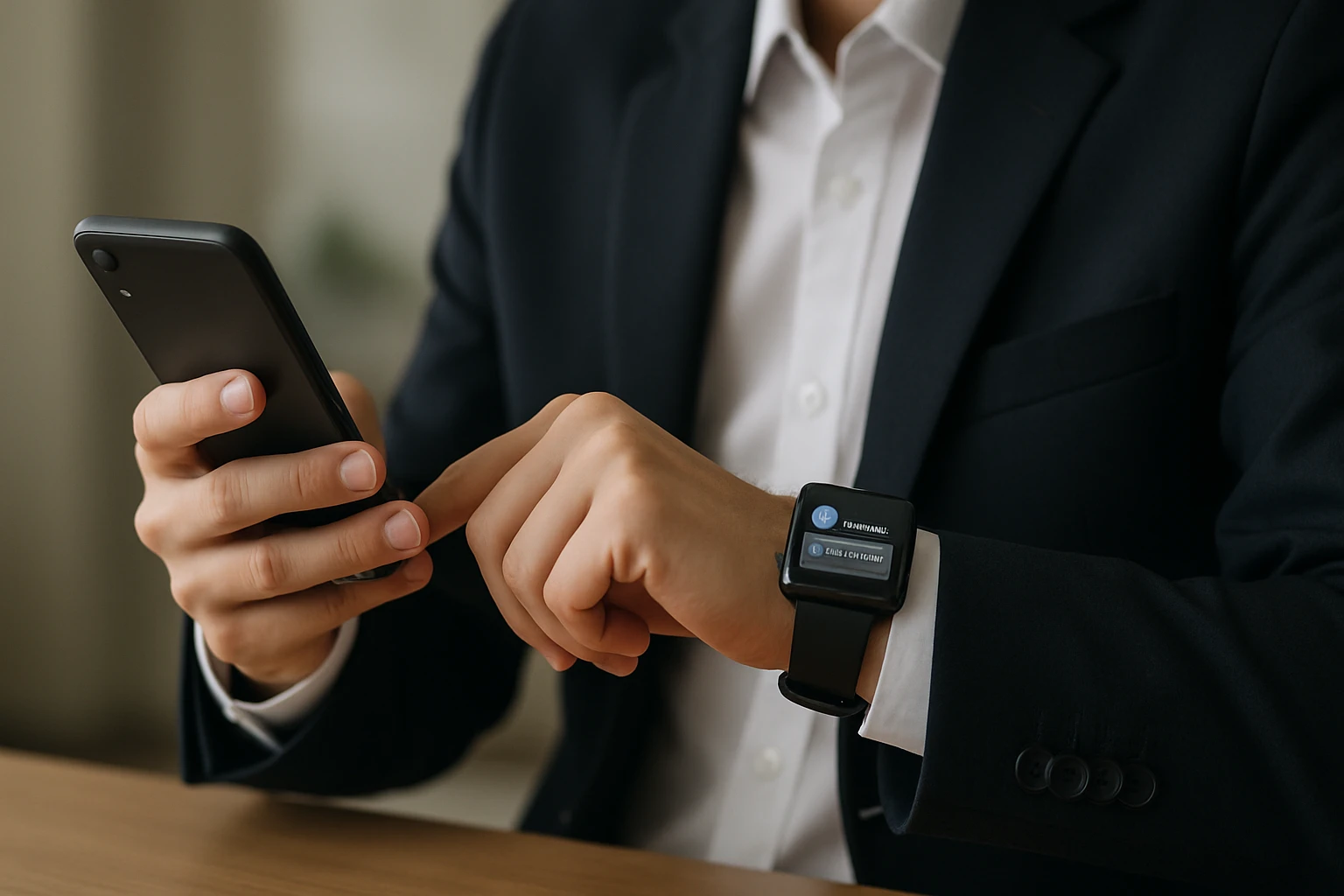
- Tech enthusiasts who want smartphone extensions
- Professionals who need quick access to notifications
- People who want to make contactless payments
- Those who use multiple apps throughout the day
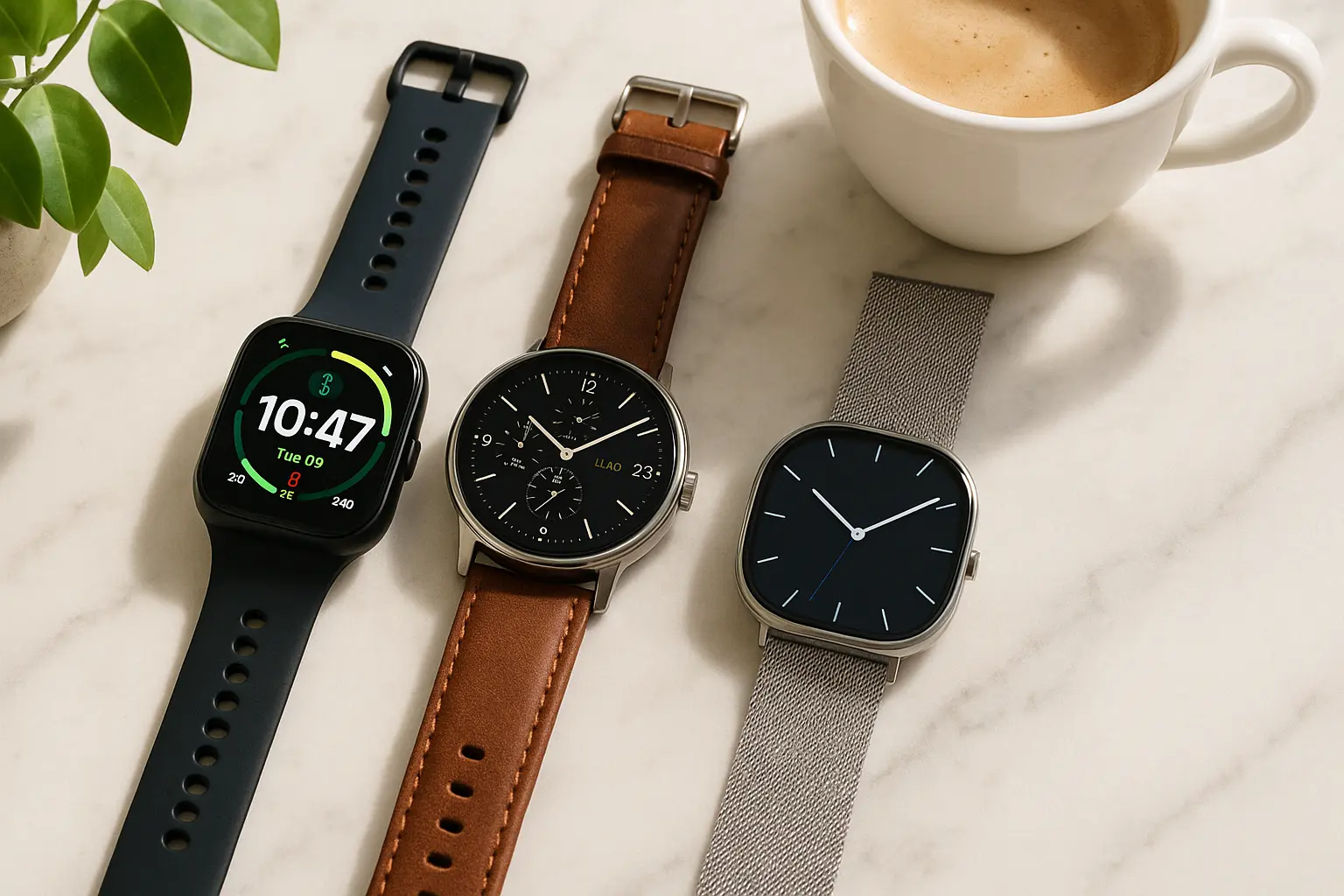
- Users who prioritize style and customization
Who Should Choose a Fitness Tracker?
- Fitness enthusiasts focused on health metrics
- People who want lightweight, unobtrusive wear
- Those who prioritize long battery life
- Budget-conscious consumers
- Users who primarily need activity tracking
Pros and Cons Summary
Here's a quick overview of the advantages and limitations of each:
Smartwatch Pros & Cons
Pros:
- More features and functionality
- Better integration with smartphones
- Premium design and materials
- Customizable with watch faces and bands
Cons:
- Shorter battery life
- More expensive
- Bulkier design
- Can be distracting with constant notifications
Fitness Tracker Pros & Cons
Pros:
- Longer battery life
- More accurate fitness tracking
- Lighter and less obtrusive
- More affordable
Cons:
- Limited smart features
- Smaller, lower-quality displays
- Fewer customization options
- Less stylish for professional settings
Looking for a Hybrid Solution?
Check out our recommended Amazfit smartwatches that combine fitness tracking with smart features at an affordable price point.
View Amazfit SmartwatchesShare Via
 Facebook
 Twitter/X
 WhatsApp
 Telegram
 LinkedIn
 LINE
LINE
 Pinterest
 Reddit
 Email
Email
 Tumblr
 Copy Link
Recommendations Based on Needs
Here are our top recommendations for different user types:
🏃♂️ For Serious Athletes
Consider dedicated fitness trackers like Garmin Vivosmart or Fitbit Charge series that offer advanced metrics like VO2 max, recovery time, and training load.
💼 For Professionals
Premium smartwatches like Apple Watch or Samsung Galaxy Watch offer business features while tracking basic fitness metrics.
💰 For Budget-Conscious Users
Xiaomi Mi Band or Amazfit Bip series provide excellent value with core tracking features at low prices.
⚖️ For Balanced Needs
Hybrid devices like Amazfit GTR or Fitbit Versa offer a good compromise between smart features and fitness tracking.
Conclusion
Choosing between a smartwatch and fitness tracker depends on your priorities. If you want comprehensive health tracking with long battery life in a lightweight package, a fitness tracker is ideal. If you prefer smartphone connectivity, apps, and premium design with basic fitness features, opt for a smartwatch.
Hybrid devices are bridging the gap, offering a balance of both worlds. Consider your budget, must-have features, and how you'll primarily use the device when making your decision.
Related Articles You Might Like
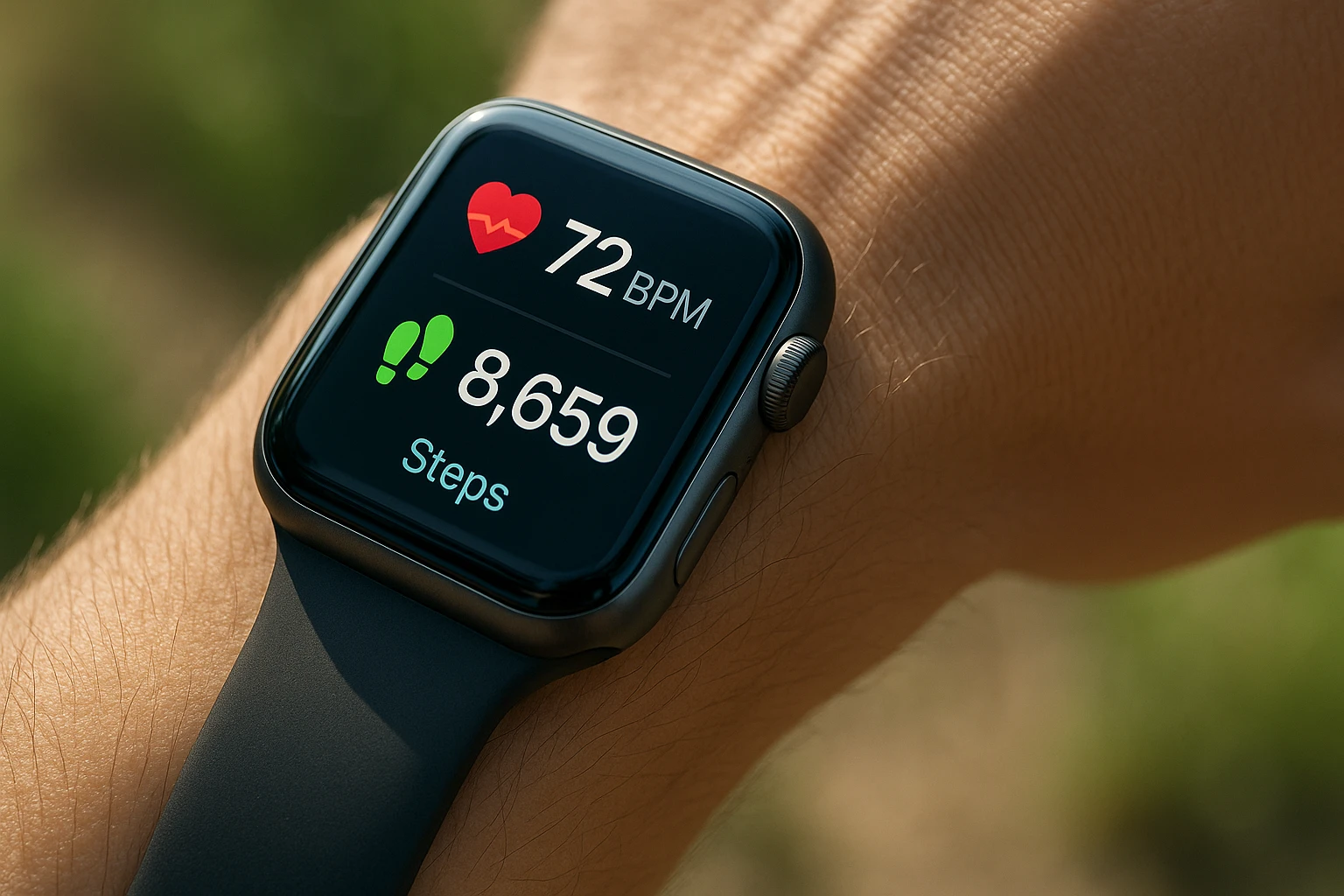
Learn the basics of smartwatches, their features, and how they can enhance your daily life.
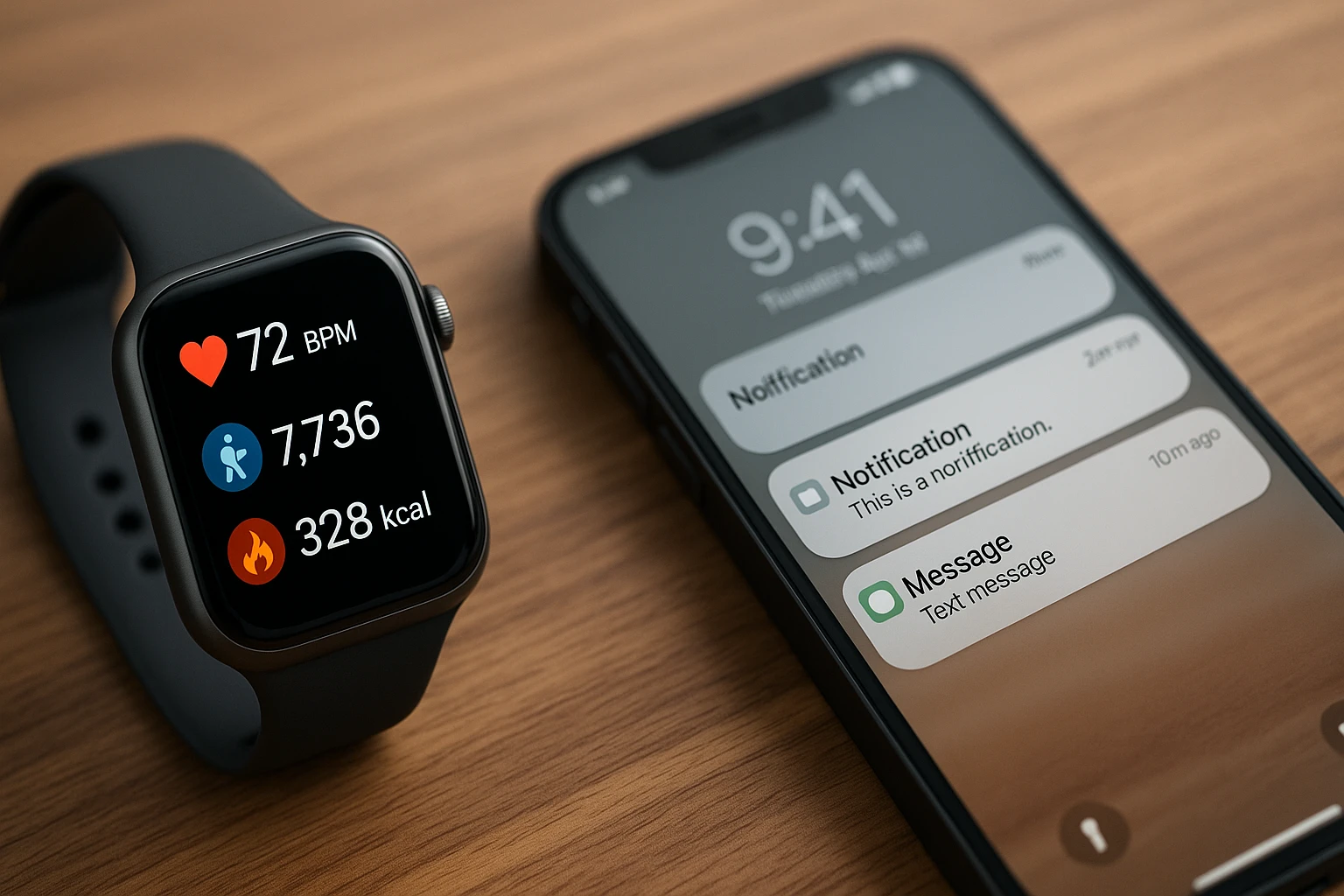
Discover the must-have features when choosing your next smartwatch.
Explore the various ways smartwatches can positively impact your wellbeing.
Find the perfect smartwatch tailored to your specific requirements and price range.
A comprehensive guide to selecting a smartwatch that matches your lifestyle.
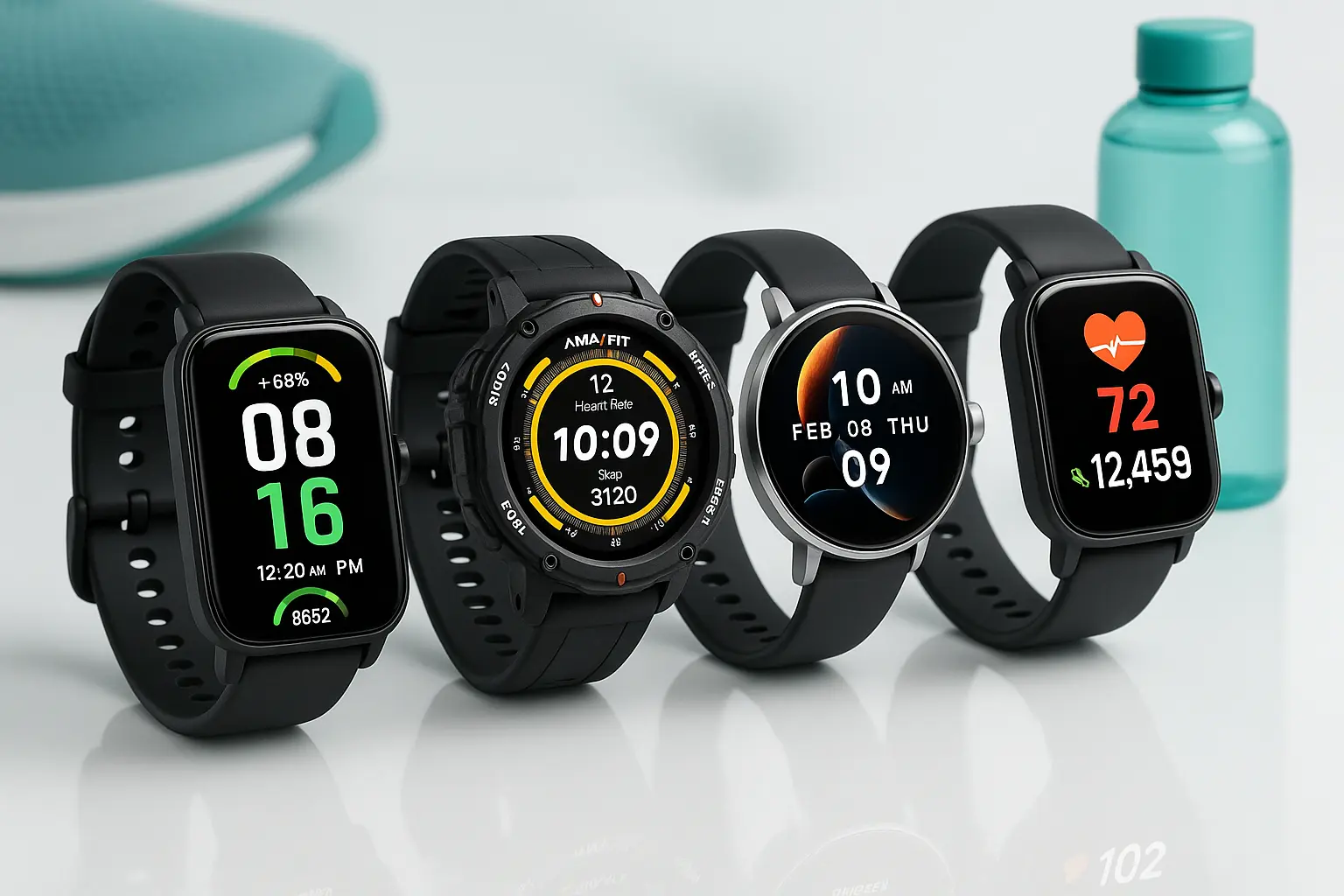
Explore Amazfit's range of feature-packed smartwatches at various price points.
Join the Discussion
Share your thoughts or ask questions about this article
No comments yet. Be the first to start the discussion!