Antique Dining Chairs - Timeless Elegance & Quality Craftsmanship
Antique dining chairs represent more than just seating furniture—they are pieces of history that bring character, elegance, and timeless beauty to any dining space. These chairs showcase the exceptional craftsmanship of bygone eras, featuring intricate details, quality materials, and construction techniques that have stood the test of time. Whether you're seeking authentic Victorian pieces, classic Edwardian designs, or quality reproductions that capture historical charm, antique dining chairs offer a unique opportunity to own functional art.
In this comprehensive guide, we explore the world of antique dining chairs, from identifying genuine historical pieces to selecting quality reproductions that offer antique aesthetics with modern durability. We consider factors such as historical accuracy, construction quality, material authenticity, and overall value. Whether you're building a complete period-appropriate dining set or simply want to add character with a statement piece, this review will help you navigate the fascinating world of antique dining chairs.
Our Antique Dining Chair Recommendations
⚠️ AFFILIATE DISCLOSURE: This website contains affiliate links. As an Amazon Associate, we earn from qualifying purchases. If you make a purchase through these links, we may receive a small commission at no additional cost to you. Read our full affiliate policy.
![Nrizc French Country Dining Chairs Set of 4, Farmhouse Fabric Chairs with Round Back, Rattan Dining Chair, Oval Side Chairs for Dining Room/Living Room/Kitchen/Restaurant]](https://m.media-amazon.com/images/I/71ifSCDElYL._SL500_.jpg)
Nrizc French Country Dining Chairs Set of 4, Farmhouse Fabric Chairs with Round Back, Rattan Dining Chair, Oval Side Chairs for Dining Room/Living Room/Kitchen/Restaurant]

Virabit French Country Dining Chairs Set of 4, Leather Dining Chairs with Curved Backrest, Vintage French Accent Chairs for Living Room, Kitchen, Restaurant (Beige)

HNY Mid Century Modern Dining Chairs Set of 6, Farmhouse Linen Fabric Upholstered Accent Curved Backrest Kitchen Chairs, with Hardwood Frame, Beige, Linen
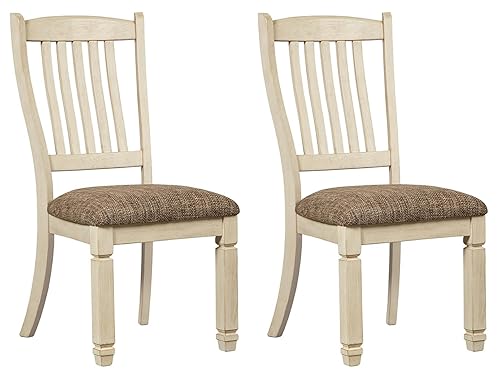
Signature Design by Ashley Bolanburg 20" Upholstered Dining Room Chair, Set of 2, Antique White

Winsome Benjamin Ladder Back Chair, Walnut, Set of 2
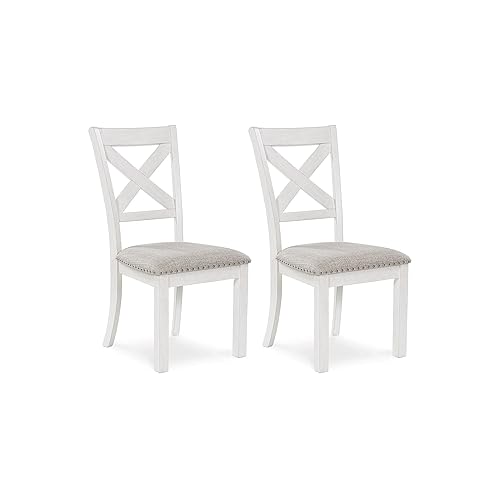
Signature Design by Ashley Robbinsdale Casual Upholstered Solid Wood Dining Chair with Nailhead Trim, Set of 2, White & Light Gray
Antique Dining Chair Comparison & Recommendations
Which Antique Dining Chair Style is Right for You?
🏆 Best Overall: Victorian Balloon Back Chairs
Victorian Style
💰 Best Value: Quality Reproduction Chairs
Reproduction Pieces
⭐ Best Authentic: Georgian Mahogany Chairs
Georgian Era
Comparison Summary
- Historical Accuracy: Authentic antiques offer genuine historical value, while reproductions provide period aesthetics
- Construction Quality: Look for dovetail joints, mortise and tenon construction, and hand-finished details
- Material Quality: Solid hardwoods like mahogany, walnut, and oak indicate quality and durability
- Design Elements: Consider period-appropriate details like carved motifs, inlay work, and traditional finishes
- Provenance: Documentation and maker's marks significantly increase value for authentic pieces
Antique Dining Chair Advantages & Limitations
After extensive evaluation of various antique dining chair styles and periods, here is an in-depth analysis of the strengths and considerations:
✅ Antique Dining Chair Advantages
Timeless Elegance: Antique chairs bring character and sophistication that modern reproductions often cannot match.
Quality Craftsmanship: Traditional joinery techniques and solid wood construction ensure long-term durability.
Investment Value: Well-maintained authentic antiques can appreciate in value over time.
Unique Character: Each piece has its own history, patina, and unique features developed over decades.
Sustainable Choice: Preserving and using antique furniture is an environmentally conscious decision.
❌ Antique Dining Chair Limitations
Higher Cost: Authentic antiques command premium prices compared to modern furniture.
Maintenance Requirements: Older pieces may require specialized care and occasional restoration.
Comfort Considerations: Historical designs may not meet modern ergonomic standards.
Availability Challenges: Finding matching sets or specific styles can be difficult and time-consuming.
Space Requirements: Some antique designs are larger and heavier than contemporary chairs.
Value Analysis
Antique dining chairs offer exceptional value for those who appreciate historical significance, quality craftsmanship, and unique character. While they require greater investment and care, their ability to elevate dining spaces and potentially appreciate in value makes them worthwhile for discerning buyers.
Tips for Choosing the Right Antique Dining Chairs
Selecting antique dining chairs requires careful consideration of authenticity, condition, and suitability for your space. Here's a comprehensive guide to help you make informed decisions:
8 Essential Factors When Choosing Antique Dining Chairs
1. Verify Authenticity and Age
Look for signs of genuine age including appropriate wear patterns, traditional construction methods, and materials consistent with the claimed period. Consult experts for valuable pieces.
2. Assess Condition and Restoration Needs
Evaluate structural integrity, joint tightness, and any previous repairs. Determine if conservation or restoration is needed and factor these costs into your budget.
3. Consider Historical Period and Style
Understand different historical periods (Victorian, Edwardian, Georgian) and their characteristic design elements to ensure the chairs complement your interior design vision.
4. Evaluate Wood Quality and Type
Identify the wood species—mahogany, walnut, oak—and assess grain quality, color consistency, and overall wood condition. Solid hardwoods indicate better quality and durability.
5. Check Construction and Joinery
Examine joinery methods—dovetail, mortise and tenon—and construction quality. Traditional techniques without modern shortcuts indicate better craftsmanship.
6. Measure for Practical Use
Ensure chair dimensions work with your table height and room proportions. Consider seat height, depth, and overall scale for comfortable daily use.
7. Consider Upholstery and Finish
Evaluate original finishes, patina quality, and upholstery condition. Determine if reupholstering or refinishing is desirable while preserving historical value.
8. Research Provenance and Value
Investigate the chair's history, previous owners, and any documentation. Research comparable pieces to ensure fair pricing and understand investment potential.
Recommendations Based on Setting
- Formal Dining Rooms: Georgian mahogany or Victorian balloon back chairs for elegant traditional settings
- Everyday Family Use: Quality reproduction pieces or sturdy Edwardian chairs with modern durability
- Eclectic Interiors: Mix of different antique styles for curated, collected-over-time appearance
- Country Homes: Rustic Windsor chairs or simpler early American designs
- Investment Collecting: Documented pieces from notable makers or specific historical periods
Frequently Asked Questions About Antique Dining Chairs
What defines an antique dining chair?
Antique dining chairs are typically defined as pieces that are at least 100 years old, featuring craftsmanship and design elements from specific historical periods. They often showcase traditional joinery techniques, quality hardwoods, and design characteristics from eras like Victorian, Edwardian, Georgian, or earlier periods. Authentic antiques show appropriate wear patterns and aging that confirm their historical authenticity and have been made using methods and materials consistent with their time of origin.
How can I identify authentic antique dining chairs?
Authentic antique dining chairs show specific signs of age including consistent wear patterns, traditional joinery (dovetail joints, mortise and tenon), hand-planed surfaces, and appropriate wood aging. Look for maker's marks, construction techniques consistent with the period, and materials that match the era. The patina should be deep and natural, not artificially applied. Other indicators include handmade nails, uneven surfaces from hand-planing, and wear in appropriate areas like chair rungs and seat edges. Consulting with antique furniture experts can help verify authenticity for valuable pieces.
Are antique dining chairs comfortable for regular use?
While antique dining chairs are beautiful, their comfort level varies by design and period. Many were designed before modern ergonomic standards and may have straight backs and harder seats. Upholstered antique chairs from later periods can be quite comfortable. For regular use, consider adding quality cushion pads or having seats professionally reupholstered while preserving the chair's historical integrity. Test sitting in the chairs before purchase and consider the typical duration of your dining occasions when evaluating comfort for regular family use.
How do I maintain and care for antique dining chairs?
Proper care includes regular dusting with a soft cloth, avoiding direct sunlight and extreme humidity changes, using appropriate wood cleaners, and addressing repairs promptly with conservation-grade materials. Never use modern chemical cleaners or abrasive materials. Maintain stable humidity levels (40-45% relative humidity) to prevent wood expansion and contraction. For valuable pieces, consult with professional conservators for major repairs or restoration to maintain value and authenticity. Regular gentle cleaning and immediate attention to any structural issues will help preserve your antique chairs for future generations.
What is the difference between antique and reproduction dining chairs?
Antique chairs are original pieces from historical periods (100+ years old), while reproductions are modern copies made to look antique. Reproductions often use modern construction methods, newer wood, and artificial aging techniques. While authentic antiques have investment value and historical significance, quality reproductions offer antique aesthetics with modern durability and often at more accessible price points. High-quality reproductions can be excellent choices for those who want the antique look without concerns about fragility or the high cost of authentic pieces, while still providing beautiful traditional design elements.
Conclusion
Antique dining chairs offer a unique opportunity to bring historical elegance, quality craftsmanship, and timeless beauty into your dining space. From authentic Victorian masterpieces to carefully crafted reproductions, these pieces provide character and sophistication that modern furniture often lacks. The careful selection of antique chairs can transform an ordinary dining room into a space rich with history and style.
Whether you choose genuine antiques for their investment value and historical significance or opt for quality reproductions that offer period aesthetics with modern durability, antique-style dining chairs provide lasting value and beauty. The key is selecting pieces that not only appeal to your aesthetic sensibilities but also meet your practical needs for comfort, durability, and proportion within your dining space.
Ready to Choose Your Antique Dining Chairs?
Check out the best antique dining chair selections above and find the ones that best suit your needs. Each product has been selected based on quality assessment, historical accuracy, and overall value to ensure you get beautiful, functional pieces that will enhance your dining experience for years to come.
Related Articles You Might Like

Explore various dining chair design styles from modern and classic to minimalist and industrial, helping you choose the perfect style for your home decor.

Discover the pros and cons of different dining chair materials including wood, metal, plastic, rattan, and upholstered options for informed purchasing decisions.

Learn about proper dining chair dimensions, ergonomic considerations, and how to choose the right size chairs for your table and dining space.

Practical guide to selecting dining chairs that work for your family lifestyle, room dimensions, and daily usage requirements.

Learn the key indicators of quality dining chair construction and how to distinguish well-made pieces from poorly constructed alternatives.
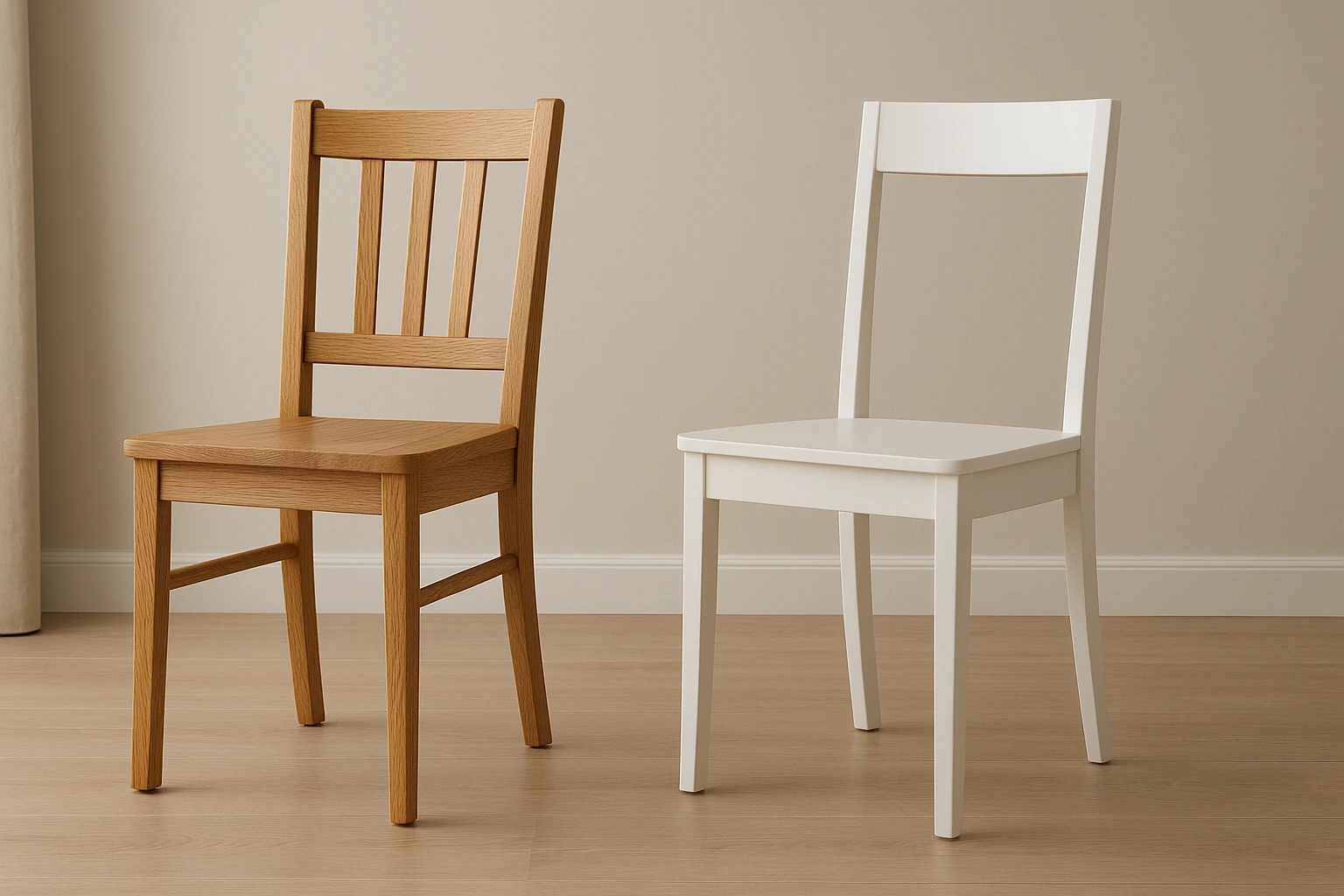
Comprehensive comparison of solid wood and engineered wood dining chairs, including durability, maintenance, and value considerations.