 Link copied successfully!
Introduction
Choosing the right dining chairs can significantly impact your dining experience and the overall aesthetic of your space. While price is often an indicator of quality, it's not always reliable. This comprehensive guide will teach you how to distinguish between high-quality and low-quality dining chairs through careful inspection of materials, construction, and craftsmanship.
Key Insight:
According to furniture industry experts, high-quality dining chairs can last 15-25 years with proper care, while low-quality alternatives may need replacement within 2-5 years, making the initial investment in quality more cost-effective long-term.
Material Inspection
The materials used in dining chairs are the foundation of their quality and longevity. Understanding material differences is crucial for making an informed purchase.
High-Quality Materials

- Solid Hardwoods: Oak, maple, walnut, teak, or mahogany
- Genuine Leather: Full-grain or top-grain leather with natural markings
- High-Density Foam: 1.8-2.5 lb density foam for cushions
- Quality Fabric: Heavy-duty, stain-resistant upholstery fabrics
- Reinforced Joints: Solid wood or metal reinforcement at stress points
Low-Quality Materials

- Particle Board: Compressed wood particles with laminate veneer
- Bonded Leather: Leather scraps bonded with polyurethane coating
- Low-Density Foam: Less than 1.5 lb density that compresses quickly
- Thin Fabric: Lightweight, easily stained or torn materials
- Plastic Components: Injection-molded plastic in structural areas
Joinery and Construction
How a dining chair is constructed determines its structural integrity and lifespan. Quality joinery is often the most telling sign of craftsmanship.
✓ Quality Construction Signs
- Dovetail Joints: Interlocking wood joints in seat frames
- Mortise and Tenon: Traditional woodworking technique
- Double Doweling: Multiple wooden dowels at joints
- Corner Blocks: Triangular wood blocks reinforcing corners
- Welded Seams: Clean, continuous welding on metal frames
✗ Poor Construction Signs
- Staples Only: No wood joinery, just staples or glue
- Butt Joints: Simple end-to-end joints with weak connection
- Visible Screws: Screws used as primary fastening method
- Gaps in Joints: Visible spaces between connected pieces
- Spot Welding: Incomplete welding on metal frames
Stability Test
Always test dining chairs for stability before purchasing. A quality chair should feel solid and secure.
How to Perform Stability Testing
- Rock Test: Gently rock the chair back and forth - no movement should be felt
- Twist Test: Hold the top of the backrest and gently twist - frame should not flex
- Weight Test: Apply pressure to the seat - no creaking or cracking sounds
- Leg Test: Check if all legs touch the floor evenly when placed on flat surface
- Lean Test: Lean back in the chair (if designed for leaning) - back legs should remain stable
Warning Signs of Poor Stability
If you notice any wobbling, creaking sounds, visible flexing, or uneven legs during testing, these are clear indicators of poor construction that will likely lead to premature failure.
Finishing Quality
The finish not only affects appearance but also protects the materials and indicates attention to detail.
Finishing Quality Checklist
- Smooth Surfaces: No rough spots, drips, or uneven coating
- Consistent Color: Even coloring with no blotchy areas
- Protected Edges: Finish extends to all edges and corners
- Grain Enhancement: Wood grain should be visible, not completely obscured
- Durable Coating: Scratch-resistant and easy-to-clean surface
Cushion Quality
For upholstered dining chairs, cushion quality directly impacts comfort and longevity.
High-Quality Cushions

- High-Density Foam: 1.8-2.5 lb density that maintains shape
- Multiple Layers: Combination of different foam densities
- Dacron Wrap: Fiber layer between foam and fabric
- Reinforced Seams: Double-stitched or reinforced stitching
- Zipper Access: Removable covers for cleaning or replacement
Low-Quality Cushions

- Low-Density Foam: Compresses quickly and loses shape
- Single Layer: Basic foam with no support layers
- Direct Contact: Fabric directly on foam, causing wear
- Weak Stitching: Single-row stitching that pulls apart
- Permanent Covers: Non-removable, difficult to clean
Brand Reliability
Reputable brands often provide better quality and stand behind their products with strong warranties.
Evaluating Brand Reliability
- Warranty Length: Look for minimum 5-year structural warranty
- Company History: Established brands with proven track record
- Customer Reviews: Check independent review platforms
- Transparency: Clear information about materials and origin
- Customer Service: Responsive support and clear return policies
Durability Signs
Certain design features and construction methods indicate long-term durability.
🛡️ Durability Indicators
- Reinforced Legs: Additional support where legs meet seat
- Apron Support: Wooden apron connecting legs under seat
- Cross Bracing: Additional supports between legs
- Thick Dimension: Substantial wood thickness in critical areas
- Quality Hardware: Solid metal brackets and connectors
⚠️ Weakness Indicators
- Thin Spindles: Slender back supports that may break
- Minimal Joinery: Lack of reinforcement at stress points
- Plastic Connectors: Plastic components in load-bearing areas
- Short Aprons: Inadequate support between legs
- Cheap Hardware:
- Thin Metal: Lightweight tubular steel that bends easily
Weight & Build
The weight of a dining chair often correlates with material quality and construction density.
Weight as Quality Indicator
While not an absolute rule, quality dining chairs typically have substantial weight due to:
- Solid Wood Construction: Natural wood is denser than composites
- Reinforced Frames: Additional bracing and support elements
- Quality Materials: Higher density foams and thicker fabrics
- Proper Joinery: More material used in quality connections
Caution: Some manufacturers add unnecessary weight, so use this as one factor among many.
Conclusion
Identifying high-quality dining chairs requires careful examination of materials, construction methods, and attention to detail. While high-quality chairs may cost more initially, their longevity and durability make them a better investment over time. Remember to consider all factors together - material quality, construction techniques, stability, finishing, and brand reputation - rather than relying on any single indicator.
Key Takeaways:
- Always inspect joinery and construction methods first
- Test stability thoroughly before purchasing
- Check material quality and finishing details
- Consider brand reputation and warranty coverage
- Remember that weight often indicates material density
Ready to Invest in Quality Dining Chairs?
Explore our curated collection of high-quality dining chairs that combine durability, comfort, and style. Each piece is carefully selected to meet our strict quality standards.
Browse Quality Dining ChairsShare Via
 Facebook
 Twitter/X
 WhatsApp
 Telegram
 LinkedIn
 LINE
LINE
 Pinterest
 Reddit
 Email
Email
 Tumblr
 Copy Link
Related Articles You Might Like

Explore various dining chair designs from modern to classic styles and find the perfect match for your dining space.

Comprehensive guide to different dining chair materials, their pros and cons, and maintenance requirements.

Learn the proper dimensions and ergonomic considerations for comfortable and functional dining chairs.

Practical tips for selecting dining chairs that suit your family's lifestyle and your dining room dimensions.

Learn to distinguish between well-made and poorly constructed dining chairs through detailed inspection.
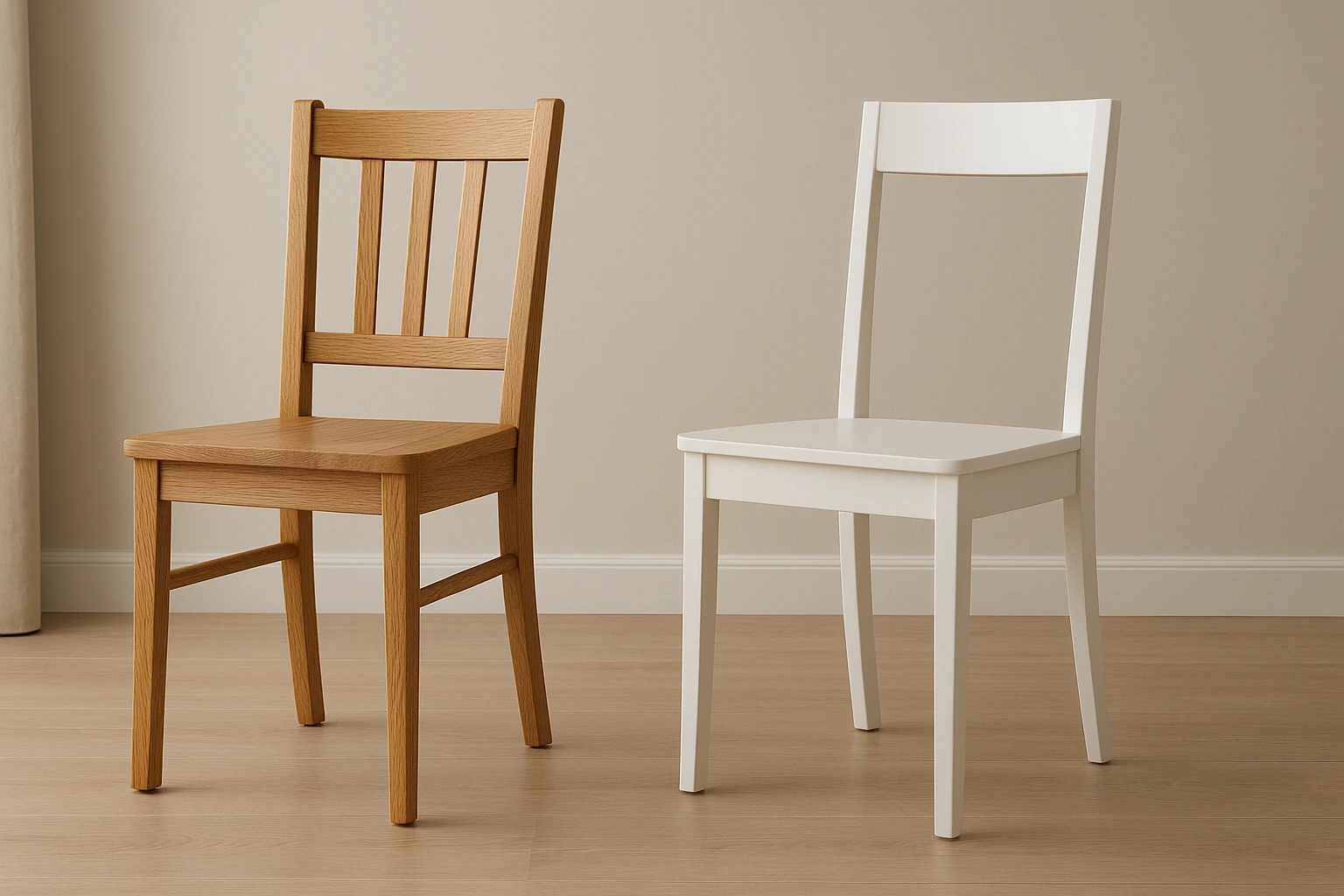
Understand the key differences between solid wood and engineered wood dining chairs for informed purchasing.
Join the Discussion
Share your thoughts or ask questions about this article
No comments yet. Be the first to start the discussion!