The Complete Guide to Sofa Accessories
Discover how the right covers, cushions, throws, legs, and tables can transform your sofa's comfort, protection, and style — without replacing it
EXPLORE ACCESSORIESA quality sofa is a significant investment, but its true potential is often unlocked by the accessories you pair with it. Whether you want to protect your upholstery from daily wear, refresh a tired-looking couch on a budget, or simply add layers of comfort for movie nights and afternoon naps, the right accessories deliver immediate results at a fraction of the cost of buying new furniture.
The sofa accessories market has grown dramatically, offering solutions for virtually every scenario: homes with pets that shed and scratch, families with young children prone to spills, renters who cannot modify their furniture, and design enthusiasts looking to update their living room's look with the changing seasons. Understanding what's available — and what actually works — is the key to making smart purchases.
This guide breaks down every major category of sofa accessories, explains the materials and features that matter, and helps you identify exactly which products will solve your specific problems. By the end, you'll know what to buy, what to skip, and how to get the most value from every dollar spent.
PhanMarket Philosophy: We believe the best purchase is an informed purchase. Before you add anything to your cart, understand what you're buying, why you need it, and whether it's compatible with your specific sofa. This guide gives you that foundation — so you spend money on solutions, not mistakes.

Why Sofa Accessories Matter More Than You Think
Most people treat accessories as afterthoughts — decorative extras picked up impulsively. In reality, they serve three critical functions that directly impact your sofa's lifespan, your daily comfort, and your room's overall appearance:
Protection That Extends Lifespan
Sofa covers, fabric protectors, and arm caps shield your upholstery from UV fading, pet damage, spills, and body oil absorption. A quality cover can add 3–5 years to a sofa's usable life, which is especially valuable for fabric sofas that are harder to deep-clean than leather alternatives.
Comfort You Can Feel Immediately
Throw pillows provide lumbar support for reading, bolster cushions support your neck during naps, and a plush throw blanket adds warmth without adjusting your thermostat. These are not luxury items — they address real ergonomic gaps in most sofa designs, particularly for people with back pain.
Style Transformation Without Renovation
Swapping throw pillow covers and adding a textured throw can completely change your room's mood for under $50. New sofa legs can shift the visual weight of a heavy piece. A well-chosen sofa table anchors the entire seating arrangement. Accessories are the fastest, most affordable path to a room refresh.
Problem-Solving at Low Cost
Got sagging cushions? A firm replacement insert fixes that. Scratched legs? Replacement legs in a new finish update the whole look. Mismatched room? Coordinated accessories create visual harmony. Accessories solve specific problems that would otherwise require expensive professional repairs or full replacement.
Essential Sofa Accessory Categories
These seven categories cover every practical accessory type available for sofas and couches. Click into any category for a deep-dive guide with product recommendations.
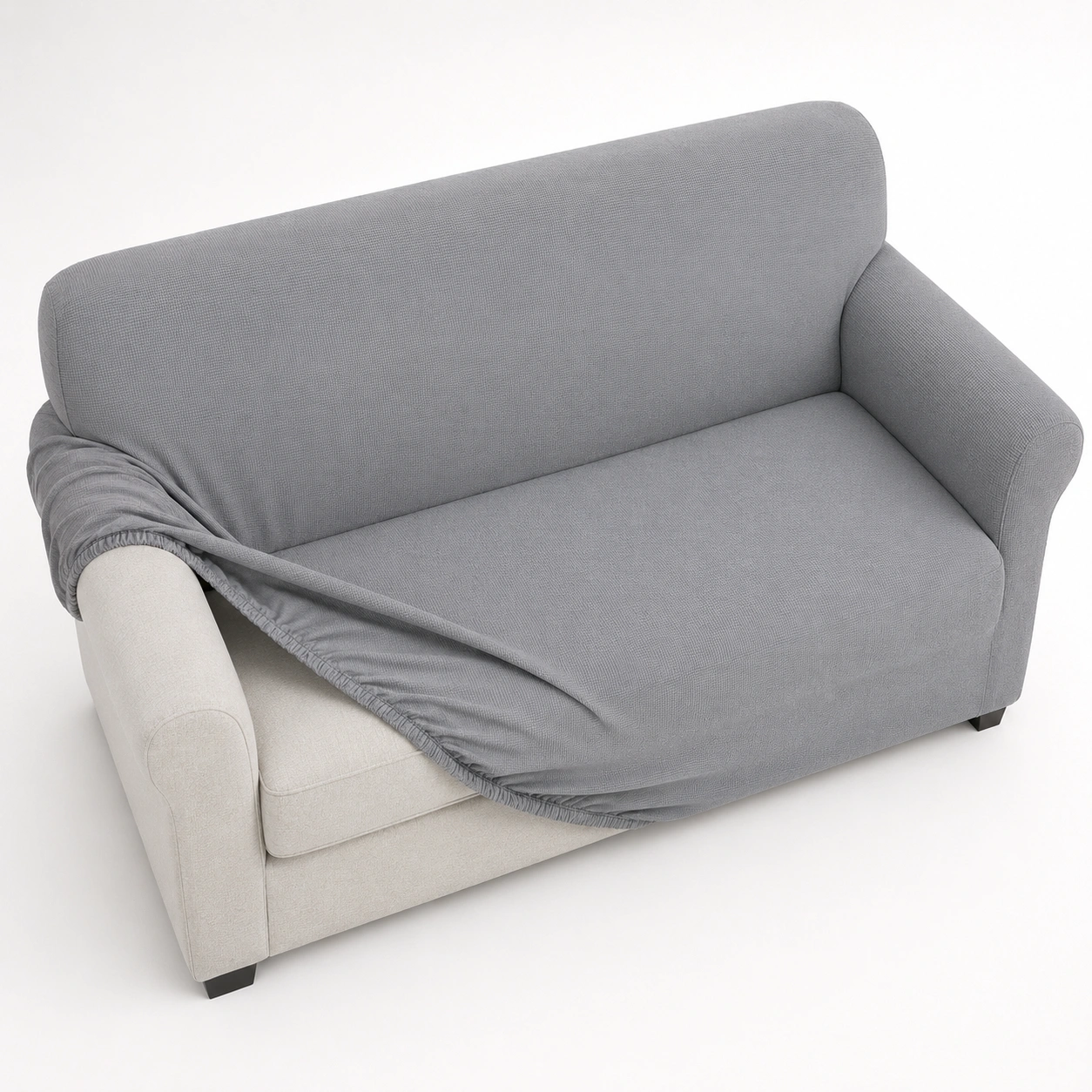
Sofa Covers
Full protection & style refresh

Pet-Proof Covers
Waterproof & scratch-resistant
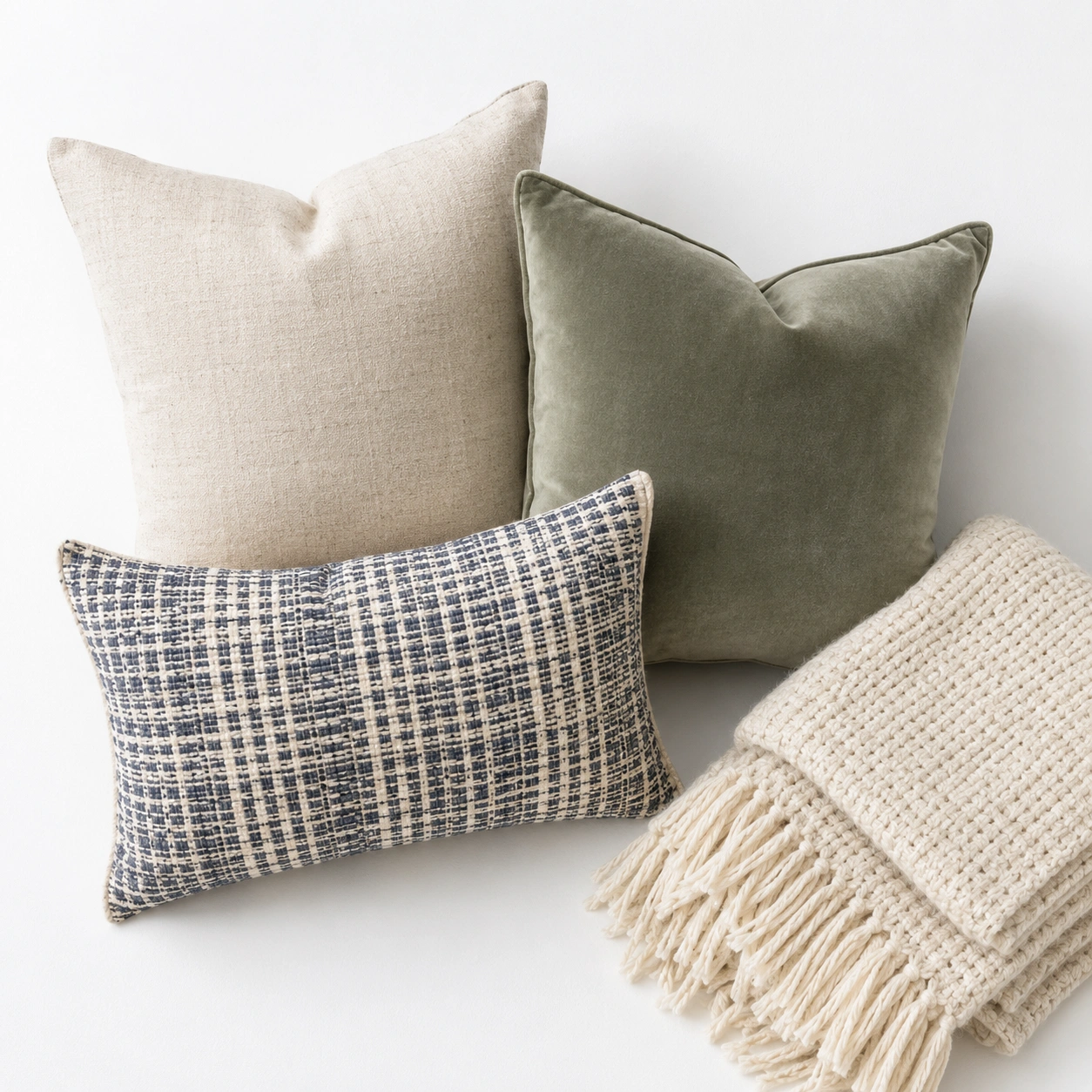
Throws & Pillows
Comfort & decorative layering
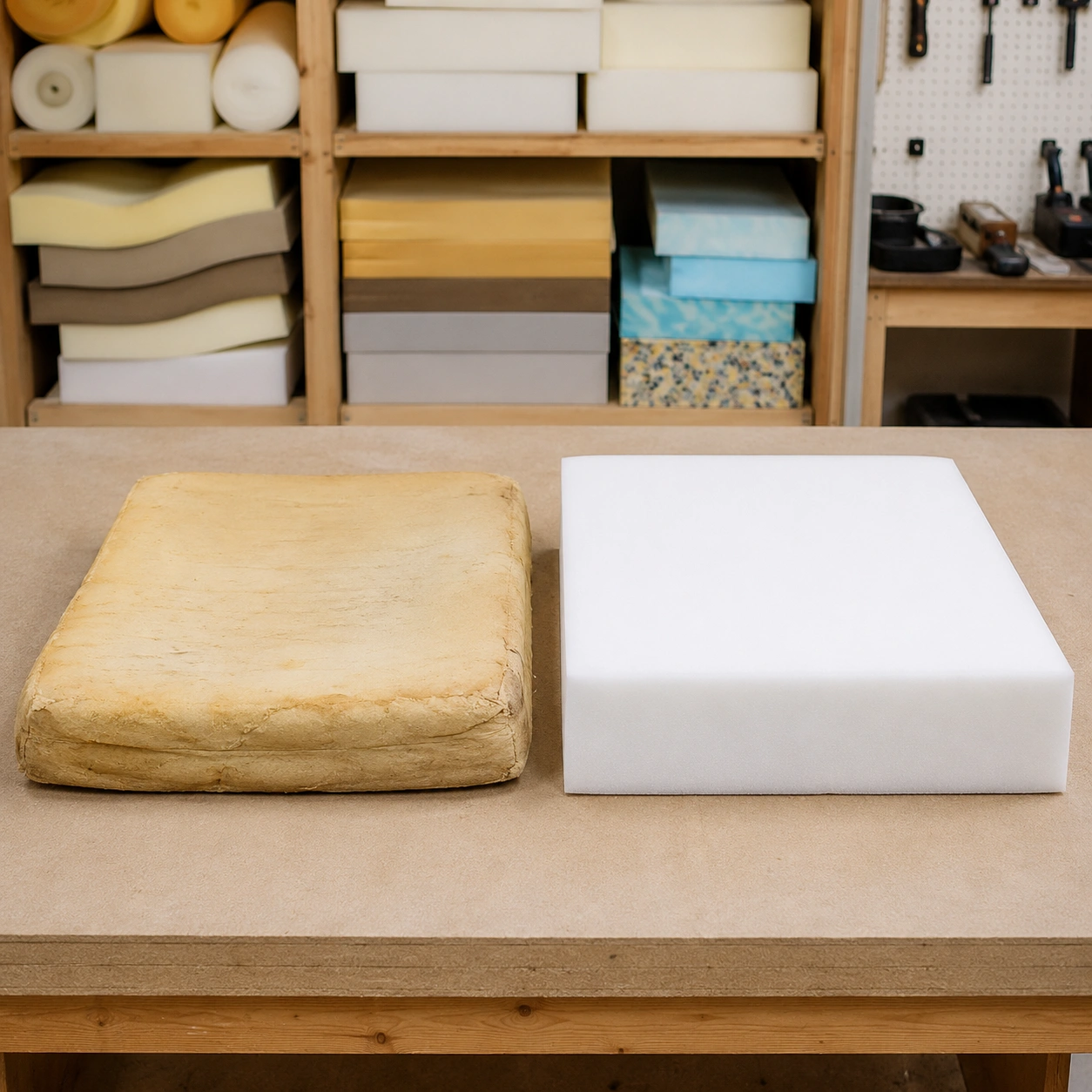
Replacement Cushions
Fix sagging, restore firmness
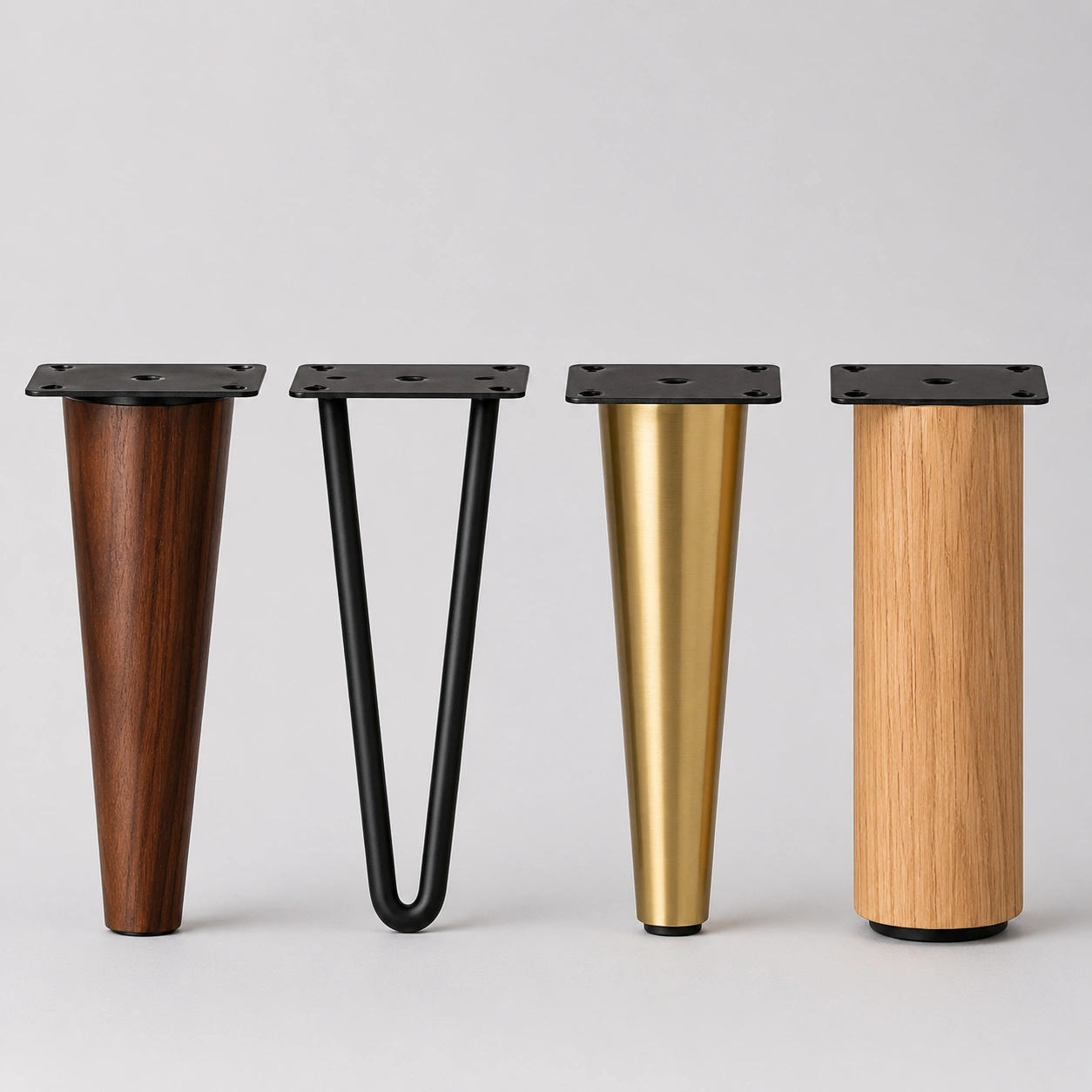
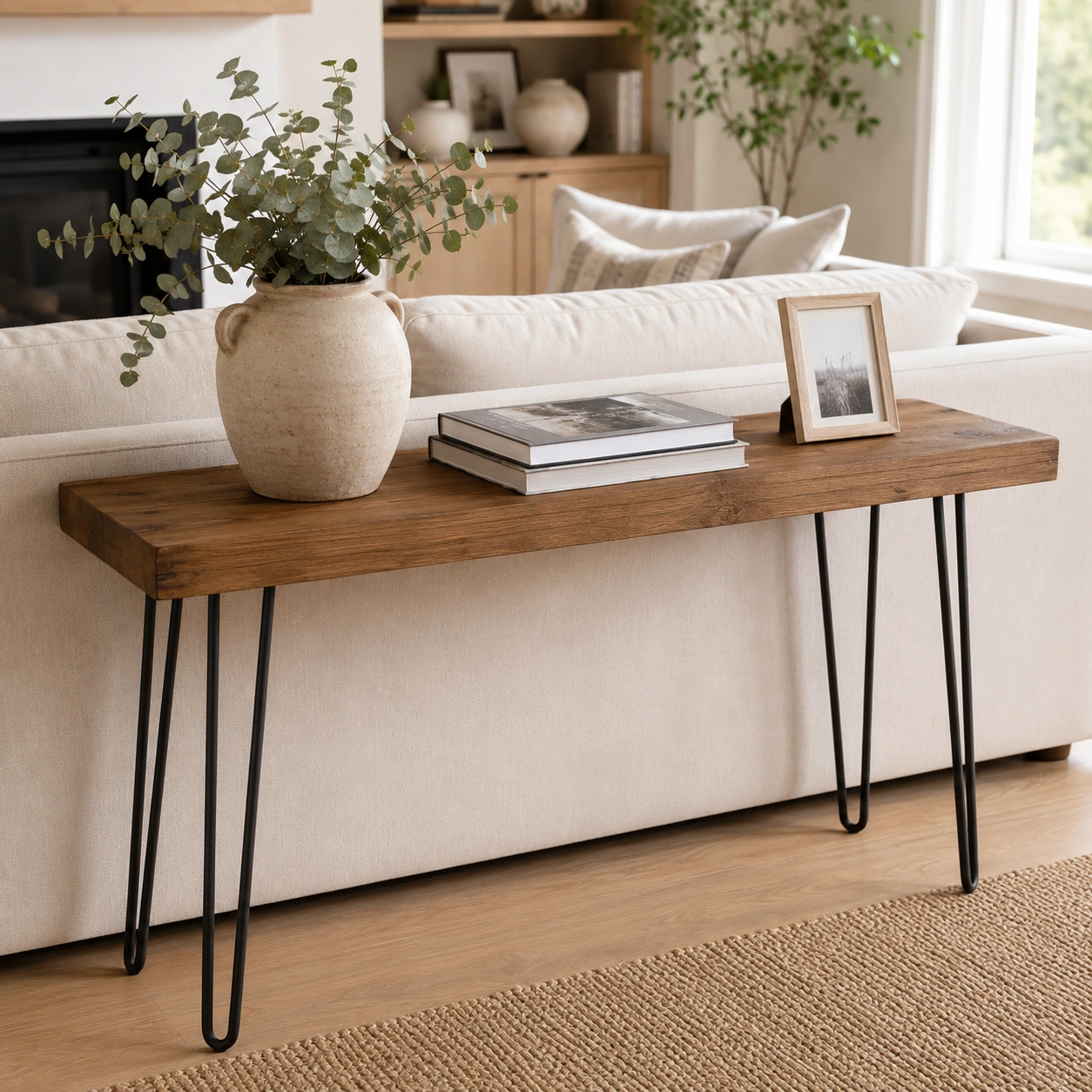
Sofa Legs
Update height, style & stability
Sofa Tables
Storage, display & surface space
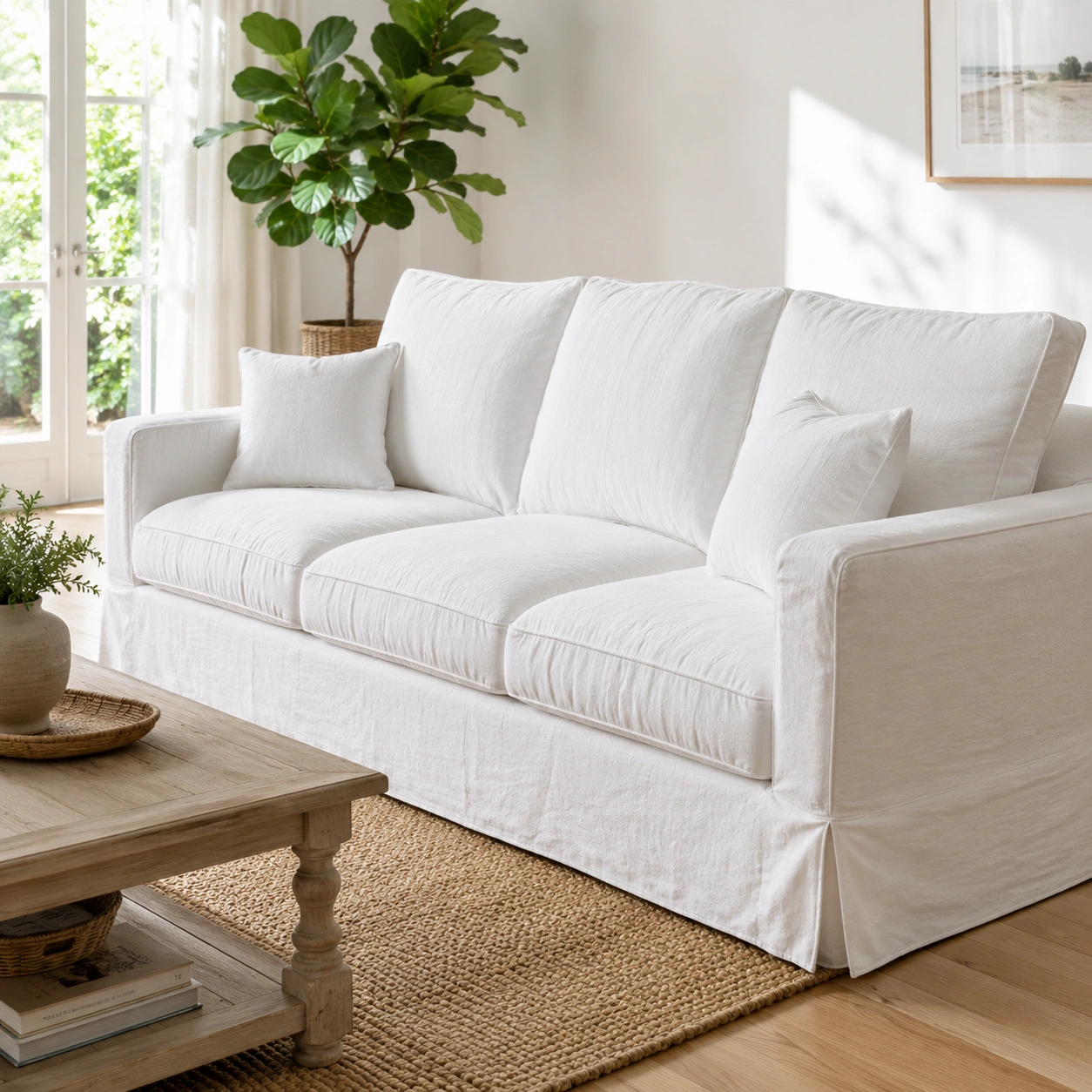
Slipcovered Sofas
Removable, washable upholstery
Sofa Covers & Slipcovers: Your First Line of Defense

What Sofa Covers Actually Do
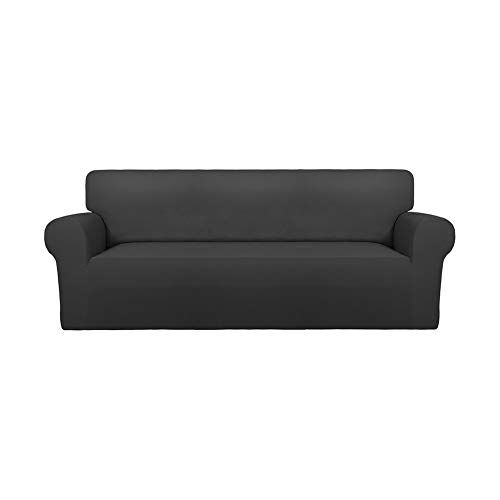
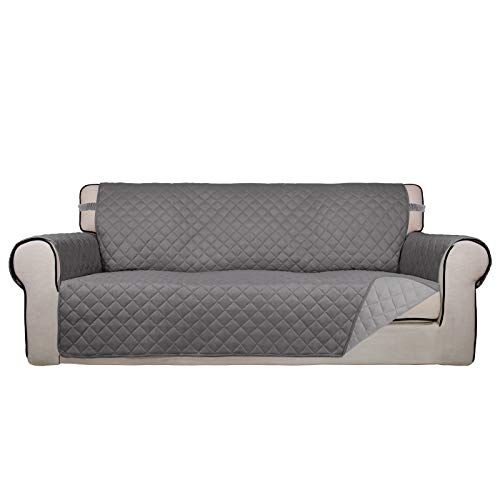
A sofa cover is a fitted fabric layer that wraps around your entire sofa — seat, back, arms, and sometimes the base. Unlike casual throws, covers are designed to stay in place and provide continuous protection. They serve as a barrier against:
- Liquid spills — from coffee and wine to pet accidents
- Pet damage — claws, shedding hair, drool marks
- UV fading — especially important near windows
- Body oils and sweat — which degrade fabric over time
- General soil — crumbs, dirt from shoes, everyday grime
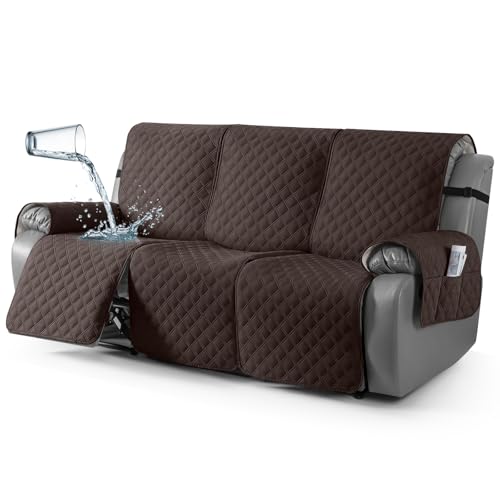
For homes with pets or children, a pet-proof sofa cover with waterproof backing is the single most impactful accessory you can buy. It pays for itself the first time it prevents a stain that would require professional cleaning.
Sofa Cover Materials Compared
| Material | Stretch Fit | Water Resistance | Breathability | Best For |
|---|---|---|---|---|
| Polyester-Spandex | Excellent | Low (absorbs spills) | Good | General use, style change |
| Quilted Cotton | Moderate | Low | Excellent | Daily comfort, summer use |
| PU-Laminated Polyester | Good | High (waterproof) | Poor | Pets, kids, high-spill areas |
| Velvet / Plush | Good | Low | Moderate | Luxury feel, decorative upgrade |
| Microfiber | Moderate | Moderate (water-repellent) | Good | Balanced protection + comfort |
| Linen Blend | Low | Low | Excellent | Light, airy aesthetic only |
Throws & Decorative Pillows: Comfort Meets Style

Beyond Decoration: The Functional Side
Throw pillows and blankets are often dismissed as purely decorative, but they serve genuine ergonomic and comfort purposes. The right throw pillow placed behind your lower back provides lumbar support that most sofa cushions simply don't offer — particularly on low-back or firm sofas where the seat-to-back angle isn't ideal for prolonged sitting.
Throw blankets serve triple duty: they add a layer of warmth for daily napping, protect the seat area from pet hair and crumbs when draped across the cushion, and introduce color and texture to your seating arrangement.
What to look for in throw pillows:
- Insert fill: Down and feather blends offer the softest feel; polyester fiberfill is hypoallergenic and more affordable; memory foam inserts provide structured support
- Cover fabric: Removable, washable covers are essential for longevity. Look for hidden zippers
- Size mix: Layer 18-inch and 20-inch pillows together for a styled look that also provides varied support zones
- Shape variety: Combine standard squares with lumbar rectangles (12×20 inches) for both aesthetics and back support
Replacement Cushions: Revive a Sagging Sofa

When Cushions Lose Their Support
Seat cushions are the first component to degrade on any sofa. The foam inside compresses over time — a process accelerated by heavy use, heat exposure, and the specific cushion fill type your sofa uses. When cushions start to feel flat, uneven, or you can feel the frame through the foam, it's time for replacement inserts.
Replacement cushions are one of the highest-impact accessories you can buy because they directly restore the seating experience. The key decision is foam firmness:
- Soft (medium density): Best for casual lounging and smaller frames. Density around 1.5–1.8 lb/ft³
- Medium-firm: The most versatile choice. Works for most body types and sitting durations. Density 1.8–2.2 lb/ft³
- Firm (high density): Ideal for heavier users, formal settings, or anyone who finds themselves shifting constantly. Density 2.2–2.8+ lb/ft³
- Wraps: Consider a down or polyester wrap around a firm foam core for the best of both worlds — structure with a plush surface feel
Sofa Legs: A Small Change With Big Visual Impact

Why Replace Your Sofa Legs?
Sofa leg replacement is one of the most underrated upgrades available. Swapping standard tapered legs for hairpin metal legs can shift a traditional sofa toward mid-century modern. Adding taller wooden legs can change the entire proportions of a low-profile piece. Beyond aesthetics, replacement legs solve practical problems too:
- Height adjustment: Taller legs make it easier to stand up from low sofas — especially helpful for seniors or anyone with knee issues
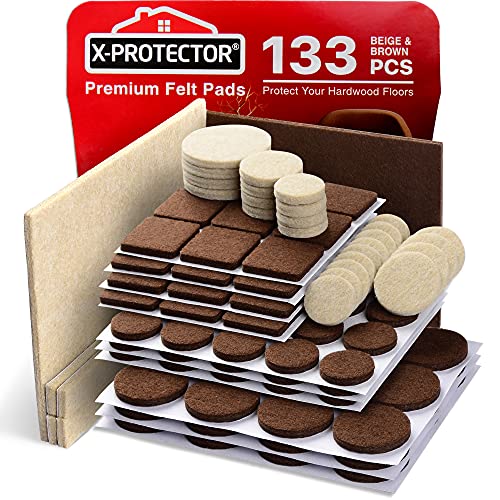
- Floor protection: Legs with felt or rubber pads prevent scratches on hardwood floors
- Stability fixes: If your sofa wobbles due to worn or uneven legs, replacements solve this immediately
- Robot vacuum clearance: Taller legs allow robotic vacuums to clean underneath — a surprisingly common motivation
- Style alignment: Match your sofa to your room's design era without buying new furniture
Compatibility check: remove one existing leg and measure the bolt thread (M6, M8, or M10), the insertion depth, and the total leg height. Most replacement leg kits include multiple bolt adapters.
Sofa Tables: The Functional Anchor
More Than Just a Flat Surface
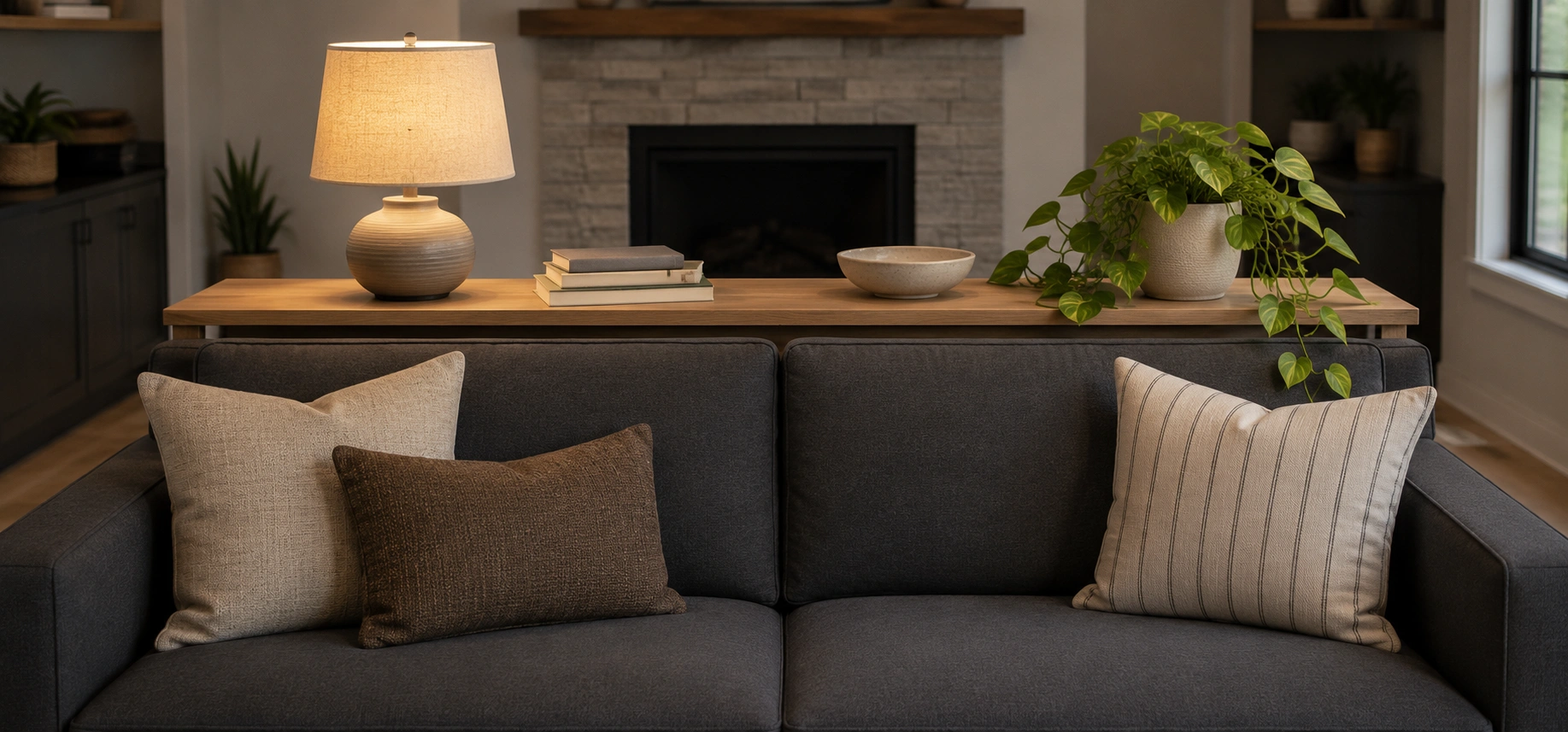
A sofa table — also called a console table or sofa-back table — sits directly behind or beside your sofa and provides surface area that the sofa itself cannot. In rooms where your sofa floats in the middle of the space (not against a wall), a sofa table is virtually essential for lamps, drinks, and display items. Even against a wall, it fills the awkward gap between sofa back and wall that otherwise collects dust.
Key considerations when choosing:
- Depth: Should be narrow enough not to protrude past the sofa's seat depth — typically 10–14 inches deep
- Height: Ideally 2–4 inches above the sofa's back height so items on the table are visible from the seating area
- Style match: Coordinate with your sofa's leg material (wood with wood, metal with metal) for a cohesive look
- Storage options: Tables with shelves or drawers add hidden storage for remotes, chargers, and coasters
How to Choose the Right Accessories for Your Sofa
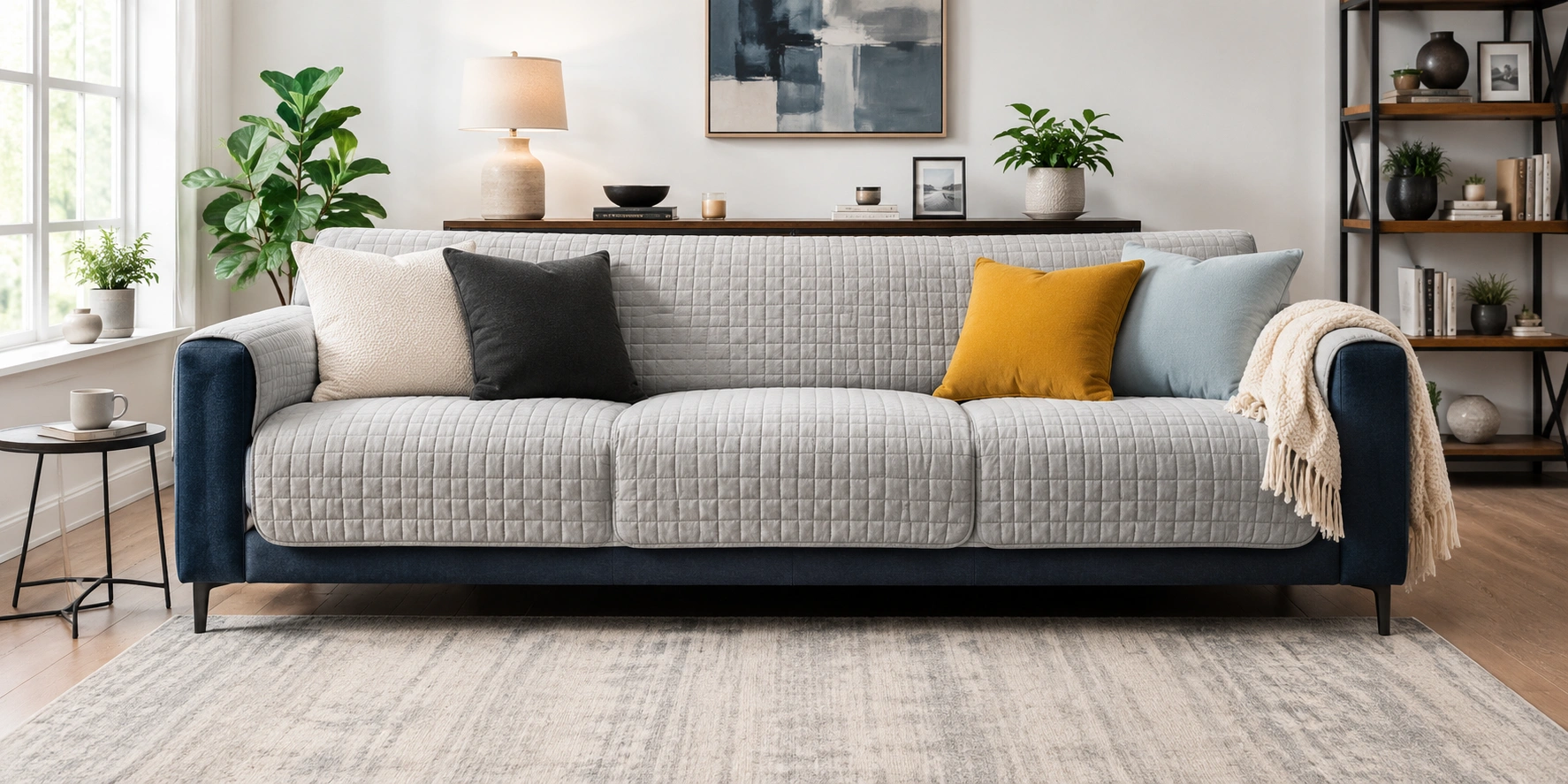
Not every accessory makes sense for every sofa or every household. Use this step-by-step framework to identify what you actually need — and avoid buying products that will end up unused in a closet.
-
1
Identify Your Primary Problem
Are you trying to protect, comfort, repair, or decorate? Be honest about the main issue. If your dog destroys armrests, a set of decorative pillows won't help — you need a pet-proof cover. If your sofa looks fine but feels uncomfortable, focus on cushions and throws instead of covers.
-
2
Know Your Sofa's Specifications
Before buying anything fitted — covers, replacement cushions, or legs — you need accurate measurements. Write down your sofa's width, depth, seat height, back height, arm height, and leg bolt thread size. Having these numbers ready prevents returns and ensures proper fit. If you're unsure how to measure, our sofa measurement guide walks you through each dimension.
-
3
Match Materials to Your Lifestyle
Homes with pets and kids need machine-washable, durable materials (polyester blends, microfiber, waterproof fabrics). Adult-only homes can prioritize aesthetics (velvet, linen, leather accents). If you're adding accessories to a leather sofa, be aware that certain fabrics can slide on smooth leather — look for covers with anti-slip backing or grip strips.
-
4
Coordinate Colors and Textures
Accessories should complement your existing sofa and room, not clash with them. A safe approach: choose accessories in the same color family as your sofa but in different shades (monochromatic), or pick one accent color that appears in other room elements (rugs, curtains, artwork). Mix textures for depth — smooth leather pillows against a fabric sofa, or a chunky knit throw on a sleek modern sofa.
-
5
Set a Realistic Budget
You don't need to buy everything at once. Prioritize based on urgency: protection first (if you have new furniture, pets, or kids), then comfort (if your sofa feels lacking), then style (if function is already covered). A complete accessory refresh typically costs between $100–$400 — far less than replacing a sofa, which averages $500–$5,000+ depending on quality. Check our sofa budget guide for spending benchmarks.
Common Mistakes When Buying Sofa Accessories
Avoid These Costly Errors
After analyzing hundreds of customer reviews and return reasons, these are the most frequent mistakes people make when purchasing sofa accessories:
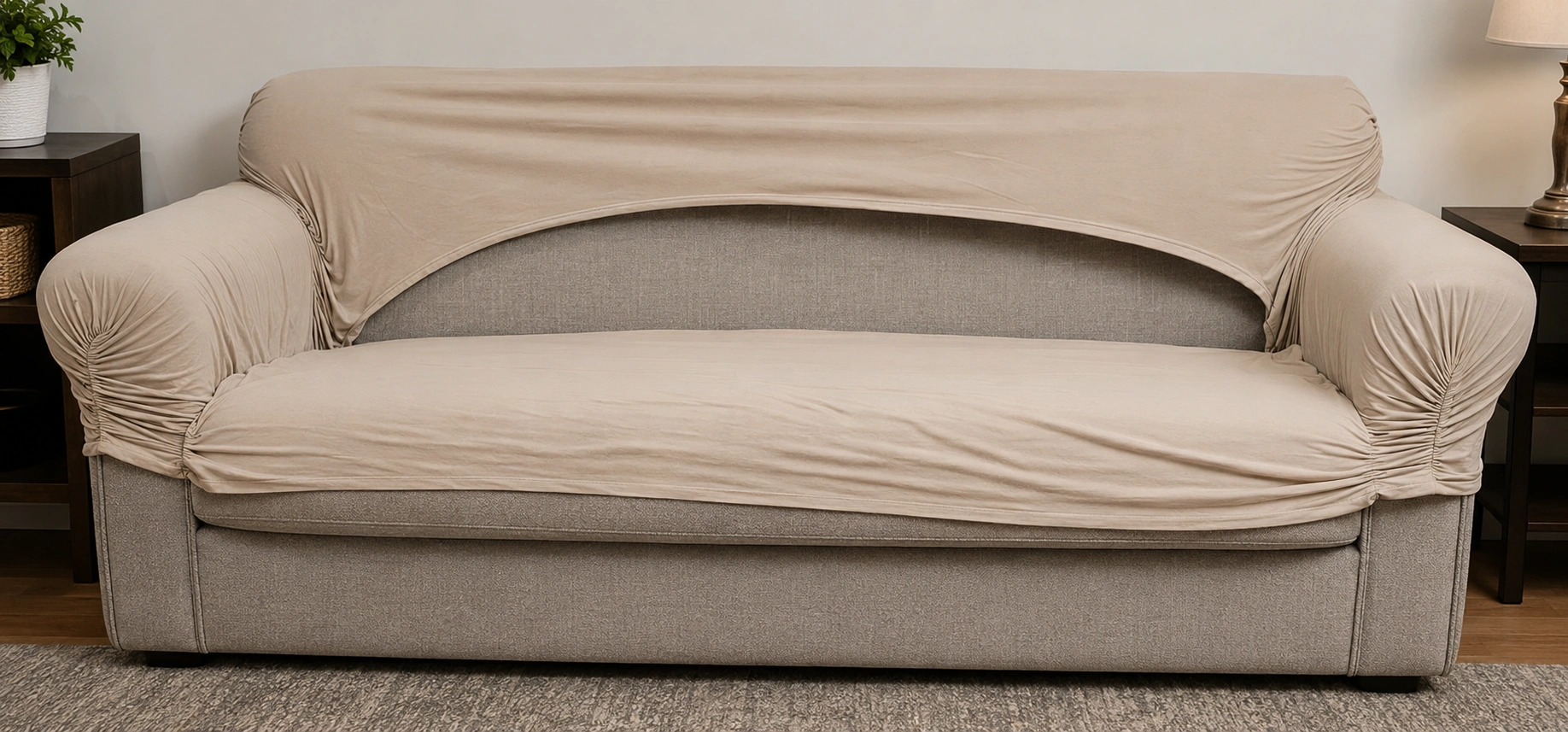
- Skipping measurements: The number one reason for returns. "It looked like the right size in the photo" is not a measurement strategy. Always measure first.
- Choosing style over function: A beautiful velvet cover that your cat shreds in a week is a waste of money. Match the material to your reality, not your Instagram feed.
- Buying too-small covers: People often underestimate their sofa's width, especially on deep-seat sofas with wide arms. Measure arm-to-arm, not just the seat cushion width.
- Ignoring bolt compatibility for legs: Not all sofas use the same thread size. An M8 bolt won't fit an M6 mounting plate. Check before ordering.
- Overloading with pillows: More isn't always better. A sofa seat should have enough space to actually sit. Four to six pillows is the practical maximum for a standard 3-seater.
- Forgetting about washing logistics: If a cover isn't machine washable, will you actually hand-wash it? Be realistic about maintenance. For easier upkeep, see our guide on cleaning fabric sofas.
Frequently Asked Questions
-
The most essential accessories depend on your situation. For households with pets or children, pet-proof sofa covers are the top priority. For comfort enhancement, throw pillows and a quality throw blanket make the biggest difference. For worn-out sofas, replacement cushions or new sofa legs can refresh the entire piece without the cost of replacement.
-
Yes. Sofa covers protect upholstery from UV damage, spills, pet claws, and daily wear. Fabric protectors create an invisible barrier against stains. Arm caps shield high-contact areas. Together, these accessories can add several years to your sofa's lifespan, making them a smart investment compared to replacing the entire couch.
-
Measure your sofa's total width from arm to arm, seat depth, and back height including cushions. Most covers come in standard sizes (1-seater, 2-seater, 3-seater, L-shape). For non-standard shapes like sectionals or curved sofas, look for covers specifically designed for those configurations. Always check the manufacturer's sizing chart and measure carefully before purchasing.
-
Not entirely universal, but most replacement legs use standard mounting hardware. The key measurements are the bolt thread size (M8 or M6 are most common), bolt insertion depth, and the leg height. Check your existing legs or the mounting plate on your sofa frame before buying. Many replacement leg sets include multiple bolt sizes and adapters for broader compatibility. If your sofa wobbles, see our guide to fixing loose sofa legs.
-
It depends on your priority. Polyester-spandex blends are the most versatile, offering stretch for a snug fit and easy machine washing. Quilted cotton is breathable and comfortable for daily use. Waterproof materials like polyurethane-laminated fabric are best for pet owners. For a premium look, velvet or linen-blend covers elevate aesthetics while still providing protection. If durability is your main concern, read about the most durable sofa fabrics.
-
As a practical rule: one pillow per seat, plus one extra for visual interest. A 2-seater does well with three pillows; a 3-seater with four to five. The key is leaving at least half of each seat cushion visible so people can actually sit down comfortably. Mix sizes (18-inch squares with 12×20-inch lumbar pillows) and textures for a styled but functional arrangement.