
Sofa Cushion Fill Types: Foam, Down, Wraps & More
How cushion fill materials interact with your spring system to create the final comfort experience. Essential companion reading.
Read more →Everything you need to know about the springs inside your sofa — from eight-way hand-tied to sinuous wire — and how they determine how your sofa feels, performs, and lasts over years of daily use.
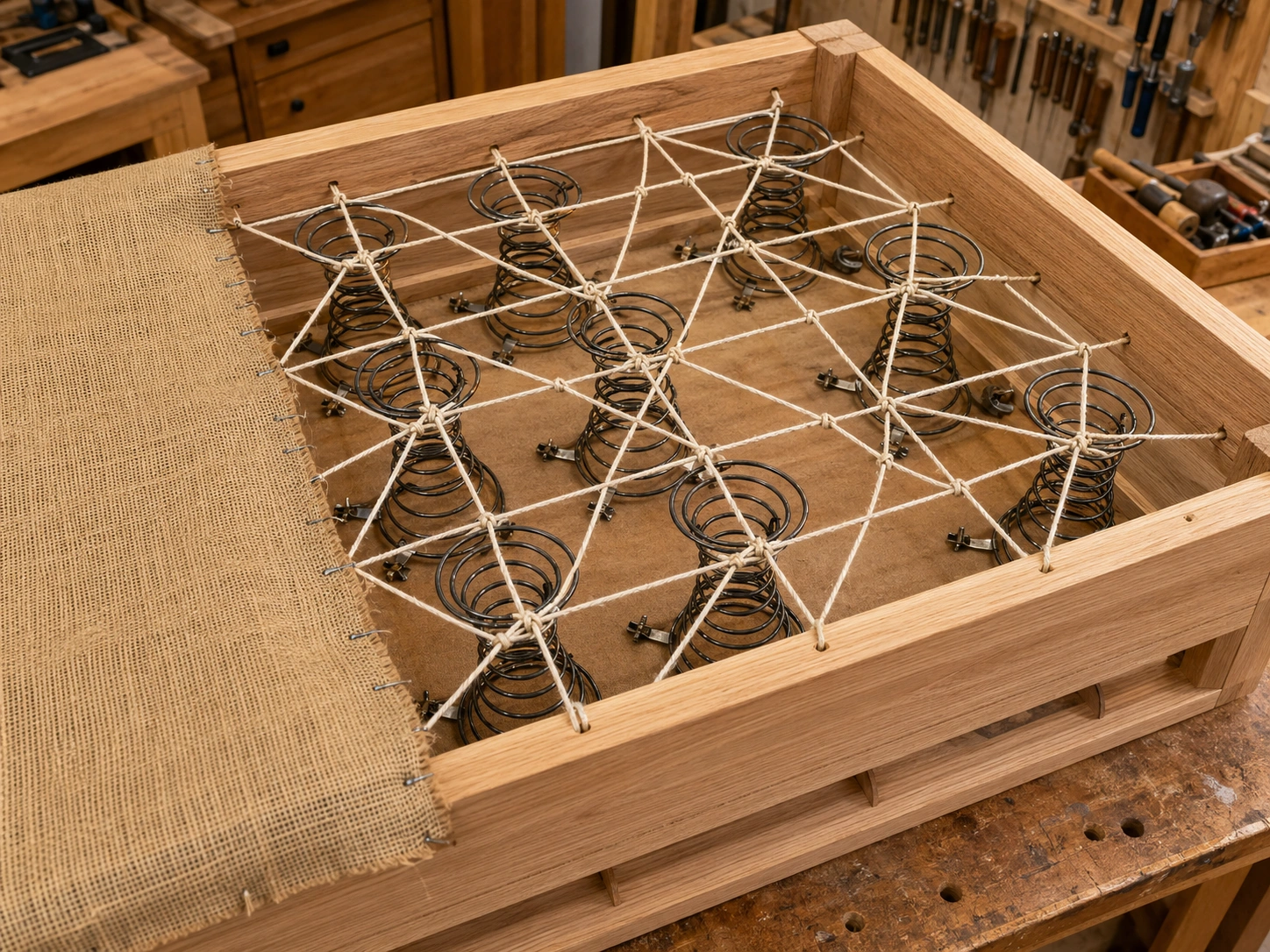
When shopping for a sofa, most people focus on the fabric color, the cushion softness, or the overall style. But the real secret to whether a sofa feels supportive or collapses after a year lies hidden beneath the cushions — the spring system.
Spring systems are the structural foundation of your sofa's seating comfort. They work in tandem with the cushion fill materials and the sofa frame to create the overall sit experience. A premium foam cushion on a weak spring base will still feel disappointing, while even modest cushioning can feel luxurious on a well-engineered spring system.
Understanding spring systems gives you a critical advantage: the ability to evaluate sofa quality beyond surface appearance and make a purchase decision that delivers long-term satisfaction. This guide covers every major spring type, how they compare, and which one is right for your specific needs.
Key Insight: The spring system accounts for roughly 30-40% of a sofa's overall comfort feel and significantly impacts its lifespan. Two sofas that look identical on the outside can feel completely different when you sit on them — and the spring system is usually the reason why.
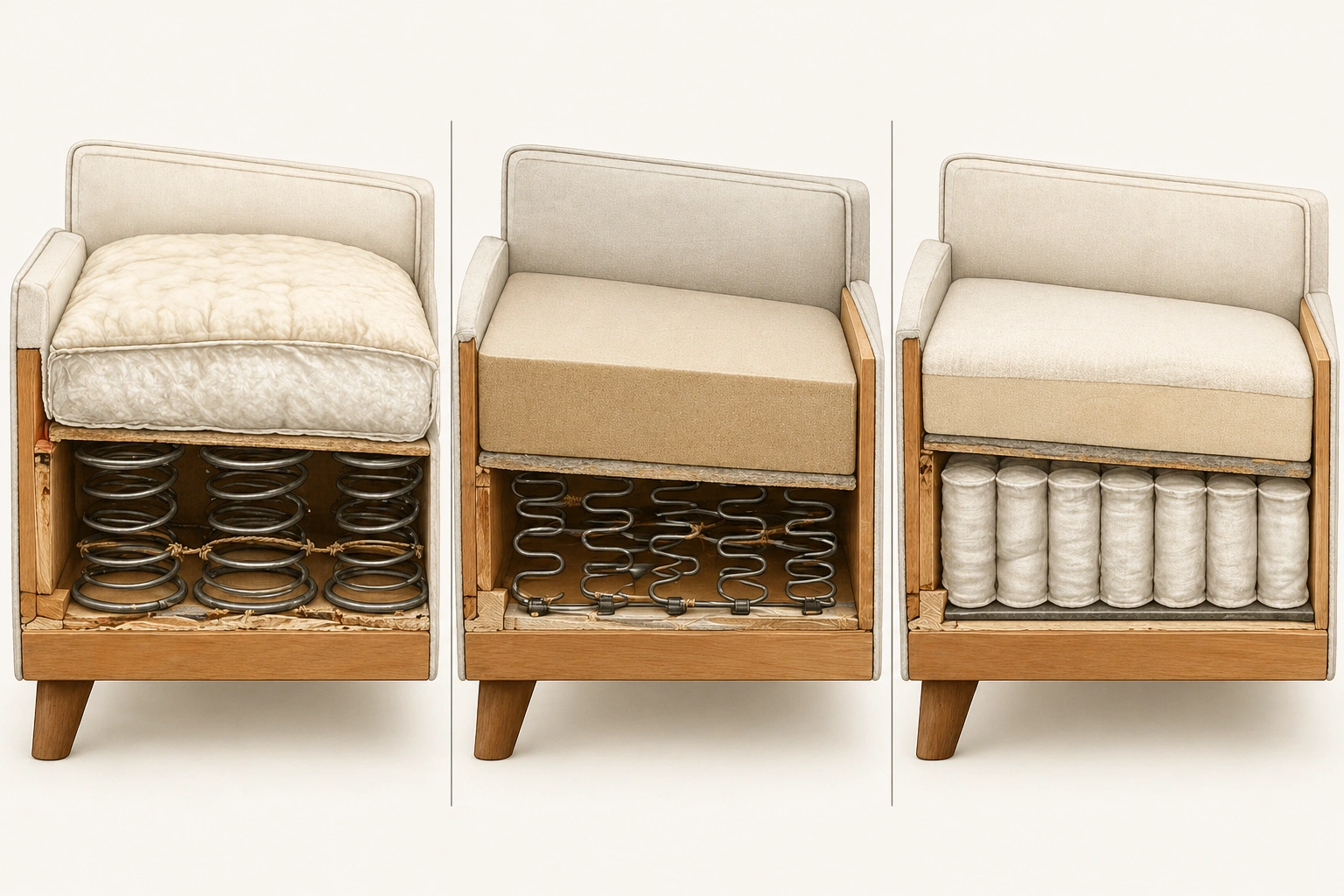
Not all sofa springs are created equal. Each type uses a different engineering approach to provide support, bounce, and durability. Here's a quick overview of the six primary systems you'll encounter when evaluating sofas:
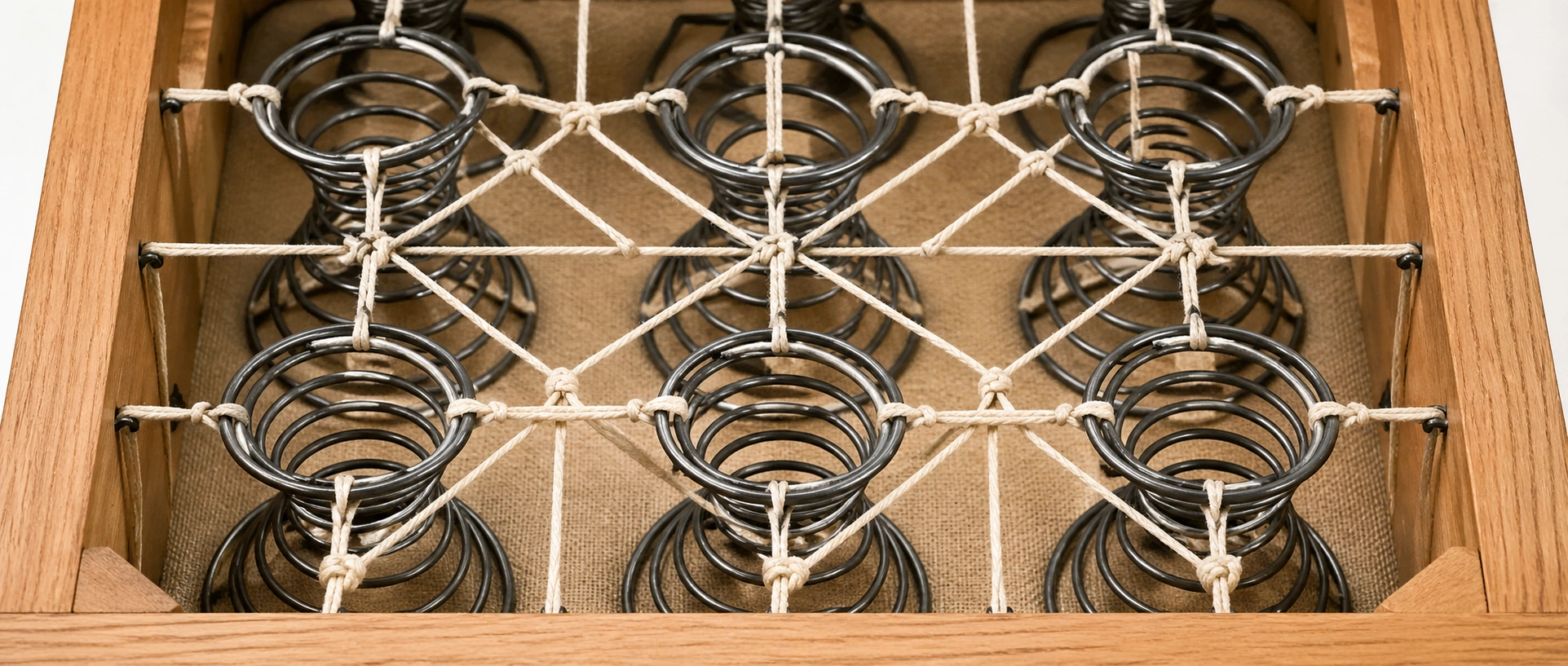
Coil springs individually tied with twine in eight directions. The gold standard for comfort and durability.
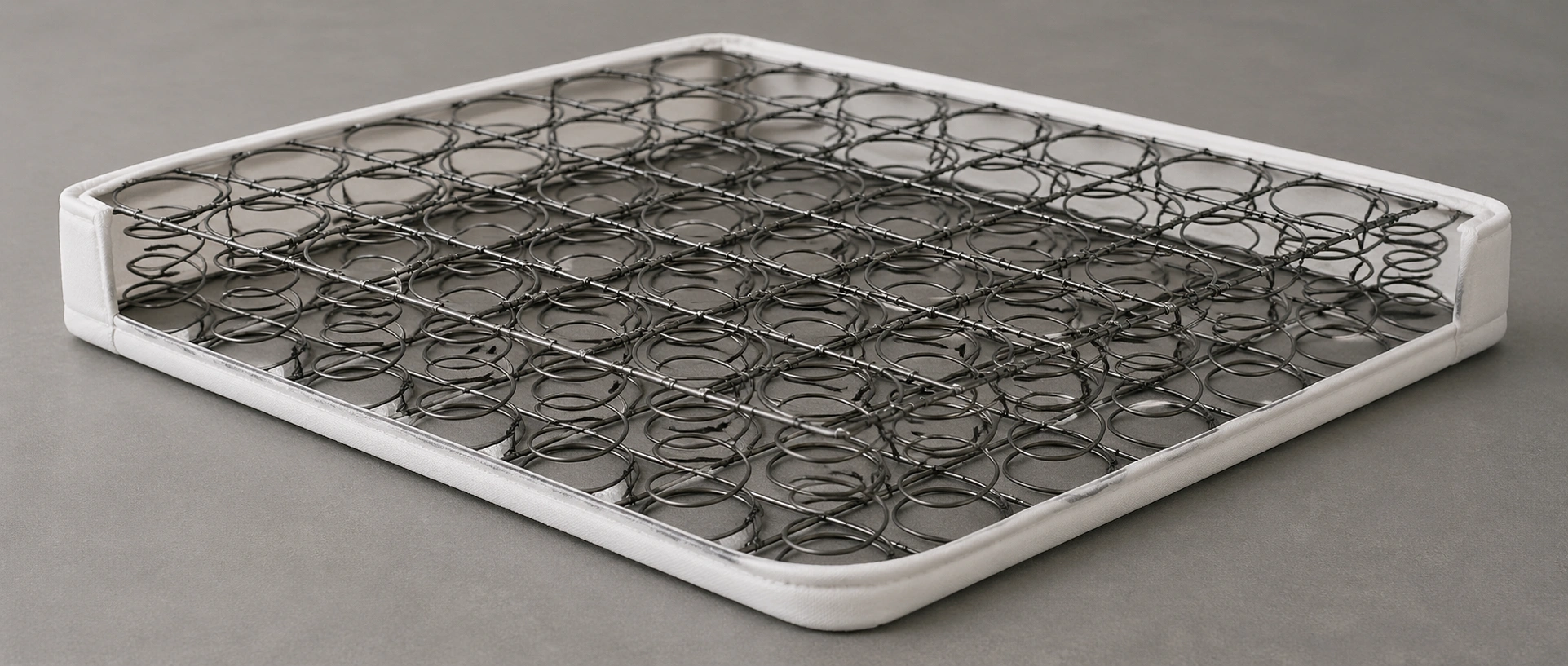
Pre-assembled coil modules dropped into the frame. Good comfort with easier manufacturing.
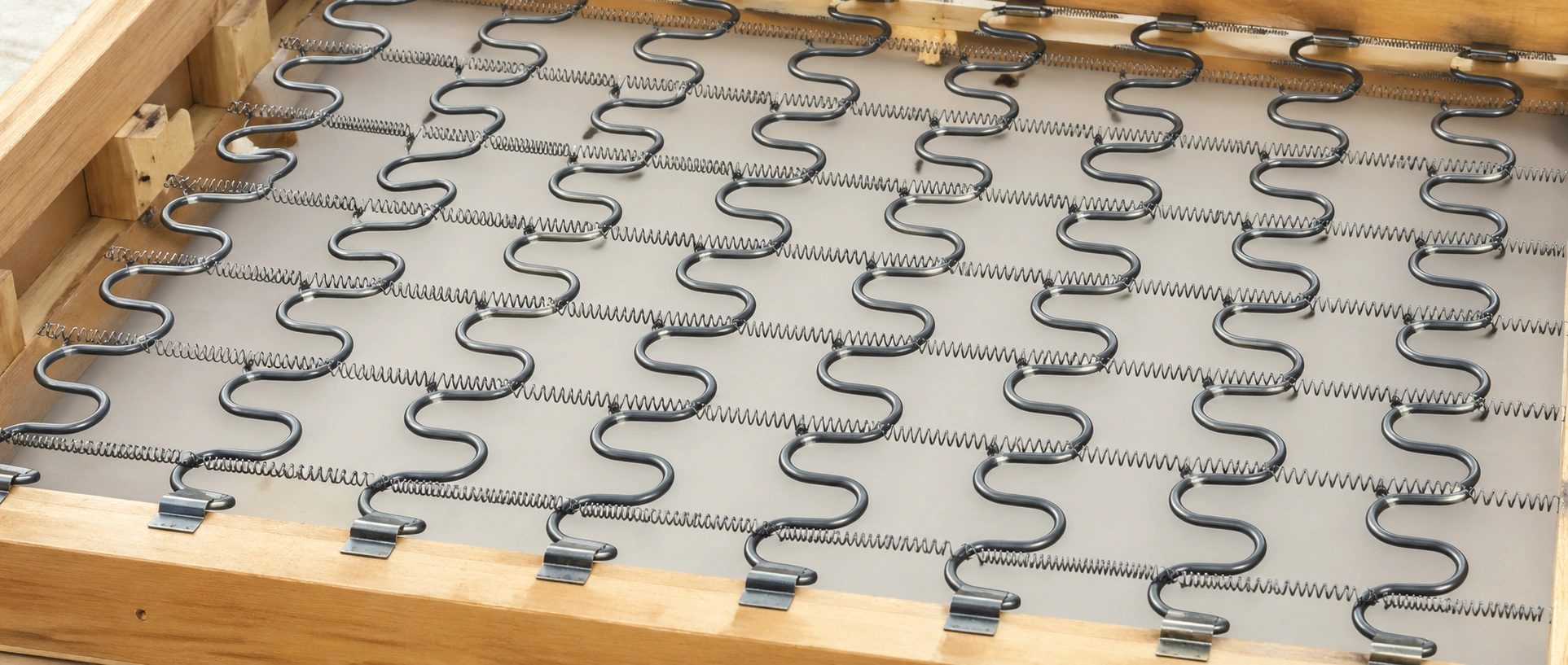
S-shaped steel wires running front to back. The most common system in mid-priced sofas.
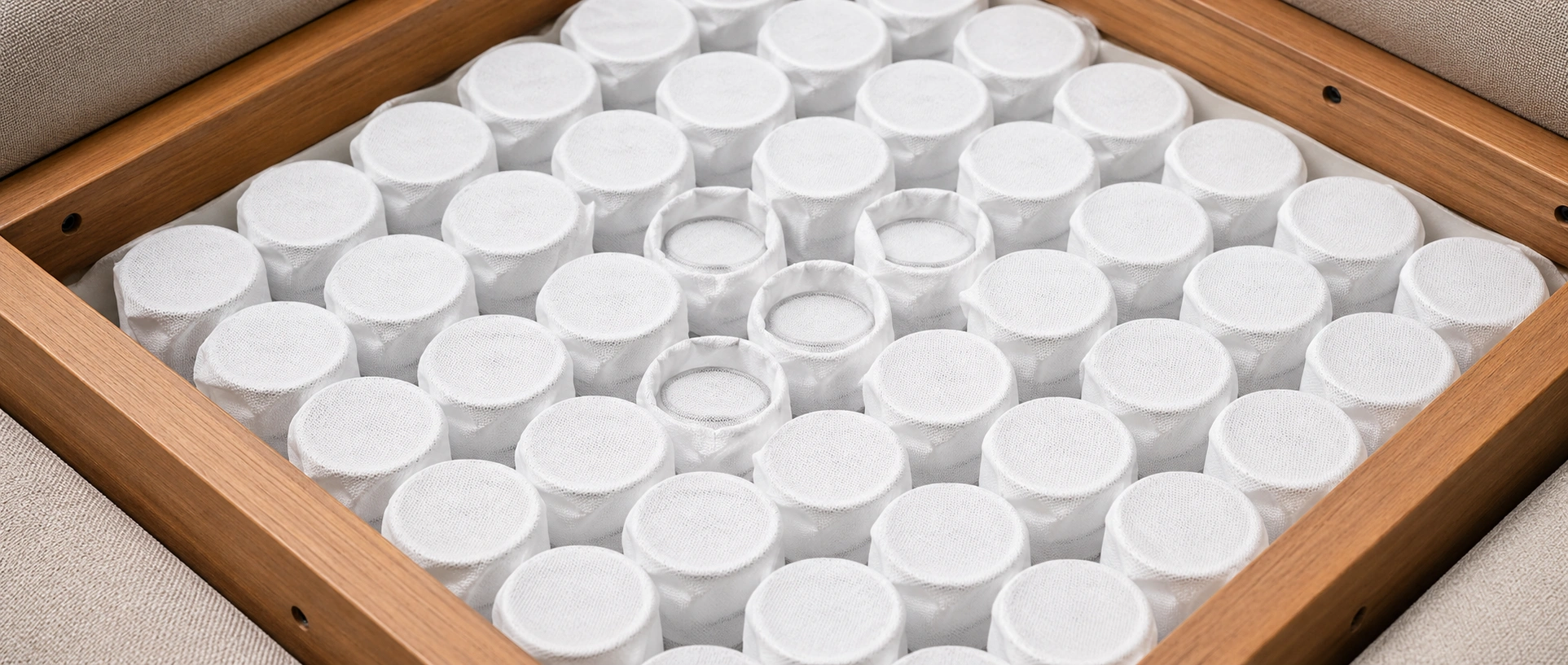
Individual coils wrapped in fabric pockets, similar to mattresses. Superior motion isolation.
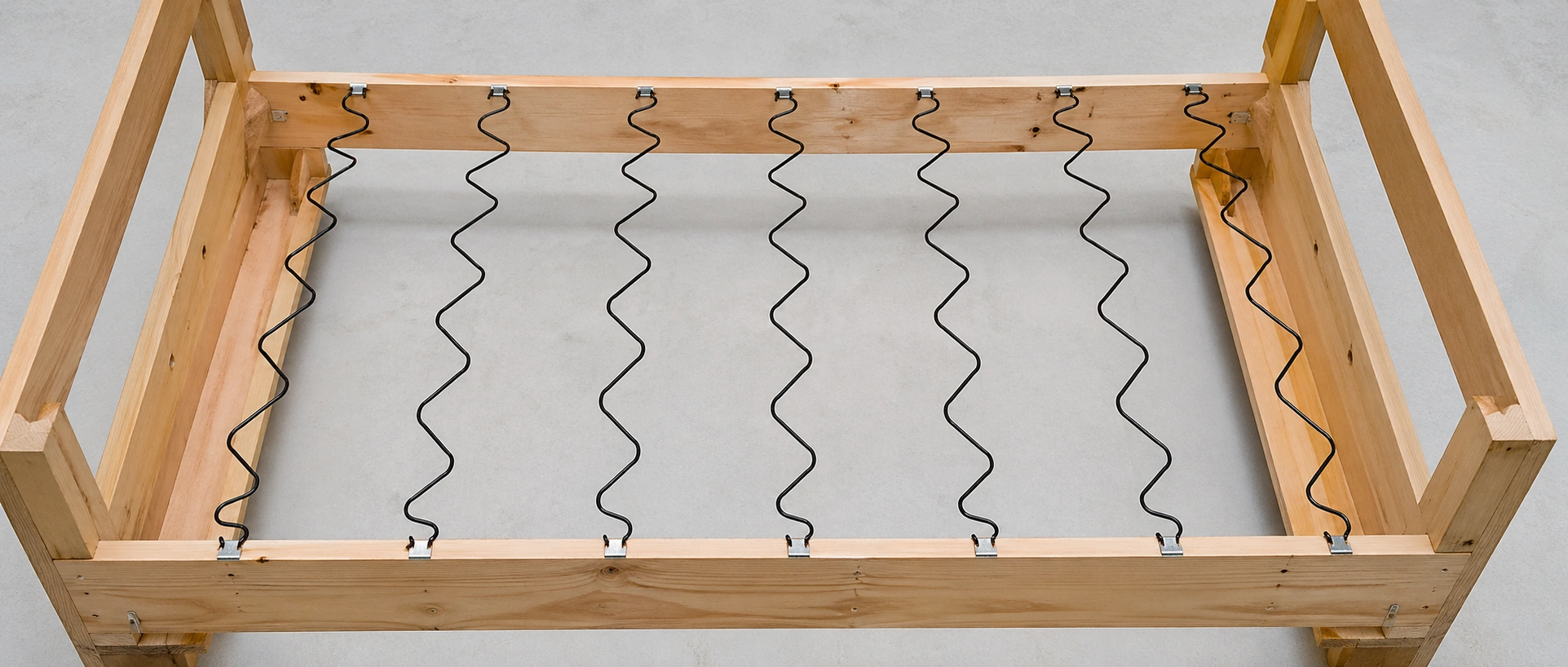
Simple zigzag wire pattern. Basic support typically found in entry-level and budget sofas.
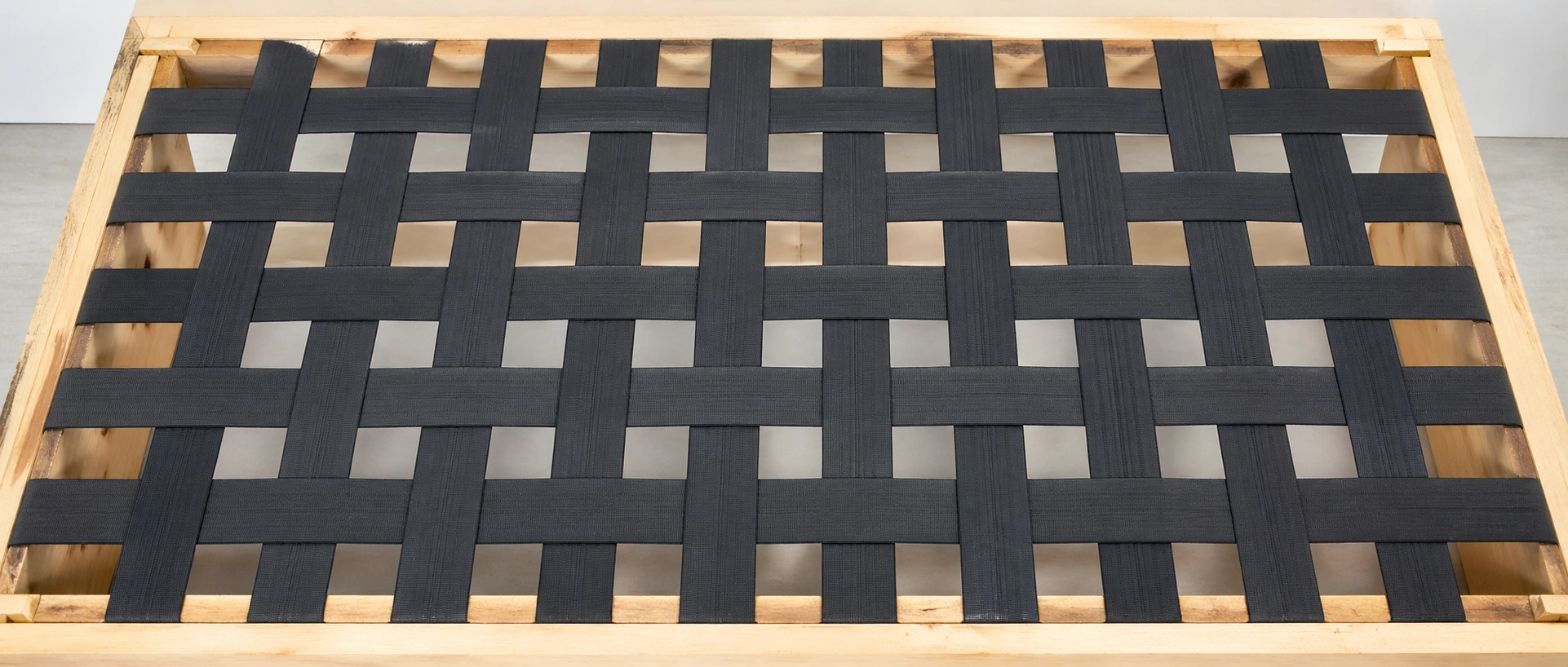
Woven elastic or PPE bands stretched across the frame. No metal springs at all.
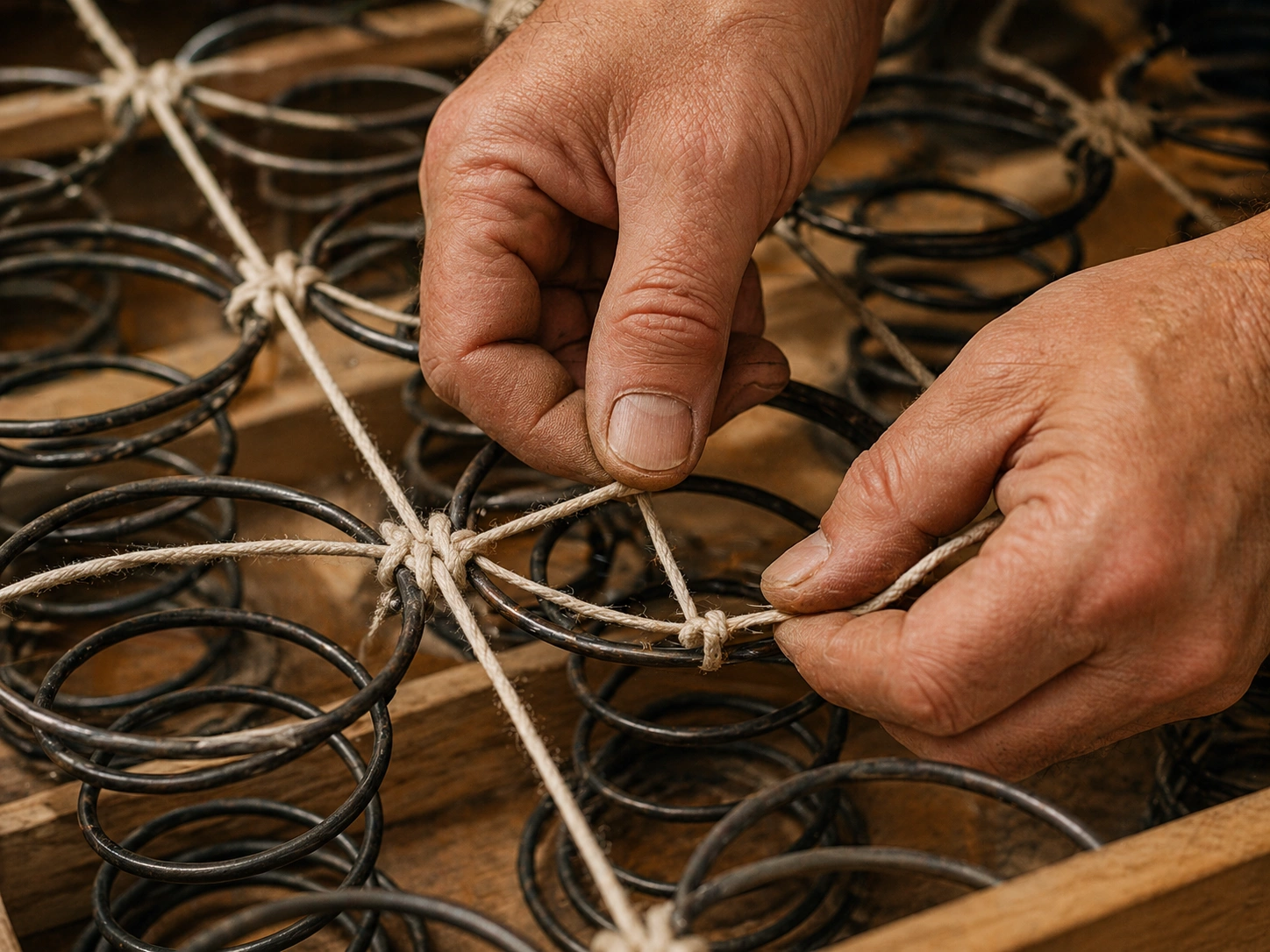
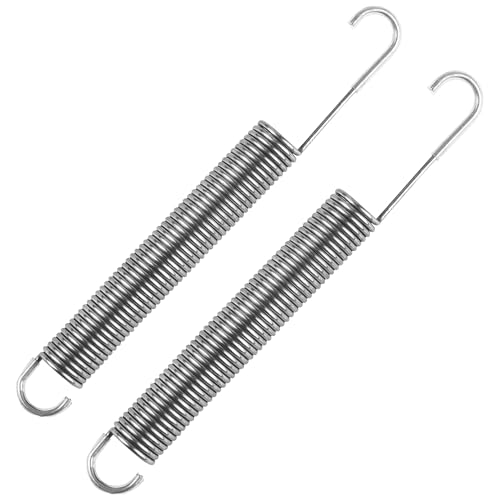
Eight-way hand-tied springs consist of individual cone-shaped coil springs (typically 8-gauge steel) placed across the sofa frame. Each spring is connected to its neighboring springs using durable twine — tied in eight different directions: front, back, left, right, and four diagonals.
This interlocking network distributes weight evenly across the entire seating surface. When you sit down, the force is shared by multiple springs simultaneously rather than being absorbed by a single point. The result is a responsive, even support that maintains its shape and comfort for decades.
This system is almost always paired with a high-quality hardwood sofa frame, because the frame needs to be robust enough to handle the tension from the tied springs. You'll typically find this construction in premium sofas from established manufacturers and high-end luxury sofa brands.
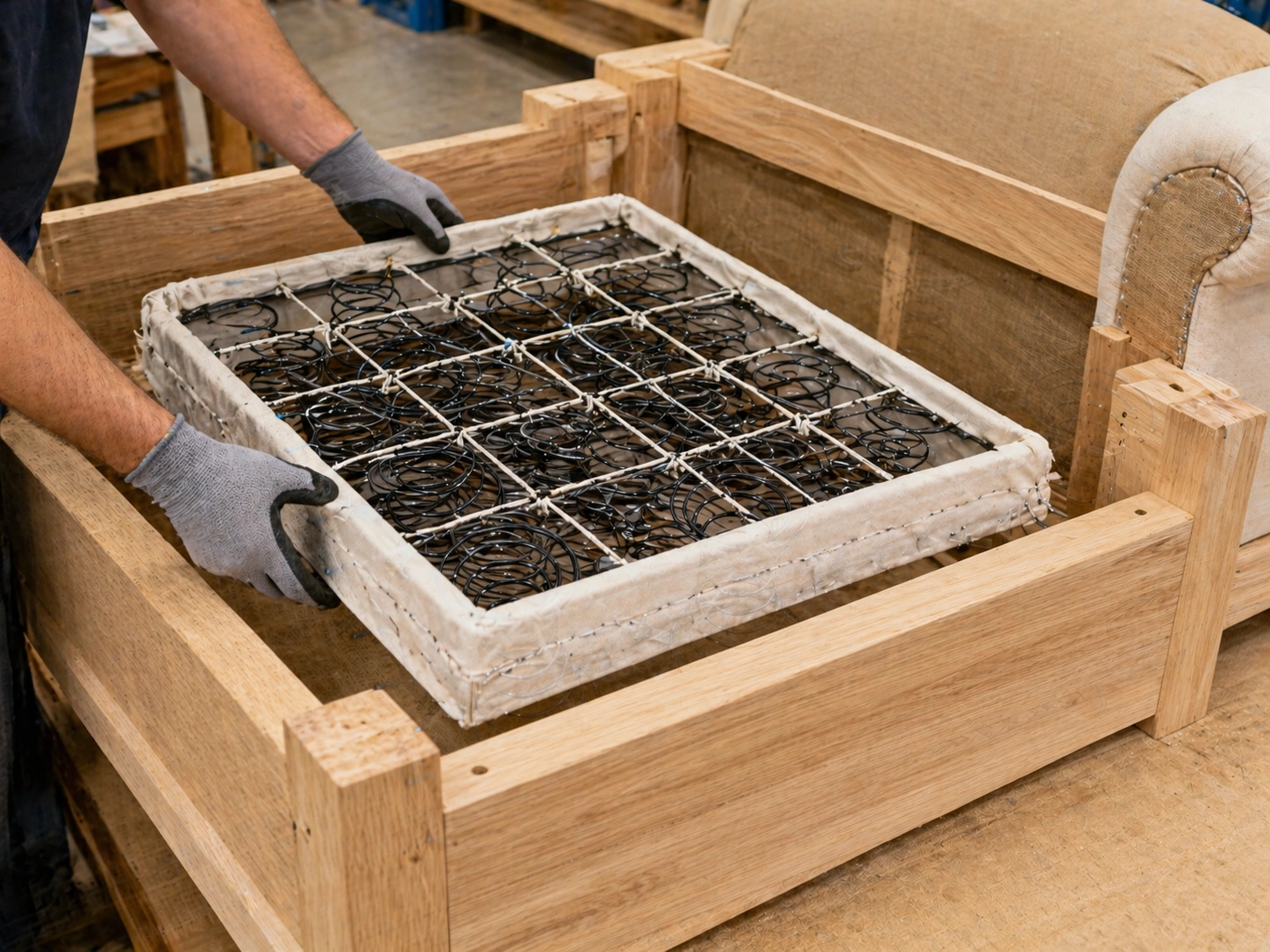
Drop-in coil springs (also called " Marshall coils" or "coil units") are pre-assembled modules where multiple coil springs are already connected to a wire grid and enclosed in a fabric- or foam-wrapped border. The entire unit is manufactured off-site and simply dropped into the sofa frame during assembly.
This approach delivers comfort that is remarkably close to hand-tied springs at a lower cost because it eliminates the skilled labor of individual hand-tying. The pre-built modules also ensure consistent quality since they're factory-produced under controlled conditions. Many well-regarded mid-to-upper-range sofas use this system as their primary suspension.
Drop-in coils pair well with various cushion types, including high-density foam cushions and wrapped cushion cores, making them a versatile choice for different firmness preferences.
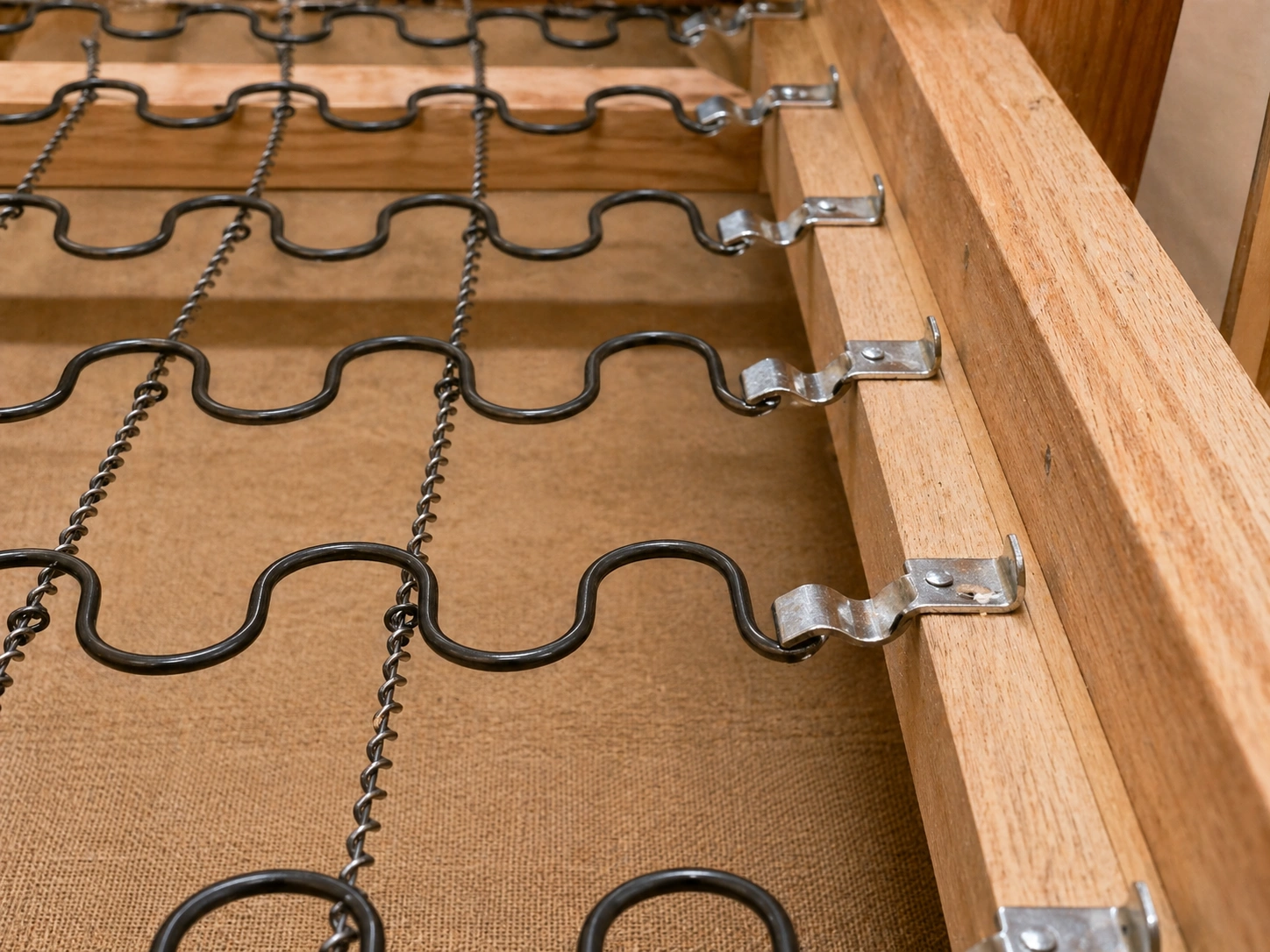
Sinuous wire springs (often called "S-springs" or "zigzag springs") are made from heavy-gauge steel wire bent into a continuous S-shape pattern. Multiple wires are stretched across the sofa frame from front to back, typically spaced 2-4 inches apart, and fastened to the frame with clips or nails.
This is by far the most widely used spring system in the furniture industry. You'll find it in everything from budget sofas to solid mid-range pieces. When properly installed with adequate wire gauge (9-gauge or heavier) and correct tension, sinuous springs deliver reliable, comfortable support for everyday use.
The key quality differentiator is wire gauge and spacing. Thicker wire with closer spacing provides firmer, more durable support. Cheaper sofas may use thinner wire (11-12 gauge) with wider spacing, which leads to faster sagging. Quality sinuous systems also use helical cross-wires connecting the S-springs laterally, which prevents sideways shifting and improves long-term durability.
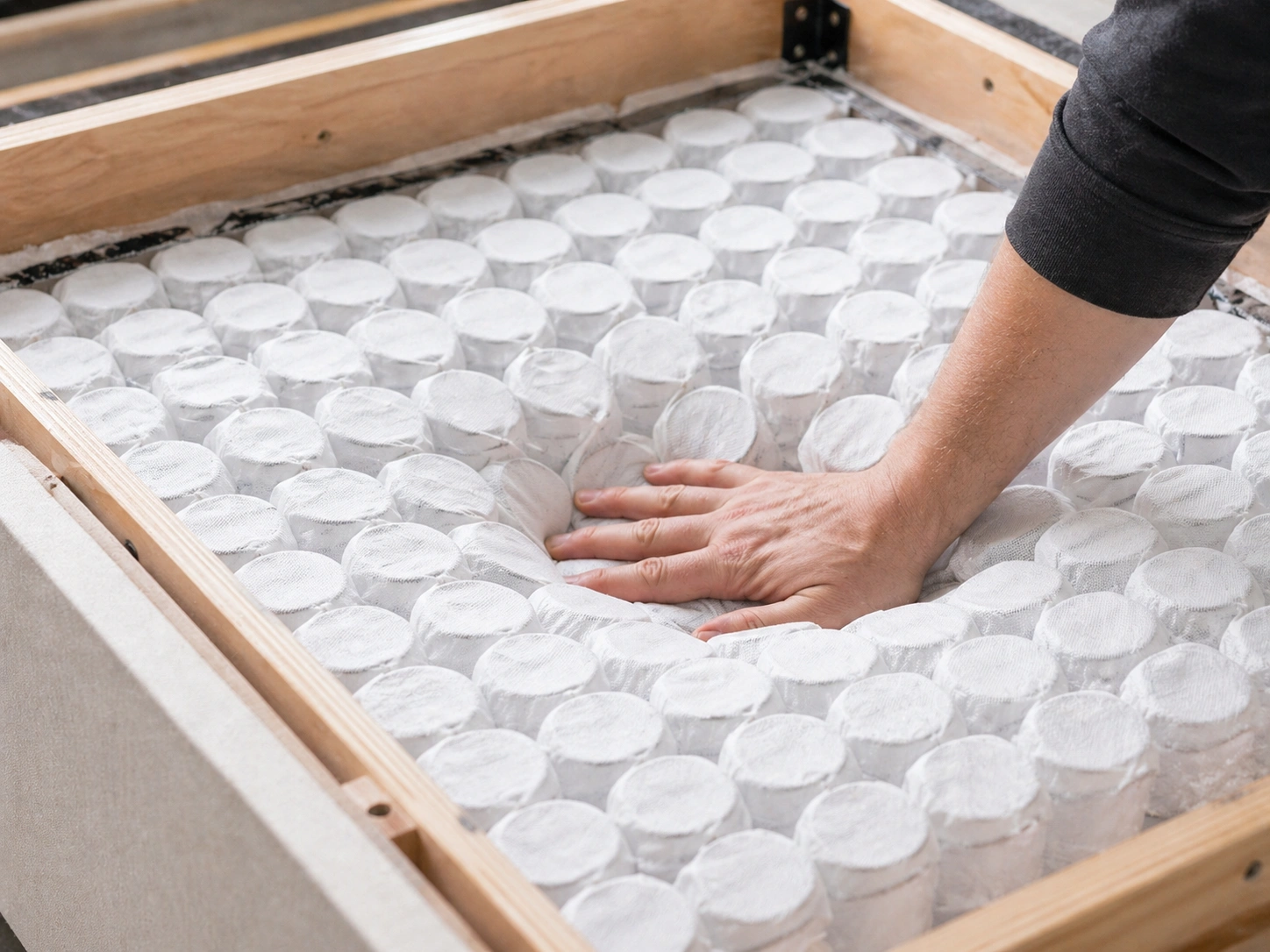
Pocket coil springs borrow technology from premium mattresses. Individual coil springs are each wrapped in their own fabric pocket, then arranged in a grid pattern inside the sofa seat. Because each coil operates independently, they can compress and respond to pressure at their specific location without affecting neighboring coils.
This independent movement creates what the industry calls "motion isolation" — when one person sits down or shifts position, the movement doesn't ripple across the entire seating surface. This makes pocket coils especially popular in larger sofas like sectionals and 3-seater sofas where multiple people sit simultaneously.
The pocket coil system also adapts well to different body types and weights. Heavier areas sink deeper while lighter areas stay more supported, creating a personalized comfort experience. When combined with quality cushioning, this system approaches the feel of a premium mattress — which is why it's increasingly popular in sofas designed for daily napping and movie marathons.
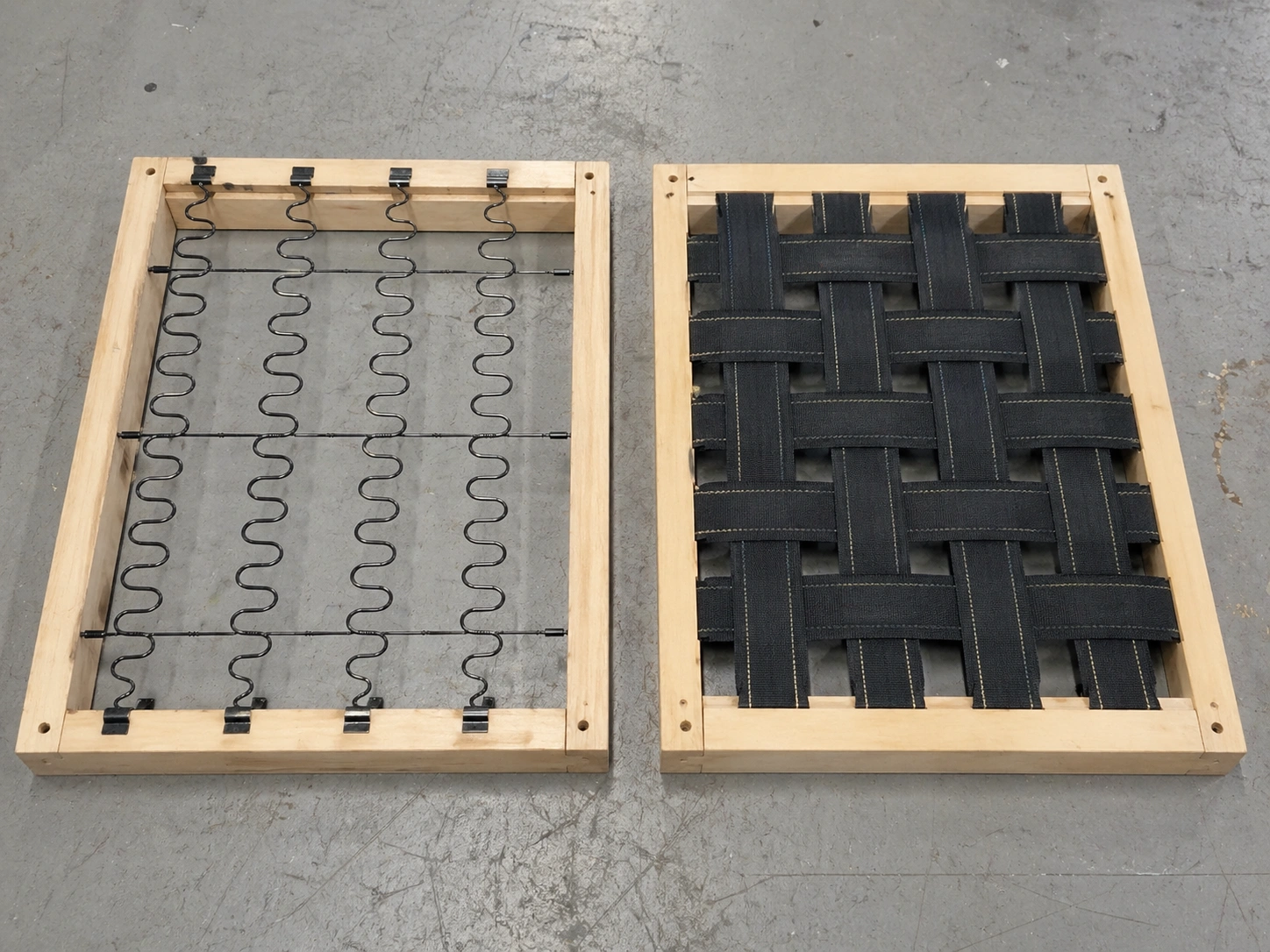
Zigzag (No-Sag) Springs are the simplest metal spring system. A single continuous wire is bent into a zigzag pattern and stretched across the frame. Unlike sinuous springs which use multiple separate S-shaped wires, zigzag springs are one continuous piece with fewer bends. They provide basic support but lack the responsiveness and durability of more complex systems. You'll typically find these in inexpensive sofas, futon sofas, and some inflatable couch alternatives.
Webbing Suspension eliminates metal springs entirely. Instead, woven bands made from elastic, polypropylene (PPE), or jute are stretched across the frame in a woven basket pattern. Some modern versions use rubberized webbing for improved elasticity. While webbing alone provides only minimal support, it's sometimes used as a base layer beneath other spring systems to add extra support.
Neither system is recommended as the sole suspension for a primary living room sofa that will see daily use. They may be acceptable for occasional-use pieces like a guest room sofa or decorative accent seating. If you're evaluating a sofa with only webbing or basic zigzag springs, expect a lifespan of 3-5 years with moderate use before noticeable sagging occurs. This has a direct impact on the price-to-quality ratio — a cheap sofa that sags in two years often costs more in the long run than a moderately priced one with better springs.
⚠ Buyer Beware: Some manufacturers use clever marketing terms like "tiered support system" or "multi-layer suspension" to describe basic webbing with a thin foam layer on top. Always ask specifically what type of spring system is used. If the answer is vague, it's likely webbing or basic zigzag. For a deeper look at related structural components, check our guide on sofa suspension types.
Use this comparison table to quickly evaluate each spring system across the factors that matter most when making a purchase decision:
| Spring Type | Comfort | Durability | Typical Lifespan | Price Range | Best For |
|---|---|---|---|---|---|
| Eight-Way Hand-Tied | ★★★★★ | ★★★★★ | 15–25+ years | $800 – $2,500+ | Daily use, investment pieces |
| Drop-In Coil | ★★★★☆ | ★★★★☆ | 10–15 years | $450 – $1,200 | Quality mid-range sofas |
| Pocket Coil | ★★★★★ | ★★★★☆ | 10–15 years | $600 – $1,800 | Multi-user households, sectionals |
| Sinuous Wire | ★★★☆☆ | ★★★☆☆ | 5–10 years | $150 – $450 | Occasional to moderate use |
| Zigzag (No-Sag) | ★★☆☆☆ | ★★☆☆☆ | 3–5 years | $80 – $200 | Budget, occasional use only |
| Webbing Only | ★☆☆☆☆ | ★☆☆☆☆ | 2–4 years | $50 – $150 | Decorative / accent pieces |
Price Context: The spring system is a major cost driver in sofa manufacturing. A sofa with eight-way hand-tied springs typically costs 40-60% more to produce than the same design with sinuous wire springs. This cost difference is reflected in retail pricing, which is why understanding springs helps you evaluate whether a higher price tag is justified.
You don't need to disassemble a sofa to evaluate its springs. Follow these four practical steps during your next showroom visit to quickly assess spring quality — a technique that complements our broader guide on how to test sofa comfort:
Remove cushions and press firmly on the spring base with both hands. Quality springs should offer firm, even resistance. If you feel soft spots, dead zones, or uneven tension, the springs are poorly made or already failing.
Sit on the sofa and slowly shift your weight from one end to the other. Good springs distribute the movement smoothly. If you feel hard spots, ridges, or sudden drops, the spring layout has gaps or uneven tension.
Press down firmly and release. Premium coil springs return smoothly with controlled rebound. Sinuous wire springs return faster with less depth. If the seat feels dead with no bounce at all, it may have weak springs or webbing-only suspension.
Sit down and shift around while paying attention to sounds. Squeaking, creaking, or metallic noises indicate friction between springs, loose clips, or poor installation. Quality springs operate silently — a key factor to check, especially if you've dealt with sofa squeaking problems before.
Pro Tip: When shopping online, look for product descriptions that specifically mention the spring type. Phrases like "eight-way hand-tied," "drop-in coil unit," or "9-gauge sinuous wire" indicate the manufacturer is confident enough in their construction to advertise it. Vague descriptions like "sturdy support system" or "reinforced base" are red flags. For more evaluation criteria, see our guide on how to check sofa quality before buying.
The "best" spring system depends entirely on your specific situation. Here are three common scenarios with our recommendations:
If your sofa serves as the primary gathering spot for a family room, expect heavy and frequent use from multiple people. You need springs that can handle sustained weight without degrading.
Recommended: Eight-Way Hand-Tied or Drop-In CoilFor a smaller space like an apartment or 2-seater sofa used primarily by one or two people, you don't need heavy-duty suspension. Good quality sinuous wire is sufficient.
Recommended: Quality Sinuous Wire (9-gauge+)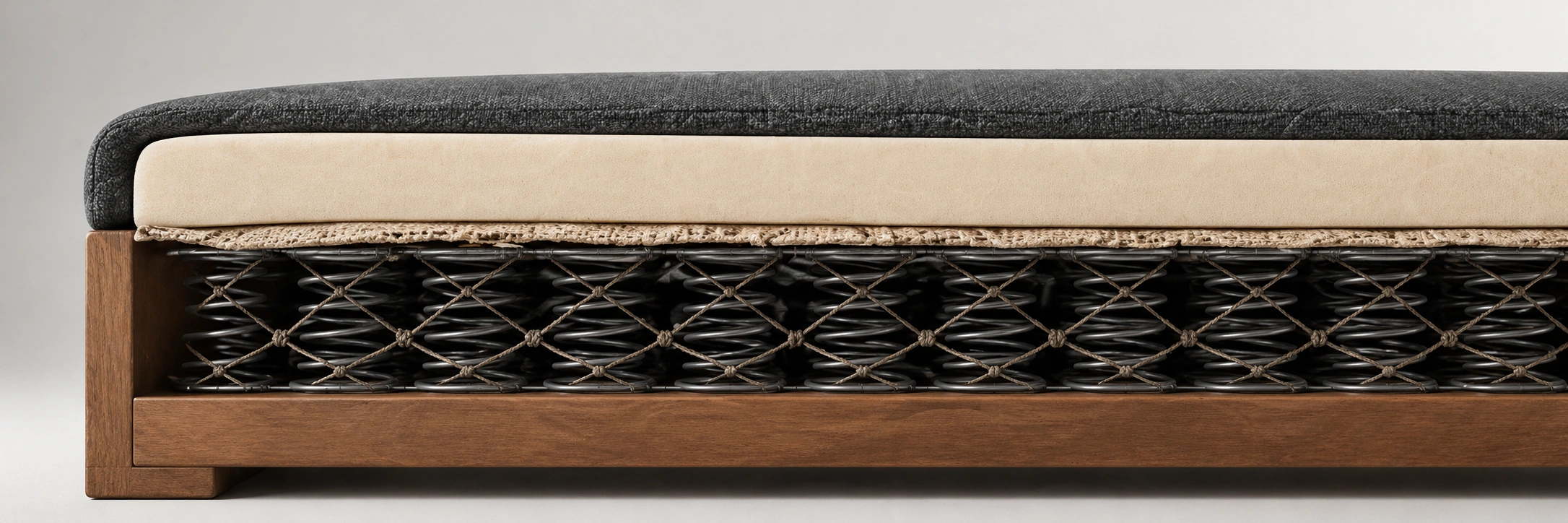
Recognizing spring failure early can help you decide between repair and replacement. Here are the most common symptoms — if you notice several of these, the spring system is likely compromised:
The seat dips noticeably in the center or at specific spots, even without anyone sitting on it. This is the most obvious sign of spring fatigue or breakage.
Metal-on-metal noises that don't go away indicate springs rubbing against each other or the frame. This often signals broken clips or shifted spring positioning.
Some areas feel firm while others feel like sitting in a hole. This indicates individual springs have lost tension or broken, creating dead zones in the seating surface.
You can feel hard spots or the wooden frame through the cushions when sitting. This means springs have collapsed completely and no longer provide a buffer between you and the frame.
If your cushions appear constantly flat despite fluffing, the underlying springs may have sagged, removing the upward support that helps cushions maintain their shape.
Springs should help push you up slightly when standing. If standing feels like climbing out of a hole, the springs have lost their resilience and are no longer providing active support.
Repair vs. Replace: If your sofa has quality springs (hand-tied, drop-in coil, or pocket coil) and the frame is solid, spring repair is often worthwhile and can extend the sofa's life by years. Our detailed guide on how to replace sofa springs covers the process. However, if the sofa originally had basic zigzag springs or webbing, replacement is usually more cost-effective than repair. Also note that sagging cushions can sometimes be mistaken for spring failure — check whether the issue is in the cushions or the springs before deciding.
A sofa's comfort is never determined by springs alone. The spring system and cushion fill type form a partnership that defines the final sit experience. Think of springs as the foundation and cushions as the finishing layer — both must work together harmoniously.
With firm springs (like hand-tied coils), softer cushion fills like down-wrapped foam or fiber create a luxurious "sink-in" feel where the cushions yield gently while the springs provide strong underlying support. This combination is common in premium comfortable sofas.
With softer springs (like sinuous wire), firmer cushion fills like high-density foam help compensate for the spring's limited support. Without this balance, the sofa can feel mushy and unsupportive.
With pocket coils, medium-density cushion fills work best because the springs already provide contouring support. Adding very soft cushions on top can make the sofa feel unstable or excessively deep — which relates directly to the seat depth experience.
Now that you understand what's inside your sofa, browse our curated selection of sofas with verified spring systems. Every recommendation below has been evaluated for construction quality, comfort, and value.
View Recommended SofasSpring systems are just one piece of the sofa quality puzzle. Explore these related guides to build a complete understanding before you buy:
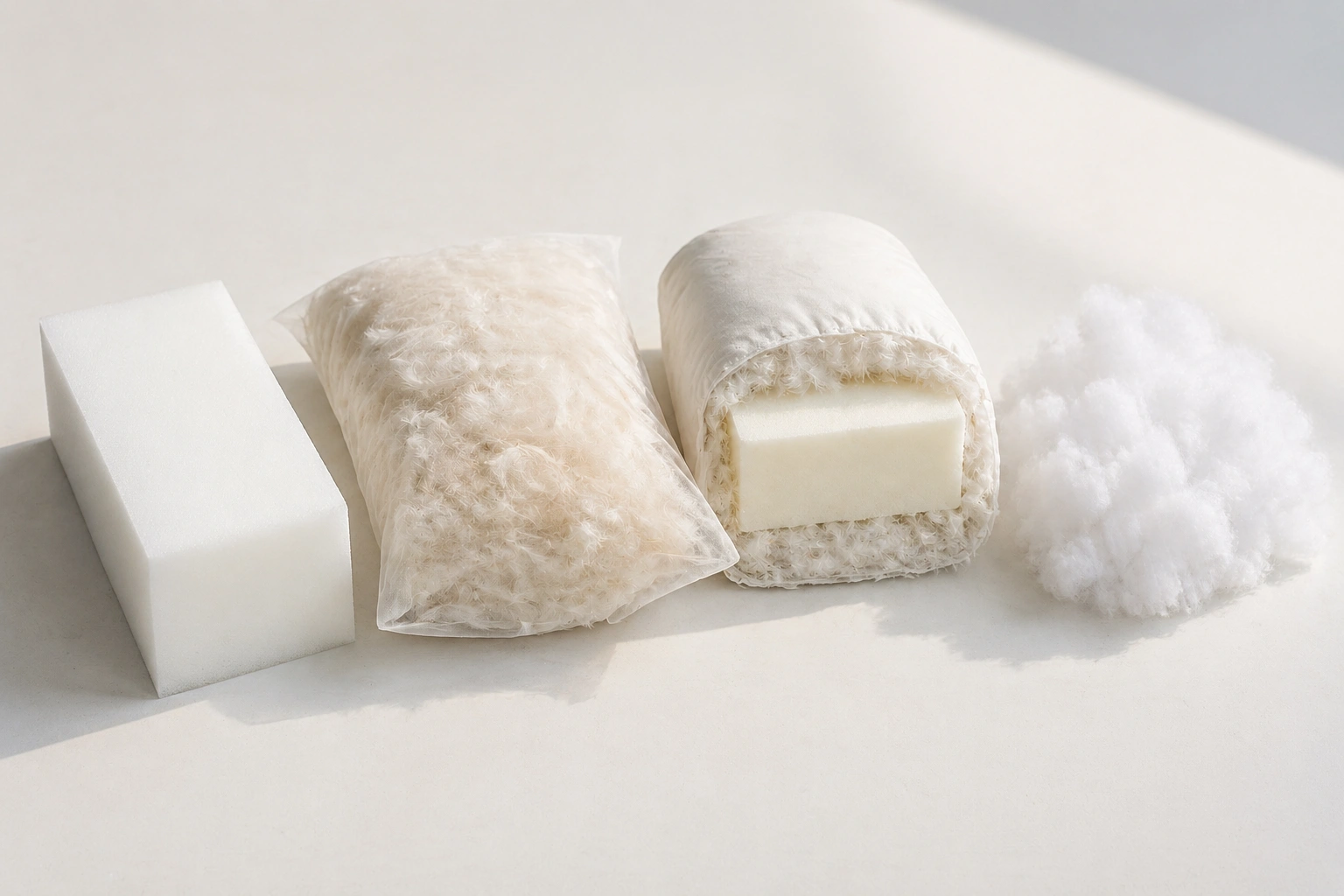
How cushion fill materials interact with your spring system to create the final comfort experience. Essential companion reading.
Read more →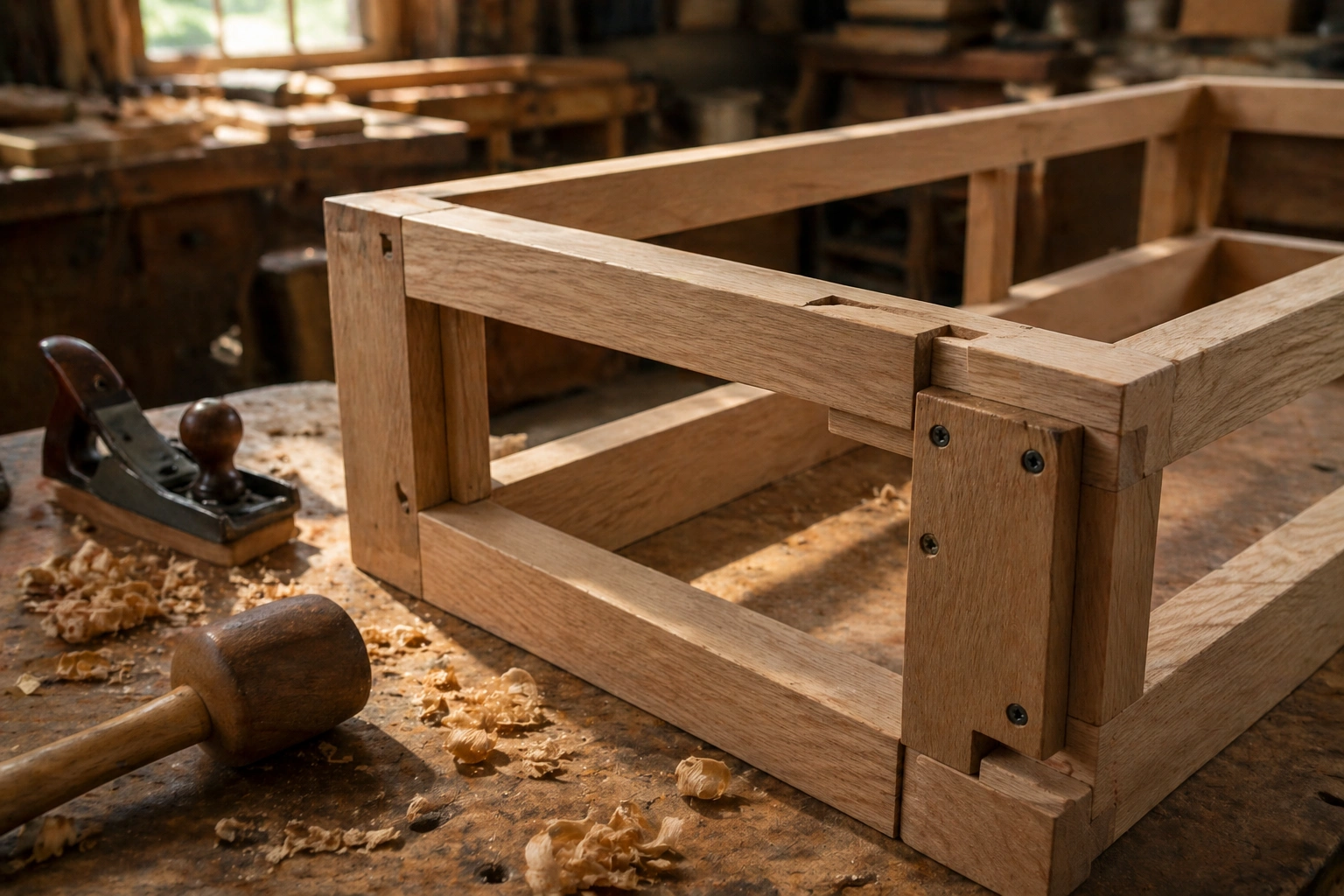
The frame is the backbone that holds your springs. Understanding frame quality helps you evaluate overall sofa construction.
Read more →
Why the softest sofa isn't always the best choice and how spring systems influence the comfort-durability equation.
Read more →⚠️ AFFILIATE DISCLOSURE: This website contains affiliate links. As an Amazon Associate, we earn from qualifying purchases. If you make a purchase through these links, we may receive a small commission at no additional cost to you. Read our full affiliate policy.




Information on this site is generated by AI and is intended for general informational purposes only. We do not guarantee its accuracy and disclaim any responsibility for losses resulting from its use. Please consult a professional before making decisions. By using this website, you agree to this disclaimer and release us from any claims. If you do not agree, please do not use the information on this website. Read the full disclaimer.