Sustainable Sofas: The Complete Guide to Eco-Friendly Furniture
Learn how to identify truly green sofas, understand eco-certifications, compare materials, and make a purchase that benefits both your home and the planet.
VIEW RECOMMENDED PICKSThe furniture industry is one of the largest contributors to deforestation, carbon emissions, and landfill waste worldwide. Every year, millions of sofas end up in landfills, many made from non-recyclable materials treated with toxic chemicals. Choosing a sustainable sofa is one of the most impactful decisions you can make as a conscious consumer — it directly affects indoor air quality, worker welfare, forest conservation, and global waste levels. This guide walks you through everything you need to know before investing in an eco-friendly couch.
What Makes a Sofa Truly Sustainable?
A sustainable sofa is not simply one labeled "green" by a marketing department. True sustainability is a holistic concept that considers the entire lifecycle of the product — from raw material extraction and manufacturing to delivery, everyday use, and eventual disposal or recycling. A genuinely eco-friendly sofa addresses environmental impact across multiple dimensions.
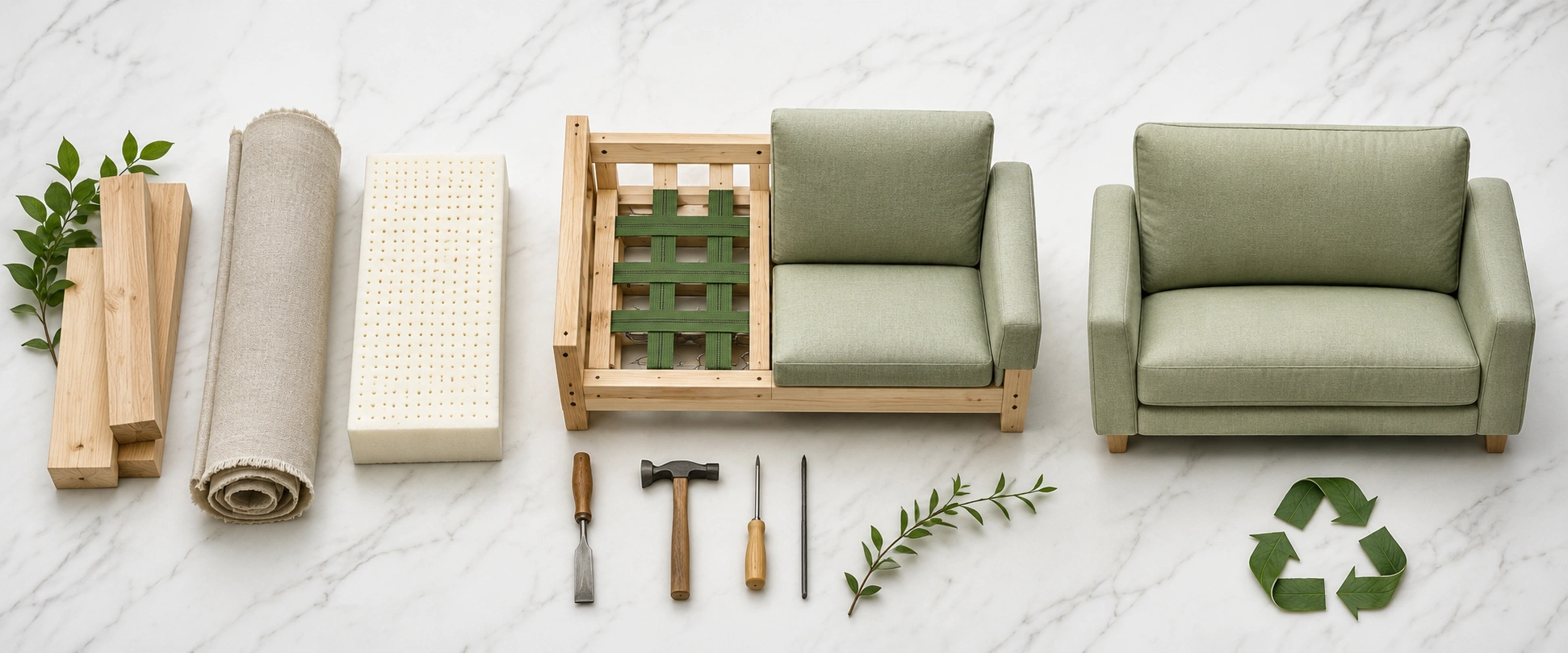
The lifecycle of a sustainable sofa: responsible sourcing, clean manufacturing, long usable life, and end-of-life recyclability
The core pillars of a sustainable sofa include: responsibly sourced materials (wood from managed forests, organic or recycled textiles), non-toxic production (no harmful flame retardants, low-VOC glues and finishes), durable construction (built to last decades rather than years), repairability (replaceable cushions, legs, and covers), and ethical labor practices (fair wages and safe working conditions). When all these factors align, you get a piece of furniture that is genuinely kind to the planet without compromising on comfort or style.
Understanding sofa materials in depth is the first step toward recognizing which products are authentically sustainable and which are merely using greenwashing tactics. Let's break down each critical component.
Key Sustainable Materials Used in Eco-Friendly Sofas
The materials used in a sofa determine the vast majority of its environmental footprint. From the internal frame to the outer upholstery fabric, every component matters. Below are the most important sustainable materials to look for when evaluating an eco-friendly couch.
1. FSC-Certified Wood Frames
The frame is the skeleton of any sofa, and for sustainable options, FSC-certified wood is the gold standard. The Forest Stewardship Council (FSC) ensures that wood is harvested from responsibly managed forests where biodiversity is protected, workers' rights are upheld, and logging rates do not exceed the forest's natural regeneration capacity. Common frame woods include kiln-dried hardwoods like oak, maple, ash, and beech — all of which offer excellent structural longevity.
A well-built FSC-certified frame can last 15 to 25 years or more, dramatically reducing the need for replacement. This alone makes a huge environmental difference compared to sofas with frames made from uncertified tropical hardwoods or composite wood products bound with formaldehyde-laden adhesives. For more detail on what goes into a quality frame, see our sofa frame materials guide.
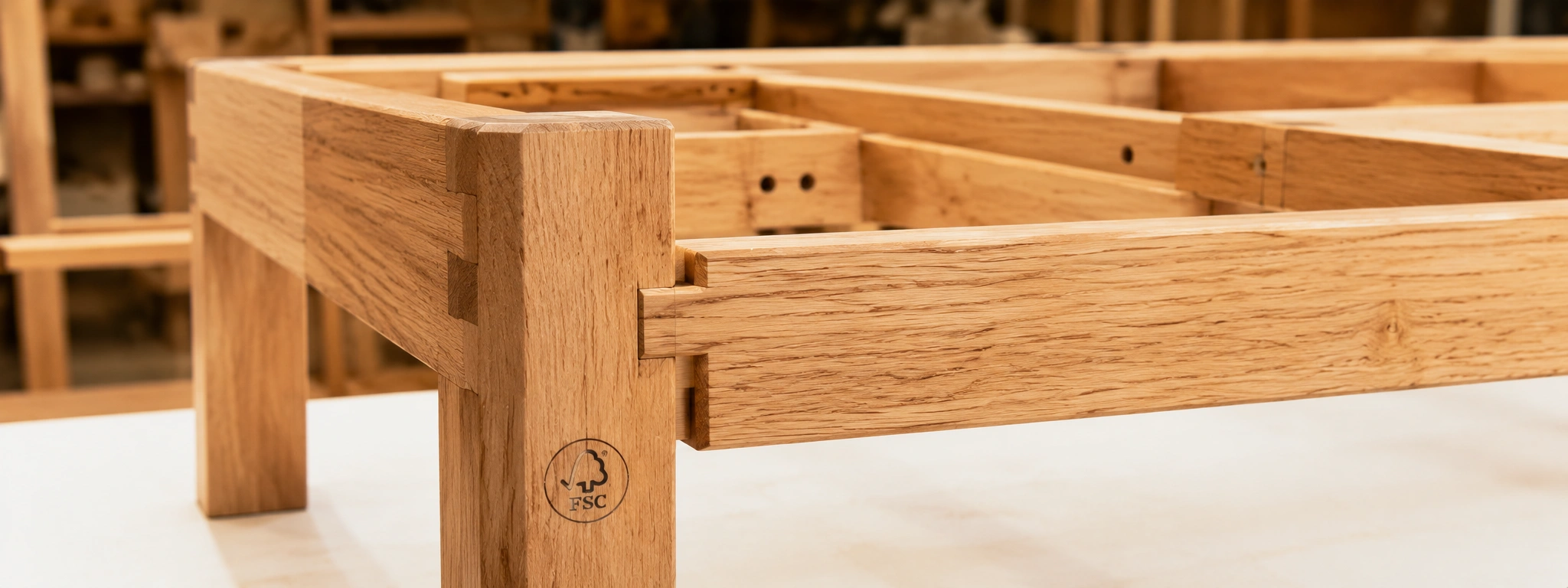
FSC-certified hardwood frames provide structural integrity while ensuring responsible forest management
2. Natural Latex Foam
Conventional sofa cushions rely heavily on polyurethane foam — a petroleum-derived material that off-gasses volatile organic compounds (VOCs) and is extremely difficult to recycle. Natural latex, derived from the sap of rubber trees (Hevea brasiliensis), is a renewable and biodegradable alternative. It offers exceptional resilience, resists sagging over time, and naturally repels dust mites and mold.
The best natural latex is certified by GOLS (Global Organic Latex Standard), which verifies that at least 95% of the latex is organic and that no synthetic fillers or harmful chemicals are used during processing. Natural latex cushions typically outlast conventional foam by a significant margin, which means fewer replacements and less waste over the sofa's lifetime. To understand how different cushion fills compare, read our cushion fill types guide.
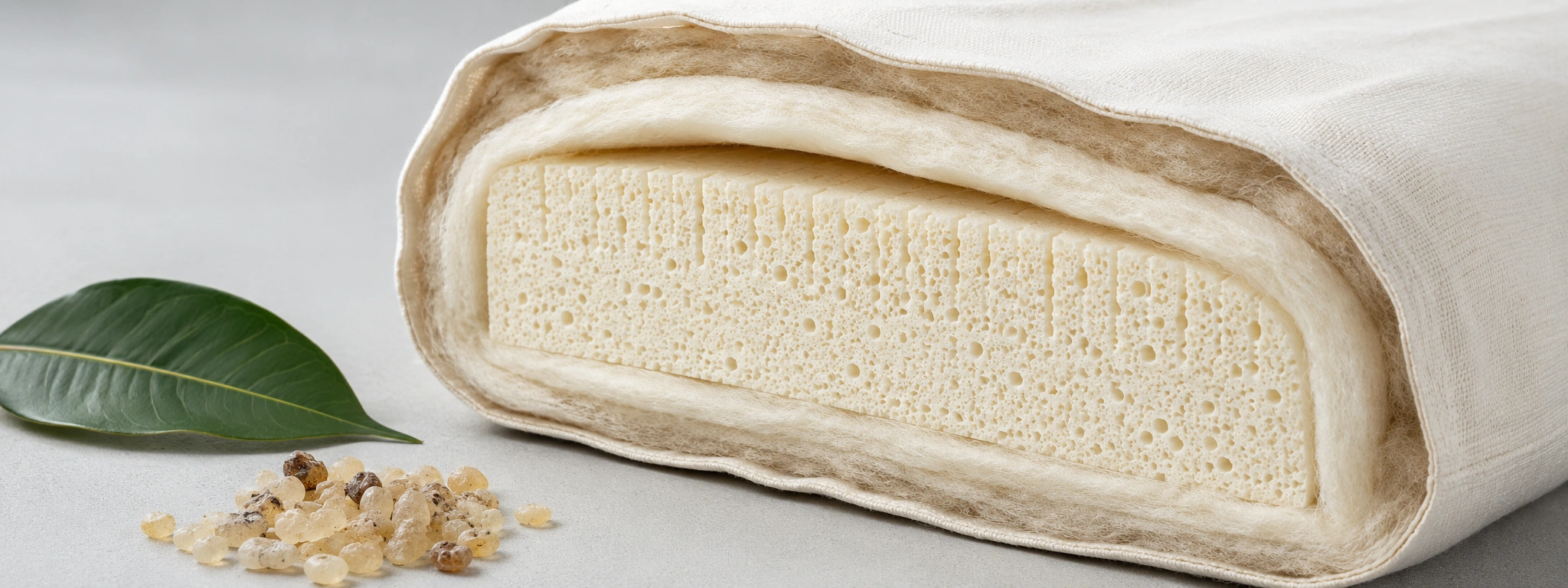
Natural latex cushions provide responsive support, resist sagging, and are fully biodegradable at end of life
3. Organic and Recycled Upholstery Fabrics
The fabric covering your sofa is its most visible component, and conventional textiles often involve heavy pesticide use (in the case of conventional cotton), microplastic pollution (polyester), or toxic dyeing processes. Sustainable alternatives include:
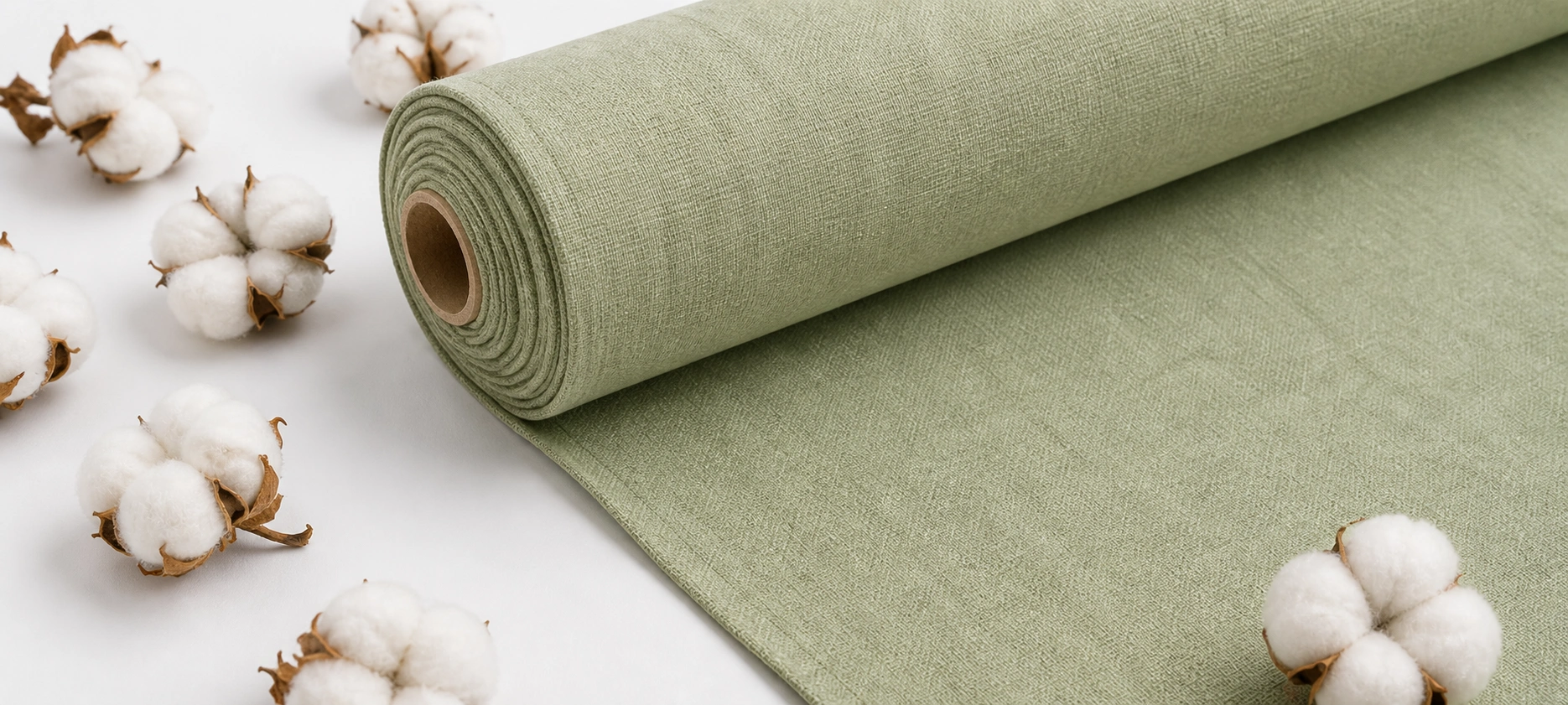
Organic Cotton
Grown without synthetic pesticides or fertilizers. GOTS-certified organic cotton ensures the entire supply chain meets strict environmental and social standards. Soft, breathable, and available in many colors.
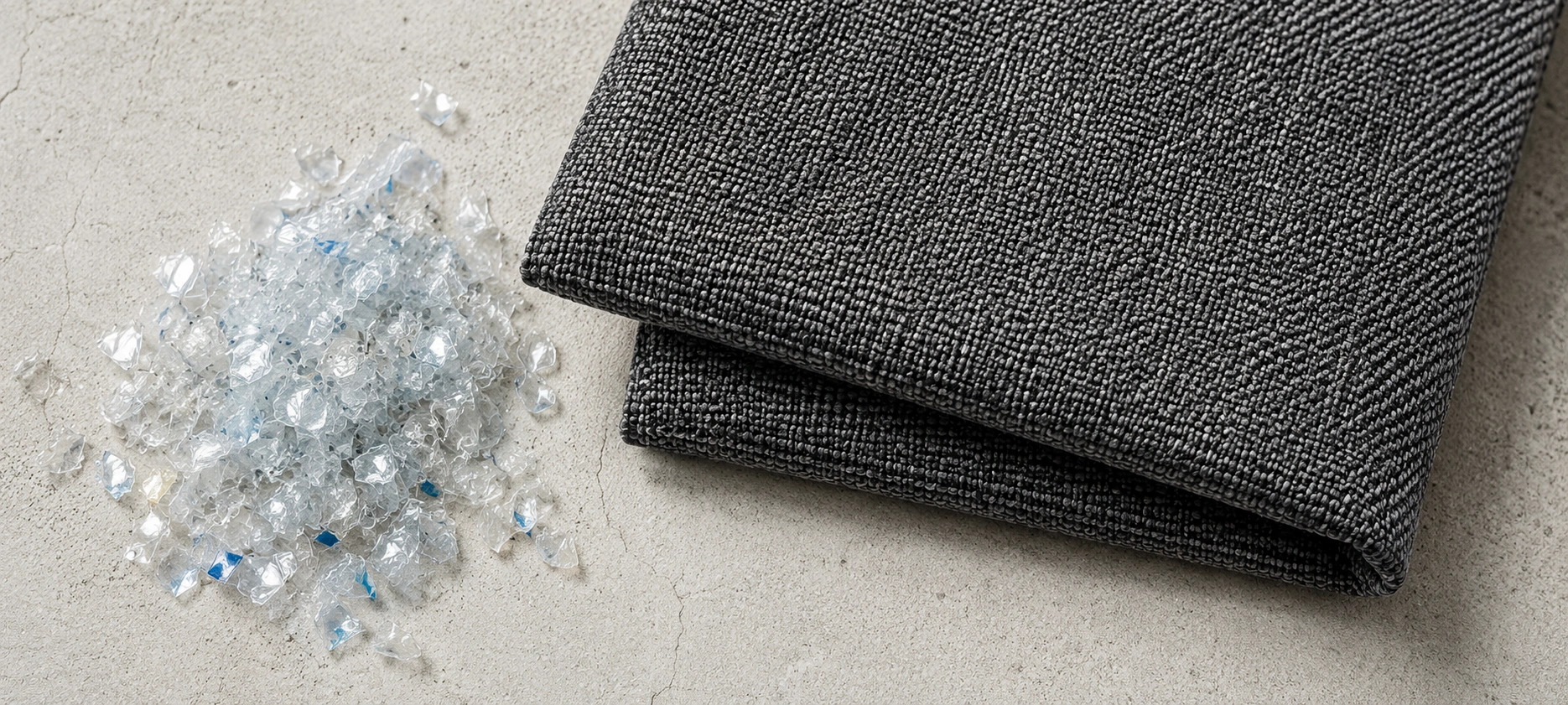
Recycled Polyester
Made from post-consumer plastic bottles, this fabric diverts waste from landfills and uses significantly less energy than virgin polyester. It is durable, stain-resistant, and ideal for households with kids or pets.
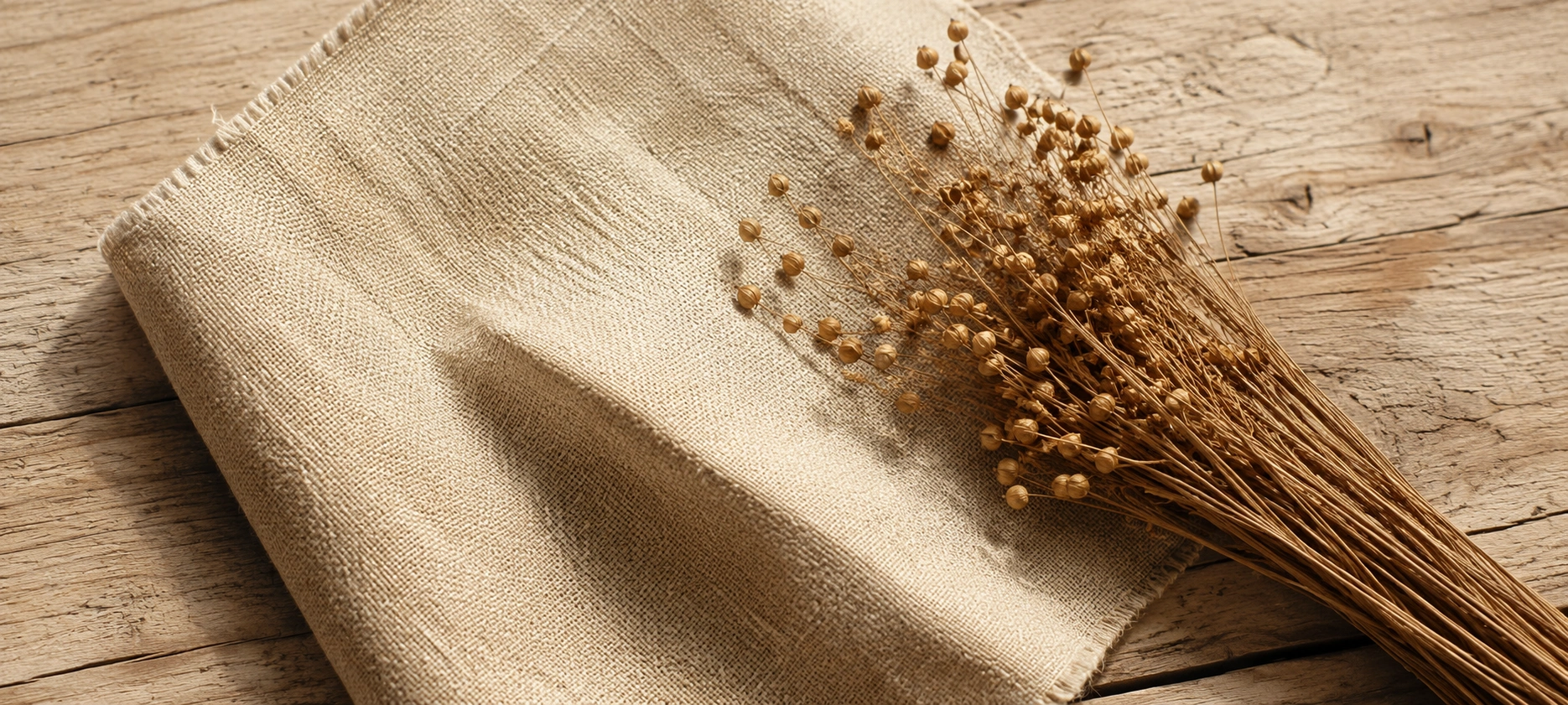
Organic Linen
Derived from the flax plant, linen requires minimal water and pesticides to grow. It is one of the most sustainable natural fibers available. Linen sofas offer a relaxed, textured aesthetic that improves with age.
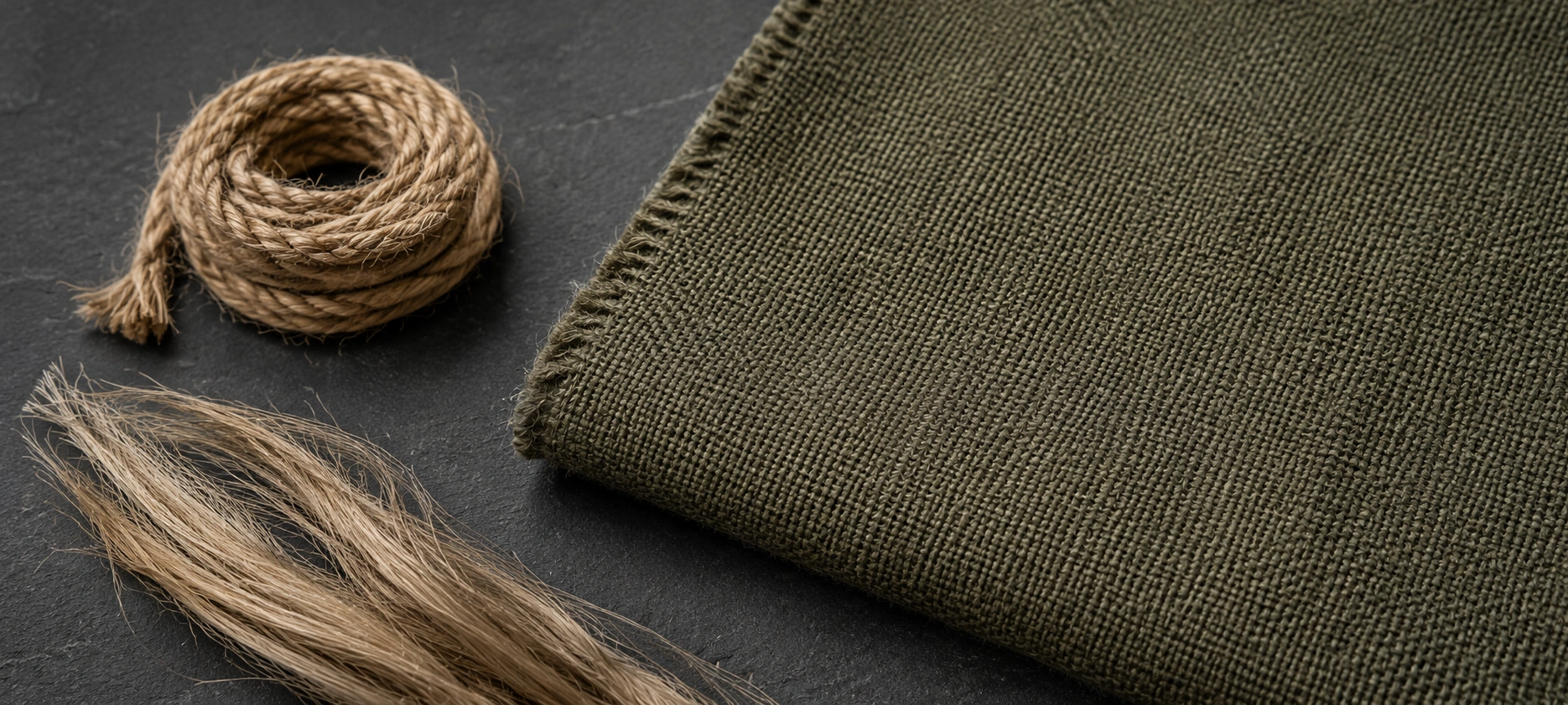
Hemp
One of the most environmentally friendly fibers on Earth. Hemp grows rapidly, improves soil health, requires no pesticides, and produces incredibly strong, durable fabric that softens beautifully over time.
When evaluating fabric durability for any material, the Martindale abrasion test score is a useful metric. A score of 20,000+ rubs indicates heavy-duty suitability, while 15,000+ is adequate for general residential use.
4. Non-Toxic Glues, Finishes, and Dyes
Many conventional sofas use formaldehyde-based adhesives, solvent-based stains, and heavy-metal dyes that release harmful VOCs into your home for months or even years after purchase. Sustainable manufacturers use water-based adhesives, natural oil finishes (like linseed or tung oil), and low-impact or plant-based dyes. These alternatives dramatically improve indoor air quality and reduce the chemical burden on both factory workers and end consumers.
5. Natural and Recycled Padding
Beyond the main cushion foam, sofas contain additional padding layers. Sustainable options include organic wool (naturally flame-resistant, moisture-wicking, and biodegradable), recycled cotton batting, coconut coir (from coconut husks), and horsehair (a traditional, natural padding material making a comeback in high-end eco-furniture). These materials replace synthetic polyester fiberfill and bonded polyurethane, which shed microplastics and cannot be recycled.
Certifications That Verify Sustainability Claims
Greenwashing — making exaggerated or false environmental claims — is rampant in the furniture industry. The most reliable way to verify that a sofa is genuinely sustainable is to look for independent third-party certifications. These are awarded after rigorous audits and laboratory testing, not self-reported by manufacturers.
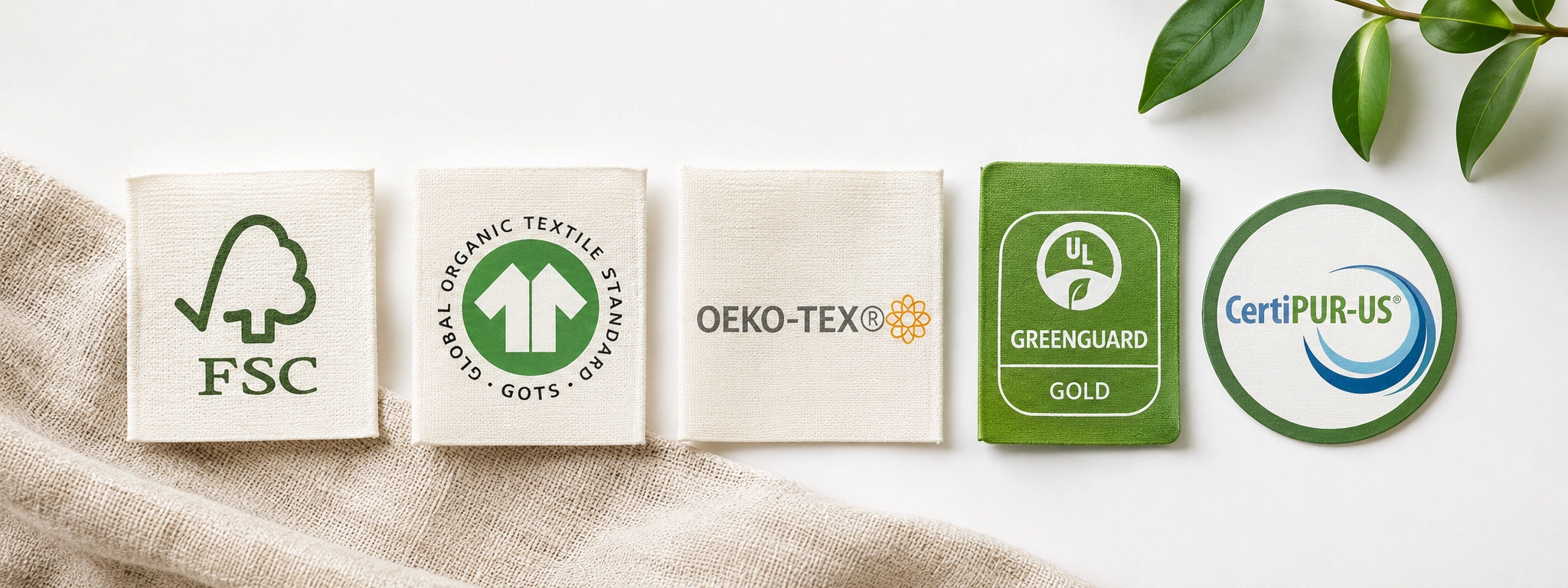
Independent certifications are the most reliable way to verify a sofa's sustainability claims
-
FSC (Forest Stewardship Council)
Certifies that wood used in the sofa frame comes from responsibly managed forests. Look for the FSC logo on the product or packaging. Chain-of-custody certification tracks wood from forest to final product.
-
GOTS (Global Organic Textile Standard)
The world's leading standard for organic fibers. Covers the entire supply chain — from harvesting raw materials through environmentally and socially responsible manufacturing. Requires at least 70% certified organic fibers.
-
OEKO-TEX Standard 100
Tests every component of the sofa (fabric, thread, buttons, zippers) for harmful substances. Product Class II (for direct skin contact) or Class I (for babies) are ideal for upholstery. Does not certify organic origin but guarantees chemical safety.
-
GREENGUARD Gold
Certifies that the sofa meets strict chemical emissions limits for VOCs. The Gold level is designed for sensitive populations like children and the elderly, ensuring the product contributes to healthier indoor air quality.
-
CertiPUR-US
Certifies that foam used in cushions is made without ozone depleters, formaldehyde, mercury, lead, and other harmful substances. Also verifies low VOC emissions. Applicable to both natural and certified synthetic foams.
-
GOLS (Global Organic Latex Standard)
Verifies that latex is at least 95% organic and processed without harmful chemicals. Covers sustainability of rubber tree plantations, fair labor practices, and traceability from plantation to finished product.
-
MADE SAFE
A screening process that examines each ingredient in a product against a known harmful chemical list. If a product passes, it means every component is safe for human health and the environment.
The most trustworthy sustainable sofas carry two or more certifications across different categories — for example, FSC for the frame, GOTS for the fabric, and GREENGUARD Gold for emissions. A single vague claim like "eco-friendly" or "natural" without any third-party verification is a red flag.
Sustainable vs. Conventional Sofas: Side-by-Side Comparison
Understanding the practical differences between sustainable and conventional sofas helps clarify why the investment is worthwhile. The table below highlights the most important distinctions across key factors.
| Factor | Sustainable Sofa | Conventional Sofa |
|---|---|---|
| Frame Material | ✓ FSC-certified hardwood | ✗ Uncertified wood or plywood with formaldehyde glue |
| Cushion Fill | ✓ Natural latex, organic wool, recycled cotton | ✗ Petroleum-based polyurethane foam |
| Upholstery | ✓ Organic cotton, recycled polyester, linen, hemp | ✗ Conventional cotton (high pesticide use), virgin polyester |
| Chemical Emissions | ✓ Low VOC, no harmful off-gassing | ✗ Significant VOC off-gassing for weeks or months |
| Flame Retardants | ✓ Natural solutions (wool barrier) or none needed | ✗ Chemical flame retardants (PBDEs, TDCPP) |
| Durability | ✓ 15–25+ years with proper care | ✗ Often 5–10 years before replacement needed |
| Repairability | ✓ Replaceable cushions, legs, slipcovers | ✗ Often glued or stapled, difficult to repair |
| End-of-Life | ✓ Biodegradable or recyclable components | ✗ Mostly non-recyclable, ends up in landfill |
| Indoor Air Quality | ✓ No chemical odors, safe for sensitive individuals | ✗ Can trigger headaches, allergies, respiratory issues |
| Labor Practices | ✓ Fair trade, verified ethical manufacturing | ✗ Often opaque supply chains, potential labor issues |
| Upfront Cost | Higher ($1,500–$5,000+) | Lower ($300–$2,000) |
| Long-Term Value | ✓ Better cost-per-year of use | ✗ Replacement costs add up |
Key Benefits of Choosing a Sustainable Sofa
The advantages of investing in a sustainable sofa extend far beyond environmental impact. Here are the most significant benefits you will experience as a homeowner.
Healthier Indoor Air
Low-VOC materials mean no chemical off-gassing headaches, no respiratory irritation, and safer air for children, seniors, and pets. Your living room becomes genuinely breathable.
Long-Term Savings
While the initial price is higher, a durable sustainable sofa that lasts 20 years costs less per year than a cheap conventional sofa replaced every 5 years. See our sofa price breakdown for the math.
Superior Comfort
Natural latex provides responsive, buoyant support that does not flatten like polyurethane foam. Organic fabrics feel softer against skin and regulate temperature better than synthetics.
Reduced Carbon Footprint
From reduced deforestation to lower manufacturing emissions and less landfill waste, every sustainable sofa purchase avoids an estimated 500–1,500 kg of CO2 equivalent compared to conventional alternatives.
Repairability
Many sustainable sofas feature modular designs with replaceable components — cushions, covers, legs, and even arm sections. This means a spilled wine stain does not mean throwing away the entire couch.
Timeless Design
Sustainable furniture brands tend to favor classic, versatile aesthetics over trendy designs that look dated in a few years. This means your sofa stays visually relevant for its entire lifespan.
Common Myths About Sustainable Sofas — Debunked
Misconceptions about eco-friendly furniture prevent many people from making better choices. Let's address the most persistent myths with factual information.
-
Myth
"Sustainable sofas are ugly and only come in boring beige colors."
FactToday's sustainable sofa brands offer a wide range of styles — from sleek modern designs to cozy bohemian aesthetics. Organic and recycled fabrics are available in virtually any color, pattern, and texture. Brands like Joybird, Burrow, and Sabai offer dozens of fabric options in bold and neutral tones alike.
-
Myth
"They are not as comfortable as regular sofas."
FactNatural latex actually outperforms conventional foam in many comfort metrics — it is more responsive, bounces back faster, does not develop body impressions, and sleeps cooler. Organic wool adds a luxurious plushness. Many people find sustainable sofas more comfortable once they try them.
-
Myth
"Only wealthy people can afford sustainable furniture."
FactWhile premium options exist, the market now includes budget-friendly sustainable sofas starting around $800–$1,200. When you factor in longevity, the cost-per-year is often lower than cheap alternatives. Our sofa budget guide helps you find sustainable options at every price point.
-
Myth
"Sustainable means weak or flimsy construction."
FactThe opposite is true. Sustainable sofas typically use solid hardwood frames with dovetail or mortise-and-tenon joinery — techniques far stronger than the staples and glue used in mass-produced furniture. The relationship between comfort and durability is well balanced in well-made sustainable designs.
-
Myth
"Eco-friendly sofas are hard to find and only sold online."
FactMajor retailers now carry sustainable options, and dedicated eco-brands have showrooms in many cities. If you're unsure where to buy, our guide lists both online and physical retailers with verified sustainable collections.
How to Verify a Sofa's Sustainability Claims
With greenwashing everywhere, you need a systematic approach to evaluate whether a sofa is genuinely sustainable. Follow these steps to cut through marketing noise and make an informed decision.
- Check for third-party certifications. Look for FSC, GOTS, OEKO-TEX, GREENGUARD, and CertiPUR-US labels on the product page or in the specifications document. Certifications should reference specific standard versions and issuing bodies — not just vague logos.
- Read the materials list in detail. A transparent brand will list every material: frame wood species, cushion composition (e.g., "85% natural latex, 15% organic wool wrap"), fabric fiber content, and adhesive types. Vague descriptions like "premium cushioning" or "quality fabric" without specifics are concerning.
- Ask about the supply chain. Reputable brands can tell you where their wood is sourced, where fabric is woven, and where the sofa is assembled. Geographic transparency is a strong indicator of genuine sustainability commitment.
- Review repair and replacement policies. A truly sustainable brand offers replacement cushions, slipcovers, and parts. Replaceable cushions and available sofa covers extend the product's life significantly.
- Look for end-of-life programs. The most forward-thinking brands offer take-back programs, recycling partnerships, or detailed disassembly guides so your sofa does not end up in a landfill.
- Evaluate warranty length. A brand confident in its sustainable construction will back it with a substantial warranty — 10 years on the frame and 5+ years on cushions indicates real durability. Short warranties (1–2 years) suggest the manufacturer does not expect the product to last.
- Read independent customer reviews. Pay attention to comments about comfort after years of use, any chemical odors on delivery, and how the brand handled warranty claims. Real user experiences reveal what marketing copy hides.
Avoid brands that use terms like "eco-friendly," "green," or "natural" without specifying what makes them so. Also be cautious of sofas labeled "non-toxic" without OEKO-TEX or GREENGUARD certification to back up that claim. Transparency is the single best indicator of authenticity.
Sustainable Sofas for Different Spaces and Styles
Sustainability does not limit your design options. Whatever your room size, lifestyle, or aesthetic preference, there are eco-friendly sofas that fit perfectly.
For small apartments, look for sustainable loveseats and compact 2-seater sofas with FSC frames and organic fabric. A modular sofa is particularly smart for small spaces because you can add sections later rather than replacing the entire piece when your needs change.
For larger living rooms, a sustainable sectional sofa provides ample seating without the environmental cost of buying multiple separate pieces. Choose one with a natural latex seat and organic linen or recycled polyester upholstery for the best combination of comfort, durability, and eco-performance.
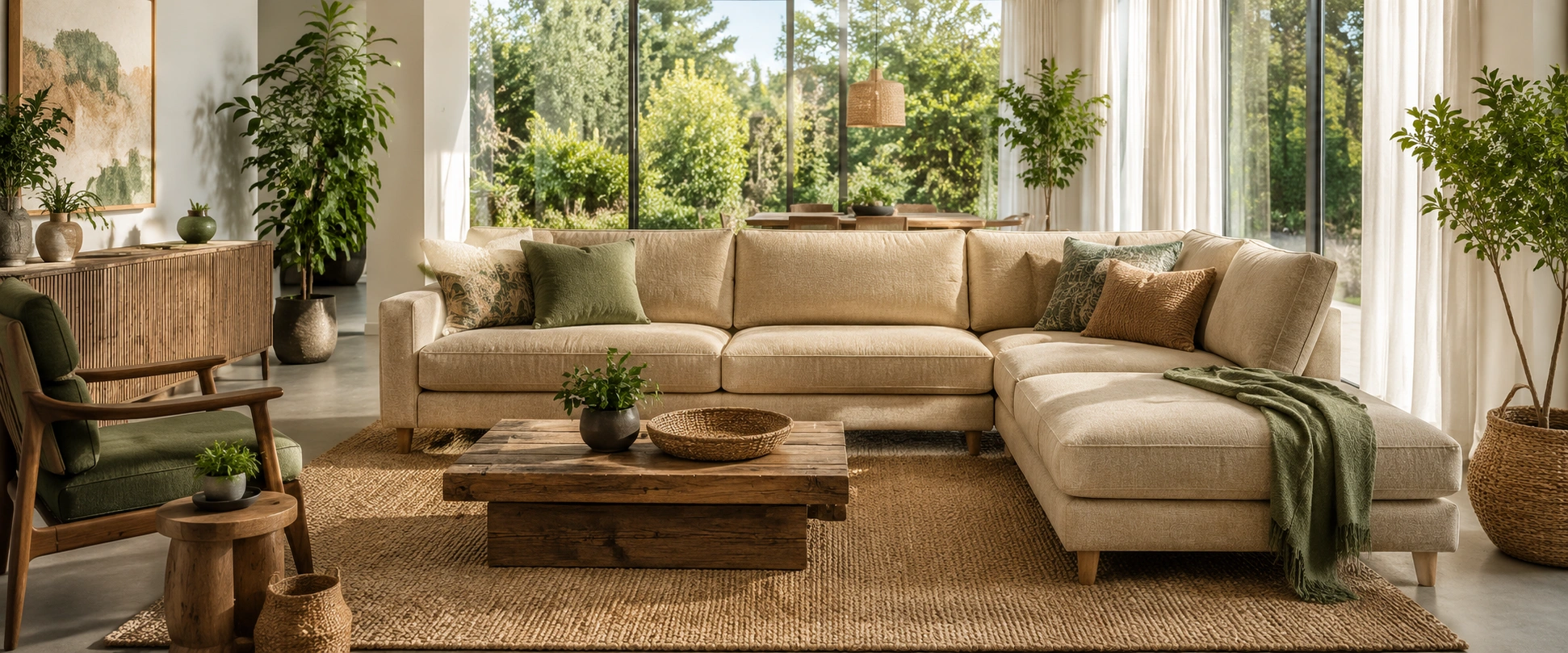
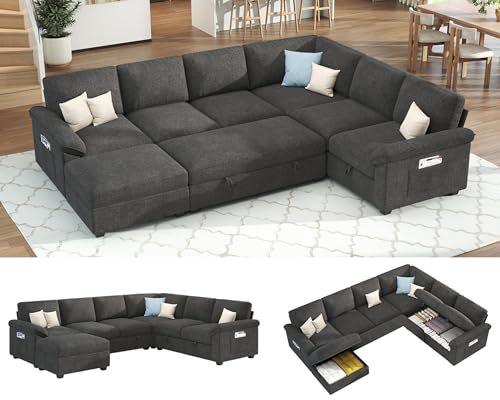
Sustainable sectionals combine generous seating capacity with eco-friendly materials and responsible manufacturing
If you love natural aesthetics, a teak sofa or rattan sofa with sustainably harvested frames pairs beautifully with organic cotton cushions. For those who prefer a bohemian look, hemp and linen fabrics in earth tones create an effortlessly eco-conscious vibe. Even a contemporary sofa can be sustainable — many modern brands now combine clean lines with green materials.
For homes with pets or children, a family-friendly sustainable sofa in recycled polyester performance fabric offers the best of both worlds: stain resistance and environmental responsibility. Add pet-proof sofa covers made from organic cotton for an extra layer of protection that extends the sofa's life even further.
Maintaining Your Sustainable Sofa for Maximum Lifespan
The most sustainable sofa is one that lasts as long as possible. Proper maintenance is essential to getting the full 15–25+ years of life from your investment. Natural materials require slightly different care than synthetics, but the routines are straightforward.
For fabric sofa cleaning, vacuum weekly to remove dust and debris that can abrade fibers. Spot clean spills immediately with a damp cloth and mild soap — avoid harsh chemical cleaners that can break down organic fabric treatments. For deeper cleaning, check the manufacturer's care instructions; many organic fabrics can be professionally cleaned using water-based, non-toxic methods.
Rotate and flip cushions every 1–2 months to ensure even wear. Natural latex is resilient but benefits from this practice, especially in the first year as the material settles. If your sofa has slipcovers, wash them according to the care label — typically cold water, gentle cycle, and air dry to preserve organic fiber integrity.
Apply fabric protection specifically formulated for natural fibers. Many sustainable brands offer their own recommended protectants that are free from PFAS and other harmful chemicals. For wood legs, periodically apply natural beeswax or plant-based oil to prevent drying and cracking.
Protect your sofa from direct sunlight to prevent fabric fading, especially with natural dyes. If your living room gets strong sun, consider UV protection solutions like window films or strategically placed throws. If cushions do eventually sag, learn how to fix sagging sofa cushions before considering replacement — many sustainable brands sell replacement inserts that drop right in.
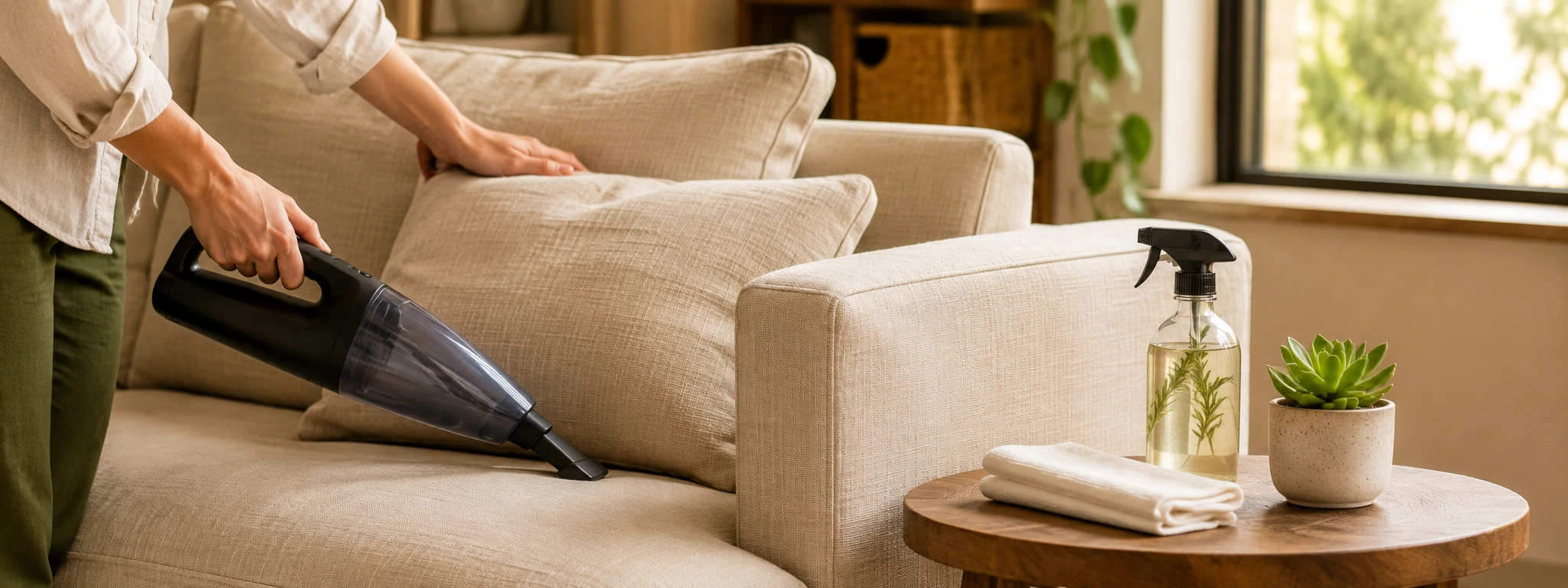
Regular care with non-toxic cleaning products keeps your sustainable sofa looking and performing its best for decades
Budget Considerations for Sustainable Sofas
One of the biggest barriers to choosing a sustainable sofa is the perceived cost. Let's break down the reality of pricing and help you find options that work within your budget.
Entry-level sustainable sofas typically start around $800–$1,200 for a 2-seater or loveseat. Mid-range options with full certification coverage (FSC frame + GOTS fabric + natural latex) range from $1,500–$3,000. Premium sustainable sofas from heritage eco-brands can reach $3,000–$6,000+ for large sectionals or custom configurations.
To put these numbers in perspective, consider the cost-per-year of ownership. A $500 conventional sofa that lasts 6 years costs approximately $83 per year. A $2,000 sustainable sofa that lasts 20 years costs just $100 per year — and delivers superior comfort, better air quality, and zero guilt about landfill contribution during that entire period. Our price vs quality analysis explores this concept in depth.
If your budget is tight, consider these cost-saving strategies: look for budget-friendly options that still use some sustainable materials (even one certified component is better than none), buy during major sales events, or explore the secondhand vs new sofa market for pre-owned sustainable brands. Also check our guide on the best time to buy a sofa for seasonal discount opportunities.
Prioritize certifications on the components that matter most for health — frame (FSC) and cushion fill (GOLS latex or CertiPUR-US foam) — and be more flexible on fabric certification if needed. You can always upgrade with organic sofa covers later.
Ready to Find Your Sustainable Sofa?
We have researched and curated the best eco-friendly sofas available, evaluated for certifications, materials, comfort, and value. Browse our recommended picks below to find the perfect match for your home and values.
EXPLORE TOP PICKS