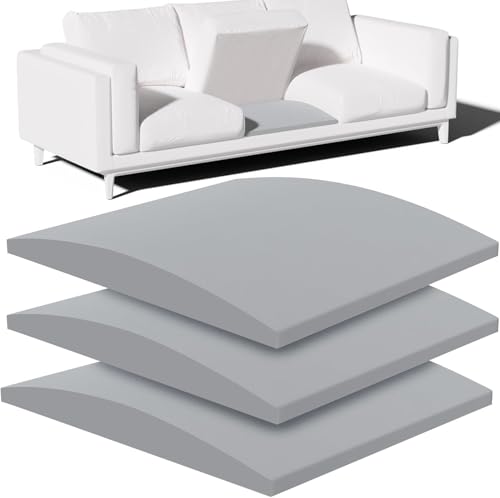
How to Fix Sagging Sofa Cushions and Restore Firm Comfort
A sagging couch does not mean it is time to throw it away. This guide walks you through every proven method — from simple stuffing to full foam replacement — so you can bring your sofa back to life without spending hundreds on a replacement.
Why this guide matters: Sagging cushions are the most common sofa complaint, but most people replace the entire couch when only the cushions need attention. Understanding cushion fill types and the root cause of sagging helps you choose the right fix — potentially saving you hundreds of dollars and years of frustration.
What's Covered in This Guide
- What Causes Sofa Cushions to Sag?
- Assess the Damage: Fix vs Replace
- Tools and Materials You Will Need
- Method 1: Add Poly-Fill or Batting
- Method 2: Replace the Foam Insert
- Method 3: Repair Sagging Seat Springs
- Method 4: Install a Plywood Support Board
- Choosing the Right Replacement Foam
- How to Prevent Future Sagging
- Common Mistakes to Avoid
- When It Is Time to Replace the Sofa
- Frequently Asked Questions
1. What Causes Sofa Cushions to Sag?
Before you attempt any repair, you need to understand why your cushions are sagging. The cause determines the fix — using the wrong solution wastes time and money, and may not solve the problem at all. Most sagging issues fall into one of these categories:
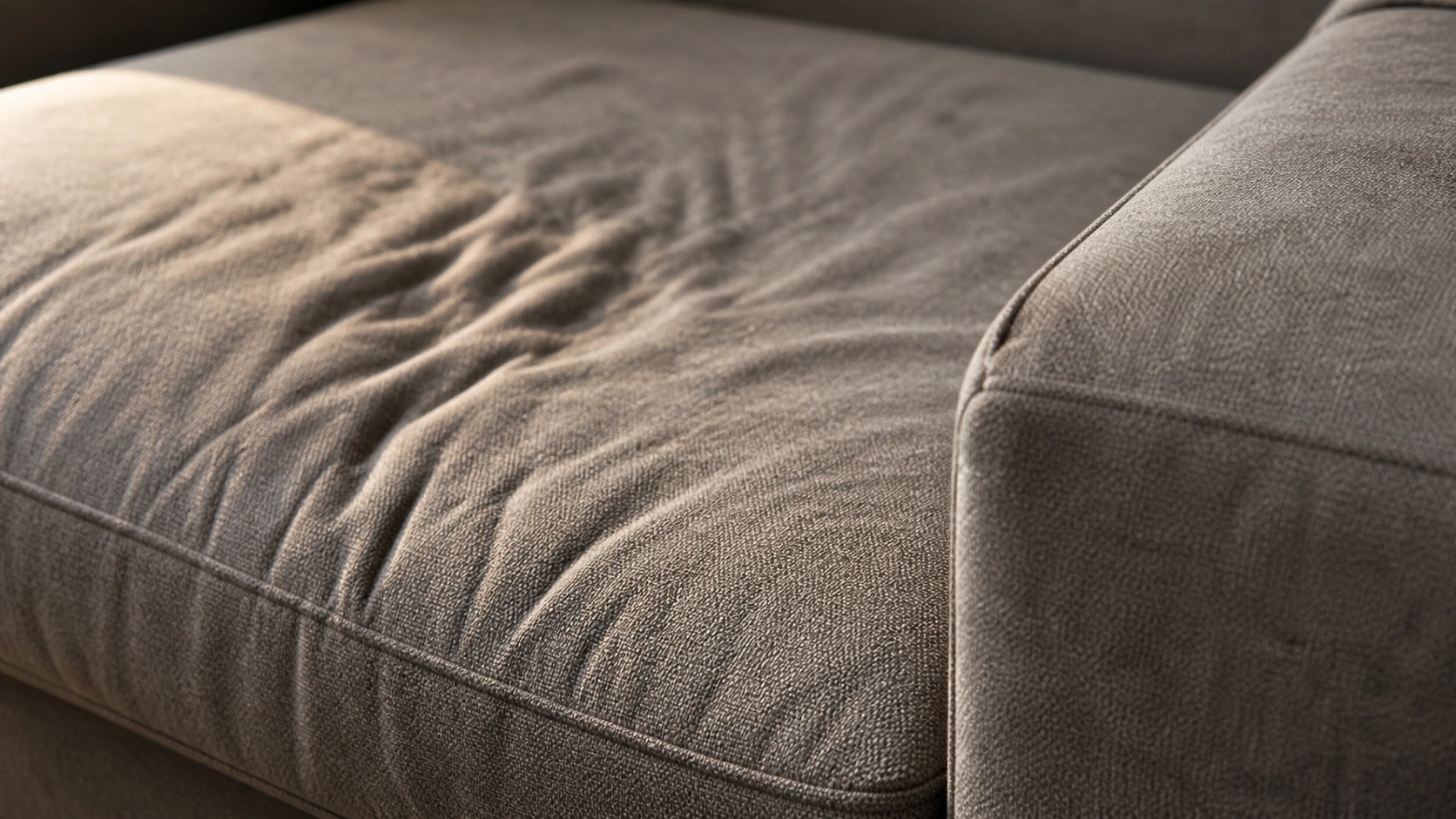
Foam Compression
The most common cause. Over time, foam breaks down under constant weight. Low-density foam compresses faster. Understanding foam density ratings helps you choose a longer-lasting replacement.
Loss of Polyester Fill
Many cushions combine foam wrapped in polyester batting. The batting flattens over time, leaving the foam exposed and reducing the plush feel. This is common in budget and mid-range sofas.
Weak or Broken Springs
The spring system beneath the cushions provides foundational support. When springs stretch, break, or detach from the frame, even new cushions will sag. This requires a different repair approach entirely.
Worn Webbing or Sinuous Wire
Some sofas use fabric webbing or sinuous wire instead of springs. When these stretch or sag, the entire seat collapses. The suspension type affects how the repair should be approached.
Improper Cushion Rotation
Using the same cushion in the same position without rotating causes uneven compression. This is especially common on sectional sofas where certain seats get more traffic than others.
Excessive Weight or Use
Households with heavier individuals, multiple users, or frequent use (such as daily napping and movie marathons) accelerate cushion breakdown regardless of foam quality.
2. Assess the Damage: Fix vs Replace
Not every sagging sofa is worth fixing. A quick assessment saves you from spending money on repairs for a sofa that should be replaced. Here is how to evaluate your situation:
The 3-Minute Cushion Assessment
-
Remove all cushions from the sofa
Place them on a flat surface. If they remain flat and lifeless even off the sofa, the problem is inside the cushion. If they hold shape off the sofa but sag when placed on it, the problem is likely the springs or support system beneath.
-
Unzip the cushion covers and inspect the foam
Look for crumbling edges, visible compression lines, cracks, or a dried-out texture. If the foam crumbles when you squeeze it, it needs full replacement. If it still feels resilient but thin, adding batting may be enough.
-
Press down on the empty sofa seat base
With cushions removed, press firmly on the seat base. If it bounces back firmly, the springs and support are fine — focus on the cushions. If the base itself sags or you feel broken springs, you have a structural issue that needs separate repair. See our guide on replacing sofa springs.
-
Check the frame and overall condition
Look for cracked wood, loose joints, or wobbling. A sagging cushion on a failing frame is not worth investing in — the structural issues will only get worse. For frame problems, see how to repair sofa frames.
Quick Decision Guide
Worth Fixing
Good frame, intact springs, cushions just feel flat. Foam replacement or poly-fill will fully restore comfort for under $80.
Consider Carefully
Frame is fair, some spring issues, cushion covers are worn. Fix is possible but cost adds up. Compare repair total to a new sofa budget.
Replace Instead
Frame cracked, multiple broken springs, foam crumbles to dust. Repair cost approaches or exceeds the value of a quality replacement. Browse our top sofa picks.
3. Tools and Materials You Will Need
Having everything ready before you start makes the process smoother and ensures you do not have to stop mid-repair. The exact supplies depend on which method you choose, but here is a comprehensive list covering all approaches:
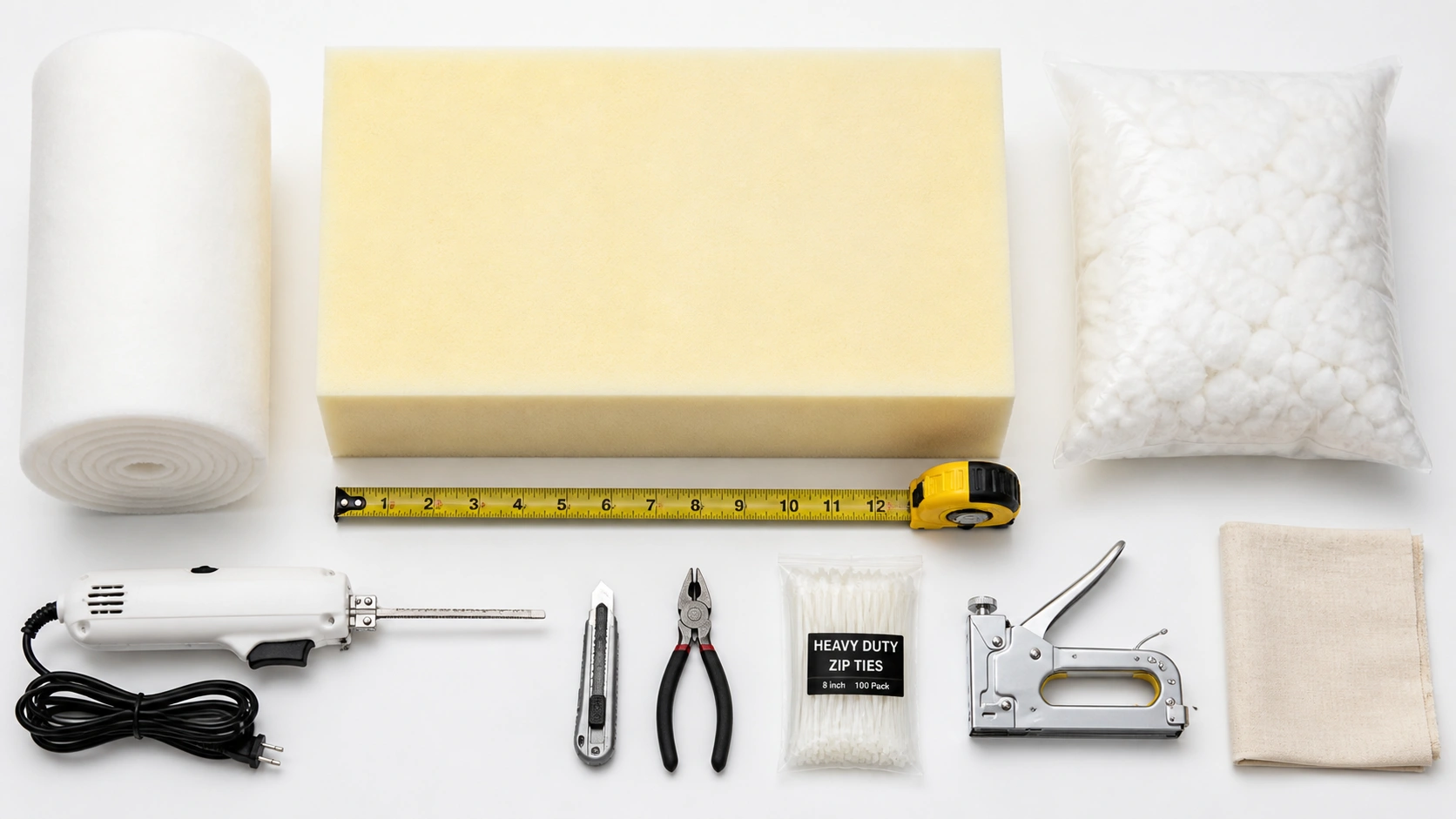
Where to buy foam: High-density foam can be purchased online (cut to your custom dimensions), at fabric stores, or at upholstery supply shops. When ordering, specify the exact length, width, and thickness. Many online retailers offer pre-made replacement cushions if you prefer not to cut foam yourself.
4. Method 1: Add Poly-Fill or Batting EASY Cost: $10–25
This is the simplest, fastest, and cheapest fix. It works best when the foam inside the cushion is still structurally intact but has lost its outer plushness. This method is ideal for cushions that feel thin but do not compress completely flat when you sit on them.
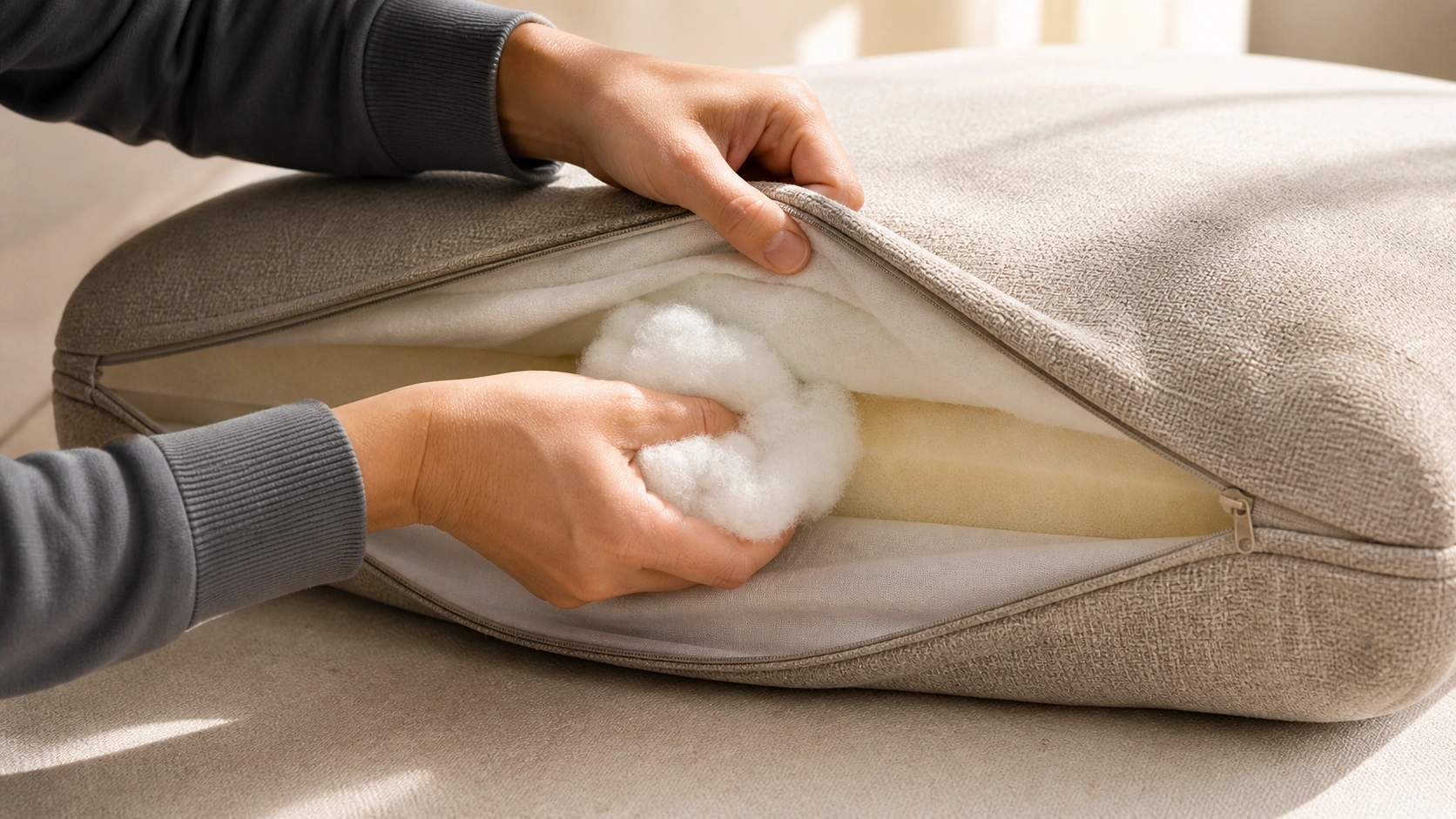
Step-by-Step: Poly-Fill Method
-
Unzip the cushion cover
Locate the zipper (usually on the back or bottom edge of the cushion). Open it fully to create the largest possible opening for stuffing.
-
Reach in and feel the foam condition
Press the foam with your fingers. If it springs back and feels solid, poly-fill alone will work. If it crumbles or feels like a wet sponge, you need foam replacement (Method 2) instead.
-
Stuff poly-fill in handfuls
Grab small handfuls of polyester fiberfill and push them between the foam and the cushion cover. Focus on the areas that appear flattest — typically the center and front edge of seat cushions.
-
Distribute evenly
Use your hand to spread the fill around the foam. Avoid clumping it in one area, which creates uneven lumps. Work around all sides of the foam for balanced fullness.
-
Test the feel, then zip closed
Before zipping, press down on the cushion to check firmness. Add more fill if needed. Once satisfied, zip the cover closed and place the cushion back on the sofa.
Limitation of this method: Poly-fill adds softness but not structural support. If the foam core is degraded, adding fill only masks the problem temporarily — the cushion will sag again within weeks. For a permanent solution on degraded foam, move to Method 2.
5. Method 2: Replace the Foam Insert MEDIUM Cost: $30–80
This is the gold standard for fixing sagging cushions. When the foam has degraded, compressed, or crumbled, replacement is the only permanent solution. This method completely restores the original support and comfort of the cushion and typically extends the sofa's usable life by several years.
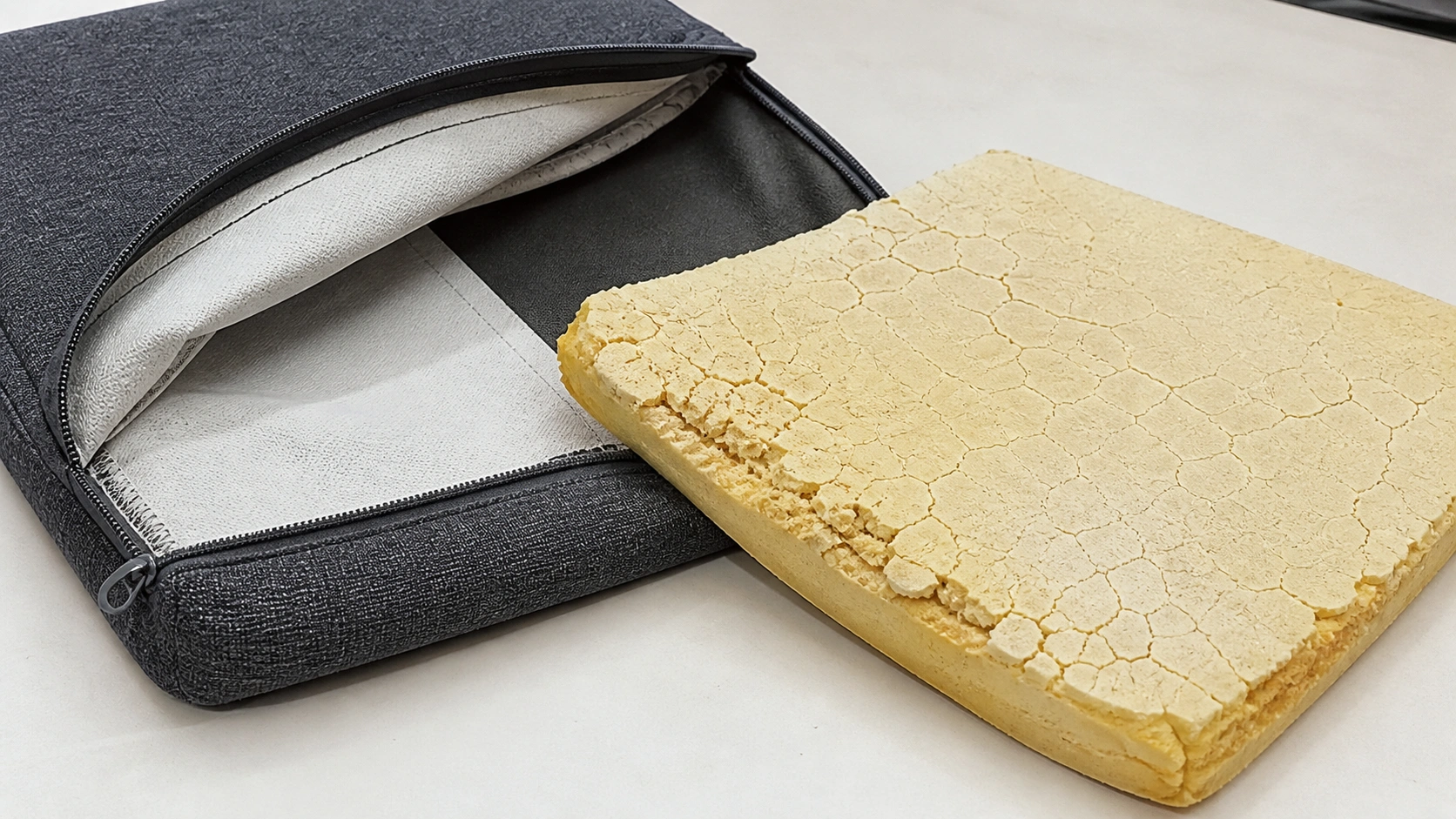
Step-by-Step: Foam Replacement
-
Remove the old foam and measure precisely
Take the old foam out of the cover. Measure its length, width, and thickness at the widest points. If the foam has compressed significantly (more than half an inch thinner than the cover), add 0.5 inch to the thickness measurement so the new insert fills the cover properly. Write down every dimension.
-
Order the correct foam
Refer to the foam selection guide in Section 8 to choose the right density and firmness. Order custom-cut foam to your exact dimensions, or buy a sheet and cut it yourself. For firm vs plush preference, adjust the ILD rating accordingly.
-
Cut the foam to size (if not pre-cut)
An electric carving knife gives the cleanest cuts. Mark your measurements on the foam with a marker, then cut slowly with steady pressure. A sharp utility knife works too but requires more effort and may leave rougher edges.
-
Wrap the foam in batting or muslin
Wrap the new foam in a layer of polyester batting (or muslin fabric) before inserting it into the cover. This adds a soft outer layer, prevents the foam from feeling too hard, and protects the foam from friction against the cover fabric. Tape the batting in place with masking tape.
-
Insert into the cover and adjust
Roll the foam slightly (like a sleeping bag) to compress it, then slide it into the cover. Unroll it once inside and smooth out any wrinkles in the batting. The foam should fill the cover snugly without excessive force.
-
Zip closed and test
Close the zipper. Sit on the cushion and test for comfort, support, and evenness. If one side feels higher, reach through the zipper and adjust the batting. The cushion should feel supportive without being rock-hard.
Pro tip for back cushions: Back cushions do not need the same firm foam as seat cushions. For back cushions, use a softer foam (ILD 20–28) or even skip the foam entirely and stuff with loose poly-fill wrapped in batting for a softer, more casual feel.
6. Method 3: Repair Sagging Seat Springs ADVANCED Cost: $15–40
If your cushions are fine but the seat base sags when you press on it (with cushions removed), the problem is in the spring or suspension system below. This is a more involved repair, but it is entirely manageable for a patient DIYer.
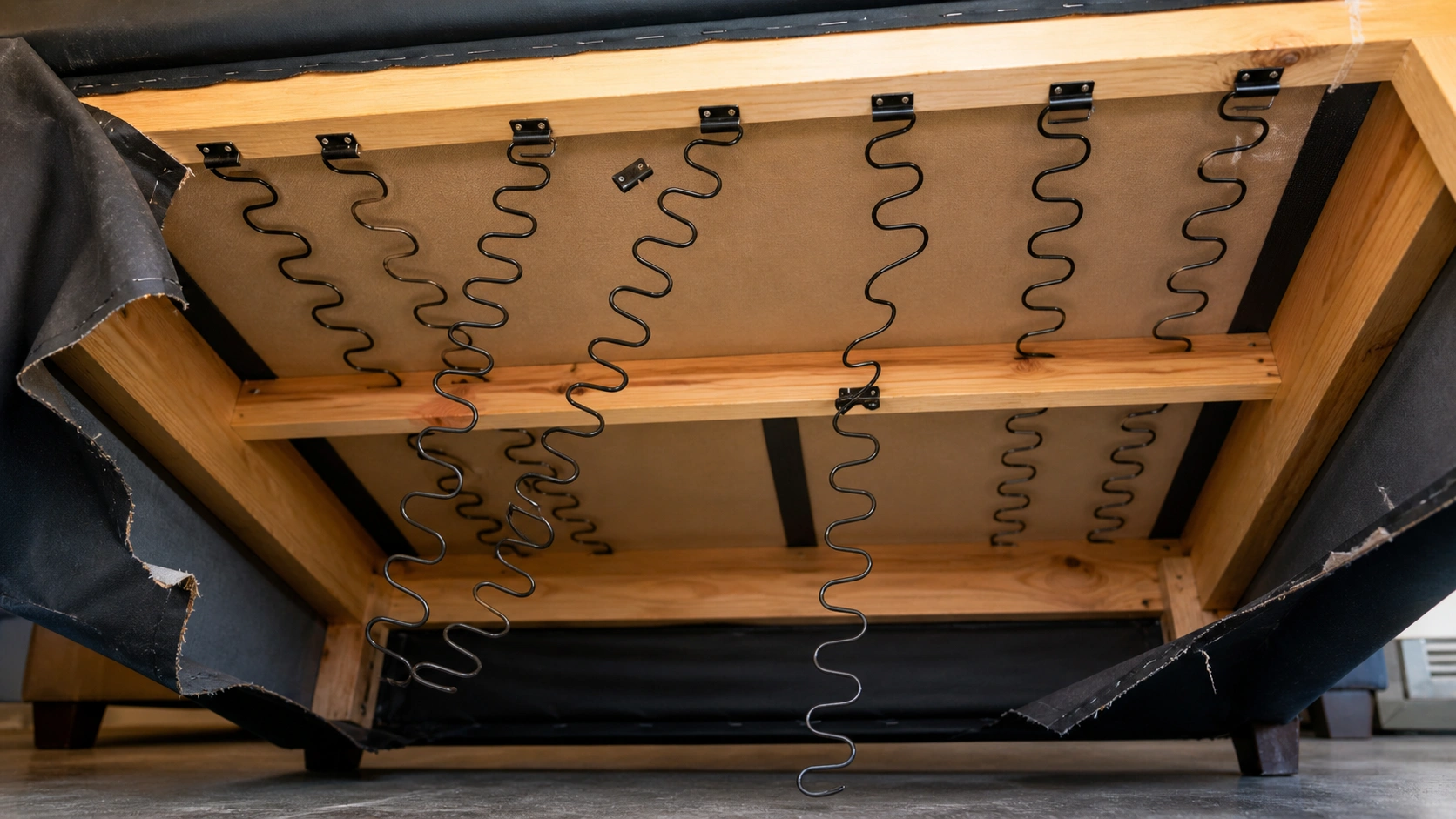
Step-by-Step: Spring Repair
-
Flip the sofa upside down
Carefully turn the sofa onto its back or side to access the underside. Remove the dust cover (the black fabric stapled to the bottom) by prying out the staples with a flathead screwdriver or pliers. Set the dust cover aside — you will re staple it later.
-
Inspect all springs
Look for springs that have detached from the frame, stretched out of shape, or broken entirely. Also check the suspension webbing — if it is ripped or severely sagged, the springs may be fine but the webbing needs replacement.
-
Reattach detached springs
If a spring has simply come loose from its clip or anchor point, use pliers to bend the clip back into place. If the clip is broken, replace it with a new spring clip (available at hardware stores) or secure the spring with heavy-duty zip ties looped around the frame.
-
Replace broken springs
If a spring is broken or permanently stretched, remove it by unclipping both ends. Take it to a hardware store to match the size and tension, or order replacement sofa springs online. Install the new spring by clipping both ends to the frame.
-
Add cross-support for weak springs
If springs are intact but still sagging, tie them together at the midpoint with wire or zip ties. This "lacing" technique distributes weight more evenly across the spring system and significantly reduces individual spring stress.
-
Reinstall the dust cover
Staple the dust cover back onto the frame, pulling it taut but not so tight that it restricts the springs. Flip the sofa back upright and test with the cushions in place.
Safety warning: Sofa springs are under tension and can snap unexpectedly. Wear safety glasses when working under the sofa. Keep your face and hands clear of the spring path. If the spring system is severely damaged or you feel uncomfortable doing this repair, hire a professional upholsterer — the cost is typically $100–200 for spring repair.
7. Method 4: Install a Plywood Support Board EASY Cost: $10–20
This is a budget-friendly hack that works surprisingly well for sofas with sagging webbing or sinuous wire suspension. A plywood board placed over the existing suspension creates a solid, level platform that prevents cushions from sinking. It is not the most elegant solution, but it is extremely effective and takes less than 30 minutes.
Step-by-Step: Plywood Support Board
-
Measure the seat area
Measure the inside width and depth of the sofa seat area (the space where the cushions sit). Subtract 0.25 inch from each dimension to allow for a slight gap so the board fits easily and does not scrape the frame.
-
Cut the plywood
Use 1/4-inch plywood — it is thin enough to flex slightly for insertion but thick enough to provide firm support. Most hardware stores will cut it to size for you if you bring the measurements.
-
Optional: wrap in batting or fabric
Wrap the plywood in a thin layer of batting or an old bedsheet to prevent the wood from rubbing against the fabric upholstery underneath. Staple the wrapping to the back of the board.
-
Insert the board
Slightly bend the board and slide it into the seat area on top of the existing webbing or springs. It should lay flat and fill the entire seat area. Place the cushions back on top.
Drawback: A plywood board eliminates the natural "give" that springs provide, making the seat feel firmer and less bouncy. If you prefer a softer sit, combine this method with softer foam cushions to compensate. This solution also does not work well on deep-seat sofas where the board would need to be excessively large.
8. Choosing the Right Replacement Foam
The quality of replacement foam is the single biggest factor in how long your repair lasts. Cheap foam will sag again within months, while high-quality foam can last 5 to 10 years. Here is what you need to know to make the right choice:
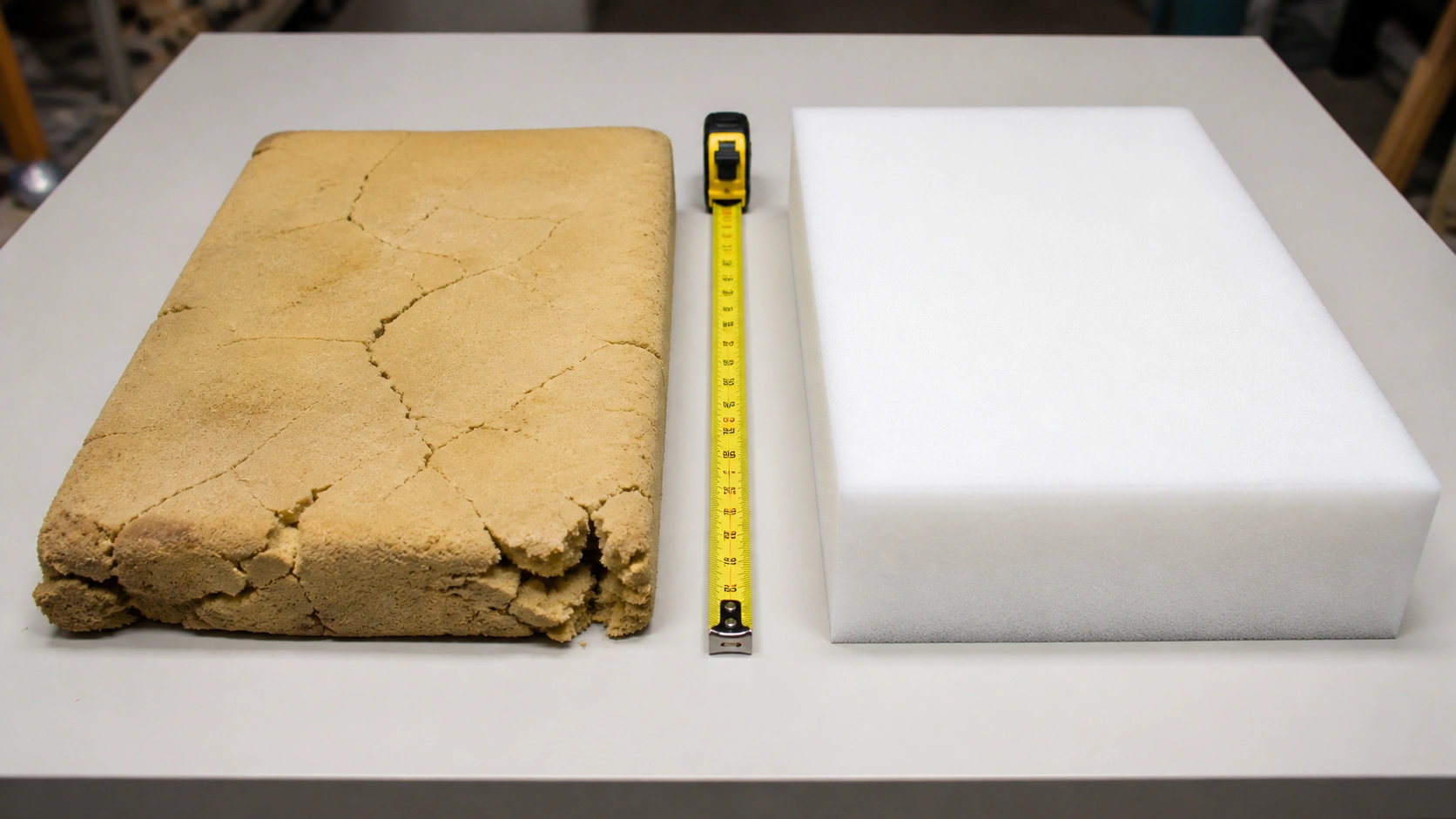
Foam Selection Reference Table
| Foam Type | Density | ILD (Firmness) | Best For | Expected Life |
|---|---|---|---|---|
| Polyurethane (Standard) | 1.5 lb/ft³ | 28–35 | Back cushions, decorative pillows | 1–3 years |
| High-Density Polyurethane | 2.0 lb/ft³ | 35–40 | Seat cushions (moderate use) | 3–5 years |
| Premium High-Density | 2.5 lb/ft³ | 35–45 | Seat cushions (daily use) | 5–8 years |
| High-Resilience (HR) Foam | 2.8–3.0 lb/ft³ | 36–44 | Seat cushions (heavy use, families) | 7–10 years |
| Memory Foam (as wrap) | 3.0+ lb/ft³ | 10–15 | Top layer for pressure relief (not structural) | 8–10 years |
| Latelex Foam | 4.0+ lb/ft³ | 30–45 | Premium seat cushions, luxury sofas | 10–15 years |
Key Terms Explained
- Density (lb/ft³): Measures the weight of the foam per cubic foot. Higher density means more material per volume, which translates to longer durability. Always choose a minimum of 2.0 lb/ft³ for seat cushions. For a deep understanding, read our foam density guide.
- ILD (Indentation Load Deflection): Measures firmness — how many pounds of pressure are needed to compress the foam by 25%. Lower ILD = softer feel, higher ILD = firmer feel. For most people, an ILD of 35–40 for seat cushions provides the best balance of comfort and support.
- Thickness: Most standard seat cushions use 4 to 6 inches of foam. Measure your existing cushion and match the thickness. Going thicker than the cover allows will cause bulging; going thinner will leave a gap.
9. How to Prevent Future Sagging
A well-maintained sofa cushion can last years longer than a neglected one. Once you have completed your repair, these habits will protect your investment and delay the need for future fixes:
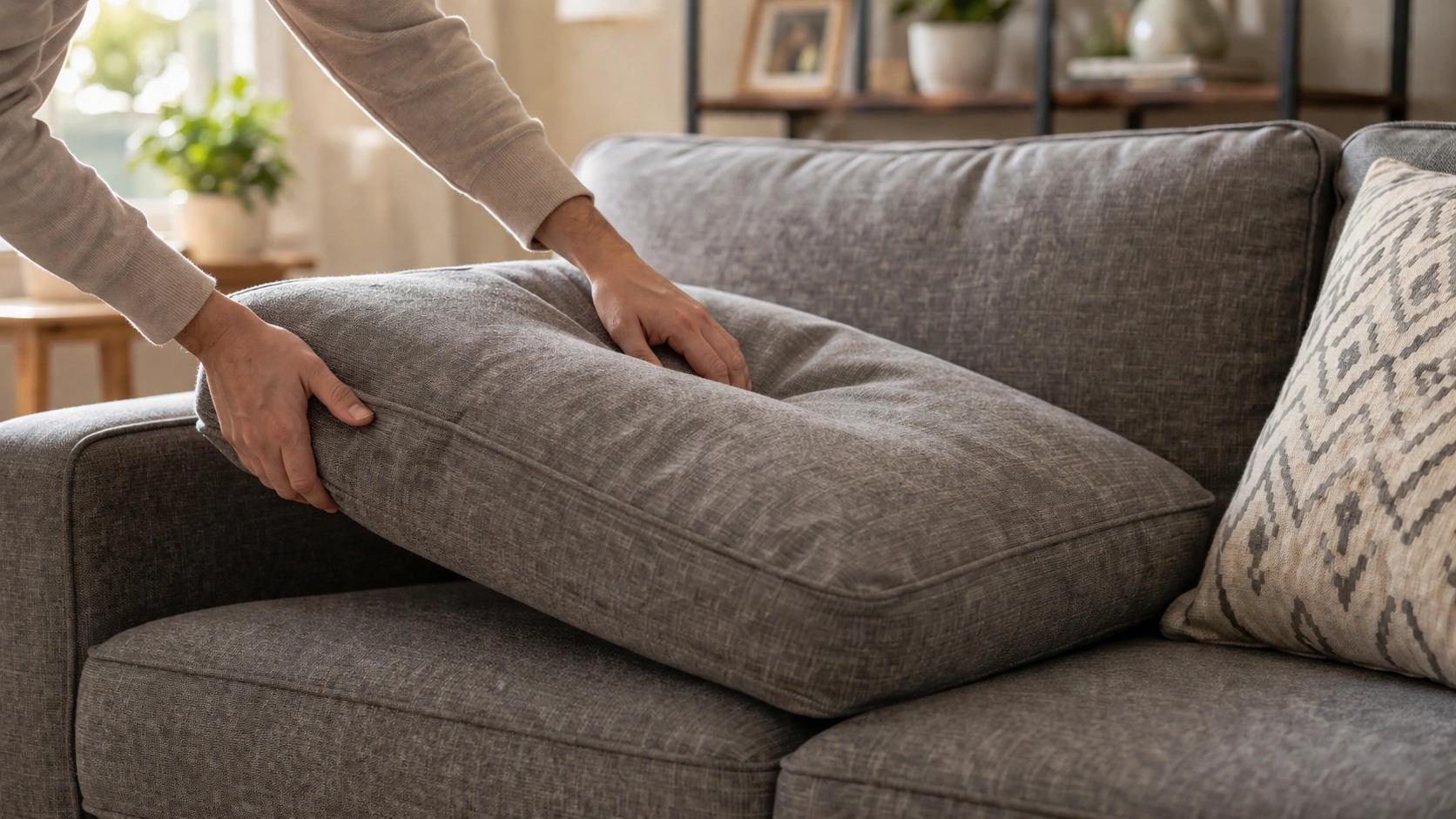
DO This Regularly
- Rotate and flip cushions weekly to distribute wear evenly
- Fluff cushions by hand daily — punch and knead them to redistribute the fill
- Vacuum cushions regularly to remove dirt that degrades fabric and filling
- Use arm caps and seat protectors on high-traffic areas
- Keep the sofa out of direct sunlight to prevent foam and fabric degradation
- Apply fabric protector spray after cleaning to prevent soil penetration
- Address spills immediately — moisture breaks down foam faster
- Consider sofa covers for households with children or pets
DON'T Do This
- Let the same person sit in the same spot every day without rotating
- Stand or jump on the sofa cushions
- Leave heavy objects sitting on the cushions for extended periods
- Place the sofa in direct, intense sunlight for hours daily
- Ignore cushion covers that need regular cleaning
- Use the sofa arm as a seat — it compresses the frame and shifts cushion pressure
- Allow pets to dig or scratch at cushions
- Assume a sagging cushion will fix itself over time
Smart Buying for Future Prevention
If you are shopping for a new sofa and want to avoid the sagging problem altogether, pay attention to these factors:
- Foam quality: Look for sofas that specify high-density or HR foam in the cushion construction. Avoid sofas that do not disclose their cushion fill — this often means low-quality materials. Read our guide on cushion fill types.
- Spring system: Eight-way hand-tied springs are the gold standard but are expensive. Sinuous wire springs (zigzag) are perfectly adequate for most households when properly installed. Understand the differences in our spring system guide.
- Removable cushions: Sofas with zippered, removable cushion covers make future foam replacement simple and affordable. This is a crucial feature that how to check sofa quality before buying covers in detail.
- Comfort vs durability balance: Ultra-soft cushions feel great initially but compress faster. Consider a comfort vs durability analysis when choosing between plush and firm seating.
10. Common Mistakes to Avoid
Learning from others' mistakes saves you time, money, and frustration. Here are the most frequent errors people make when trying to fix sagging cushions:
- Buying foam that is too soft: It feels great for the first week, then sags again within months. Always prioritize density and ILD over initial softness.
- Measuring the cover instead of the foam: Cushion covers are designed to be slightly larger than the foam inside. If you measure the cover and order foam to that size, it will be too big to insert and will bulge awkwardly.
- Skipping the batting wrap: Bare foam inside a cover feels hard, creates friction that wears out the cover faster, and looks lumpy. Always wrap foam in batting or muslin.
- Ignoring the spring system: Replacing cushions on top of broken springs is like putting new tires on a car with a bent axle. Always check the base before investing in cushion repairs.
- Using memory foam as the main insert: Memory foam is designed as a comfort layer, not a structural support layer. Used alone, it compresses completely under body weight and provides no lift. Use it only as a 1–2 inch topper over a firm foam core.
- Overstuffing with poly-fill: Adding too much fill creates a pillow-like lumpiness and puts stress on the cover seams. Less is more — add gradually and test frequently.
- Not rotating after repair: Even brand-new cushions will develop uneven wear if you always sit in the same spot. Rotation is the single most effective prevention habit.
- Using thin plywood without wrapping: Unwrapped plywood has sharp edges that can cut through the fabric lining beneath the cushions, causing visible damage to the sofa's interior.
11. When It Is Time to Replace the Sofa
Repair is almost always cheaper than replacement, but there are situations where investing in a new sofa makes more financial and practical sense. Here is a honest assessment of when to stop repairing and start shopping:
- The frame is structurally compromised: Cracked joints, split wood, or a warped frame cannot be reliably repaired and will continue to deteriorate. A solid frame is the foundation of any sofa — without it, cushion repairs are wasted money.
- Total repair cost exceeds 50% of replacement cost: If you need new foam, spring repair, reupholstery, and frame work, the combined cost often approaches the price of a quality new sofa. Be realistic about the total investment needed.
- The sofa no longer fits your needs: If your household has changed — new family members, different room layout, or evolving style preferences — fixing the cushions on a sofa that no longer serves you is a temporary patch, not a solution.
- Multiple systems are failing simultaneously: When cushions, springs, fabric, and frame all show significant wear, you are essentially rebuilding the entire sofa. At that point, a new sofa with a warranty is the smarter choice.
If you decide it is time for a replacement, consider your options carefully. Our how to choose a sofa guide walks you through the selection process, and understanding price vs quality helps you find the right balance for your budget. Families should look at our best sofas for families roundup, which prioritizes durability and easy maintenance.
Need Replacement Cushions or a New Sofa?
Browse our recommended cushions, foam inserts, and quality sofas that resist sagging — all selected for durability and long-term comfort.
See Recommended Products