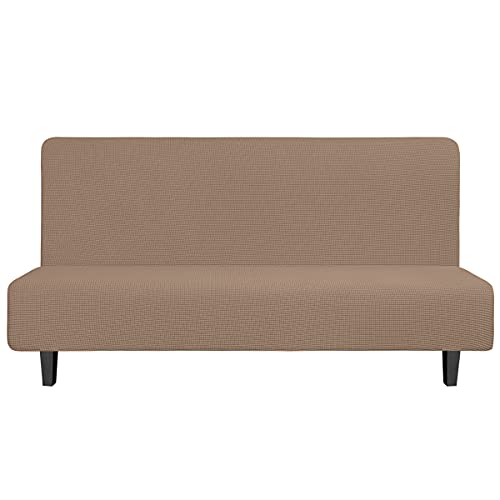
Sofa Without Arms: Pros, Cons & How to Decide If It's Right for You
Armless sofas save space, offer flexible styling, and look effortlessly modern — but are they actually comfortable? Here is the full picture.
The armless sofa is one of the most polarizing furniture choices you will encounter. Some people love its clean, open look and the way it stretches every inch of a room. Others find it lacking in comfort and visual substance compared to traditional sofas with rolled or track arms. The truth is that neither side is entirely right — an armless sofa can be brilliant or disappointing depending entirely on your room, your habits, and your expectations. This guide gives you a balanced, detailed breakdown so you can stop guessing and make a confident decision. If you are also evaluating arm styles for traditional sofas, our rolled arms vs. track arms comparison is a helpful companion read.
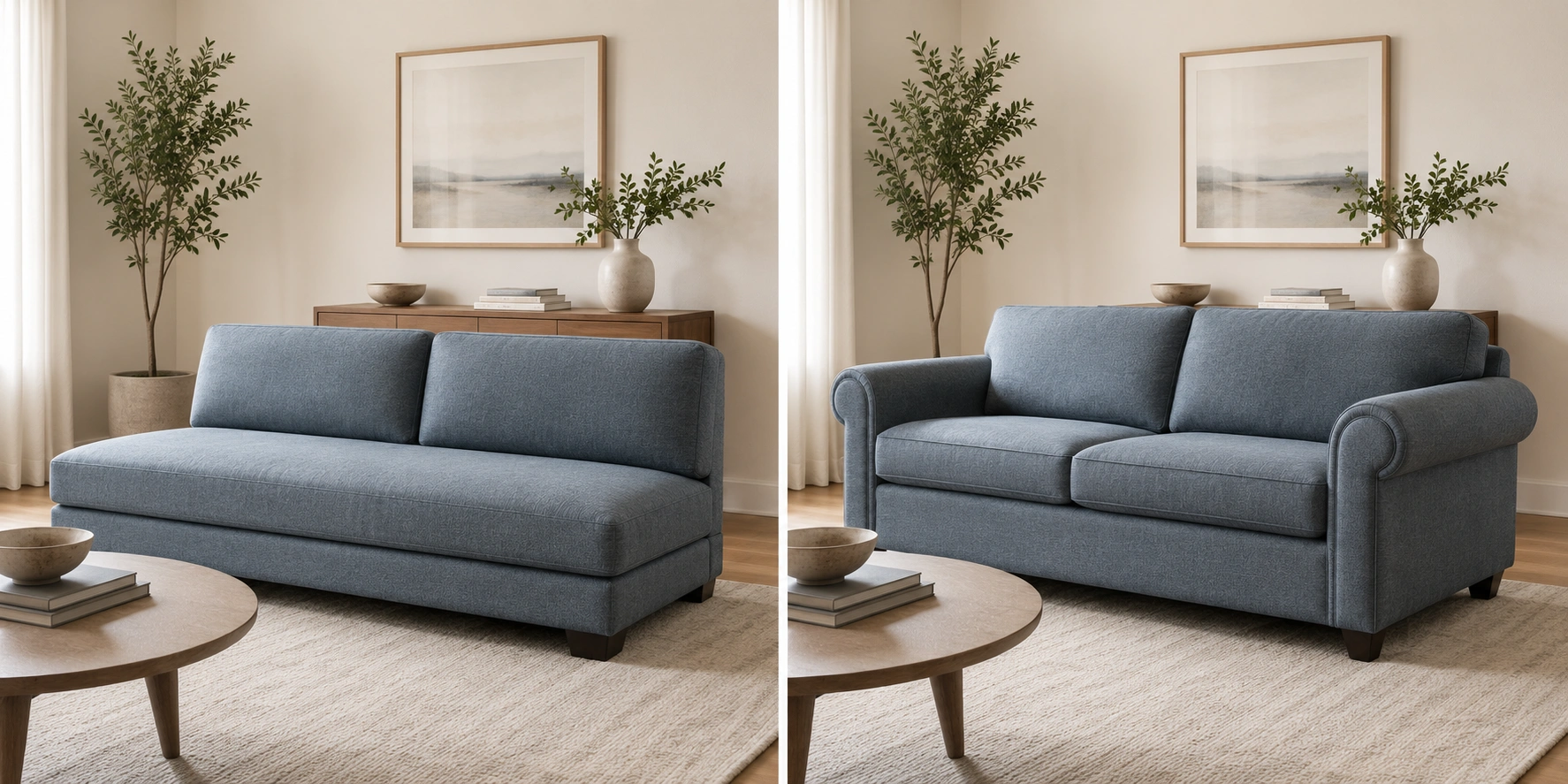
Figure 1: Visual comparison — the open profile of an armless sofa (left) versus the structured presence of a sofa with arms (right)
1. What Is an Armless Sofa?
An armless sofa is exactly what the name suggests — a sofa designed without raised armrests on either side. The seat cushion and back cushion extend to the full width of the frame, creating a continuous, low-profile silhouette. Armless sofas come in many forms: straight 2-seaters and 3-seaters, sectional pieces without arm modules, modular units that can be pushed together, and even loveseats designed for compact spaces.
The concept is not new — mid-century modern designers like George Nelson and Verner Panton experimented with armless seating in the mid-1900s. But the armless sofa has surged in popularity recently, driven by the rise of minimalist interiors, smaller urban living spaces, and the growing demand for modern sofa aesthetics. Today, armless designs are offered by brands at every price point, from budget-friendly retailers to high-end European manufacturers.
🔑 Key Distinction: An armless sofa is not the same as a sofa chair or a bench. A true armless sofa still has a defined back, structured cushions, and internal support — it simply eliminates the raised side panels. Some armless designs incorporate a very low, flush side panel (under 3 inches) that provides subtle definition without functioning as a traditional armrest.
2. The Pros of Sofas Without Arms
Armless sofas offer a set of practical advantages that become immediately apparent once you start living with one. Here are the most significant benefits, explained in detail.
✅ Advantages
- Saves Significant Floor Space — Removing arms typically reduces the overall width by 8 to 16 inches compared to an armed sofa of the same seat width. In a tight small room or apartment, this can mean the difference between fitting a 3-seater or settling for a 2-seater.
- Open, Airy Visual Profile — Without the visual weight of arms, the sofa appears lighter and less imposing. This makes rooms feel larger and less cluttered, which is especially valuable in open-plan layouts.
- Flexible Placement Options — You can float an armless sofa in the middle of a room without blocking sightlines. It also pushes closer to walls or other furniture, giving you more layout flexibility.
- Can Serve as Extra Seating from All Sides — People can sit on the edges without an armrest blocking them. This effectively adds two more "seats" in a pinch, which is useful when hosting guests frequently.
- Easy to Combine and Extend — Multiple armless pieces can be pushed together to create a custom seating arrangement. This is why armless modules are the building blocks of most modular sofa systems.
- Modern, Minimalist Aesthetic — The clean lines of an armless sofa pair perfectly with modern, contemporary, and industrial design styles. It avoids the traditional or bulky look that some arm styles create.
- Simpler to Move and Navigate — The narrower profile makes it easier to carry through doorways, around corners, and up stairs — a real advantage if you relocate frequently.
- Often More Affordable — Armless designs use less frame material, less upholstery fabric, and fewer internal components. This typically translates to a lower price compared to the same model with arms.
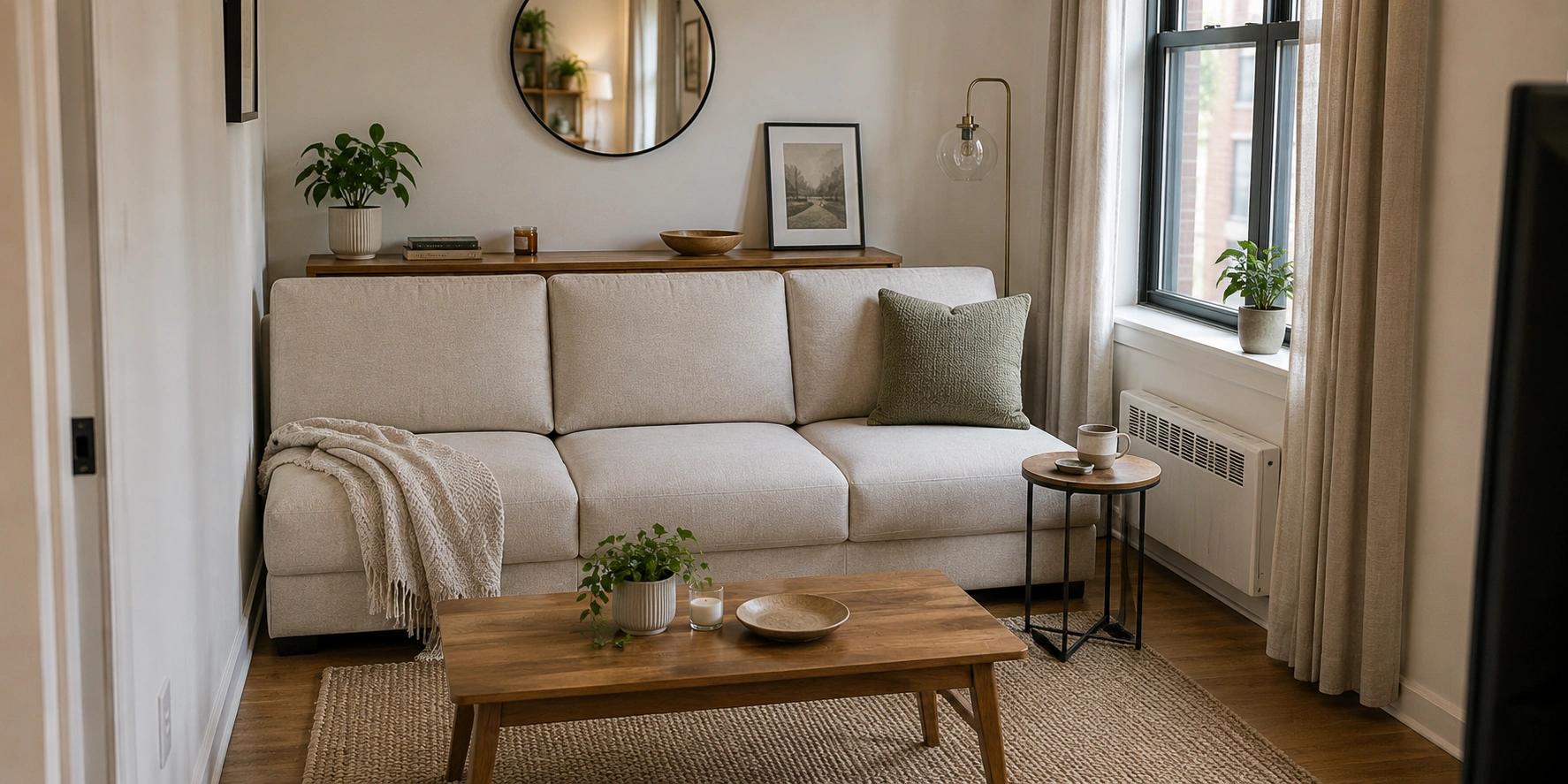
Figure 2: An armless sofa maximizes usable space in a compact apartment living room — note how it sits flush against the wall with no wasted width
3. The Cons of Sofas Without Arms
Despite the space-saving appeal, armless sofas have genuine drawbacks that can significantly affect your daily comfort. These are not minor inconveniences — for some people, they are dealbreakers.
❌ Disadvantages
- No Armrest Support for Arms, Elbows, or Head — This is the single biggest complaint. Without an armrest, you have nowhere to rest your arm while reading, holding a drink, or leaning to one side. Many people do not realize how much they rely on armrests until they are gone. This is particularly relevant if you are choosing a sofa for back pain, as proper arm support affects spinal alignment.
- No Lateral Back Support — Arms provide a sense of enclosure and side support when sitting. Without them, you may feel exposed or unconsciously lean sideways, which can cause strain over long sitting sessions.
- Less Defined Visual Anchor — In a large or sparsely furnished room, an armless sofa can look like it is "floating" without enough visual substance. It may fail to ground the seating area the way an armed sofa or a Chesterfield would.
- No Built-In Surface for Drinks or Laptops — Many people rest a mug, phone, or remote on the arm of their sofa. Without arms, you need a sofa table or side table within reach, which adds another piece of furniture to the room.
- Cushions May Shift or Spread — On some armless designs, the seat cushions are not contained by side panels and can gradually drift apart, creating gaps. This is more common with loose-cushion models and can be frustrating to constantly fix.
- Not Ideal for Formal or Traditional Spaces — If your home leans toward vintage, traditional, or classic styles, an armless sofa can look out of place. Armless designs inherently favor casual, modern aesthetics.
- Reduced Napping Comfort — For daily napping, armrests serve as a headrest or barrier preventing you from rolling off. An armless sofa makes stretching out less comfortable and less secure.
⚠️ The Comfort Gap Is Real: Before purchasing an armless sofa, sit on one for at least 10 minutes in a showroom. Pay attention to what your arms naturally want to do. Many buyers who switch from armed to armless sofas report a 2 to 4 week adjustment period — and some never fully adapt. If possible, test both options before deciding. Our guide on how to test sofa comfort covers a thorough evaluation method.
4. Armless vs. Armed Sofa: Side-by-Side Comparison
The table below breaks down the key differences across the factors that matter most when making a purchase decision. For additional context on arm styles, see our detailed rolled arms vs. track arms guide.
| Factor | Armless Sofa | Armed Sofa | Winner |
|---|---|---|---|
| Space Efficiency | Saves 8–16 inches of width | Full width including arm panels | Armless |
| Sitting Comfort | No arm or elbow support | Armrest for resting and leaning | Armed |
| Visual Lightness | Clean, minimal, open profile | Heavier, more grounded look | Armless |
| Layout Flexibility | Floats easily; pushes flush to walls | More directional; needs clearance | Armless |
| Napping Support | No side barrier; may roll off | Arms act as headrest and barrier | Armed |
| Guest Seating Capacity | Edges usable; effectively +2 spots | Arms define fixed seating positions | Armless |
| Suitability for Formal Rooms | Best for casual and modern spaces | Works in traditional and formal settings | Depends |
| Built-In Surface | None; requires side table | Arm surface for drinks and remotes | Armed |
| Modularity | Pieces push together seamlessly | Armed ends create natural terminations | Armless |
| Price | Typically lower (less material) | Typically higher (more material) | Armless |
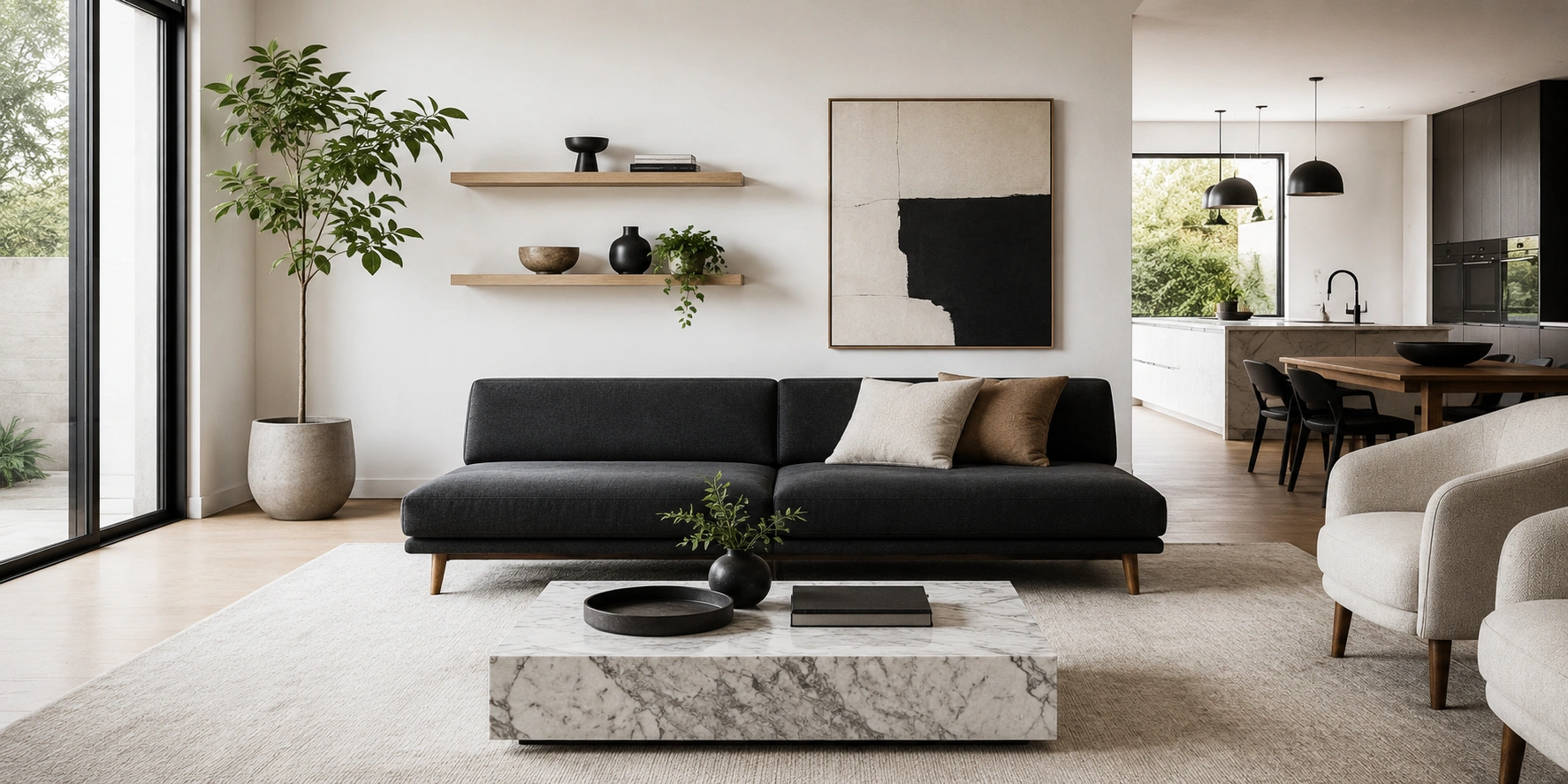
Figure 3: The minimalist profile of an armless sofa complements contemporary interiors where clean lines and open space are priorities
5. Who Should Buy an Armless Sofa?
An armless sofa is not for everyone, but it excels in specific situations. If any of the following scenarios describe your situation, an armless sofa is likely a strong choice. Browse our curated best armless sofa recommendations if you are ready to shop.
Apartment & Studio Dwellers
When every inch counts, the 8 to 16 inches saved by removing arms is transformative. An armless apartment sofa can fit a true 3-seat capacity in a space where a 2-seater with arms would barely fit.
Highly RecommendedSmall & Narrow Living Rooms
In rooms under 10 feet wide, armed sofas consume a disproportionate amount of floor space. An armless design keeps traffic paths open and prevents the room from feeling cramped. See our size and room guide for precise measurements.
Highly RecommendedFrequent Entertainers
If you regularly host groups, the ability to sit on sofa edges adds two to three extra seats without buying a larger piece. This makes armless sofas excellent for frequent hosting scenarios.
Highly RecommendedModular & Sectional Buyers
Most modular sofa systems use armless center pieces. If you want to reconfigure your layout over time or add pieces later, armless modules give you maximum flexibility.
Highly RecommendedOffice & Waiting Area Use
An armless office sofa or lobby sofa looks professional and allows people to sit down quickly from either side without navigating around armrests.
Highly RecommendedModern & Minimalist Style Fans
If your design preference leans toward modern, contemporary, industrial, or Scandinavian aesthetics, the clean lines of an armless sofa reinforce the look far better than bulky arms would.
Highly Recommended6. Who Should Avoid Armless Sofas?
Being honest about the limitations matters more than focusing on the benefits. If any of these describe your situation, you should seriously consider an armed sofa — or at minimum, test an armless one extensively before committing.
Couch Loungers & Nappers
If your primary use is lying down, leaning sideways, or napping, the lack of armrests becomes a constant irritation. Consider a recliner sofa or a sofa with chaise lounge instead.
Not RecommendedLarge, Open Living Rooms
In a spacious large room, an armless sofa can look undersized and fail to anchor the seating area. A sofa with substantial arms provides the visual weight needed to balance the space.
Not RecommendedReaders Who Need Arm Support
If you regularly read, use a laptop, or watch TV with one arm propped up, the absence of an armrest forces you to use a throw pillow or sit in an unnatural position. This is a daily comfort issue, not a minor preference.
Not RecommendedTraditional & Classic Decor Homes
The sleek, armless silhouette clashes with traditional, Victorian, or formal design languages. A Chesterfield, tufted sofa, or rolled-arm design will serve your space far better.
Not RecommendedPet Owners (Mixed Verdict)
Armless sofas have no arm panels for pets to scratch — that is a plus. But the open edges mean pet hair and dirt can accumulate more easily at the cushion seams. If you have cats that like to perch, arms actually provide a designated spot. See our best sofas for pet owners for alternatives.
Depends on PetSeniors & Those with Mobility Issues
Armrests help with sitting down and standing up by providing something to push against. Without them, some seniors may find an armless sofa harder to use. If this applies, explore sofas designed for seniors that include supportive arms.
Use Caution7. Popular Armless Sofa Styles
Armless does not mean one-note. The design has evolved into several distinct styles that suit different rooms and tastes. Understanding these options helps you find an armless sofa that does not feel like a compromise.
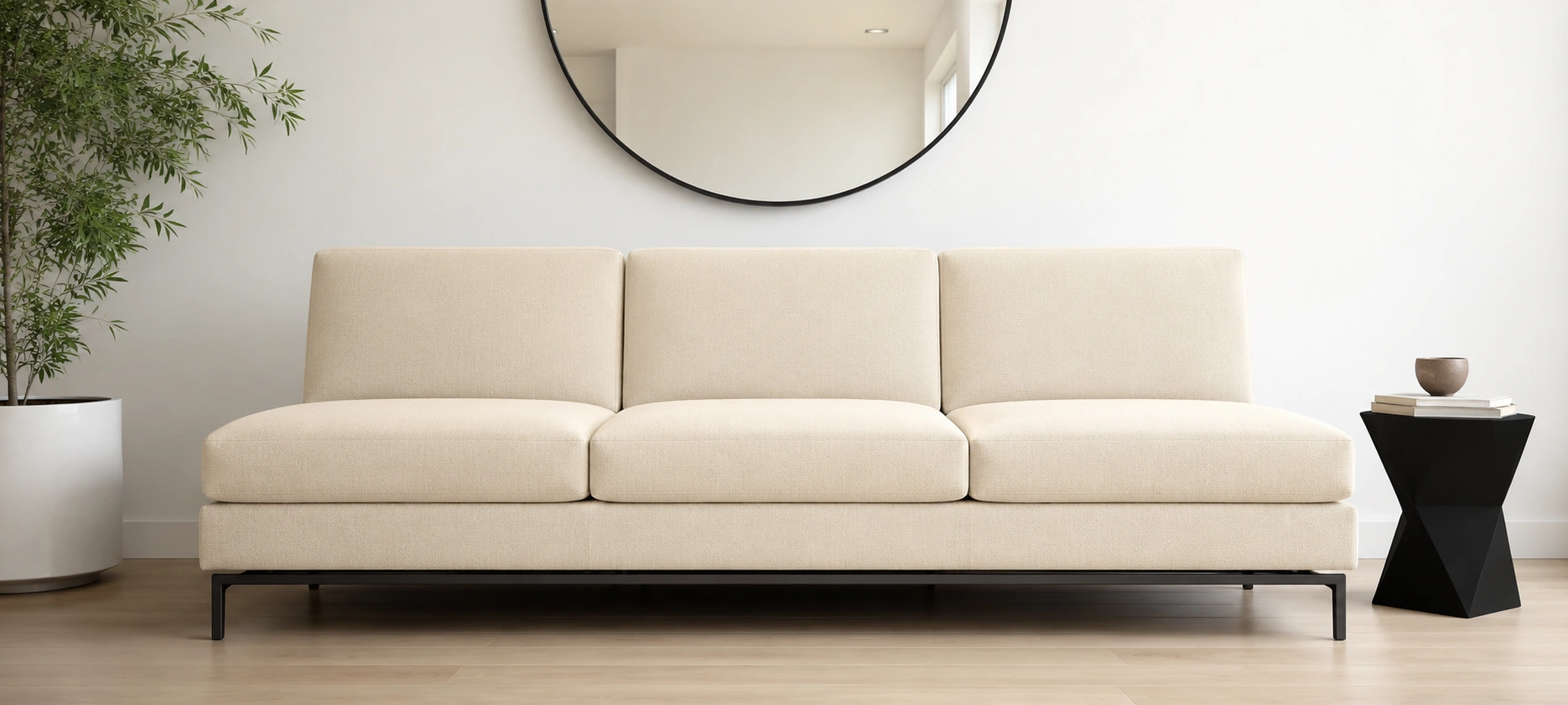
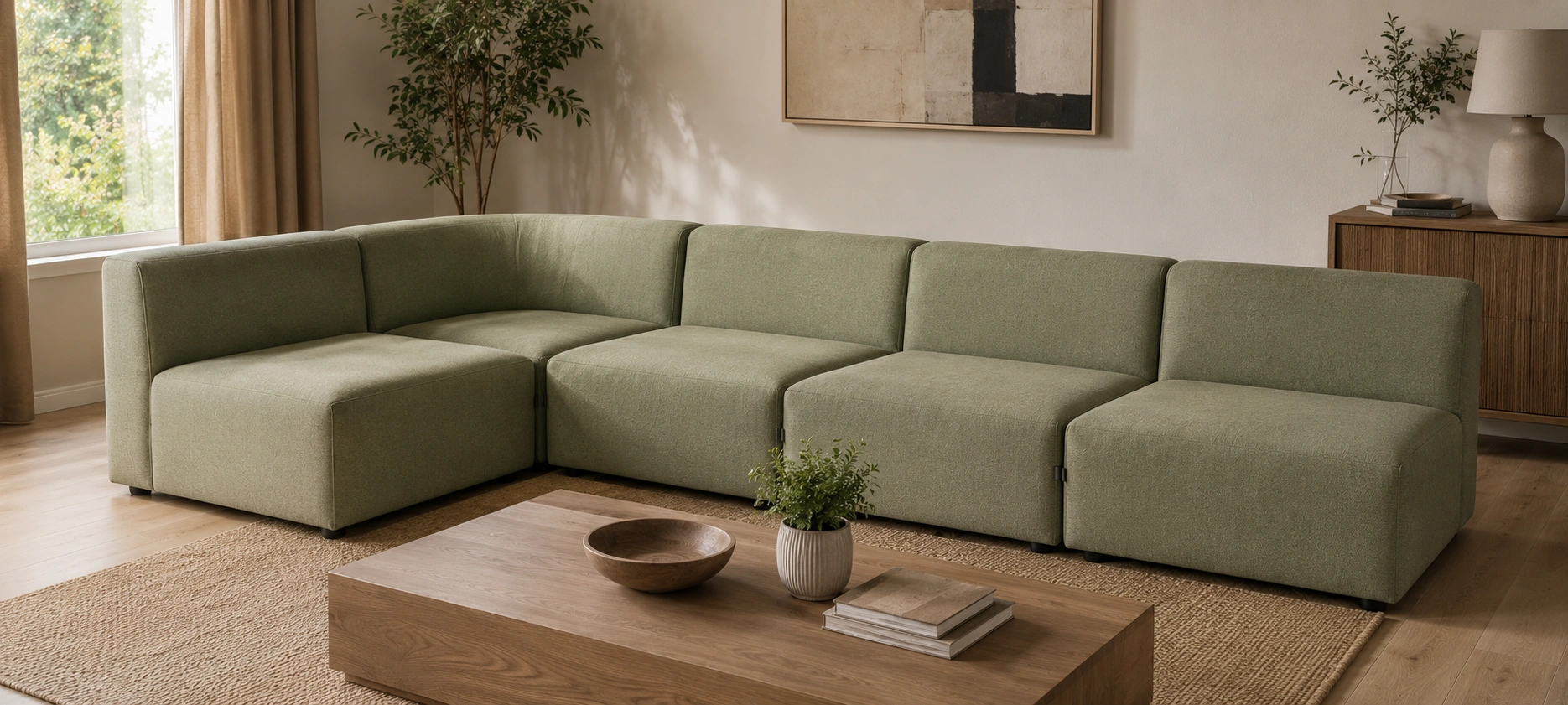
Armless Modular Pieces
Individual armless modules that connect to form custom shapes. The backbone of any modular sofa system. Ideal if you want to change your layout seasonally or move to a different home.
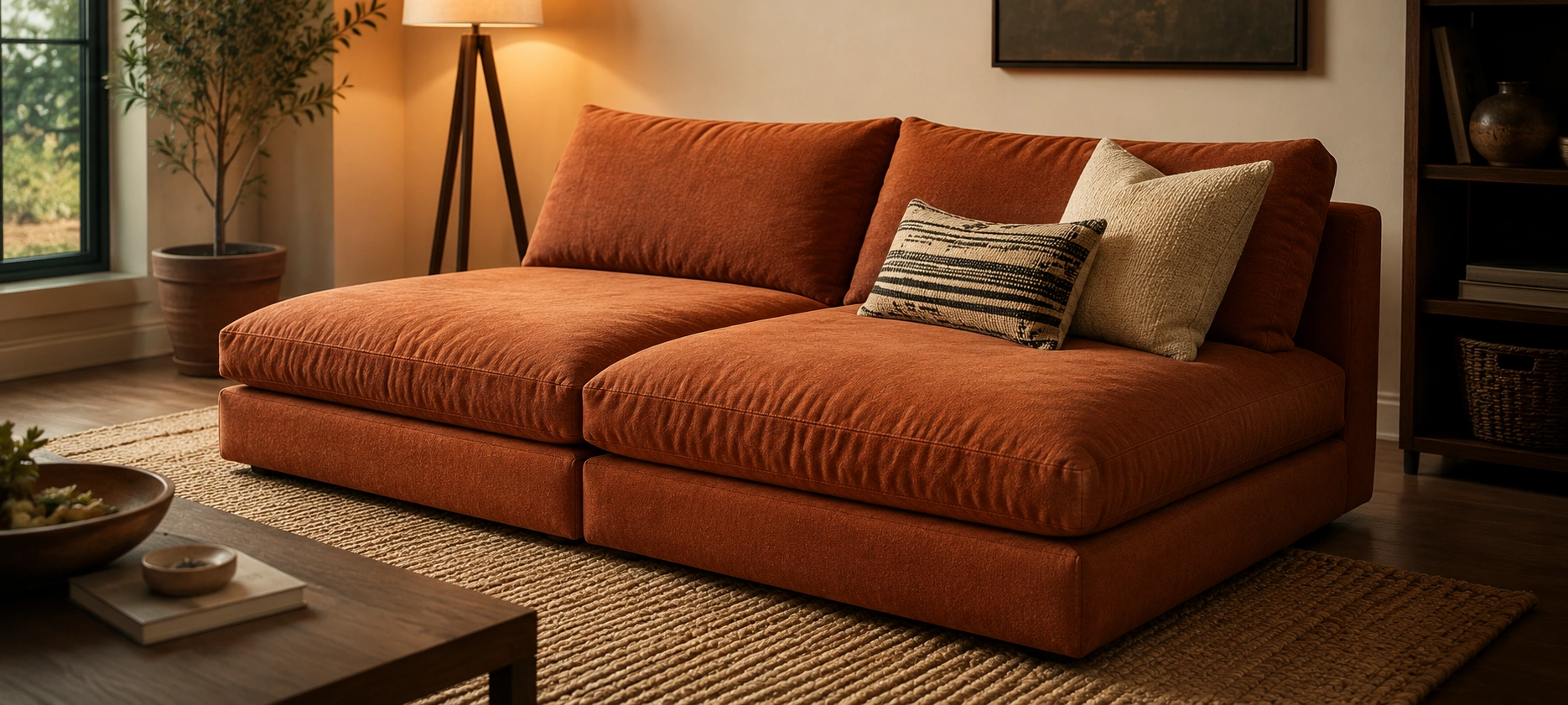
Deep-Seat Armless Sofa
Extra-deep cushions (over 24 inches) compensate for the missing armrests by making the seat itself more inviting for lounging. A deep-seat sofa without arms is a popular choice for casual family spaces.
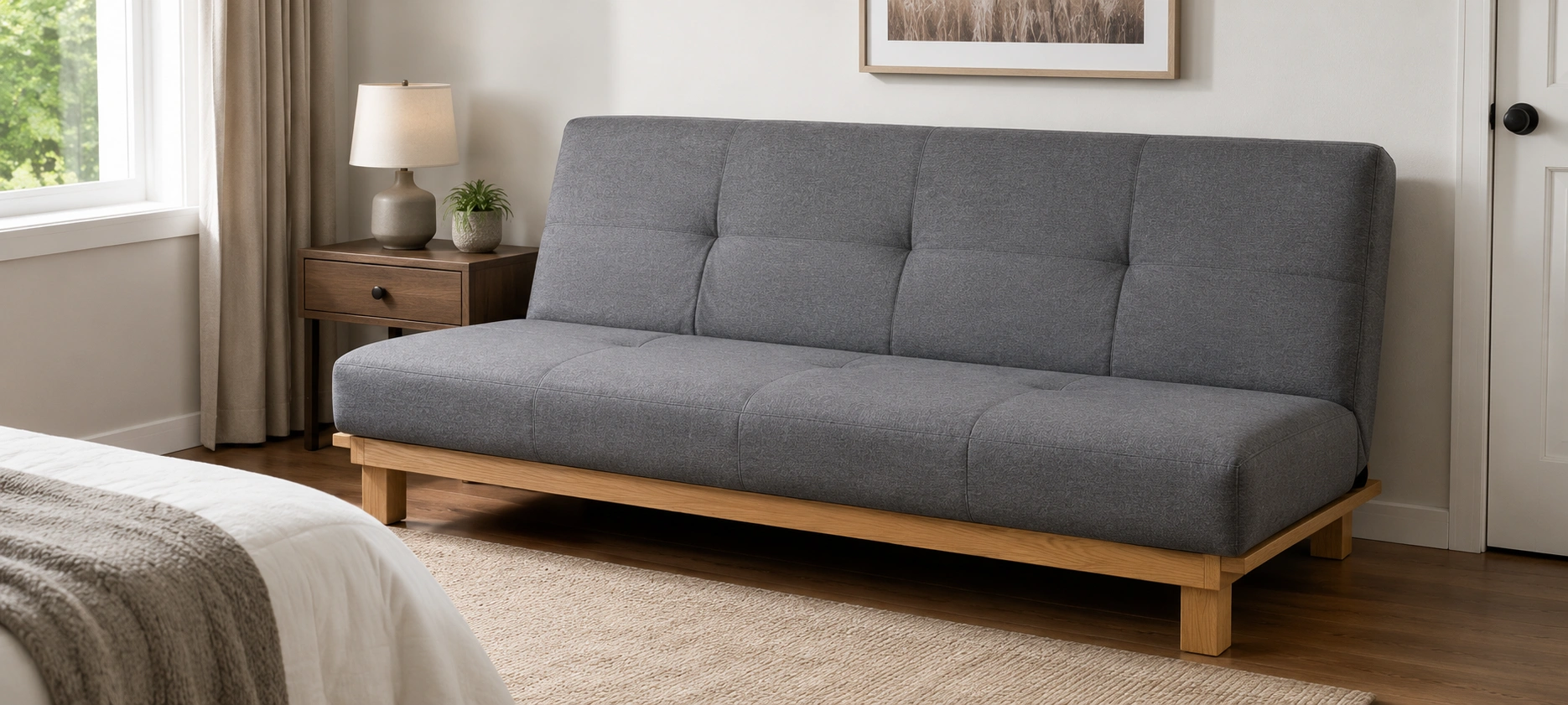
Armless Futon & Sofa Bed
Armless futon sofas and sleeper sofas benefit greatly from the armless design — it simplifies the fold-down mechanism and maximizes the sleeping surface area.
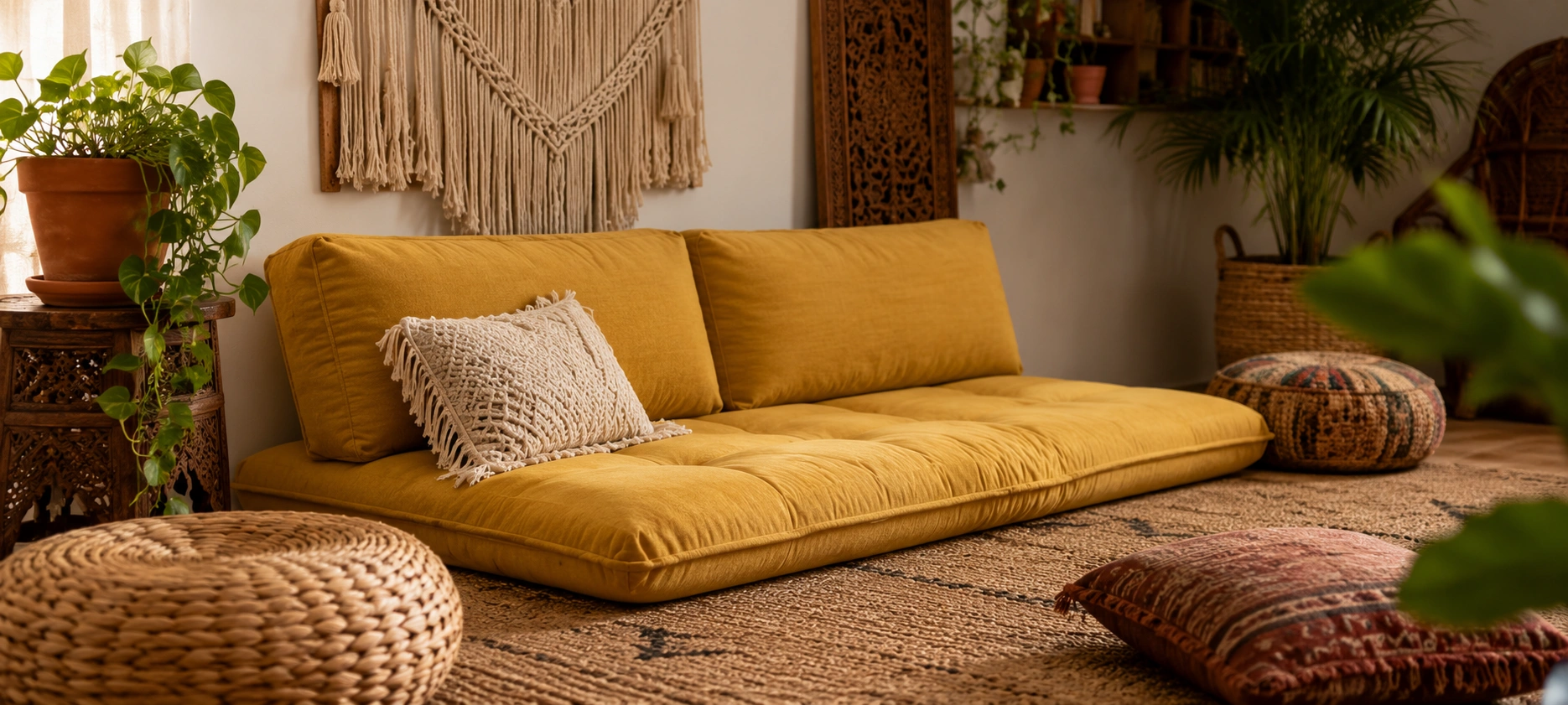
Armless Floor Sofa
Sits very low to the ground with no legs or frame visible. Popular in bohemian and Japanese-inspired interiors. A floor sofa without arms is more about casual floor-level seating than traditional sofa comfort.
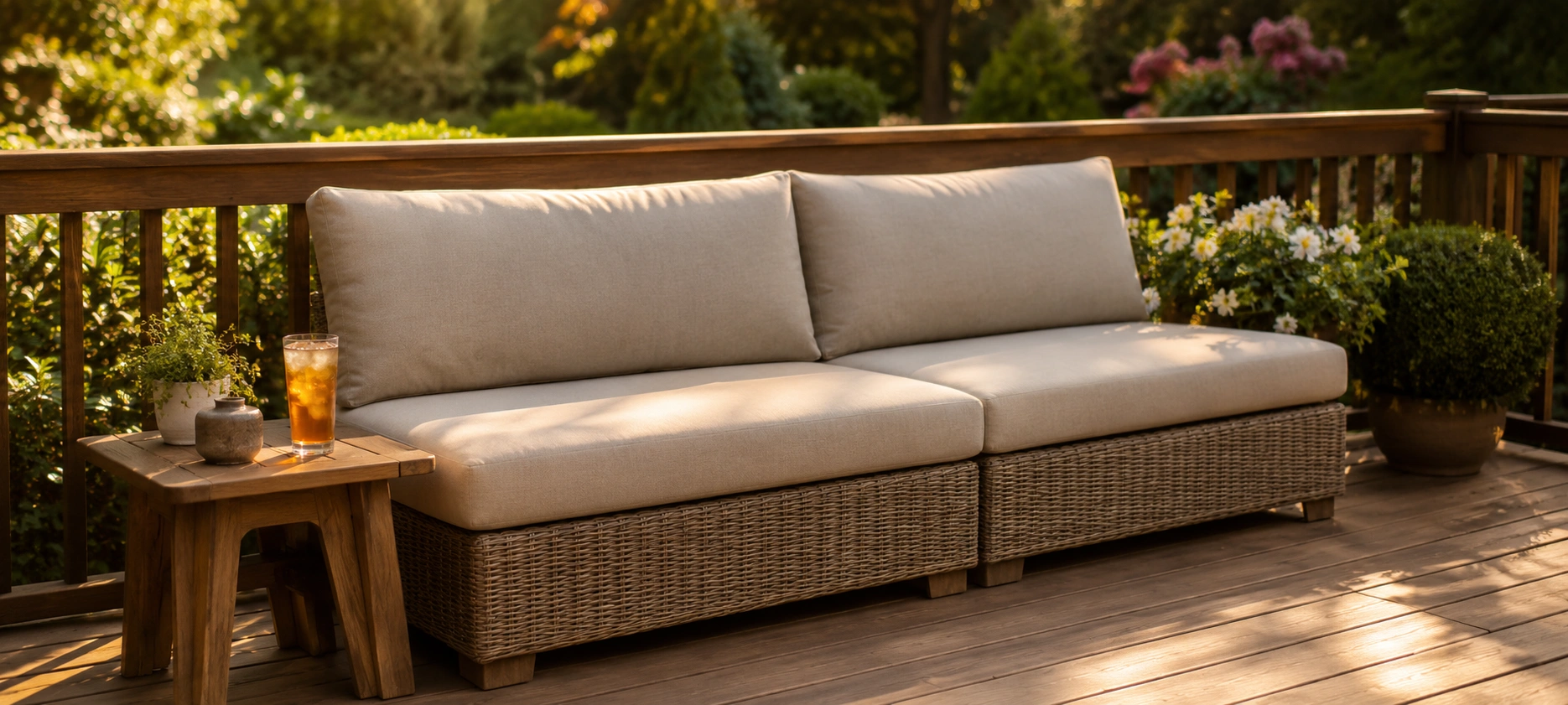
Armless Outdoor Sofa
Weather-resistant armless sofas designed for patios and decks. The armless design makes them easy to rearrange for different gatherings and simplifies cushion storage. Explore outdoor sofa options.
8. Tips for Choosing the Right Armless Sofa
If you have decided that an armless sofa fits your needs, these practical tips will help you select one that performs well and holds up over time. For a complete buying framework, pair these tips with our how to choose a sofa guide.
- Measure your space precisely — including the spots where arms would normally go. Use our sofa measuring guide and account for at least 3 inches of clearance on each side. The whole point of going armless is to use that saved space — do not waste it by positioning the sofa poorly.
- Look for cushion containment features. Check whether the cushions have connectors, Velcro strips, or a tight-back design that prevents shifting. Cushions that drift apart are the most common complaint with armless sofas.
- Choose a firm cushion if you plan to sit on the edges. Soft cushions compress too much when weight is applied at the outer edges, making perimeter seating uncomfortable. A firm cushion provides better edge support.
- Invest in side tables or a sofa table. Since you lose the arm surface, plan for at least one sofa table within arm's reach for drinks, phones, and remotes. Factor this into your budget and sofa budget planning.
- Add throw pillows for makeshift arm support. A firm throw pillow on each end can partially substitute for armrests when you are reading or lounging. Browse our guide to throws and pillows for sizing recommendations.
- Consider an armless sectional with one armed end. If you want the space-saving benefit on one side but still need an armrest for comfort, many sectional sofas offer a corner piece with an arm on only one end.
- Check the frame quality — armless does not mean cheap. A well-built armless sofa still needs a solid frame. Look for kiln-dried hardwood or quality plywood with doweled joints. Learn what to inspect in our sofa materials guide and quality checklist.
- Test seat depth carefully. Without arms defining the seating zone, a very deep seat can feel like you are "sitting in a hole." Aim for a seat depth between 20 and 23 inches for most body types.

Figure 4: Strategic throw pillow placement can partially compensate for the missing armrests on an armless sofa
9. Final Verdict
The Bottom Line
An armless sofa is an excellent choice when space efficiency, layout flexibility, and modern aesthetics are your top priorities. It shines in apartments, small living rooms, offices, and homes with contemporary or minimalist decor. The ability to float it in a room, push multiple pieces together, and use every edge as seating makes it one of the most versatile furniture formats available.
However, if daily sitting comfort, arm support, napping, and a grounded visual presence matter more to you than saving a few inches, a traditional sofa with arms will serve you better. The comfort trade-off is real — it is not something you can solve with styling alone.
The ideal approach for many buyers is a hybrid solution: an armless sectional or modular system where most pieces are armless for space efficiency, but one end has an armrest for comfort. This gives you the best of both worlds without committing fully to either extreme.
Ready to shop? Explore our curated selection of top-rated armless sofas, or if you have decided arms are essential, browse our top 10 sofas for a full range of armed options. For broader buying guidance, our complete sofa buying guide walks you through every decision point.