
Best Budget Sofas That Don't Compromise on Comfort
A complete guide to finding affordable sofas under $500 that still deliver on durability, support, and style — so you never overpay for what you need.
Buying a sofa on a tight budget doesn't mean settling for discomfort or replacing it within a year. The truth is, the furniture market is filled with affordable options that offer surprising quality — if you know exactly what to look for and what to avoid.
Many shoppers assume that a low price tag equals low quality. In reality, the difference between a $300 sofa and a $1,500 sofa often comes down to brand markup, imported luxury materials, and design complexity — not fundamental comfort or structural integrity. Understanding how sofa pricing works helps you identify where your money actually goes and where you can save without sacrifice.
This guide breaks down everything you need to know: what makes a budget sofa truly worth buying, which materials hold up best at lower price points, the ideal budget range for your situation, and the critical red flags that signal a sofa won't last. Whether you're furnishing a first apartment, upgrading a guest room, or simply don't want to spend thousands on a living room sofa, this resource is built for you.

What Actually Defines a "Budget" Sofa?
The term "budget" is subjective, but in the sofa industry, it generally refers to sofas priced between $200 and $500. Below $200, you're entering territory where structural compromises become almost unavoidable. Above $500, you're looking at mid-range options with better materials and more design choices. For context, a good quality sofa from a reputable brand typically costs between $800 and $2,000 — so understanding what you can realistically expect at each price point is essential.
| Price Range | What to Expect | Best For | Lifespan |
|---|---|---|---|
| Under $200 | Particleboard frame, basic foam, thin fabric | Temporary use, dorm rooms | 1–2 years |
| $200 – $350 | Plywood frame, medium-density foam, polyester blend | Apartments, guest rooms, first homes | 3–5 years |
| $350 – $500 | Solid wood or hardwood frame, decent foam, durable fabric | Daily use, small families, long-term budget setups | 5–8 years |
| $500 – $800 | Kiln-dried hardwood, high-resilience foam, premium fabrics | Families, long-term investment | 8–12 years |
The sweet spot for most budget-conscious buyers is the $300–$450 range. At this level, you can find sofas with legitimate hardwood frames, adequate cushion support, and fabrics that resist everyday wear. To better understand whether a budget sofa meets your standards, it helps to explore the relationship between price and quality in greater detail.
5 Non-Negotiable Factors in a Budget Sofa
When you're working with a limited budget, every dollar matters. Instead of focusing on superficial features like decorative pillows or trendy colors, prioritize these five structural and comfort elements that directly impact how long your sofa will last and how good it will feel.
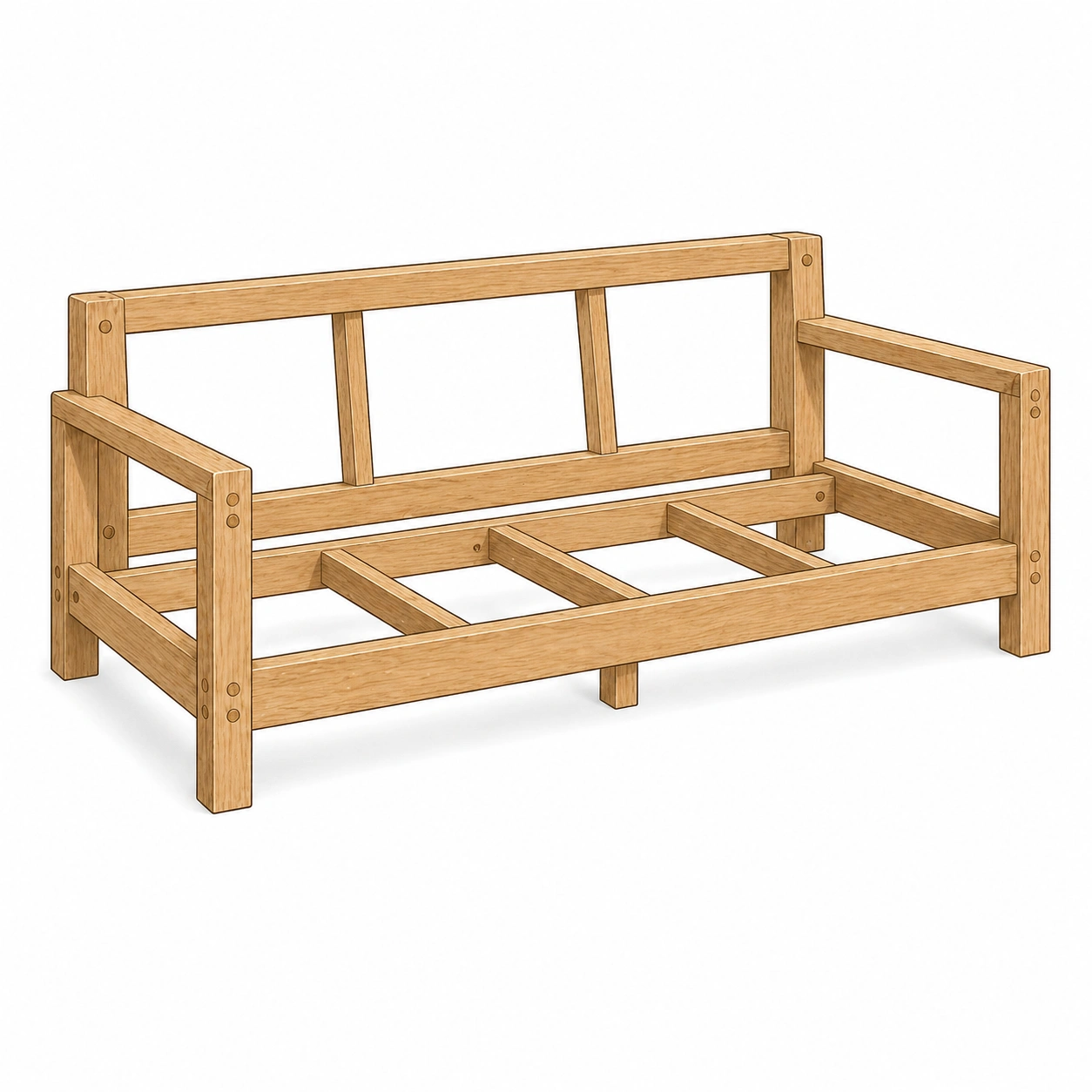
Frame Material
Look for hardwood, plywood, or kiln-dried wood. Avoid particleboard and cardboard — they warp and break within months under daily use.
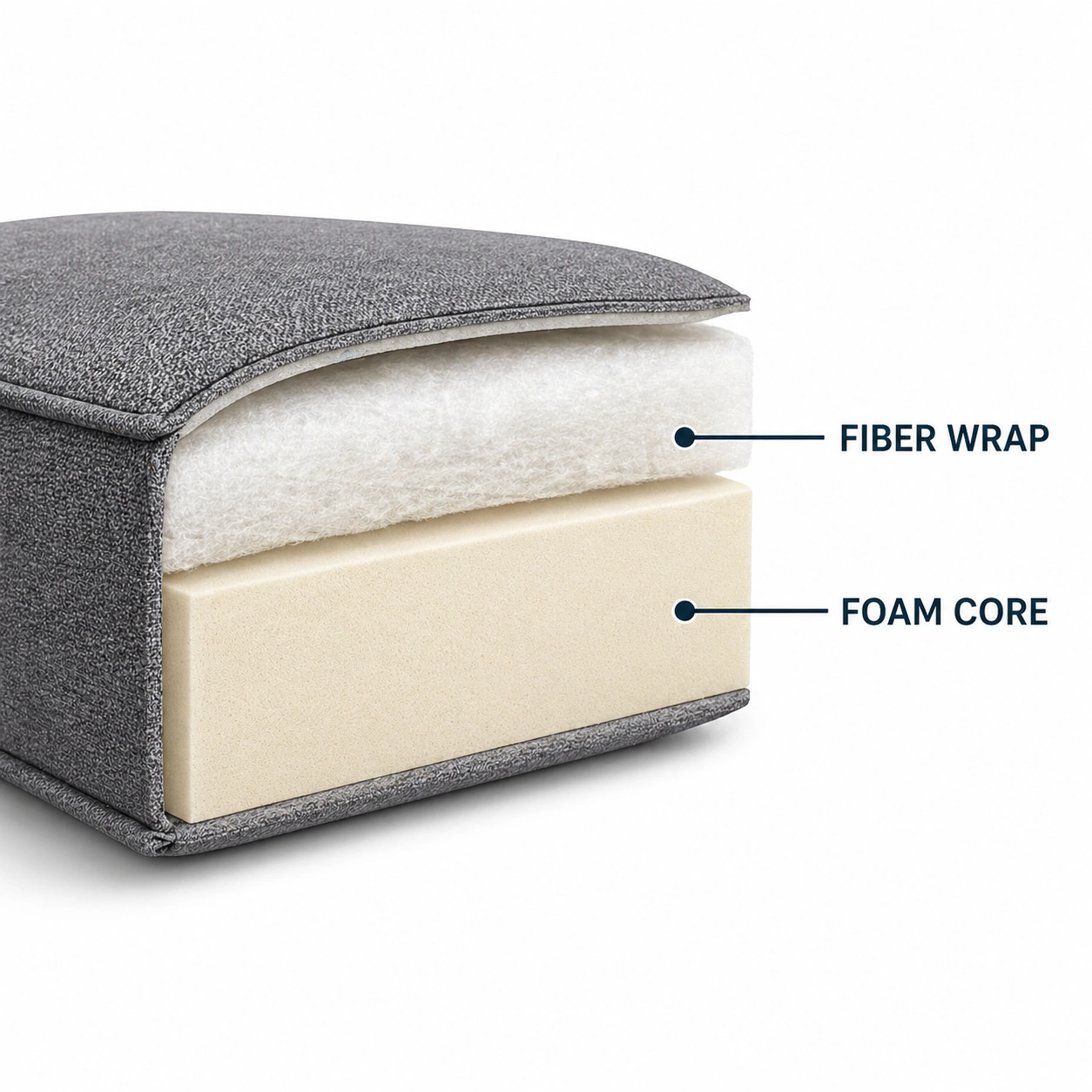
Cushion Density
Foam density of 1.8 lb/ft³ or higher holds its shape. Lower density foam flattens quickly. Learn more about foam density ratings.
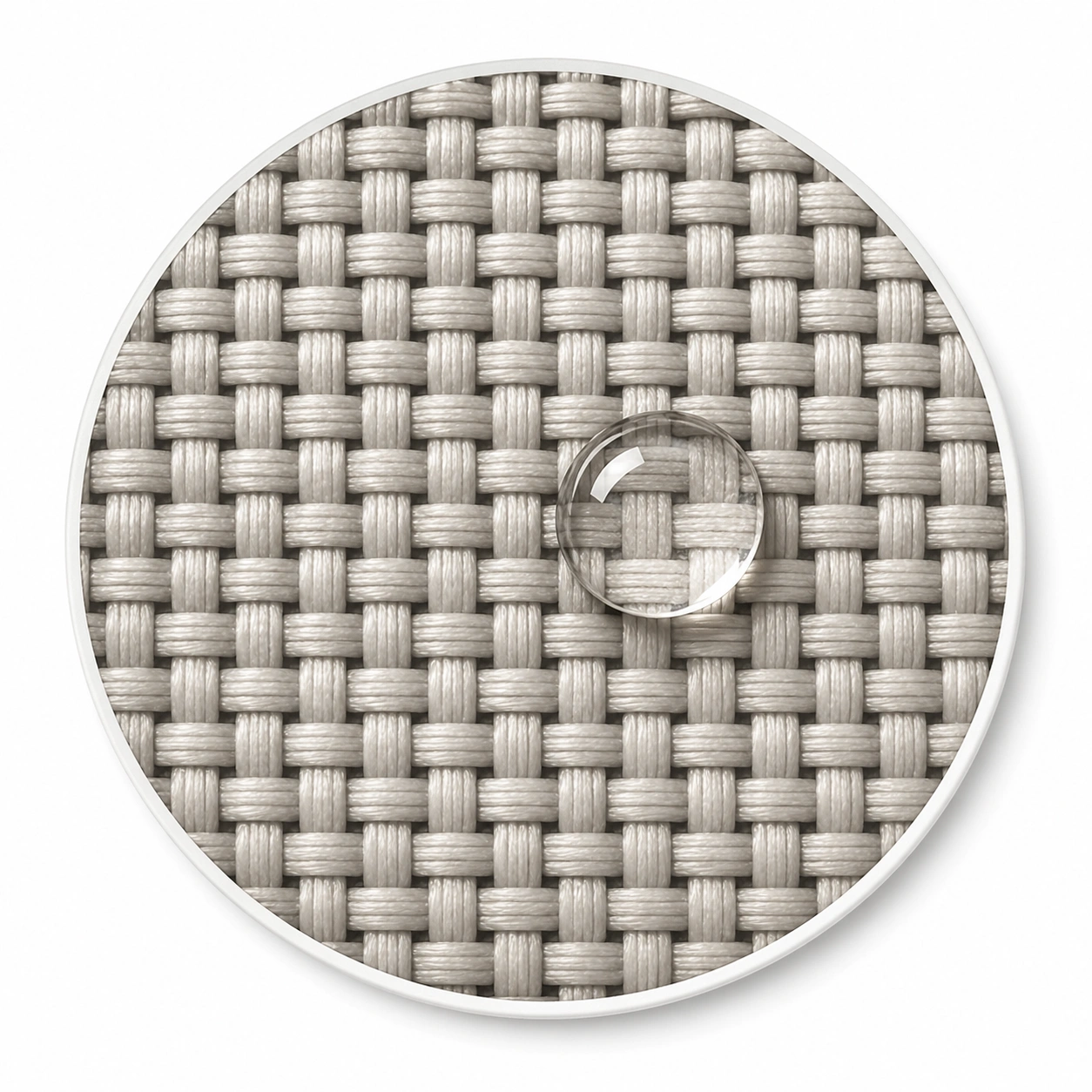
Fabric Durability
Polyester and microfiber blends with a Martindale rub count above 15,000 resist pilling, staining, and wear better than cotton or linen at this price.
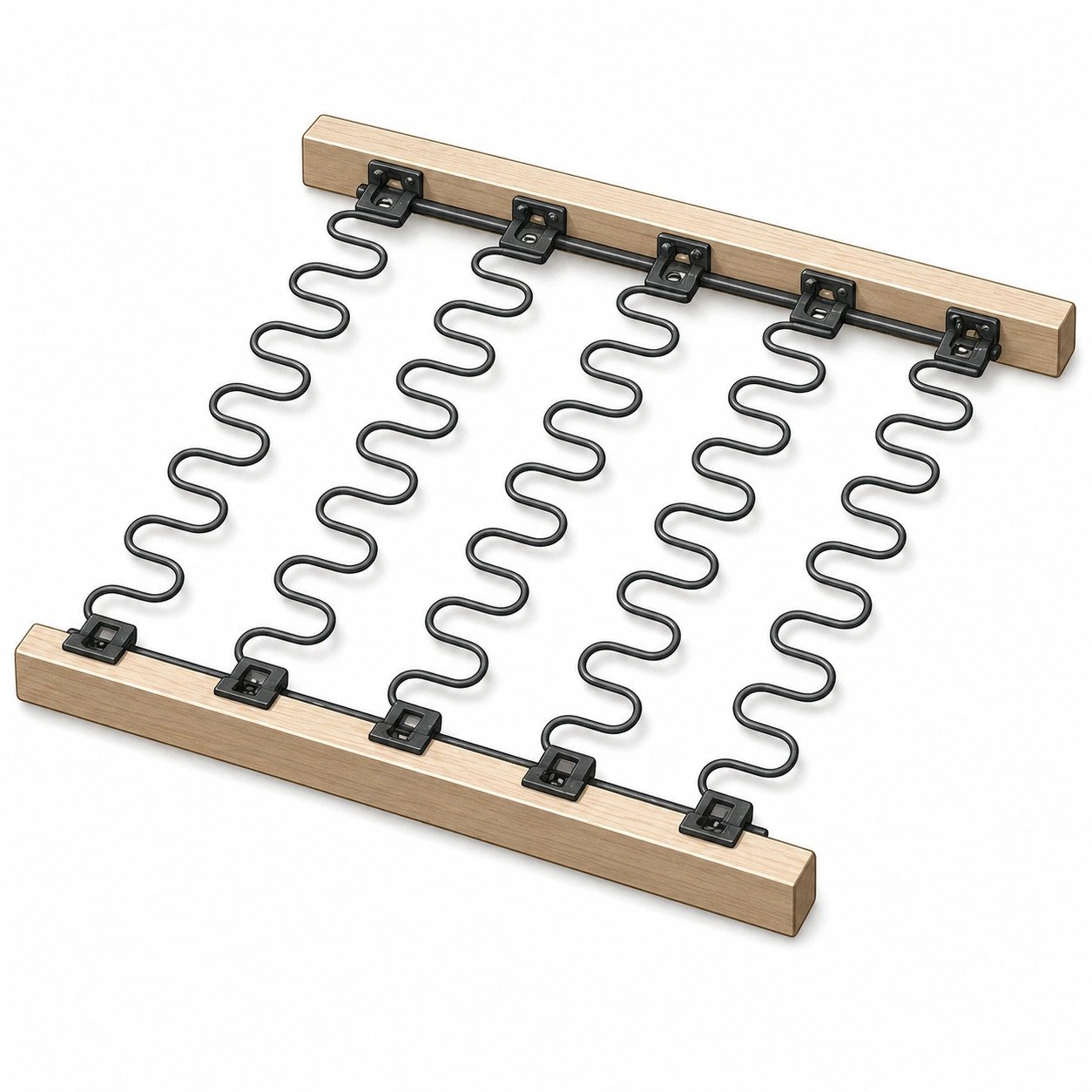
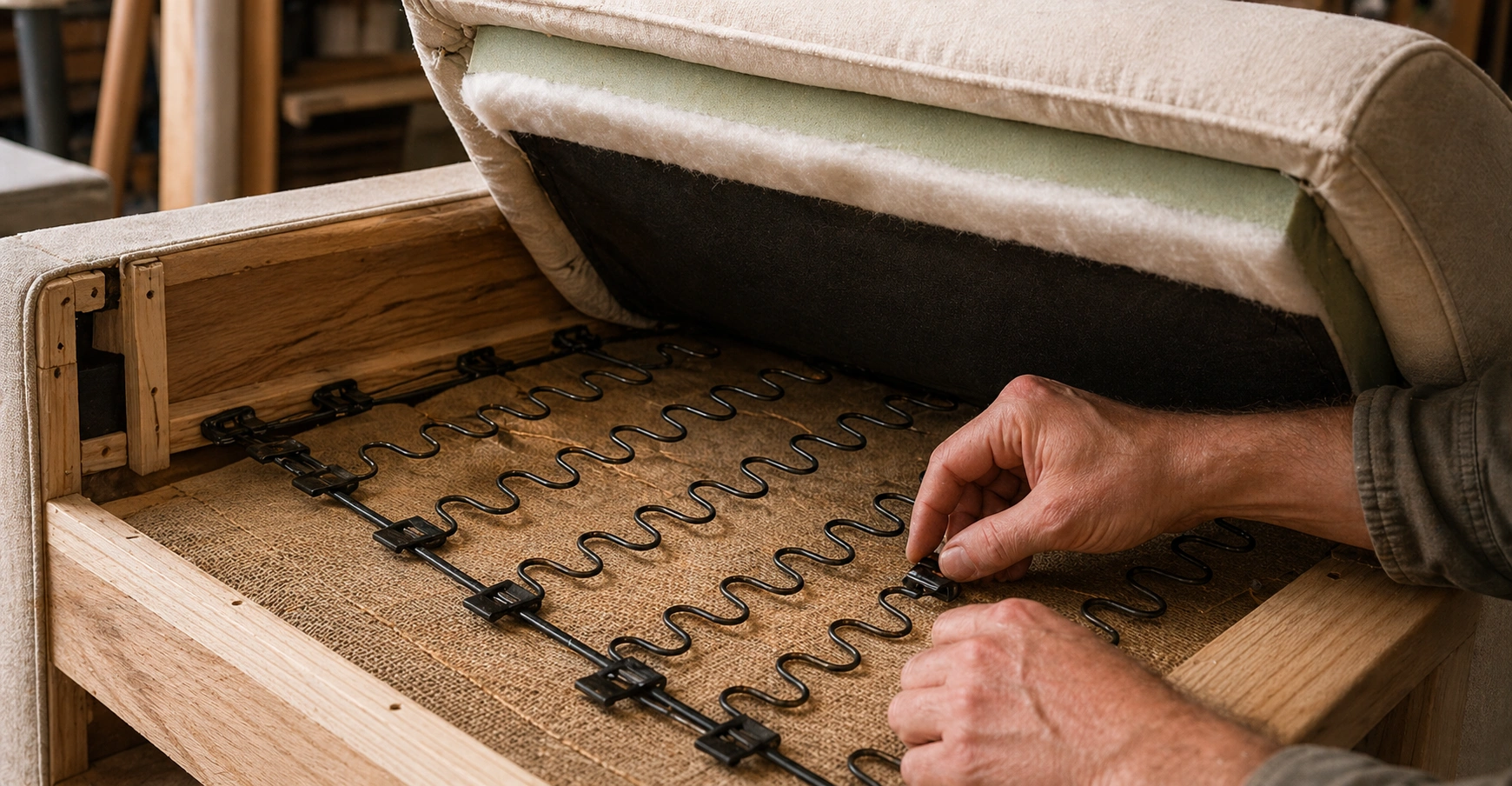
Spring System
Serpentine (sinuous) springs are standard in budget sofas and work well when properly spaced. Read about sofa spring types to know what's acceptable.
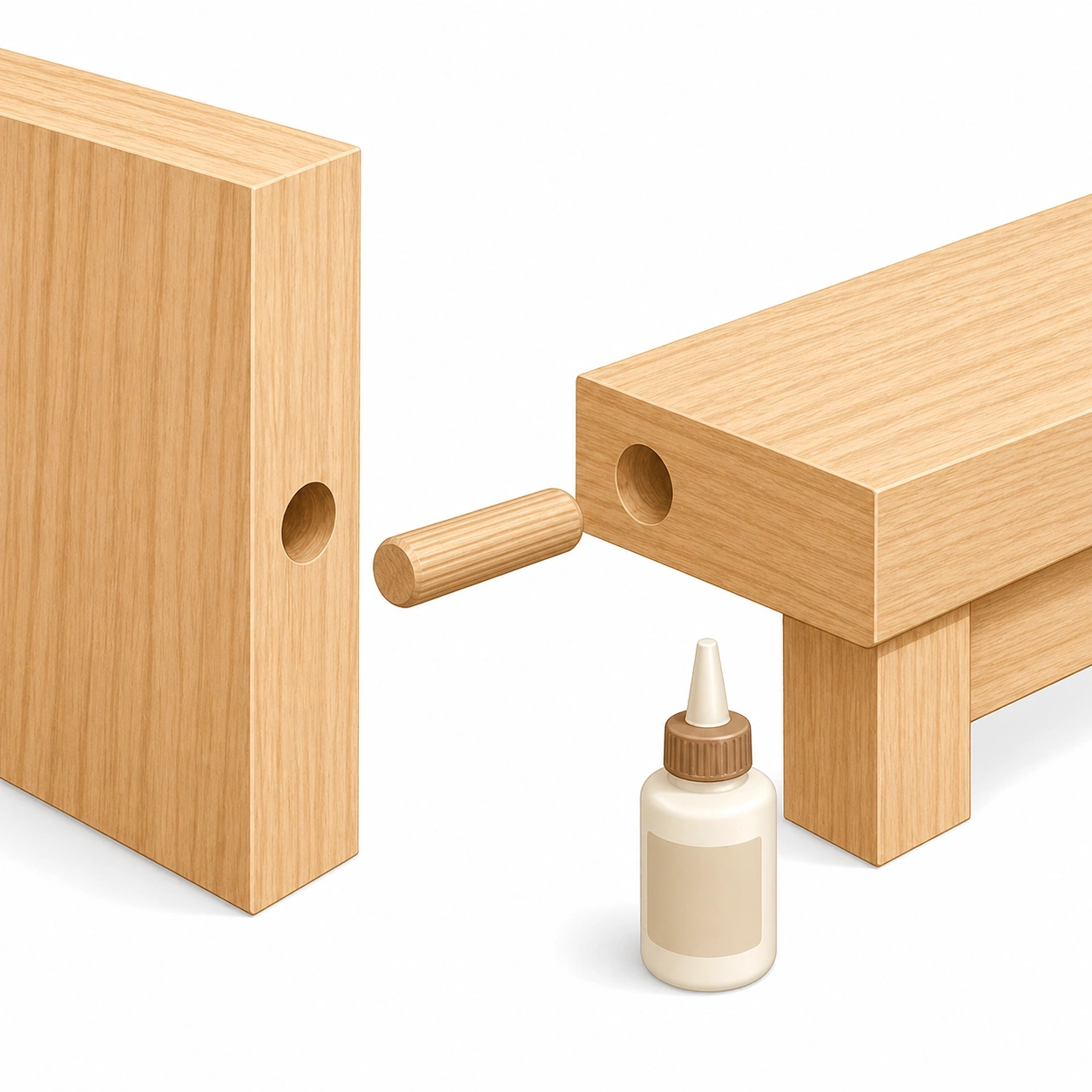
Joint Construction
Dowel and glue joints with corner blocks indicate quality assembly. Staples-only construction is a red flag for structural weakness.
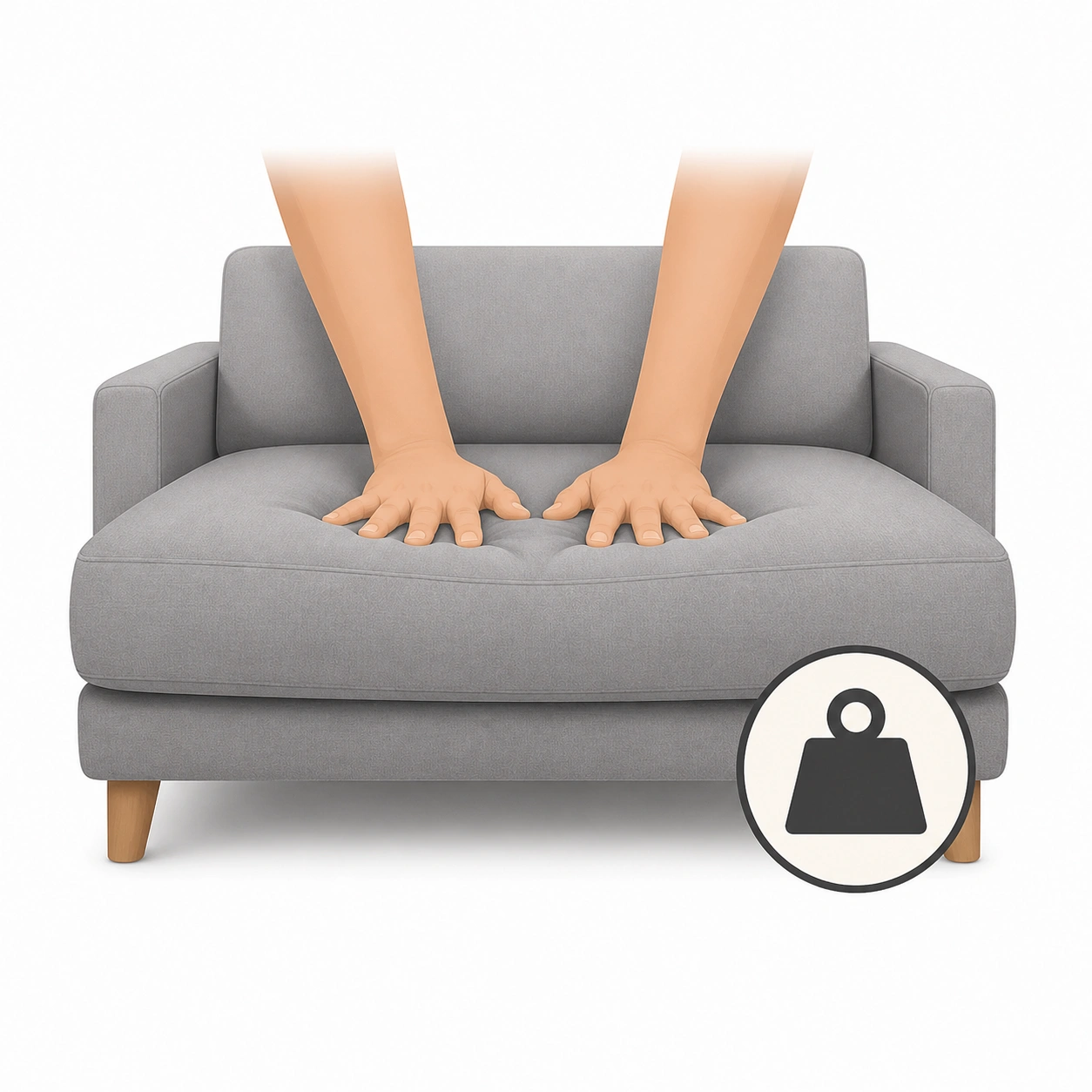
Weight Capacity
A quality budget sofa should support at least 250 lbs per seat. If the manufacturer doesn't specify, that's a warning sign.
Sofa Types That Deliver the Most Value on a Budget
Not all sofa styles are equally budget-friendly. Complex designs with mechanisms, curved shapes, or premium upholstery naturally cost more to produce. The following types tend to offer the best ratio of comfort to cost, making them smart choices when you're watching your spending.

Loveseats & 2-Seater Sofas
With fewer materials needed, loveseats and 2-seater sofas are naturally more affordable. They're ideal for small rooms, apartments, and supplementary seating. Quality per dollar is typically higher because manufacturers use the same construction techniques on a smaller scale.
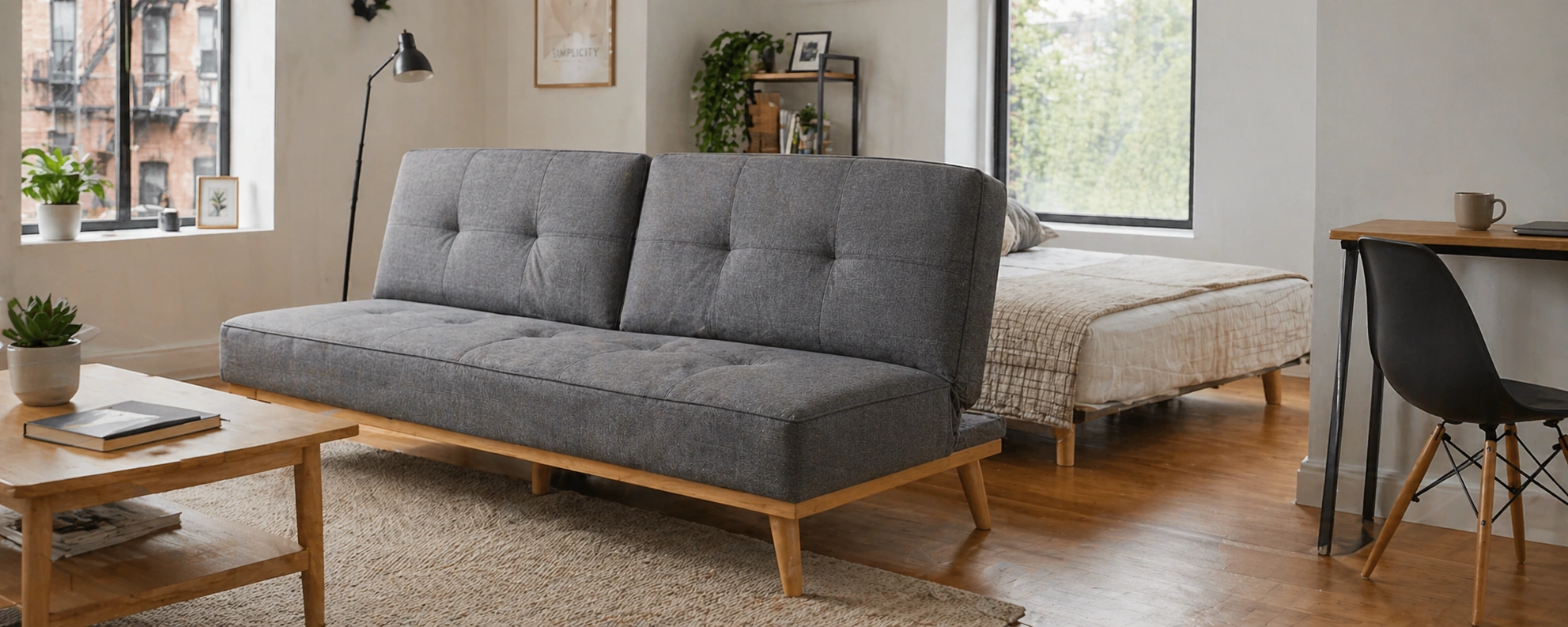
Futon Sofas
A futon sofa serves double duty as both seating and a bed, making it one of the most cost-effective furniture investments. Modern futons have moved far beyond the flimsy college-era designs — many now feature sturdy frames and comfortable mattresses. Perfect for guest rooms and studio apartments.
Standard 3-Seater Sofas
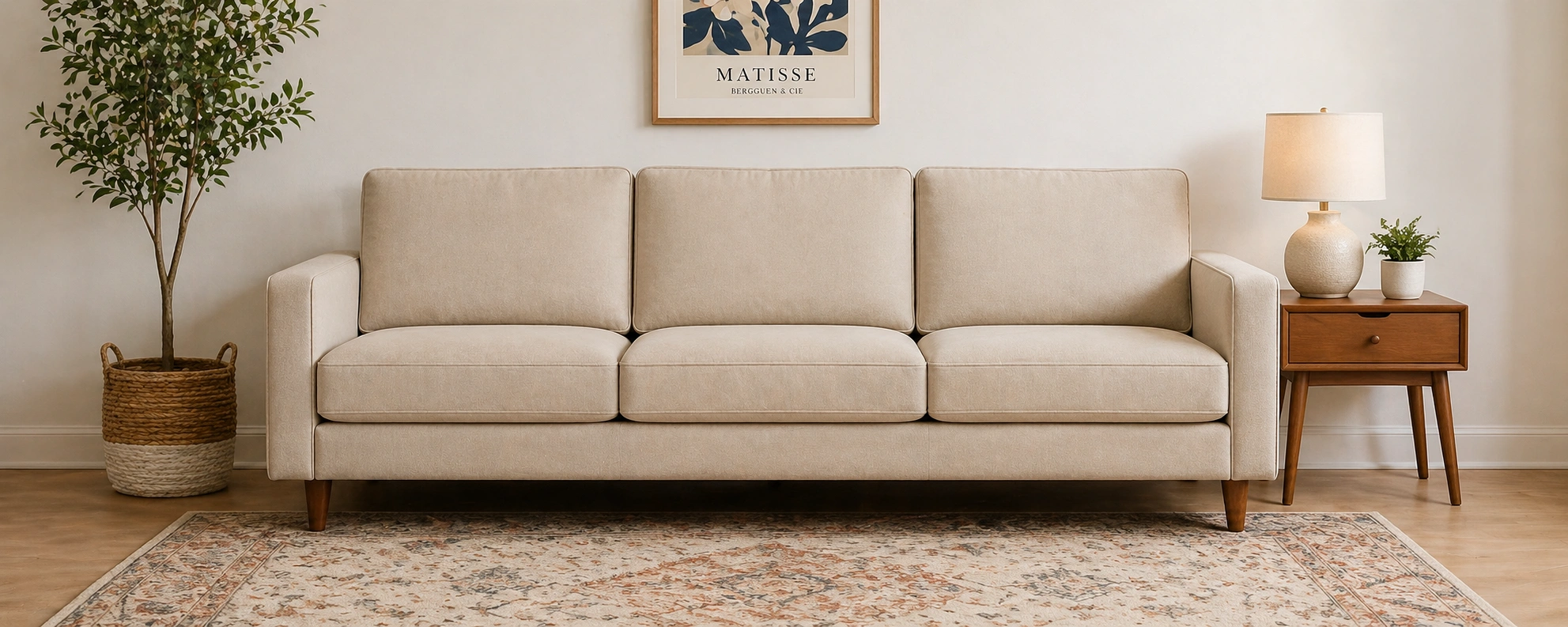
The 3-seater sofa is the most common budget category, which means massive competition among manufacturers. This competition drives prices down while maintaining reasonable quality. Simple designs without arms or with basic track arms tend to be the most affordable within this category.

Armless Sofas
Armless sofas eliminate one of the most expensive components of sofa construction. Without arms, you get more seating width for less money, and the cleaner profile works well in modern and minimalist spaces. They're also easier to move through doorways — a real benefit for renters.
Recliner sofas, sleeper sofas, and sectional sofas all involve complex mechanisms or larger frames that significantly increase cost. Budget versions of these types often cut corners on the very mechanisms that define them, leading to breakdowns within 1–2 years. If you need these functionalities, consider increasing your budget or exploring the secondhand market for higher-quality used options.
Materials That Maximize Value at Budget Prices
Material choice is where budget sofa manufacturers make their most significant cost decisions — and it's also where you have the most power as a consumer to choose wisely. Understanding which materials deliver durability and comfort at lower price points is the single most impactful knowledge you can have when shopping.
Fabric: Polyester and Microfiber Are Your Best Friends
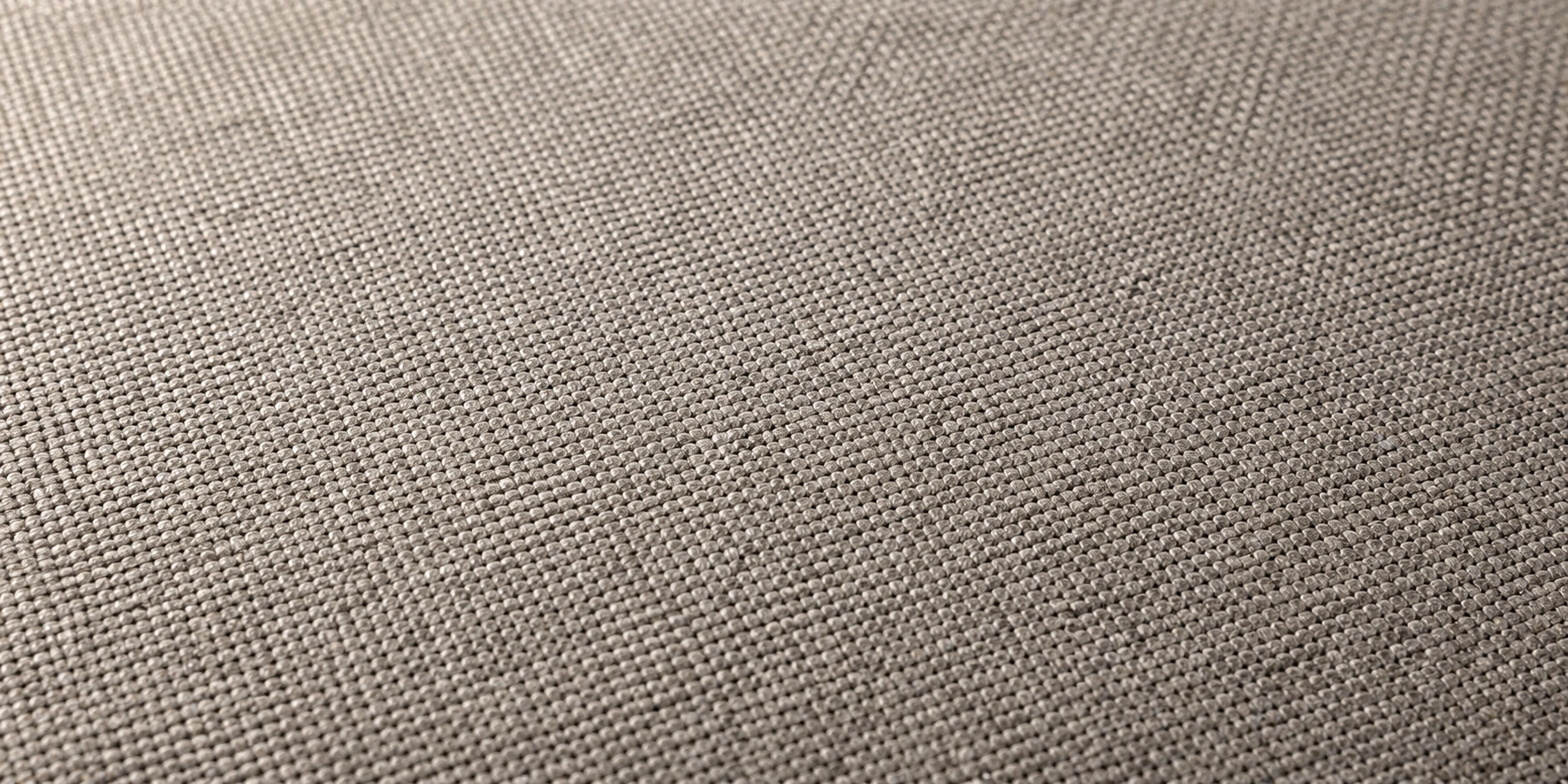
At the budget level, microfiber couches and polyester-blend fabrics are the clear winners. These synthetic materials cost significantly less to produce than natural fibers but offer superior stain resistance, color fastness, and durability. A good polyester blend with a Martindale rub count above 20,000 can outperform cotton or linen that costs twice as much. They're also easier to clean — most spills can be wiped away with a damp cloth, which extends the sofa's appearance over time.
If you're choosing between fabrics, our detailed leather vs fabric comparison can help you understand the tradeoffs. For budget buyers, fabric almost always wins — budget leather (often "bonded" or "faux" leather) tends to peel and crack within 1–2 years, while fabric holds up much better at the same price point.
Frame: Plywood Is Perfectly Acceptable
While kiln-dried hardwood is the gold standard, quality plywood frames are entirely acceptable in budget sofas and can actually be more resistant to warping in humid environments. The key is thickness — look for at least ¾-inch plywood with proper joinery (dowels, screws, and corner blocks). What you must avoid is particleboard or MDF without reinforcement, as these materials lose structural integrity quickly under daily weight and movement.
Cushion Fill: High-Density Foam Over Springs
Budget sofas typically use foam-only cushions rather than the more expensive pocket spring-wrapped cushions found in premium models. This is fine — as long as the foam density is adequate. Look for cushions with a density of at least 1.8 lb/ft³. Some budget sofas add a thin layer of memory foam or fiber wrap over the core foam, which improves comfort without significantly increasing cost. For a deeper understanding of your options, check our guide to cushion fill types.
When testing a budget sofa in person, sit firmly in the center of each seat cushion for 30 seconds. Stand up and observe: if the cushion springs back within 5–10 seconds, the foam density is adequate. If it stays compressed for 30 seconds or more, the foam is too soft and will flatten quickly with daily use. Learn more about how to properly test sofa comfort before buying.
Red Flags: When a "Deal" Is Actually a Trap
The budget sofa market has its share of genuinely great values — and some products that will cost you more in the long run because they need replacing so quickly. Being able to spot these warning signs before you buy can save you hundreds of dollars and significant frustration. Here are the most common red flags that signal a budget sofa isn't worth your money, regardless of how attractive the price looks.
- No frame warranty — A sofa without at least a 1-year frame warranty signals the manufacturer has no confidence in their own construction. Reputable budget brands typically offer 2–5 year frame warranties.
- Particleboard or cardboard frame components — These materials are acceptable only as internal support, never as primary structural elements. They will warp, crack, and fail under normal use.
- Foam density below 1.5 lb/ft³ — Cushions will flatten within 3–6 months, leaving you sitting on the springs or frame. This is the most common complaint with ultra-cheap sofas.
- Staple-only joint construction — Joints held together only by staples (no screws, dowels, or glue) will loosen and wobble quickly. This is a fundamental structural failure, not a minor shortcut.
- Bonded leather or cheap faux leather — These materials consistently peel, crack, and shed within 12–24 months. The resulting appearance is far worse than worn fabric. Learn about leather grades to understand why.
- Weight capacity not specified — If a manufacturer won't tell you how much weight the sofa supports, it's almost always because the number is embarrassingly low.
- Excessively deep discounts from inflated "original" prices — A "$1,200 sofa on sale for $299" was never worth $1,200. This is a psychological pricing tactic that tells you nothing about actual value.
Before committing to any purchase, use our sofa quality checklist to systematically evaluate the construction. It takes 10 minutes and can prevent a costly mistake. If you're unsure whether a particular deal is legitimate, our guide on hidden costs of buying a sofa reveals the less obvious expenses that can turn a "bargain" into a money pit.
Signs of Genuine Quality in an Affordable Sofa
Identifying a well-made budget sofa is about looking past the surface. The following indicators suggest that a manufacturer has made smart choices about where to invest in quality, even at a lower price point. When you find a sofa that checks most of these boxes, you've likely found a genuine value.
- Weight of the sofa: A well-built budget sofa should feel substantial. If two people can easily lift a full-size sofa with one hand each, the frame is likely too light — meaning thin wood or too much empty internal space.
- Even stitching: Check seams on cushions, arms, and the base. Consistent stitch length with no loose threads indicates automated quality-controlled manufacturing, not hand-stitched shortcuts.
- Fabric pull resistance: Gently pull the fabric with your fingernail. Quality budget fabrics (polyester, microfiber) should resist snagging. If the fabric pulls easily, it will pill and tear quickly.
- Solid seat feel: When you sit, you should feel supported, not like you're sinking through to the frame. There should be a firm base layer with a comfortable top layer.
- No chemical odor: A strong chemical smell suggests cheap adhesives, flame retardant treatments, or off-gassing foam. While some new furniture smell is normal, it should dissipate within days, not weeks.
- Stable legs: The sofa should not wobble at all on a flat surface. Loose legs are one of the most common issues with budget sofas and indicate poor attachment methods.
- Clean lines underneath: Flip the sofa (if possible) or look underneath. A tidy underside with a dust cover (cambric) and no exposed staples or raw edges suggests attention to detail throughout the construction.
A typical 3-seater budget sofa with a plywood frame weighs between 80–120 lbs. If a similarly sized sofa weighs under 60 lbs, the manufacturer has almost certainly cut corners on frame thickness, spring gauge, or foam density. Weight is one of the simplest and most reliable quality indicators you can check without any tools or expertise.

How to Make a Budget Sofa Last 7+ Years
Even the best budget sofa needs proper care to reach its full lifespan. The difference between a sofa that lasts 3 years and one that lasts 7+ years often comes down to a handful of simple maintenance habits. These practices cost almost nothing but can effectively double the value of your purchase.
Weekly Vacuuming
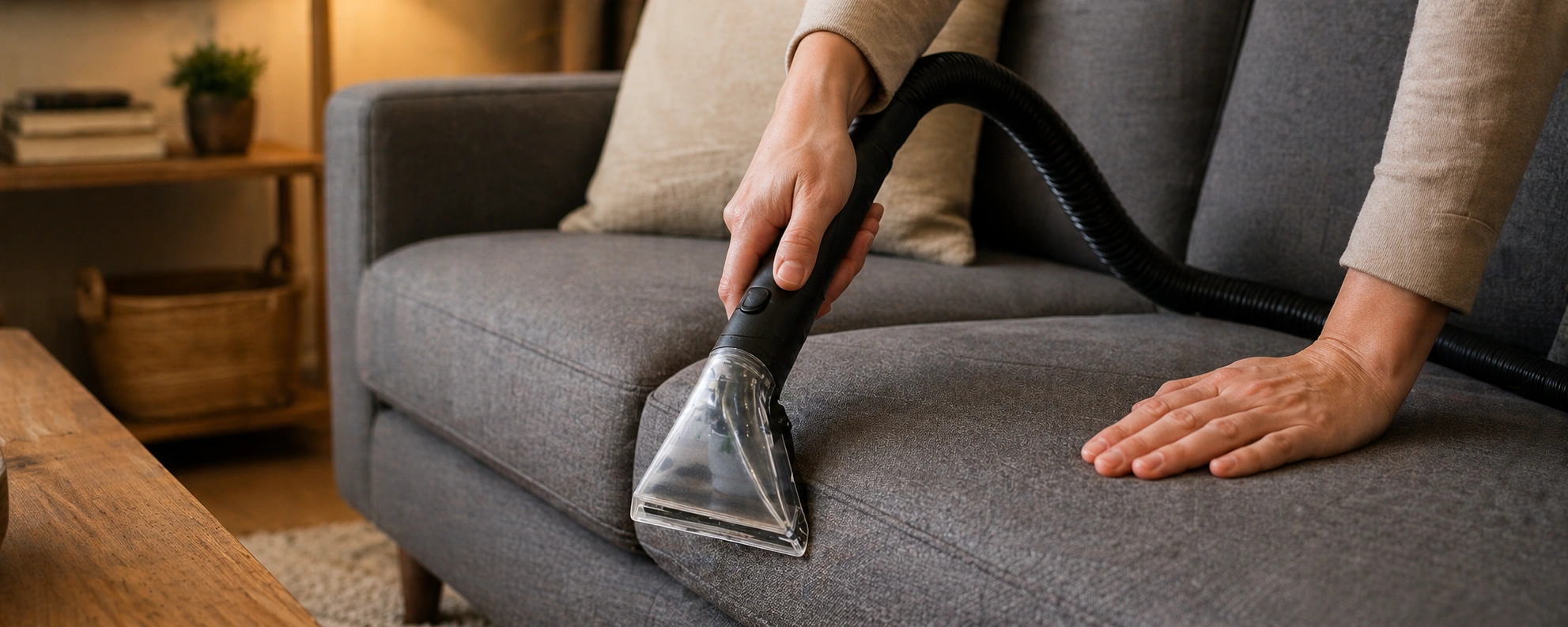
Dust and grit act like sandpaper on fabric fibers, accelerating wear. Vacuum your sofa weekly using the upholstery attachment. This single habit prevents premature fabric degradation and color fading. For fabric-specific guidance, see our fabric sofa cleaning guide.

Rotate and Flip Cushions Monthly
Most people sit in the same spot every day, causing uneven wear. Rotate seat cushions and flip them if they're reversible. This distributes compression evenly and prevents the lopsided look that makes sofas look old before their time.
Use a Protective Cover
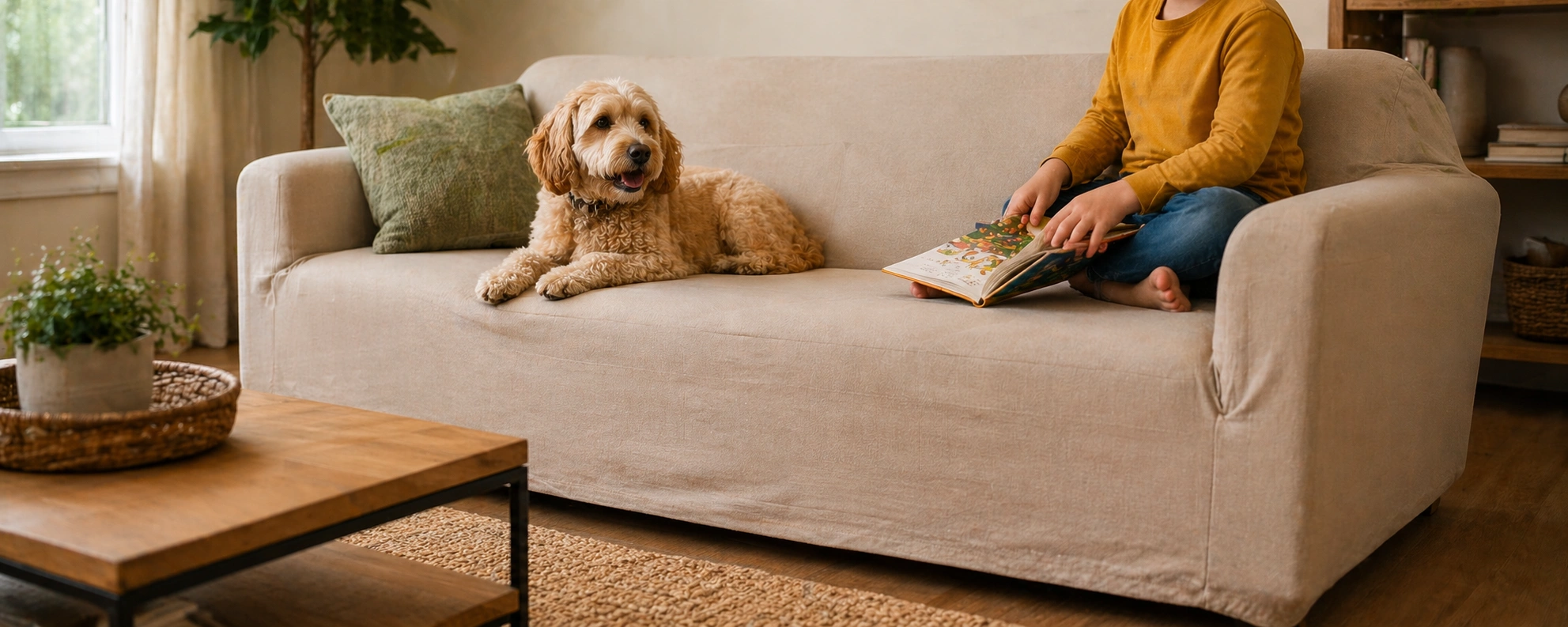
A quality sofa cover costs $30–$60 but can add years to your sofa's life by shielding it from spills, pet damage, UV fading, and daily dirt. This is especially valuable for budget sofas where reupholstering isn't cost-effective.
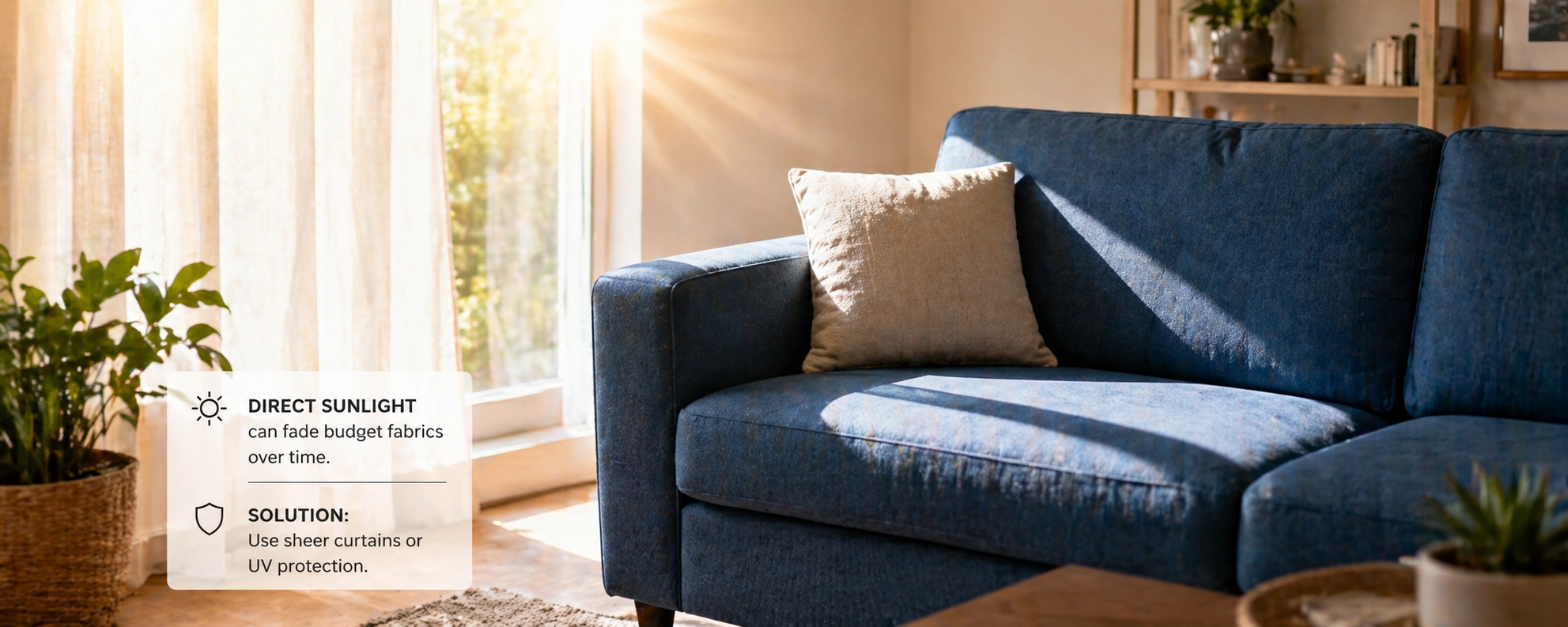
Keep Away From Direct Sunlight
UV rays degrade fabric fibers and cause fading within months. Position your sofa away from windows or use curtains during peak sunlight hours. For more strategies, read our guide on UV protection for sofas.
If your budget sofa starts showing its age, don't rush to replace it. Many common issues like sagging cushions, loose legs, and minor fabric damage can be fixed at home. Our guide on fixing sagging sofa cushions and repairing loose sofa legs can save you from an unnecessary replacement. You can also refresh the look entirely with replacement cushions or a new sofa cover.
Common Mistakes That Cost Budget Buyers More
After analyzing hundreds of budget sofa purchases, certain mistakes appear repeatedly. These aren't obvious errors — they're subtle decisions that seem rational in the moment but lead to spending more money than necessary. Avoiding these pitfalls can save you hundreds of dollars over the life of your sofa.
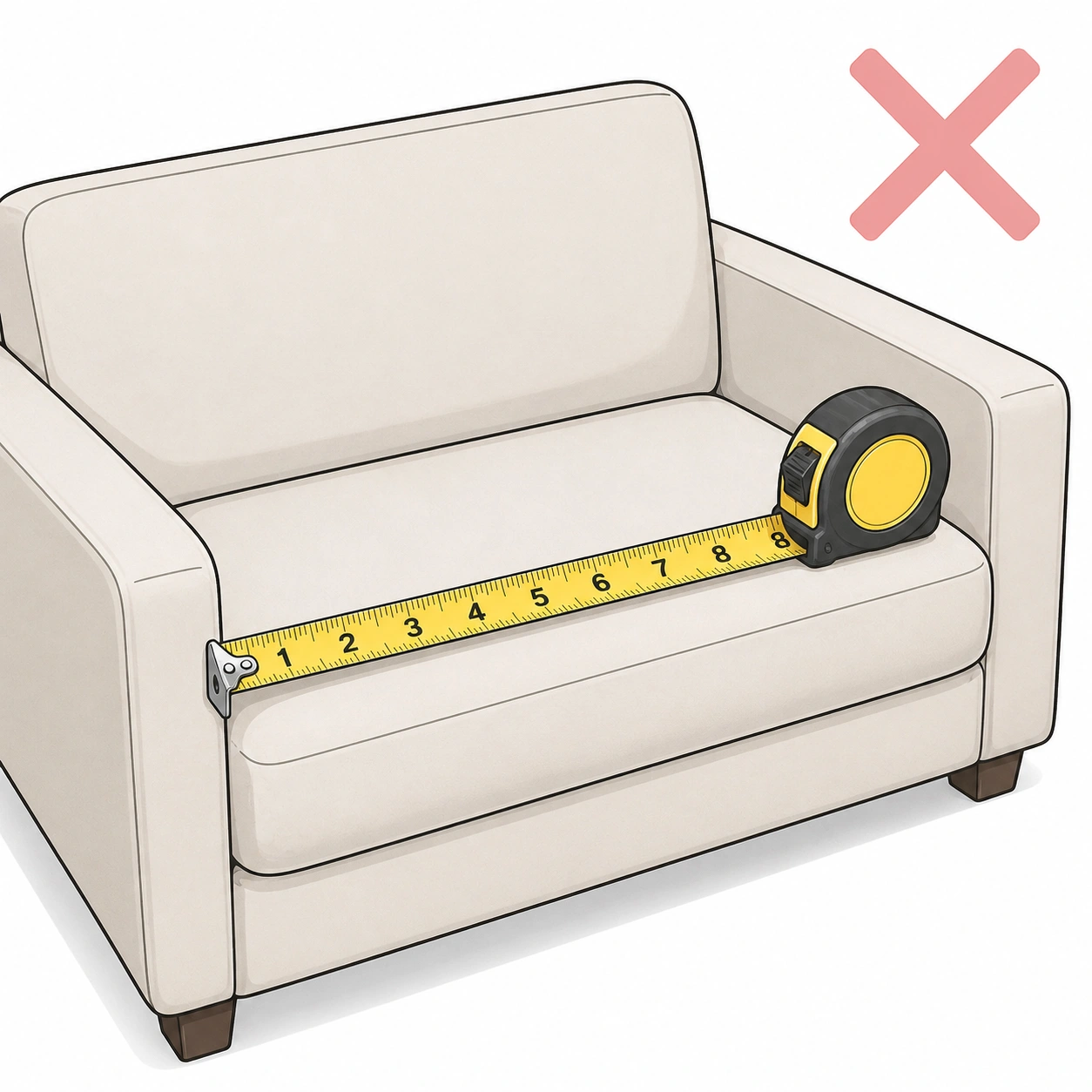
Not Measuring Properly
Buying a sofa that's too large or too small for your space is the #1 mistake. Always measure your room, doorways, and stairwells before purchasing. Use our sofa measurement guide to get it right the first time.
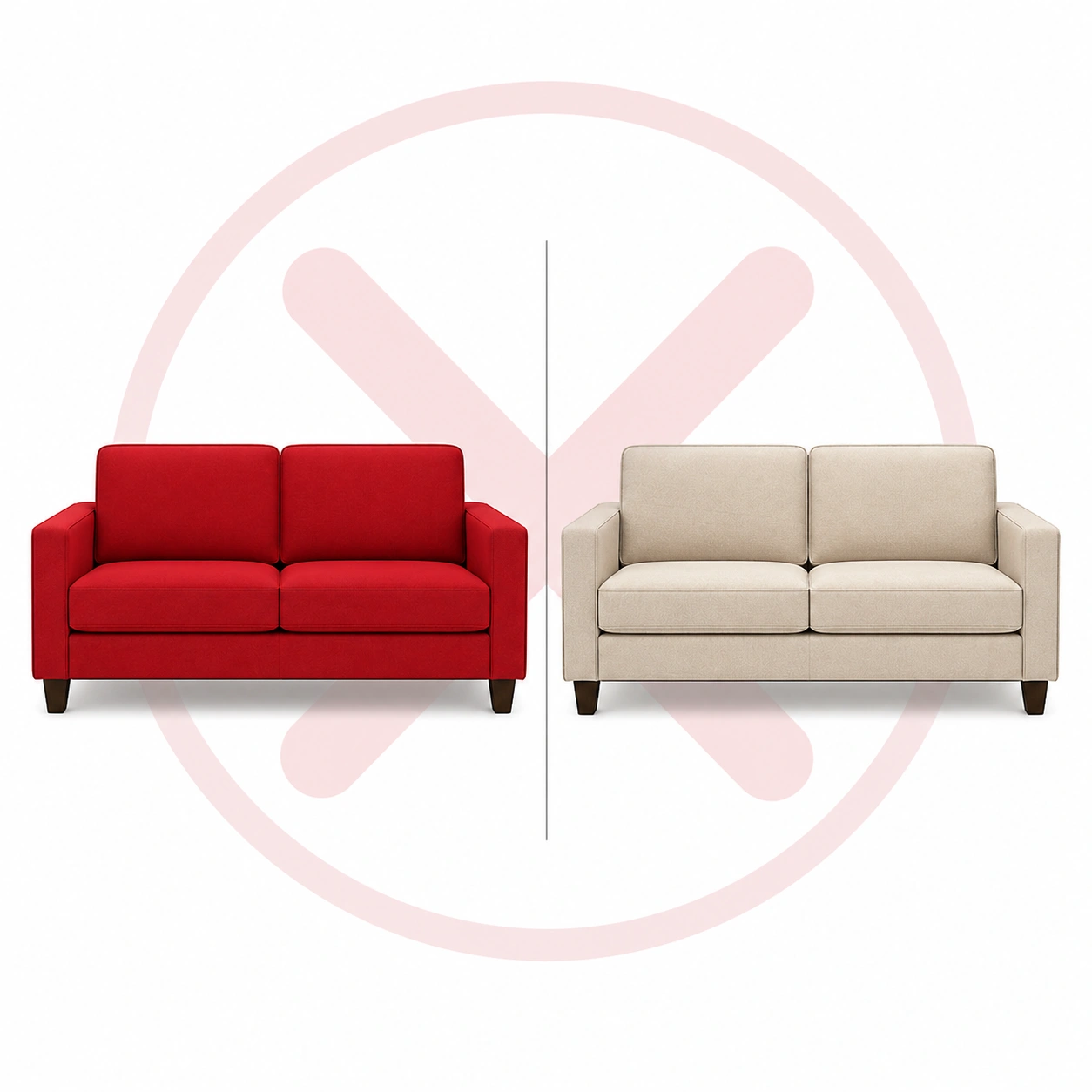
Choosing Trendy Colors
Bold colors seem exciting but limit your decor flexibility. A neutral-colored sofa lasts through multiple room redesigns. Add color through throw pillows and blankets instead.
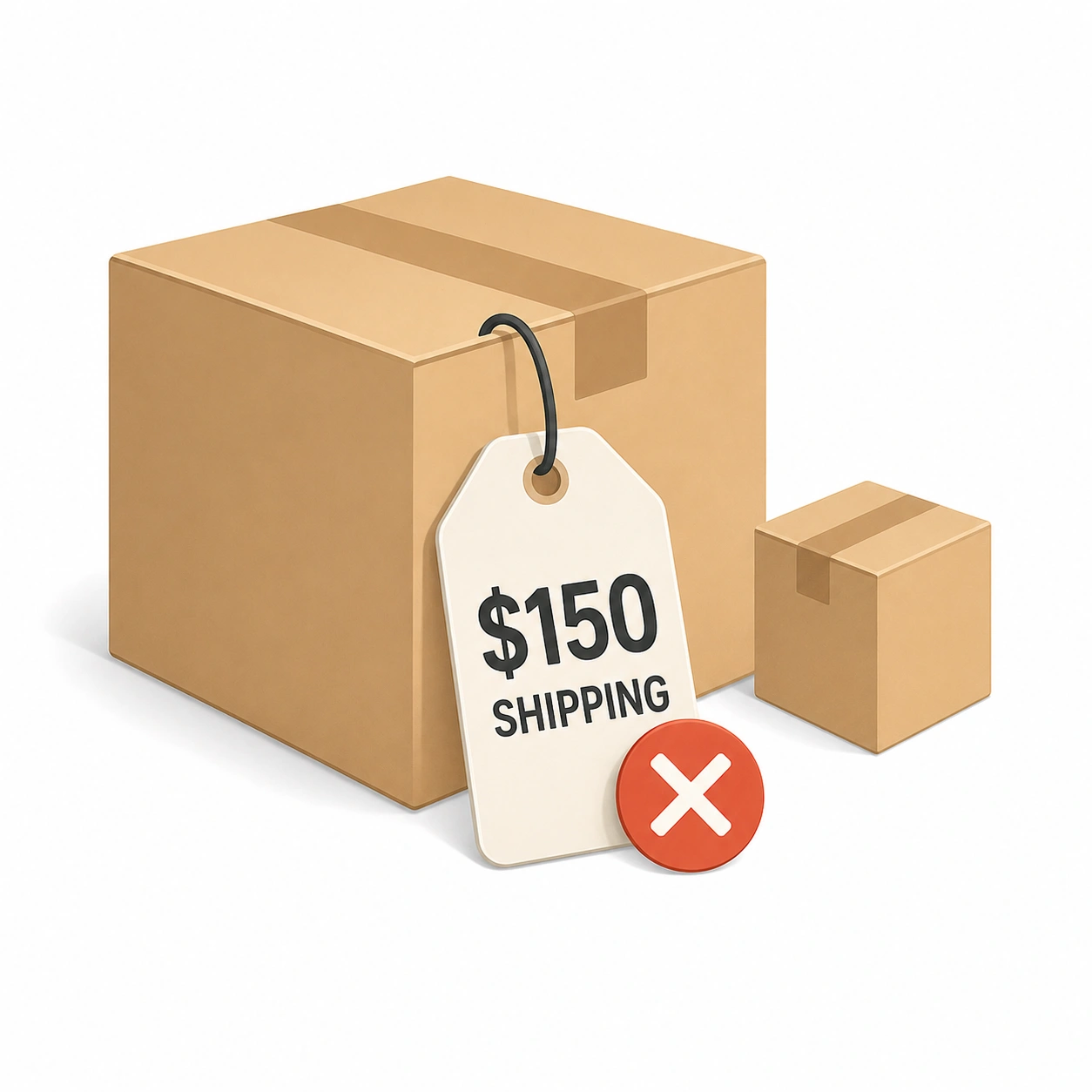
Ignoring Shipping Costs
A "$250 sofa" with $150 shipping isn't a $250 sofa. Always factor delivery fees into your total. Some budget sofas end up costing more than mid-range options once shipping is included.
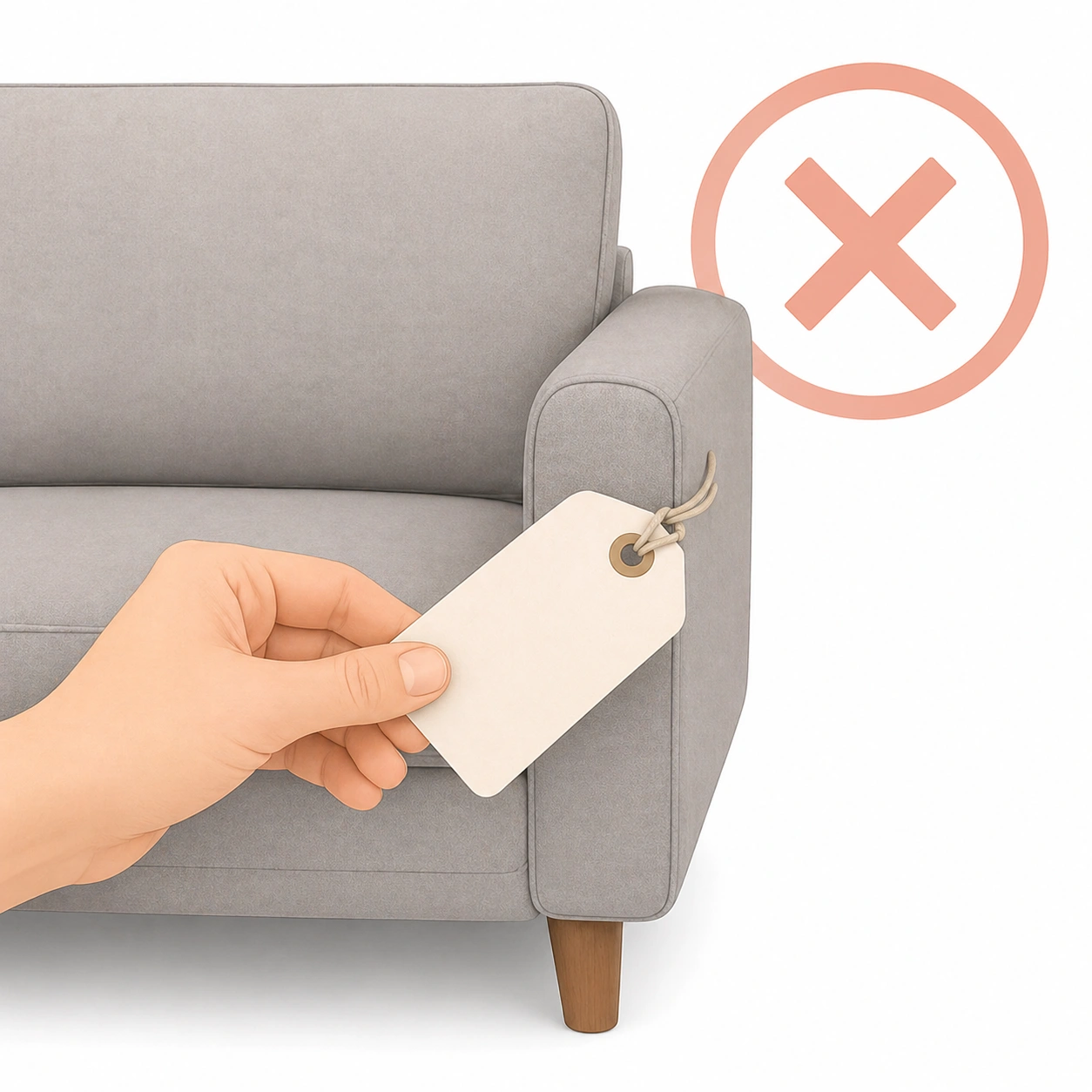
Skipping the Return Policy
Budget sofas have higher defect rates. A 30-day return window is the minimum you should accept. Always review the return policy before clicking buy — especially for online purchases.
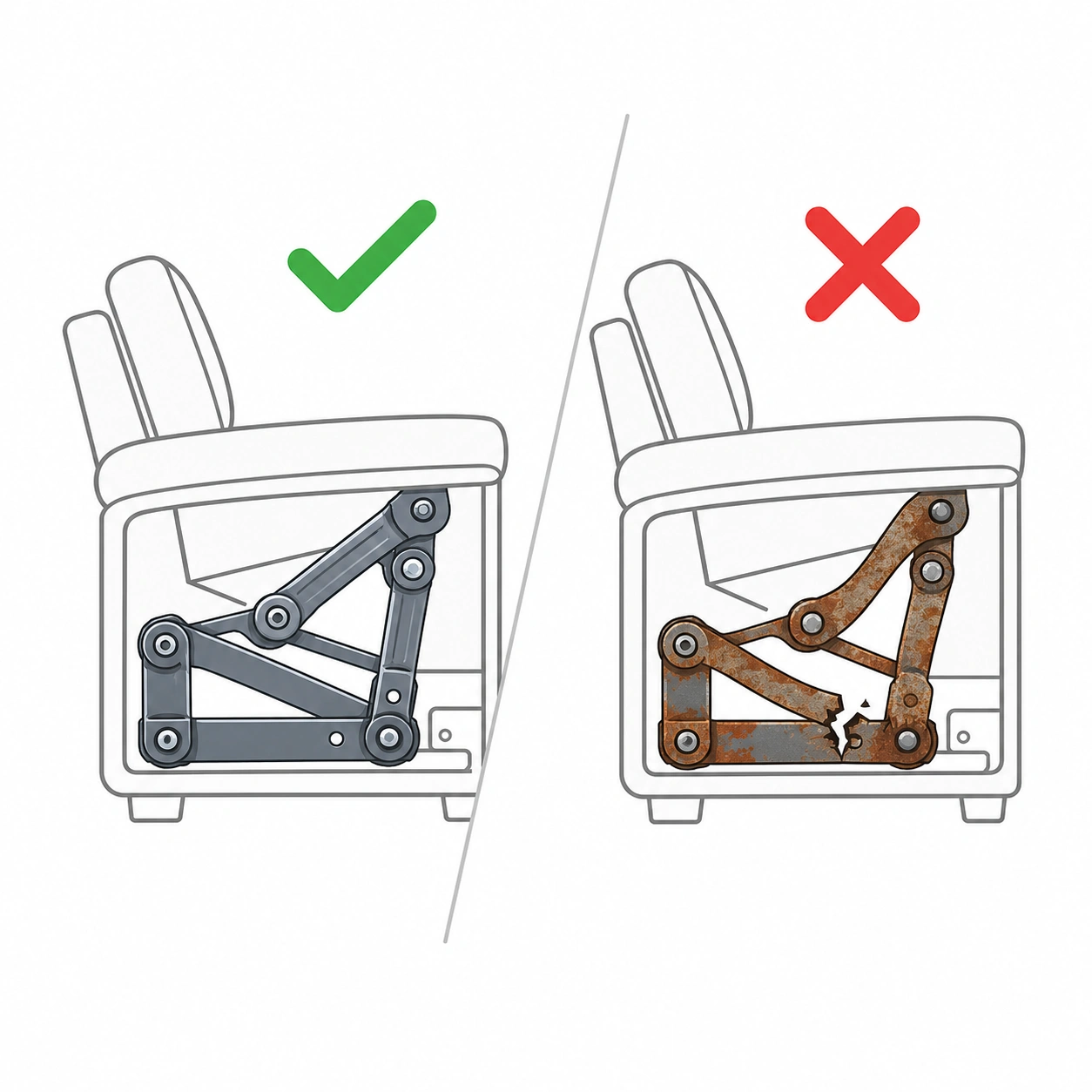
Buying Complex Mechanisms Cheap
Sleeper mechanisms and reclining systems at budget prices use lower-grade hardware that fails fast. If you need these features, save up for a quality version or buy a separate mattress for guests.

Buying at the Wrong Time
Furniture prices follow predictable cycles. Shopping during peak sale periods (Memorial Day, Labor Day, Black Friday, year-end clearance) can save you 20–40% on the exact same sofa.
Who Should (and Shouldn't) Buy a Budget Sofa
Budget sofas aren't for everyone, and understanding whether you're a good candidate helps set realistic expectations. There's no shame in buying affordably — but there are situations where spending a bit more genuinely saves money in the long run.
✅ Ideal Candidates for Budget Sofas
- First apartment or first home buyers
- College students and graduate students
- Furnishing a guest room or office with occasional use
- People in temporary living situations (renting short-term)
- Households needing a compact apartment sofa for limited space
- Buyers who plan to upgrade in 3–5 years
❌ Consider Spending More If...
- You have large dogs that jump on furniture (pet-friendly sofas need tougher construction)
- The sofa will be the primary seating for a family with children
- You need the sofa to last 10+ years
- You have specific ergonomic needs like back pain support
- The sofa will get heavy daily use (8+ hours per day)
- You're furnishing a forever home where you won't upgrade
Your Budget Sofa Buyer's Checklist
Use this checklist before making any budget sofa purchase. Print it, screenshot it, or keep it open on your phone while shopping. Every item on this list addresses a specific failure point that we've seen in budget sofas. If a sofa checks at least 7 out of 9 items, it's likely a solid buy.
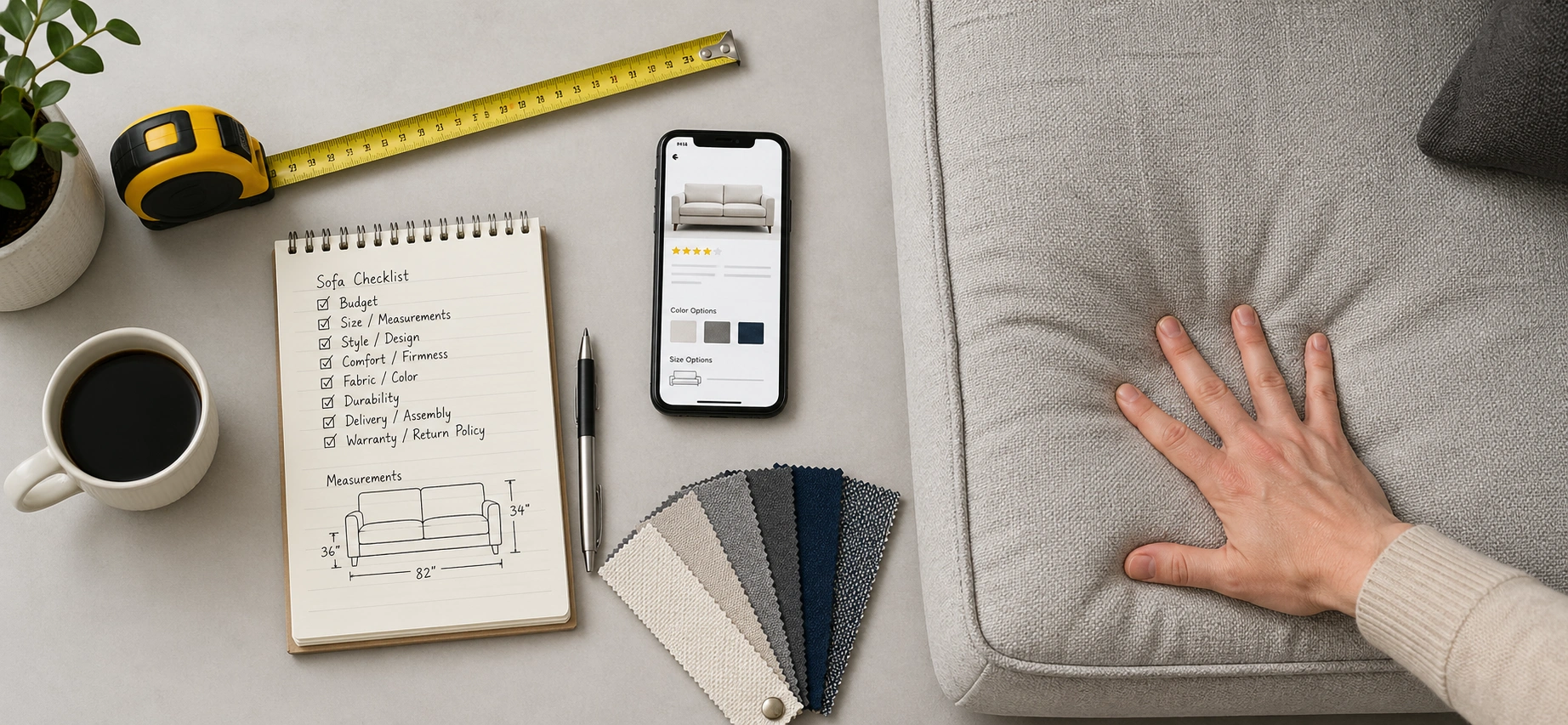
- Frame material confirmed — Hardwood, plywood (¾" minimum), or kiln-dried wood. No particleboard as primary structure.
- Foam density verified — Minimum 1.8 lb/ft³ for seat cushions. Ask the manufacturer if it's not listed.
- Fabric durability rated — Martindale rub count of 15,000+ or equivalent durability rating for the upholstery fabric.
- Weight feels substantial — A full-size 3-seater should weigh at least 80 lbs. Lighter suggests corners were cut.
- Joint construction is solid — Dowels, screws, and corner blocks present. No staples-only joints.
- Warranty covers the frame — Minimum 1-year frame warranty; 2+ years is preferred.
- Dimensions fit your space — Measured room, doorways, and stairwells. Sofa will fit through all entry points.
- Return policy is at least 30 days — Enough time to test the sofa at home and identify any defects.
- Total cost (including shipping) is within budget — No hidden fees that push you above your target price range.
Frequently Asked Questions About Budget Sofas
Ready to Find Your Perfect Budget Sofa?
Now that you know exactly what to look for, browse our curated selection of top-rated budget sofas below. Each one has been evaluated against the quality criteria covered in this guide.
View Recommended Budget SofasContinue Your Research
A well-informed buyer always spends wisely. If you haven't already, these related guides will deepen your understanding and help you make the most confident purchase possible:
📋 How to Choose the Perfect Sofa
A comprehensive step-by-step decision framework covering everything from room measurement to final purchase. The essential starting point for any sofa buyer.
⚖️ Comfort vs. Durability in Sofas
Understand the inherent tradeoffs and learn how to find the right balance for your lifestyle, budget, and expectations.
🧵 Sofa Materials Fully Explained
From frame woods to upholstery fabrics, a deep dive into every material used in sofa construction with clear quality ratings.
🔧 10 Common Sofa Problems & Easy Fixes
Practical solutions for sagging cushions, squeaky frames, torn fabric, and other issues that can save you from premature replacement.


