Sofa Covers: The Complete Buying Guide
Protect your furniture, refresh your living room, and save hundreds compared to reupholstering — all with the right sofa cover.
A sofa cover is one of the most cost-effective investments you can make for your living room. Whether you want to shield a brand-new sofa from daily wear, hide stains on an older piece, or completely change the look of your room without buying new furniture, a quality cover does all three for a fraction of the cost. This guide walks you through every type, material, and fitting consideration so you can choose a cover that actually stays in place and looks great.
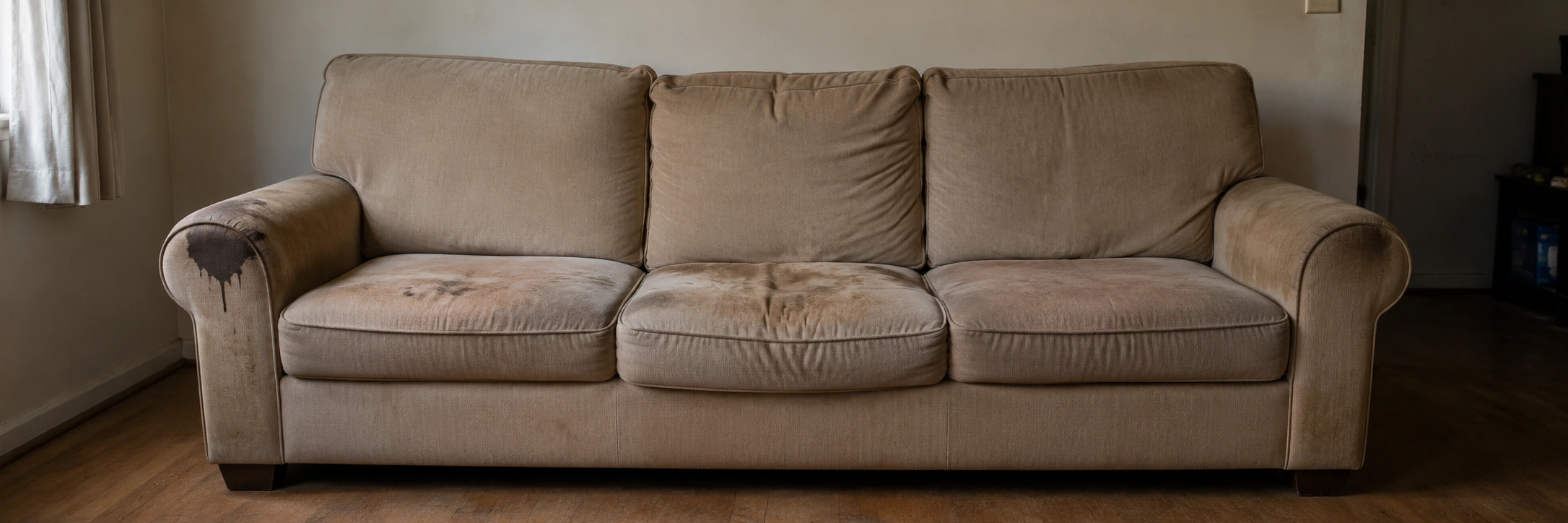

Table of Contents
1. Why Use a Sofa Cover?
Sofa covers serve multiple practical purposes that go far beyond simple aesthetics. Understanding these benefits helps you determine which features matter most for your specific situation, whether you are protecting a luxury sofa or extending the life of a budget-friendly couch.
Key Benefits
- Protects against spills, stains, pet hair, and scratches
- Extends the lifespan of your original upholstery by years
- Instantly updates your room's color scheme and style
- Costs a fraction of reupholstering or replacing the sofa
- Machine washable — far easier than cleaning the sofa itself
- Ideal for homes with kids, pets, or frequent guests
- Allows you to swap looks seasonally without buying new furniture
Limitations to Consider
- May shift or wrinkle if not properly fitted or secured
- Can change the feel and texture of your seating surface
- Not all covers work well on every sofa shape or material
- Frequent washing may cause fading or shrinkage over time
- Cheap covers can look obviously like covers rather than upholstery
- Leather sofas require special covers with anti-slip features
For households with pets, a cover is practically essential. Our guide to pet-proof sofa covers covers this in depth, but the short version is this: even the most well-trained dog or cat will occasionally leave hair, drool, or scratch marks. A cover absorbs that damage so your actual upholstery does not have to. Similarly, if you are choosing among the best sofas for families with kids, adding a washable cover from day one is a smart preventive measure.
2. Types of Sofa Covers
Not all sofa covers are created equal. The type you choose determines how it looks, how well it stays in place, and how easy it is to put on and take off. Here are the main categories, each suited to different needs and sofa styles.
Stretch / Fitted Covers
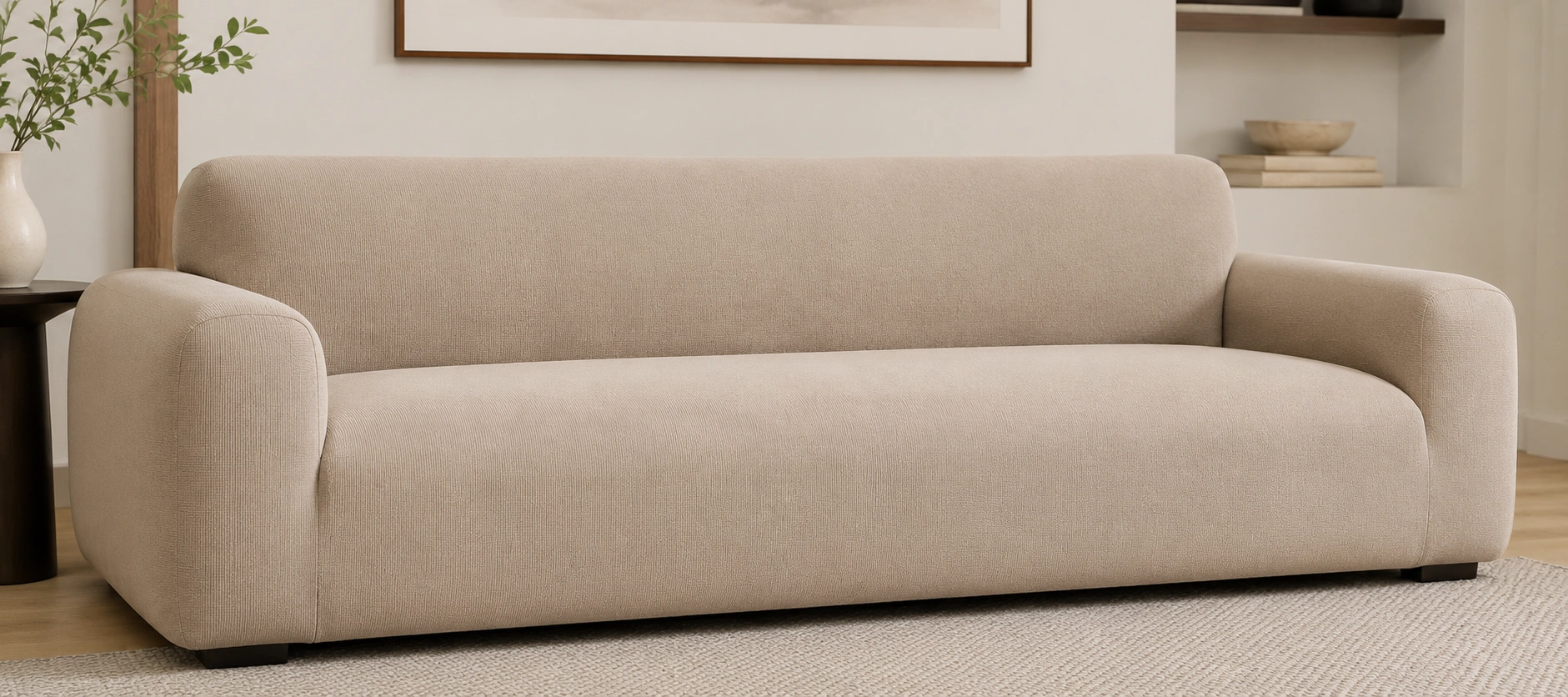
Made from spandex-blend fabrics that conform tightly to your sofa's shape. These look the most like real upholstery and work well on modern sofas with clean lines. Best for a sleek, fitted appearance.
Slipcovers
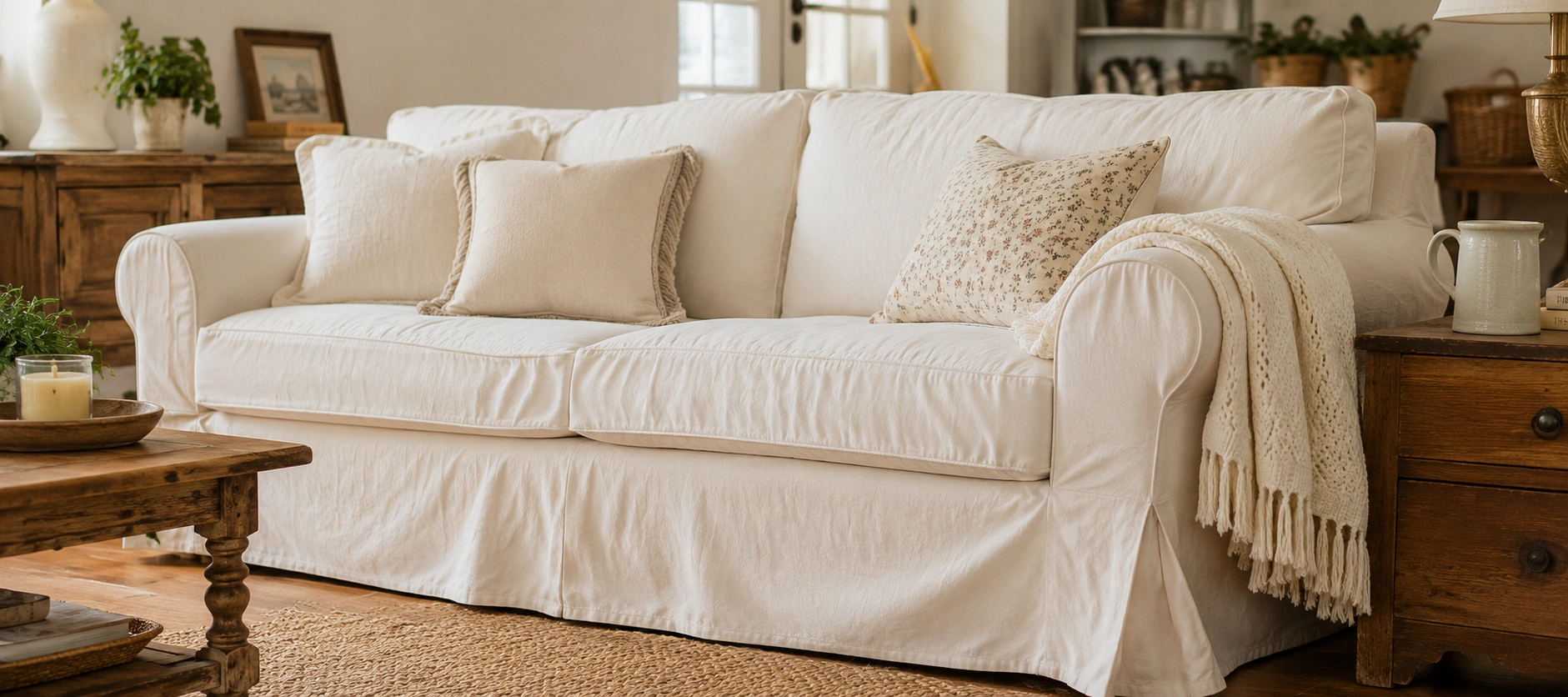
Loose-fitting fabric covers that drape over the entire sofa, similar to a slipcovered sofa. They offer full coverage including the frame and are ideal for traditional and casual styles.
Waterproof Protectors
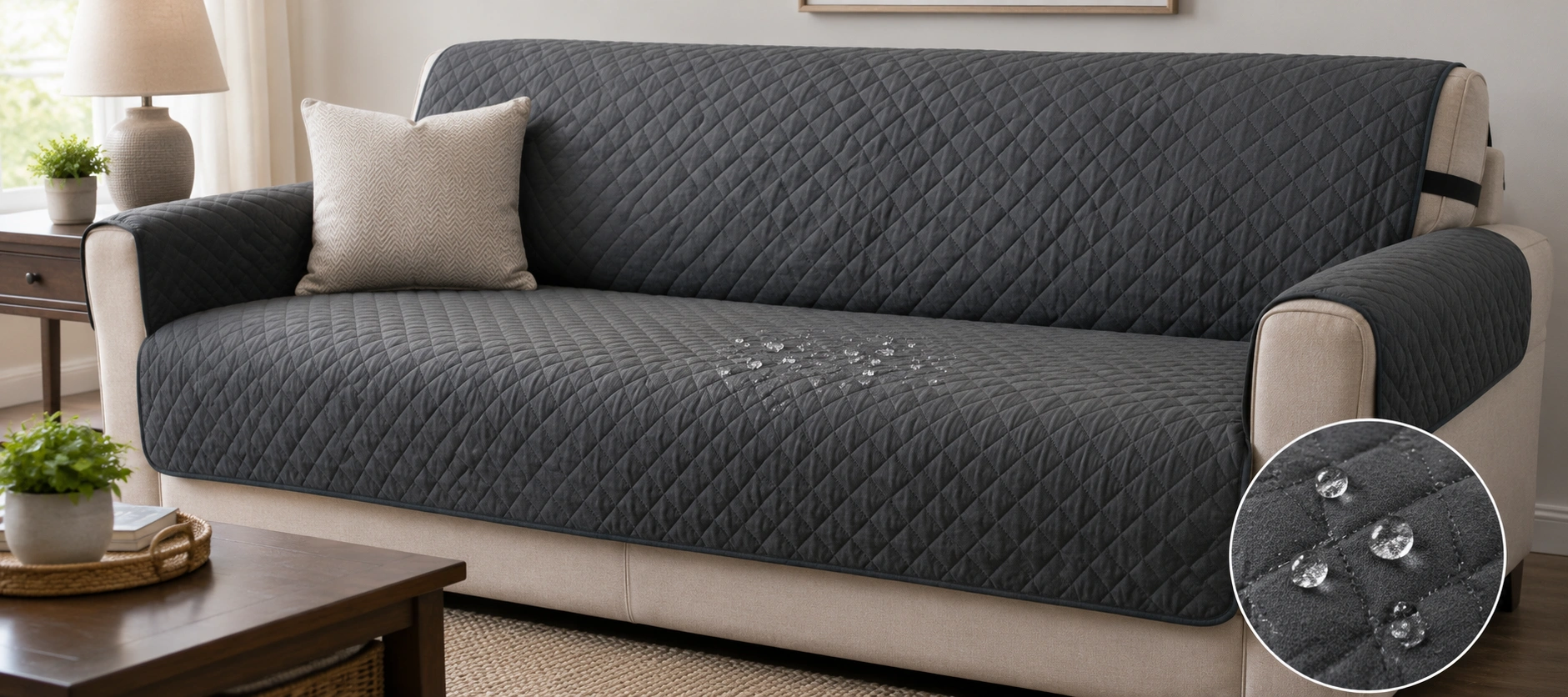
Feature a waterproof backing layer (usually polyurethane) that blocks liquids from reaching the upholstery. Essential for family rooms and homes with young children or incontinent pets.
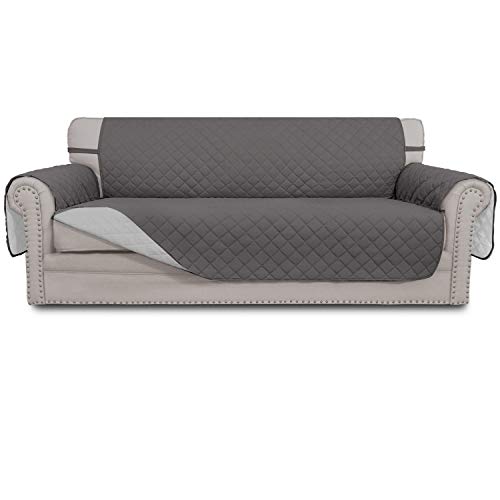
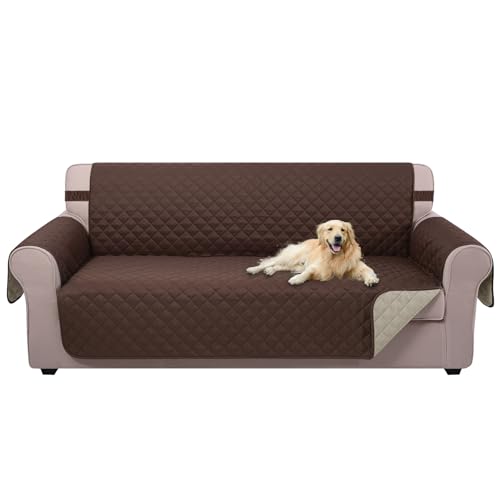
Quilted Covers
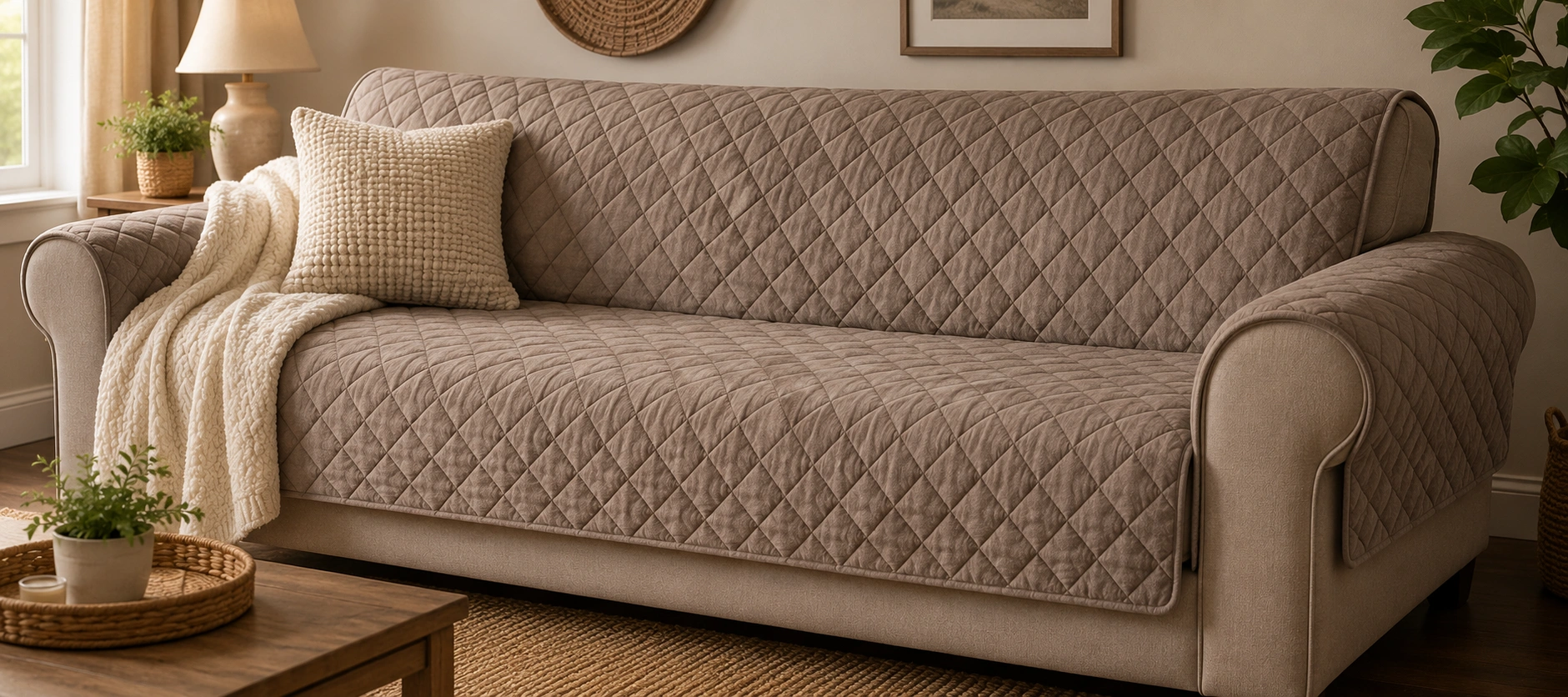
Multi-layered covers with a padded quilted texture that adds both protection and comfort. They provide extra cushioning and work well on older sofas with sagging cushions.
Pet-Proof Covers
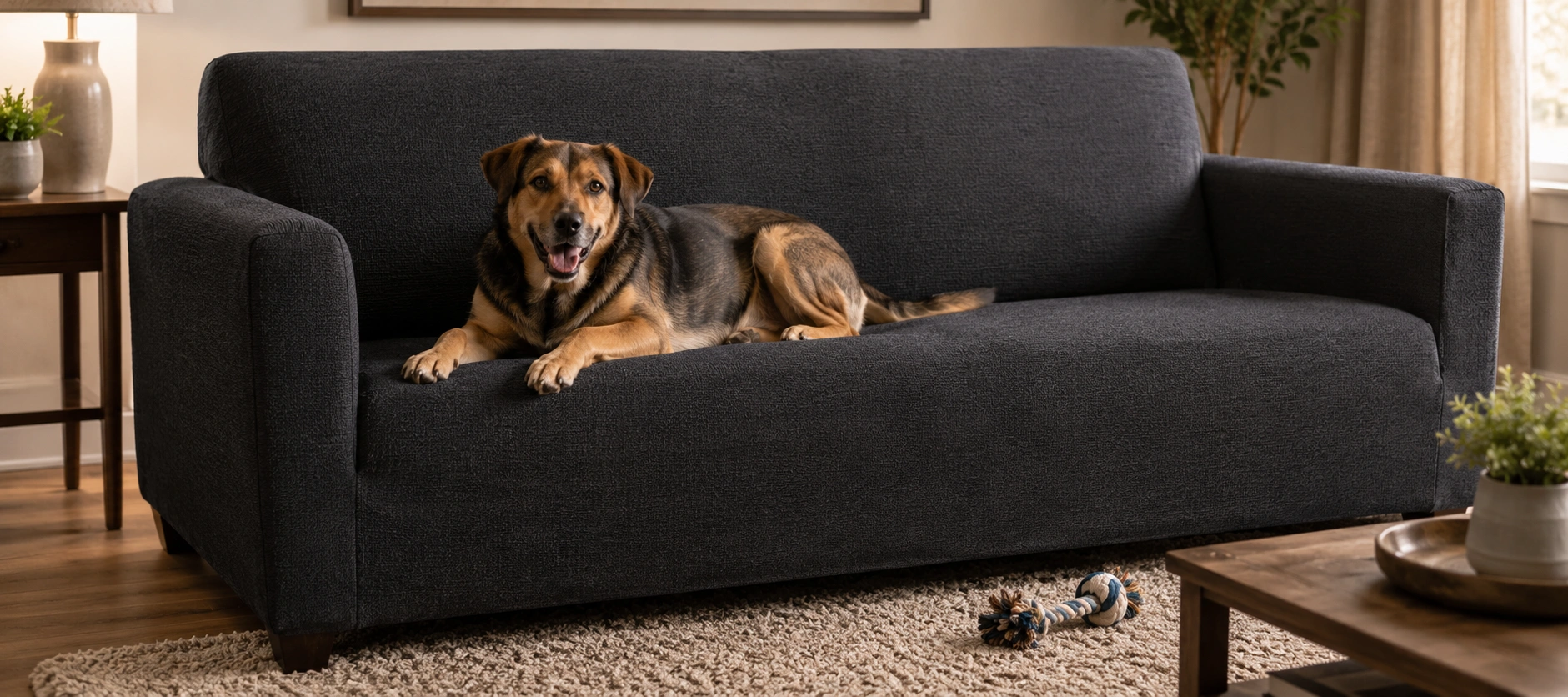
Heavy-duty covers made from scratch-resistant, hair-repellent fabrics with secure anchoring systems. These are purpose-built for the pet owner household and withstand claws, shedding, and accidents.
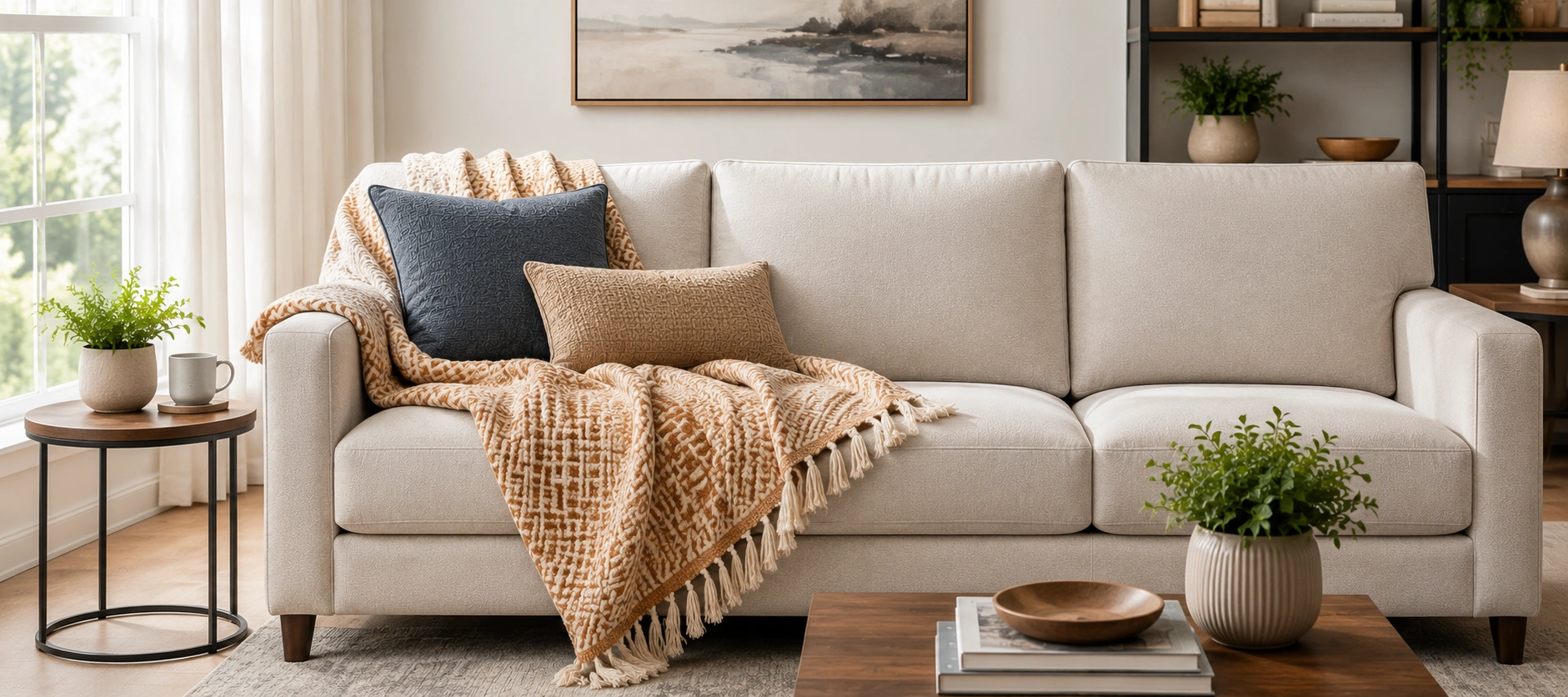
Throw Blankets & Half-Covers
Partial covers that protect only the seat and back cushions. Less commitment than a full cover, and throws and pillows double as decorative accents that you can rearrange freely.
3. Cover Materials Explained
The fabric your cover is made from affects everything — appearance, durability, comfort, washability, and how well it grips your sofa. Understanding sofa materials in general helps, but cover fabrics have their own unique considerations since they need to stretch, grip, and withstand frequent laundering.
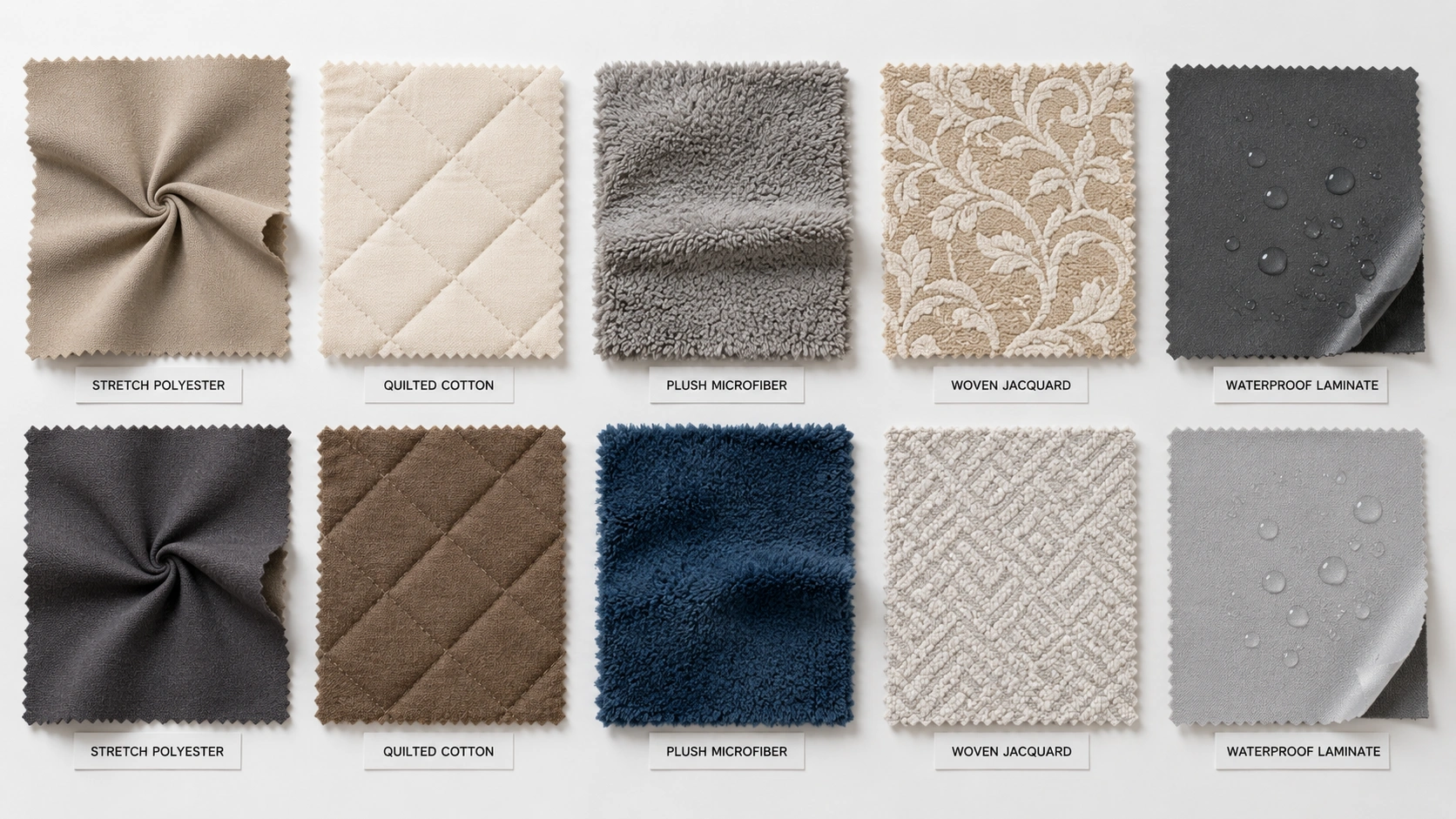
Polyester-Spandex Blend
- Excellent stretch for snug fitted look
- Wrinkle-resistant and colorfast
- Machine washable, dries quickly
- Available in wide range of colors
- Less breathable than natural fibers
- Can feel slightly synthetic to the touch
Cotton-Polyester Blend
- Soft, natural feel against skin
- Good breathability for warm climates
- Easy to wash and maintain
- Limited stretch — needs precise sizing
- Prone to wrinkling after washing
- May shrink if washed in hot water
Microfiber
- Extremely soft and plush texture
- Repels water and stains naturally
- Traps less pet hair than other fabrics
- Can attract lint and dust over time
- Some microfiber is not machine washable
Velvet / Velvet-Like
- Luxurious appearance, great for velvet sofa alternatives
- Rich colors with subtle sheen
- Shows marks and pet hair easily
- Difficult to clean — spot clean only for many
- Less durable for high-traffic homes
Waterproof Laminated Fabric
- 100% liquid-proof barrier layer
- Essential for homes with kids or elderly
- Wipes clean easily for spot accidents
- Can feel crinkly or plastic-like
- Less breathable — may cause sweating in warm weather
- Not all are fully machine washable
Jacquard / Woven Pattern
- Textured woven patterns hide wear well
- Durable and resistant to pilling
- Looks more like real upholstery than prints
- Limited stretch — sizing must be accurate
- Heavier fabric may shift on sleek sofas
When evaluating fabric durability, the Martindale rub test score can be a useful reference, though it is more commonly applied to upholstery than to cover fabrics. As a general rule, tighter weaves and higher synthetic content translate to better wash durability. For the most durable fabric choice in a cover, look for heavy-weight polyester or polyester-cotton blends with a weight above 200gsm.
4. How to Choose the Right Cover
With hundreds of options available, narrowing down the right cover requires considering several factors specific to your sofa and household. Think of this as a decision matrix — your answers to a few key questions will point you toward the ideal product.

Decision Factors
Ask Yourself Before Buying
- Sofa type: Is it a sectional, loveseat, 3-seater, or modular? This determines the cover shape you need.
- Upholstery material: Is your sofa fabric or leather? Leather requires covers with anti-slip backing.
- Primary threat: Are you protecting against pet claws, toddler spills, general wear, or just updating the look?
- Aesthetic goal: Do you want the cover to be invisible (fitted stretch) or make a style statement (patterned slipcover)?
- Budget: Quality covers range from $20 to $150. Spending more typically means better fit, fabric, and durability.
- Washing frequency: If you expect to wash weekly, prioritize machine-washable fabrics that resist shrinking and fading.
- Color scheme: Neutral tones blend with most decor, while bold colors can become a focal point in your living room.
If your sofa is a washable sofa with removable cushion covers, you may not need a full cover at all — washing the original covers might suffice. However, a protective layer still adds a valuable barrier against the initial spill or accident, giving you time to react before the upholstery itself is affected. This is the core principle behind any sofa protection strategy.
5. Sizing & Measuring Your Sofa
Accurate measurements are the single most important factor in getting a cover that fits well. A cover that is too small will not go on at all, and one that is too large will look baggy and shift constantly. Most sizing issues come from measuring only the seat cushion area while ignoring the overall sofa dimensions.
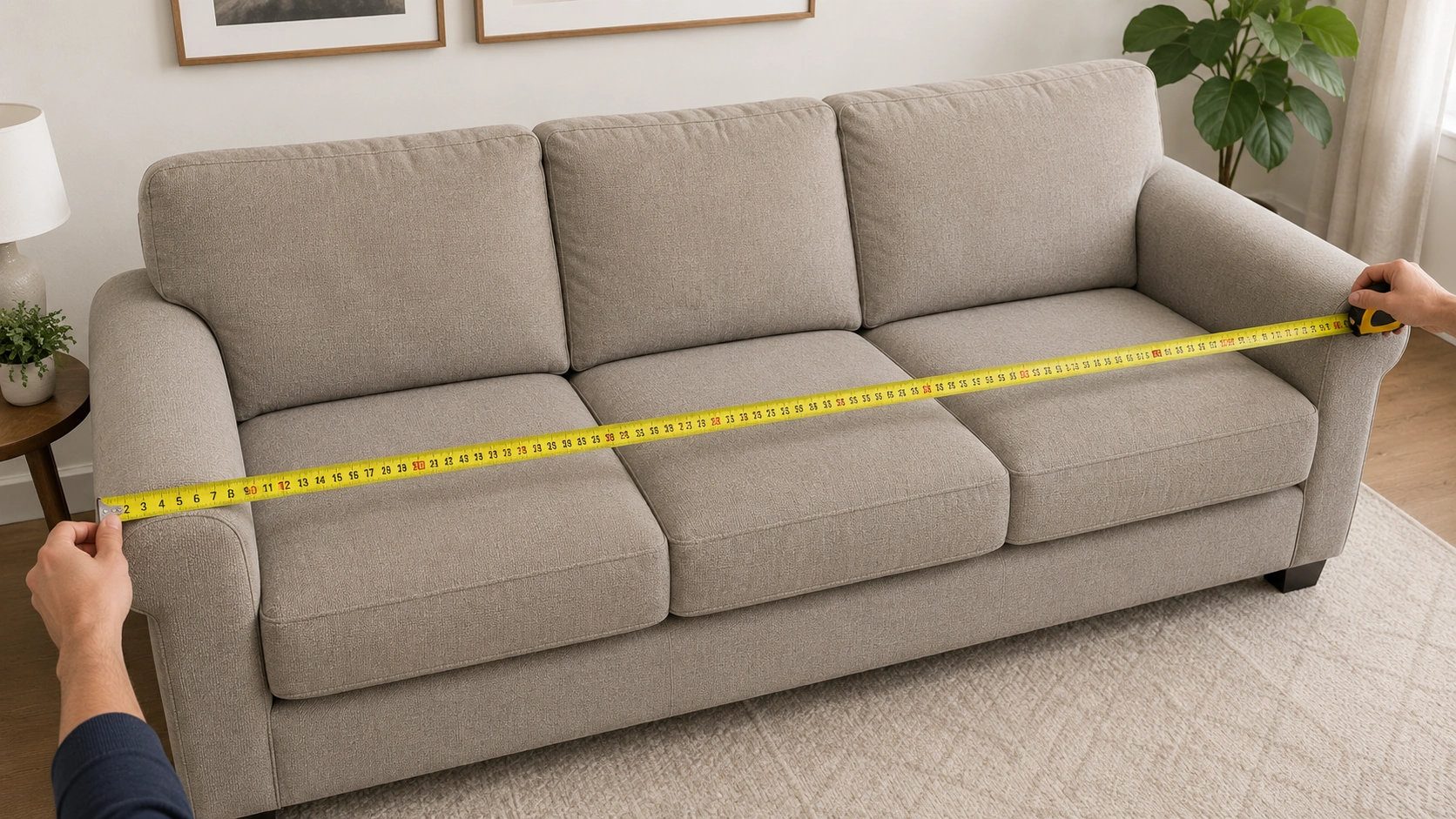
- Measure the overall length from the outside of one arm to the outside of the other arm. This is the most critical measurement — do not measure just the seating area. See our full sofa measuring guide for detailed instructions.
- Measure the overall depth from the back of the sofa to the front edge of the seat. Include any protruding cushion overhang.
- Measure the height from the floor to the top of the sofa back. For covers that wrap over the back, this ensures enough fabric to tuck in.
- Measure the seat cushion width (the flat area where you sit, between the arms) and seat cushion depth separately. These help verify the proportional fit.
- Check for unusual features — does your sofa have a chaise extension, reclining footrests, rounded corners, or exposed wooden arms? These require specialty covers.
- Compare your measurements to the size chart of the specific cover you want to buy. Every brand has slightly different sizing. When in between sizes, always size up — it is easier to tuck in excess fabric than to stretch a cover that is too small.
6. Special Situation Covers
Certain sofa types and household situations require covers with specific features. Standard covers simply will not work in these scenarios, and choosing the wrong product leads to frustration and returns.
Covers for Leather Sofas
Putting a cover on a leather sofa is fundamentally different from covering a fabric sofa because leather is smooth and slippery. Standard covers slide right off within minutes. You need covers specifically designed for leather, which include one or more of these anti-slip features: foam or silicone dotted backing, elastic straps that wrap under the seat, non-slip grip pads that insert into the crevices, or a combination of these. Even with these features, check reviews from other leather sofa owners — some covers perform much better than others on smooth surfaces.
Covers for Sectionals
A sectional sofa cannot be covered with a single standard cover. You will need individual covers for each section: the main sofa piece, the chaise lounge, the corner wedge (if applicable), and any ottoman. Buy these as a coordinated set from the same brand to ensure the color and fabric match exactly. Measure each piece independently and pay close attention to whether the chaise is left-facing or right-facing — this is not interchangeable.
Covers for Recliners & Sleepers
Recliner sofas and sleeper sofas have moving parts that standard covers cannot accommodate. Recliner covers feature split back panels and extended footrest sections that move with the mechanism. Sleeper sofa covers need to be removable quickly and easily — you do not want to struggle with a cover when guests need to unfold the bed. Look for covers specifically labeled for these sofa types, and verify in the reviews that the moving parts function properly with the cover installed.
7. Installation Tips for a Wrinkle-Free Fit
Even the best cover will look bad if installed poorly. The difference between a cover that looks like real upholstery and one that obviously looks like a throw depends entirely on how you put it on and tuck it in. These techniques apply to most cover types.
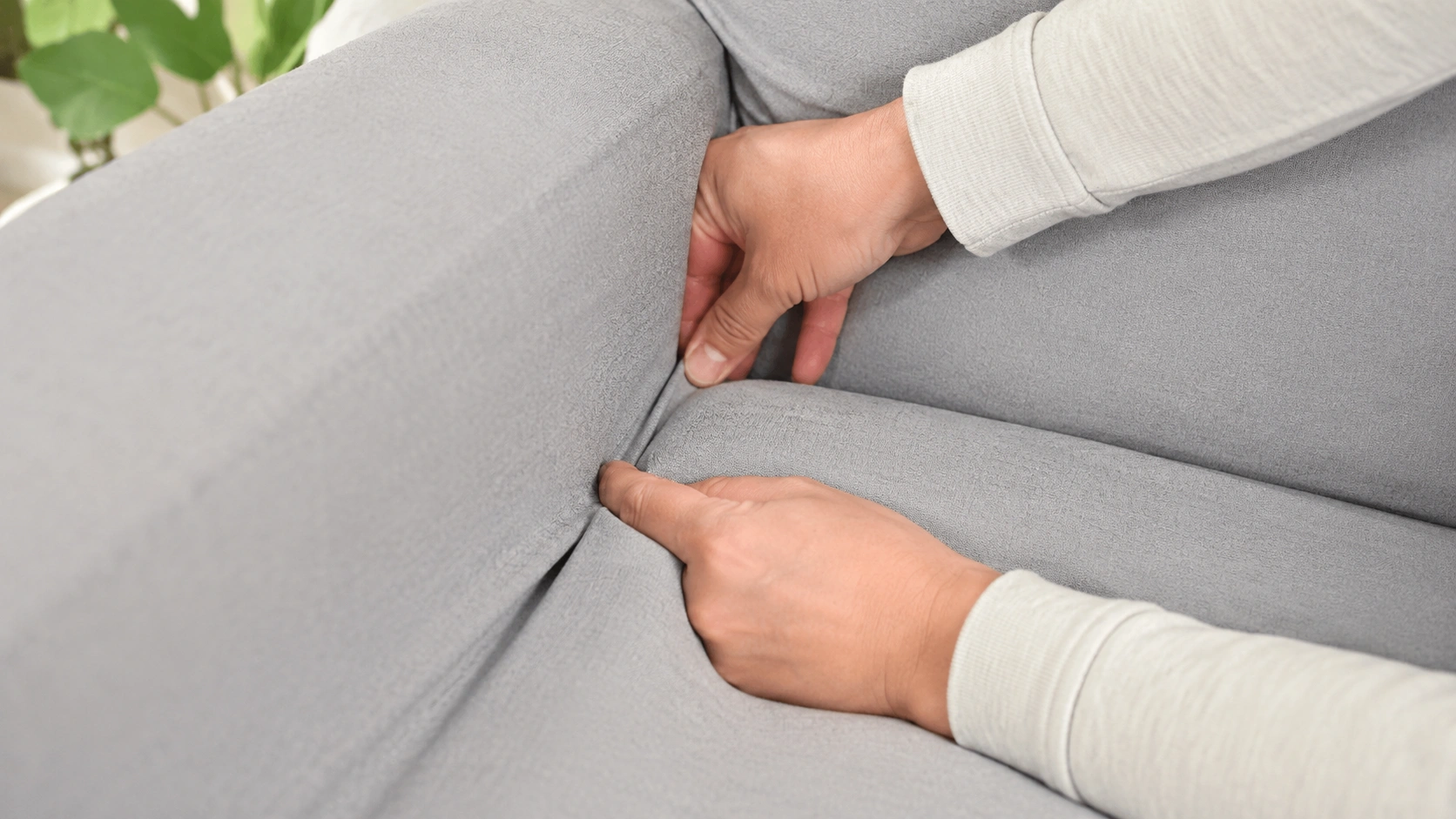
- Remove all cushions from the sofa. Installing a cover with cushions in place leads to uneven pulling and wrinkling.
- Drape the cover over the sofa frame starting from the back and pulling it forward and down over the arms. For stretch covers, start at the center back and work outward.
- Smooth the fabric from the center outward toward the arms and front, pulling gently to eliminate large wrinkles. Do not over-stretch — the fabric should be taut, not strained.
- Tuck deeply into all crevices — between the arm and seat, between the back and seat, and along the front edge. Push the fabric as far down as your hand will reach.
- Insert foam grip rollers or rolled-up magazines into the seat-back and arm-seat crevices if the cover still shifts. These create friction that locks the fabric in place.
- Replace cushions and smooth the cover over each one. For covers with individual cushion covers, put those on before placing the cushions back.
- Attach any straps or elastic bands under the sofa frame. These are critical for keeping the cover in place during daily use.
- Steam or iron if needed — a garment steamer works wonders for removing persistent wrinkles without damaging the fabric. Check the care label first.
8. Care & Maintenance
Proper care extends the life of your cover and keeps it looking fresh. Unlike the sofa itself, covers are designed to be removed and washed, but incorrect washing is the number one reason covers degrade prematurely.
Washing Best Practices
Do
- Close all zippers and fasten any buttons before washing
- Use cold water on a gentle or delicate cycle
- Use mild detergent without bleach or fabric softener
- Wash separately or with similar colors only
- Air dry when possible, or tumble dry on the lowest heat setting
- Remove promptly from the dryer to prevent wrinkles
Don't
- Use hot water — this causes shrinking, especially for cotton blends
- Use bleach — it weakens fibers and causes discoloration
- Use fabric softener — it coats fibers and reduces stretch and grip
- Overload the washing machine — the cover needs room to move freely
- Dry on high heat — this is the most common cause of irreversible shrinkage
- Iron directly on printed or textured fabrics — use a pressing cloth or steamer
Washing Frequency Guide
How often you wash depends on your household. Homes with pets that shed heavily may need washing every 1-2 weeks. Households with young children should aim for every 2-3 weeks. General adult-only use can go 4-6 weeks between washes. Between full washes, spot clean stains immediately with a damp cloth and mild soap. For fabric sofa owners, the cover reduces how often you need to clean the fabric sofa underneath, which is a far more involved process.
If your cover starts to lose its stretch after multiple washes, it may be time for a replacement. Most quality covers last 1-2 years with regular washing before the elastic degrades or the fabric thins. At $20-60 per cover, replacing annually is still far cheaper than professional upholstery cleaning or reupholstering.
9. Sofa Cover vs. Reupholstery
At some point, you may wonder whether a cover is enough or if you should invest in professional reupholstery. The right choice depends on the condition of your sofa, your budget, and your long-term plans for the furniture.
| Factor | Sofa Cover | Reupholstery |
|---|---|---|
| Cost | $20 - $150 | $500 - $2,500+ |
| Time to Complete | 10 - 30 minutes | 2 - 6 weeks |
| Reversibility | Fully reversible | Permanent |
| Appearance Quality | Good to very good | Excellent (like new) |
| Customization | Limited to available sizes and colors | Unlimited fabric, pattern, and detail options |
| Protects Original Upholstery | Yes — primary benefit | No — replaces original upholstery |
| Fixes Structural Issues | No | Can be combined with frame and cushion repair |
| Ideal For | Protection, quick refresh, rental furniture | Heirloom pieces, high-quality frames needing restoration |
The bottom line: if your sofa frame is solid and you just want to change the look or add protection, a cover is the smart choice. If your sofa has a high-quality frame (kiln-dried hardwood) with failing upholstery, reupholstery may be worth the investment because it preserves a valuable piece of furniture. For a sofa price breakdown perspective, reupholstery typically makes sense only when the sofa originally cost over $1,500 and the frame has many years of life left.
10. Frequently Asked Questions
Ready to protect and refresh your sofa? Browse our recommended sofa covers below, selected based on material quality, fit reliability, customer ratings, and value for money across trusted retailers.