The Complete Guide to Inflatable Couches
Everything you need to know about inflatable couches — from materials and weight capacity to setup, durability, and finding the right model for temporary seating needs
What Is an Inflatable Couch?
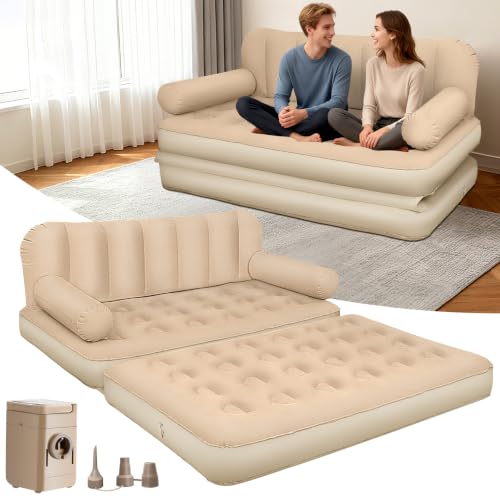
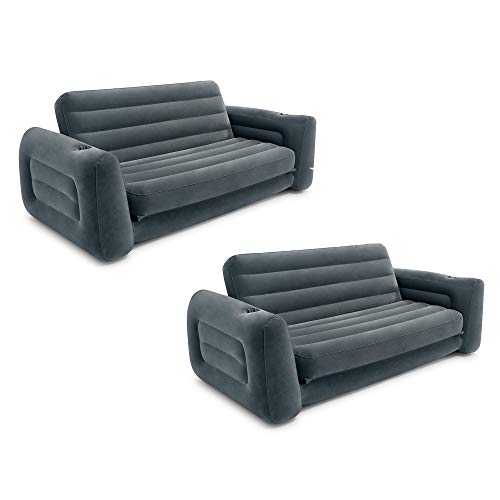
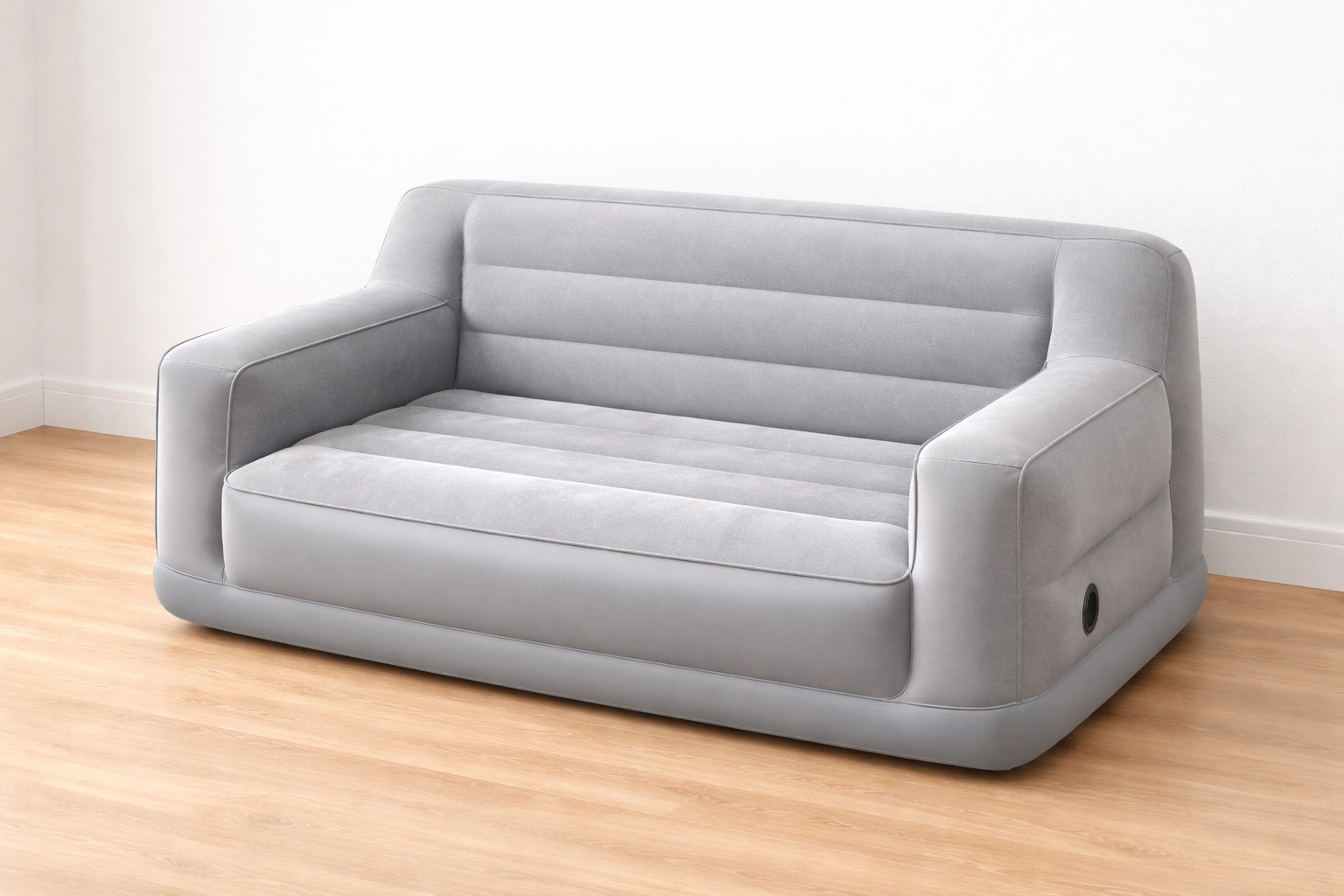
An inflatable couch is a temporary seating solution made from PVC or similar flexible material that is inflated with air to create a usable sofa shape. Unlike traditional sofas built with wood or metal frames, inflatable couches rely entirely on internal air pressure to maintain their structure, shape, and load-bearing capacity.
Modern inflatable couches have come a long way from the flimsy pool floats of the past. Today's models feature structured backrests, integrated armrests, internal air coil systems for stability, flock-top surfaces for comfort, and weight capacities that can exceed 600 lbs. They are designed for temporary and portable seating — not as permanent replacements for real furniture. For a deeper understanding of how they compare to other flexible seating options, see our guides on floor sofas and futon sofas.
The primary appeal is portability and convenience. An inflatable couch can be stored in a closet or trunk when deflated, set up in minutes when needed, and moved between locations without heavy lifting. This makes them popular for hosts who need extra seating, college students, campers, and anyone who needs affordable, temporary seating that doesn't commit to permanent floor space.
Types of Inflatable Couches
The inflatable couch market has diversified significantly. Different types serve different purposes — some are optimized for indoor lounging, others for outdoor durability, and some for sleeping conversion. Here's a breakdown of every major category:
Standard Inflatable Sofa
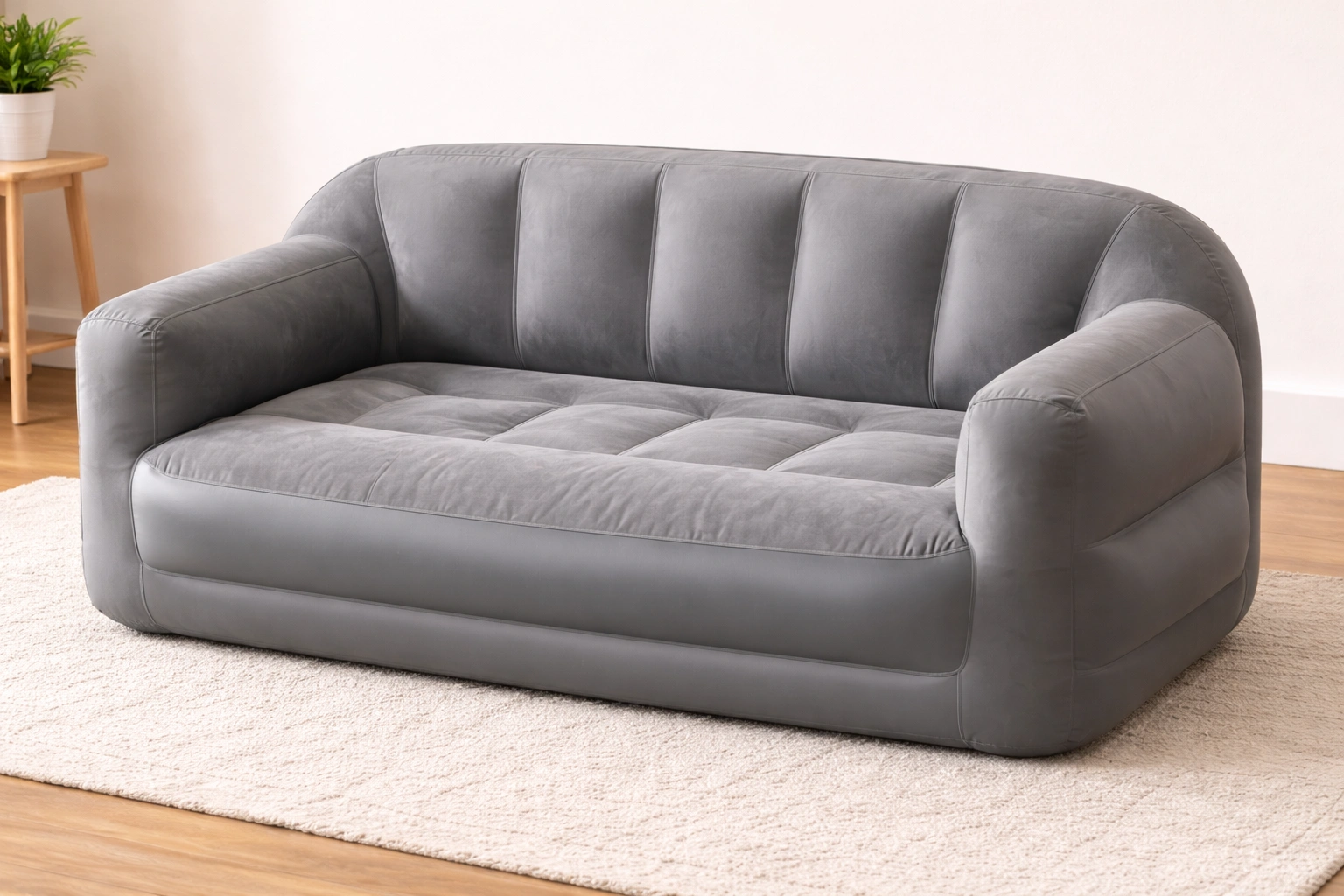
The most common type — features defined seat, backrest, and armrest sections inflated through a single or dual valve system. Best for general-purpose temporary indoor seating. Weight capacity typically 300–500 lbs.
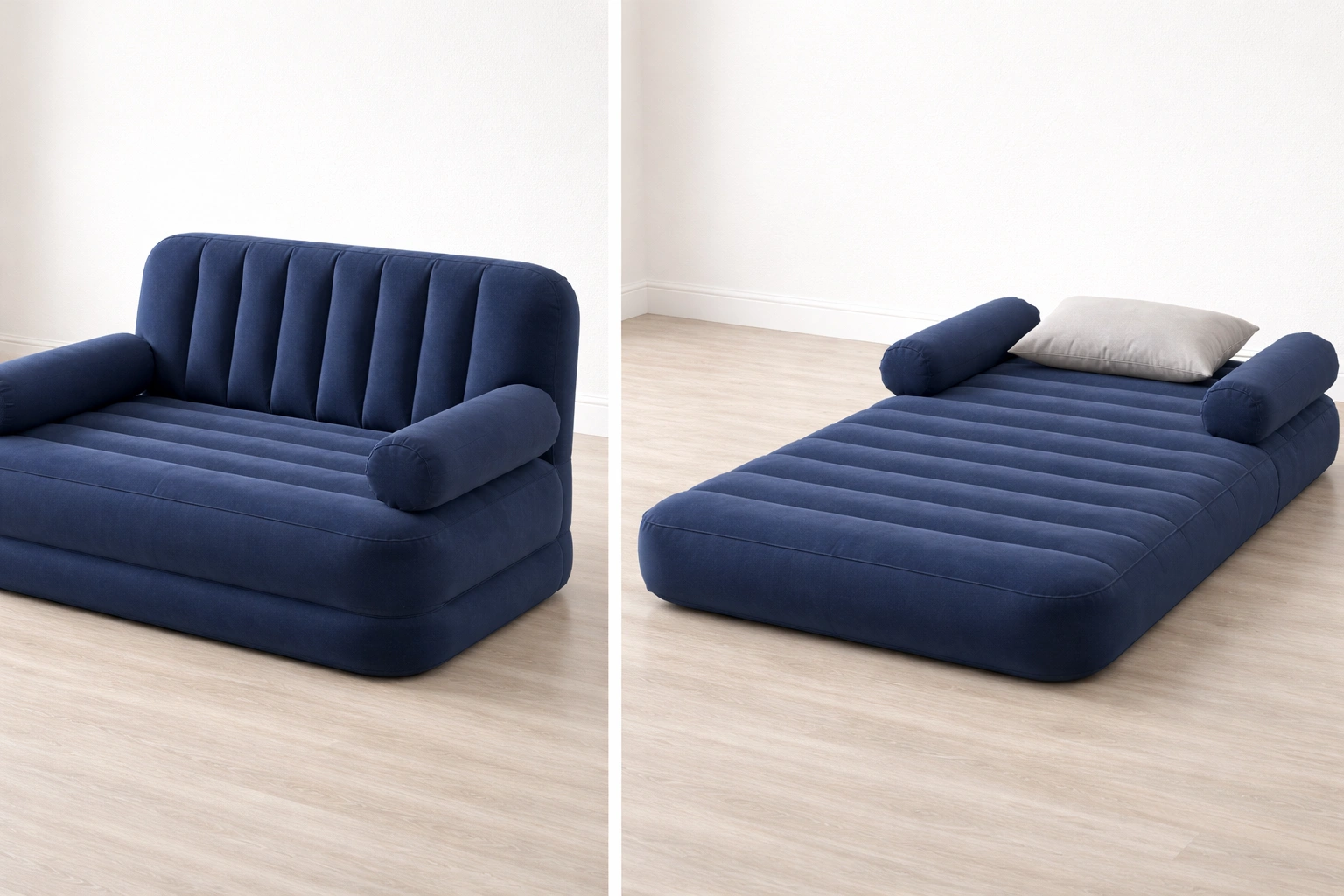
Inflatable Sofa Bed
Converts from couch to bed by removing an internal air divider or fully deflating the backrest section. Provides a flat sleeping surface roughly queen-sized. A budget alternative to a sleeper sofa for occasional overnight guests.
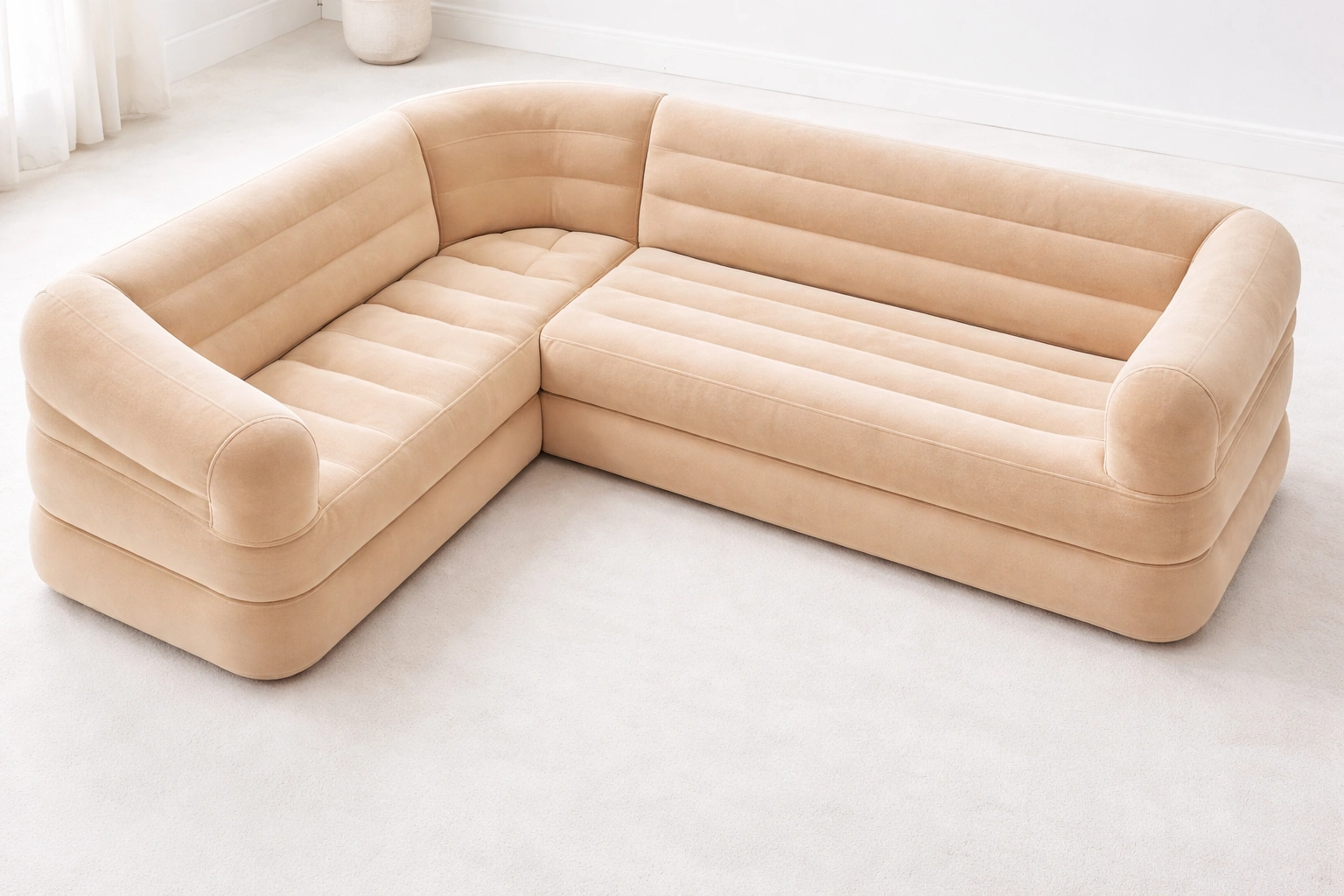
Inflatable Sectional
Modular design with multiple inflatable pieces that connect to form an L-shape or U-shape configuration. Each section inflates independently. Offers more seating capacity than single-piece models while remaining portable.
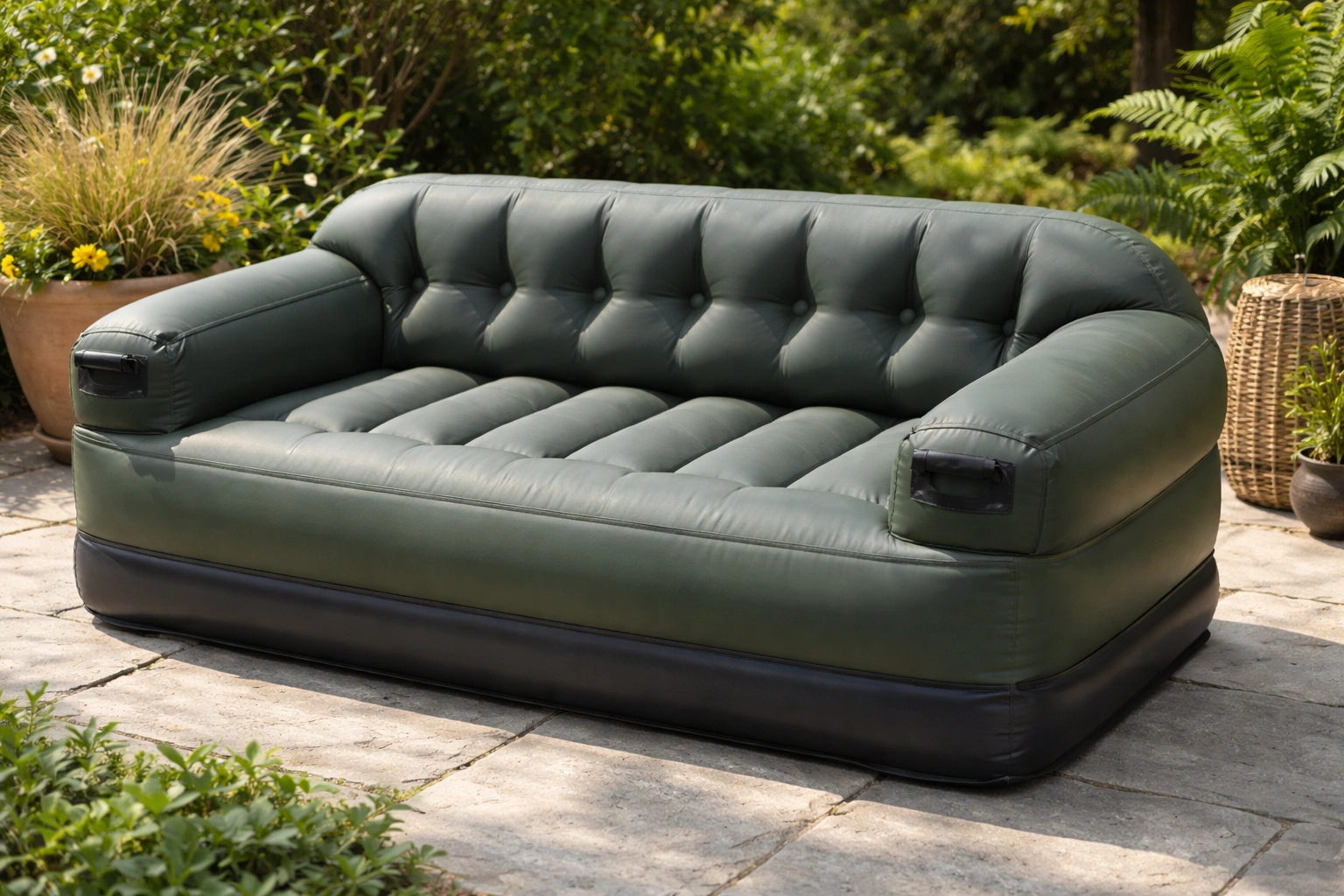
Outdoor Inflatable Couch
Built with thicker PVC, UV-resistant coatings, and reinforced seams for outdoor use. Handles rougher surfaces and weather exposure better than standard models. Still not meant for permanent outdoor storage.
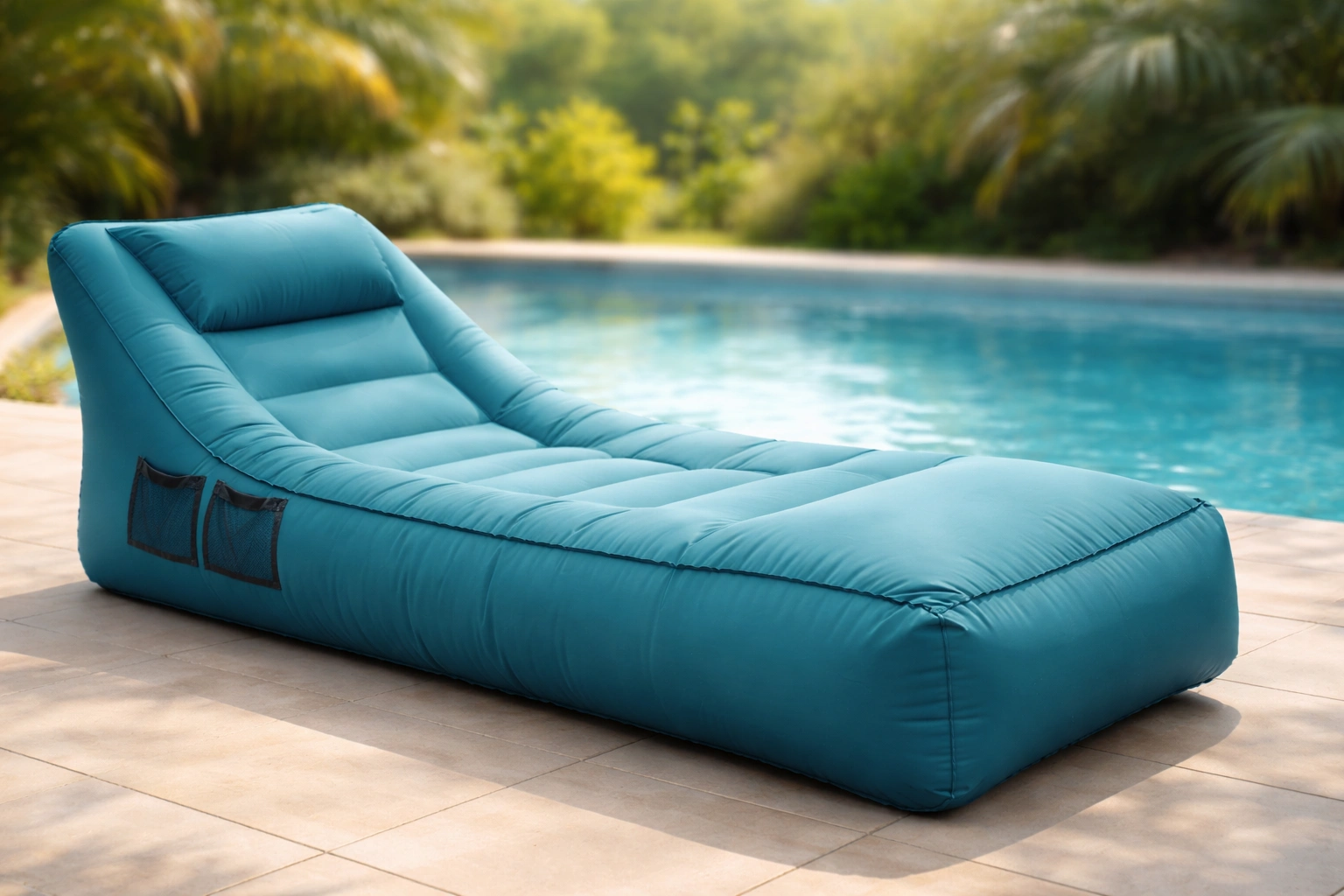
Inflatable Lounger
A hybrid between a couch and a recliner with an extended footrest section. Designed primarily for lounging rather than upright sitting. Popular for poolside relaxation and casual outdoor use alongside camping sofas.
Kids Inflatable Couch
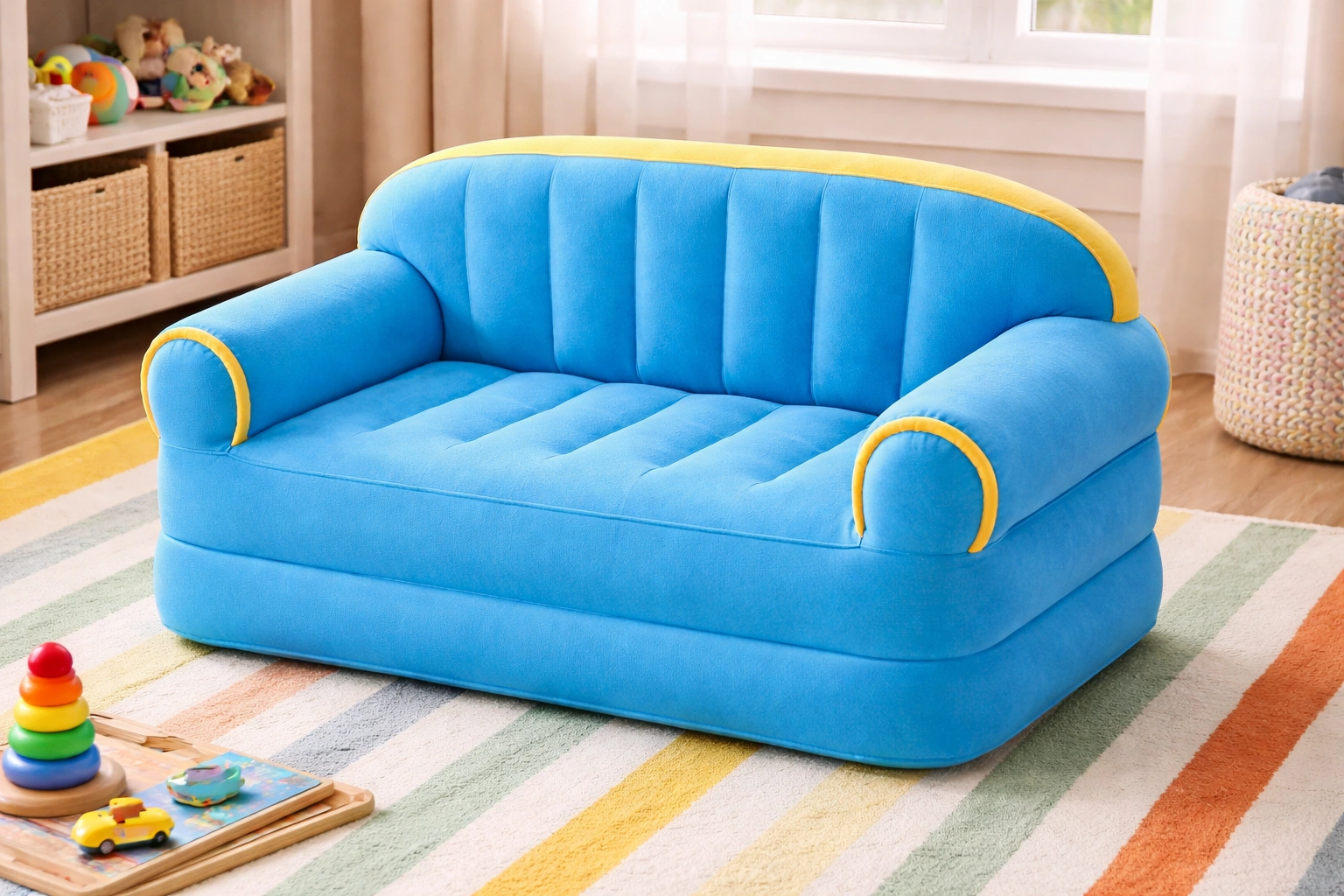
Smaller, brightly colored models designed for children. Lower weight capacity (100–200 lbs), softer PVC, and often feature fun themes. A supplement to a proper kids sofa for temporary play seating.
Materials & Construction Quality
The material an inflatable couch is made from directly determines its durability, comfort, puncture resistance, and how long it will last. Understanding the differences between materials helps you avoid cheap models that will leak within weeks. For a broader look at furniture materials, see our materials explained guide.
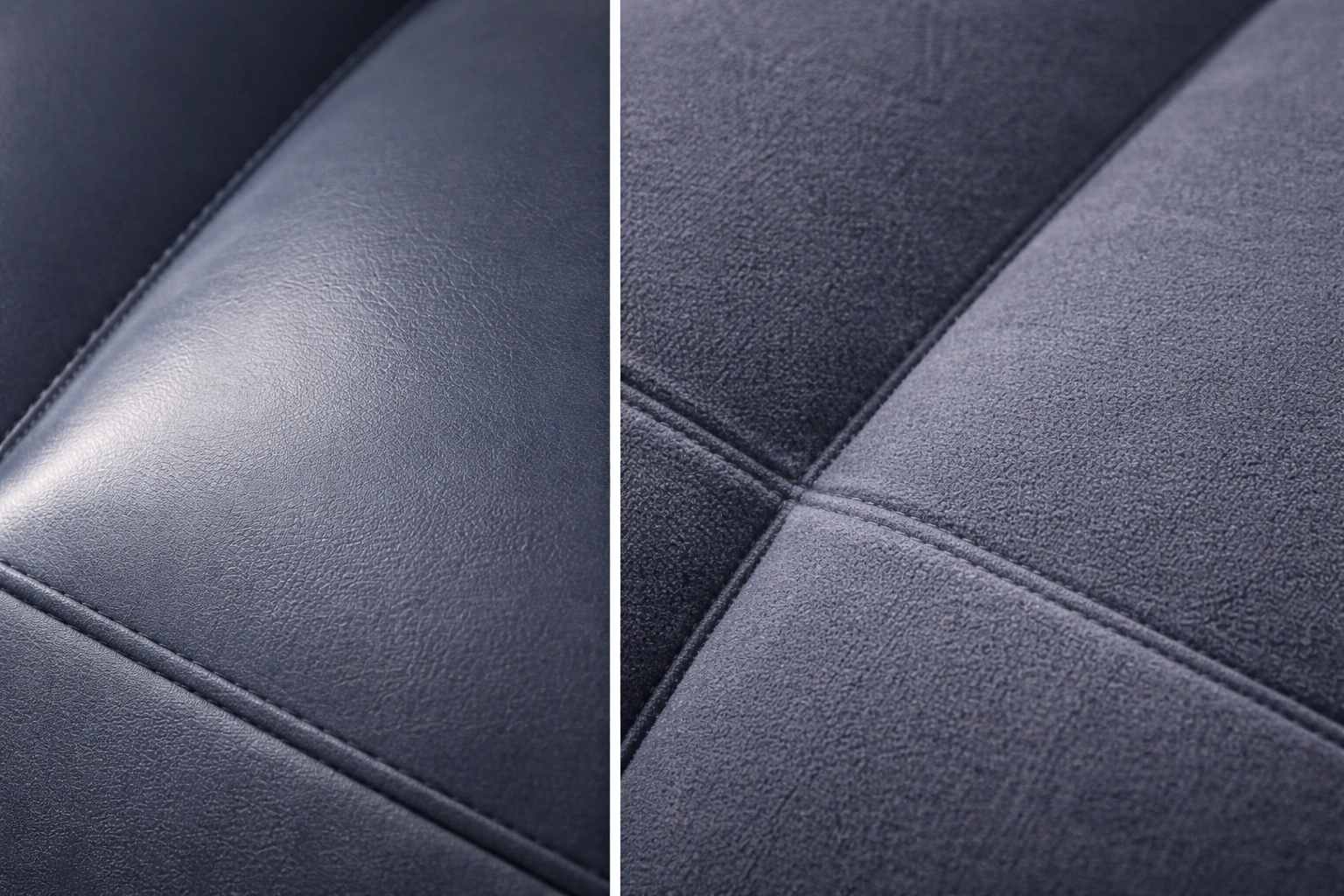
Standard PVC (Polyvinyl Chloride): The most common and affordable material. Standard PVC ranges from 0.3mm to 0.5mm thickness. It's lightweight, easy to inflate, and adequate for occasional indoor use. The downside is poor puncture resistance — sharp objects, pet claws, or rough surfaces can easily pierce standard PVC. Expect 6–18 months of life with regular use.
Heavy-Duty / Upgraded PVC: Premium inflatable couches use thicker PVC (0.6mm–0.8mm) with added plasticizers for flexibility and reinforced molecular structure. This material resists punctures 3–5x better than standard PVC and handles weight without stretching permanently. Most quality models in the $50–120 range use this grade. Look for terms like "multi-layer PVC" or "heavy-duty vinyl" in product descriptions.
Flock-Top Surface: Many mid-range and premium inflatable couches add a velvety flock coating on the seating surface. This serves two purposes: it prevents the slippery, cold feeling of bare PVC against skin, and it adds a thin protective layer that reduces puncture risk on the contact surface. Flock-top surfaces are a meaningful comfort upgrade — bare PVC feels clammy and causes clothing to stick and shift.
Nylon-Backed PVC: The most durable construction combines a PVC air-holding layer with an internal nylon mesh reinforcement. This prevents the material from stretching and thinning over time, which is the primary cause of eventual failure in standard PVC models. Nylon-backed construction is found on premium models ($80–150+) and extends lifespan to 2–3 years with regular use.
| Material | Thickness | Puncture Resistance | Typical Lifespan | Price Range |
|---|---|---|---|---|
| Standard PVC | 0.3–0.5mm | Low | 6–18 months | $15–$40 |
| Heavy-Duty PVC | 0.6–0.8mm | Good | 1–2 years | $40–$80 |
| PVC + Flock Top | 0.5–0.7mm | Good | 1–2 years | $50–$100 |
| Nylon-Backed PVC | 0.7–0.9mm | Very Good | 2–3 years | $80–$150 |
Beyond the outer material, pay attention to the internal structure. Premium models include internal air coils (spiral-wound PVC tubes inside the main chambers) that prevent the couch from bulging or sagging when sat on. Without internal coils, an inflatable couch will gradually deform and lose its shape after repeated use. This is the single most important construction feature to look for — always check if the product description mentions "internal structure," "air coils," or "I-beam construction."
Weight Capacity: What You Need to Know
Weight capacity is the most critical specification for an inflatable couch, yet it's also the most commonly misunderstood. Manufacturers typically state a maximum weight, but real-world comfort is often significantly lower than the advertised number.
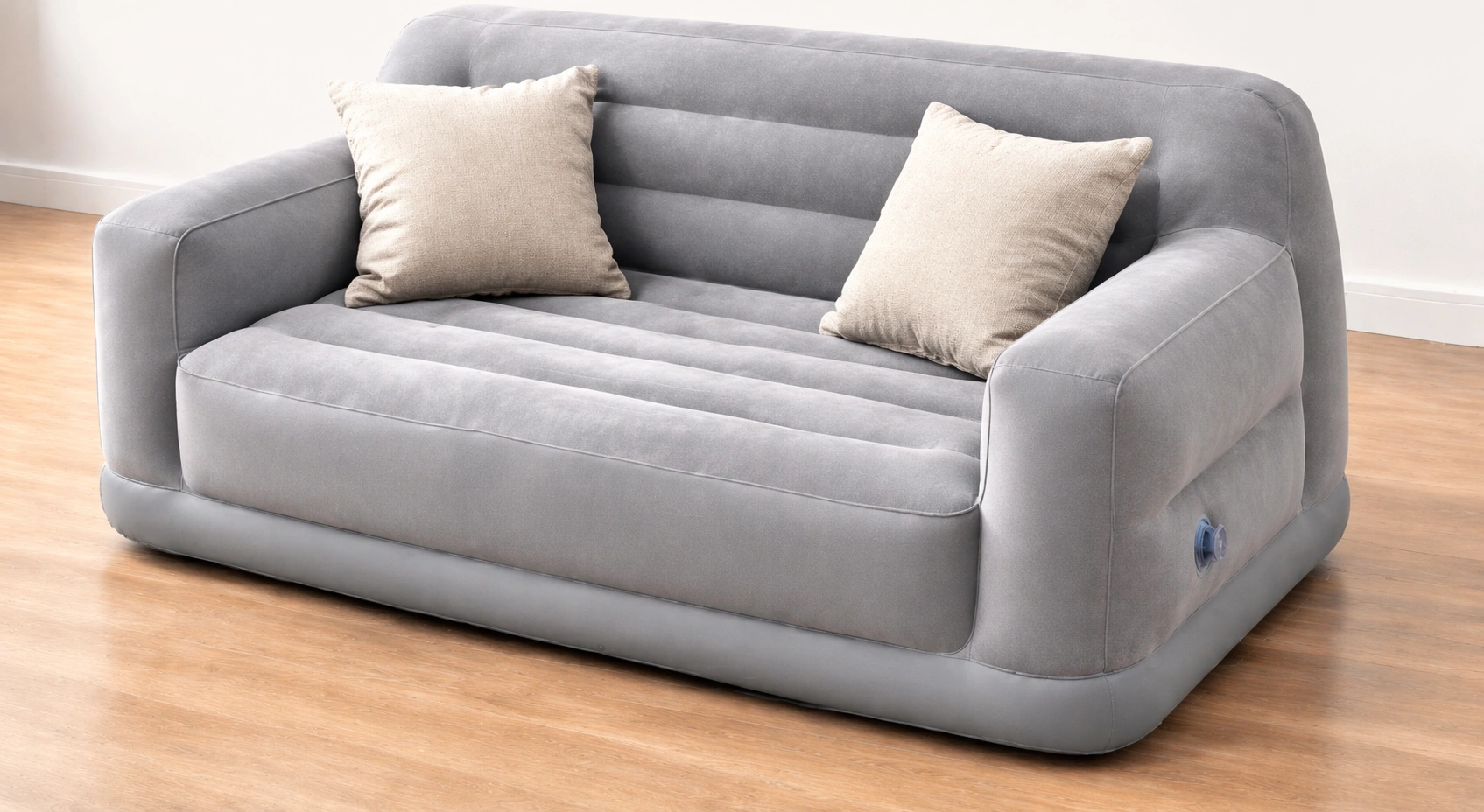
Understanding the Numbers: A couch rated for "600 lbs" means the material and seams can theoretically hold that weight before catastrophic failure. However, at 80–90% of maximum capacity, the couch becomes uncomfortably firm, sits very low to the ground, and the risk of seam stress increases dramatically. For comfortable seating, plan to use only 60–70% of the stated capacity.
- 300–400 lbs rated: Realistic comfortable capacity for 1 average adult. Suitable for solo use only
- 400–550 lbs rated: Comfortable for 2 adults. Minimum recommended for a "sofa" experience
- 550–750 lbs rated: Can seat 2–3 adults with reasonable comfort. Look for heavy-duty PVC or nylon-backed construction at this level
- 750+ lbs rated: Premium models with reinforced seams and multi-chamber construction. Rare but available from specialist brands
Benefits & Drawbacks
Inflatable couches occupy a specific niche in the seating market. They excel at portability and affordability but compromise on comfort, durability, and stability compared to any type of permanent furniture. Here's an honest assessment:
✅ Advantages
- Extremely portable — deflates to a fraction of its size
- Very affordable compared to any real sofa
- Quick setup — most inflate in 3–5 minutes with an electric pump
- Easy to clean — just wipe with a damp cloth
- No assembly required out of the box
- Can be used in locations where real furniture isn't practical (poolside, camping, rooftop)
- Good backup seating for frequent hosting situations
❌ Disadvantages
- Short lifespan — typically 1–3 years with regular use
- No real structural support — air pressure only, no frame
- Puncture vulnerable — one sharp object can ruin it
- Requires inflation before each use — not grab-and-go
- Feels unstable and bouncy compared to real furniture
- PVC feels cold and clammy without flock-top coating
- Not suitable as permanent seating — degrades with daily use
- Difficult to repair invisibly — patches are always noticeable
Inflatable Couch vs. Other Temporary Seating
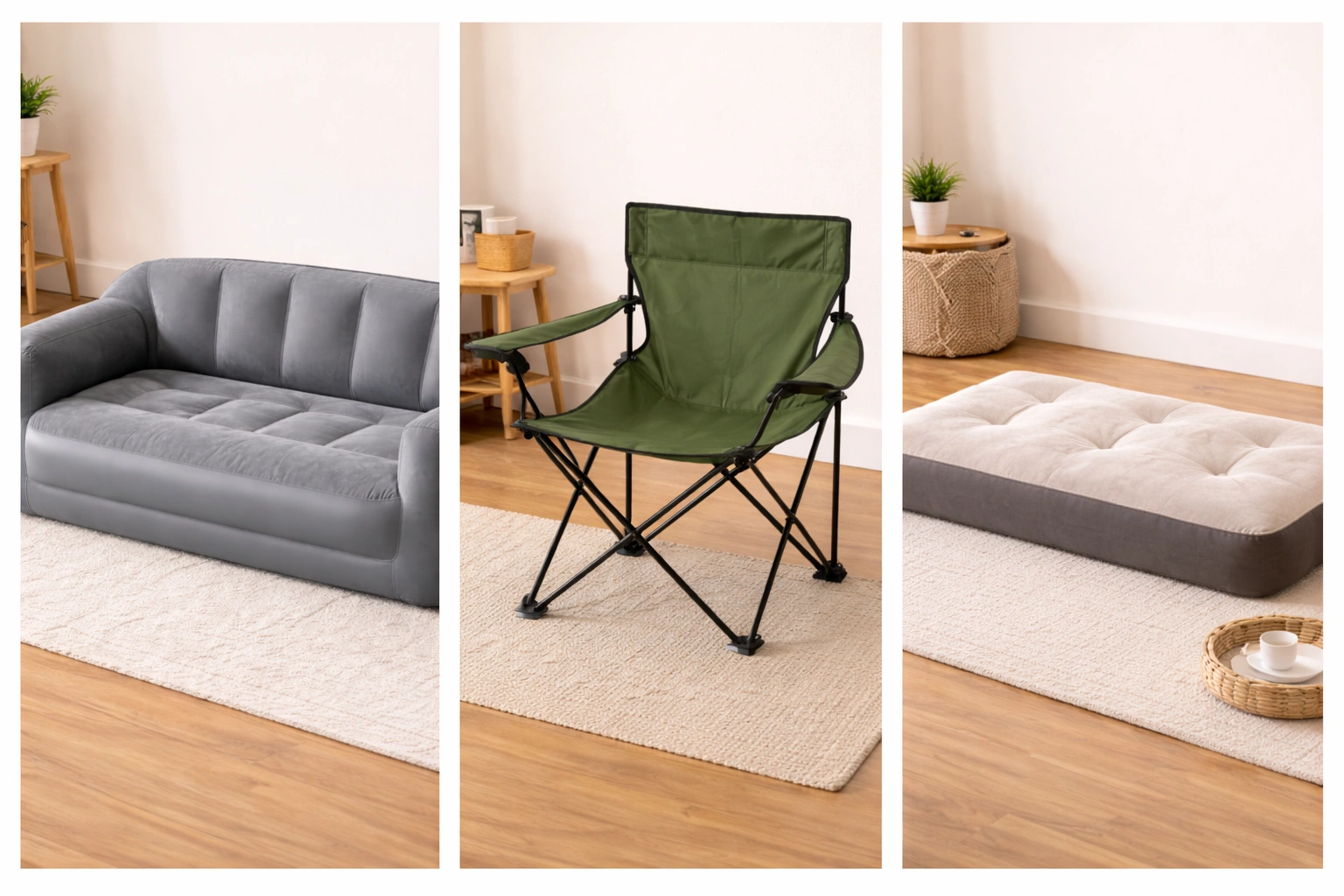
If you're considering an inflatable couch, you're likely comparing it against other non-permanent seating options. This comparison helps clarify which solution matches your specific situation:
| Feature | Inflatable Couch | Camping Sofa | Floor Sofa | Futon Sofa |
|---|---|---|---|---|
| Portability | Excellent — packs small | Good — folds compact | Poor — heavy, fixed shape | Poor — heavy, rigid frame |
| Setup Time | 3–5 minutes (inflate) | 1–2 minutes (unfold) | None (always ready) | None (always ready) |
| Comfort Level | Adequate for 2–3 hrs | Adequate for 2–3 hrs | Good for all-day use | Good for all-day use |
| Durability | 1–3 years | 3–7 years | 5–10+ years | 5–10+ years |
| Weight Capacity | 300–750 lbs | 250–500 lbs | 300–600 lbs | 400–750 lbs |
| Storage Needed | Small (deflated) | Medium (folded) | Always in place | Always in place |
| Can Sleep On It | Some models, mediocre | Rarely | Some models, good | Yes — primary function |
| Price Range | $20–$150 | $40–$200 | $100–$400 | $200–$1,000 |
The inflatable couch wins decisively on packability and price but loses on every long-term metric. Choose it when you need seating that disappears when not in use. Choose a camping sofa for frequent outdoor use with faster setup. Choose a floor sofa or futon for permanent secondary seating that's still affordable.
Best Use Cases by Scenario
Inflatable couches shine in specific situations where permanent furniture is impractical, unnecessary, or prohibited. Here are the scenarios where they deliver the most value:
Small Apartments
Perfect as backup seating that doesn't consume permanent floor space. Inflate for a movie night or gathering, deflate and store in a closet afterward. Ideal for apartments where every square foot matters.
Camping & Outdoor Events
Provides actual couch-like comfort at campsites, tailgates, and outdoor gatherings where hauling real furniture isn't feasible. Pair with a battery-powered pump for off-grid inflation.
Guest Rooms
Keep a deflated inflatable couch in a guest room closet. Inflate only when visitors arrive — the room functions as an office or hobby space the rest of the time without wasting space on unused furniture.
Basement & Rec Rooms
For occasional basement use — game nights, watch parties, or kids' playdates — an inflatable couch avoids dedicating permanent furniture to a space that isn't used daily. Works well in basement rec rooms.
Dorm Rooms & College Housing
Students can't always afford real furniture, and dorms have strict move-in/move-out rules. An inflatable couch provides seating during the semester and packs flat for summer storage. More practical than a permanent apartment sofa for temporary housing.
Poolside & Patio Lounging
Waterproof models work well around pools and patios for seasonal use. Deflate and store when the weather turns. Not a replacement for proper outdoor sofas but ideal for occasional warm-weather relaxation.
Critical Buying Considerations
With dozens of inflatable couches on the market ranging from $15 to $150, the quality variance is enormous. Here's what separates a model worth buying from one that will disappoint within weeks:
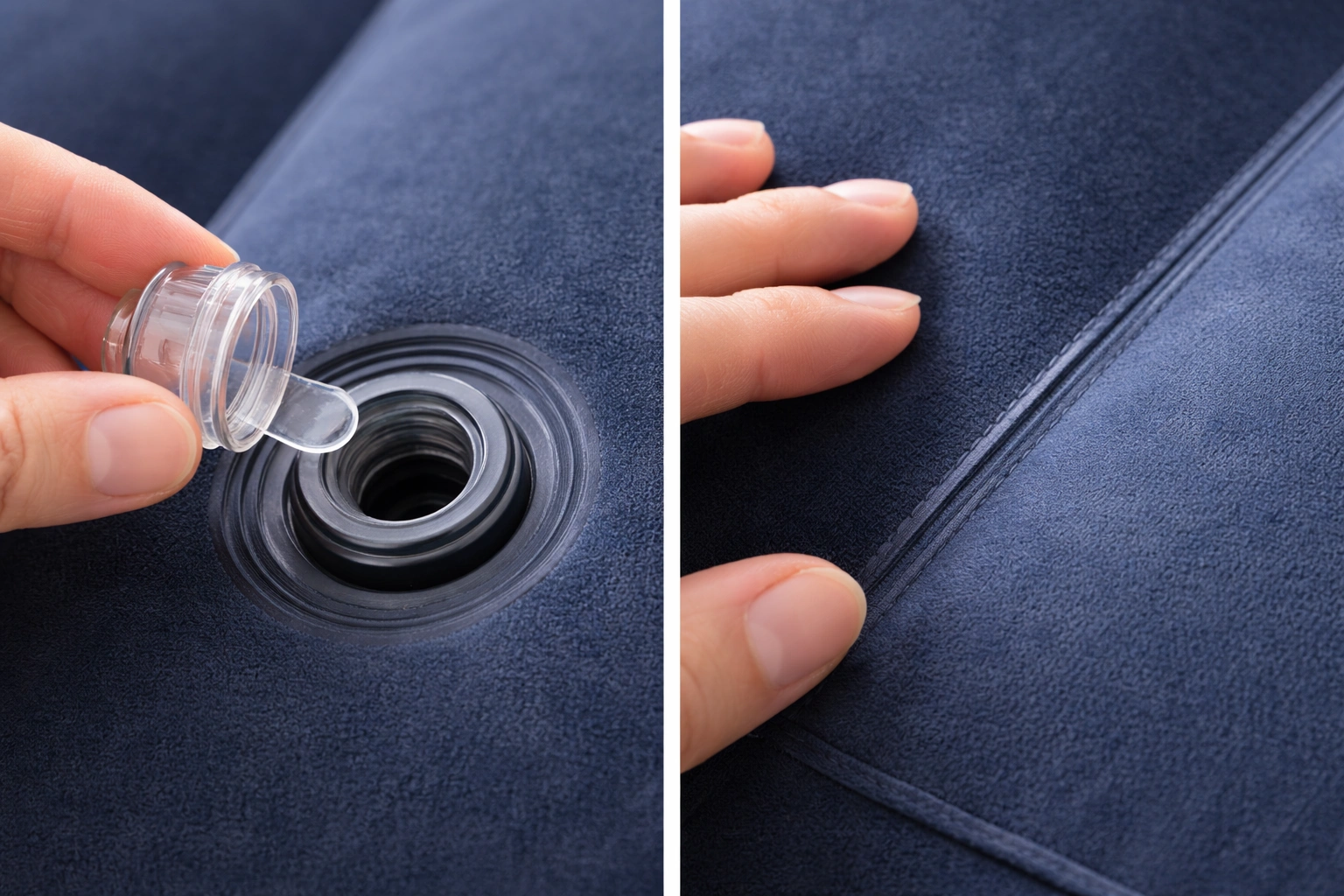
1. Internal Structure (Air Coils / I-Beam): This is the single most important feature. Without internal structure, an inflatable couch is just a shaped balloon that will sag and deform after a few uses. Always verify the product description mentions "internal air coils," "I-beam construction," or "internal structure." Models without this feature are suitable only for occasional, light use.
2. Valve Type: Two-valve systems (separate valves for seat and backrest) let you adjust firmness independently — inflate the seat firm and the backrest soft, for example. Single-valve models inflate everything to the same pressure, which often results in a backrest that's too firm or a seat that's too soft. Two-valve designs cost slightly more but offer noticeably better comfort customization.
3. Pump Compatibility: Check whether the valve accepts standard electric pump nozzles (Boston valve or pinch valve). Some cheap models use proprietary valves that only work with their included manual pump — a major inconvenience if the manual pump breaks or you want faster inflation with an electric pump.
4. Repair Kit Included: Punctures are inevitable with any inflatable product. A quality repair kit should include: at least 2 self-adhesive vinyl patches, a tube of vinyl adhesive, and a valve cap replacement. If the product doesn't include a repair kit, budget an additional $8–12 to purchase one separately — you will need it.
5. Seam Construction: Look for "welded seams" rather than "glued seams." Welded seams use heat to fuse PVC layers together, creating a bond that's 3–5x stronger than adhesive. Glued seams are the primary failure point on cheap inflatable furniture and will separate after repeated inflation/deflation cycles.
6. Deflation Speed: Large-diameter valves deflate quickly for easy storage, but they can also leak air if the seal isn't reliable. Look for models with push-button or twist-lock valves that seal securely. Some premium models include one-way valves that prevent air from escaping during inflation — a significant convenience feature.
Setup, Maintenance & Care Tips
Proper setup and ongoing care significantly extend the life of an inflatable couch and prevent the most common failure modes. Most premature failures are caused by user error, not manufacturing defects.
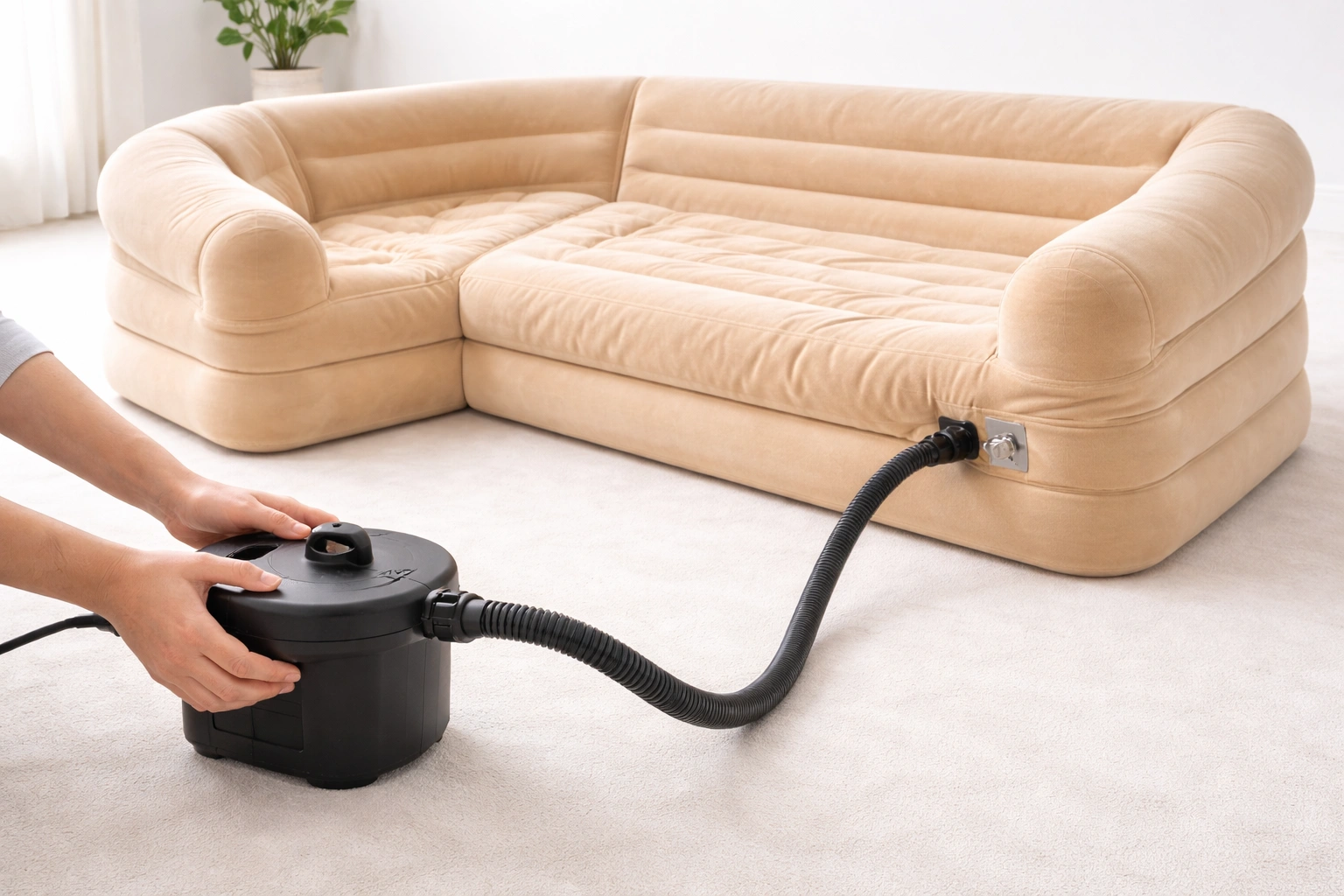
Setup Best Practices:
- Always inflate on a clean, smooth surface — even small debris can cause micro-punctures during the high-pressure inflation phase
- Use an electric pump for consistent, controlled inflation — manual pumps lead to over-inflation in some chambers and under-inflation in others
- Inflate to about 85–90% full on the first use — PVC stretches slightly during the first few inflation cycles, and over-inflating on first use can stress seams
- Wait 10–15 minutes after initial inflation, then top off the air — the material settles and pressure drops slightly
- Never over-inflate — the material should feel firm but still have slight give when you press it with your palm
Ongoing Maintenance:
Keep the couch inflated when in regular use — repeated inflation/deflation cycles stress the seams and valve connections far more than leaving it inflated. Clean the surface regularly with a damp cloth and mild soap to remove dirt and body oils that can degrade PVC over time. For detailed cleaning guidance applicable to all sofa materials, see our complete sofa cleaning guide.
Storage:
When deflating for storage, press out as much air as possible — residual air can cause condensation inside during temperature changes, which promotes mold and weakens seams. Fold loosely (don't crease sharply at the same point every time) and store in a cool, dry place away from direct sunlight and heat sources. UV exposure is the single fastest killer of PVC — even indirect sunlight through a window will degrade material over months. A dedicated sofa cover or storage bag provides worthwhile protection.
Puncture Prevention:
Place a rug, blanket, or tarp under the couch during use — this is the single most effective puncture prevention measure. Keep pets away from inflatable furniture — claws are the number one cause of punctures. Remove sharp objects from pockets before sitting. Inspect the surface before each inflation for any debris that may have accumulated during storage.