How to Clean a Sofa: The Complete Step-by-Step Guide
Restore your couch to its former glory. Learn the safest and most effective methods to deep clean fabric, leather, velvet, and microfiber sofas without causing damage.
PROTECT YOUR SOFAWhy Proper Cleaning Matters: Your sofa is the centerpiece of your living room, enduring daily use, spills, pet dander, and dust. Cleaning it incorrectly can permanently damage the fabric or finish, while neglecting it shortens its lifespan. This guide is designed to help you understand exactly what your sofa material requires and how to execute a safe, deep clean.
Step 1: Check the Cleaning Code
Before applying any water or solvent to your couch, look for the manufacturer's cleaning tag, usually located under the seat cushions. This tag uses a standardized code system that dictates what cleaning agents are safe to use. Ignoring this code is the fastest way to ruin your upholstery.

Water-Based Cleaners
The "W" means you can use water-based detergents and steam cleaning. This is common for most synthetic fabrics and washable sofas. Avoid harsh solvents which can damage the fibers.
Solvent-Based Cleaners
The "S" means you must use a dry-cleaning solvent or a water-free detergent. Water can cause water stains, shrinkage, or permanent damage to these delicate materials.
Water or Solvent
The "WS" code offers flexibility. You can use either water-based or solvent-based cleaners. A mild water-based solution is usually preferred for ease and environmental safety.
Vacuum Only
The "X" code means no liquids whatsoever. Clean these sofas only by vacuuming or brushing. They are best left to professional upholstery cleaners for deep maintenance.
Step 2: Vacuum Thoroughly
Regardless of your sofa type, the first physical step is always vacuuming. Dust, crumbs, pet hair, and dirt act as abrasives that can grind into the fabric when you apply moisture. Use the upholstery attachment on your vacuum cleaner to gently go over the entire surface.
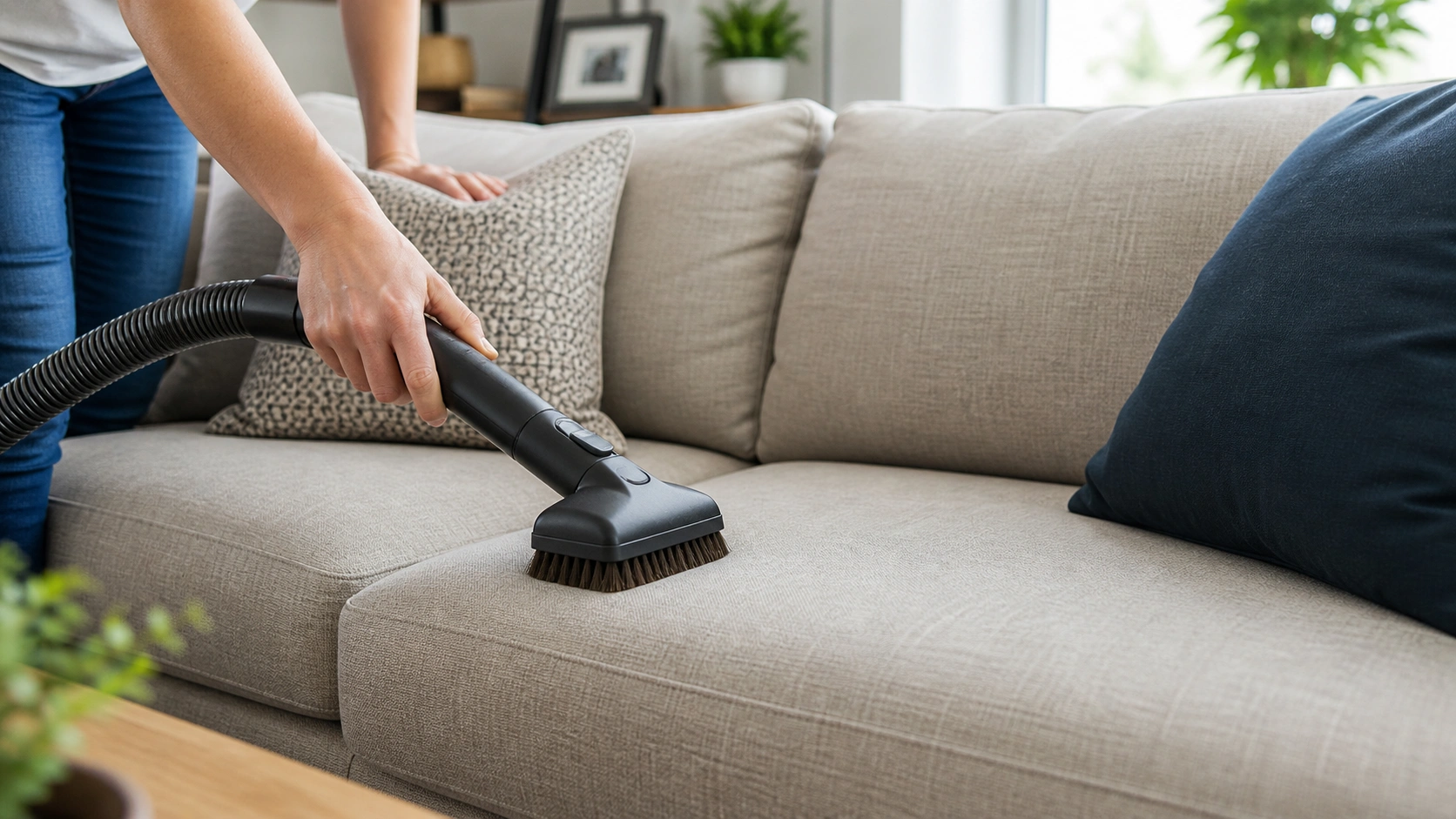
Don't forget the crevices. Use the crevice tool to reach deep between the cushions and along the frame where debris accumulates. If you have pets, a rubber glove or lint roller can help remove stubborn embedded hair before vacuuming. For households with pets, you might want to explore sofas designed specifically for pet owners that resist hair and odors.
Step 3: Treat Stains Immediately
The golden rule of upholstery care is to treat stains as quickly as possible. The longer a spill sits, the harder it is to remove. Always blot—never rub—a fresh spill with a clean, dry cloth to absorb as much liquid as possible before applying any cleaner. For a comprehensive breakdown of tackling tough spots, check out our dedicated guide on how to remove stains from sofas.
Always test any cleaning solution on a hidden area of the sofa (like the back or bottom hem) first. Wait for it to dry completely to ensure it doesn't cause discoloration or shrinkage before treating the visible stain.
Step 4: Deep Clean by Material Type
Once you've vacuumed and pre-treated stains, it's time for a deep clean. The method you choose must align with your sofa's material to avoid irreversible damage.
🛋️ Fabric Sofas
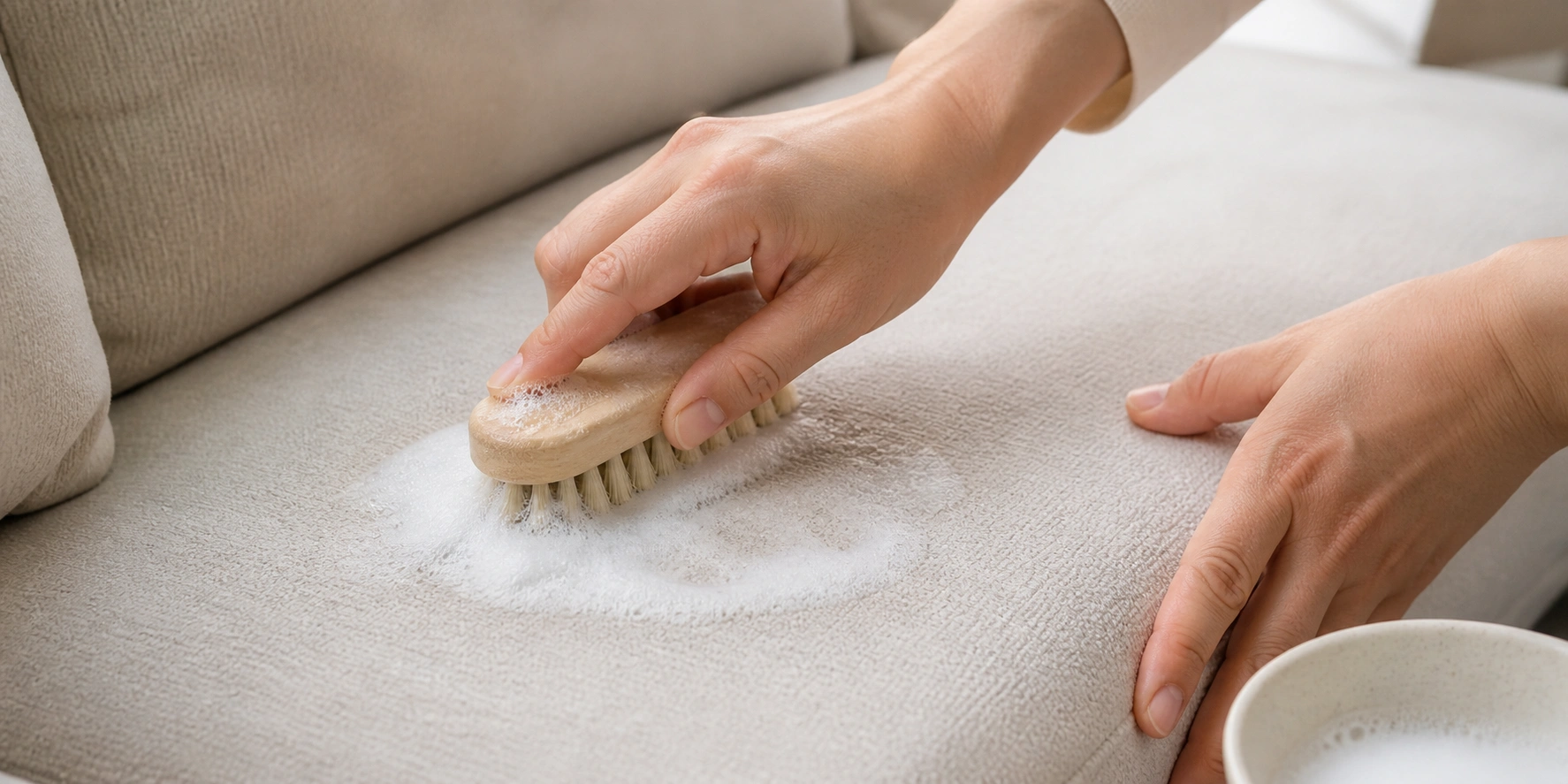
For code "W" or "WS" fabrics, mix a few drops of mild dish soap or upholstery detergent with warm water. Whisk the solution until it forms thick suds. Using a clean sponge or microfiber cloth, apply only the suds (not the water) to the fabric in circular motions. This prevents over-wetting the cushion filling.
Work section by section, and use a damp cloth to wipe away the soapy residue. Allow the sofa to air dry completely, preferably with a fan or open windows. For a more detailed, material-specific breakdown, read our guide on how to clean a fabric sofa. If your fabric is heavily worn, you might also consider investing in slipcovered sofas for easier future maintenance.
🐄 Leather Sofas

Leather requires special care—never use harsh chemicals, saddle soap, or excessive water, which can dry out and crack the hide. Wipe down the surface with a soft cloth dampened with a specialized leather cleaner or a 50/50 mix of white vinegar and water.
After cleaning, it is absolutely crucial to apply a high-quality leather conditioner to restore moisture and prevent cracking. This step should be done every 6 to 12 months. Learn the exact techniques in our comprehensive leather sofa cleaning guide and our leather conditioning tips. If you're unsure about the type of hide you own, understanding leather grades can help you determine its specific needs.
✨ Microfiber Sofas
Most microfiber has a code "S", meaning it requires a solvent-based cleaner. Denatured alcohol or a dedicated microfiber cleaning solution works best. Lightly mist the soiled area and gently scrub with a soft-bristled brush. The alcohol evaporates quickly, minimizing water rings.
Once dry, use a clean, dry white sponge or brush to fluff up the fibers, restoring the suede-like texture. For stubborn stains, a white eraser sponge can work wonders without soaking the material. Read our full tutorial on how to clean a microfiber sofa for more details.
👑 Velvet Sofas
Velvet is notoriously sensitive to water and pressure. Always clean velvet in the direction of the pile using a specialized velvet cleaner or a tiny amount of dish soap mixed with water. Use a microfiber cloth and minimal pressure—pressing too hard can crush the pile permanently.
Steam cleaning is highly effective for velvet but should be done with care. Always brush the velvet gently while it's drying to maintain its luxurious texture. For step-by-step instructions, visit our velvet sofa cleaning guide.
Step 5: Drying Your Sofa Properly
A common mistake is letting a sofa air dry without proper ventilation, which can lead to mold, mildew, and a musty odor. Speed up the drying process by keeping the room well-ventilated—open windows and use ceiling or floor fans. If it's a warm, dry day, natural airflow is excellent, but avoid placing the sofa in direct sunlight to prevent fading (learn more about UV protection for sofas).

If your cushions are removable, unzip them and stand them on their edges to dry. Placing clean, dry towels on the cushions can also help absorb excess moisture from the fabric and the cushion fill inside.
Daily Maintenance to Keep Your Sofa Clean
Deep cleaning doesn't have to be a frequent chore if you maintain your couch properly. A few simple habits can significantly extend the time between deep cleans and prolong the life of your upholstery.
Vacuum Weekly
Make vacuuming your sofa part of your weekly routine. This removes dust and dirt before they settle deep into the fibers, preventing that dingy look over time.
Rotate and Fluff Cushions
Rotate and flip your cushions every week to ensure even wear. This prevents permanent indentations and extends the life of the cushions. Fluffing them helps maintain their shape.
Use Protective Accessories
Consider using throws and pillows to protect high-traffic areas. If you have pets or kids, pet-proof sofa covers or a washable sofa design can be a lifesaver.
Address Odors Promptly
Sprinkle baking soda on the upholstery, let it sit for 15-20 minutes, and then vacuum it up. This naturally absorbs odors without leaving a chemical residue. For more severe issues, visit our sofa odor troubleshooting guide.
If your sofa has an "X" cleaning code, is heavily soiled, or has tough oil-based stains that DIY methods can't lift, it's time to call professional upholstery cleaners. They have the commercial-grade extraction equipment to deep clean without over-wetting the fabric. For more help, feel free to contact our support team.