
The Complete Guide to Buying a Microfiber Couch
Discover why microfiber is one of the most practical sofa fabrics available — exceptional durability, built-in stain resistance, and affordable comfort for busy households.
See Top RecommendationsWhat Is Microfiber Fabric?
Microfiber is a synthetic fabric made from ultra-fine polyester fibers — each strand is thinner than a human hair. When woven or bonded together, these fibers create a densely packed surface that is remarkably soft to the touch yet extremely resistant to wear, staining, and moisture. It is one of the most widely used upholstery fabrics in the furniture industry, and for good reason.
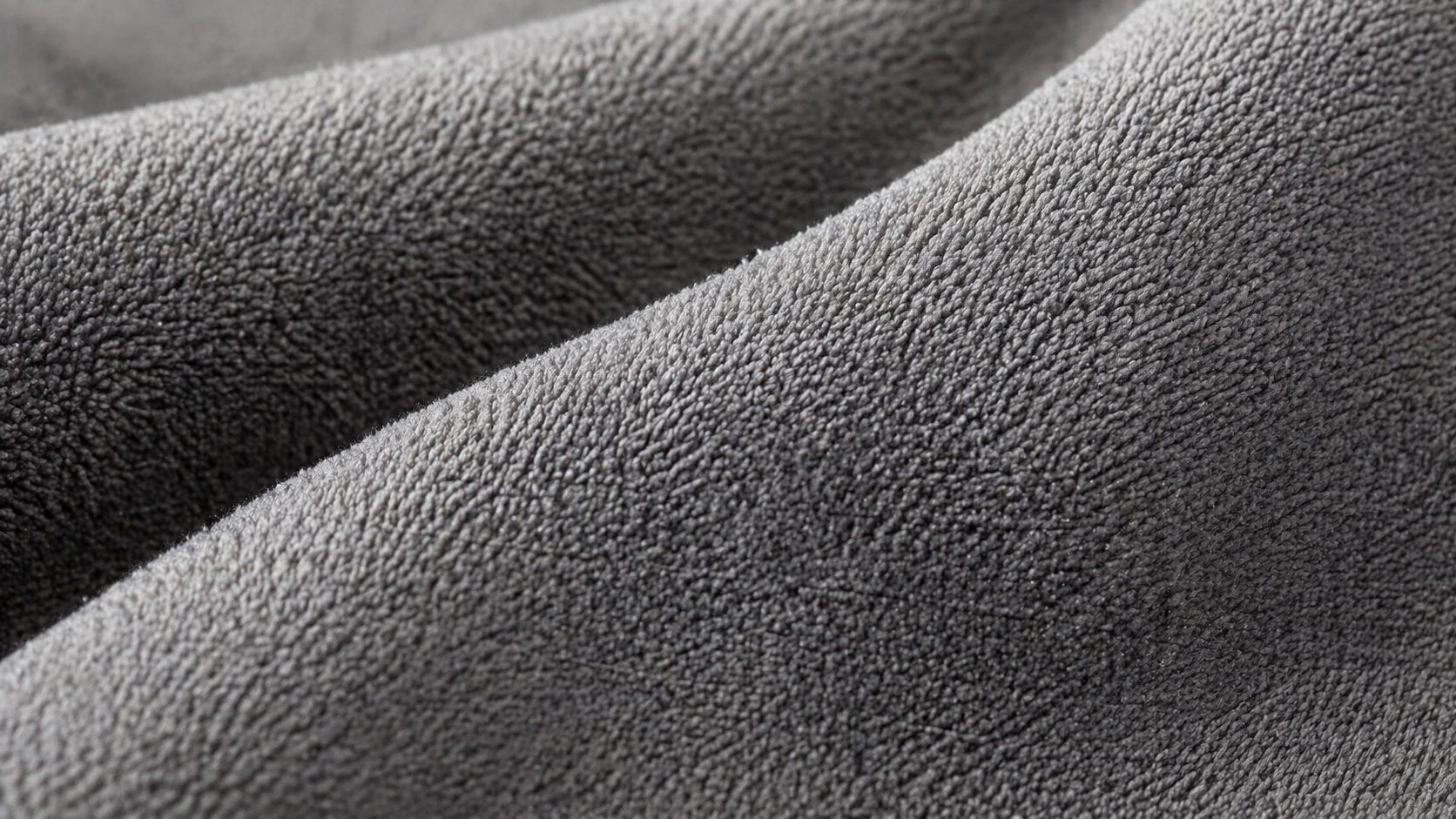
Microfiber fabric under magnification — the ultra-fine polyester fibers create a dense, uniform surface
The term "microfiber" is sometimes used interchangeably with "microsuede," but they are not identical. Microsuede is a specific type of microfiber that mimics the look and feel of genuine suede leather, while standard microfiber can have a smoother or slightly textured finish. Both share the same core benefits: softness, durability, and stain resistance. When exploring sofa materials, microfiber consistently ranks as one of the most practical choices for everyday use.
Key Fact: Microfiber fabrics used in quality upholstery typically have a Martindale rub count of 50,000 to 100,000+ cycles, which places them well above the threshold for heavy-duty residential use (15,000-30,000 cycles). This makes microfiber one of the most durable sofa fabrics available at any price point.
Why Choose a Microfiber Couch?
Microfiber's popularity isn't just marketing hype — it solves several real-world problems that other fabrics struggle with. Here are the core reasons buyers consistently choose microfiber over alternatives like cotton, linen, velvet, or even leather.
Stain Resistance
The tight fiber weave repels liquid and resists absorption. Most spills can be blotted away before they set, making it ideal for homes with children.
Exceptional Durability
Polyester microfiber resists pilling, fading, and wear far better than natural fibers. Quality microfiber sofas easily last 8-12 years with proper care.
Pet-Friendly Surface
The dense weave resists claw snags better than loose-weave fabrics. Pet hair doesn't embed deeply and can be removed with a damp cloth or lint roller.
Soft & Comfortable
Despite being synthetic, microfiber feels remarkably smooth and soft against skin — comparable to suede at a fraction of the cost.
Affordable Pricing
Microfiber sofas typically cost 30-50% less than equivalent leather or high-end fabric sofas, making them accessible for most budgets.
Color Consistency
Synthetic dyes bond permanently with polyester fibers, so microfiber resists fading from sunlight and cleaning far better than natural fabrics.
For households with pets or young children, microfiber is frequently recommended as the best all-around fabric choice. It combines the stain resistance that parents need with the softness that makes a sofa actually enjoyable to sit on. Our dedicated guide to the best sofas for pet owners consistently ranks microfiber at or near the top for practical reasons.
Types of Microfiber Upholstery
Not all microfiber is created equal. Understanding the different varieties helps you select the right texture and performance level for your lifestyle.
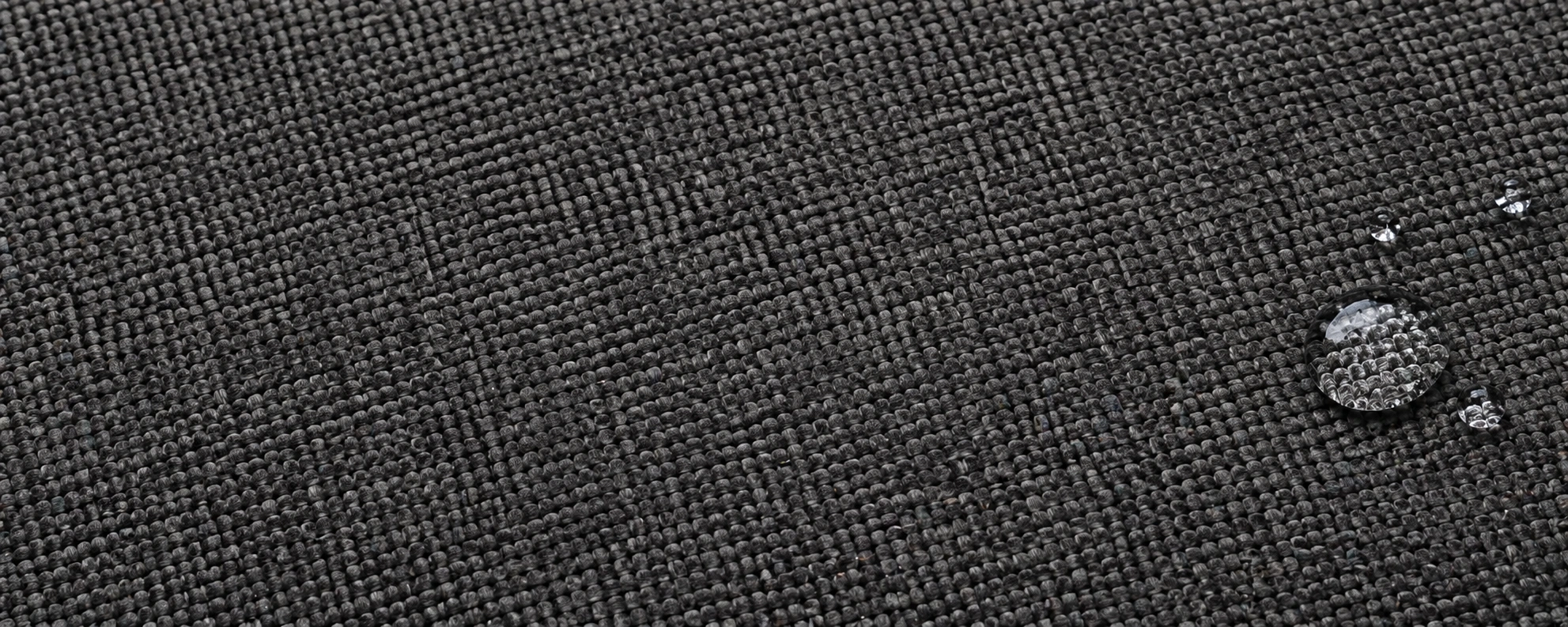
Woven Microfiber
Has a visible thread pattern similar to traditional woven fabrics. Excellent durability and water resistance. Best for high-traffic areas and homes with pets. Slightly less soft than non-woven varieties.
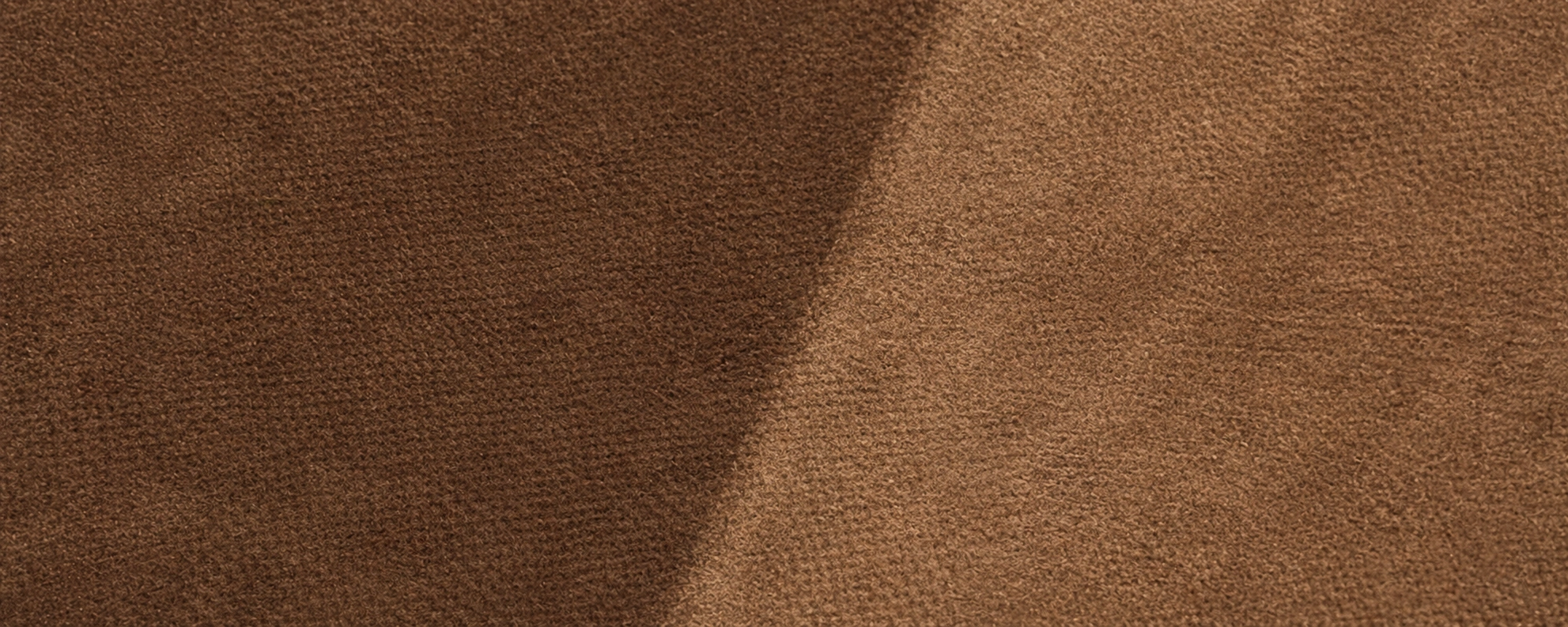
Microsuede (Non-Woven)
Mimics genuine suede with a soft, brushed nap. Extremely soft and luxurious feel. More prone to showing rub marks and water rings than woven types. Best for adult-oriented living spaces.
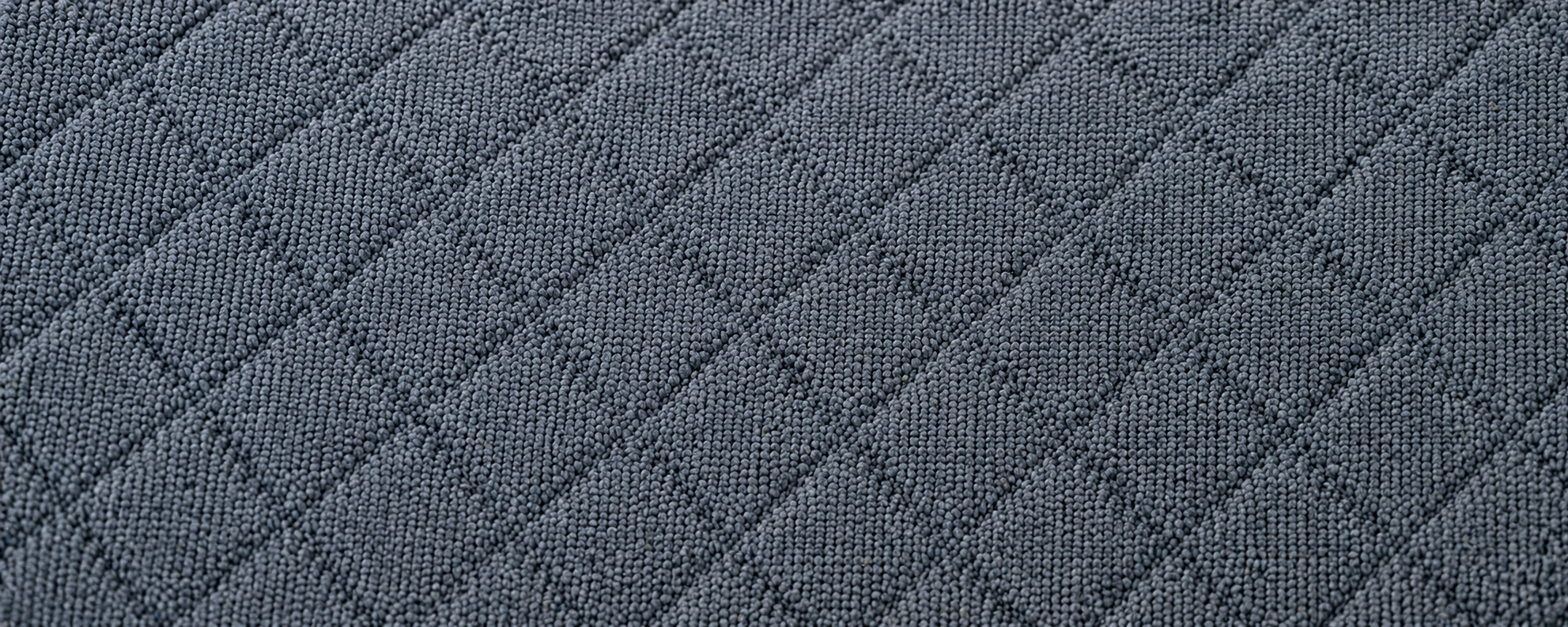
Textured Microfiber
Features patterns or embossed textures woven into the fabric. Combines the practicality of microfiber with added visual interest. Hides minor wear and pet hair better than smooth varieties.
When choosing between these types, consider your priorities. If family durability is your main concern, woven microfiber offers the best resistance to claws, stains, and heavy use. If you prioritize a luxurious, upscale feel for a primary living room, microsuede delivers a premium look at a budget-friendly price.
Honest Pros and Cons of Microfiber Couches
No fabric is perfect. Before committing to a microfiber couch, weigh these real-world advantages against the genuine limitations.
✅ Advantages
- Outstanding stain and spill resistance
- Very durable — handles daily wear exceptionally well
- Soft, comfortable feel comparable to suede
- Resists pet claw damage better than most fabrics
- Easy to clean with simple household products
- Affordable — great value per dollar of durability
- Wide color range available in neutral tones and bold colors
- Doesn't attract dust mites as much as natural fibers
❌ Drawbacks
- Shows water marks and rub marks on non-woven varieties
- Can attract and hold pet hair statically
- Not as breathable as cotton or linen — may feel warm in summer
- Limited premium aesthetic compared to leather or velvet
- Some microfiber feels less "luxurious" in person than photos suggest
- Difficult to repair if torn (patches are visible)
- Static buildup in dry climates can be annoying
Nap Sensitivity Warning: Non-woven microfiber (microsuede) has a directional nap. Rubbing it in different directions creates visible light-dark variations that look like permanent stains or wear. This is one of the most common complaints from new microfiber owners. Always clean in one consistent direction, and use a soft-bristle brush to restore uniform nap appearance after cleaning.
Microfiber vs. Other Popular Sofa Fabrics
Understanding how microfiber stacks up against alternatives helps you determine if it's truly the right fit. The table below covers the factors that matter most in daily use.
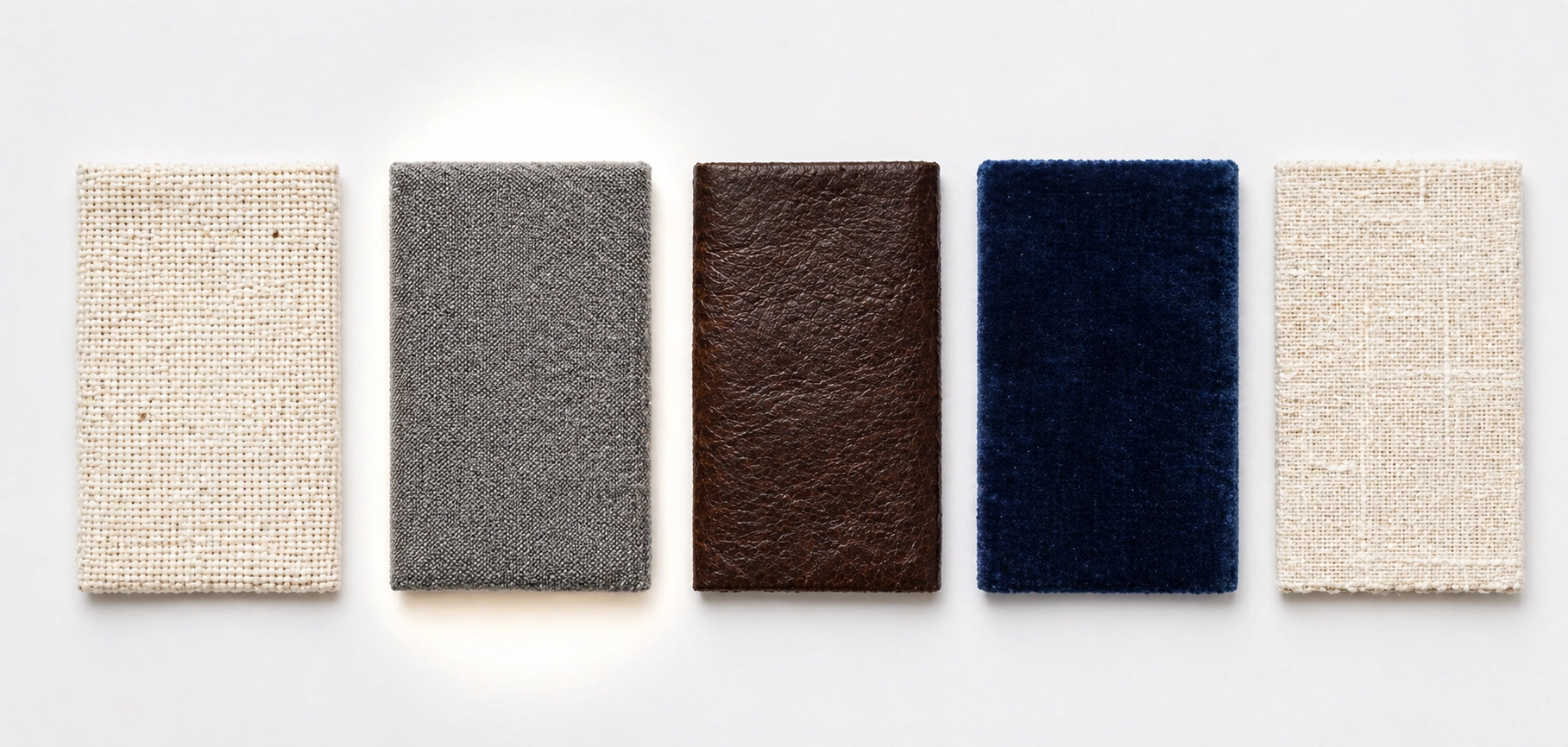
Comparing microfiber (center) to cotton, linen, velvet, and leather — each excels in different areas
| Factor | Microfiber | Leather | Velvet | Cotton |
|---|---|---|---|---|
| Stain Resistance | Excellent | Very Good | Poor | Poor to Fair |
| Durability | Excellent | Excellent | Fair | Fair to Good |
| Pet Friendliness | Very Good | Good (scratches show) | Poor (claws snag) | Poor (hair embeds) |
| Cleaning Ease | Easy (alcohol/water) | Very Easy (wipe) | Difficult | Moderate |
| Breathability | Poor (holds heat) | Good | Good | Excellent |
| Premium Look | Moderate | Excellent | Excellent | Good |
| Price (3-seater) | $300-$1,200 | $800-$3,500+ | $500-$2,000 | $400-$1,500 |
Microfiber wins decisively on stain resistance, cleaning ease, and value for money. Where it falls short is in premium aesthetics and breathability. If you're deciding between microfiber and leather, our leather vs fabric comparison breaks down the trade-offs in greater detail. For most practical-minded buyers — especially those with pets or kids — microfiber offers the best overall balance.
Who Should (and Shouldn't) Buy a Microfiber Couch
🌟 Ideal For
- Families with young children who spill food and drinks regularly
- Pet owners dealing with fur, claws, and occasional accidents
- Budget-conscious buyers wanting maximum durability per dollar
- Anyone who hates complicated upholstery cleaning routines
- Family rooms, playrooms, and basements where practicality matters most
- First-time apartment dwellers wanting a reliable starter sofa
- People in humid climates where mold-resistant synthetic fabric is beneficial
🚫 Consider Alternatives
- Those wanting a luxury, high-end aesthetic for a formal living room
- People in very hot, dry climates who prioritize breathable fabrics
- Buyers who find the synthetic "feel" unappealing compared to natural fibers
- Homes where the couch serves as a design statement piece
- Anyone sensitive to static electricity buildup
- Those who prefer easy repair options (leather can be reconditioned; microfiber cannot)
If your priority is a living room sofa that handles daily life without constant worry, microfiber is an outstanding choice. It's particularly well-suited as a small apartment sofa where one couch serves as your primary seating — it needs to handle everything from meals to movie nights to cat naps without showing the wear.
How to Clean a Microfiber Couch Properly
One of microfiber's biggest advantages is how simple it is to clean. You don't need expensive professional products or specialized equipment. Here's the complete cleaning method that works for virtually all microfiber upholstery. For an even more detailed walkthrough, see our dedicated microfiber cleaning guide.
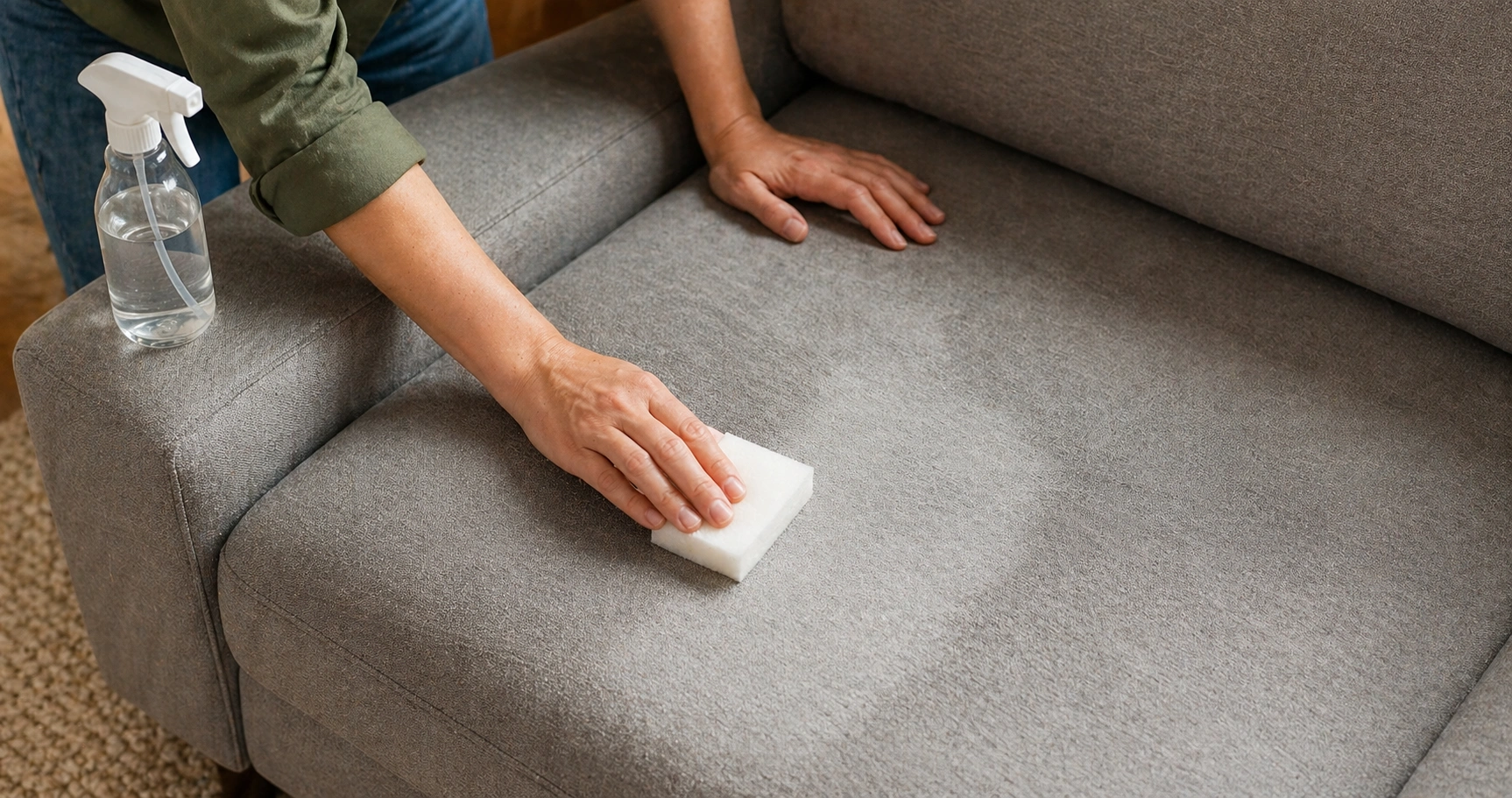
The correct technique: white sponge with rubbing alcohol, working in one consistent direction
Vacuum First
Remove loose dirt, crumbs, and pet hair with an upholstery brush attachment. Do this weekly to prevent debris from embedding in the fibers.
Identify Stain Type
Water-based stains (juice, coffee, food) use rubbing alcohol. Oil-based stains (grease, makeup) use a drop of dish soap in warm water.
Blot in One Direction
Dampen a white sponge with rubbing alcohol. Blot and rub gently in one direction only — never back and forth. This prevents visible rub marks in the nap.
Brush & Dry
Once clean, use a soft-bristle brush to restore the nap direction. Let air dry completely. Avoid heat — let it dry naturally to prevent fiber damage.
Pro Tip: Always use a white sponge or cloth when cleaning microfiber. Colored sponges can transfer dye onto the fabric, especially when using rubbing alcohol as a solvent. Keep a dedicated white sponge and spray bottle of rubbing alcohol in your cleaning cabinet for quick access to spills.
For stubborn or persistent stains that don't respond to the alcohol method, a water-based upholstery cleaner formulated for synthetic fabrics can be used as a second step. Avoid bleach, acetone, or harsh solvents — they can dissolve the polyester fibers. Applying a fabric protectant spray after cleaning adds an extra layer of defense against future spills.
Important: Always check the manufacturer's cleaning code on the sofa's tag before attempting any cleaning method. Code "W" means water-based cleaners only. Code "S" means solvent-based only (rubbing alcohol counts as a solvent). Code "WS" means either is acceptable. Code "X" means professional cleaning only — never attempt DIY cleaning on "X" coded fabric.
How Much Does a Microfiber Couch Cost?
Microfiber is one of the most affordable upholstery options, which is a major part of its appeal. However, price still varies significantly based on frame quality, cushion construction, and brand reputation. Understanding these tiers helps you avoid overpaying — or mistakenly buying a couch that looks cheap because it is cheap in ways that matter.
Budget Tier
Basic microfiber over low-density foam on plywood frames. Adequate for light use or temporary furnishing. Expect cushion softening within 1-2 years. Common in big-box stores and online marketplaces.
Mid-Range Tier
Better microfiber weight and weave, high-resilience foam cushions, hardwood or quality plywood frame with proper joinery. The best value zone — durable enough for families, comfortable enough for daily use. Check out our best budget sofas list for specific picks.
Premium Tier
Heavyweight microfiber with premium finish, down-wrapped cushions, kiln-dried hardwood frame, eight-way hand-tied springs. Rare in microfiber but available from select brands. Offers the best of both worlds — practicality and premium comfort.
For most buyers, the $500-$1,200 range delivers the best experience. Below $500, you're often paying for the fabric advantage while sacrificing frame and cushion quality. Above $1,200, you start reaching price points where leather or performance fabric options become competitive alternatives. Our sofa price breakdown explains exactly what you're paying for at each level.
Microfiber Couch Buying Checklist
Use this checklist when evaluating any microfiber couch. It focuses on the factors that matter most for this specific fabric type. For a comprehensive sofa-buying framework, see our how to choose a sofa guide.
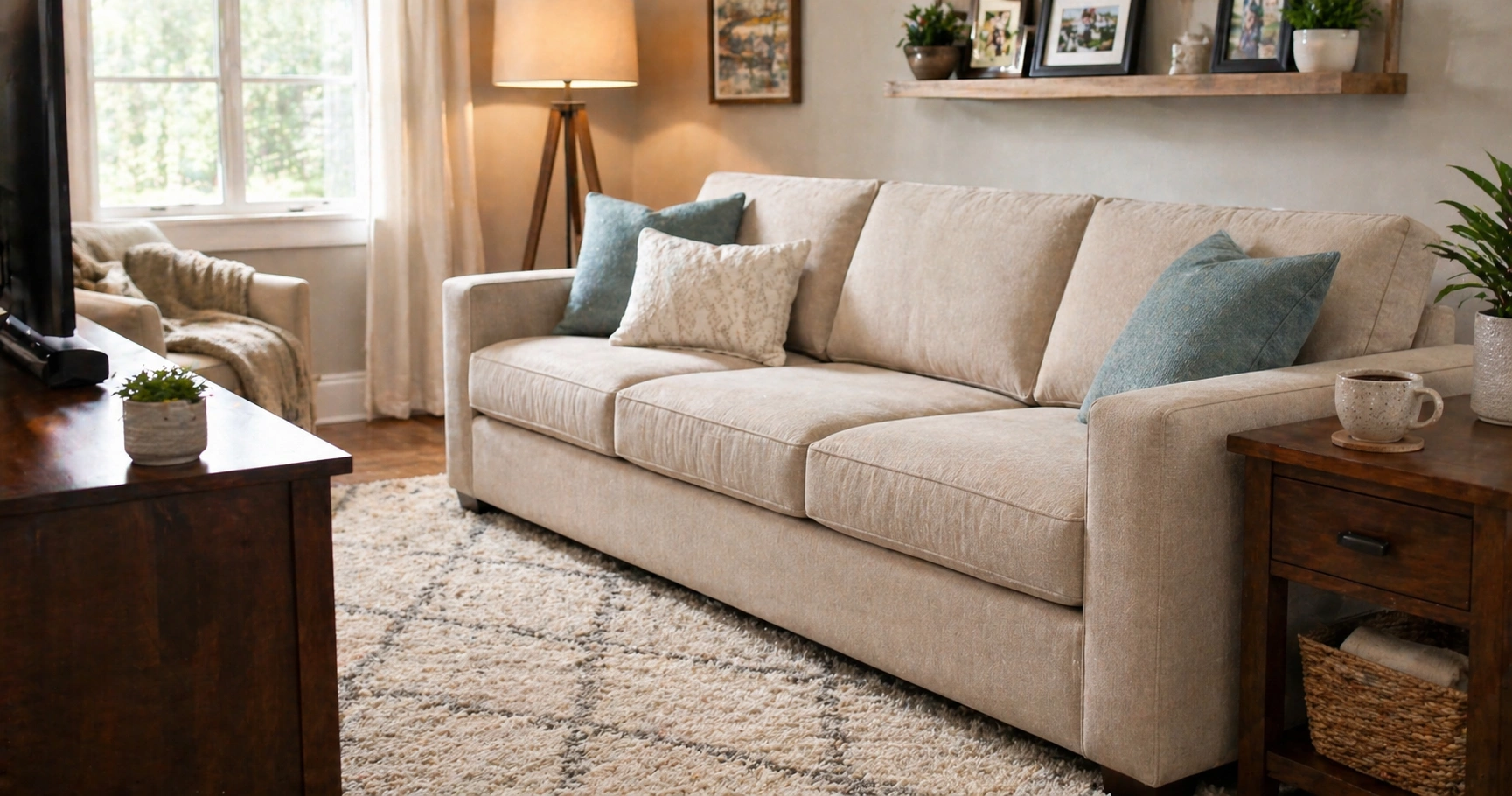
A well-chosen microfiber couch seamlessly fits into a family-oriented living space
☑ Pre-Purchase Evaluation Steps
- Check the fabric weight — Heavier microfiber (measured in GSM — grams per square meter) is more durable and resists wear better. Aim for 250+ GSM for a quality couch. Lighter weights feel thin and show wear faster.
- Determine woven vs. non-woven — Woven microfiber is better for pets and heavy use. Non-woven (microsuede) is softer but shows nap disturbance and water marks. Choose based on your household's needs.
- Verify the cleaning code — Look for a tag with "W," "S," or "WS." Avoid "X" coded microfiber unless you're committed to professional-only cleaning. "WS" gives you the most flexibility.
- Inspect the frame construction — Don't let the affordable fabric trick you into accepting a weak frame. Look for kiln-dried hardwood, dowel + corner block joinery, and at least a 5-year frame warranty. Our frame materials guide explains what to look for.
- Evaluate cushion fill quality — Microfiber holds up well, but cheap cushions underneath will still sag. Verify the cushion fill type — high-resilience foam (1.8+ density) is the minimum for long-term comfort.
- Test the color in your lighting — Microfiber can appear slightly different under warm vs. cool lighting. Order a fabric swatch if possible, or view the couch in person before committing.
- Ask about the Martindale rating — While not always listed for microfiber, a reputable seller should be able to provide this durability rating. Accept nothing below 50,000 cycles for residential use.
- Check for removable cushion covers — Zippered, removable covers make deep cleaning much easier and allow you to spot-treat the underside if a stain penetrates. This feature is essential for pet households.
- Sit on it for at least 10 minutes — Test comfort thoroughly. Microfiber can feel different from other fabrics — some people find it slightly warm or "clingy" against bare skin, especially in summer.
- Review the return policy — Microfiber's true character (nap behavior, warmth, static) may not be apparent from photos alone. Ensure you have at least 14-30 days to evaluate it in your home. Read our tips on checking sofa quality upon delivery.
Common Microfiber Couch Buying Mistakes
Based on thousands of buyer reviews and complaints, these are the most frequent — and avoidable — mistakes people make when purchasing a microfiber couch.
Assuming all microfiber is equally stain-proof
Non-woven microsuede can show water rings and rub marks even without actual stains. Buyers expecting zero-maintenance perfection are often disappointed.
Ignoring frame quality because the fabric is cheap
A great fabric on a terrible frame still equals a bad couch. Sagging seats and wobbly legs will fail you long before the microfiber wears out.
Cleaning with the wrong products
Using water on solvent-only ("S" coded) microfiber causes permanent water stains. Using bleach or harsh chemicals can dissolve the fibers entirely.
Not testing for static and warmth
Microfiber can feel warm and produce static in dry climates. Buyers in desert regions sometimes regret not choosing a more breathable natural fabric.
Choosing light colors for high-traffic areas
While microfiber resists stains, light beige and cream still show dirt accumulation over time. Medium tones (tan, taupe, slate gray) hide daily soiling much better.
Skipping fabric protection treatment
Even though microfiber is inherently stain-resistant, an additional fabric protectant spray adds a measurable extra layer of defense — especially against oil-based stains.
Long-Term Maintenance Tips for Microfiber Couches
Microfiber requires less maintenance than most fabrics, but a consistent care routine maximizes its lifespan and keeps it looking new for years. These tips go beyond basic cleaning.
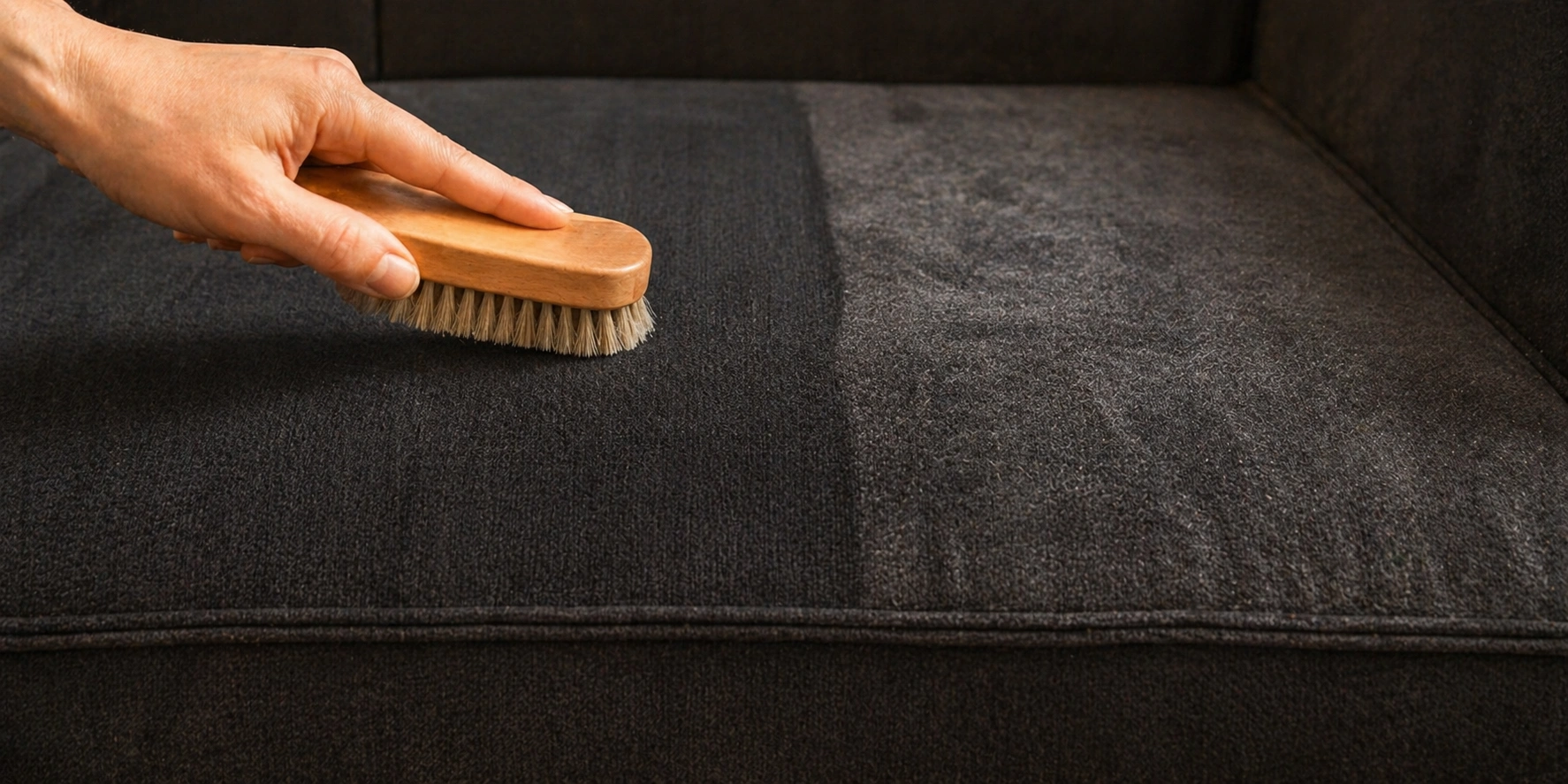
Regular brushing with a soft-bristle brush restores the uniform nap appearance of microfiber
Weekly: Vacuum with an upholstery brush attachment to remove surface dust, pet hair, and crumbs. Microfiber's static charge can attract fine particles, so vacuuming is more important than with non-synthetic fabrics. For stubborn pet hair, a damp rubber glove or lint roller works better than vacuuming alone.
Monthly: Brush all surfaces with a soft-bristle brush in one consistent direction. This evens out any nap disturbance from daily use and keeps the fabric looking uniform. If you have pet-proof sofa covers, remove and wash them on a monthly schedule as well.
Quarterly: Treat the entire couch with a fabric protectant spray. This refreshes the stain resistance that gradually diminishes with cleaning and use. Spot-clean any marks or minor stains using the alcohol method described above.
If you notice cushions starting to feel less supportive over time, this is likely a cushion sagging issue rather than a fabric problem. Microfiber itself rarely degrades — it's the foam inside that compresses. Access the cushion fill through zippered covers and add replacement fill if needed.
Static Control: If static buildup is a problem (common in dry winter months), lightly mist the couch with a mixture of water and a single drop of fabric softener. Test on an inconspicuous area first — some microfiber types respond differently to fabric softener. Alternatively, a humidifier in the room often eliminates static without touching the fabric at all.
Frequently Asked Questions
Final Thoughts: Is a Microfiber Couch Right for You?
A microfiber couch is the most pragmatic furniture decision most households can make. It doesn't have the luxury cachet of leather or the Instagram appeal of velvet, but it excels where it matters most in daily life: surviving spills, resisting pet damage, cleaning up easily, and doing all of this at a price that doesn't require financing.
The buyers who love their microfiber couches are the ones who chose it for the right reasons — they have kids, pets, or a lifestyle that demands practicality. The buyers who regret it are usually those who expected it to look and feel like a premium fabric while costing half the price. Microfiber is honest, hardworking fabric, not a luxury impostor.
If you've read through this guide and microfiber's strengths align with your needs, the options below represent some of the best values available. Each selection accounts for fabric quality, frame construction, cushion comfort, and real-world buyer feedback to ensure you get a couch that performs as well as it promises.
Before You Buy: Order a fabric swatch from the retailer if possible. Microfiber's true texture, color accuracy, and how it feels against your skin can only be evaluated in person. This 5-minute step prevents the most common source of microfiber buyer regret — expectations that don't match reality.


