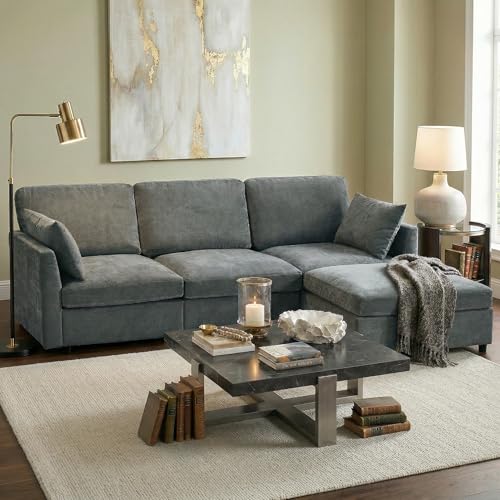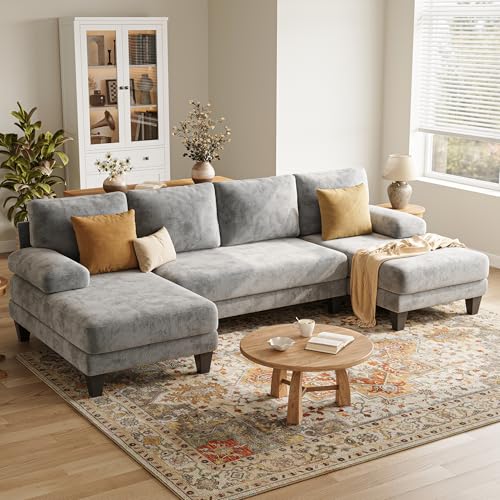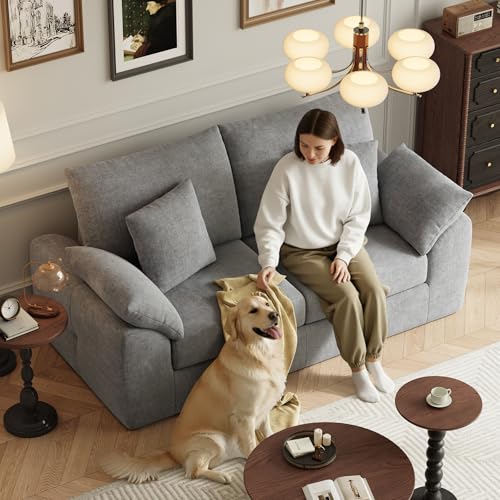
Grey Couches: The Complete Guide to Choosing, Styling & Living with Grey
From light dove to deep charcoal — discover which shade, material, and style of grey couch fits your home, lifestyle, and budget perfectly.
View Top RecommendationsWhy grey couches dominate living rooms worldwide: Grey has become the most sought-after neutral in furniture for a simple reason — it offers the elegance of darker tones without the heaviness, and the brightness of lighter shades without the maintenance anxiety. Whether you are furnishing your first apartment or upgrading a family home, a grey couch provides a sophisticated foundation that adapts to your evolving taste through accessories rather than requiring replacement.
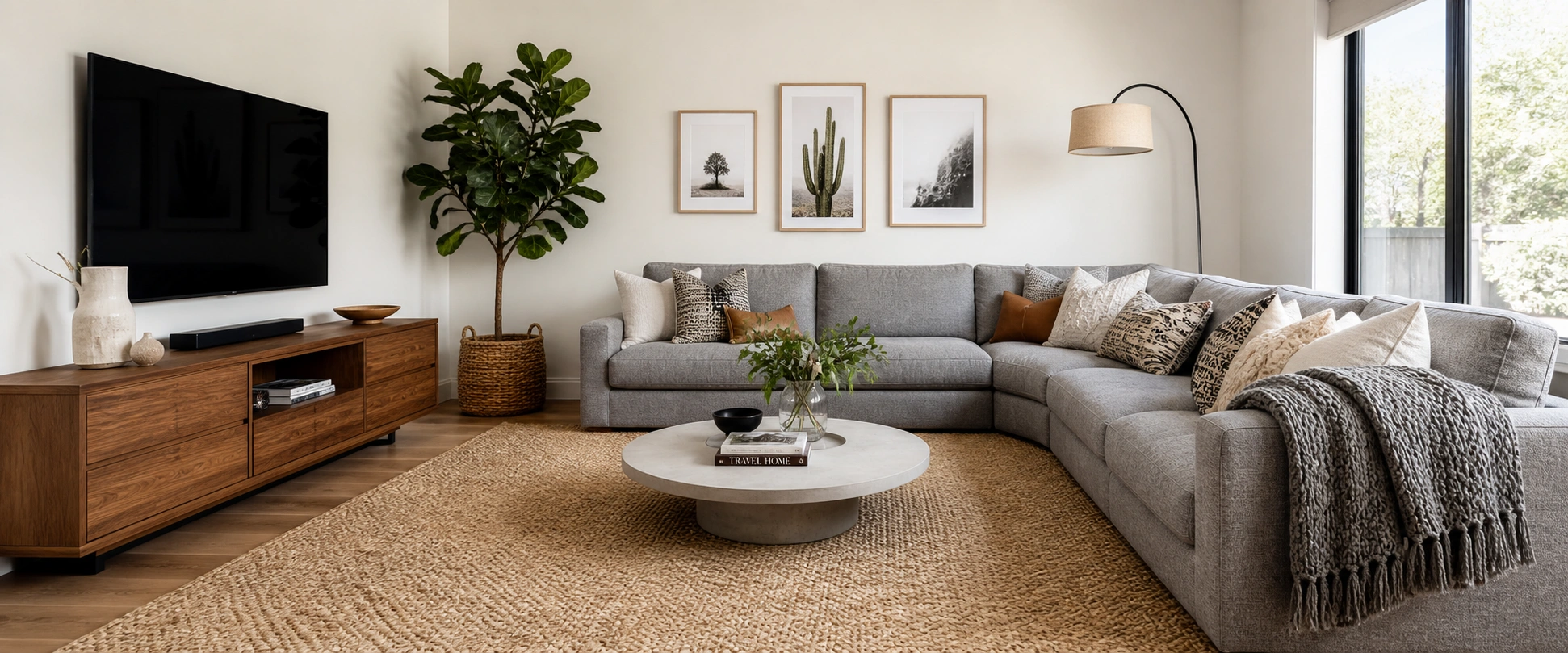
Why Choose a Grey Couch?
Grey sits at the intersection of practically every design consideration. Unlike beige, which can feel dated, or white, which demands constant upkeep, grey strikes a balance that works across decades of trends. Here is a closer look at what makes it such a smart investment for primary living rooms and beyond.
Timeless adaptability. Grey serves as a chameleon in interior design. It anchors a modern minimalist space just as effectively as it complements a warm, traditional room. When you want to refresh your decor years later, you do not need a new sofa — simply swap throw pillows, a rug, or wall art, and your grey couch feels entirely new.
Practical for real life. Medium and dark grey shades are remarkably forgiving. Crumbs from movie nights, pet hair, and minor scuffs blend in far better than they would on cream or white upholstery. For households with children or pets, this translates directly into less stress and lower maintenance effort compared to white couches.
Resale and longevity. Because grey is universally appealing, grey couches tend to retain their aesthetic relevance longer than trend-specific colors. Whether you are comparing secondhand value or simply want furniture that ages gracefully, grey consistently outperforms bolder choices. For a deeper look at how color affects long-term satisfaction, read our complete sofa selection guide.
Understanding the Shades of Grey
Not all grey couches are created equal. The shade you choose fundamentally changes the mood of your room, the practical maintenance level, and the colors that pair well with it. Below is a detailed breakdown of the four main grey categories.
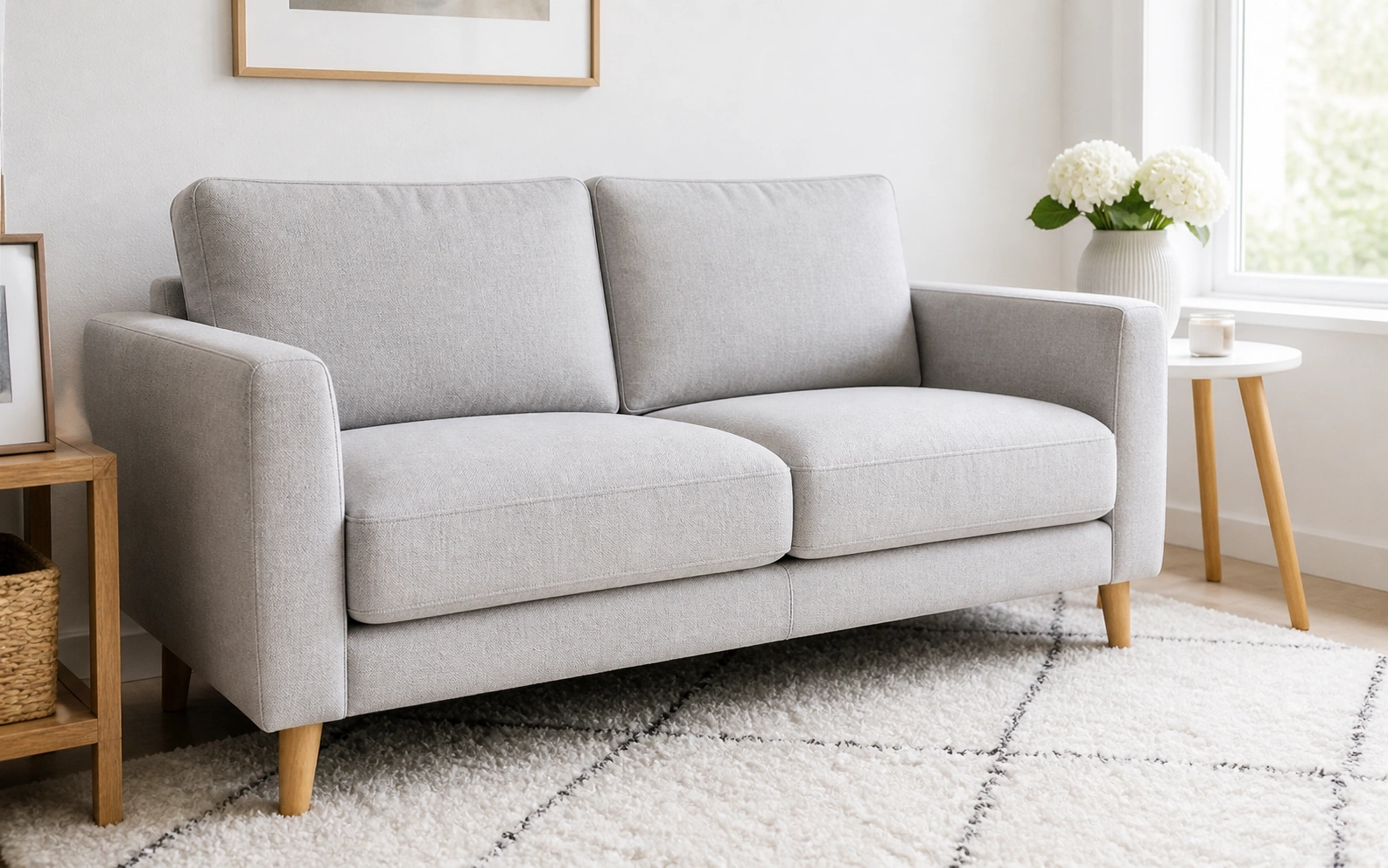
Light Grey (Dove & Mist)
Opens up small spaces beautifully. Best for rooms with limited natural light. Pairs with white walls, pastels, and light wood. Shows stains more readily — ideal for adult-only households or formal living areas.
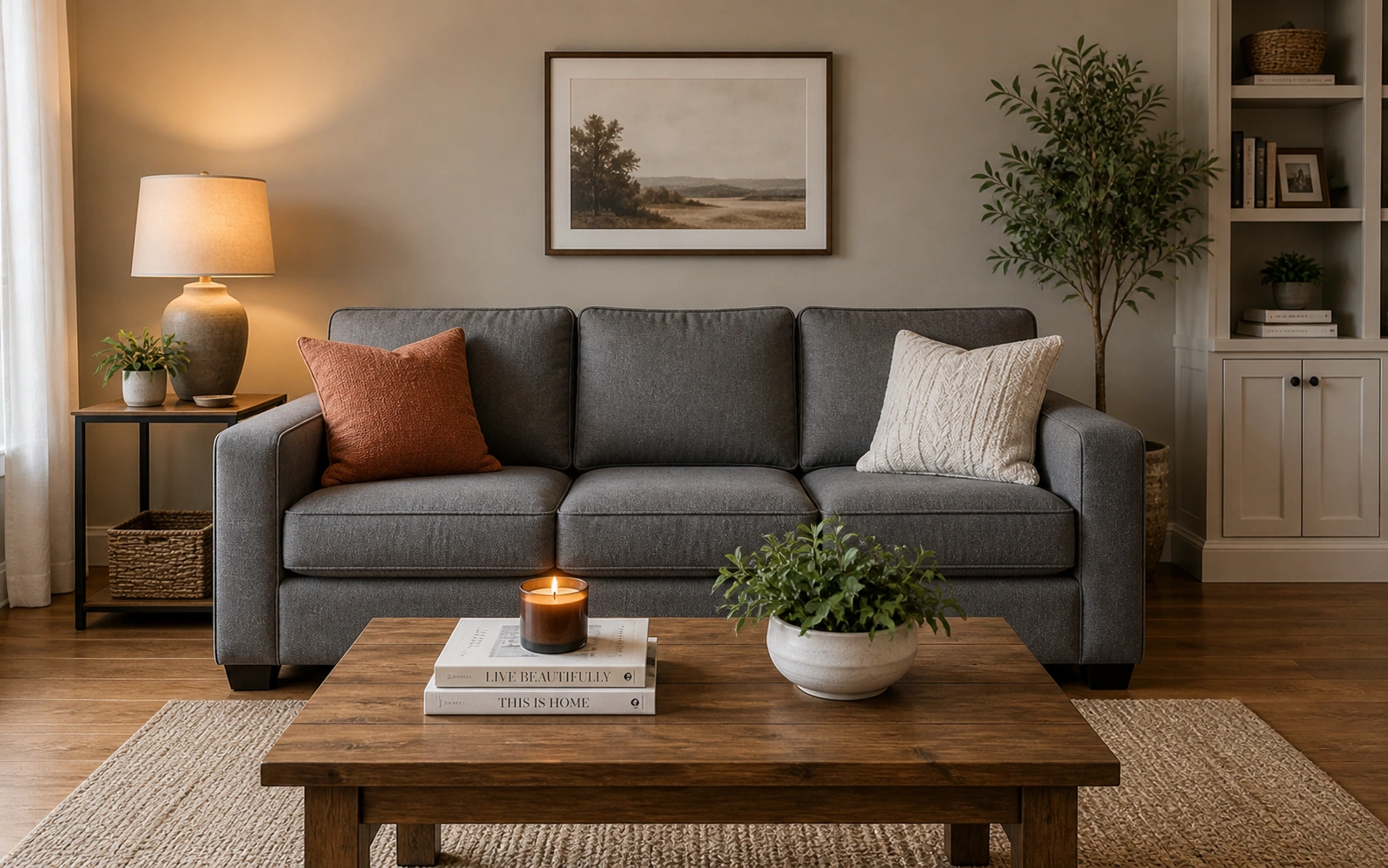
Medium Grey (Slate & Pewter)
The most versatile shade. Balances light and dark effortlessly. Works in family rooms because it hides moderate wear. Complements both warm and cool accent colors equally well.
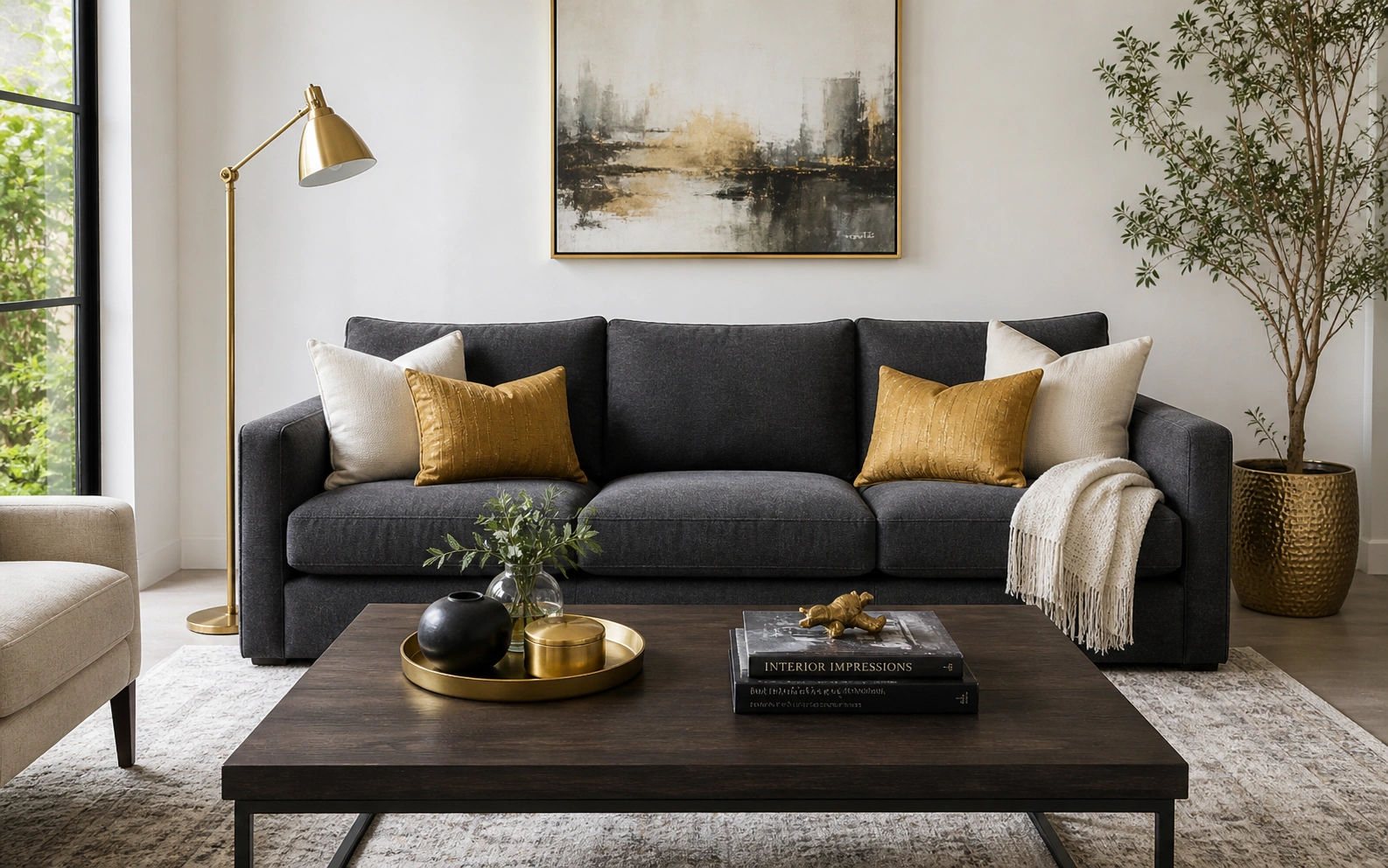
Dark Grey (Charcoal & Graphite)
Creates dramatic, high-contrast interiors. Excellent stain camouflage. Works best in well-lit rooms or with lighter walls to prevent a cave-like feeling. Pairs with brass, gold, and bold accent colors.
Always view grey fabric swatches in your actual room lighting before purchasing. Grey is particularly sensitive to light conditions — a shade that looks perfect in a showroom under warm LED lighting can appear completely different in your home with natural daylight or cool-toned bulbs.
Warm Grey vs. Cool Grey: What Is the Difference?
Beyond lightness and darkness, grey carries an underlying color temperature that dramatically affects how it feels in a room.
Warm Grey
Subtle brown or beige undertone. Feels inviting and cozy. Pairs with wood tones, terracotta, cream, and warm metals like brass.
Cool Grey
Blue or green undertone. Feels crisp and contemporary. Pairs with white, navy, silver, and cool-toned woods like ash or maple.
True Grey
No discernible undertone. The most neutral option. Works with virtually any color palette but can feel flat without layered textures.
Understanding this distinction helps you avoid a common mistake: bringing home a cool-grey sofa that clashes with your warm oak floors, or a warm-grey piece that looks muddy against your blue-painted walls. When in doubt, our living room layout guide covers how to harmonize furniture tones with existing room elements.
Best Materials for Grey Couches
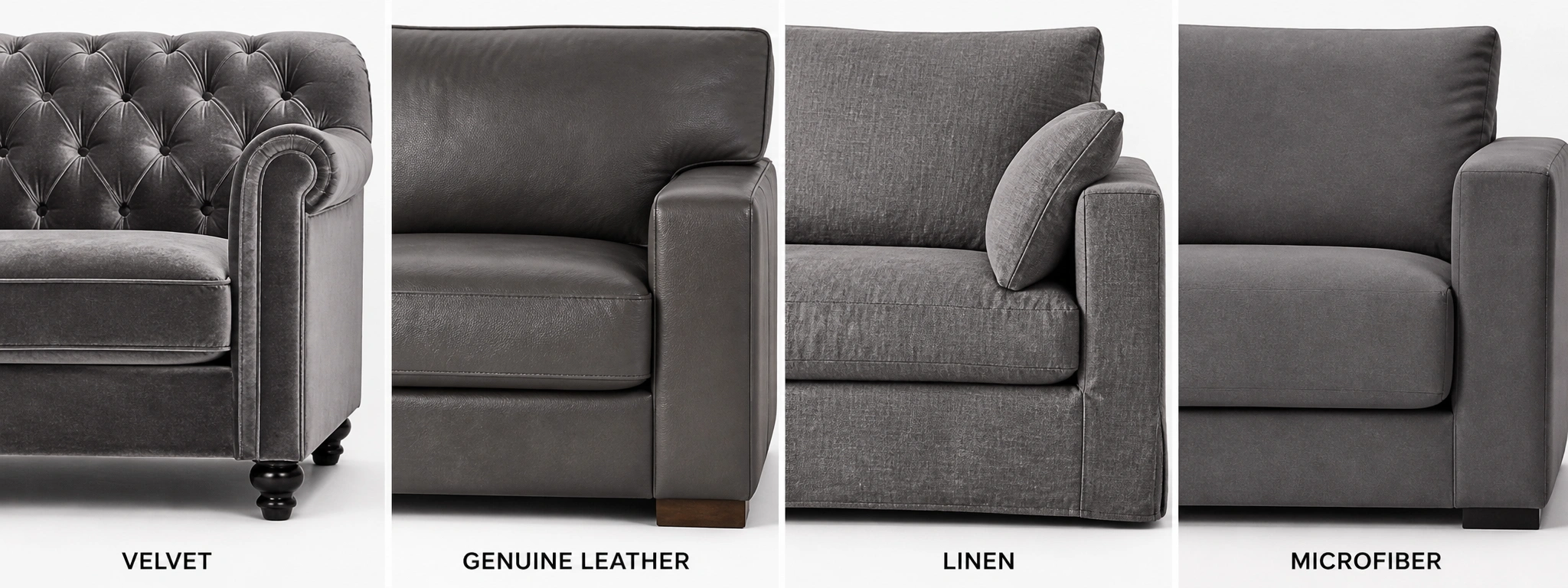
The material you choose affects not only how the grey color appears but also durability, comfort, and maintenance requirements. Grey looks different on every fabric — the same "charcoal" shade will appear richer on velvet, more matte on linen, and more uniform on microfiber. Here is how the top materials perform in grey.
| Material | Grey Appearance | Durability | Maintenance | Best For |
|---|---|---|---|---|
| Polyester / Performance Fabric | Even, consistent color. Resists fading so grey stays true over time. | High — passes Martindale tests easily | Low — stain-resistant, easy spot cleaning | Families with kids, pet owners |
| Velvet | Rich, deep grey with light-shifting sheen. Looks luxurious. | Moderate — can show crushing marks | Moderate — requires gentle velvet cleaning | Formal rooms, luxury settings |
| Genuine Leather | Develops rich patina. Charcoal grey looks especially sophisticated. | Very High — lasts 15+ years with proper conditioning | Low — wipe clean, needs periodic conditioning | Professional spaces, office sofas |
| Faux Leather | Uniform grey, no patina development. Can peel over time. | Moderate — 5-8 year lifespan typically | Low — easy wiping | Budget buyers, affordable options |
| Linen | Soft, slightly textured grey with natural organic feel. | Moderate — prone to wrinkling and wear | High — wrinkles easily, stains set quickly | Casual, relaxed spaces |
| Microfiber | Soft matte grey, very uniform. Can attract pet hair with static. | High — tightly woven fibers resist wear | Low — alcohol-based cleaning works well | Budget-friendly family seating |
| Corduroy | Textured grey with visible ridges. Adds visual depth and warmth. | Moderate to High — durable weave | Moderate — ridges can trap debris | Retro, cozy, statement pieces |
Grey shows dust and pet hair more visibly than brown or patterned fabrics. If you have pets, prioritize tight-weave performance fabrics or pet-friendly sofa materials over textured options like corduroy or chenille, which trap hair in their fibers.
Popular Grey Couch Styles
Grey adapts beautifully to virtually every sofa silhouette. The style you choose should reflect both your room's architecture and your household's lifestyle needs. Here are the most popular grey couch styles and what they bring to a space.
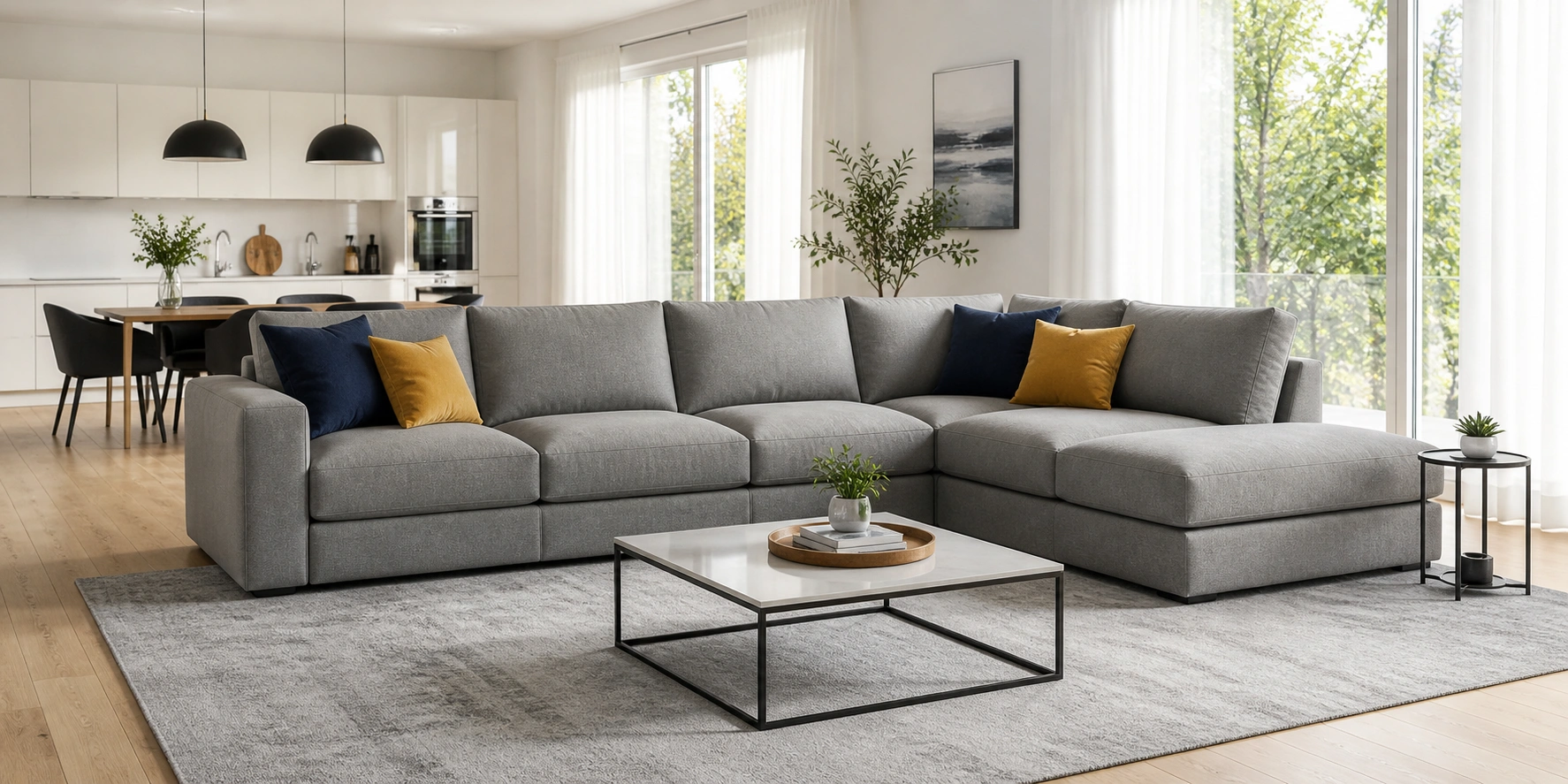
Grey Sectional Sofa
Maximizes seating in open-plan and large rooms. An L-shaped grey sectional anchors a living area without visually dividing it. Choose a medium grey to keep the large footprint from feeling heavy.
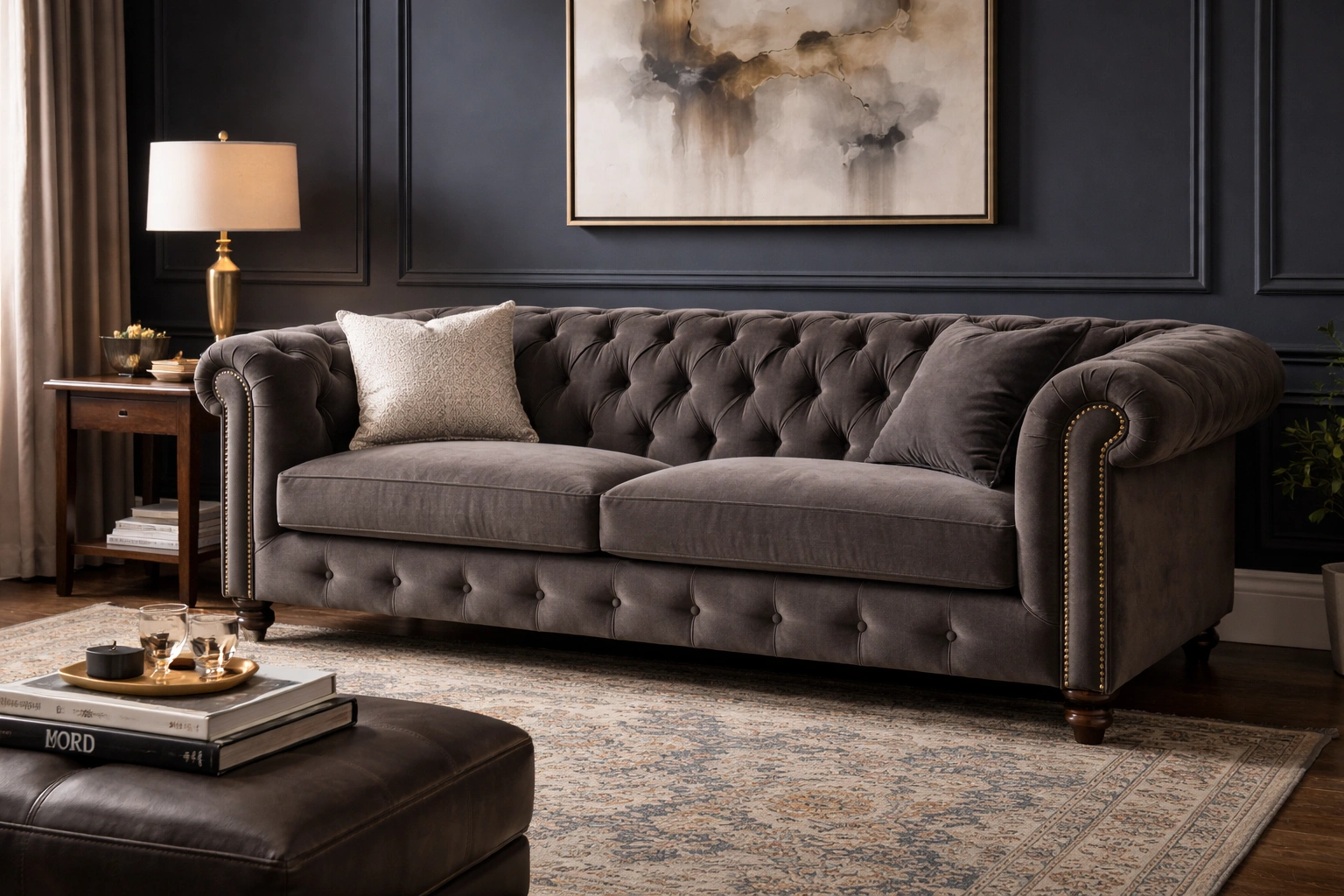
Grey Chesterfield
The Chesterfield's tufted detail and rolled arms gain a modern edge in grey. A charcoal velvet Chesterfield creates striking contrast against light walls, blending traditional form with contemporary color.
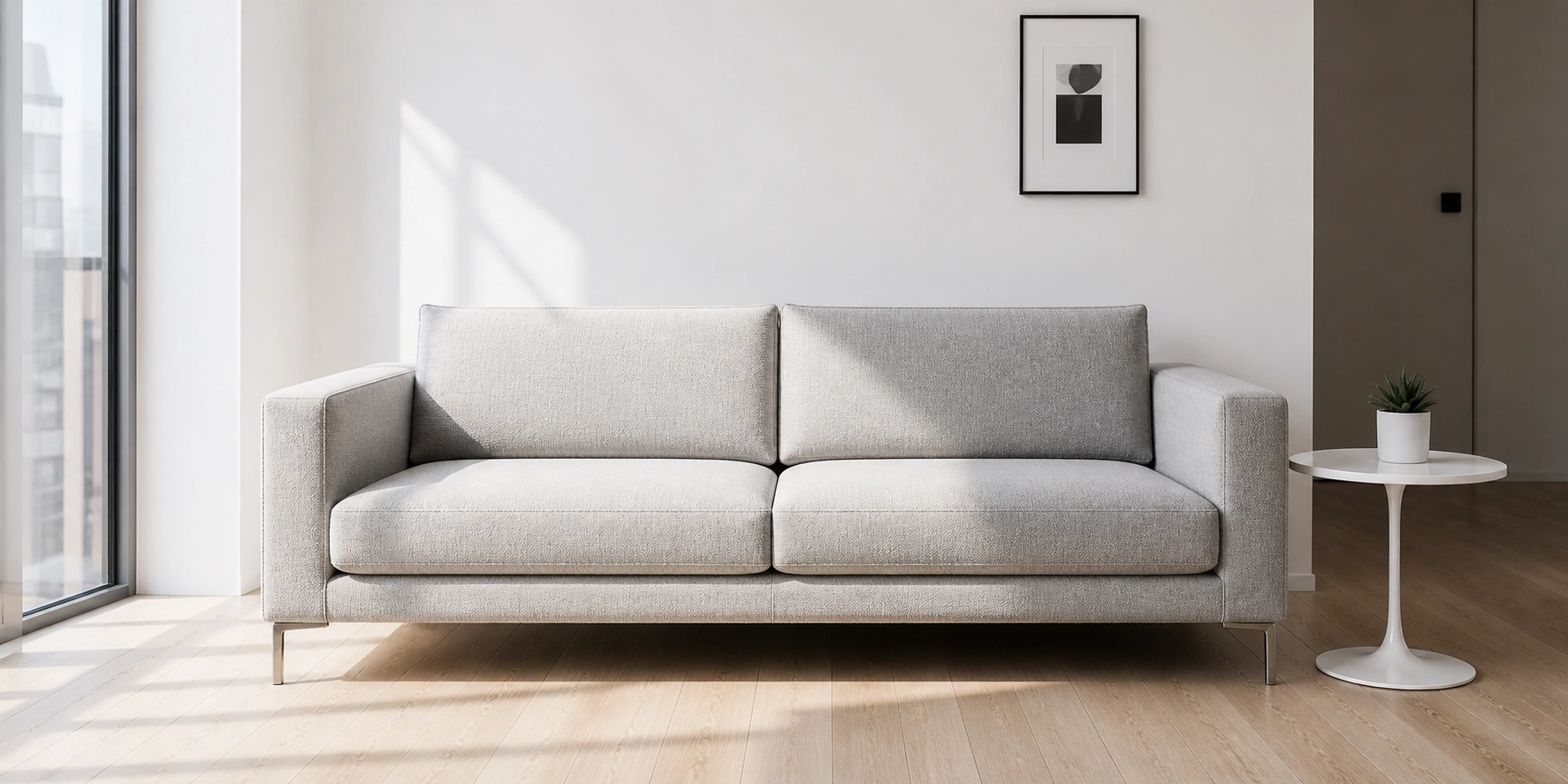
Grey Modern Sofa
Clean lines and low profiles look their best in grey. A modern grey sofa with track arms and tapered legs epitomizes contemporary living — especially in apartment settings where space efficiency matters.
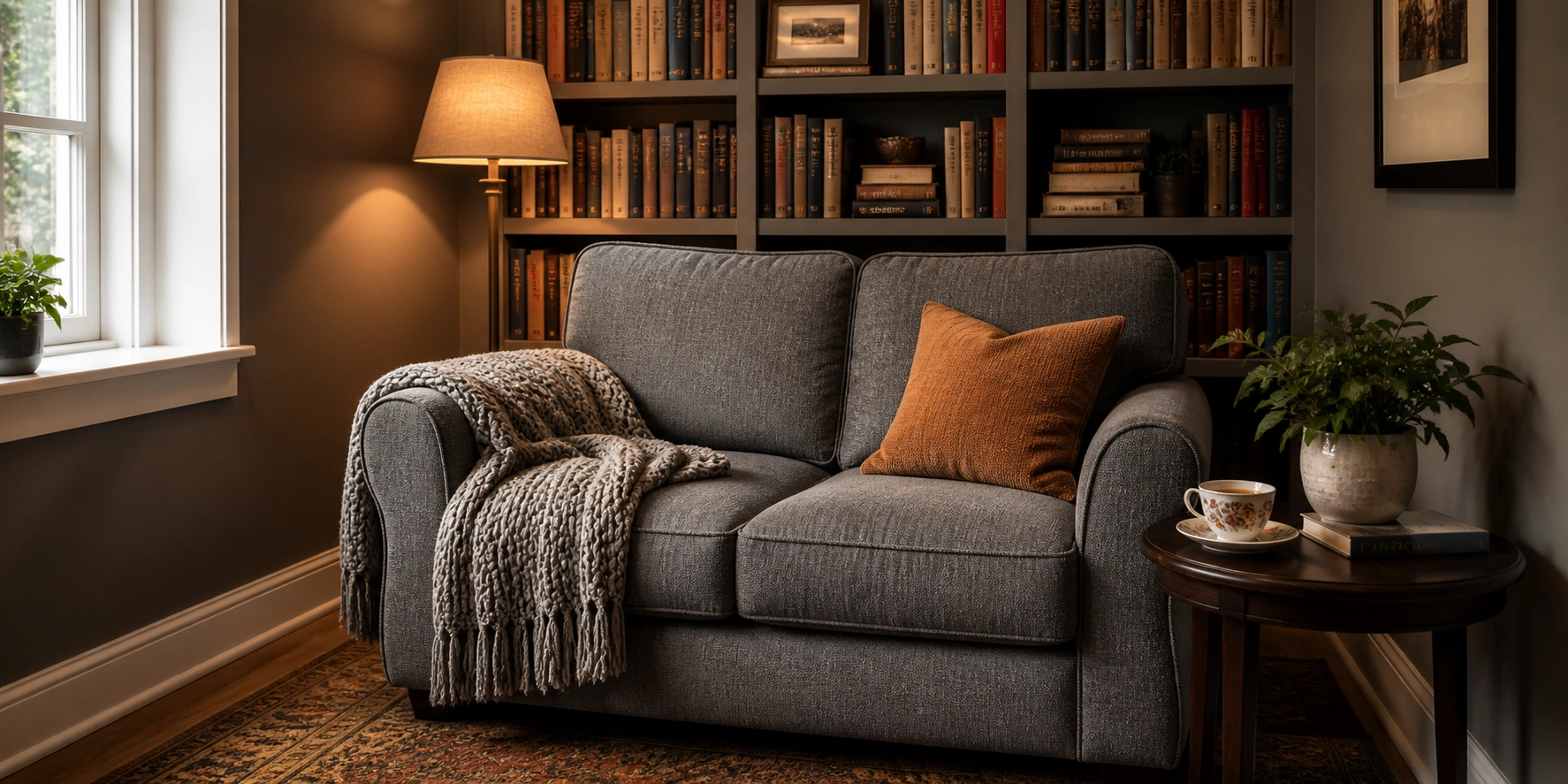
Grey Loveseat
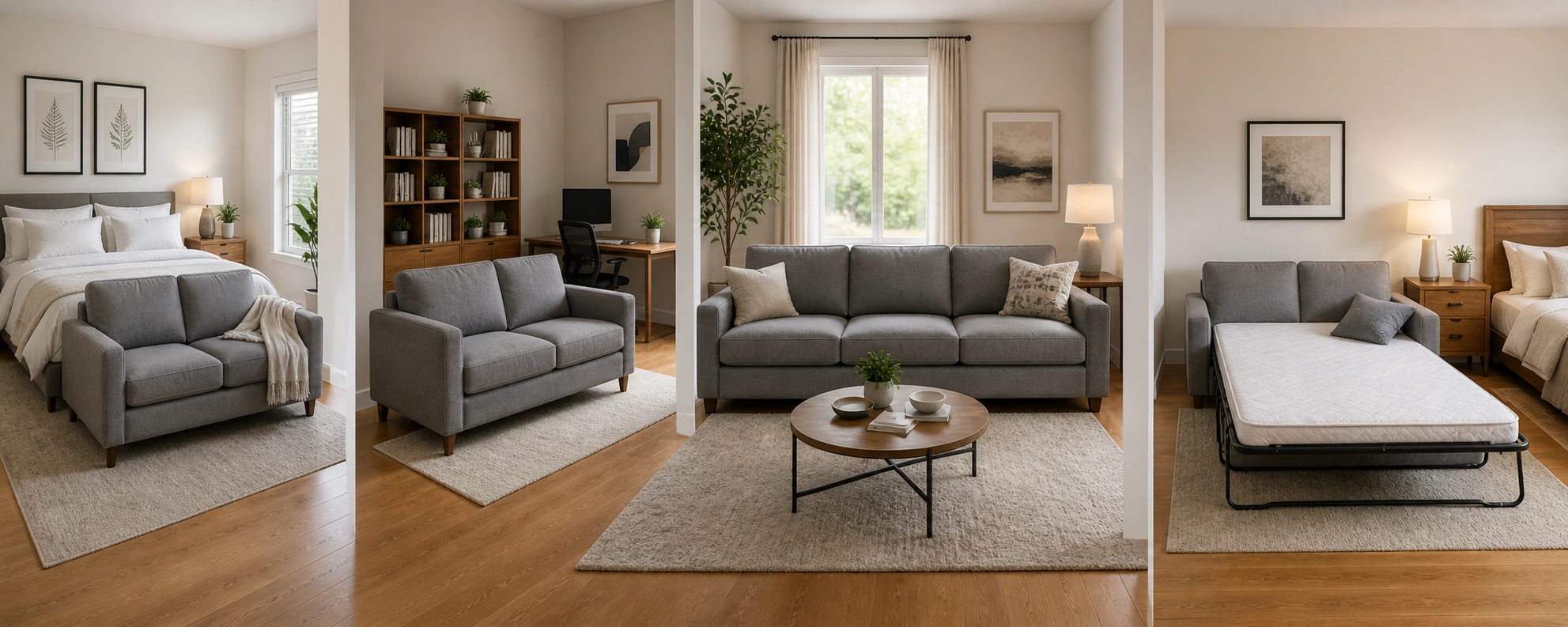
Ideal for small spaces, bedrooms, or as secondary seating. A grey loveseat tucks neatly into corners, under windows, or at the foot of a bed without overwhelming the room.
Beyond these, grey also works exceptionally well on modular sofas (where you can rearrange configuration as needed), sleeper sofas (grey hides the mattress mechanism better than light colors), and recliner sofas (where darker greys mask the mechanical hardware). The key is matching the sofa's formality level to your room — a structured grey Chesterfield belongs in a different setting than a slouchy grey floor sofa.
Where a Grey Couch Works Best
One of grey's greatest strengths is its room-agnostic nature. However, certain shades and styles perform better in specific environments. Here is how to match your grey couch to the right room.
Living Room (Primary)
This is where grey shines brightest. For a main living room sofa, a medium grey in a 3-seater or sectional configuration offers the best balance of visual presence and versatility. Pair with a lighter rug to ground the space and prevent the sofa from feeling like it is floating. Consider your room size carefully — our size and room guide provides exact measurements to follow.
Family Room
For family rooms where durability is paramount, opt for a darker grey in performance fabric or microfiber. The darker shade camouflages spills and pet accidents, while the durable material withstands daily abuse. A 4-seater or sectional ensures everyone has a seat during movie nights or game days.
Bedroom & Guest Room
A grey loveseat or daybed at the foot of the bed adds a hotel-like luxury. Light grey feels serene and sleep-friendly, while a grey sleeper sofa in the guest room provides flexible accommodation without the clinical feel of a traditional fold-out bed. For guest room specifics, see our guest room sofa guide.
Home Office
A grey office sofa projects professionalism without the severity of black or the casualness of brown. A charcoal grey leather or faux leather 2-seater is the standard choice for executive offices, while a fabric 2-seater in medium grey works well for creative studios and home offices.
Basement & Recreation Room
In basement spaces with limited natural light, lean toward medium or lighter grey rather than charcoal to prevent the area from feeling enclosed. Pair with warm lighting, lighter flooring, and colorful accessories to counteract the underground atmosphere.
Pros and Cons of Grey Couches
An honest assessment helps you decide whether grey is truly right for your situation. Here is a balanced look at the advantages and potential drawbacks.
Advantages
- Works with virtually any wall color, flooring, and accent palette
- Medium and dark shades effectively hide everyday stains, crumbs, and light pet hair
- Feels current across multiple design eras — rarely looks dated
- Easy to refresh the room's look without replacing the sofa
- Available in every price range, from budget-friendly to luxury
- Wide selection — grey is the most stocked color at most retailers
- Transitions smoothly between rooms if you rearrange your layout
Disadvantages
- Shows dust, lint, and light-colored pet hair more than brown or patterned fabrics
- Can feel cold or impersonal without warm accessories and textures
- Light grey shows stains similarly to beige or cream
- Charcoal in poorly lit rooms can make the space feel smaller and darker
- Grey-on-grey rooms risk looking monotonous without deliberate contrast
- Some fabric types (especially synthetics) can make grey look flat or synthetic
- Less personality than bold colors — requires effort to make a statement
How to Style and Decorate Around a Grey Couch
A grey couch is a blank canvas — its success depends entirely on what you layer around it. The difference between a grey couch that looks intentional and one that looks accidental comes down to deliberate accessorizing. Here are proven styling strategies.
Color Pairings That Work
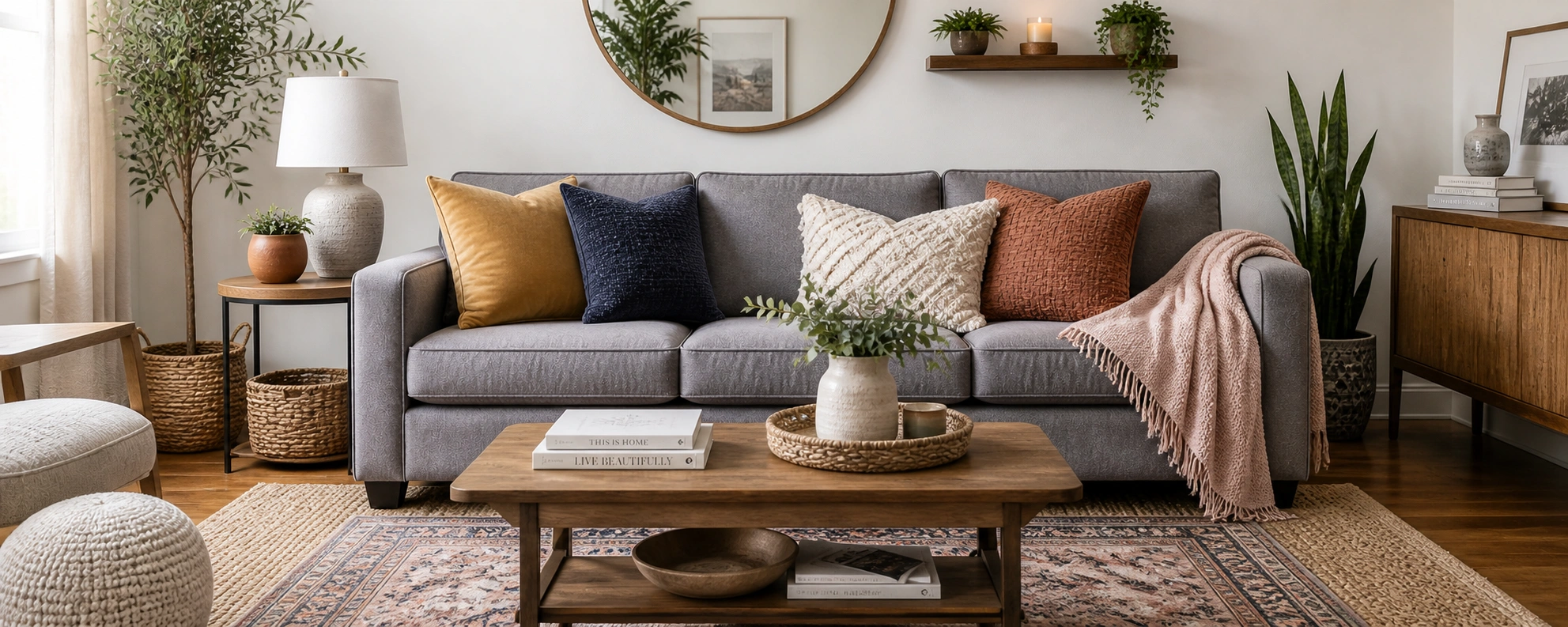
- Grey + White & Cream: The safest, most classic combination. White walls and cream rugs create an airy, gallery-like setting that lets the grey sofa be the focal point without competition.
- Grey + Navy Blue: One of the most sophisticated pairings in interior design. Navy throw pillows or a navy rug against a medium grey couch creates depth without darkness.
- Grey + Mustard Yellow: Adds warmth and energy. A single mustard throw pillow or blanket transforms a cool grey sofa into something inviting and lively.
- Grey + Blush Pink: Soft, romantic, and trendy. Works best with light grey and contemporary or Scandinavian-inspired rooms.
- Grey + Emerald Green: Rich and luxurious. Deep green accents against charcoal grey create a jewel-tone palette that feels premium and intentional.
- Grey + Warm Wood Tones: Walnut, oak, or teak furniture and flooring prevent grey from feeling cold. This is the single most effective way to warm up a grey sofa. For wood furniture options, explore wooden sofa styles.
- Grey + Terracotta & Rust: An earthy, grounded combination gaining popularity. Terracotta pots, rust-colored throws, and clay accessories bring organic warmth to grey's coolness.
Texture Layering is Essential
Since grey is a flat, neutral color, texture is what prevents the overall look from falling flat. Combine smooth leather with nubby throws, sleek metal accents with woven baskets, and crisp cotton with chunky knit blankets. The rule of three textures per vignette keeps things visually interesting without cluttered. For specific accessory ideas, our guide to throws and pillows covers material combinations that work with grey.
Rug Selection
The rug beneath your grey couch is arguably the most impactful single decor decision. Choose a rug that is at least as wide as the sofa and extends beyond it on each side. Light-colored rugs (cream, ivory, light grey) keep the space open, while darker or patterned rugs add drama. Avoid a rug that is the exact same shade as your couch — the lack of contrast makes both pieces disappear visually.
Wall Color Recommendations
For light grey couches, white, soft grey, pale blue, or blush walls maintain an open feel. For medium grey, white, light grey, sage green, or warm beige work well. For charcoal grey couches, white or cream walls create maximum contrast, while medium grey walls create a moody, enveloping atmosphere. If you are comparing grey against other neutral furniture options, our brown couch guide and black couch guide offer useful contrast.
Grey vs. Other Neutral Couch Colors
If you are still deciding between grey and other neutrals, understanding the key differences helps narrow your choice.
| Factor | Grey | Beige / Cream | Brown | Black |
|---|---|---|---|---|
| Stain Visibility | Moderate (shade-dependent) | High | Low | Very Low |
| Room Brightness | Neutral effect | Brightens | Warms | Darkens |
| Style Versatility | Very High | Moderate (leans traditional) | Moderate (leans rustic/warm) | Moderate (leans modern/dramatic) |
| Trend Longevity | High | Moderate | High | High |
| Pet Hair Visibility | Moderate to High | High (light hair invisible, dark hair shows) | Low | High (light hair very visible) |
| Perceived Mood | Calm, sophisticated, balanced | Warm, inviting, casual | Earthy, grounded, cozy | Bold, dramatic, formal |
Grey's unique position is that it does not strongly lean warm or cool, traditional or modern. This neutrality is its superpower for people who want flexibility. If your home is firmly in one aesthetic camp (rustic farmhouse, for example), brown may serve you better. But if your taste evolves or you move homes, grey travels with you more gracefully. For a deeper neutral comparison, see our neutral sofa guide.
Buying Considerations for Grey Couches
Once you have decided on grey, several practical factors determine whether your purchase will be satisfying long-term. These are the most common areas where buyers make mistakes.
Fabric Durability Matters More Than Color
A grey couch in cheap fabric will disappoint regardless of how good the color looks. Prioritize the Martindale abrasion rating and the foam density before fixating on the exact shade. A well-built sofa in a slightly less-than-perfect grey shade will outperform a poorly built one in your dream grey. Always check sofa quality before purchasing — frame construction, spring type, and cushion fill all affect long-term satisfaction more than color choice.
Order Fabric Swatches — Always
Online photos drastically misrepresent grey. Monitor calibration, studio lighting, and fabric texture all alter how the color appears. Most retailers offer free or low-cost swatch samples. Request at least three shades bracketing your preferred grey and evaluate them against your walls, flooring, and existing furniture in natural daylight and evening lighting.
Consider Your Household's Reality
Be honest about who will use the couch daily. A light grey linen sofa is beautiful in a showroom but impractical for a household with a golden retriever and two toddlers. Match the shade darkness and material durability to your actual lifestyle, not your aspirational one. Our comfort vs. durability guide helps you find the right balance.
Cushion Fill Affects How Grey Looks
Firm, high-density cushion fills maintain their shape and keep the fabric taut, which preserves the clean look of grey. Soft, overstuffed cushions that sag create wrinkles and shadows in the fabric that can make grey look rumpled and uneven. If you prefer the cloud-like feel of softer fills, choose a textured grey fabric where wrinkling looks intentional rather than worn.
Budget Realistically
Grey couches are available at every price point, but there is a significant quality difference between a $300 grey sofa and a $1,500 one. Understand the sofa price breakdown to know where your money goes. For most households, the sweet spot for a quality grey couch that lasts 8-12 years sits between $800 and $2,000. If budget is tight, our budget guide identifies where to save and where to invest.
Maintaining Your Grey Couch
Grey shows dust and hair more than darker colors, so a consistent maintenance routine keeps it looking its best. The specific approach depends on your material.
Weekly Routine
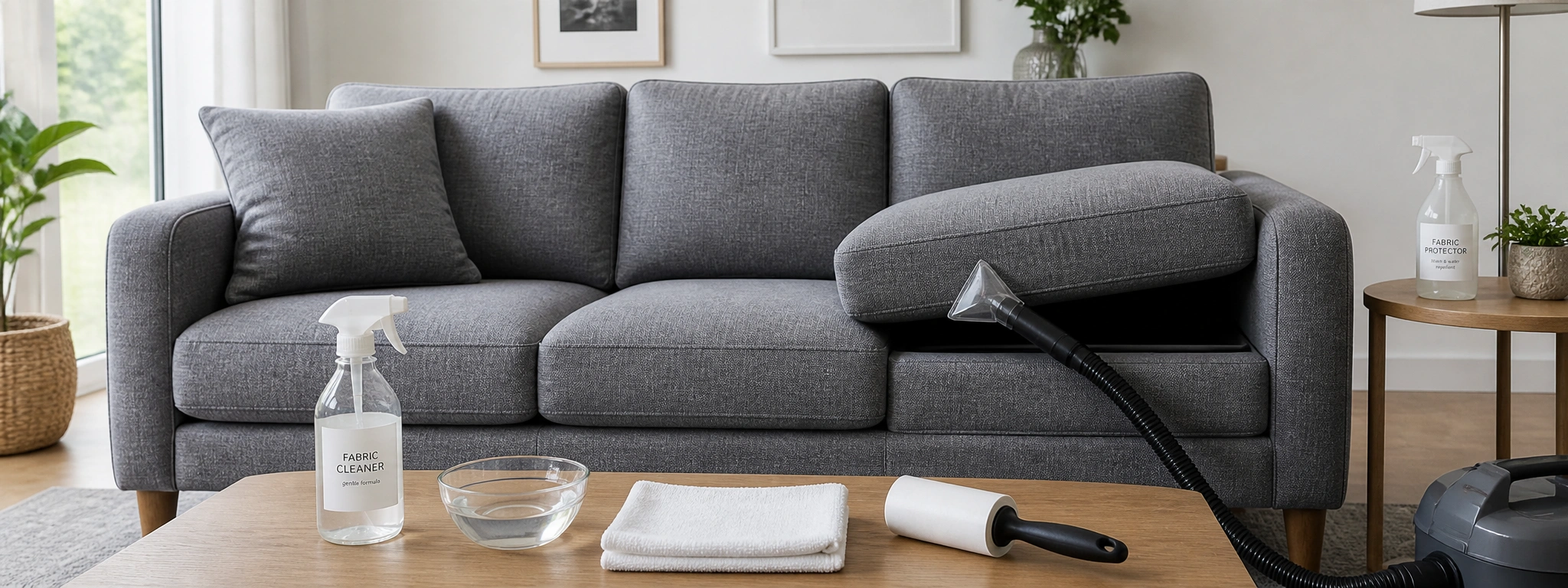
Vacuum your grey couch weekly using the upholstery attachment to remove dust, crumbs, and loose pet hair. Pay special attention to crevices, seams, and the area between cushions where debris accumulates. A lint roller is effective for quick daily touch-ups, especially if you have shedding pets. For fabric sofas, follow our fabric cleaning guide for technique specifics.
Stain Treatment
Address spills immediately — grey fabric does not hide wet stains any better than other colors. Blot (never rub) with a clean cloth, then treat with an appropriate cleaner. For leather grey couches, use a damp cloth followed by leather-specific cleaner. Our stain removal guide covers specific solutions for coffee, wine, grease, ink, and pet accidents.
Protection Strategies
Apply fabric protector at the time of purchase and reapply every 6-12 months. Consider sofa covers for high-traffic periods (parties, pet shedding seasons). Rotating and flipping cushions monthly prevents uneven wear patterns that create visible color differences between seating positions. For comprehensive protection methods, our fabric protection guide outlines the full approach.
Dealing with Fading
Grey is less prone to noticeable fading than dark colors, but direct sunlight will eventually lighten any fabric. Position your couch away from windows or use UV protection window films. If one side of your couch receives more sun, rotate it periodically to ensure even fading. If fading has already occurred, slipcovers offer a cost-effective refresh without replacement.
Frequently Asked Questions
Key Takeaways Before You Buy
- Medium grey (slate/pewter) is the most versatile shade — works in any room, hides moderate wear, pairs with any accent color
- Always order fabric swatches and view them in your room's actual lighting before purchasing
- Prioritize material durability and construction quality over getting the perfect shade — a well-built sofa outlasts a perfectly colored one
- Texture is your best tool for preventing a grey couch from looking flat — layer at least three textures in your styling
- Dark grey needs contrast (light walls or rug); light grey needs warmth (wood tones, warm accessories)
- For families with kids or pets, choose medium-to-dark grey in performance fabric or leather for the best practical combination
- Invest in fabric protection and establish a weekly vacuuming routine to keep grey looking fresh long-term