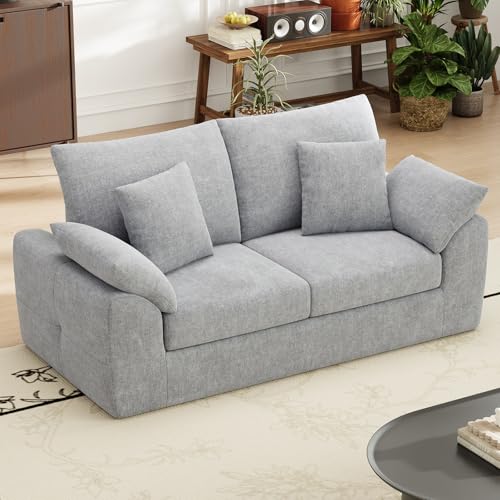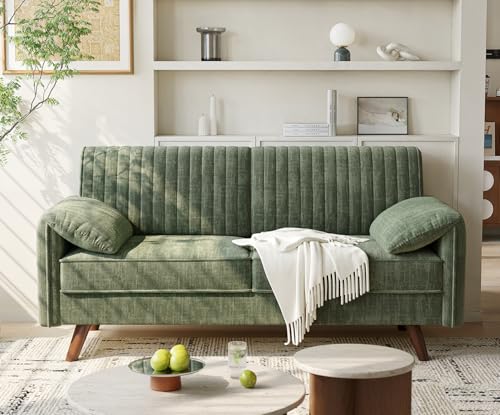
The Complete Loveseat Buying Guide
Everything you need to know about loveseats: sizes, styles, materials, and how to pick the right one for your space and lifestyle
See Top PicksPhanMarket Philosophy: A loveseat is one of the most versatile seating investments you can make. Whether you're furnishing a compact apartment, complementing a larger sofa arrangement, or creating an intimate reading corner, this guide helps you understand every detail before you buy — so you never regret your decision.
What Is a Loveseat?
A loveseat is a compact two-seater sofa designed for intimate seating. Originally popularized in the 17th century as a wide chair built to accommodate the voluminous dresses of the era, the modern loveseat has evolved into a practical and stylish furniture piece that fits into virtually any room. Today, it typically measures between 52 and 72 inches wide — significantly smaller than a standard three-seater sofa, yet more spacious than a single armchair.
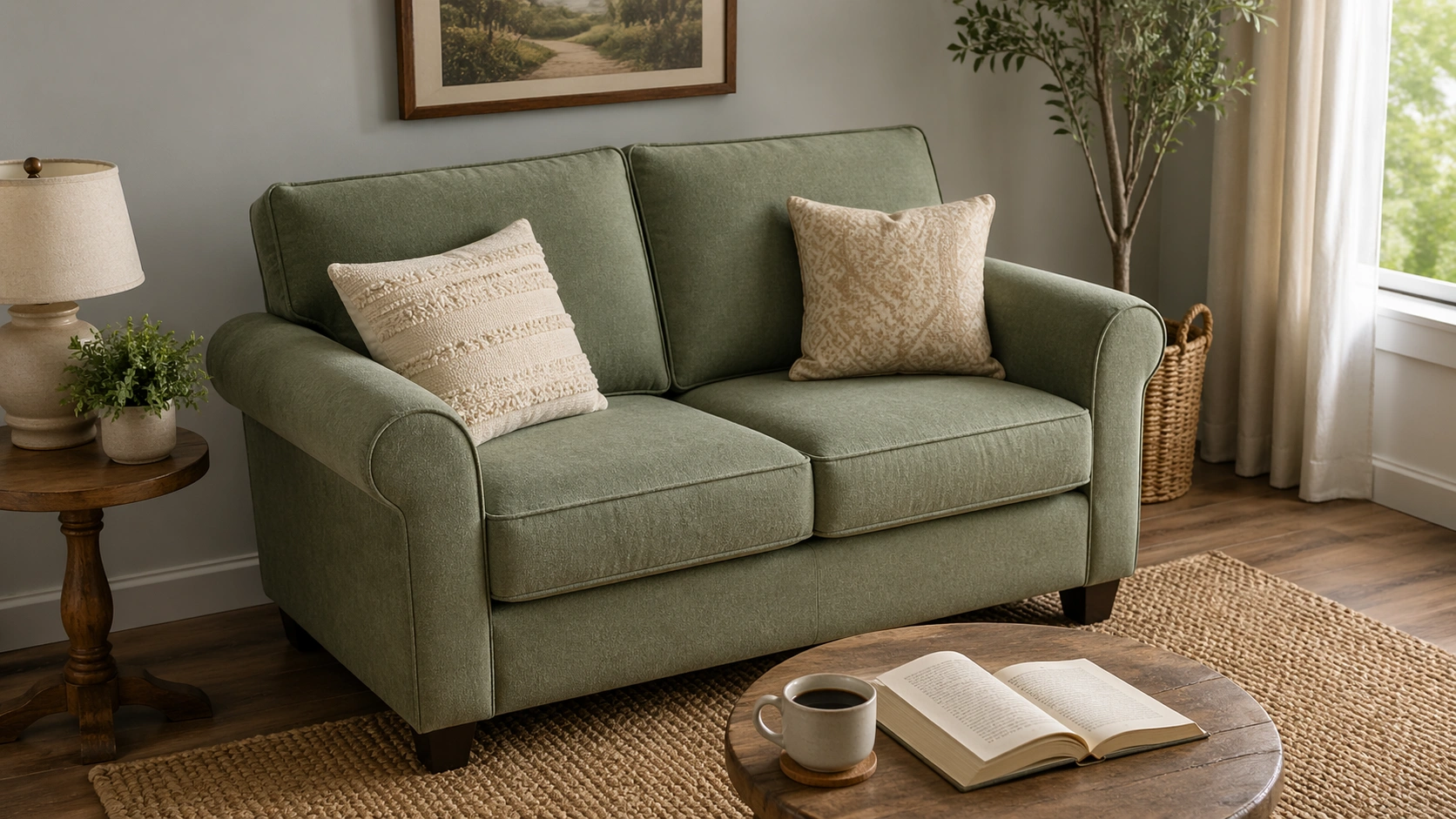
A loveseat bridges the gap between an armchair and a full-size sofa, offering comfortable seating for two without dominating your room
What sets a loveseat apart from other small seating options is its intentional design for two people. Unlike a sofa chair that seats one, or a 2-seater sofa that often feels like a scaled-down version of a larger couch, a loveseat is purpose-built with a distinct character — typically featuring a deeper seat, closer arm placement, and a more enveloping feel that encourages closeness. This makes it a favorite for couples, reading nooks, and smaller living spaces where every inch matters.
Beyond aesthetics, loveseats serve a strategic role in interior design. They can anchor a secondary seating area, balance a room layout alongside a larger sectional sofa, or serve as the primary seating in studios and one-bedroom apartments. Understanding these nuances helps you determine whether a loveseat — rather than a standard sofa or other alternative — is truly the right fit for your home.
Standard Loveseat Dimensions
Knowing the exact dimensions of a loveseat is critical before making a purchase. A piece that looks perfect online can feel cramped or overwhelming in person if the measurements don't align with your room. Below is a breakdown of standard loveseat measurements across different categories. For a more detailed room-planning approach, check our comprehensive sofa size and room guide.
| Loveseat Type | Width | Depth | Height | Seat Width |
|---|---|---|---|---|
| Standard Loveseat | 52–60 inches | 30–36 inches | 30–36 inches | 42–48 inches |
| Wide Loveseat | 60–72 inches | 32–38 inches | 32–38 inches | 50–58 inches |
| Sleeper Loveseat | 55–68 inches | 36–42 inches | 30–35 inches | 44–54 inches |
| Recliner Loveseat | 58–72 inches | 35–40 inches | 34–40 inches | 46–54 inches |
| Apartment Loveseat | 48–54 inches | 28–32 inches | 28–33 inches | 38–44 inches |
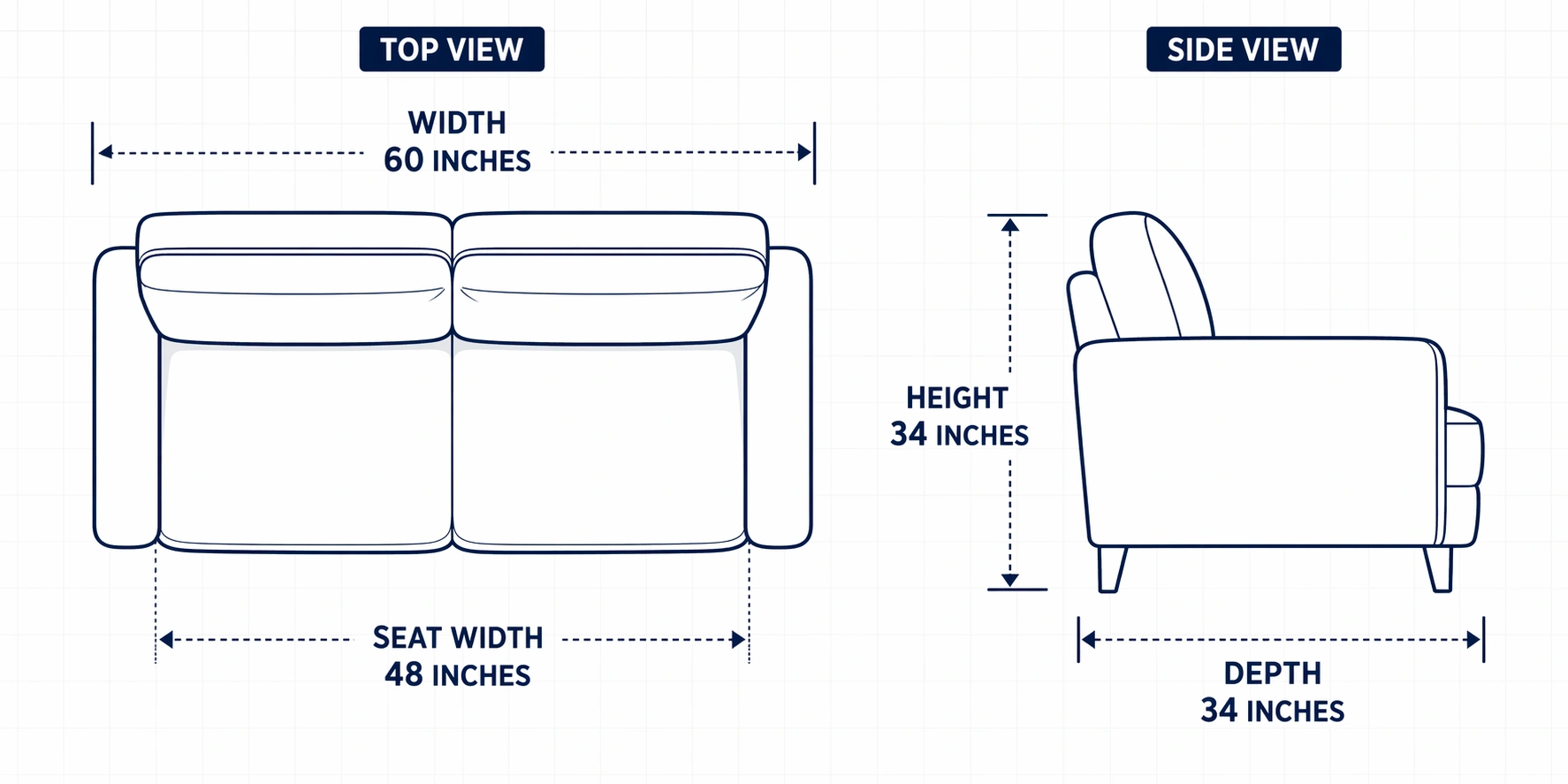
Understanding loveseat dimensions helps you avoid common mistakes like blocking walkways or overcrowding small rooms
When measuring your space, always account for at least 3–4 inches of clearance around the loveseat for easy movement and cleaning. If you're placing it against a wall, measure from the wall edge to any adjacent furniture. For accurate measuring techniques, our guide on how to measure a sofa covers step-by-step methods that apply equally to loveseats.
📐 Quick Measurement Checklist
- Measure the wall length where the loveseat will sit
- Account for doorways and traffic paths (leave 30–36 inches for walkways)
- Check ceiling height for high-back designs
- Measure elevator and stairwell dimensions if you live in an apartment
- Consider the depth — deeper seats are cozier but need more floor space
Loveseat vs. 2-Seater Sofa vs. Sofa Chair
One of the most common sources of confusion is the difference between a loveseat, a 2-seater sofa, and a sofa chair. While they all serve small-space seating needs, they differ in design intent, proportions, and feel. Understanding these distinctions ensures you choose the right piece for your specific situation rather than settling for something that "almost fits."
Sofa Chair
- • Seats 1 person comfortably
- • Width: 30–45 inches
- • Single cushion or split cushion
- • Best for reading nooks & corners
- • Most compact option
- • Limited social seating
Loveseat ★
- • Seats 2 people intimately
- • Width: 52–72 inches
- • Often single continuous cushion
- • Best for couples & small rooms
- • Cozy, enveloping feel
- • Balances intimacy & function
2-Seater Sofa
- • Seats 2 with more personal space
- • Width: 60–72 inches
- • Typically two separate cushions
- • Best for formal living areas
- • More structured appearance
- • Less intimate than loveseat
The key differentiator is the seating experience. A loveseat encourages closeness — the arms are often positioned closer together, and the seat depth tends to be deeper, creating a more lounging-friendly posture. A 2-seater sofa, by contrast, maintains a more upright, structured feel with clearer personal zones for each occupant. If you're choosing between these options for a small space, our comparison of sectional vs. traditional sofa and standard vs. deep seat provides additional context on seating depth preferences.
Types of Loveseats
Loveseats come in a wider variety of styles than most people realize. Each type serves a different purpose, from everyday lounging to accommodating overnight guests. Here are the most popular loveseat types to consider, each with distinct advantages depending on your lifestyle and space.
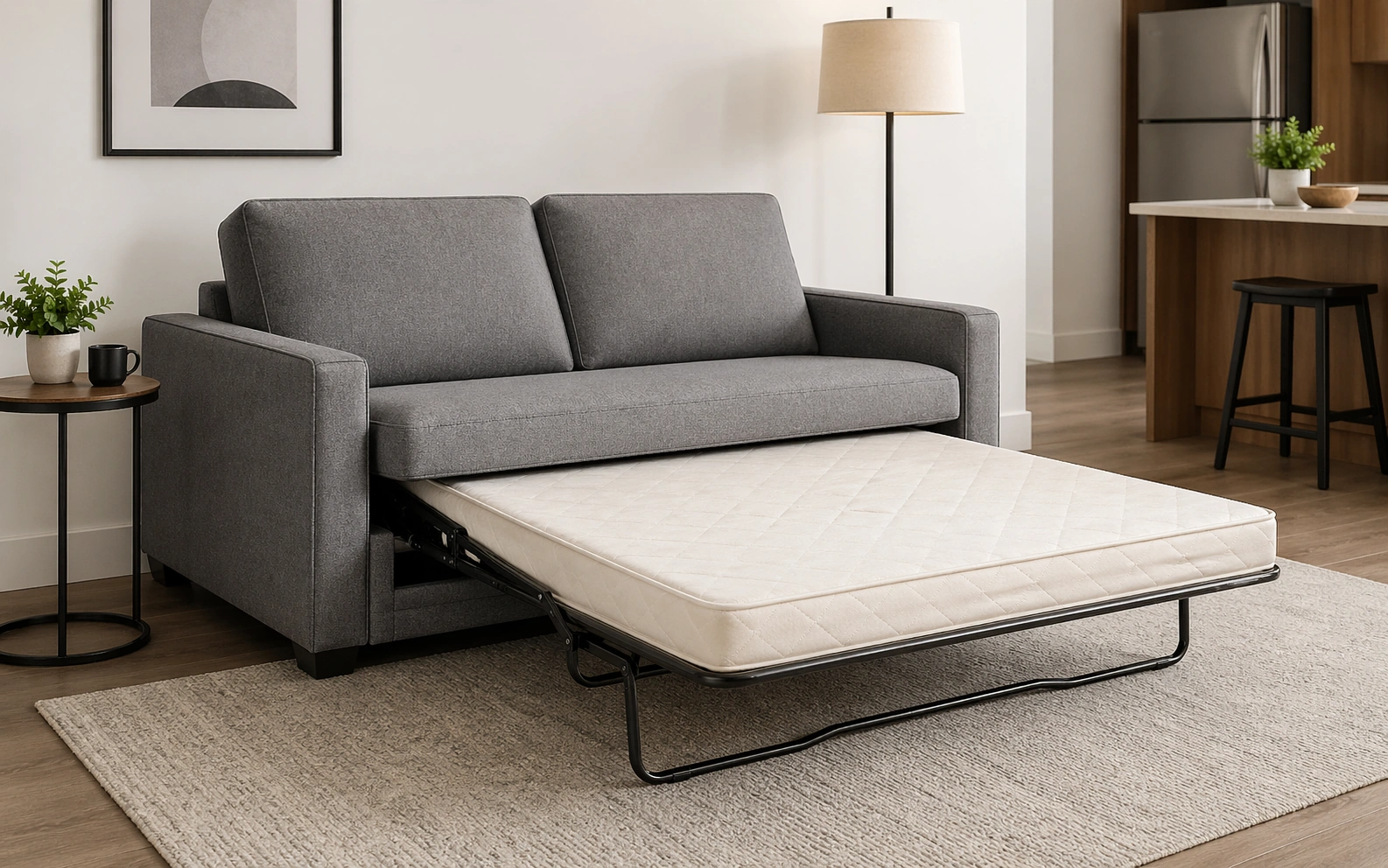
Sleeper Loveseat
A sleeper loveseat features a hidden mattress that folds out into a bed, typically a full-size or twin-size. Perfect for guest rooms or studio apartments where space for a separate bed isn't available. Modern designs use lightweight mechanisms that are easy to operate, though the mattress thickness varies significantly between models.
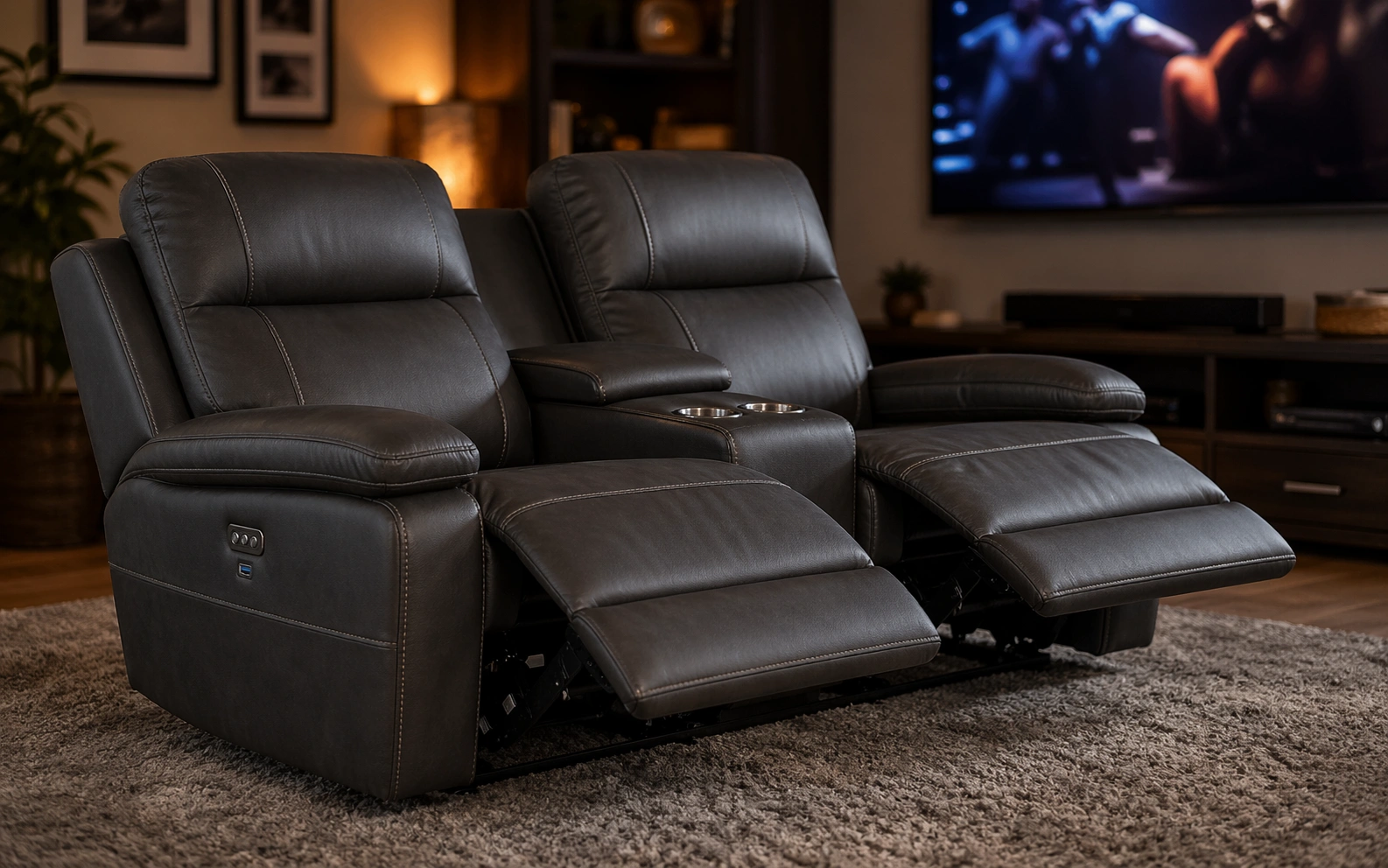
Recliner Loveseat
Equipped with one or two reclining seats, this type combines the compact footprint of a loveseat with the relaxation of a recliner. Ideal for movie marathon setups and family rooms. Available in manual and power-recline options, with some models including USB ports and cup holders.
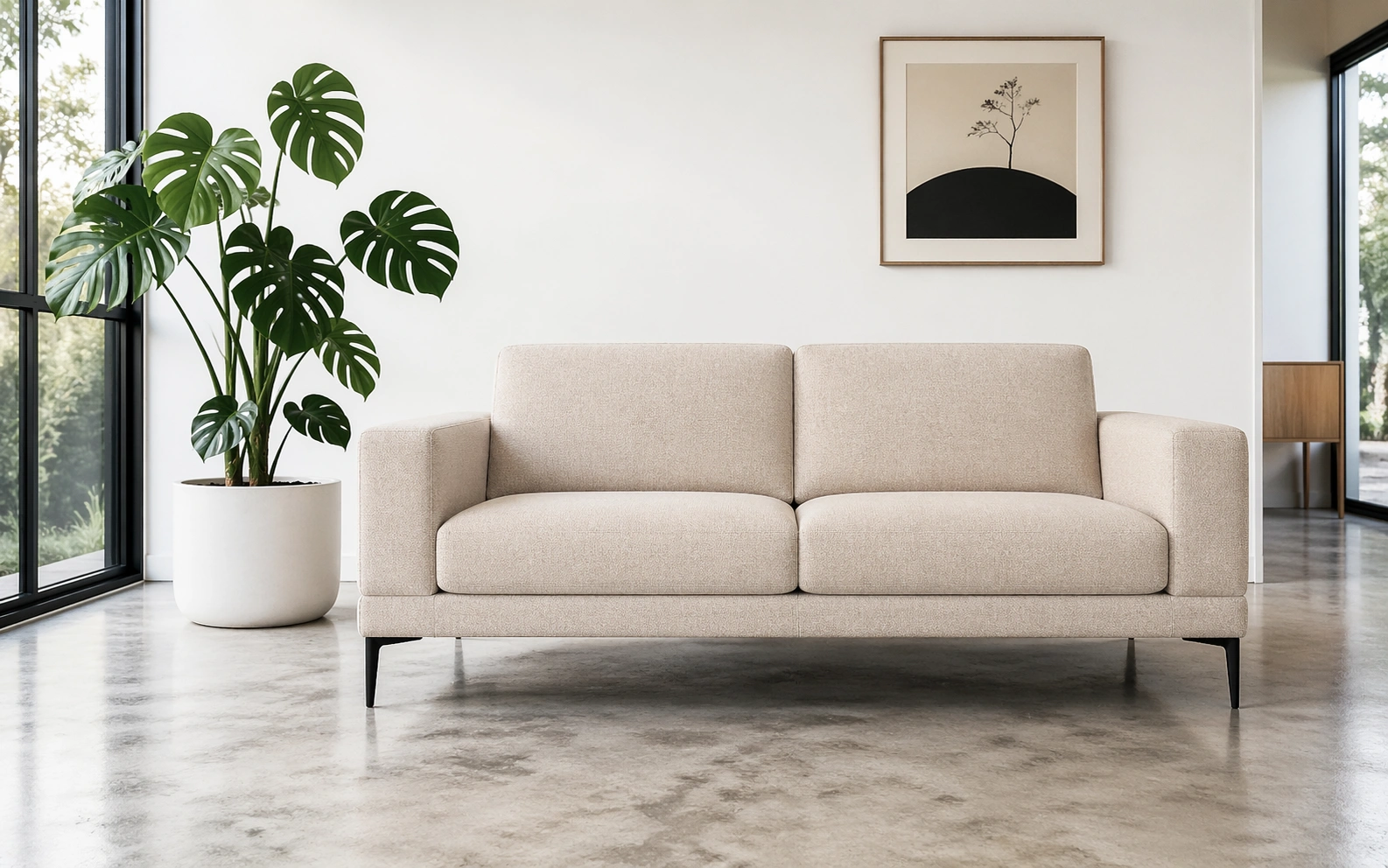
Modern Loveseat
Defined by clean lines, slim profiles, and minimalist aesthetics, modern loveseats work beautifully in contemporary apartments and offices. They often feature tapered legs, low-profile backs, and neutral tones. Their sleek design makes them excellent choices for office seating and lobby areas.
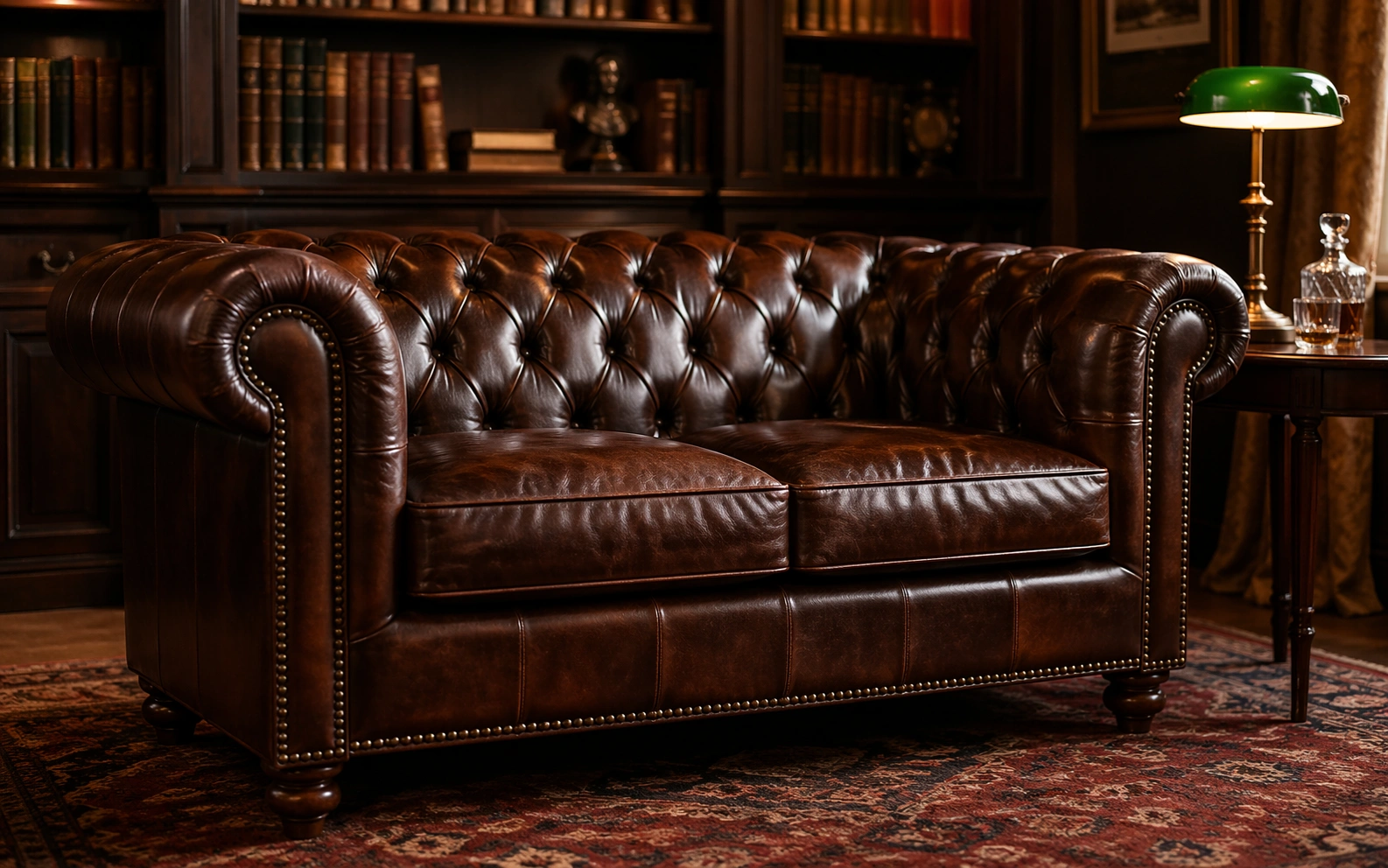
Chesterfield Loveseat
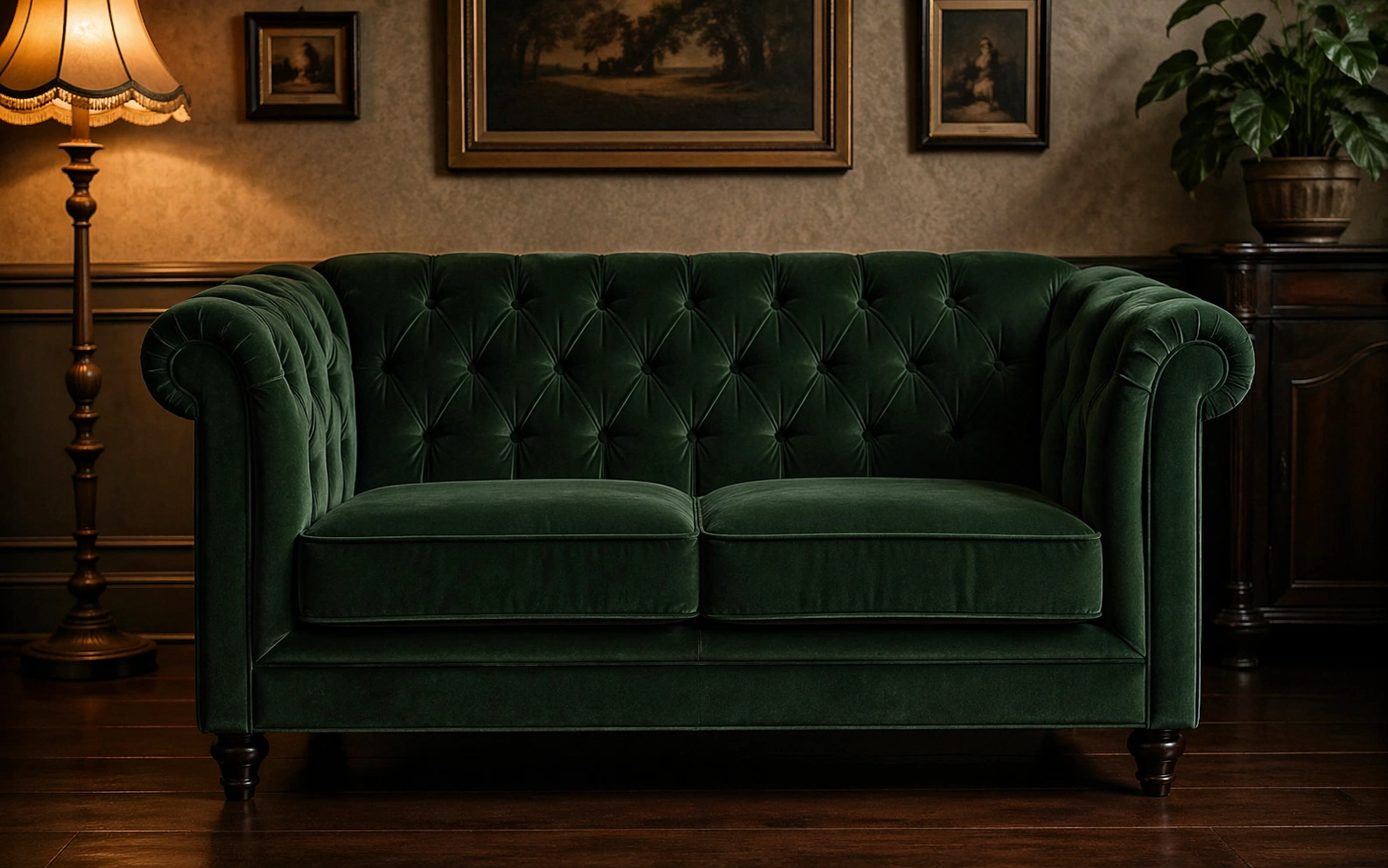
A scaled-down version of the iconic Chesterfield sofa, featuring rolled arms, tufted back, and often upholstered in leather. This style adds instant character and elegance to any room, from traditional studies to upscale living rooms. The symmetrical design makes it easy to place in any layout.
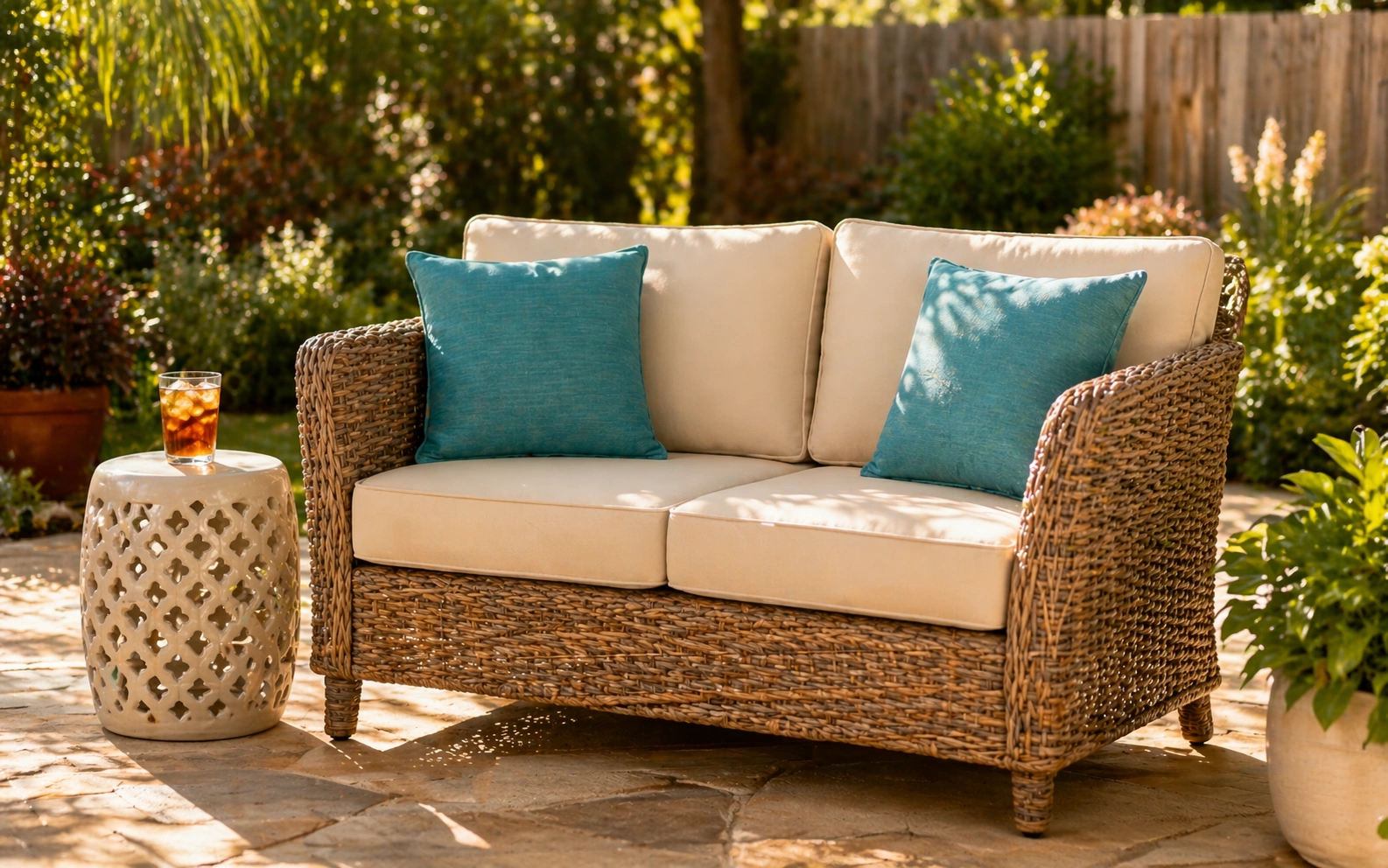
Outdoor Loveseat
Designed to withstand weather exposure with materials like rattan, wicker, or powder-coated metal paired with weather-resistant cushions. Perfect for patios, balconies, and garden spaces. When selecting an outdoor loveseat, consider UV-resistant fabrics and rust-proof frames — topics covered in our UV protection guide.
Best Materials for Loveseats
The material you choose for your loveseat dramatically affects its durability, comfort, maintenance requirements, and overall look. Since a loveseat is a smaller investment than a full sofa, some buyers are tempted to cut corners on material quality — but this is a mistake. A well-built loveseat in the right material can last 10–15 years, while a poorly chosen one may need replacement within 3–5 years. For a thorough breakdown of all upholstery options, see our sofa materials explained guide.
Genuine Leather
Premium, durable, and develops a beautiful patina over time. Ideal for households without pets. Requires regular conditioning to prevent cracking.
Very durable Easy to wipe clean Expensive Cold to touch initiallyLearn more: Leather cleaning guide · Leather grades explained
Performance Fabric
Engineered to resist stains, fading, and wear. Often used in family-friendly and pet-friendly homes. Excellent balance of comfort and practicality.
Stain resistant Pet friendly Wide color range Moderate priceLearn more: Most durable fabrics · Martindale test
Velvet
Luxurious softness with a rich, tactile feel. Best for formal spaces and bedrooms. Shows dust and pet hair easily but creates a striking visual impression.
Luxurious look Soft texture Shows pet hair Requires gentle cleaningLearn more: Velvet sofa picks · Velvet cleaning
Linen
Breathable, natural, and casual. Develops a relaxed look over time. Great for warm climates and coastal-inspired interiors.
Breathable Natural feel Wrinkles easily Less stain resistantLearn more: Linen sofas guide · Fabric cleaning
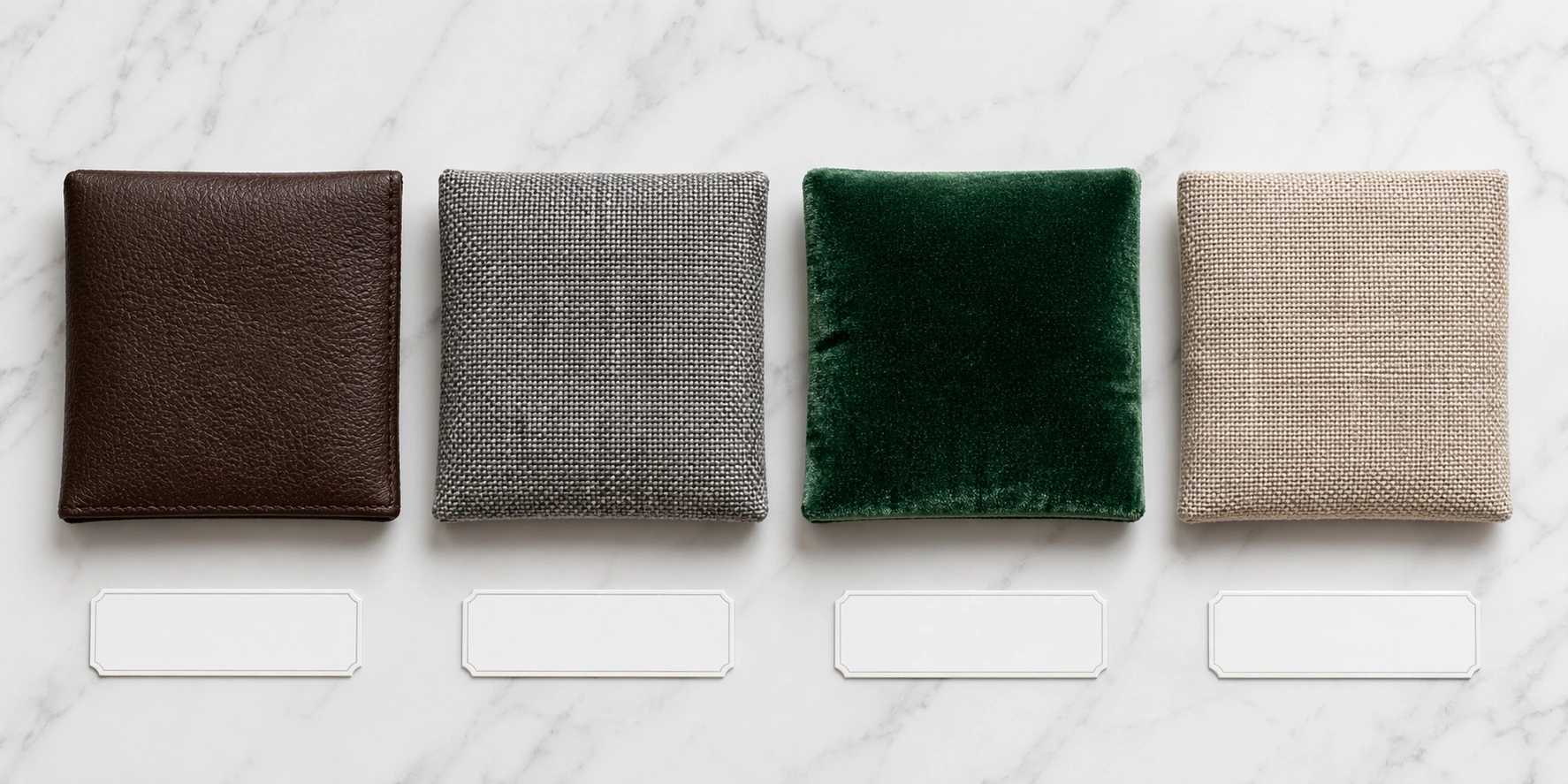
Each material offers a distinct look and feel — choose based on your lifestyle, household members, and maintenance willingness
If you're torn between options, our leather vs. fabric comparison breaks down the pros and cons in detail. For homes with pets, consider pairing your loveseat with pet-proof sofa covers for added protection regardless of the material you choose.
Who Should Buy a Loveseat?
A loveseat isn't for everyone, but for certain people and situations, it's genuinely the best possible choice. Here are the profiles and scenarios where a loveseat shines — and where you might be better off with an alternative.
Apartment & Studio Dwellers
If you're furnishing a compact space, a loveseat provides real seating for two without the bulk of a full sofa. It's the top choice for apartment living and small room layouts.
Couples Without Kids
A loveseat offers the perfect amount of seating for two, creating an intimate lounging experience that a larger sofa can't replicate. It's also easier to maintain with fewer cushions to manage.
Supplementary Seating Buyers
Already have a large 3-seater sofa or sectional? A loveseat adds complementary seating in a living room or family room without creating visual clutter.
Office & Commercial Spaces
An office sofa in loveseat form provides professional guest seating without dominating a waiting area or private office. It's also popular for lobby seating.
Reading Nook & Bedroom Creators
A loveseat paired with a floor lamp and side table creates the perfect reading corner in a bedroom, study, or even a large hallway. It's more comfortable than a single chair for extended reading sessions.
Guest Room Furnishers
A guest room with a sleeper loveseat offers both daytime seating and an occasional bed for visitors — a dual-purpose solution that maximizes functionality in a spare room.
If you frequently host large groups or have a family with multiple children, a loveseat alone likely won't suffice. In those cases, consider pairing it with a larger sofa or exploring 4-seater and 5-seater options. For households with pets, our guide to the best sofas for pet owners covers loveseat-compatible options.
Loveseat Placement Tips
Where you place your loveseat significantly impacts both the room's aesthetics and your daily comfort. A poorly positioned loveseat can make a room feel cramped, unbalanced, or awkwardly empty. Here are proven placement strategies that work across different room types. For broader layout principles, our living room layout guide offers detailed diagrams and measurements.
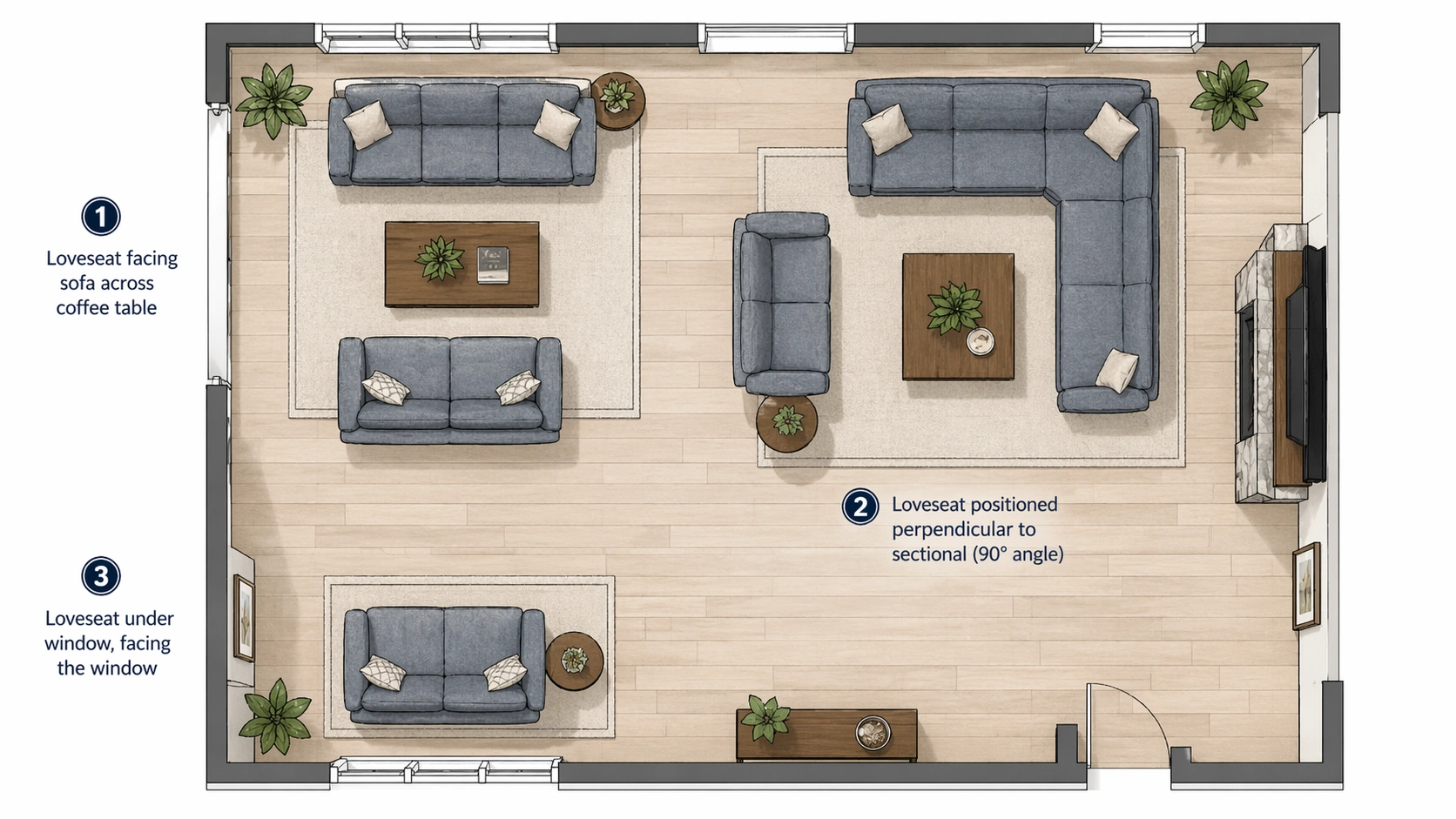
Strategic loveseat placement can transform a room — experiment with angles, pairings, and focal points to find your ideal arrangement
- Opposite your main sofa: Place the loveseat facing your primary sofa to create a balanced, conversational arrangement. Leave 36–48 inches between them for comfortable walking space.
- Perpendicular to the sofa: Position the loveseat at a 90-degree angle to your larger sofa to define an L-shaped seating area without committing to a permanent sectional.
- Facing a window or fireplace: A loveseat positioned to face a view or focal point creates an inviting, purposeful seating spot that feels intentional rather than filler.
- In a bedroom corner: Tuck a loveseat into a bedroom corner with a small side table for an instant reading nook. Ensure there's enough depth clearance for the seat plus leg room.
- Floating in the room: Don't be afraid to place the loveseat away from walls — this works especially well in larger rooms where it can define a separate conversation zone.
- Under a window: A low-profile loveseat under a window maximizes natural light and creates a cozy spot without blocking the view. Just ensure the window height doesn't conflict with the back height.
Things to Consider Before Buying a Loveseat
A loveseat may seem straightforward, but several less-obvious factors separate a great purchase from a disappointing one. Beyond size and style, these considerations will help you evaluate options like a pro. If you want to physically test comfort before buying online, our guide on how to test sofa comfort provides a store-visiting checklist.
Frame & Construction Quality
The frame is the backbone of any seating piece. A loveseat with a weak frame will develop squeaks, wobbles, and structural failure regardless of how comfortable the cushions feel initially. Look for kiln-dried hardwood frames (oak, maple, or birch) with dowel-and-glue or corner-blocked joints. Avoid frames made primarily of particleboard or softwoods like pine, which are more prone to warping. For a deep dive, read our frame materials guide and learn how to check sofa quality before buying.
Cushion Fill & Comfort Level
The cushion fill determines both initial comfort and long-term durability. High-density foam (1.8–2.5 lb density) wrapped in a down or polyester layer offers the best balance of support and softness. Pure down cushions feel luxurious but require frequent fluffing and may flatten over time. Foam-only cushions are firm and hold shape well but can feel rigid. For help choosing, our cushion fill types guide and firm vs. plush comparison are essential reading. Also consider the seat depth — loveseats with deeper seats (22+ inches) are better for lounging, while shallower seats (18–20 inches) suit more upright, formal settings.
Spring System
The suspension system beneath the cushions affects how the loveseat feels when you sit and how well it maintains its shape over years of use. Eight-way hand-tied springs are the gold standard — they provide even support and durability but come at a premium price. Sinuous (zigzag) springs are more common in mid-range loveseats and offer good performance for most users. Drop-in coil units are the most basic and are typically found in budget models. Our spring systems guide explains each type in detail.
Weight Capacity
Since loveseats seat two people close together, the combined weight capacity matters more than with larger sofas where weight distributes across a wider frame. Check the manufacturer's weight rating — a quality loveseat should support at least 500–600 pounds total. This is especially important for recliner loveseats, where the mechanism adds mechanical stress to the frame.
Budget Considerations
How much should you spend on a loveseat? Budget models ($200–$400) work for light, occasional use but often compromise on frame quality and cushion durability. Mid-range ($400–$800) is the sweet spot for most buyers — you get solid construction, decent materials, and reasonable longevity. Premium loveseats ($800–$2,000+) offer superior craftsmanship, top-tier materials, and designer aesthetics. For a structured approach to setting your budget, see our sofa budget guide and price breakdown. Also, timing matters — our guide on the best time to buy a sofa can help you save significantly.
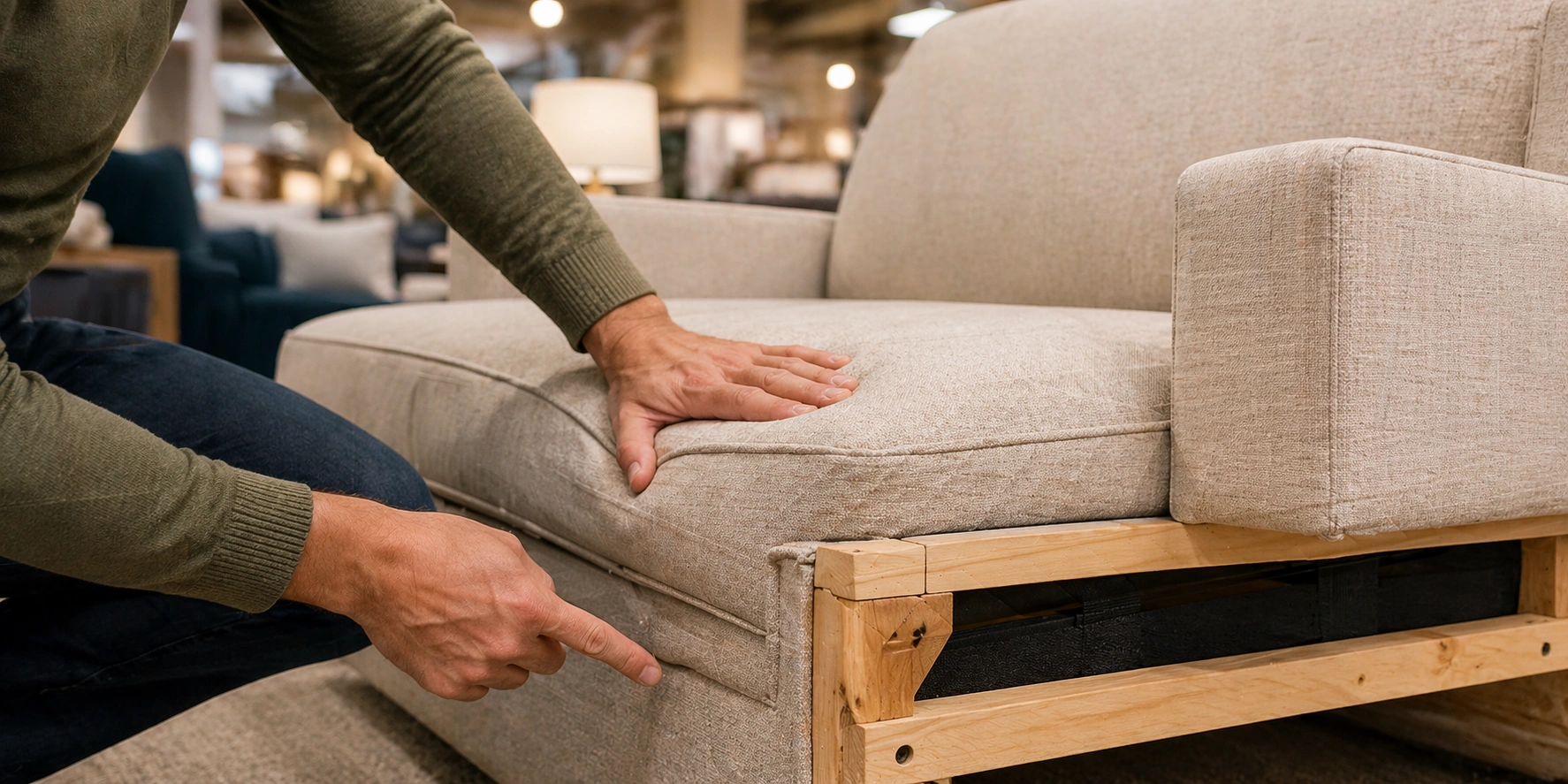
Evaluating frame joints, cushion density, and spring quality in person helps confirm online research — but knowing what to look for is key
Loveseat Maintenance Essentials
Proper maintenance extends your loveseat's lifespan by years and keeps it looking new. The care routine depends heavily on the material, but some universal practices apply to all types. A well-maintained loveseat not only looks better but also retains its resale value if you ever decide to upgrade.
- Vacuum weekly — Use an upholstery attachment to remove dust, crumbs, and pet hair before they embed into the fabric. This single habit prevents 80% of premature fabric wear.
- Rotate and flip cushions monthly — Even weight distribution prevents uneven compression. If your cushions are removable, rotate them and swap positions to ensure even wear across the entire seat.
- Treat spills immediately — Blot (never rub) spills with a clean cloth. For stubborn stains, refer to our stain removal guide for material-specific solutions.
- Apply fabric protection — A quality fabric protector spray creates an invisible barrier against spills and staining. Our fabric protection guide recommends specific products by material type.
- Condition leather regularly — If you have a leather loveseat, apply conditioner every 3–6 months to prevent drying and cracking. See our leather conditioning guide for step-by-step instructions.
- Address issues early — Sagging cushions, loose legs, or squeaking frames only get worse with time. Our sagging cushion fix and loose leg repair guides can save you from costly professional repairs.
For a comprehensive maintenance schedule covering all scenarios, our complete sofa cleaning guide provides a month-by-month care calendar. If you want hassle-free upkeep, consider a slipcovered loveseat — removable covers can be machine-washed, making maintenance significantly easier.
Frequently Asked Questions About Loveseats
Ready to Find Your Perfect Loveseat?
We've researched and curated the best loveseat options available — from budget-friendly to premium — so you can shop with confidence.
Browse Top Loveseat Picks ↓