
The Complete Fabric Sofa Guide
Everything you need to know about fabric types, durability ratings, cleaning codes, and choosing the right upholstered sofa for your lifestyle
EXPLORE FABRIC TYPESPhanMarket Philosophy: We believe that understanding fabric materials is the single most important factor in choosing a sofa you'll love for years. This guide breaks down every fabric type so you can shop with confidence and avoid costly mistakes.
What Makes Fabric Sofas So Popular?
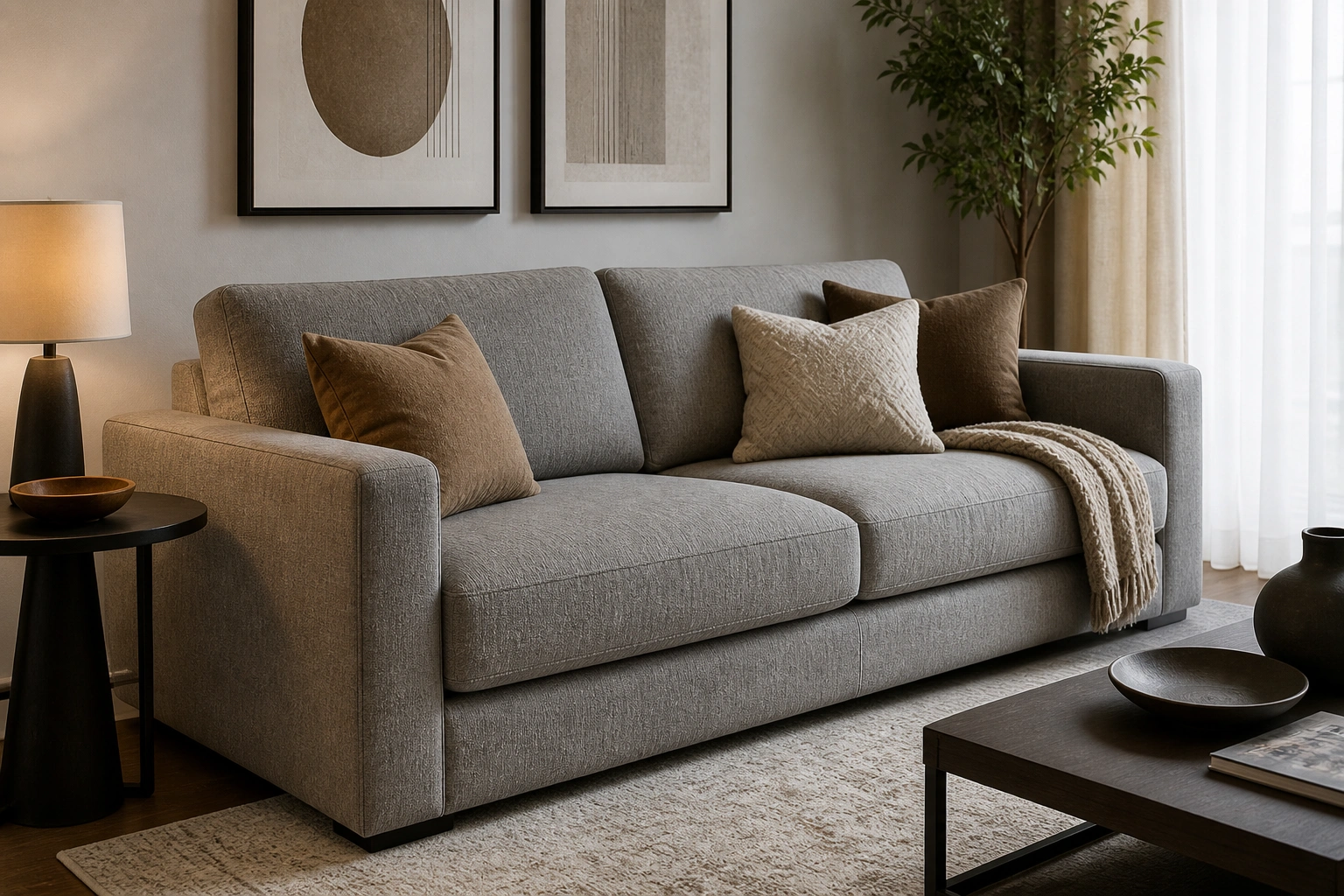
Fabric sofas account for the vast majority of upholstered furniture sold worldwide, and for good reason. Unlike leather, fabric offers an almost unlimited palette of colors, patterns, and textures — allowing you to match your sofa precisely to your interior design vision. From the soft warmth of linen blends to the rugged practicality of microfiber, there's a fabric suited to every household, budget, and aesthetic preference.
Beyond aesthetics, modern fabric technology has evolved dramatically. Today's performance fabrics resist stains, repel water, and withstand wear that would have ruined older materials. Innovations like Crypton, Revolution, and Sunbrella have essentially eliminated the traditional trade-off between beauty and practicality — you no longer have to sacrifice style for durability.
Whether you're furnishing a family room that sees daily abuse from kids and pets, a formal living room where elegance matters most, or a compact apartment where every piece must earn its place, this guide will help you identify exactly which fabric is right for your situation.
Types of Sofa Fabric Explained
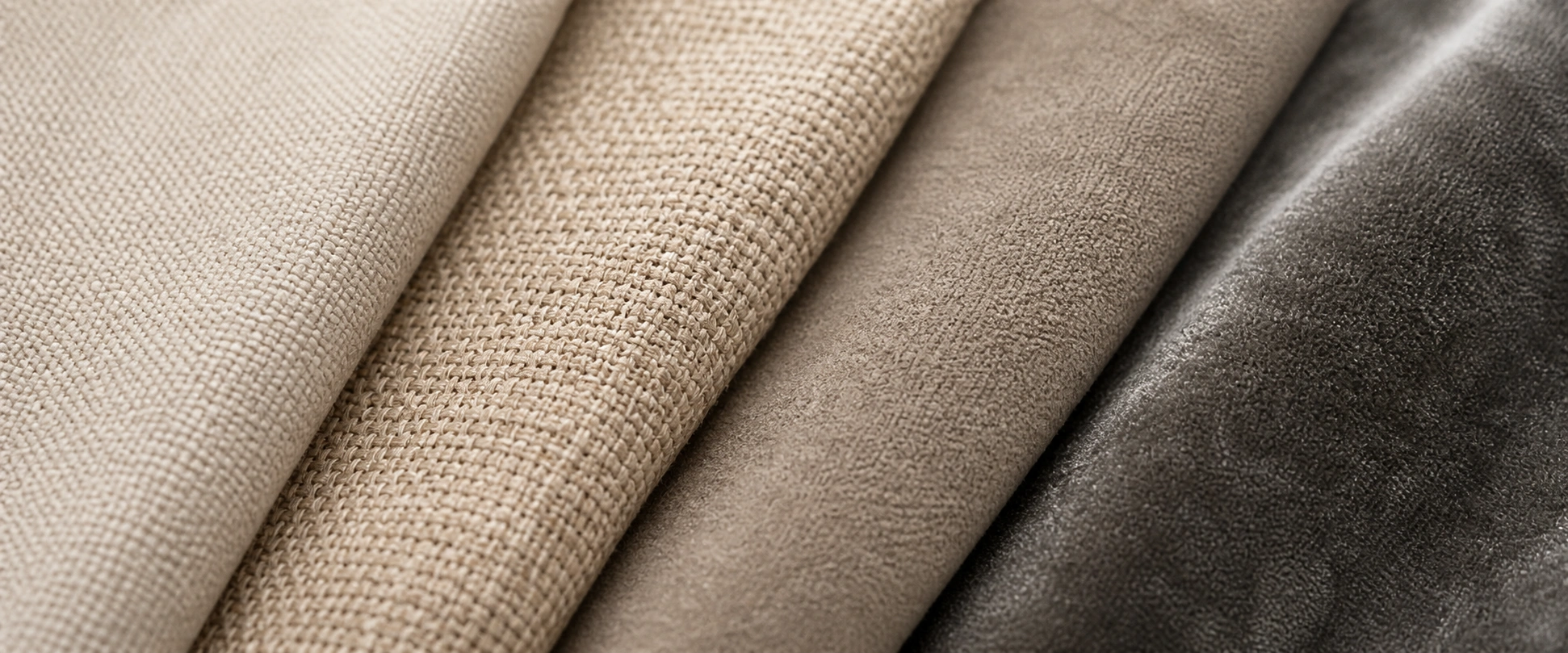
Not all sofa fabrics are created equal. Each material has distinct characteristics that affect how it feels, how long it lasts, how it handles spills, and how much it costs. Here's a detailed breakdown of the most common fabric types you'll encounter when shopping for a sofa.
Cotton
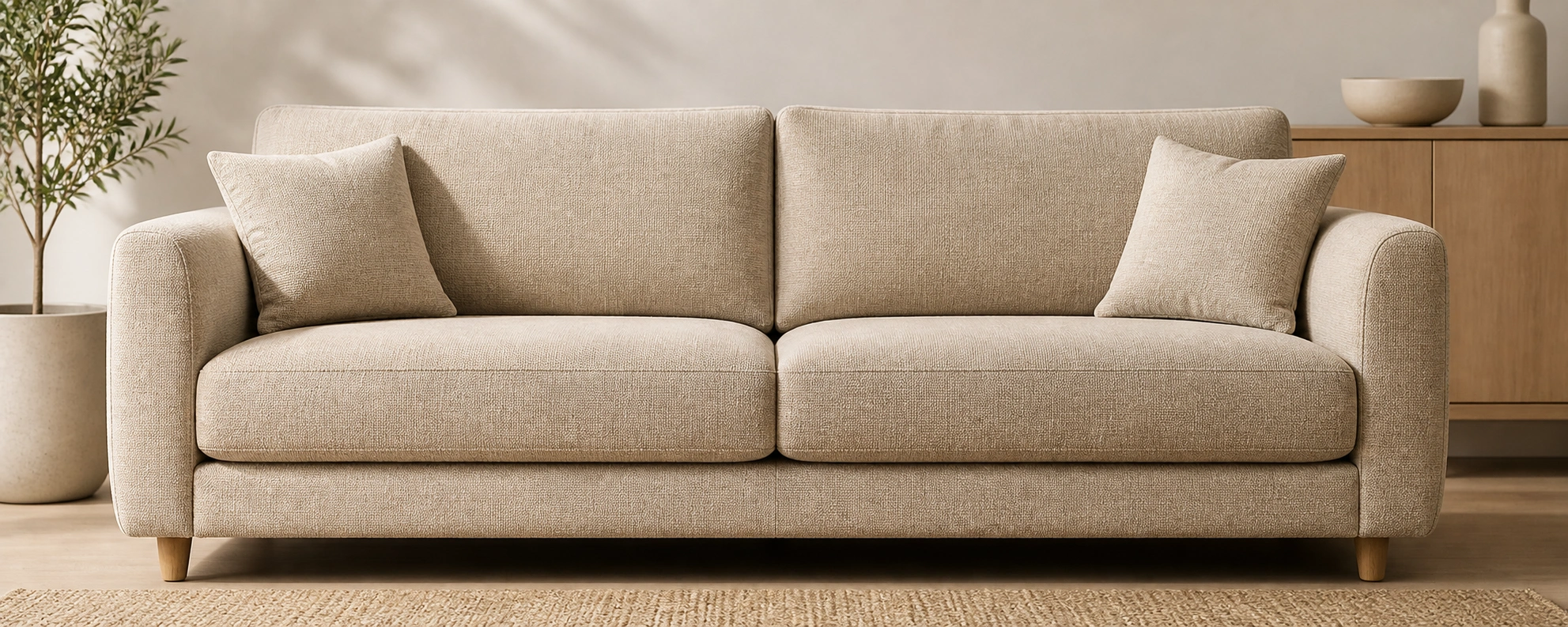
Natural, breathable, and soft to the touch. Cotton is the most widely used sofa fabric and comes in countless weaves and finishes. Pure cotton wrinkles easily and is prone to staining, so it's often blended with polyester for better durability.
Moderate Durability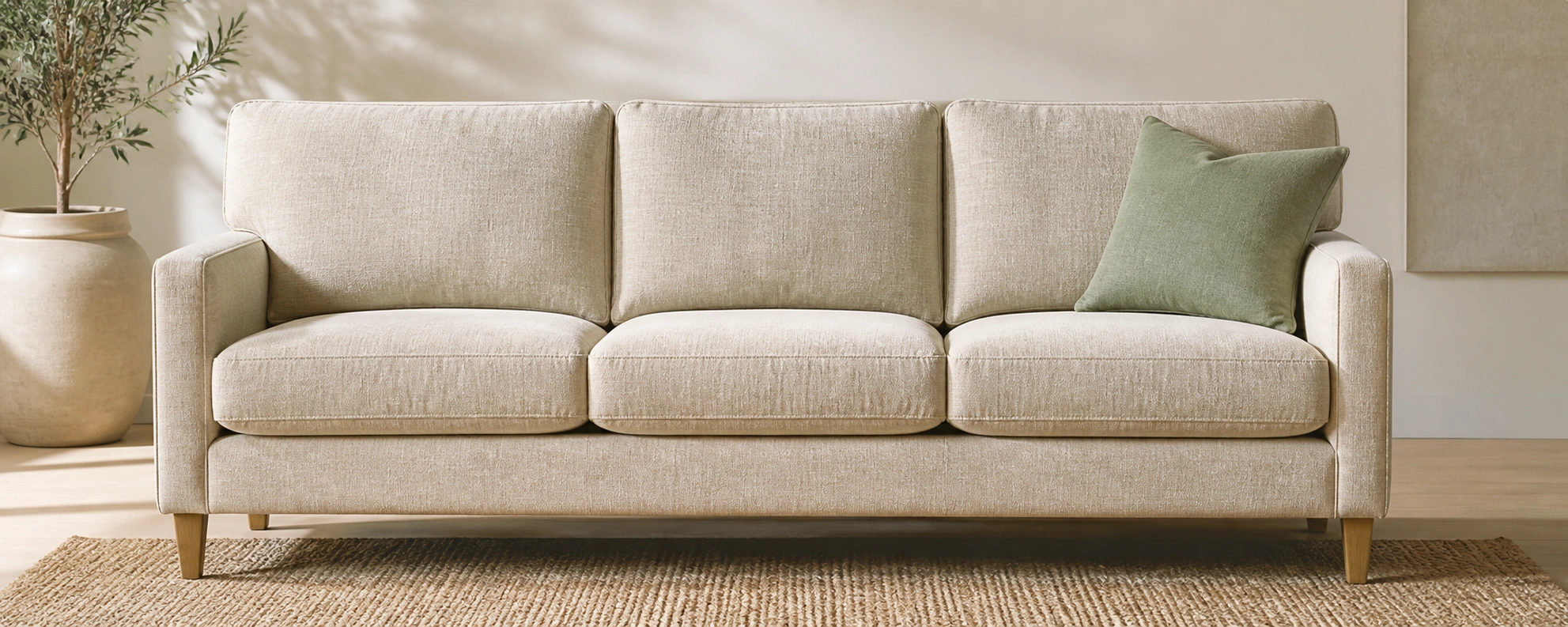
Linen
Derived from flax fibers, linen delivers a luxurious, textured appearance that elevates any room. It's highly breathable and ideal for warm climates. However, linen wrinkles readily, shows wear faster, and is vulnerable to pet claws — best suited for low-traffic, adult-oriented spaces.
Lower Durability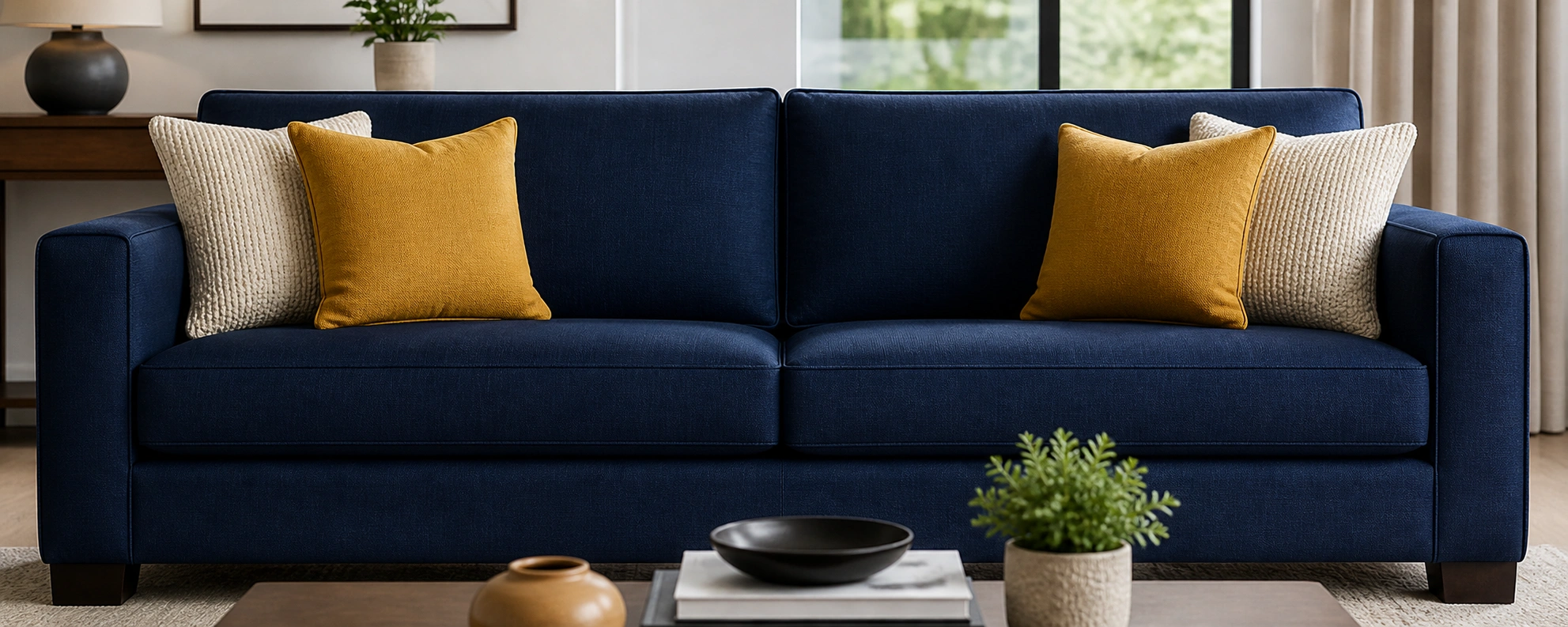
Polyester
A synthetic workhorse that resists wrinkling, fading, and staining far better than natural fibers. Polyester is affordable, colorfast, and holds its shape well. It's rarely used alone — most sofa fabrics blend polyester with cotton to combine natural comfort with synthetic toughness.
High Durability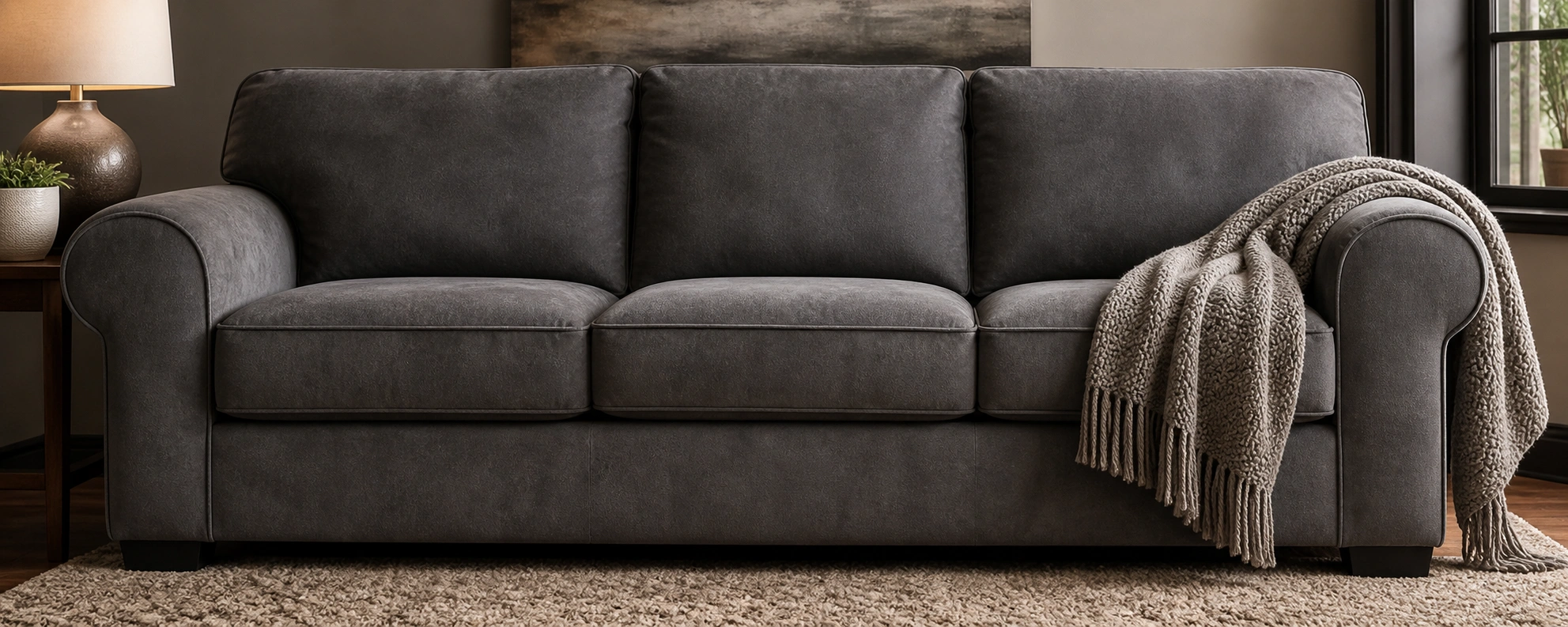
Microfiber
An ultra-fine polyester fabric with a suede-like texture that's incredibly soft and densely woven. Microfiber resists water, repels stains naturally, and is remarkably easy to clean — making it one of the best choices for families with children and pet owners.
High Durability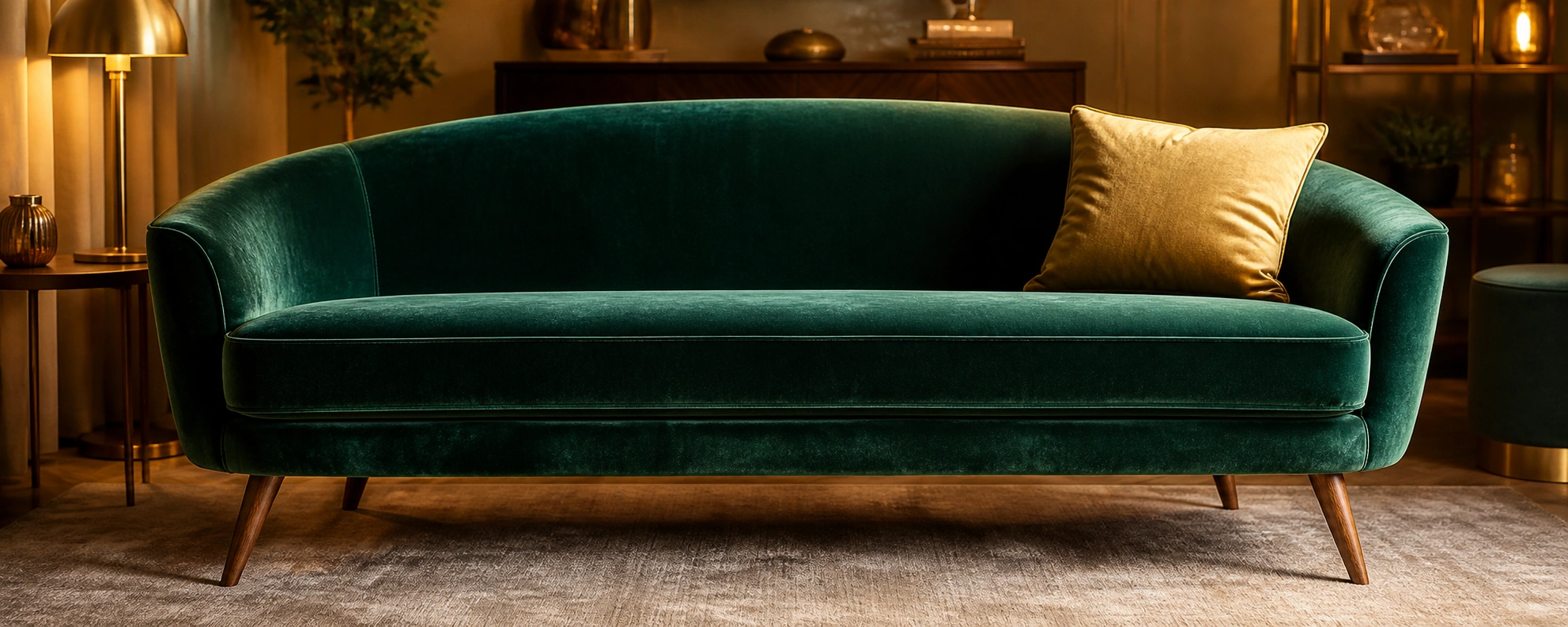
Velvet
A pile fabric with a rich, lustrous surface that catches light beautifully. Modern velvet sofas, especially those made from performance velvet, balance luxury with practicality. Traditional velvet shows markings and crushing, but performance variants resist both while maintaining the signature sheen.
Moderate Durability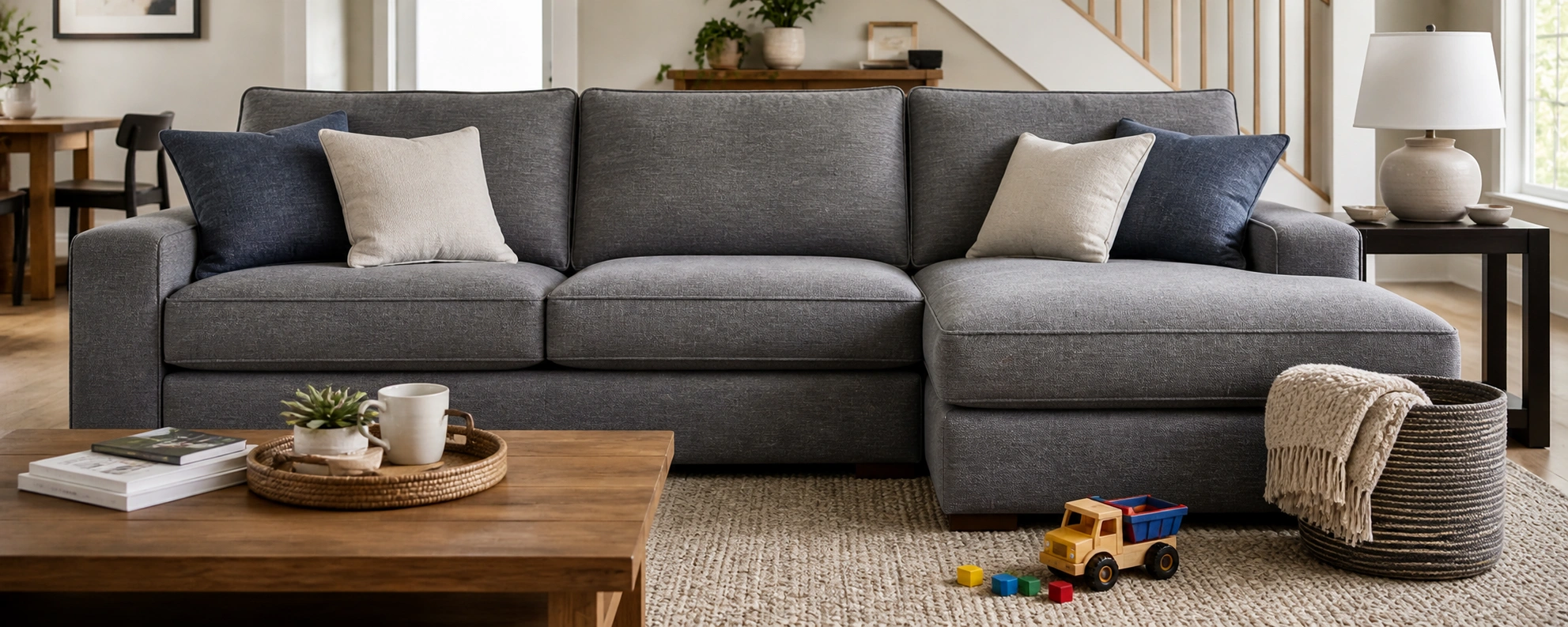
Performance Fabric
Engineered to resist stains, water, fading, and wear — often exceeding 50,000 Martindale rub cycles. Brands like Crypton, Revolution, and Sunbrella lead this category. Performance fabrics are the top recommendation for high-traffic family rooms and homes with pets.
Very High DurabilityOther Fabric Options Worth Considering
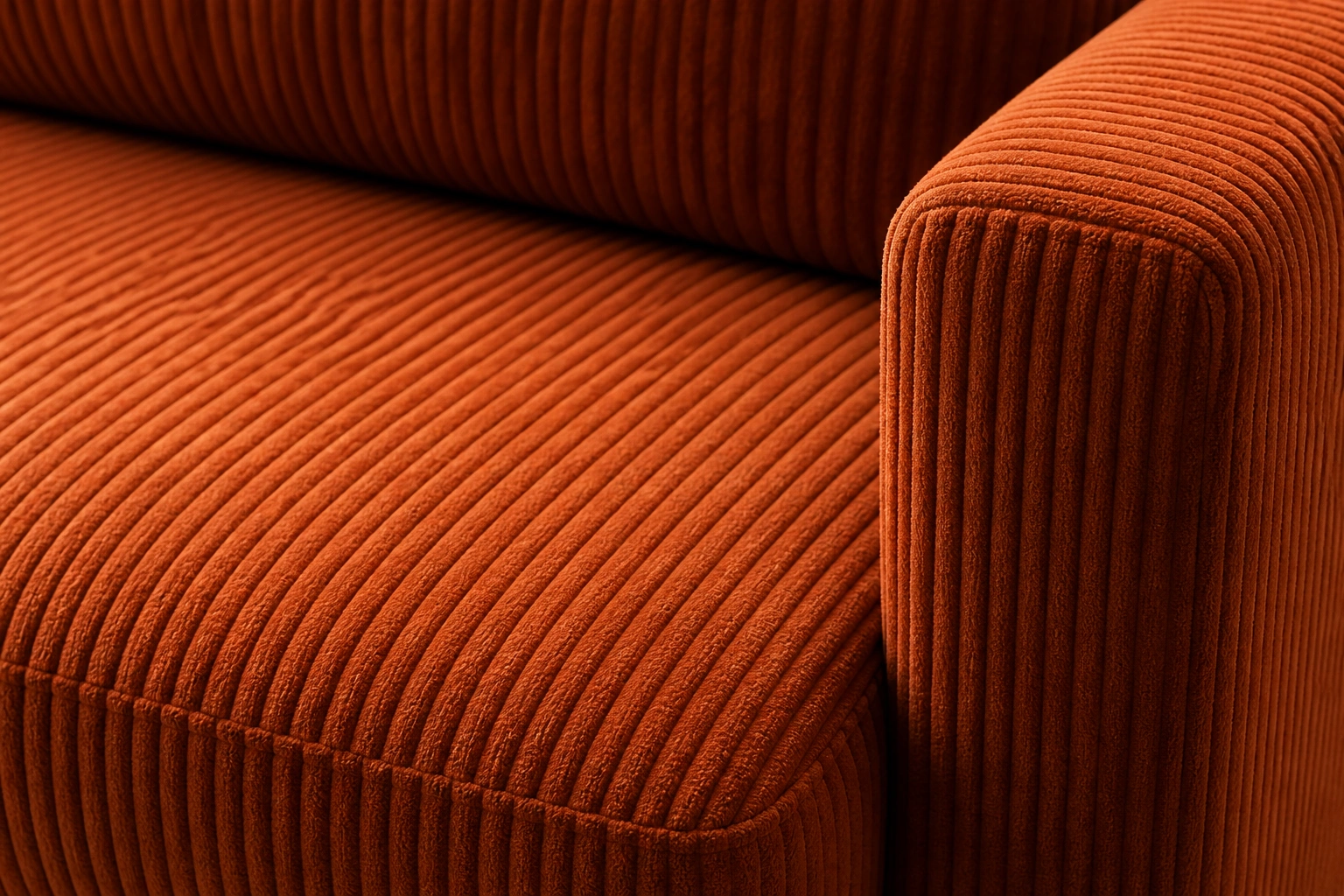
Corduroy — This ribbed fabric has made a strong comeback in modern interiors. Its distinctive vertical ridges add visual texture and warmth. Corduroy is durable (especially wide-wale varieties) and feels cozy, but the ridges can trap dust and pet hair. It's an excellent choice for retro, mid-century, or bohemian-inspired spaces.
Washable Fabric — A growing category where the entire sofa cover can be removed and machine-washed. Brands like Burrow, Lovesac, and IKEA specialize in this format. Washable sofas are ideal for households where spills are frequent — simply unzip, wash, and your sofa looks brand new again.
Olefin — A synthetic fiber known for exceptional resistance to moisture, chemicals, and UV fading. Originally developed for outdoor use, olefin is increasingly found in indoor sofas, particularly in basements and coastal homes where humidity is a concern. It's budget-friendly and incredibly tough.
Fabric Comparison at a Glance
The table below provides a side-by-side comparison of the key factors that matter most when selecting a sofa fabric. Use it as a quick reference when evaluating options.
| Fabric | Durability | Stain Resistance | Cleaning Ease | Comfort | Price Range | Best For |
|---|---|---|---|---|---|---|
| Cotton | Moderate | Low | Moderate | High | $ – $$ | Low-traffic rooms |
| Linen | Low–Moderate | Low | Difficult | High | $$ – $$$ | Formal spaces |
| Polyester | High | High | Easy | Moderate | $ – $$ | General use |
| Microfiber | High | Very High | Very Easy | High | $ – $$ | Families & pets |
| Velvet | Moderate | Moderate | Moderate | Very High | $$ – $$$ | Statement pieces |
| Performance | Very High | Very High | Very Easy | Moderate–High | $$ – $$$ | Heavy-duty use |
| Corduroy | Moderate–High | Moderate | Moderate | High | $$ | Retro & cozy spaces |
| Olefin | Very High | Very High | Easy | Moderate | $ – $$ | Humid environments |
Fabric Sofa Pros and Cons
Understanding the strengths and weaknesses of fabric as a furniture upholstery material helps you decide whether it aligns with your lifestyle. If you're weighing fabric against leather alternatives, this breakdown covers the key differences.
Advantages
- Vast selection of colors, patterns, and textures — far more variety than leather or any other upholstery material
- Generally more affordable than genuine leather, with budget options starting well under $500
- Warmer to the touch in cold weather, making fabric more comfortable in air-conditioned rooms and winter months
- Softer surface that's gentler on skin and safer for young children who may bump against armrests
- Modern performance fabrics rival leather in stain resistance and durability while maintaining fabric's design flexibility
- Easier to reupholster or update with slipcovers for a fresh look without replacing the entire sofa
- Lightweight compared to leather, making fabric sofas easier to move and rearrange
- Doesn't crack or peel over time — a common issue with lower-quality leather
Disadvantages
- Absorbs odors more readily than leather — cooking smells, pet odors, and smoke can linger in fabric fibers
- Traps dust mites, pet dander, and allergens more than non-porous materials, which may concern allergy sufferers
- Most natural fabrics (cotton, linen) are vulnerable to permanent staining without treatment or prompt cleaning
- Can develop pilling — those frustrating little fabric balls that form from friction
- Fading from sunlight exposure is a concern unless UV-resistant or solution-dyed fabrics are chosen
- Pet claws can snag and pull fabric threads, especially on loose-weave materials like linen and chenille
- Requires more regular maintenance than leather — weekly vacuuming and periodic deep cleaning recommended
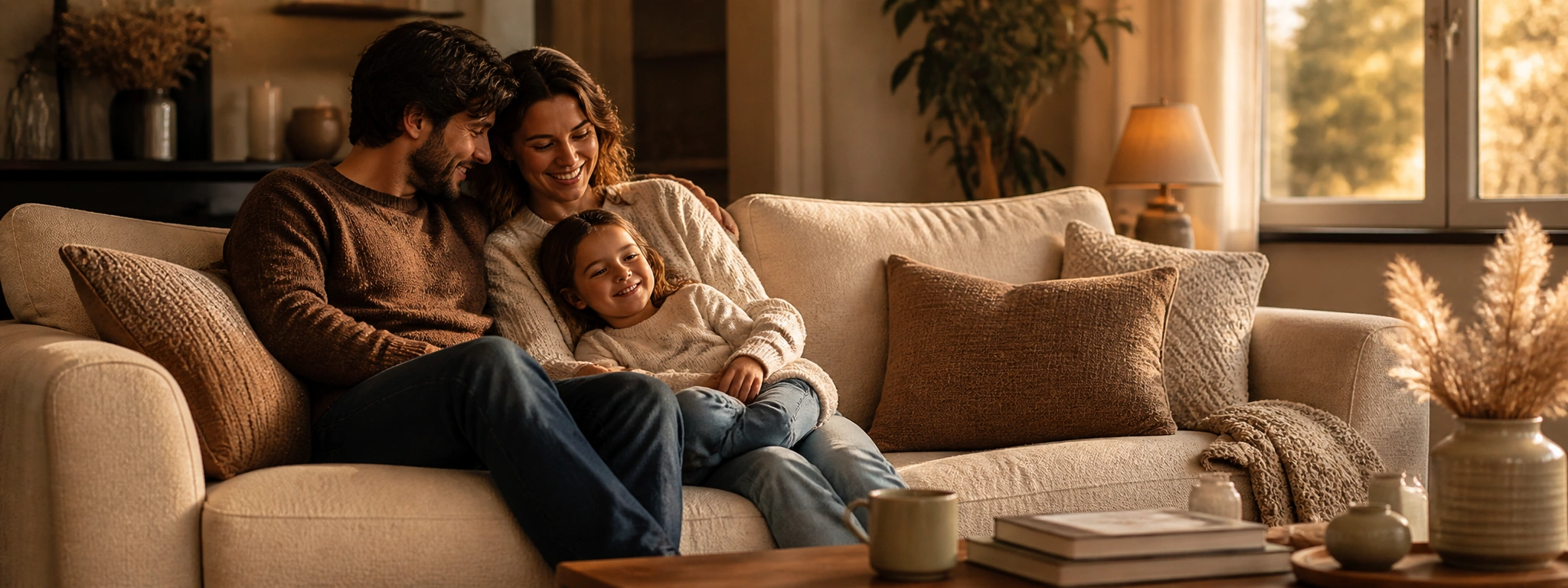
Understanding Fabric Durability
When manufacturers describe a fabric as "durable," they're typically referring to its performance in standardized abrasion tests. The most widely used metric is the Martindale rub test, which measures how many cycles of rubbing a fabric can withstand before showing wear. Understanding these numbers is one of the most powerful tools you have when comparing sofas.
How to Read Martindale Test Results
The Martindale test rubs abrasive material against the fabric in a figure-eight pattern. The number reported (e.g., 30,000 cycles) represents the point where the fabric shows noticeable wear. Higher numbers mean greater durability. Always ask the retailer for the Martindale rating before purchasing — this single number tells you more about long-term value than price or brand name.
| Martindale Cycles | Durability Level | Suitable For |
|---|---|---|
| 10,000 – 15,000 | Light Domestic | Decorative pieces, guest rooms, occasional use |
| 15,000 – 25,000 | Moderate Domestic | Adult households, formal living rooms |
| 25,000 – 40,000 | General Domestic | Family rooms, everyday use, homes with older children |
| 40,000 – 60,000 | Heavy Domestic | Busy families, homes with pets, daily heavy use |
| 60,000+ | Commercial Grade | Offices, waiting areas, extreme-wear situations |
For most households, we recommend targeting fabrics rated at 25,000 cycles or higher. If you have dogs or cats, aim for 40,000+ to account for claw damage in addition to normal wear. Keep in mind that Martindale ratings measure abrasion resistance — they don't account for pilling, fading, or stain susceptibility, which is why you should evaluate all factors together rather than relying on a single number.
Beyond the Martindale test, also consider seat depth and cushion firmness, as these factors affect how much friction the fabric endures. Deep, plush seats create more contact area and therefore more wear than firm, shallow seats — even with the same fabric.
Fabric Cleaning Codes Decoded
Every upholstered sofa comes with a cleaning code label, usually found under the seat cushions or on the manufacturer's tag. This code tells you exactly which cleaning methods are safe for that specific fabric. Using the wrong cleaner can permanently damage the material, void warranties, and ruin your sofa's appearance.
Water-Based
Clean with water-based solutions, mild detergent, or upholstery shampoo. Most common for synthetic and treated fabrics.
Solvent-Based
Use only dry-cleaning solvents. No water. Typical for delicate natural fabrics like linen, silk, and untreated cotton.
Water or Solvent
Either method works, but start with the gentlest approach. Use mild suds or a professional dry-cleaning foam.
Vacuum Only
No liquid cleaners at all. Vacuum or brush only. Professional cleaning only. Found on delicate materials like vintage fabrics.
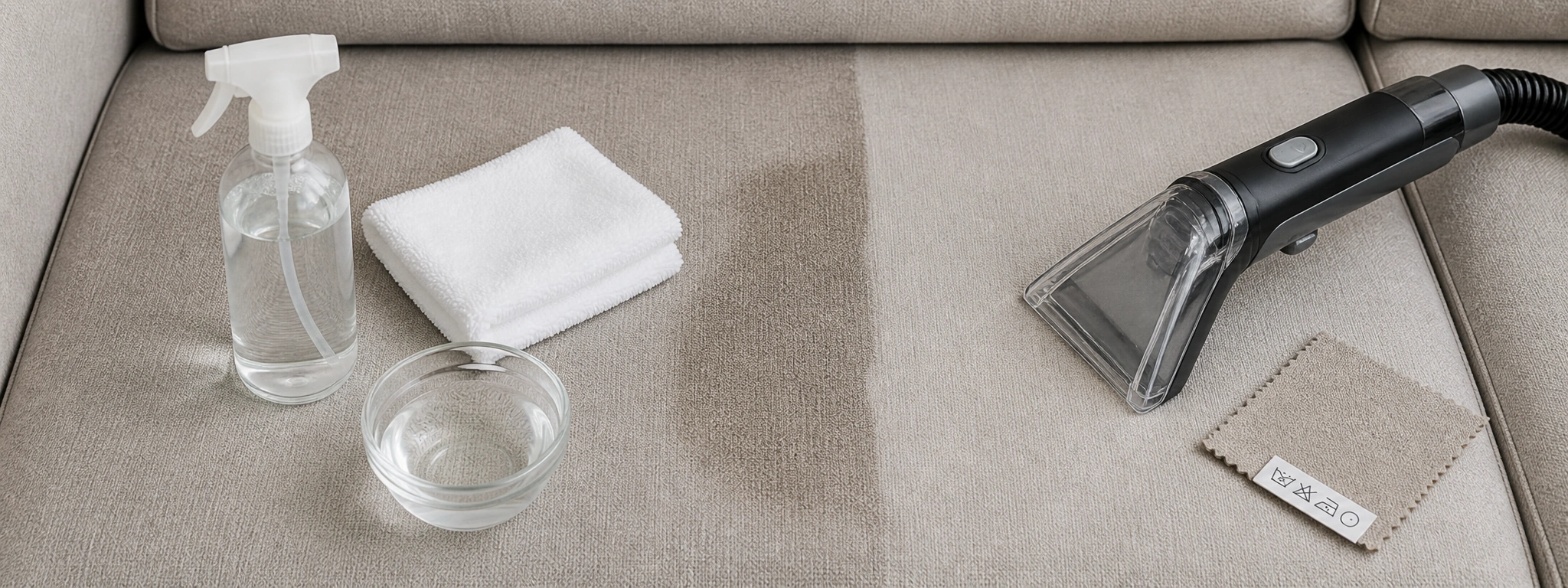
Before attempting any cleaning, always test your chosen product on an inconspicuous area first — typically the back or bottom of the sofa. For comprehensive step-by-step instructions on dealing with specific messes, our guide on how to clean fabric sofas covers everything from routine maintenance to stubborn stain removal. If you're dealing with a particularly tough situation, our stain removal guide provides targeted solutions for wine, coffee, pet accidents, ink, grease, and more.
Which Fabric Sofa Is Best for Your Situation?
There's no single "best" fabric — the right choice depends entirely on your household composition, lifestyle, and priorities. Here are targeted recommendations based on the most common scenarios shoppers face.
Families with Young Children
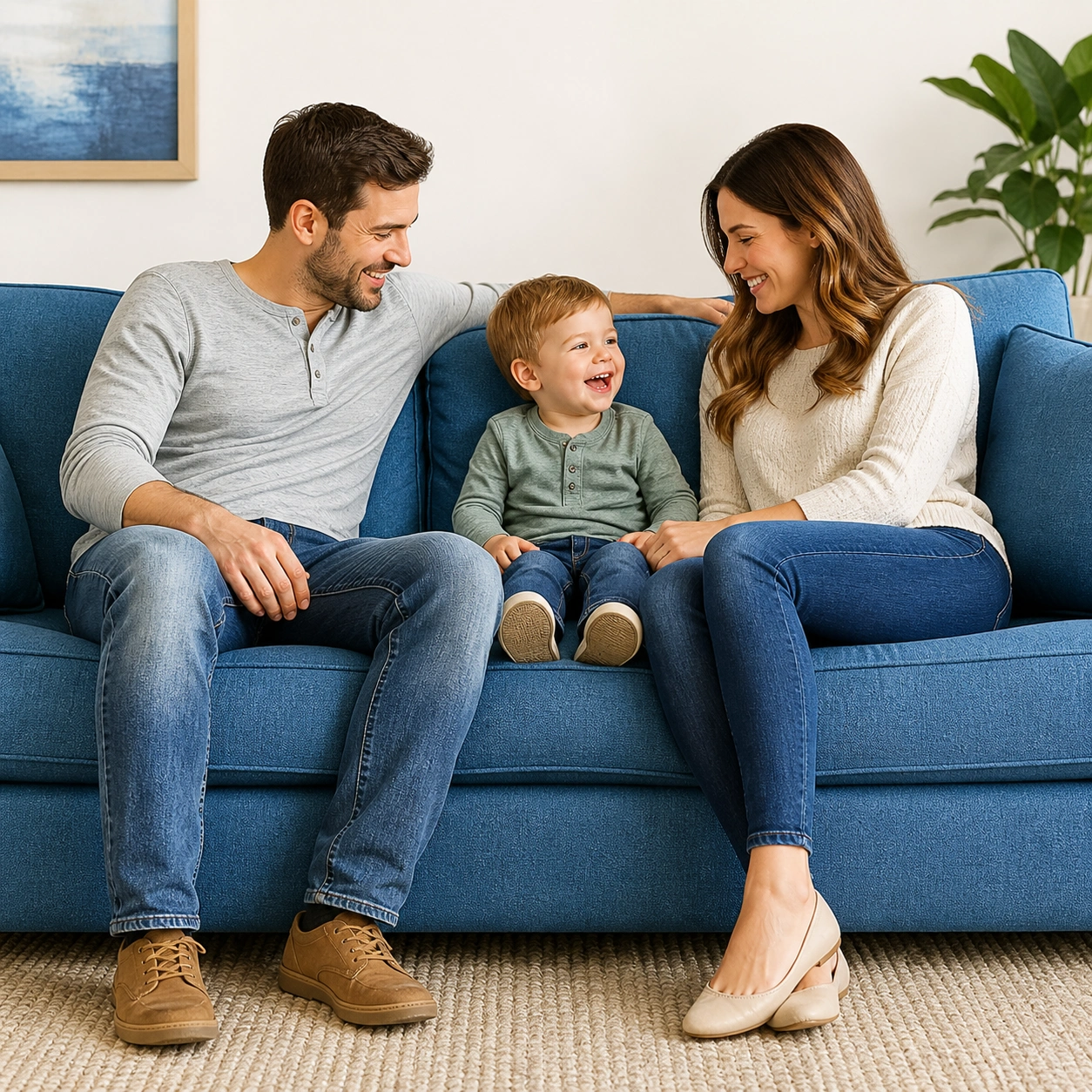
Choose performance fabric or microfiber. Both resist spills and withstand heavy daily use. Consider a washable sofa for the ultimate convenience — machine-washable covers eliminate the stress of inevitable messes entirely.

Homes with Pets
Opt for tight-weave microfiber or p performance fabrics rated above 40,000 Martindale cycles. Avoid loose weaves like linen and chenille that snag easily. Add pet-proof covers for an extra layer of protection.
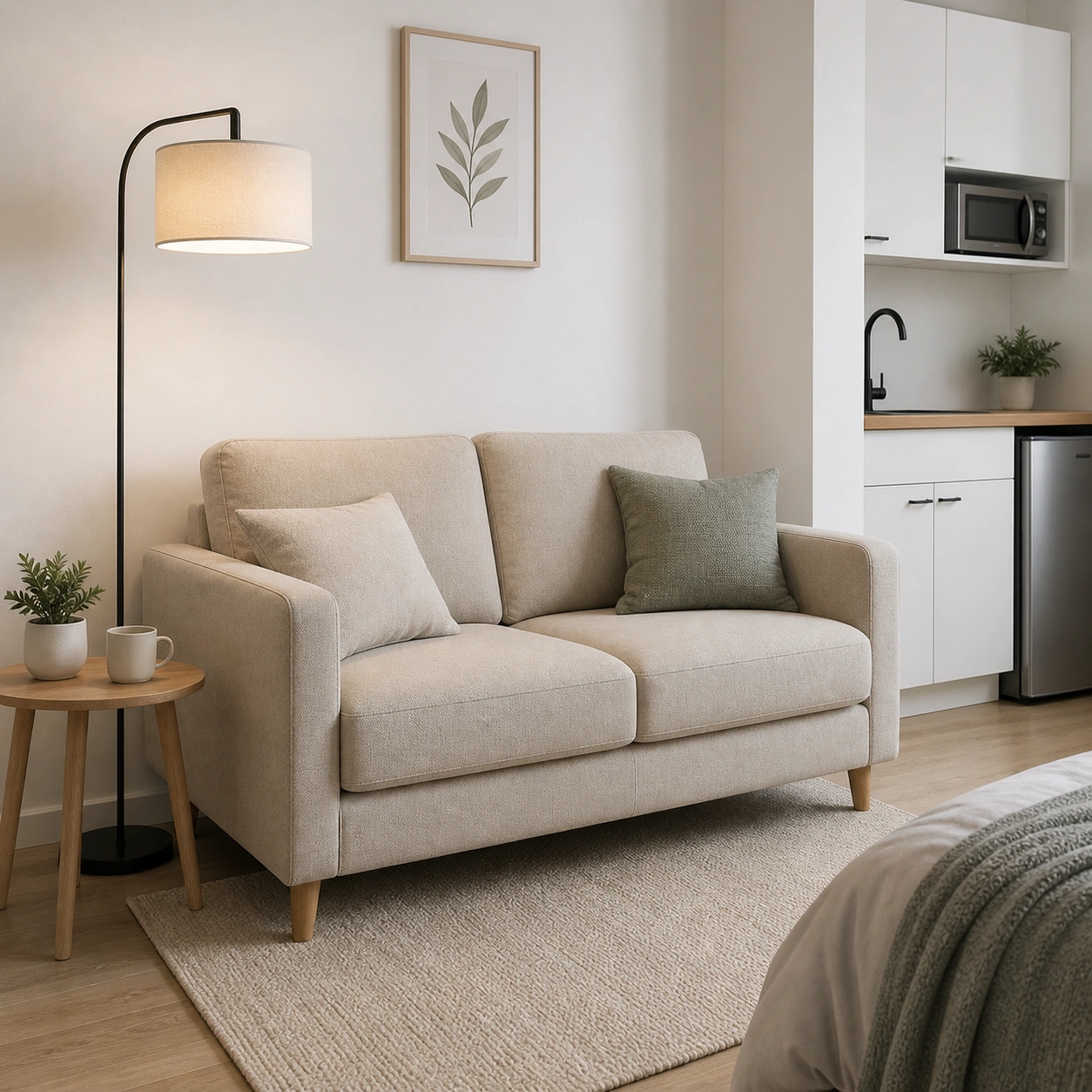
Small Apartments
A compact fabric sofa in a light or neutral tone makes your space feel larger. Cotton-poly blends offer the best balance of affordability and durability for apartment living where budgets may be tighter.
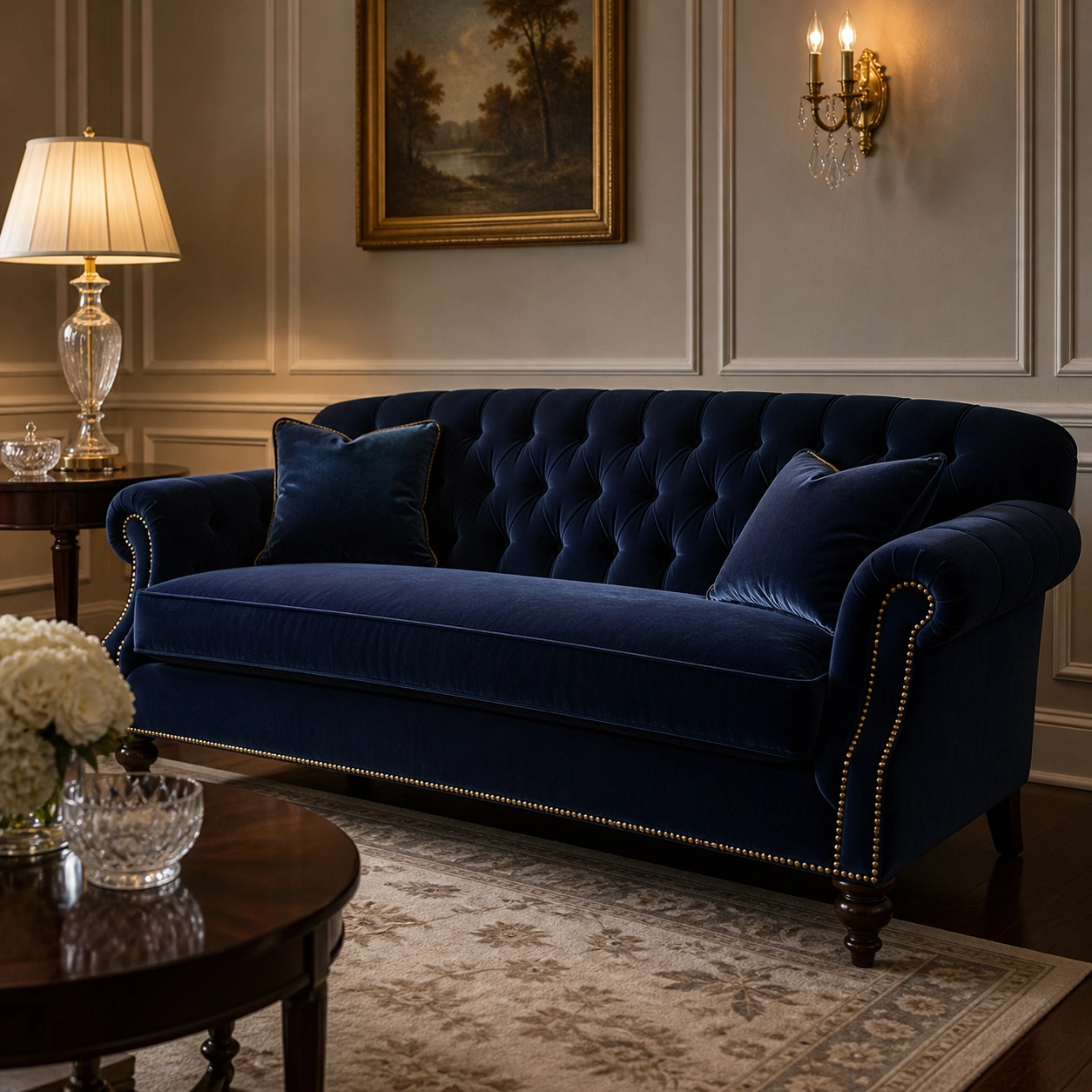
Formal Living Rooms
Linen, silk blends, and velvet deliver the refined look that formal spaces demand. Choose darker colors to mask wear, and consider neutral tones for timeless elegance that won't clash if you redecorate.
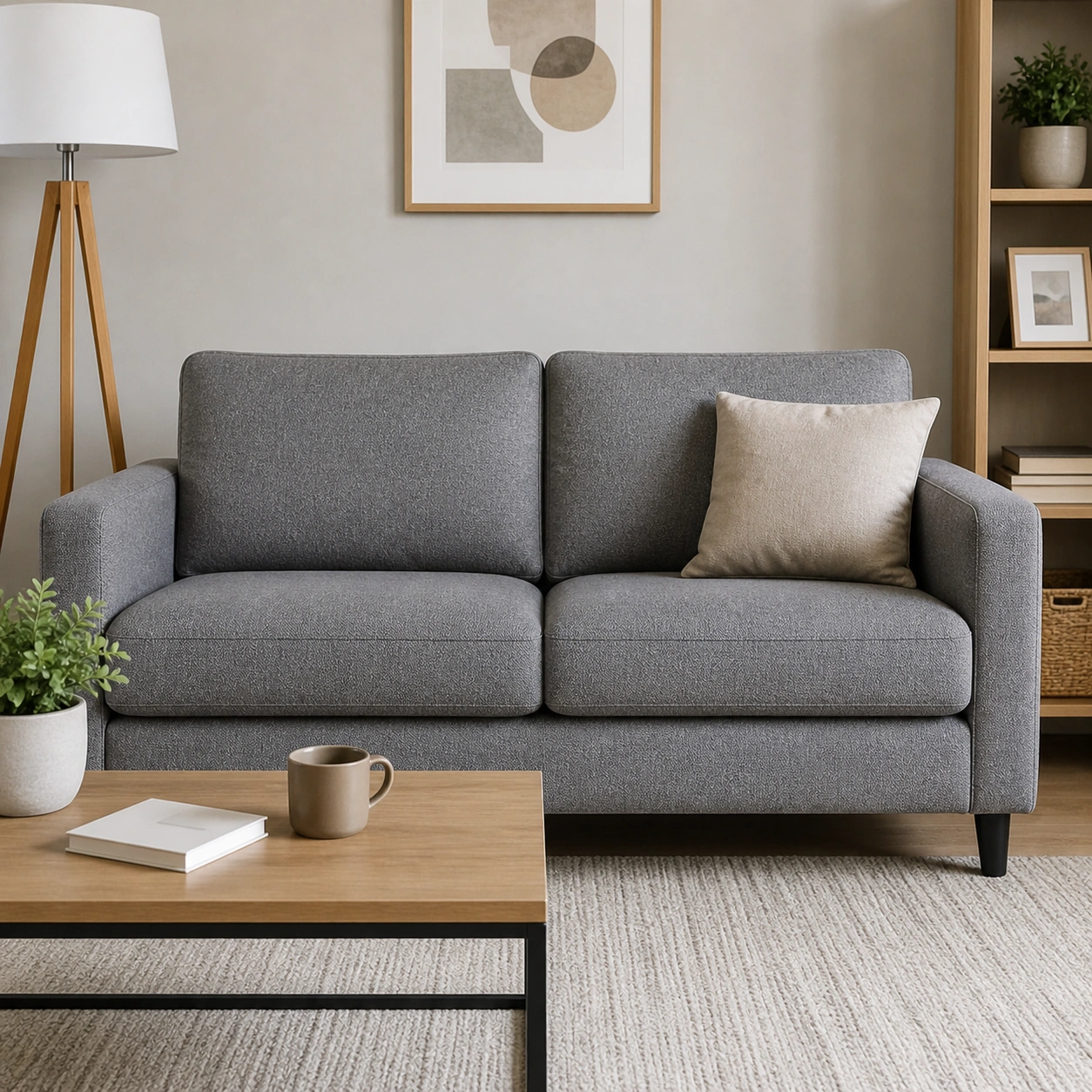
Budget-Conscious Buyers
Polyester and polyester-cotton blends deliver the most durability per dollar. Check out budget sofa recommendations that don't compromise on quality — many excellent fabric sofas are available under $500.
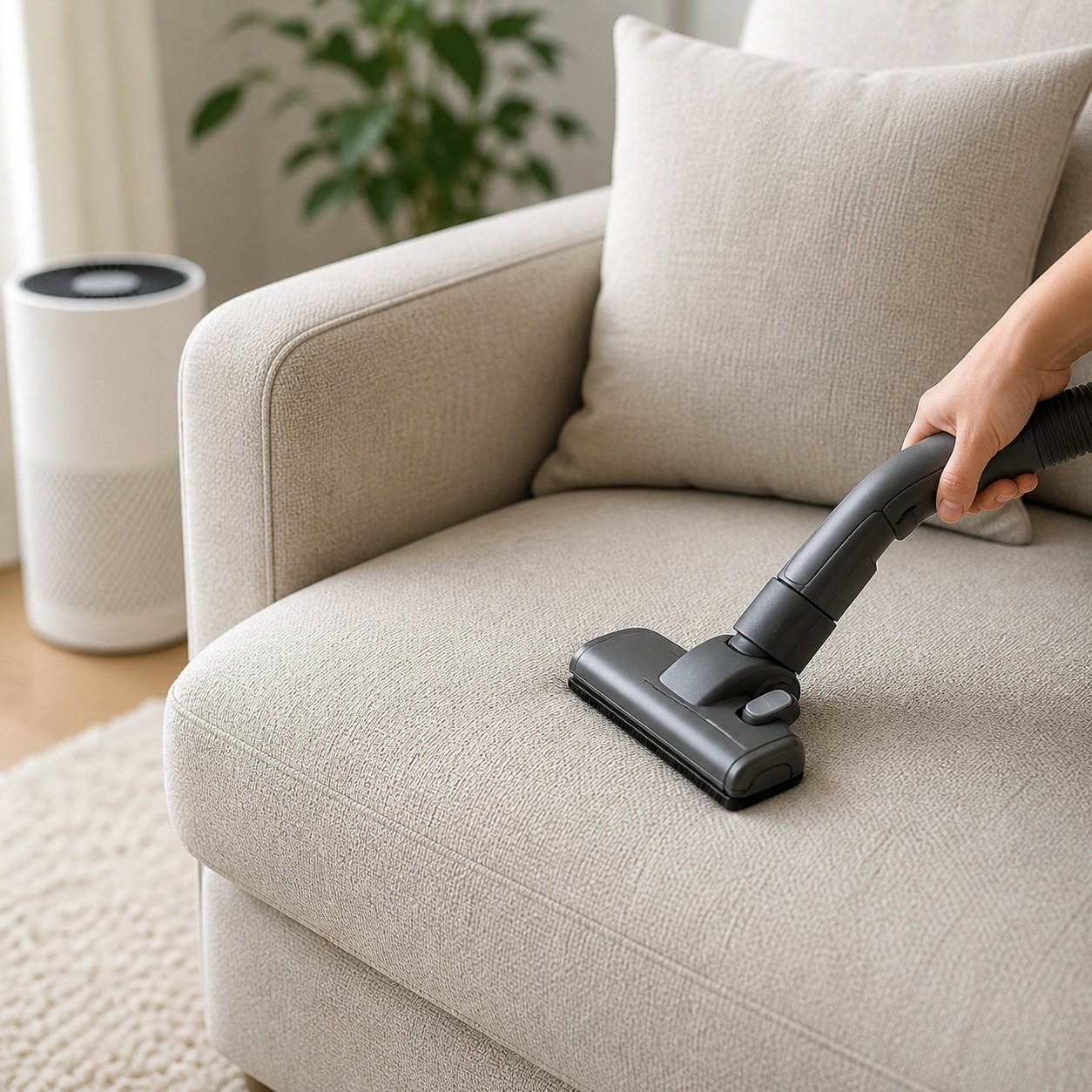
Allergy Sufferers
Tight-weave microfiber and performance fabrics like Crypton resist allergen penetration. Combine with a fabric protection treatment and regular HEPA vacuuming to minimize dust mite and dander accumulation.
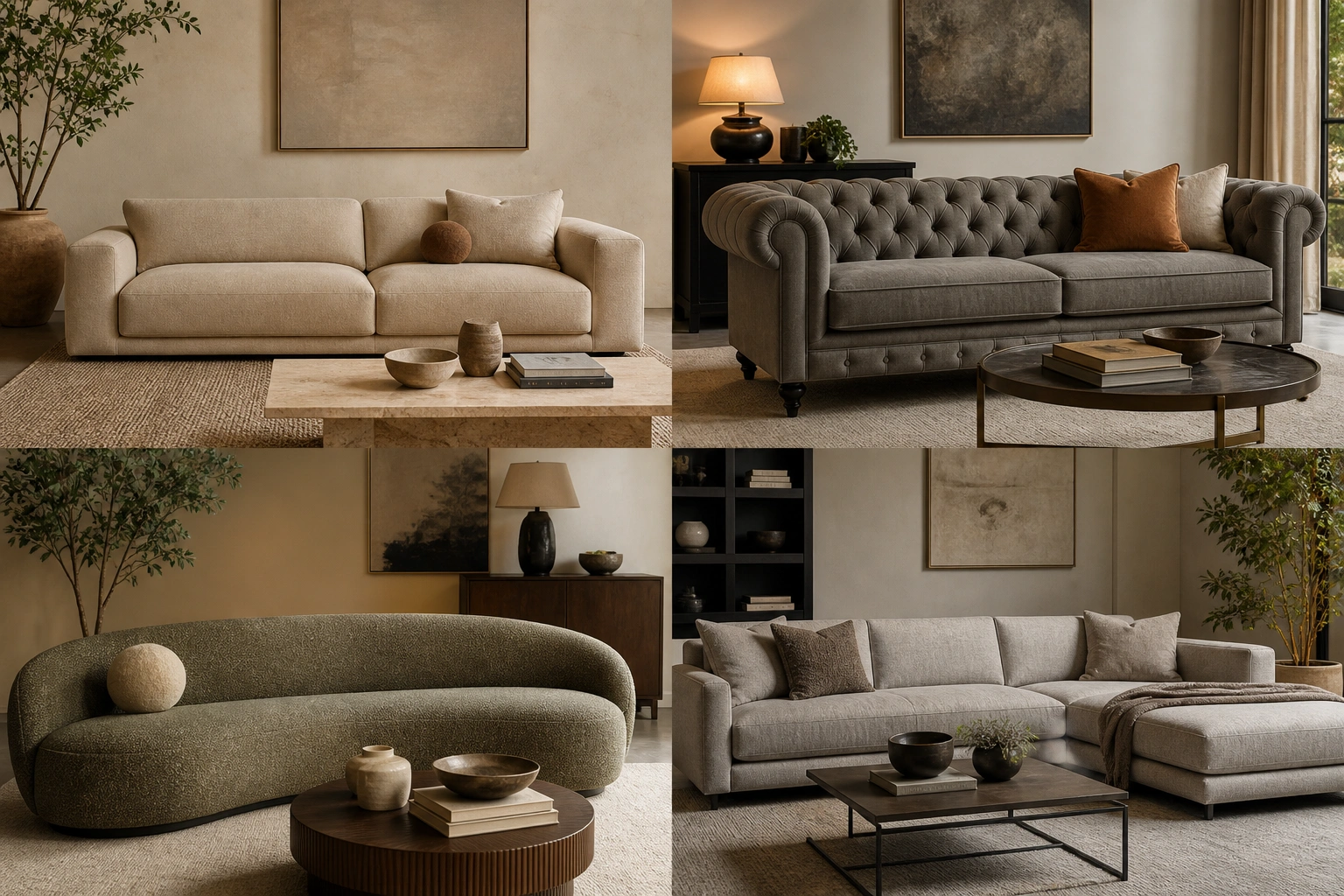
Popular Fabric Sofa Styles
The fabric you choose pairs with specific sofa designs to create distinct visual impacts. Here are some of the most sought-after fabric sofa styles and how different fabrics enhance their character.
Modern Fabric Sofas — Clean lines, low profiles, and tapered legs define this style. Smooth polyester or performance fabrics in solid colors (especially grey, navy, and emerald green) complement the minimalist aesthetic perfectly. Avoid textured fabrics that compete with the sleek silhouette.
Tufted Fabric Sofas — The classic button-tufted look, as seen in Chesterfield designs, gains depth and richness when upholstered in velvet or textured linen. The tufting creates natural shadow lines that make textured fabrics truly shine.
Fabric Sectionals — Large L-shaped or U-shaped sectionals benefit from durable, easy-to-clean fabrics since they see the most use. Microfiber and performance fabrics are ideal here — their practical nature matches the sectional's family-oriented purpose.
Modular Fabric Sofas — Since modular pieces can be rearranged, the fabric needs to look consistent from all angles. Solid-color performance fabrics work best, as patterned fabrics can be difficult to align across separate modules.
Essential Buying Tips for Fabric Sofas
Before you click "add to cart" or walk into a showroom, keep these critical factors in mind. Following this checklist will help you avoid the most common mistakes that lead to buyer's remorse.
- Always check the Martindale rating — Ask the seller for the specific abrasion test score. A fabric that "feels durable" might only be rated for 15,000 cycles, which won't survive active household use. See our complete Martindale guide for detailed benchmarks.
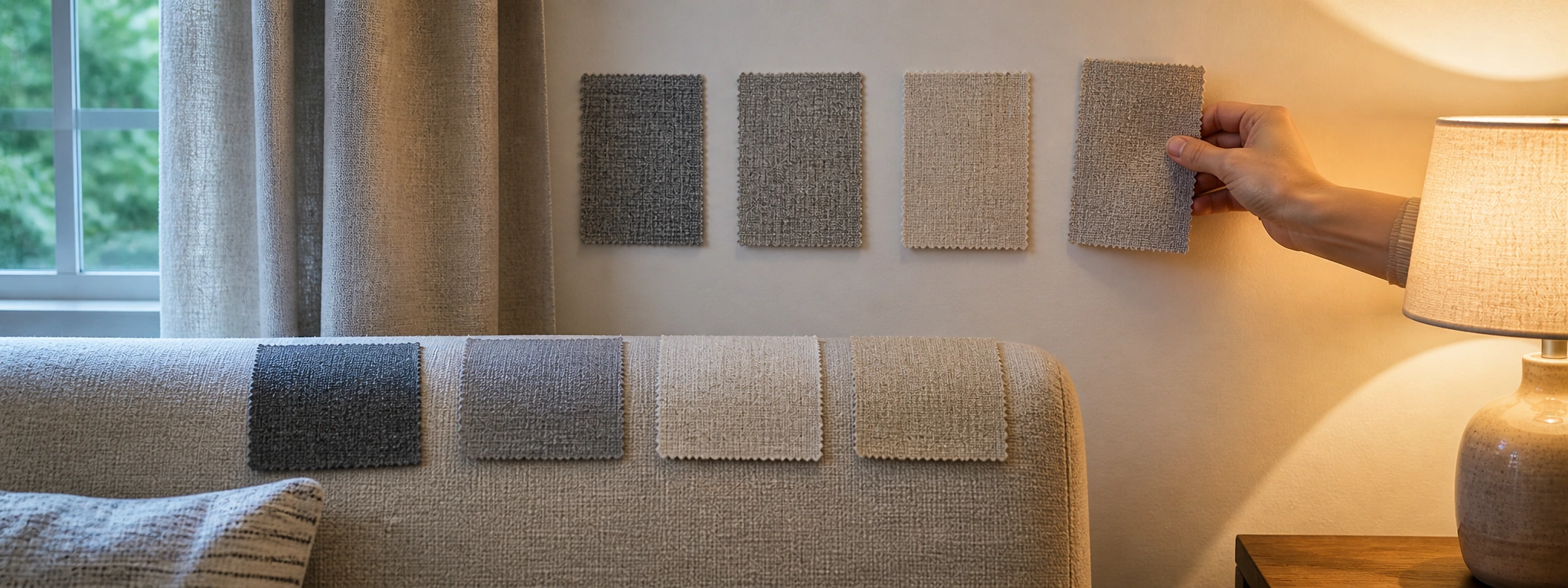
- Request a fabric swatch before ordering online — Colors appear very different on screens versus in your home's lighting. A $5 swatch can prevent a $1,000 mistake. Test the swatch against your walls, flooring, and existing furniture during different times of day.
- Consider the frame beneath the fabric — Even the most durable fabric won't save a weak frame. Look for kiln-dried hardwood, corner-blocked joints, and a minimum 5-year frame warranty. The fabric is what you see, but the frame determines how long the sofa lasts.
- Evaluate cushion fill alongside fabric — A luxurious velvet covering cheap foam will still feel flat within months. Our cushion fill guide explains how high-resilience foam, down wraps, and spring-down combos affect long-term comfort.
- Check the cleaning code before purchasing — An "S" or "X" code fabric in a household with toddlers is a recipe for frustration. Match the cleaning requirements to your realistic willingness and ability to maintain the fabric properly.
- Ask about UV resistance if near windows — Natural fibers like cotton and linen fade quickly under direct sunlight. If your sofa will sit near a window, look for solution-dyed acrylics or apply UV protection treatments and use window films.
- Factor in the total cost of ownership — A $400 cheap fabric sofa that needs replacing in 3 years costs more long-term than an $800 quality fabric sofa lasting 10+ years. Our price breakdown guide helps you calculate true value.
- Test for pilling tendency — Rub the fabric swatch vigorously between your fingers. If it forms small balls quickly, it will pill on your sofa too. Short-fiber fabrics and blends with high wool or acrylic content are most prone to pilling — a problem documented in our fabric pilling article.
- Compare comfort versus durability — The softest, most comfortable fabrics are often the least durable. Find your balance point based on how the sofa will actually be used daily.
- Understand the warranty specifics — Many sofa warranties cover the frame for 5–10 years but only cover the fabric for 1 year against manufacturing defects. Stains, pilling, and normal wear are almost never covered. Read the fine print before purchasing.
Fabric Sofa Maintenance Checklist
Proper maintenance dramatically extends the life of your fabric sofa and keeps it looking fresh. Here's a practical routine that takes minimal effort but delivers significant long-term results.
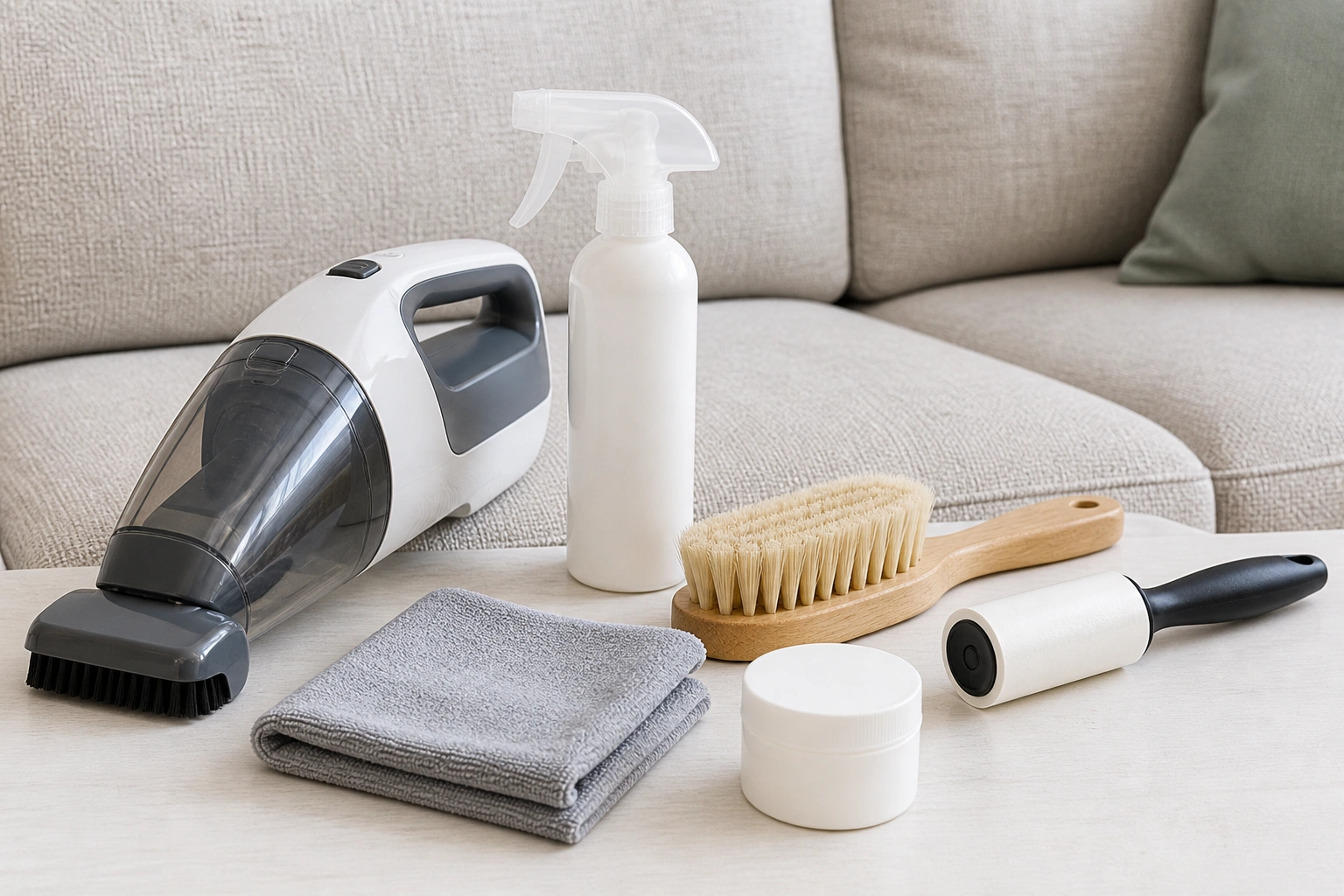
Weekly: Vacuum all surfaces using the upholstery attachment, paying special attention to crevices where dust and crumbs accumulate. Rotate and flip cushions to ensure even wear. If you have pets, use a lint roller or rubber glove to remove embedded hair.
Monthly: Treat any spots or stains promptly — the longer a stain sits, the harder it becomes to remove. Spot-clean according to the fabric's cleaning code. Check for loose threads and snags, trimming them carefully instead of pulling.
Every 6–12 months: Schedule a professional deep cleaning, especially if the cleaning code is "S" or "X." Apply a fabric protection spray after cleaning to restore stain resistance. For microfiber sofas, use a brush to restore the nap after deep cleaning.
As needed: Address sagging cushions promptly — our guide on fixing sagging cushions can save you from premature replacement. Use decorative throws on high-wear armrests to distribute friction and protect the fabric underneath.
Frequently Asked Questions
Continue Your Research
Now that you understand fabric sofa materials, explore these related topics to make a fully informed purchase decision: Learn how to choose the perfect sofa overall, compare sectional vs traditional designs, understand spring systems that affect comfort, and review our sofa budget guide to set realistic spending expectations.


