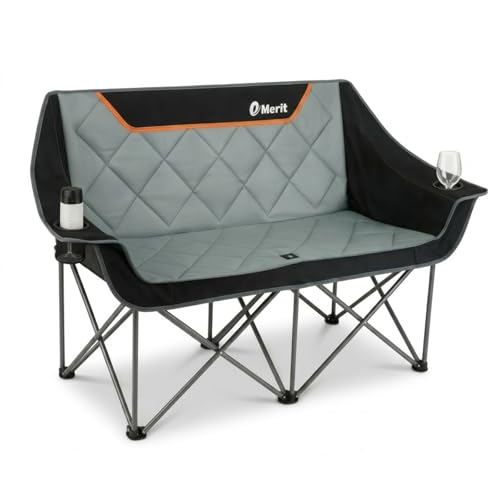
Camping Sofa: The Complete Guide to Portable Outdoor Comfort
Everything you need to know about choosing the right camping sofa — from frame types and fabric durability to weight, packability, and real-world comfort for your next adventure.
View Recommended Camping SofasWhy This Guide Matters: A camping sofa is one of the most overlooked pieces of outdoor gear. While a basic folding chair gets the job done, a proper camping sofa transforms your campsite, tailgate, or festival spot into a genuinely comfortable living space. This guide helps you understand what separates a great camping sofa from a mediocre one, so you invest wisely.
What Is a Camping Sofa?
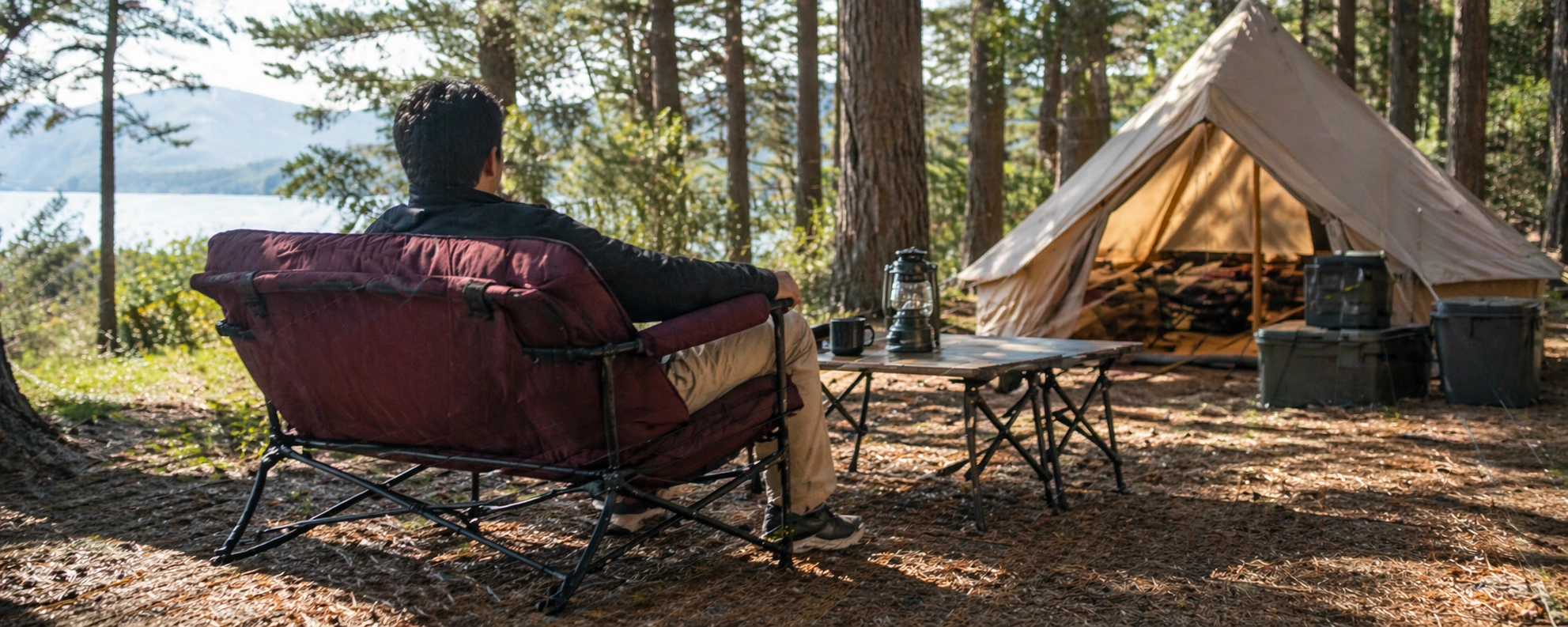
A camping sofa is a portable, lightweight seating solution designed specifically for outdoor use. Unlike standard living room sofas that weigh 100+ pounds and stay put, camping sofas are engineered to be packed, carried, and set up at campsites, festivals, tailgates, beach trips, and backyard gatherings. They typically weigh between 2 and 15 pounds and fold or deflate into compact sizes that fit in a car trunk, backpack, or gear bin.
What distinguishes a camping sofa from a basic camp chair is the seating experience. Most camping sofas offer wider seat surfaces (40–60 inches for 2-person models), actual back support with proper angles, armrests, and in some cases, padded cushions that mimic the feel of indoor furniture. They bridge the gap between ultralight camp chairs and permanent outdoor sofas, offering a sweet spot of comfort and portability.
Types of Camping Sofas
Not all camping sofas are built the same. Understanding the core categories helps you narrow down which design matches your activity style, group size, and transportation method.
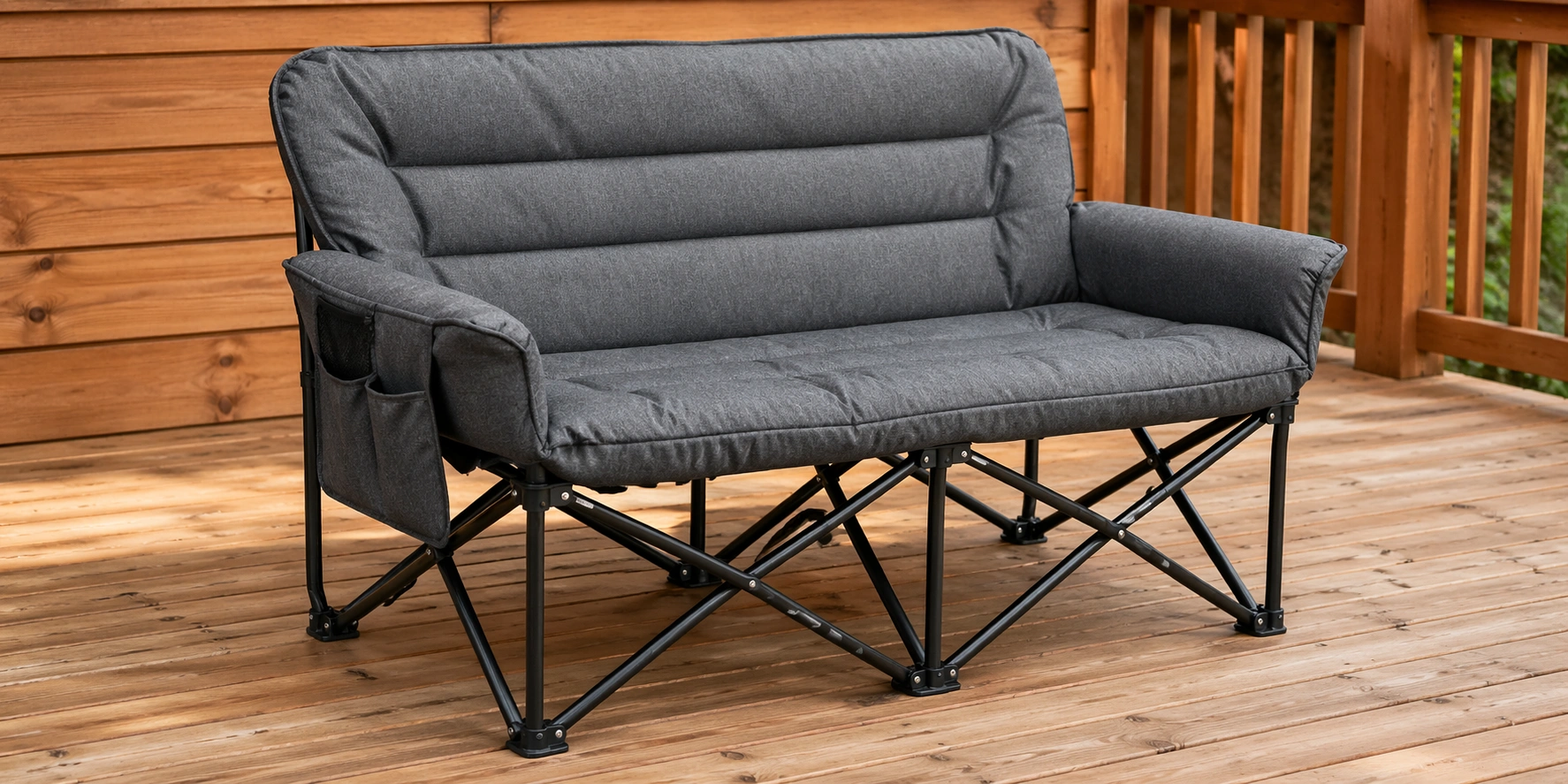
Folding Frame Sofas
Feature a rigid metal frame (steel or aluminum) that folds flat like a standard camp chair but with a wider seat and higher back. Most common type, great balance of comfort and durability.
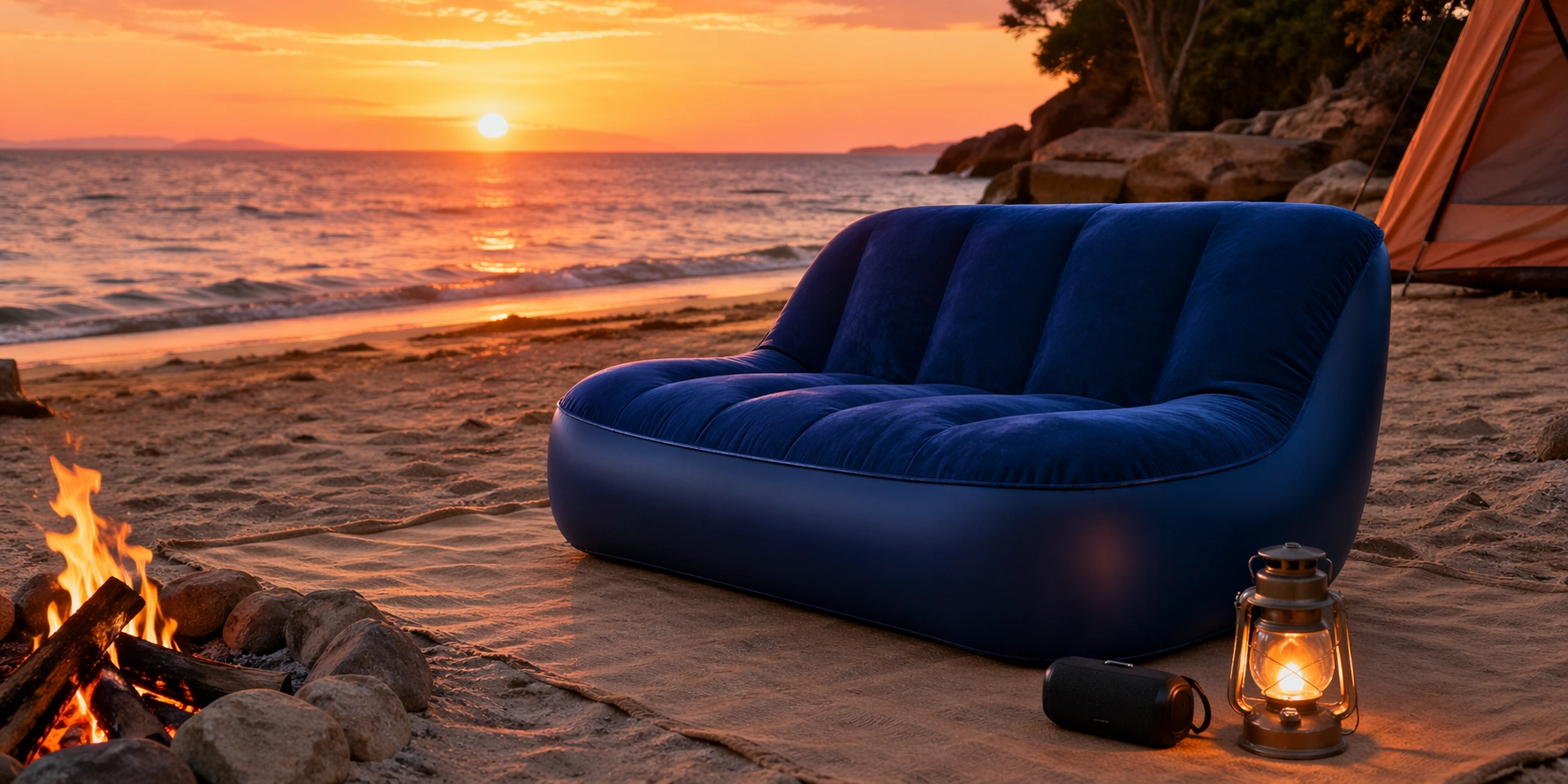
Inflatable Sofas
Air-filled designs that pack down to the size of a water bottle. Ultra-lightweight and ideal for backpackers. Some use electric pumps, others inflate with a bag-scoop method.
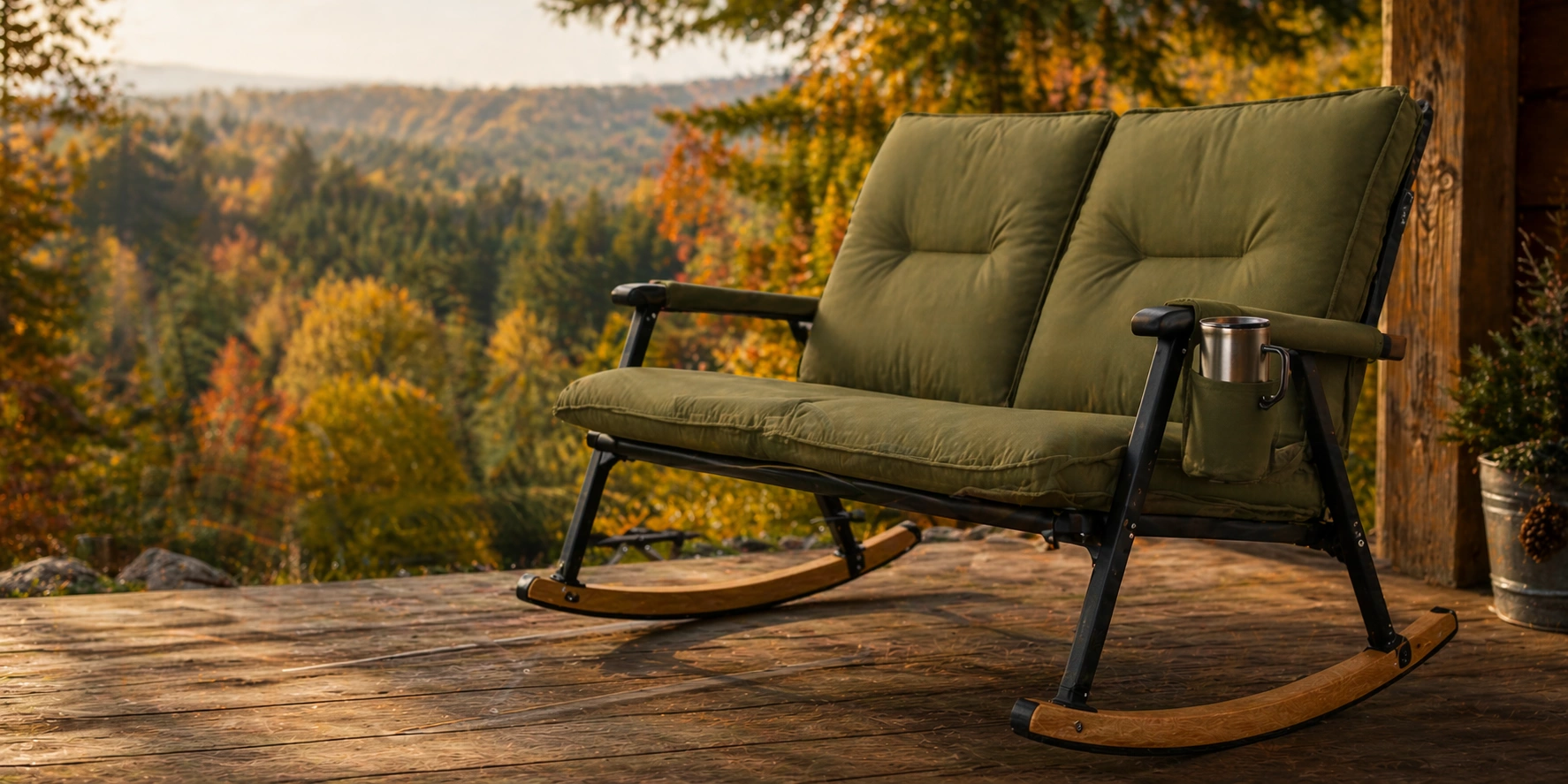
Rocking Camping Sofas
Feature curved rocker rails on the bottom for a gentle rocking motion. Perfect for relaxing at camp. Heavier than standard folding models but offer unmatched comfort.
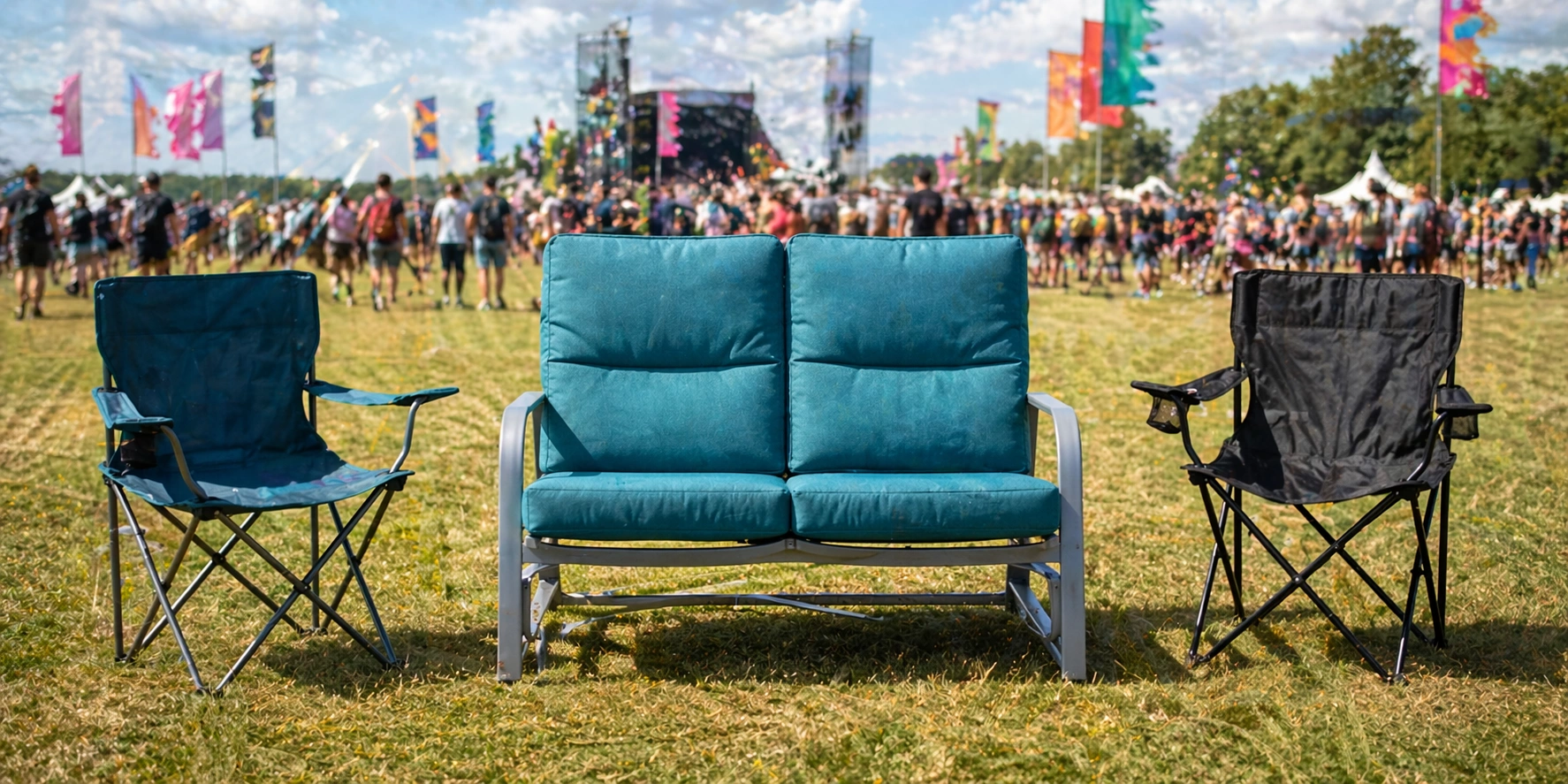
2-Person / Loveseat Models
Wide enough for two adults to sit side by side. Great for couples and small families. Heavier and bulkier to pack, but eliminate the need for two separate chairs.
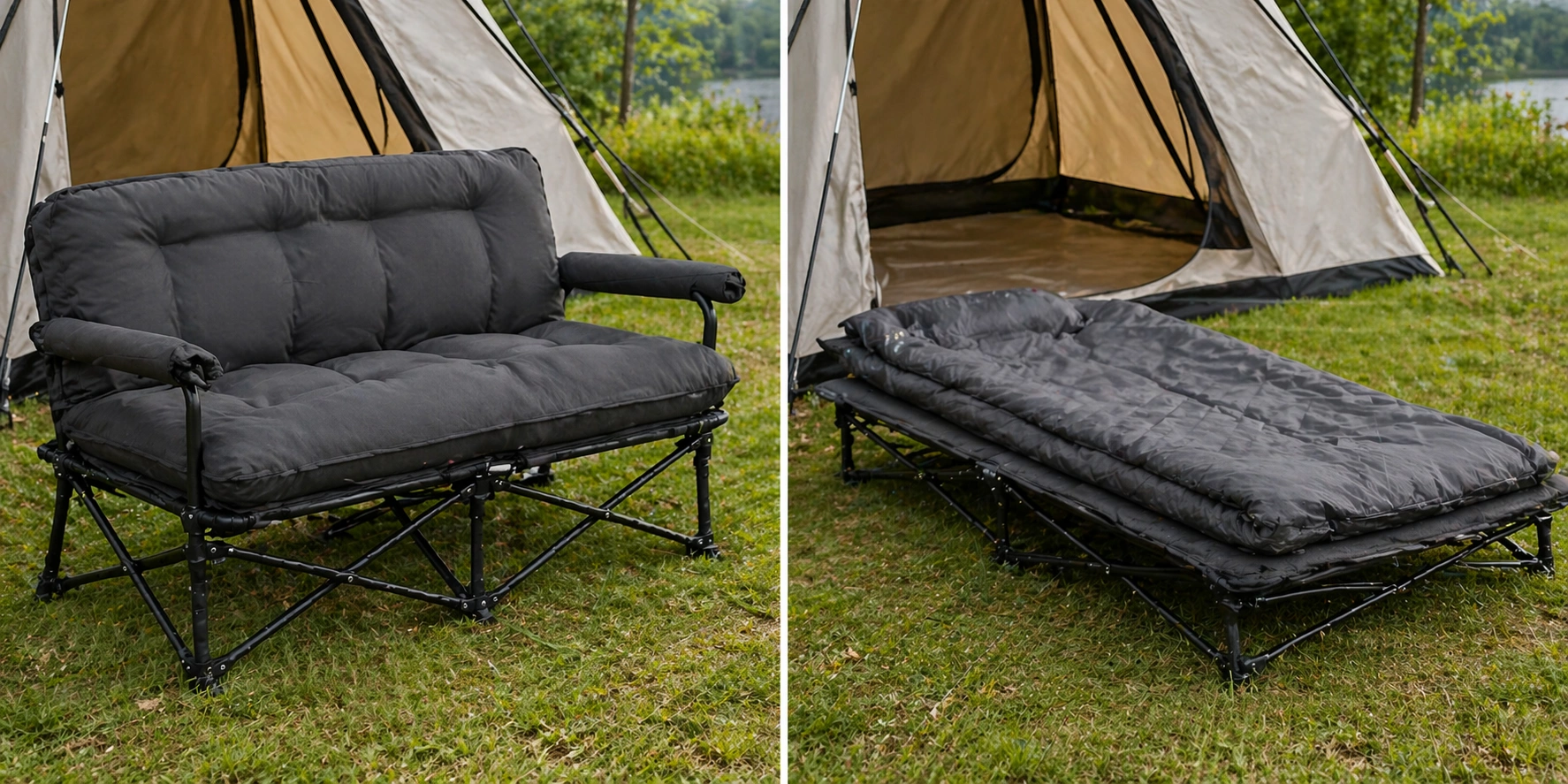
Convertible / Sleeper Sofas
Function as a sofa during the day and fold flat into a sleeping surface at night. Similar concept to indoor sleeper sofas but in a portable, weather-resistant design.
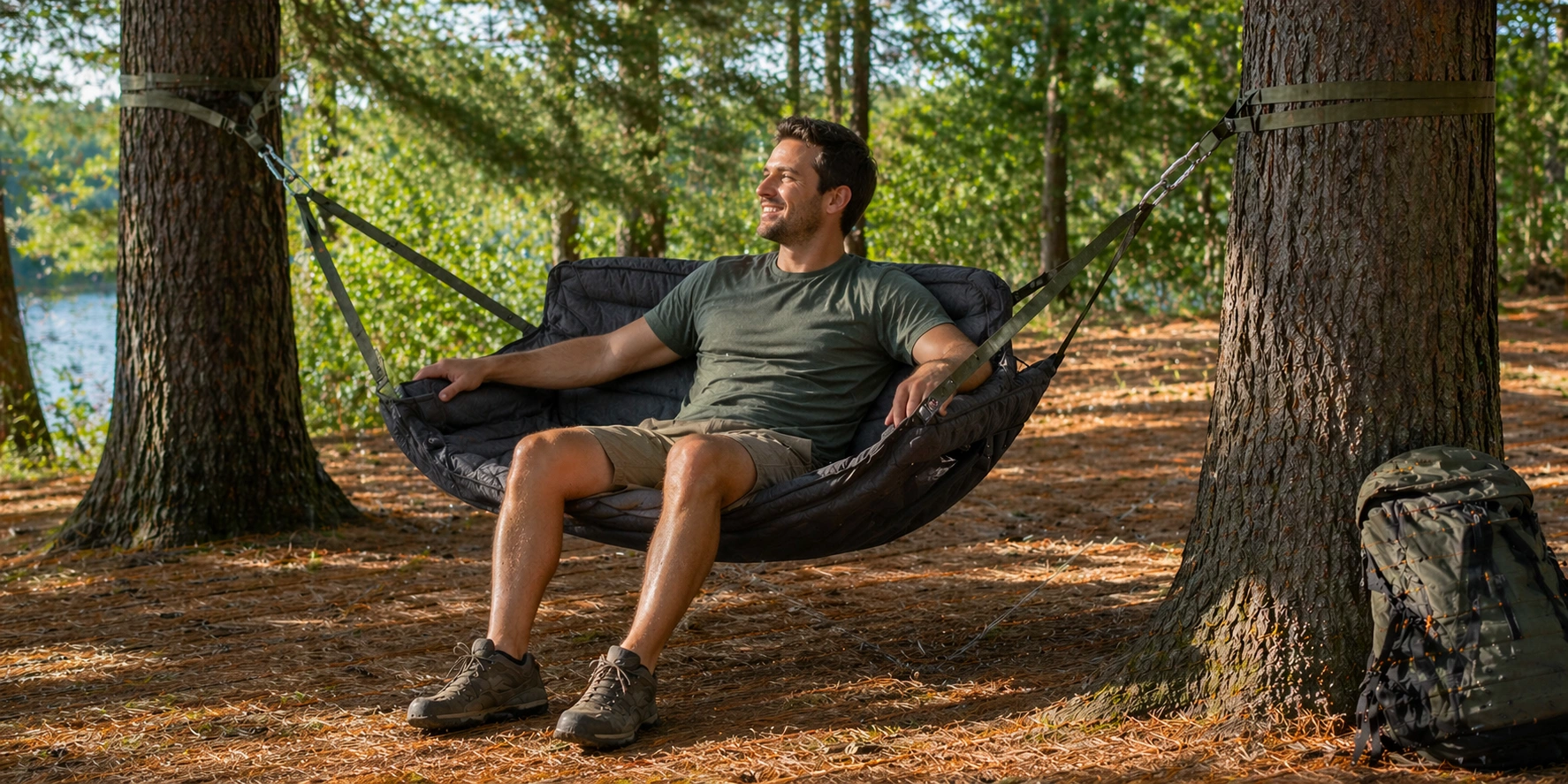
Hammock-Style Sofas
Suspended seating that hangs from trees, poles, or a vehicle rack. Combine the sway of a hammock with the structured seating of a sofa. Minimal ground contact keeps you clean.
Key Features to Evaluate Before Buying
Choosing a camping sofa comes down to balancing several competing factors. The perfect choice depends on how you plan to use it. Here is a detailed breakdown of the features that matter most.
| Feature | Why It Matters | What to Look For |
|---|---|---|
| Weight | Determines how easily you can carry it. Critical for backpacking; less critical for car camping. | Backpacking: under 3 lbs. Car camping: up to 15 lbs is fine. |
| Packed Size | Must fit in your vehicle, backpack, or storage. Larger sofas may need their own carry bag. | Check folded dimensions. Look for included stuff sacks or carry bags. |
| Weight Capacity | Safety and durability factor. Exceeding the limit risks frame failure or tearing. | Minimum 250 lbs for solo models, 400+ lbs for 2-person models. |
| Frame Material | Affects weight, durability, and rust resistance. This is covered in detail in our frame materials guide. | Aluminum (lighter, rust-resistant) or Steel (stronger, heavier, powder-coated). |
| Fabric Type | Determines comfort, weather resistance, and longevity. Different from indoor sofa materials. | Polyester (common, durable), Oxford cloth (heavy-duty), or mesh (breathable, quick-dry). |
| Seat Cushion | Makes the difference between tolerable and comfortable. Affects both feel and packed bulk. | High-density foam pads for car camping; no cushion (fabric-only) for ultralight. |
| Setup Time | You do not want to spend 15 minutes assembling a sofa at camp after a long hike. | Folding models: 10–30 seconds. Inflatable: 1–3 minutes. Convertible: 1–2 minutes. |
| Weather Resistance | Outdoor exposure means dealing with dew, rain, UV rays, and dirt. | Water-resistant coating, UV-resistant treatment, quick-dry fabrics, rust-proof frame. |
| Backrest Angle | Affects comfort for extended sitting. Too upright feels rigid; too reclined lacks support. | 100–110 degrees is ideal for relaxation, similar to ergonomic seating principles. |
| Armrests | Significantly improve comfort for reading, eating, and socializing at camp. | Padded armrests are ideal; rigid plastic or fabric sleeves are acceptable. |
| Cup Holders | Convenience feature that keeps drinks secure. Some models include built-in holders. | Look for models with integrated cup holders or side pockets if this matters to you. |
| Ground Clearance | Higher clearance keeps you off cold, wet ground and makes it easier to stand up. | At least 10–15 inches for adults. Low-profile models sit 6–8 inches off ground. |
Benefits of Owning a Camping Sofa
If you have ever sat on a flimsy camp chair for three hours at a tailgate or spent an evening on a log around a campfire, you already understand the gap. Here is what a proper camping sofa actually delivers.
Superior Comfort
Wider seats, padded cushions, and proper back support make a real difference during long camping trips.
Social Seating
2-person models let couples and friends sit together instead of on separate chairs facing different directions.
True Portability
Unlike permanent outdoor sofas, camping sofas pack down small enough to bring anywhere.
Multi-Use Versatility
Use it for camping, tailgating, festivals, beach trips, picnics, backyard movie nights, and even as extra indoor seating.
Affordable Compared to Indoor Sofas
Most camping sofas cost between $30 and $150, far less than even budget indoor sofas.
Weather-Resistant Design
Built with water-resistant fabrics and rust-proof frames that handle outdoor conditions indoor furniture cannot.
Camping Sofa vs. Other Portable Seating Options
It is easy to confuse camping sofas with other portable seating. Understanding the differences ensures you pick the right product for your needs.
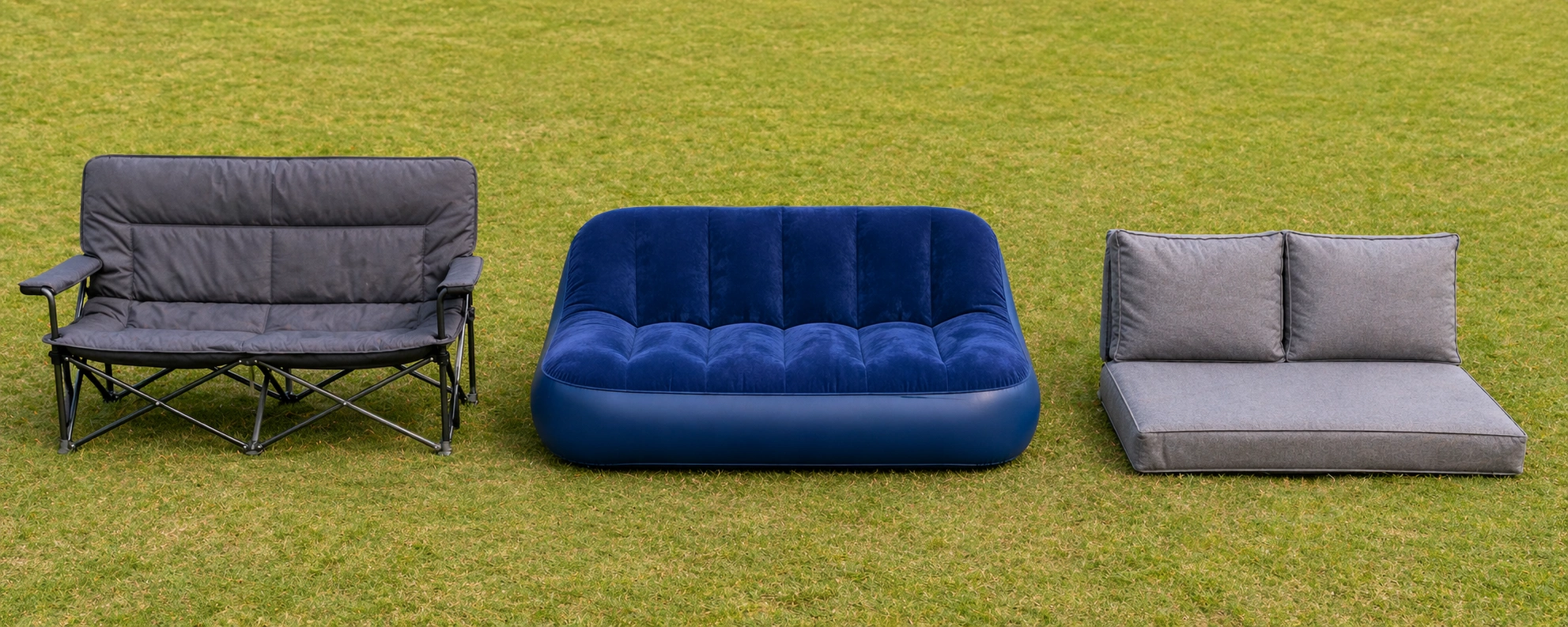
Camping Sofa
- Structured frame with fabric seat and backrest
- Weight: 3–15 lbs depending on type
- Best for: car camping, tailgating, festivals
- Offers the most sofa-like experience outdoors
- Setup in under 30 seconds for most models
Inflatable Couch
- Air-filled, no rigid frame
- Weight: 1–4 lbs (ultralight)
- Best for: backpacking, beach, casual lounging
- Can be punctured by sharp objects
- Requires inflation time (1–5 minutes)
Floor Sofa
- Cushion-based, sits directly on ground
- Weight: 5–20 lbs (varies widely)
- Best for: indoor use, tent glamping, apartments
- No elevation off the ground
- Better suited for small spaces than rough terrain
Standard Camp Chair
- Basic folding chair with narrow seat
- Weight: 2–6 lbs
- Best for: quick meals, short sits, minimalists
- Limited comfort for extended sitting
- Most affordable option ($15–40)
Pro Tip: If you primarily car camp and value comfort, a folding frame camping sofa is your best bet. If you backpack or hike to your campsite, an inflatable camping sofa or lightweight air couch is the only practical option due to weight constraints.
How to Choose the Right Camping Sofa: Step-by-Step
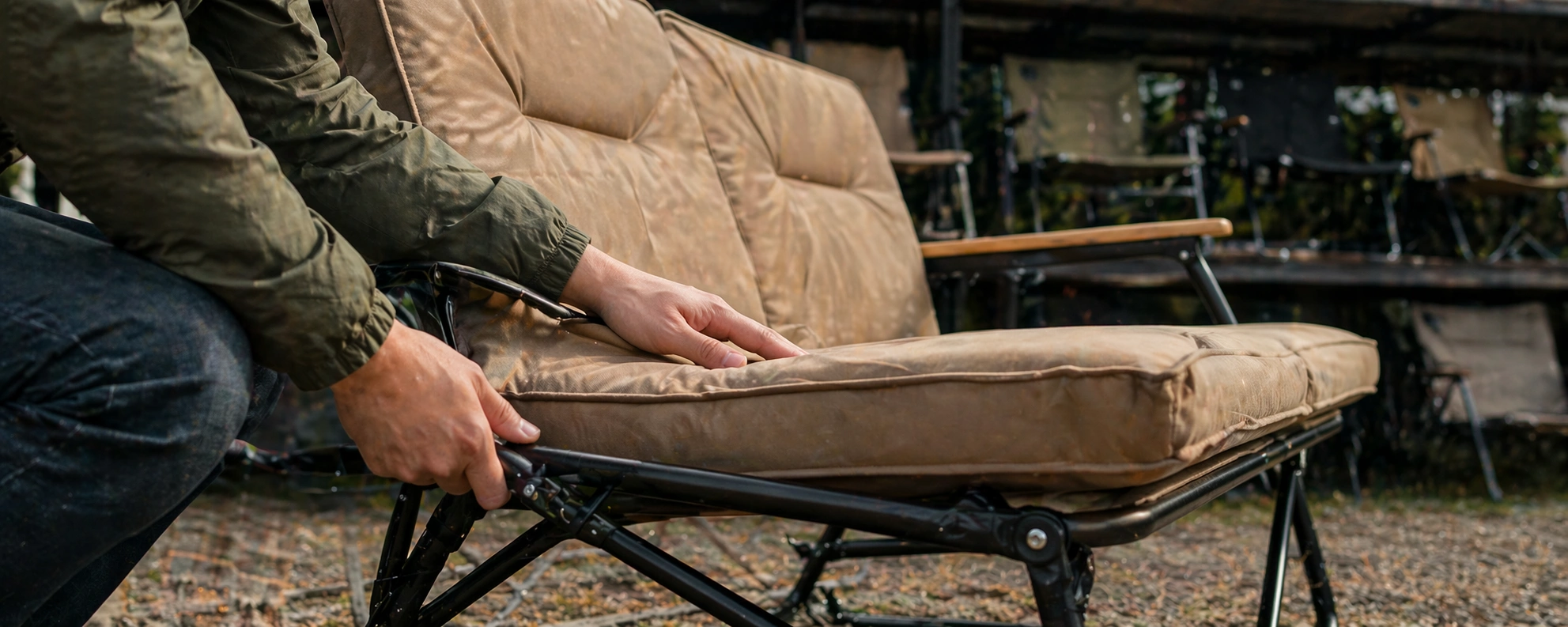
Buying Decision Checklist
- Identify your primary use case. Car camping, backpacking, tailgating, festivals, and beach trips each have different requirements. A car camping sofa can weigh 12 lbs; a backpacking sofa should be under 3 lbs.
- Determine your group size. Solo campers can use a compact 1-person model. Couples or families benefit from a 2-person loveseat that reduces the number of items to pack.
- Check weight capacity for all users. If anyone in your group weighs over 250 lbs, look for models rated 300+ lbs. For 2-person models, the combined weight matters — some are rated per seat, others for total weight.
- Consider your transportation. If you drive an SUV or truck, packed size is less critical. If you travel in a compact car or motorcycle, prioritize compact fold dimensions. Our size guide principles apply here — measure your storage space before buying.
- Evaluate fabric durability. Look for denier ratings — 600D polyester or higher indicates good tear resistance. Oxford cloth (usually 420D–900D) offers heavy-duty performance. For more on fabric strength, see our guide on the Martindale abrasion test.
- Test the backrest angle (if possible). A 90-degree angle feels too upright for relaxation. Look for 100–110 degrees. This principle aligns with general back support guidance for seating.
- Check for weather resistance features. Water-resistant coating, rust-proof frame joints, UV-treated fabric, and quick-dry materials all extend the life of your camping sofa. This is especially important if you camp in varying conditions.
- Compare comfort vs. weight trade-offs. Padded cushions add comfort but also add weight and bulk. Foam-padded models are ideal for car camping; fabric-only models are better for backpacking. This mirrors the comfort versus durability balance found in indoor sofas.
- Set a realistic budget. Quality camping sofas range from $30 to $200. Budget models ($30–60) work for occasional use. Mid-range ($60–120) offers the best value. Premium models ($120–200) add features like rocking, premium padding, and higher weight capacities. For budget planning, our sofa budget guide has useful frameworks.
- Read verified reviews for real-world feedback. Pay attention to reviews that mention long-term durability, actual weight accuracy, and how the sofa performs after multiple packing cycles. This is a practical version of checking sofa quality before buying.
Care and Maintenance for Camping Sofas
Proper maintenance extends the life of your camping sofa significantly. Outdoor furniture faces more stress than indoor pieces — UV exposure, moisture, dirt, and repeated packing all take a toll. While the cleaning process is simpler than cleaning an indoor fabric sofa, it still requires attention.
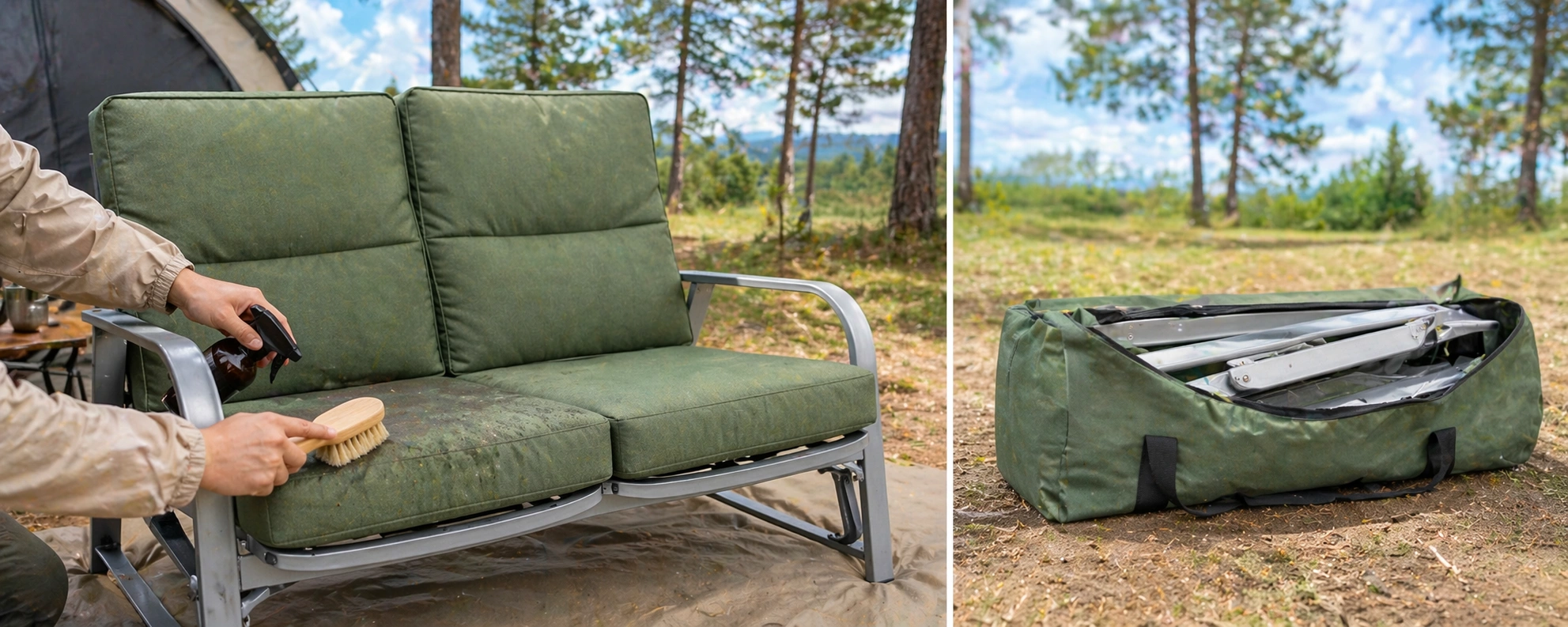
After Each Trip: Shake off loose dirt and debris. If the fabric is wet, let it air-dry completely before packing — storing a damp sofa causes mold and mildew. Wipe down the frame with a damp cloth to remove mud or sap. For inflatable models, partially deflate to reduce stress on seams during storage.
Deep Cleaning: Hand wash the fabric with mild soap and cool water. Avoid bleach, harsh detergents, or machine washing unless the manufacturer explicitly allows it. For stubborn stains, use a soft brush and let the soap sit for 5–10 minutes before scrubbing. This approach is similar to basic stain removal techniques but with gentler products to preserve water-resistant coatings.
Frame Care: Inspect joints and hinges for looseness or rust. Tighten any loose screws. Apply a silicone-based lubricant to folding joints once or twice a season. If you notice rust spots on steel frames, sand lightly and touch up with rust-resistant spray paint. This is a simpler version of fixing loose furniture components.
Storage: Store in a cool, dry place away from direct sunlight. Use the included carry bag or a breathable storage cover. Avoid storing in hot car trunks for extended periods, as heat degrades fabric coatings and can weaken adhesive joints. For more comprehensive protection strategies, our furniture protection guide offers detailed advice.
Important: Never leave your camping sofa set up outdoors for days or weeks at a time, even if it is marketed as "weather-resistant." Water-resistant does not mean waterproof, and prolonged UV exposure will degrade any fabric over time. Treat it like camping gear — set it up when you need it, pack it away when you don't.
Best Camping Sofas by Use Case
Different activities demand different sofa characteristics. Here is a quick-reference guide to help you match your activity to the right type.
| Use Case | Recommended Type | Ideal Weight | Key Feature Priority |
|---|---|---|---|
| Car Camping | Folding frame or loveseat | 8–15 lbs | Comfort, cup holders, cushion quality |
| Backpacking | Inflatable or ultralight | Under 3 lbs | Weight, packed size, durability |
| Tailgating | 2-person loveseat or rocker | 10–15 lbs | Comfort, stability, cup holders |
| Music Festivals | Compact folding or inflatable | 3–8 lbs | Portability, easy setup, durability |
| Beach Trips | Inflatable or mesh fabric | 2–5 lbs | Sand resistance, quick-dry, light weight |
| Glamping | Padded folding or convertible | 10–18 lbs | Maximum comfort, aesthetic appeal |
| Backyard Movie Night | Rocking or loveseat model | Any | Comfort, style, capacity |
Timing Tip: The best time to buy a camping sofa is during late winter and early spring (February–April) when retailers clear out previous year's inventory. You can often find 30–50% discounts on quality models before the camping season peaks. End-of-season sales (September–October) also offer good deals.