
Sofa Fabric Protection Guide
Shield your investment from spills, stains, and daily wear — learn how to choose, apply, and maintain the right fabric protection for your sofa
EXPLORE SOLUTIONSWhy Fabric Protection Matters: A single spilled cup of coffee or a muddy paw print can permanently ruin your sofa's upholstery. Fabric protectants create an invisible shield that repels liquids, resists stains, and extends the life of your couch — saving you hundreds in professional cleaning or premature replacement costs.
What Is Sofa Fabric Protection?

Fabric protection refers to chemical treatments applied to upholstery that create a hydrophobic (water-repellent) and oleophobic (oil-repellent) barrier over the fibers. This barrier prevents liquids and oils from immediately absorbing into the fabric, causing them to bead up on the surface instead.
This technology was popularized by 3M's Scotchgard in the 1950s and has since evolved significantly. Modern fabric protectants use advanced fluoropolymer or silicone-based formulas that coat individual fibers without altering the look, feel, or breathability of the fabric.
It's important to understand that fabric protection does not make your sofa waterproof or completely immune to stains. If a liquid is left to sit for an extended period, it will eventually penetrate the barrier. Think of it as buying yourself crucial time — typically 5 to 15 minutes — to blot up a spill before it becomes a permanent disaster.
If you're considering a new sofa, many manufacturers now offer performance fabric options with built-in protection that lasts much longer than aftermarket sprays. For existing furniture, aftermarket spray protectors are an excellent preventive measure.
Types of Fabric Protectors
Choosing the right type of protector depends on whether you are buying a new sofa or treating an existing one. Here are the main categories available:
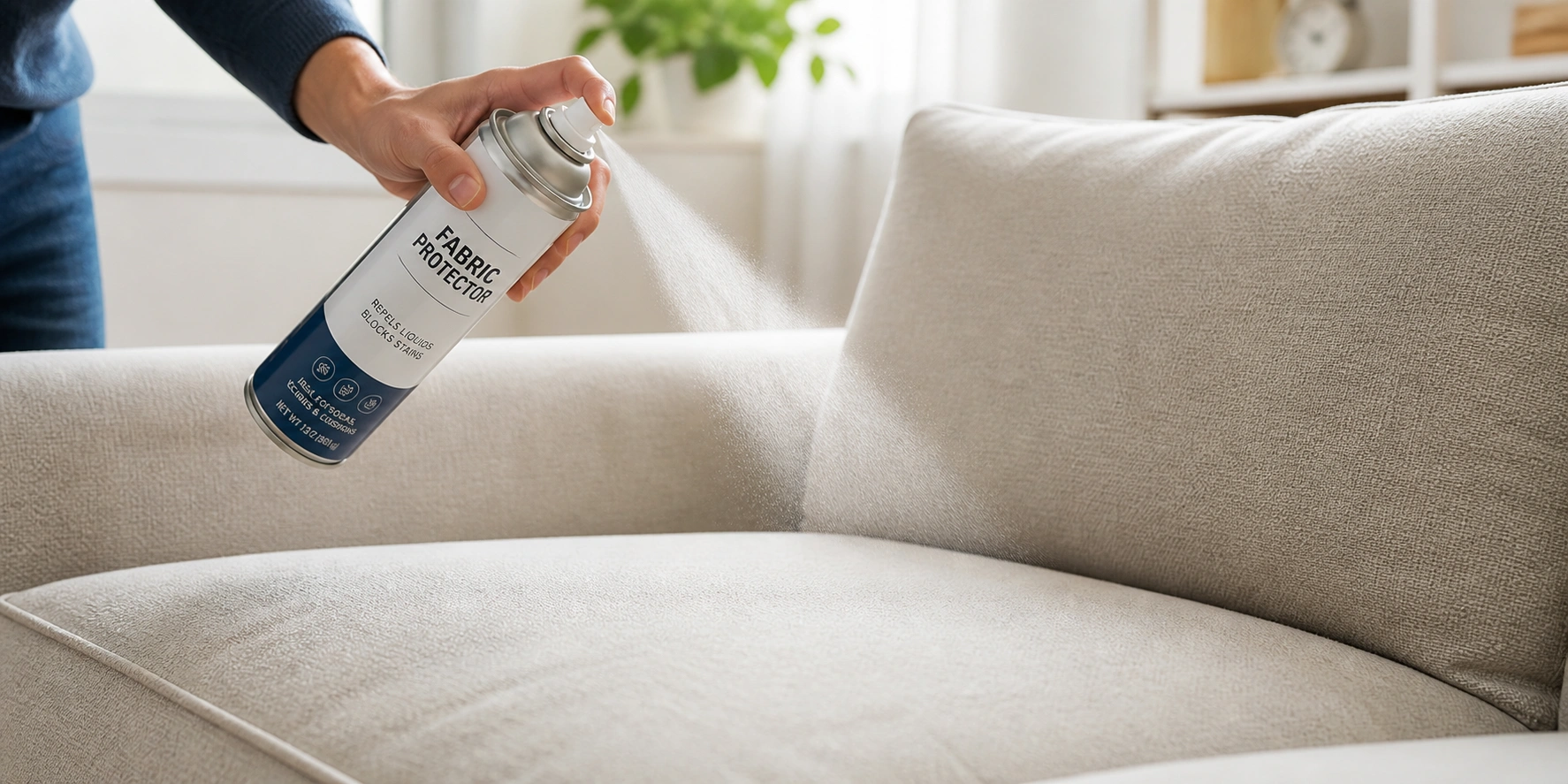
Aftermarket Spray Protectors
The most common and affordable option. These aerosol or pump sprays (like Scotchgard) can be applied to any fabric sofa at home. They provide a good level of protection but typically wear off after 6 to 12 months and require regular reapplication, especially in high-traffic areas.
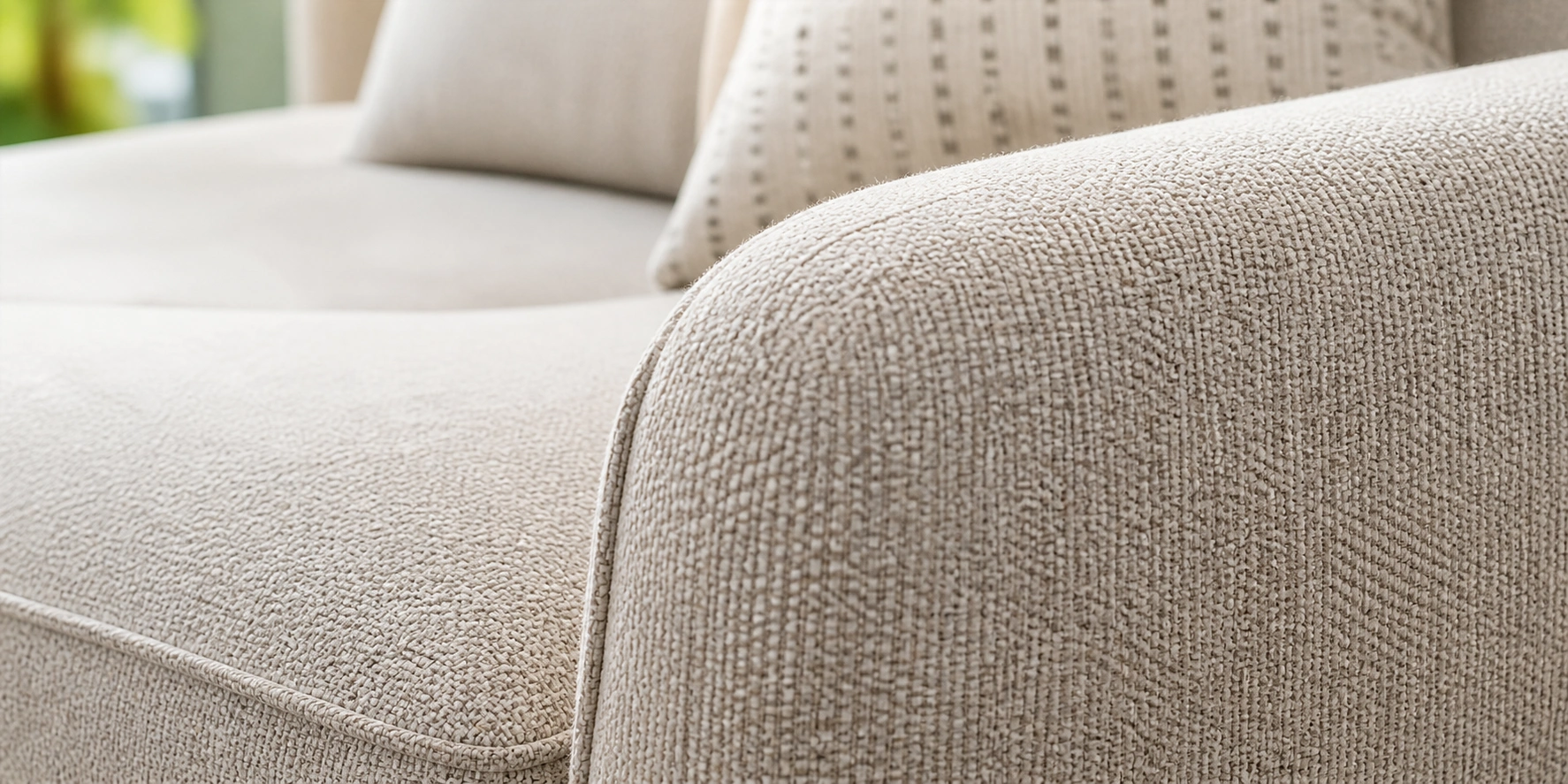
Built-In Performance Fabrics
Brands like Crypton, Revolution, and Sunbrella engineer the protection directly into the fibers during manufacturing. This means the stain resistance won't wash off or wear away over time. If you're shopping for a family-friendly sofa, investing in performance fabric is the gold standard.
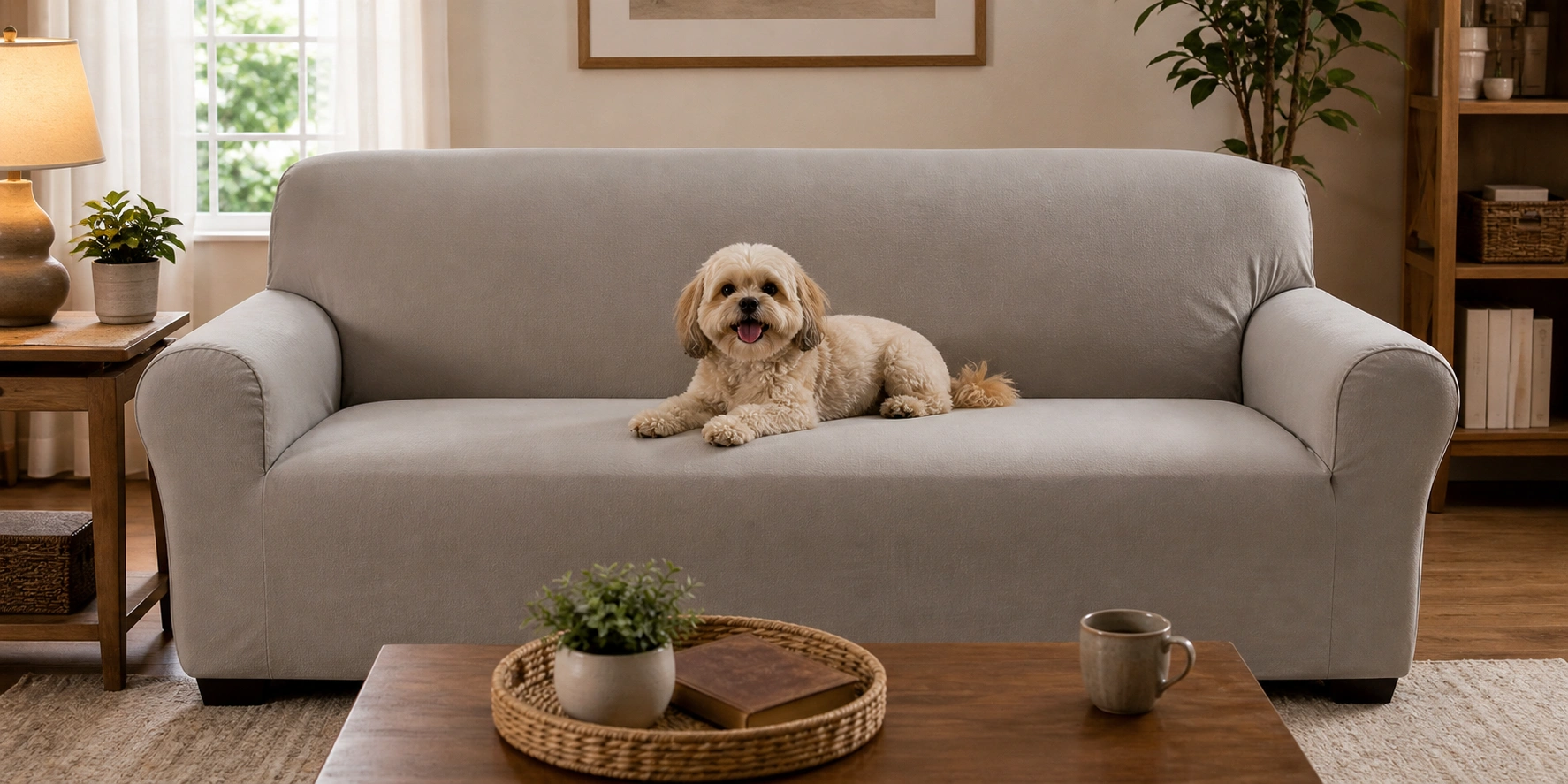
Physical Protectors & Covers
For maximum defense, physical barriers like pet-proof covers or waterproof throws offer complete shielding from liquids, claws, and pet hair. They are removable and machine-washable, making them ideal for homes with multiple pets or young children.
Who Benefits Most From Fabric Protection?

Pet owners: Dogs and cats bring dirt, oils from their fur, and the occasional accident. Fabric protection makes it significantly easier to wipe away muddy paw prints before they set. Check out our best sofas for pet owners for more pet-resistant options.
Families with young children: Juice spills, snack crumbs, and sticky fingers are inevitable. A protected sofa means you can blot up a juice box incident without panic. Families should also consider washable sofas for the ultimate peace of mind.
Frequent entertainers: If your living room is the hub for gatherings, red wine and coffee are constant hazards. Protecting your living room sofa ensures that a tipsy guest doesn't leave a lasting mark on your furniture.
Anyone buying a light-colored sofa: Light grey, cream, and white sofas show every speck of dirt. If you're drawn to white couches or grey couches, fabric protection is absolutely non-negotiable to keep them looking pristine.
How to Apply Fabric Protector to Your Sofa
Applying a spray-on fabric protector is a straightforward DIY project, but proper preparation and technique are critical for even coverage and maximum effectiveness. Follow these steps:
- Clean the sofa thoroughly: The protector will seal in whatever is on the fabric. Vacuum the sofa to remove dust and debris, then spot-clean or steam-clean any existing stains. Allow the sofa to dry completely before proceeding. Learn the proper techniques in our fabric sofa cleaning guide.
- Test in a hidden area: Spray a small, inconspicuous area (like the back underside of the sofa) and let it dry. Check for any discoloration or texture changes. Most quality protectants are safe for all fabrics, but it's always best to verify.
- Prep the space: Move the sofa to a well-ventilated area or open windows. Cover the floor and surrounding furniture with drop cloths to prevent overspray. Wear a mask and gloves if recommended by the product manufacturer.
- Apply evenly: Hold the spray can 6 to 8 inches away from the fabric. Apply a light, even coat using a sweeping motion. Do not soak the fabric — a fine mist is much more effective than a heavy stream, which can leave water marks or stiffen the fabric.
- Let it dry and apply a second coat: Allow the first coat to dry completely (usually 1 to 2 hours). Then apply a second light coat at a perpendicular angle to the first one to ensure complete coverage of the woven fibers.
- Cure time: Let the sofa dry untouched for 12 to 24 hours before sitting on it. The protective barrier needs time to fully bond with the fabric fibers.
💡 Pro Tip: Apply fabric protector immediately after buying a new sofa, before the first use. Brand-new fabric absorbs protectants most evenly, and you'll prevent stains before they ever have a chance to form.
Fabric-Specific Protection Considerations
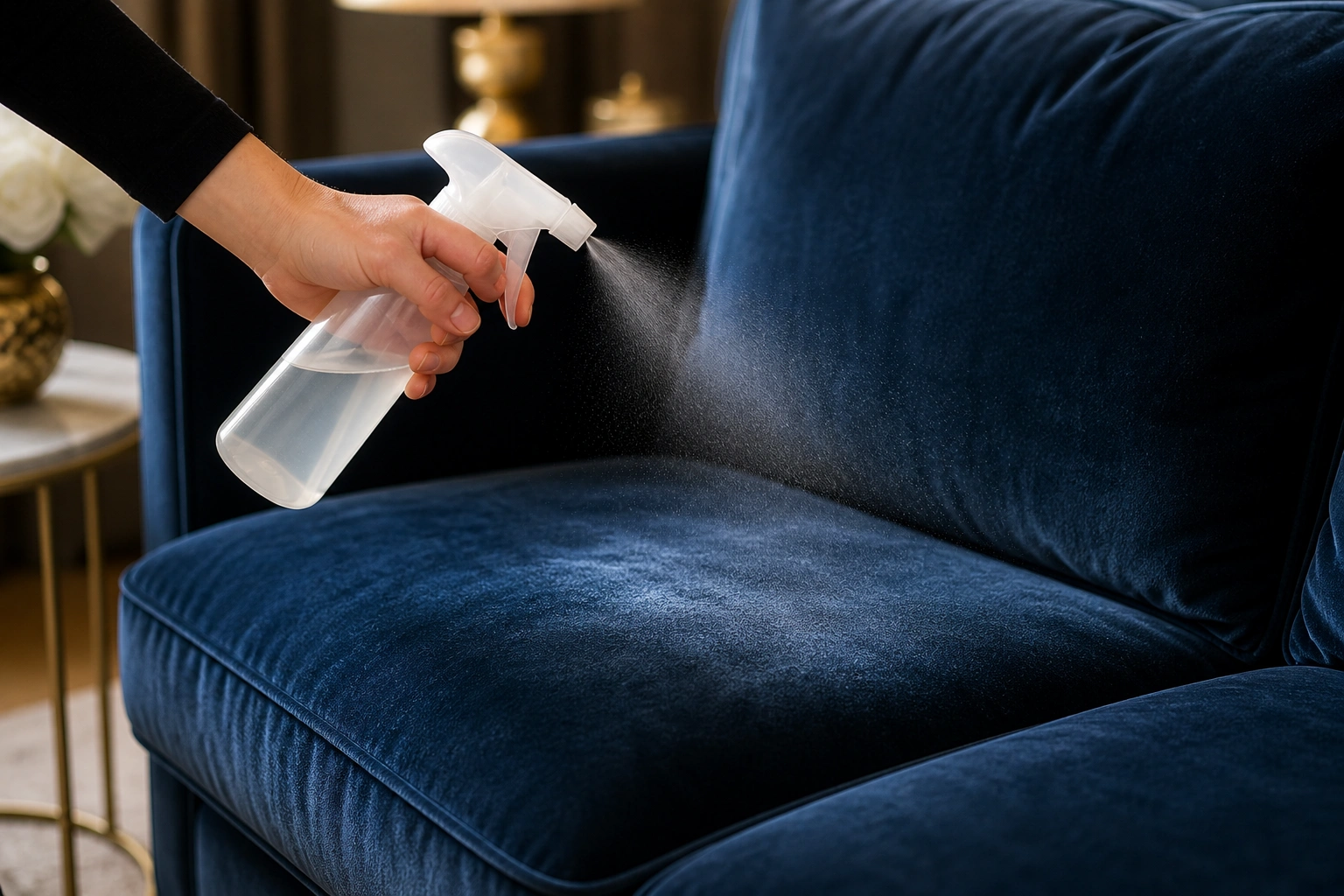
Not all upholstery materials react the same way to fabric protectants. Understanding your sofa's fabric is essential to choosing the right product and avoiding damage.
Cotton and Linen: These natural fibers are highly absorbent and stain easily. They benefit enormously from fabric protection. However, they can sometimes show a slight darkening when sprayed. Always test first. For more care tips, visit our guide on linen sofas.
Velvet: Velvet's plush pile is delicate. When applying protectant to a velvet sofa, spray lightly from a greater distance to avoid matting down the fibers. Always brush the velvet gently with a soft cloth after drying to restore the nap. Check our velvet cleaning guide for more details.
Microfiber: Microfiber is tightly woven and naturally somewhat water-resistant, but oils can still penetrate it easily. A fabric protectant adds an oleophobic layer that prevents body oils and grease from bonding to the fibers. See our guide on cleaning microfiber sofas for maintenance tips.
Synthetic Blends (Polyester, Nylon): These accept most spray protectants very well and generally show no change in texture or color. They are the safest bet for aftermarket treatment.
Leather: Do not use standard fabric protectors on leather! Leather requires specific conditioners and protectants designed to nourish the hide while repelling moisture. Head over to our leather conditioning guide for the correct products and methods.
Pros and Cons of Fabric Protection
Advantages
- Gives you time to clean up spills before they set
- Makes routine cleaning and vacuuming easier
- Extends the lifespan and appearance of your sofa
- Reduces the need for professional deep cleaning
- Prevents permanent stains from oil-based contaminants
- Safe for almost all fabric types when used correctly
Disadvantages
- Spray-on protectors require reapplication every 6–12 months
- Not a magic shield; prolonged exposure will still stain
- May slightly alter the texture of delicate fabrics like velvet
- Application requires proper ventilation and drying time
- Performance fabric upgrades increase the initial cost of a sofa
- Some solvent-based sprays contain VOCs and strong odors
When to Reapply Fabric Protector
Aftermarket fabric protectors are not permanent. Over time, friction from sitting, regular vacuuming, and professional cleaning will wear down the protective barrier. Knowing when to reapply is key to maintaining continuous defense.
The Water Test: The easiest way to check if your protectant is still working is to sprinkle a few drops of water on an inconspicuous area of the sofa. If the water beads up and rolls off, your protection is active. If the water absorbs into the fabric within a few seconds, it's time to reapply.
General Schedule: For a sofa in a typical family room with daily use, plan to reapply protectant every 6 months. For a sofa in a formal living room that gets light use, once a year is usually sufficient.
After Cleaning: Always reapply fabric protector after a deep cleaning or steam cleaning session. The hot water and cleaning detergents strip away the existing protective layer, leaving the bare fabric exposed and vulnerable.
Additional Sofa Protection Strategies
Fabric spray is just one piece of the puzzle. Combining multiple protection strategies will keep your sofa in showroom condition for years.
Use arm covers and throws: The arms and back of the sofa are the first places to show wear. Decorative throws and pillows aren't just for aesthetics — they absorb the brunt of daily wear, body oils, and pet friction.
Rotate cushions regularly: If your sofa has removable, reversible cushions, flip and rotate them monthly. This distributes wear evenly and prevents permanent indentations from forming in high-traffic spots.
Block UV rays: Sunlight fading is irreversible. Position your sofa away from direct sunlight, or use curtains and UV-blocking window films. Our UV protection guide offers more strategies to prevent fading.
Consider a slipcover: A slipcovered sofa offers the ultimate layer of defense. You can remove and wash the entire cover whenever necessary, keeping the original upholstery completely safe underneath.
Frequently Asked Questions
Yes, fabric protectants create an invisible barrier on the fabric surface that causes liquids to bead up instead of soaking in, giving you time to wipe away spills before they stain. While they don't make sofas completely immune to damage, they significantly reduce the risk of permanent staining from everyday accidents.
Most spray-on fabric protectors last between 6 to 12 months depending on usage, cleaning frequency, and fabric type. High-traffic areas may need reapplication sooner. Performance fabrics with built-in protection last the lifetime of the sofa but may weaken over many years of heavy use and washing.
Absolutely. You can apply fabric protector to an existing sofa, but it is crucial to deep clean the upholstery first. Applying protector over dirt or existing stains will seal the grime into the fabric. Always test the product on an inconspicuous area first to ensure it doesn't discolor the material.
Most modern fabric protectors are safe once fully dried and cured. Water-based protectants are generally safer and emit fewer volatile organic compounds (VOCs) than solvent-based options. Always check the product label for specific safety warnings regarding pets and children, and ensure proper ventilation during application.
Yes, microfiber benefits greatly from fabric protection, particularly against oil-based stains which it naturally attracts. When applying, use a light, even mist and avoid soaking the material, as microfiber can show water marks if it gets too wet. Refer to our microfiber cleaning guide for more specific care instructions.
Solvent-based protectors (like traditional Scotchgard) tend to be more durable and adhere better to synthetic fibers, but they emit stronger fumes and require careful ventilation. Water-based protectors are eco-friendly, emit fewer VOCs, and are safer around kids and pets, though they may require more frequent reapplication.


