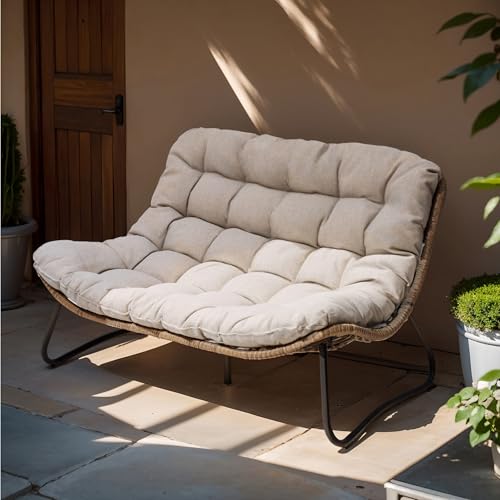
Outdoor Sofas: The Complete Buying Guide
Everything you need to know about choosing a weather-resistant sofa for your patio, deck, garden, or balcony — materials, types, maintenance, and top recommendations.
VIEW TOP PICKSAn outdoor sofa transforms your patio, deck, or garden into a true living space — a place to relax with morning coffee, entertain friends on summer evenings, or simply unwind after a long day. But unlike indoor furniture, outdoor sofas face a relentless assault from sun, rain, humidity, temperature swings, and even salt air if you live near the coast.
Choosing the wrong outdoor sofa can mean rusted frames within months, faded cushions after one season, or mold taking hold in hidden crevices. That's why understanding outdoor sofa materials and construction quality is essential before you invest. This guide walks you through every factor that matters — so you can buy with confidence and enjoy your outdoor space for years to come.
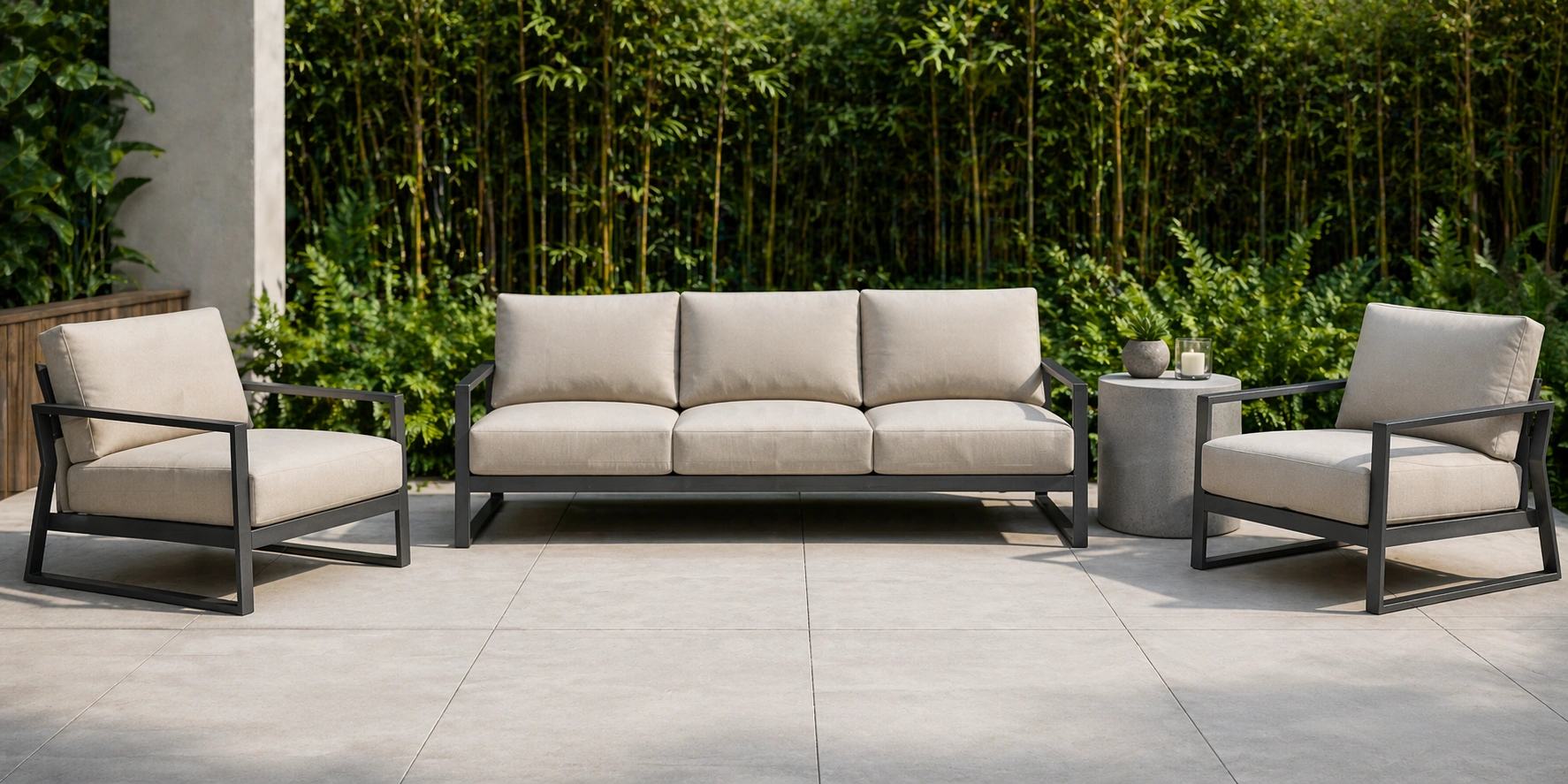
Why You Can't Put an Indoor Sofa Outside
It might be tempting to move an old indoor couch to the patio to save money, but the results are almost always disappointing. Indoor sofas are built for climate-controlled environments, and they lack the critical defenses needed for outdoor survival:
- Frame materials — Indoor frames use untreated steel, particleboard, or standard wood that warps, rusts, or rots when exposed to moisture. Outdoor frames use powder-coated aluminum, marine-grade stainless steel, or naturally rot-resistant hardwoods.
- Fabric and cushions — Indoor upholstery absorbs water, promotes mold growth, and fades rapidly under UV exposure. Outdoor cushions use solution-dyed acrylic or olefin fabrics that are water-resistant, UV-stable, and quick-drying.
- Foam and filling — Standard cushion foam acts like a sponge when wet and can take days to dry, creating a perfect environment for mold and mildew. Outdoor cushions use open-cell foam or quick-dry polyfill that lets water pass through.
- Glues and fasteners — Indoor sofas use standard adhesives and screws that corrode outdoors. Outdoor furniture uses marine-grade adhesives and stainless or coated hardware.
Bottom line: Using an indoor sofa outside will cost you more in replacement than buying a proper outdoor sofa from the start. A single season of rain and sun can destroy upholstery, rust frames beyond repair, and create health hazards from mold.
Types of Outdoor Sofas
Outdoor sofas come in several configurations, each suited to different spaces and usage patterns. Here are the most popular types:
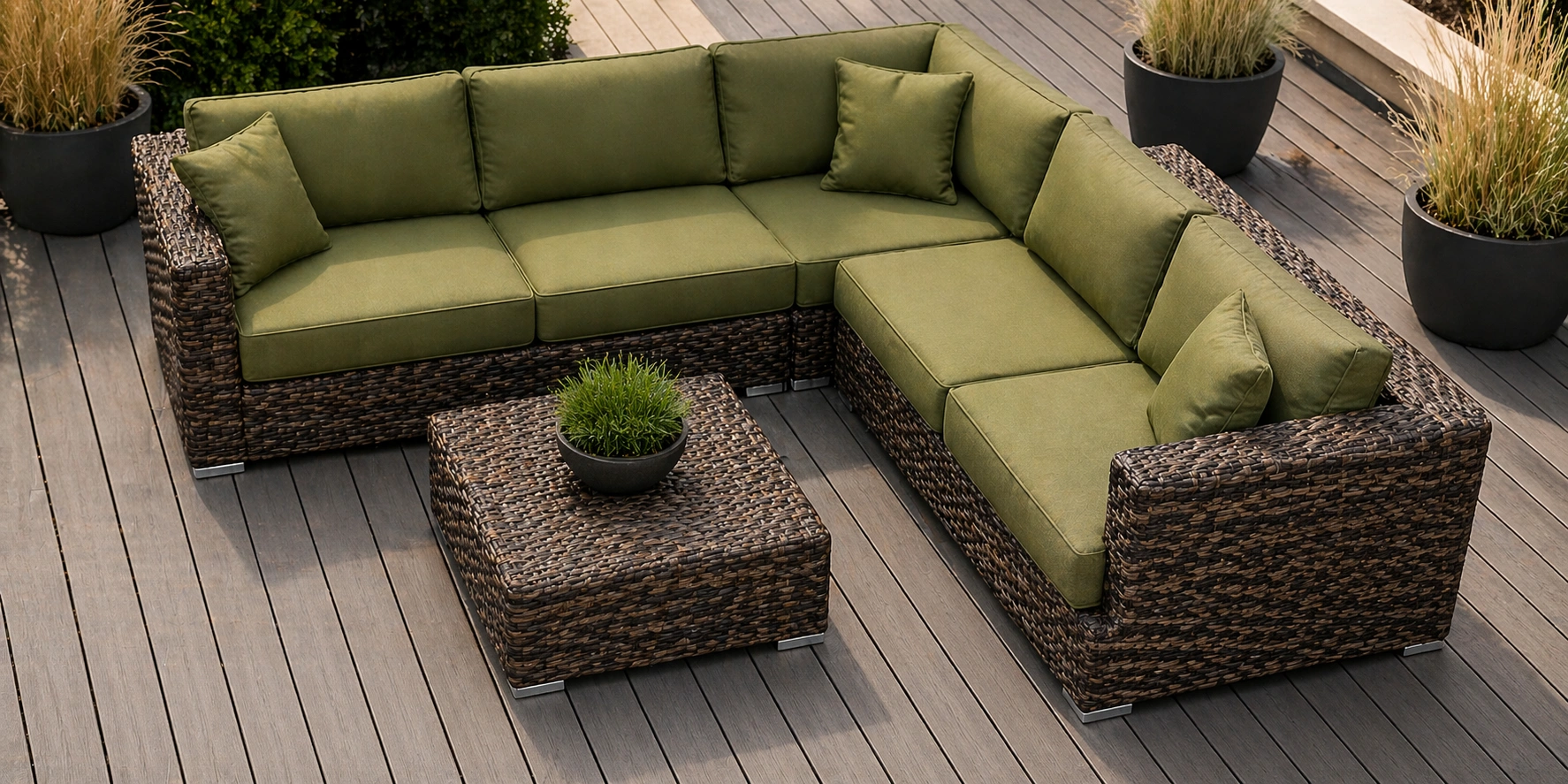
Outdoor Sectional Sofa
The most popular choice for spacious patios. Available in L-shape and U-shape configurations. Modular pieces can be rearranged to fit your layout. Best for entertaining and large families. Learn more about sectional sofas in general.
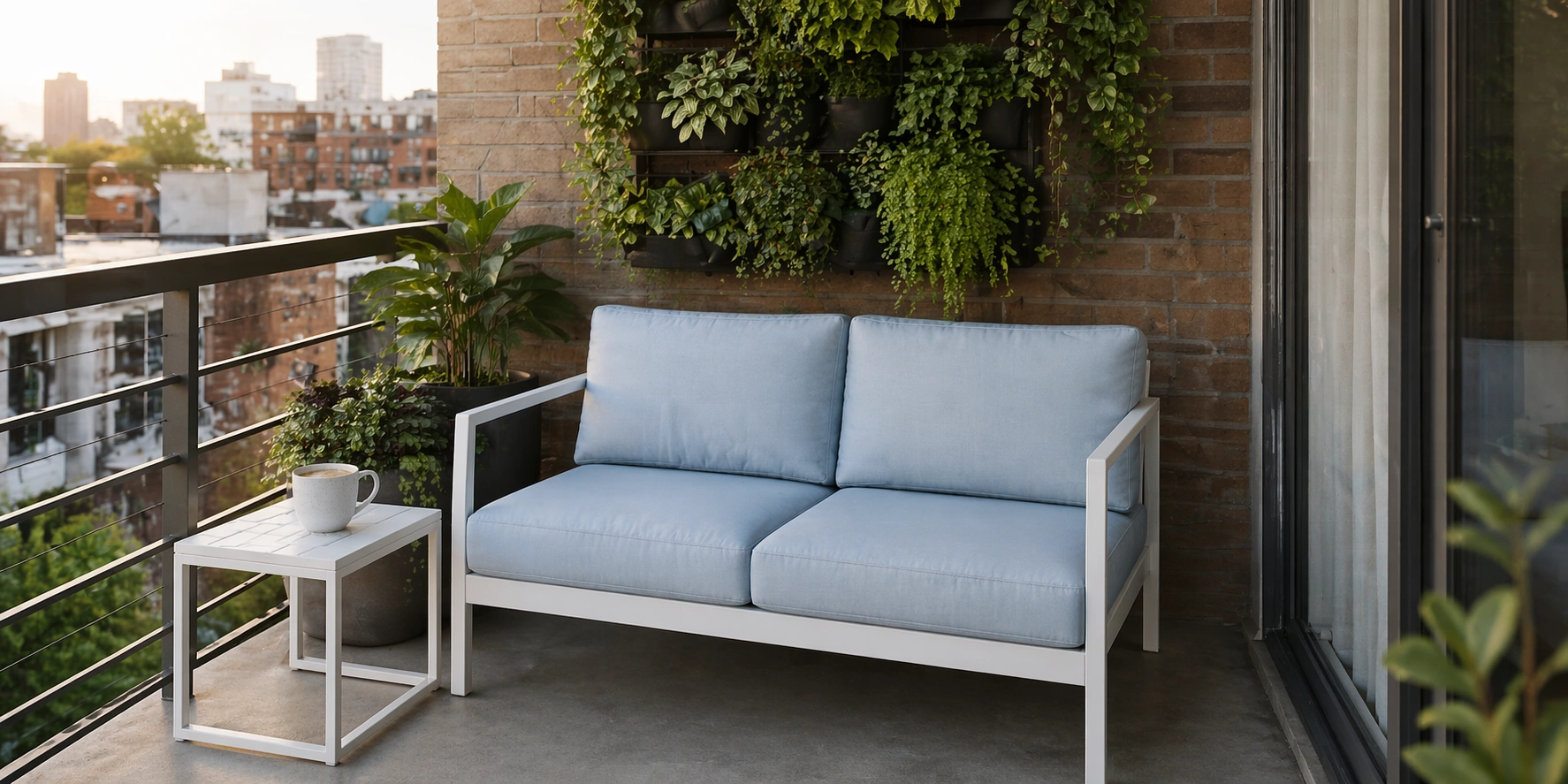
Outdoor Loveseat
Perfect for small balconies, cozy porches, or as a complement to larger seating sets. Typically seats two people comfortably. A great space-saving alternative — see more loveseat options.
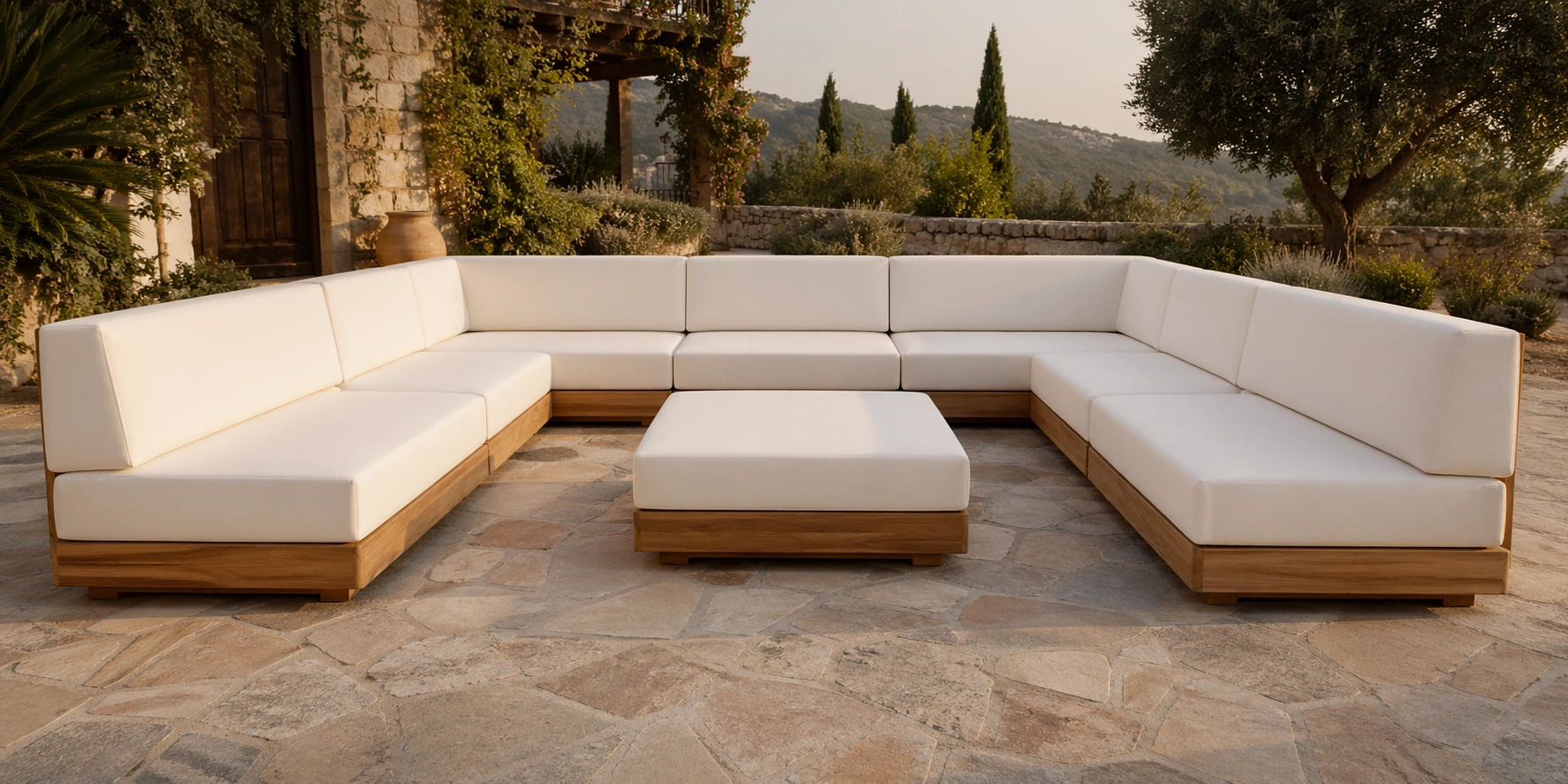
Outdoor Modular Sofa
Individual pieces that connect to form endless configurations. Ideal if you frequently rearrange your space or expect to change your layout seasonally. Compare with indoor modular sofas.
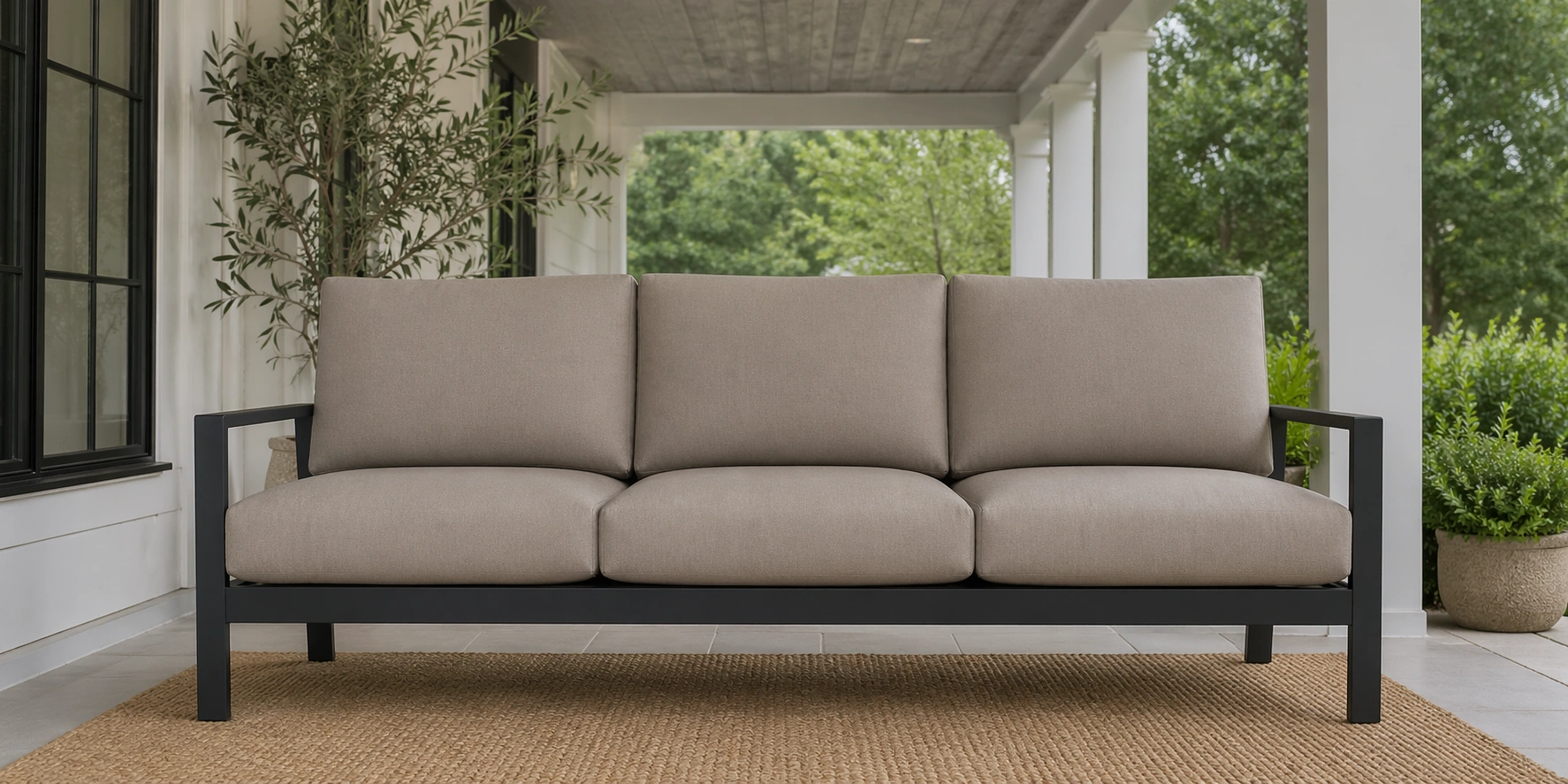
Outdoor 3-Seater Sofa
The classic straight-line sofa for standard patios. Offers comfortable seating for three adults without taking up too much floor space. Similar to indoor 3-seater sofas but built for weather resistance.
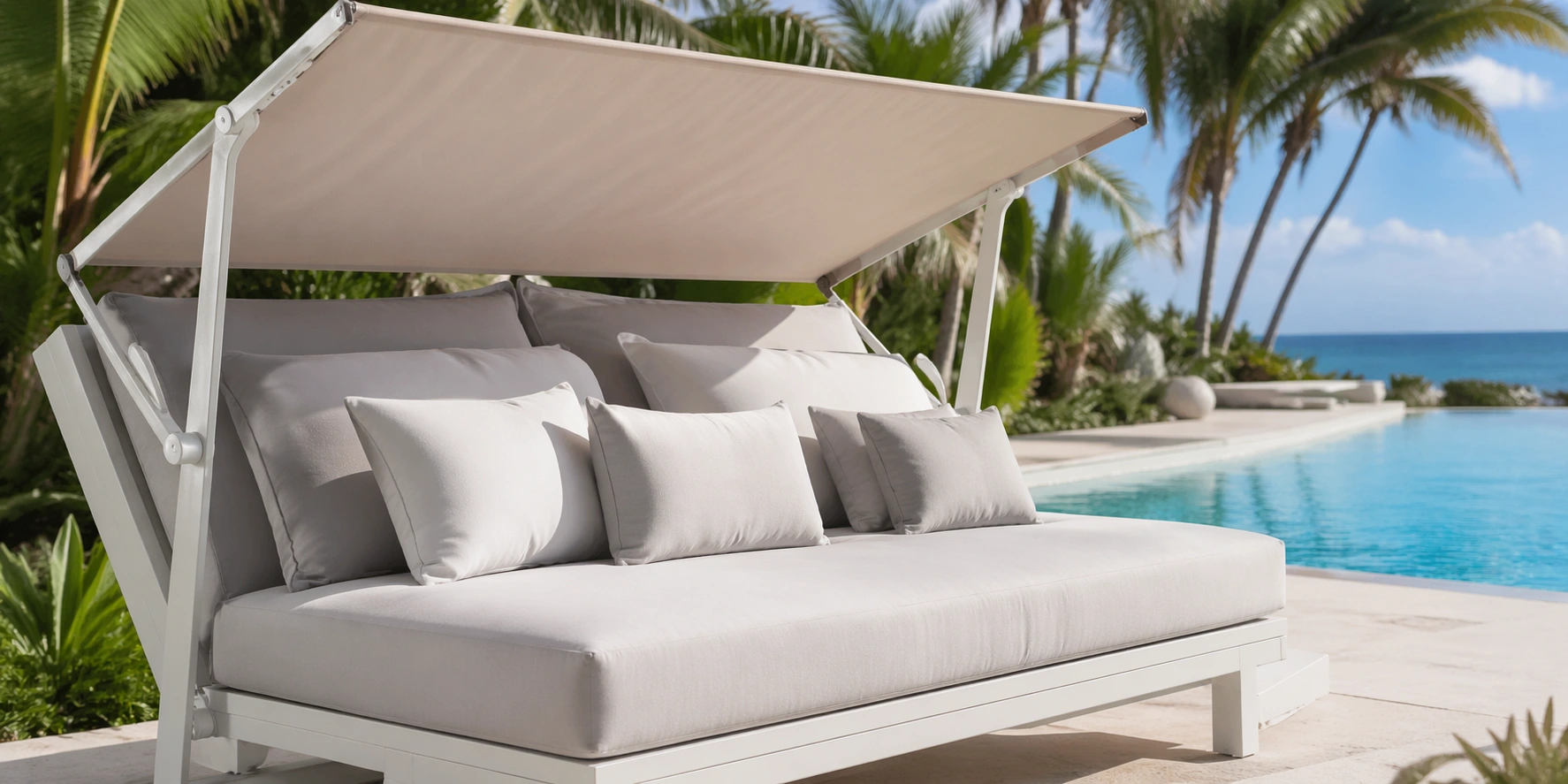
Outdoor Daybed Sofa
A hybrid between a sofa and a lounge bed — perfect for poolside relaxation and afternoon naps. Often includes a canopy for sun protection. Related to indoor daybed sofas in function.
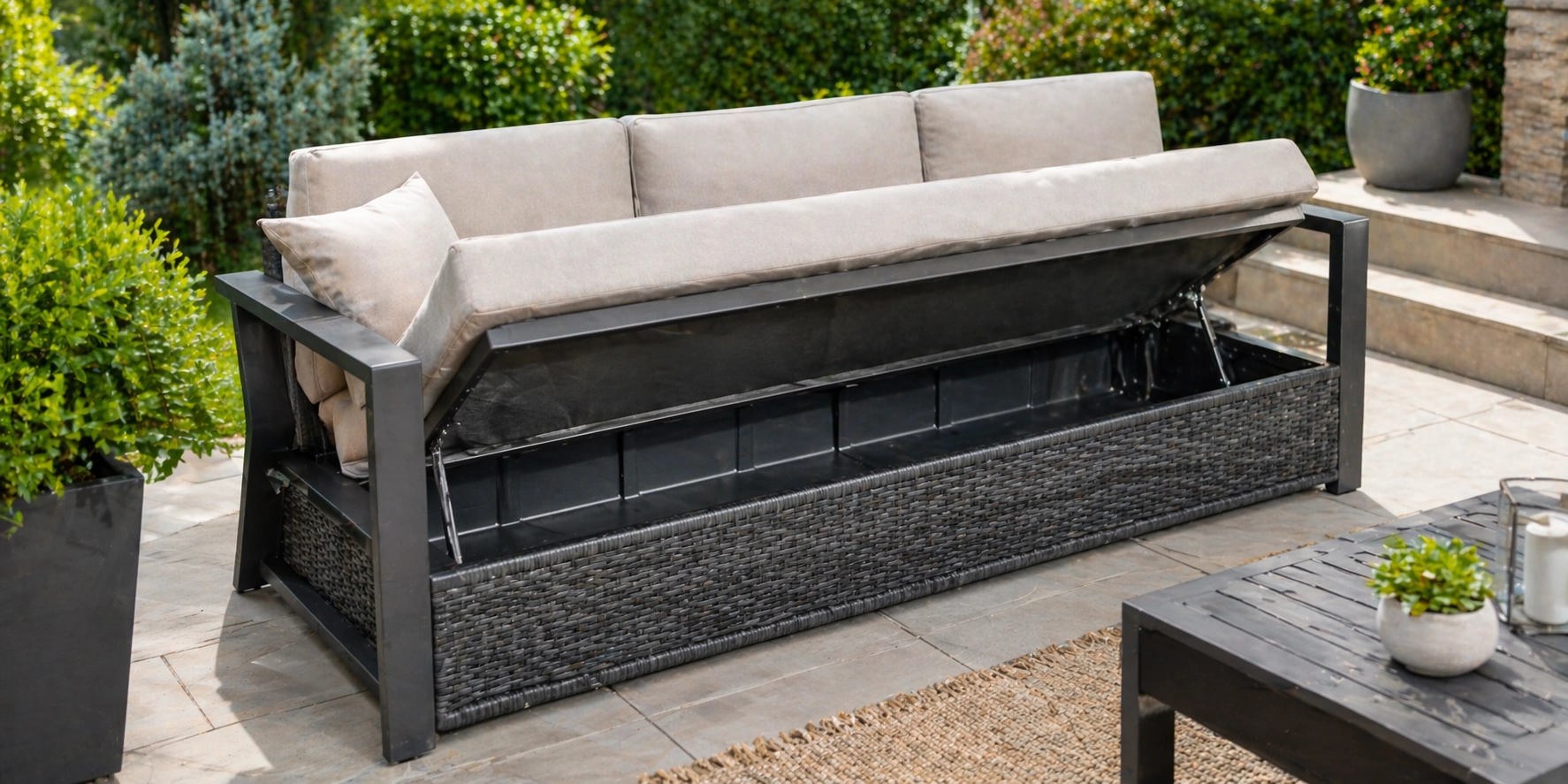
Outdoor Sofa with Storage
Features built-in compartments under the seat for storing cushions, blankets, or garden supplies. Keeps your patio tidy and protects items from the elements. See indoor sofas with storage for comparison.
Outdoor Sofa Frame Materials Compared
The frame is the foundation of your outdoor sofa's durability. Unlike indoor frames where aesthetics often dominate, outdoor frames must first survive the elements. Here's how the top materials compare across the factors that matter most:
| Material | Weather Resistance | Weight | Maintenance | Lifespan | Best For |
|---|---|---|---|---|---|
| Powder-Coated Aluminum | Light | Low — wipe clean | 10–15+ years | All climates, rooftops | |
| Teak Hardwood | Heavy | Medium — oil annually | 15–25+ years | Natural wood lovers | |
| PE Synthetic Rattan | Medium | Low — hose off | 7–12 years | Classic wicker look | |
| Marine-Grade Stainless Steel (316) | Heavy | Low — wipe down | 15–20+ years | Coastal, salt air | |
| Eucalyptus / Acacia | Heavy | High — seal regularly | 5–10 years | Budget wood option | |
| Steel (Powder-Coated) | Heavy | Medium — touch up coating | 5–8 years | Sheltered areas only | |
| Wrought Iron | Very Heavy | High — repaint yearly | 8–12 years | Traditional style |
Powder-coated aluminum is the most versatile choice for most buyers. It's lightweight enough to rearrange, completely rust-proof when properly coated, and works in every climate from desert heat to humid tropical conditions. The powder coating provides a durable finish that resists scratching, chipping, and fading.
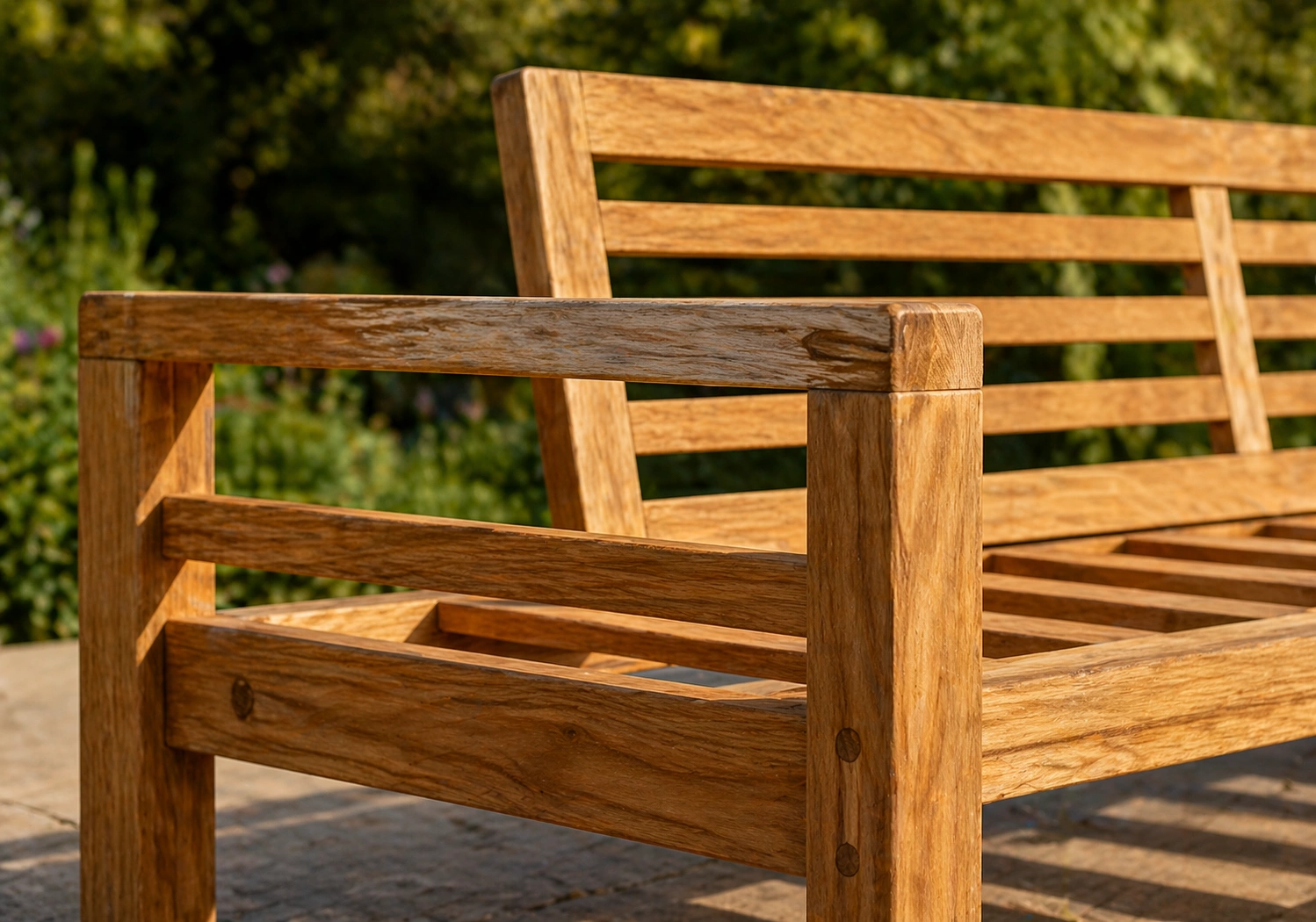
Teak is the gold standard for outdoor wood furniture. It produces natural oils that make it highly resistant to water, rot, and insects. Left untreated, it develops a beautiful silver-grey patina over time. If you prefer the warm brown color, annual oiling maintains it. Teak is a significant investment but can last decades — many quality teak sofas are considered lifetime purchases.
PE (polyethylene) synthetic rattan mimics the look of natural wicker but without the vulnerability to moisture and UV damage. It's woven over an aluminum frame, combining two durable materials. The main weakness is that the weave can loosen over time in extreme heat, and debris can get trapped in the crevices.
Pro Tip: Always check what's UNDER the rattan weave. Low-cost outdoor wicker sofas sometimes hide steel frames that will rust and stain your patio surface. Quality brands always use aluminum inner frames with PE wicker on top.
Outdoor Cushion & Fabric Guide
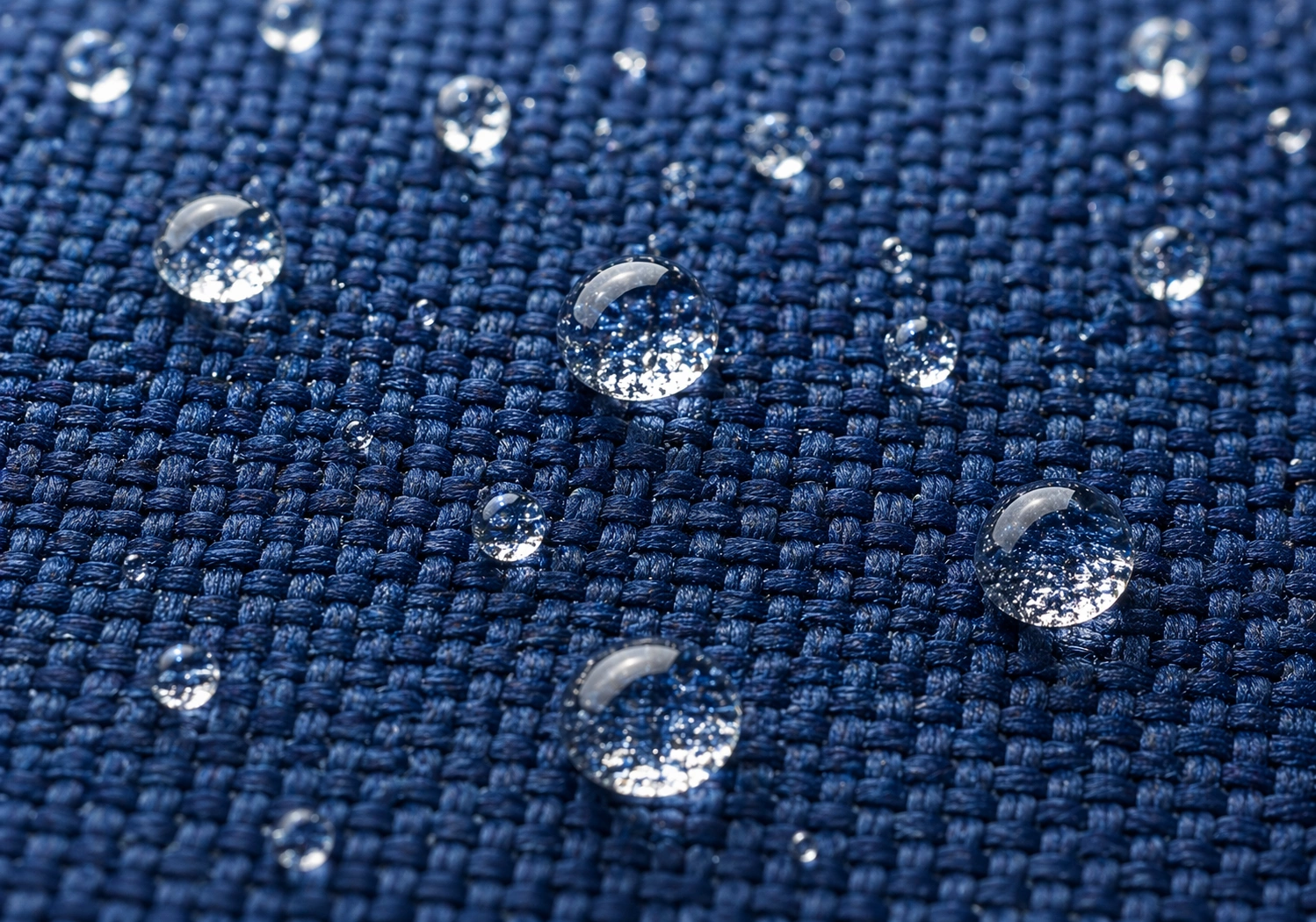
The cushions are where you physically interact with your sofa, and they're also the most vulnerable component. A great frame with cheap cushions will still deliver a poor experience. Here's what to look for in outdoor cushion construction:
Fabric Types Ranked by Durability
- Solution-Dyed Acrylic (e.g., Sunbrella, Outdura) — The gold standard. Color is embedded in the fiber before weaving, so it won't fade even after years of sun exposure. Water-resistant, mildew-resistant, and easy to clean with soap and water. This is the most durable fabric for outdoor use.
- Solution-Dyed Olefin (Polypropylene) — Nearly as durable as acrylic at a lower price point. Excellent resistance to staining, moisture, and UV. Slightly stiffer hand-feel than acrylic but improving with newer weaves.
- Polyester with UV Treatment — Budget-friendly option found on entry-level sofas. The UV treatment will eventually wear off, leading to fading after 1–2 seasons. Adequate for covered patios but not for full sun exposure.
- Textilene (Mesh) — A PVC-coated polyester mesh often used on sling-style outdoor furniture. Extremely durable and quick-drying but offers minimal cushioning. Best for hot, humid climates where airflow matters.
Cushion Fill Materials
- Open-Cell Foam (Quick-Dry Foam) — Engineered to let water drain through rather than absorbing it. Dries within hours after rain. The best all-around choice for outdoor cushions. Available in different firmness levels.
- Dry Fast Polyfill Wrap — Often used as a wrapping layer around foam core for a softer feel. Allows airflow and quick drying. Commonly paired with open-cell foam in premium cushions.
- Standard Polyurethane Foam — NOT recommended for uncovered outdoor use. Absorbs water like a sponge and can take days to fully dry, promoting mold growth. Acceptable only if cushions are always stored indoors.
- Reticulated Foam — Highly porous foam with an open structure that allows maximum water drainage and airflow. The fastest-drying option available. Often found in marine and pool furniture.
Important: Even "waterproof" outdoor cushions are water-resistant, not waterproof. Prolonged heavy rain will eventually soak through. Always store cushions during storms or use a high-quality, breathable furniture cover. See our fabric protection guide for more details.

Best Outdoor Sofas by Climate
Your local climate is the single most important factor in choosing an outdoor sofa. A sofa that thrives in Arizona's dry heat may fail spectacularly in Florida's humidity. Here's what works best where you live:
☀️ Hot & Dry (Desert, Southwest)
Best frame: Powder-coated aluminum or teak. Avoid dark-colored metal that absorbs heat. Best fabric: Solution-dyed acrylic in light colors to reflect heat. Key concern: UV fading and heat retention. Consider lighter cushion colors and add a shade structure. Avoid inflatable options which can expand in extreme heat.
🌧️ Humid & Rainy (Southeast, Tropics)
Best frame: Marine-grade stainless steel (316) or aluminum. Best fabric: Solution-dyed olefin or acrylic with mildew resistance. Key concern: Mold, mildew, and rust. Quick-dry cushions are essential. Store cushions when not in use. Avoid eucalyptus or acacia wood which can warp in high humidity.
🌊 Coastal / Salt Air
Best frame: Marine-grade 316 stainless steel or heavy-gauge aluminum with thick powder coating. Best fabric: Solution-dyed acrylic (Sunbrella). Key concern: Salt corrosion. Even "rust-proof" materials degrade faster near the ocean. Rinse frames weekly with fresh water. Rattan-style sofas work here only with aluminum inner frames.
❄️ Cold & Snowy (Northern, Mountain)
Best frame: Powder-coated aluminum or teak. Avoid thin steel. Best fabric: Solution-dyed acrylic. Key concern: Freeze-thaw cycles can crack inferior materials. Store or cover furniture from late fall through spring. Teak handles cold well but may develop surface checking (small cracks) that don't affect structural integrity.
Key Buying Factors to Evaluate
1. Size & Space Planning
Before shopping, measure your outdoor space carefully — including walkways, door clearance, and any overhead obstructions like tree branches or umbrella poles. An outdoor sofa should leave at least 24–36 inches of clearance around it for traffic flow. If you're working with a compact area, consider a 2-seater or loveseat. For large patios, a sectional or modular setup maximizes seating. Use our size & room guide and learn how to measure properly.
2. Comfort Level
Outdoor sofa comfort depends on seat depth, cushion thickness, and back angle. A seat depth of 20–22 inches works for most people. Cushion thickness should be at least 4–5 inches for adequate support — thin 2-inch cushions feel hard after 30 minutes. Test the comfort factors that matter, and consider whether you prefer a firm or plush seating experience for outdoor lounging.
3. Weight & Portability
If you need to move your sofa seasonally or during storms, weight matters. Aluminum sofas typically weigh 40–80 pounds for a 3-seater. Teak or steel frames can exceed 120 pounds. If portability is important, avoid wrought iron and solid wood. For truly portable outdoor seating, camping sofas are an alternative category altogether.
4. Assembly Requirements
Most outdoor sofas ship flat-packed and require assembly. Check reviews for assembly difficulty — some require two people and 2+ hours. Look for sofas with pre-attached cushions and minimal hardware. Quality brands include clear instructions and all necessary tools.
5. Warranty Coverage
A strong warranty signals manufacturer confidence. Look for: Frame warranty — 5–15 years on aluminum and teak is standard from quality brands. Fabric warranty — 3–5 years against fading. Cushion warranty — 1–3 years against structural failure. Be wary of brands offering only 1-year frame warranties — this suggests lower-grade materials. Understanding the price vs quality relationship helps you evaluate whether the warranty justifies the cost.
Outdoor Sofa Budget Guide
How much should you spend? Here's a realistic breakdown of what you get at each price tier. For more detailed budgeting, see our sofa budget guide and price breakdown.
Entry Level
- Steel or thin aluminum frame
- Polyester cushions with UV spray
- Standard foam filling
- 1-year warranty
- Best for covered patios
- Expect 2–4 year lifespan
Mid-Range
- Thick powder-coated aluminum
- Sunbrella or olefin fabric
- Quick-dry open-cell foam
- 3–5 year warranty
- Full sun or partial cover
- Expect 5–10 year lifespan
High-End
- Teak or 316 stainless steel
- Premium Sunbrella / Perennials
- Reticulated foam, multi-layer
- 10–15+ year warranty
- All weather conditions
- Expect 15–25+ year lifespan
Value Tip: The mid-range tier ($700–$1,500) offers the best value for most buyers. You get the critical upgrades — aluminum frame, solution-dyed fabric, quick-dry cushions — that separate outdoor-worthy furniture from indoor rejects. The jump from budget to mid-range is far more impactful than mid-range to premium in terms of real-world durability. Also, check the best time to buy for seasonal discounts.
7 Common Mistakes When Buying an Outdoor Sofa
Ignoring Your Climate
Buying a beautiful rattan sofa for a coastal salt-air environment, only to find the inner steel frame rusting within months. Always match materials to your specific weather conditions.
Choosing Style Over Substance
A sofa that looks gorgeous in photos but uses standard foam and polyester cushions will disappoint after one rainy season. Prioritize material quality over aesthetics — you can always add decorative pillows for style.
Not Measuring Properly
Ordering a sectional that's too large for your patio, or one that can't fit through a narrow gate during delivery. Measure everything: space, pathways, doorways, and gate openings.
Skipping the Furniture Cover
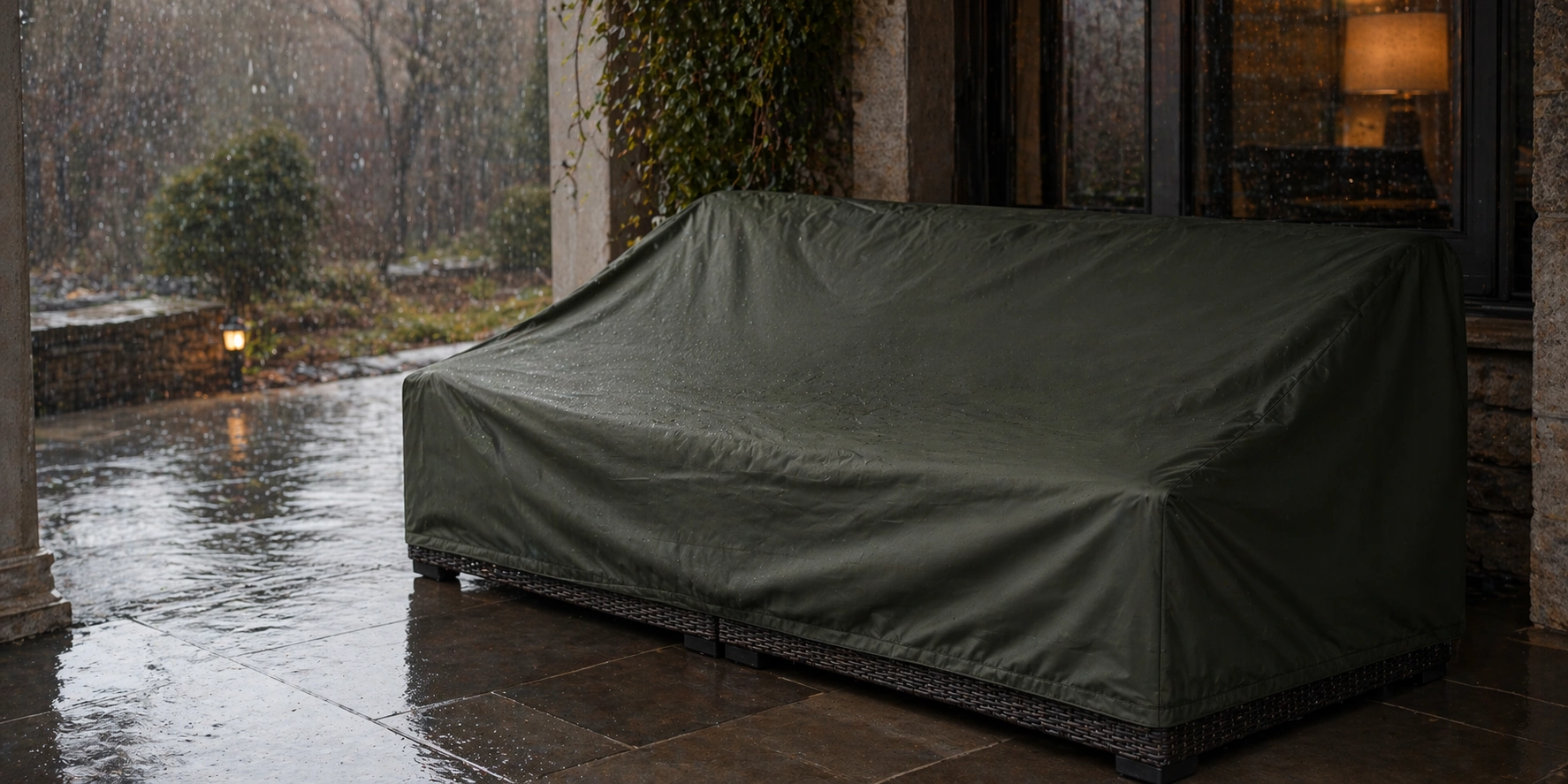
Even the best outdoor sofa lasts significantly longer with a cover. The UV protection alone is worth it — covers cost $30–$80 but can add years to your sofa's life.
Buying Based on Price Alone
The cheapest outdoor sofa often costs more per year of use than a mid-range option. A $400 sofa lasting 2 years costs $200/year versus a $1,000 sofa lasting 8 years at $125/year. Factor in hidden costs like replacement cushions and covers.
Forgetting About Cushion Storage
Having nowhere to store cushions during rain or winter means they'll degrade faster. Budget for a waterproof storage box ($50–$150) or plan to bring cushions indoors regularly.
Not Reading the Fine Print on Warranties
Some warranties cover fading only up to a certain percentage, exclude commercial use, or require proof of annual maintenance. Understand what's covered and what voids the warranty before buying.
Outdoor Sofa Maintenance Guide
Proper maintenance dramatically extends your outdoor sofa's life. The good news is that quality outdoor furniture requires less upkeep than most people expect. Here's a seasonal maintenance routine:
🧹 Weekly Cleaning
Brush off debris from wicker weaves. Wipe down frames with a damp cloth. Spot-clean cushion stains immediately with mild soap and water. Shake out cushions to remove trapped dirt and moisture. For deeper cleaning, check our guide on fabric sofa cleaning techniques adapted for outdoor materials.
📅 Monthly Deep Clean
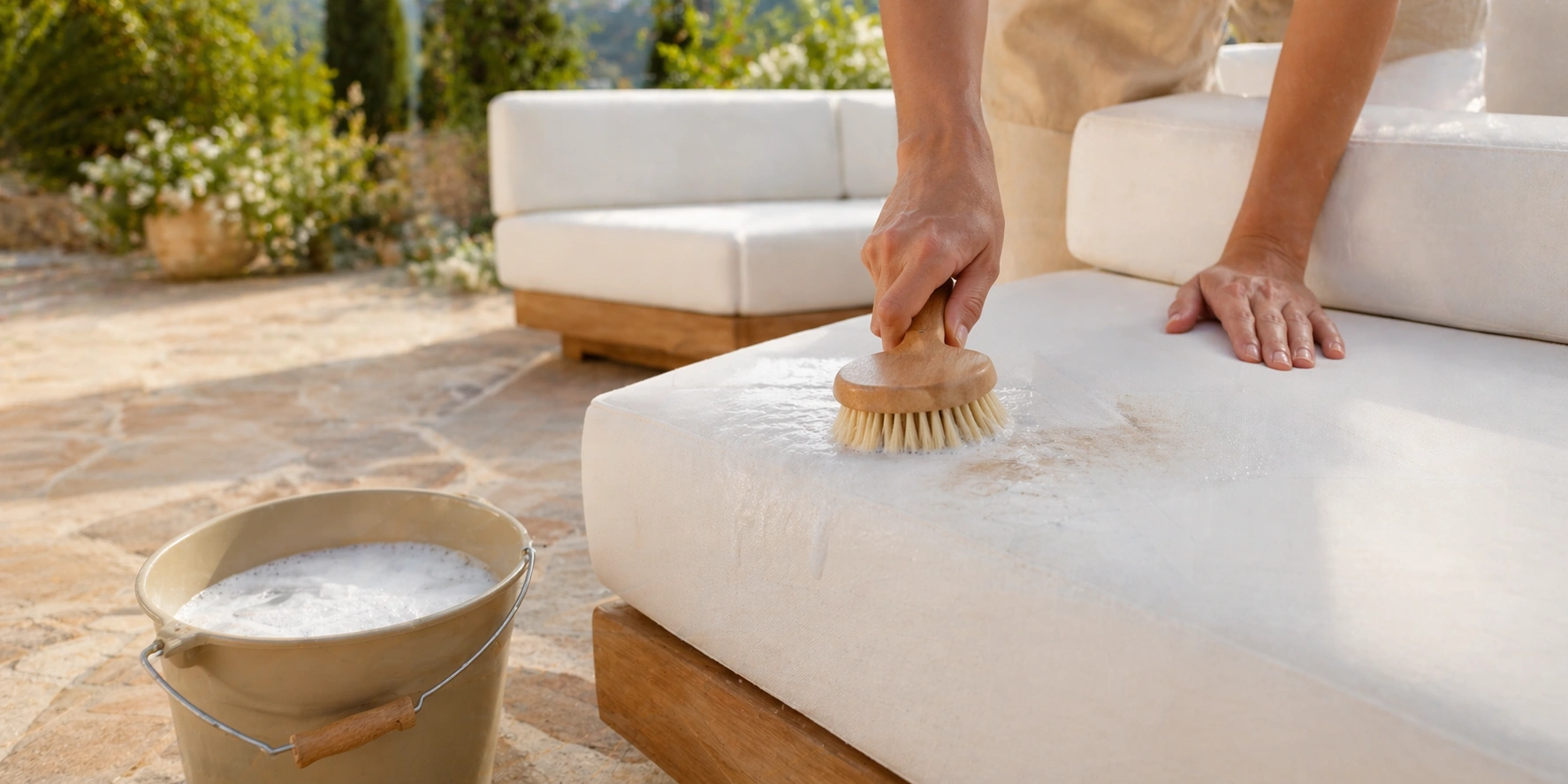
Hose down the entire frame. Clean cushions with a soft brush and solution of mild dish soap and warm water. Rinse thoroughly and allow to dry completely in direct sunlight before replacing. Apply UV protection spray to fabrics every 4–6 weeks during peak sun season.
🍂 Seasonal Preparation
Before winter (or rainy season), clean everything thoroughly, apply fabric protectant, and store cushions indoors in a dry place. Cover the frame with a breathable, waterproof cover. For teak, decide whether to oil before storage or let it weather naturally. Check for loose legs or hardware and tighten as needed.
🔧 Annual Inspection
Check all joints, bolts, and connections for looseness or corrosion. Inspect the powder coating for chips or scratches — touch up with matching paint to prevent rust starting. Test fabric for thinning or color loss. Evaluate whether cushions need replacement or if the cushions can be replaced while keeping the frame.
What to Do About Common Issues
- Mildew on cushions: Mix 1 cup white vinegar with 1 gallon water. Spray on affected areas, let sit 15 minutes, scrub gently, and rinse thoroughly. For stubborn cases, use a solution of 1 tablespoon bleach per gallon water (test on hidden area first).
- Rust spots on frame: Sand lightly with fine-grit sandpaper, clean the area, apply rust-inhibiting primer, and touch up with matching paint. Address immediately — rust spreads quickly once it starts.
- Sagging cushions: Outdoor cushions can lose their shape over time. Flip and rotate them weekly for even wear. If they've permanently flattened, replacement cushion inserts are available from specialty suppliers. Learn more about fixing sagging cushions.
- Faded fabric: Minor fading is normal over time. If fading is uneven, it may indicate the fabric wasn't truly solution-dyed. Unfortunately, faded fabric can't be restored — replacement is the only option. This is why investing in Sunbrella-grade fabric from the start matters.
- Wobbly frame: Check all bolts and connections first. If the frame itself is warped (common with wood in humid climates), shims or replacement parts may be needed. See our guide on frame repair for detailed steps.
Outdoor Sofas vs. Related Options
If you're not sure an outdoor sofa is the right fit, here's how it compares to adjacent categories you might be considering:
Outdoor Sofa vs. Camping Sofa
Outdoor sofas are permanent fixtures designed to stay in place season-round. Camping sofas (like portable camping sofas) are lightweight, collapsible, and designed for temporary use at campsites or tailgates. Camping sofas sacrifice comfort and durability for portability — they're not meant to be left outside permanently.
Outdoor Sofa vs. Inflatable Couch
Inflatable couches are ultra-portable and inexpensive but offer minimal comfort and no structural durability. They puncture easily, lose air over time, and can become dangerous in high winds. Outdoor sofas provide real seating comfort, stable construction, and years of reliable use — a completely different category.
Permanent Outdoor Sofa vs. Covered/Screened Porch Sofa
If your outdoor space is fully covered or screened, you have more flexibility. A covered porch protects from direct rain and reduces UV exposure, meaning you could use a mid-range outdoor sofa with standard (non-solution-dyed) cushions and still get several years of life. However, humidity and temperature fluctuations still make purpose-built outdoor furniture the smarter long-term choice.
How to Check Outdoor Sofa Quality Before Buying
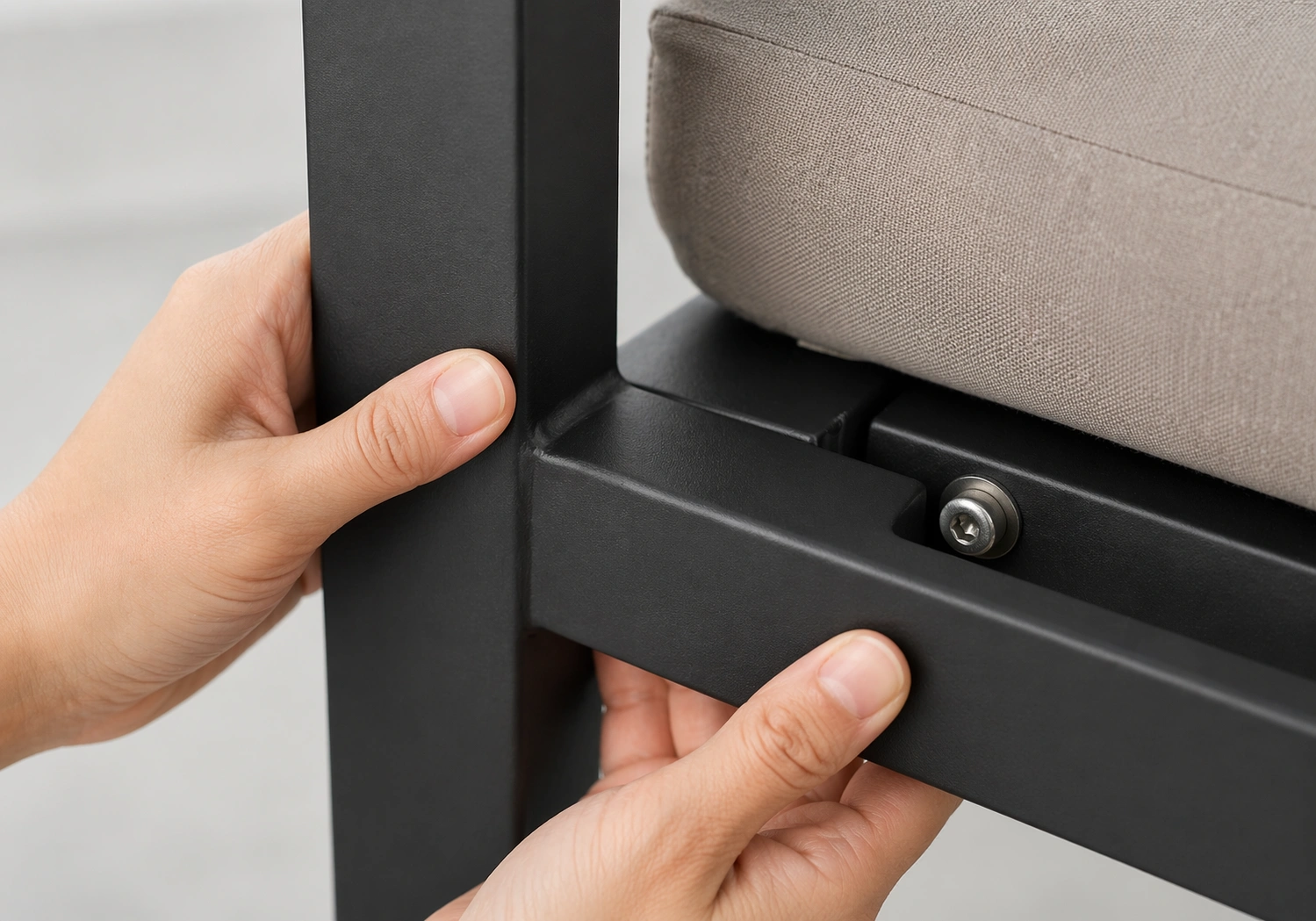
Whether shopping online or in-store, here are the quality signals that separate a durable outdoor sofa from a disposable one:
- Frame weight: Lift it. A quality aluminum 3-seater should feel substantial (50–80 lbs) without being unmanageable. If it feels feather-light, the metal gauge is probably too thin.
- Weld quality: Check joints for smooth, even welds with no visible gaps, blobs, or rough spots. Poor welds are the first point of failure.
- Powder coating thickness: Scratch an inconspicuous area with your fingernail. Quality coating won't chip easily. Thin coating exposes the metal underneath to corrosion.
- Cushion construction: Unzip a cushion cover. Look for wrapped foam (not bare foam blocks), drainage holes or mesh bottoms, and quality zippers with rust-proof pulls.
- Fabric feel: Solution-dyed acrylic has a soft, slightly warm hand-feel. Cheap polyester feels slick and plasticky. Stretch the fabric slightly — quality outdoor fabric has very little give.
- Joint hardware: All bolts, screws, and nuts should be stainless steel or coated. Look for lock nuts or thread-locking compound that prevents loosening from vibration.
- Bottom of the sofa: Flip it over or look underneath. Quality sofas have sealed bottom panels, protective foot pads, and no exposed raw edges or staples.
For a comprehensive quality checklist, read our guide on how to check sofa quality before buying.
Frequently Asked Questions
Final Checklist Before You Buy
Use this quick checklist to make sure you've covered all the essentials:
- Measured your space including walkways, gate clearance, and doorways
- Identified your climate zone and selected appropriate frame and fabric materials
- Confirmed the frame is aluminum, teak, or marine-grade stainless steel (not untreated steel)
- Verified cushions use solution-dyed fabric (Sunbrella, Outdura, or equivalent) and quick-dry foam
- Checked warranty terms — minimum 3 years on frame, 1–3 years on fabric
- Read recent customer reviews focusing on durability after 1+ seasons of use
- Budgeted for a furniture cover and cushion storage solution
- Compared at least 3 options within your budget range
An outdoor sofa is an investment in your home's livable space. By choosing the right materials for your climate, maintaining it properly, and avoiding the common pitfalls outlined above, you'll enjoy years of comfortable outdoor living. When you're ready, explore our complete sofa buying guide or browse the recommended outdoor sofas below.