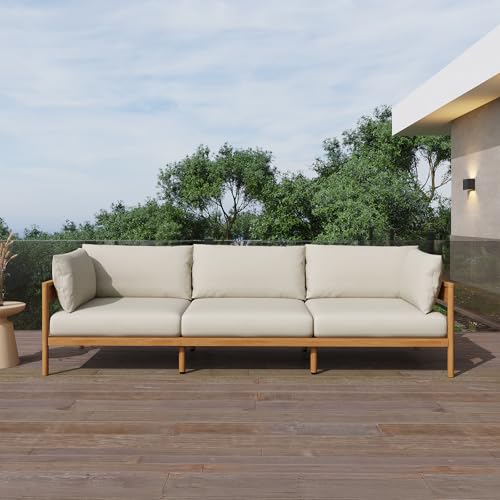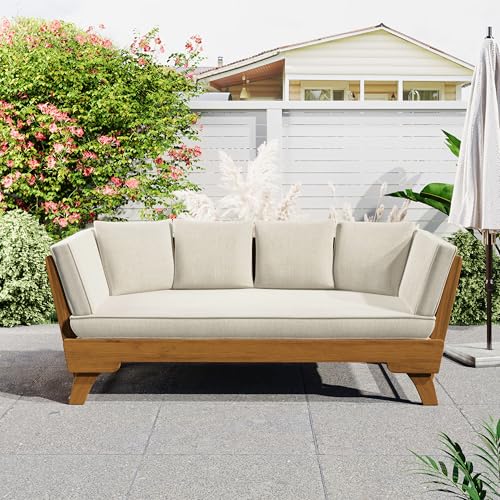
The Complete Guide to Buying a Teak Sofa
Discover why teak wood has been the gold standard for fine furniture for centuries — exceptional durability, natural beauty, and timeless appeal for both indoor and outdoor living spaces.
See Top RecommendationsWhat Makes Teak Wood Special for Sofas?
Teak (Tectona grandis) is a dense, tropical hardwood native to Southeast Asia that has been prized for shipbuilding and fine furniture for centuries. What sets teak apart from virtually every other wood species is its naturally high concentration of teak oil — a combination of tectoquinones, rubber, and waxes that permeate the wood fibers. This natural oil acts as a built-in preservative, making teak extraordinarily resistant to moisture, rot, insects, warping, and cracking without any chemical treatment whatsoever.

Grade A teak heartwood — note the tight, uniform grain and rich golden-brown color that comes from high natural oil content
When used in sofa construction, teak typically serves as the frame material for indoor sofas, and as both the frame and visible structure for outdoor teak sofas. Its density (approximately 40+ lbs per cubic foot) means it can bear heavy loads without flexing or squeaking — a critical quality for furniture that must support daily use for decades. Among all wooden sofa options, teak consistently ranks as the most durable and longest-lasting choice.
Key Fact: Teak was the primary material used for ship decks on luxury cruise liners for over a century. If teak can survive decades of saltwater, UV exposure, and constant foot traffic on the open ocean, it can easily handle the demands of residential furniture. Many antique teak pieces from the mid-20th century are still in daily use today — a testament to the wood's extraordinary longevity.
The Core Properties That Matter
Understanding these properties helps you evaluate whether a teak sofa is worth the investment and how to compare different products effectively.
Natural Moisture Resistance
Teak oil creates a waterproof barrier within the wood itself. Unlike other woods that require sealants, teak resists water penetration inherently — perfect for humid climates and outdoor exposure.
Extreme Density & Strength
At 40+ lbs/cubic foot, teak is harder than oak or maple. This density prevents the frame flexing that causes squeaks and wobbles in lesser woods over time.
Insect & Rot Resistance
The same oils that repel water also deter termites, borers, and fungi. Teak does not require chemical treatments to resist the pests that destroy other wood furniture.
UV Stability
While teak does change color in sunlight, it doesn't degrade structurally. It weathers to an elegant silver-gray patina rather than cracking, splitting, or becoming brittle.
Low Thermal Conductivity
Unlike metal or plastic outdoor furniture, teak stays comfortable to touch even in direct sun. It doesn't become uncomfortably hot, making it ideal for seating surfaces.
Beautiful Grain & Color
Grade A teak has a rich golden-brown hue with a smooth, even grain that improves with age. It brings warmth and natural elegance to any interior or exterior setting.
For buyers evaluating sofa materials, the key takeaway is that teak's advantages are structural, not just cosmetic. A teak frame will outlast frames made from oak, birch, pine, or plywood by a wide margin, which is why teak furniture often carries premium pricing — you're paying for decades of additional service life.
Indoor vs. Outdoor Teak Sofas: Understanding the Difference
Teak sofas serve two fundamentally different markets, and confusing them is one of the most common buying mistakes. Indoor teak sofas and outdoor teak sofas are designed, constructed, and priced differently.
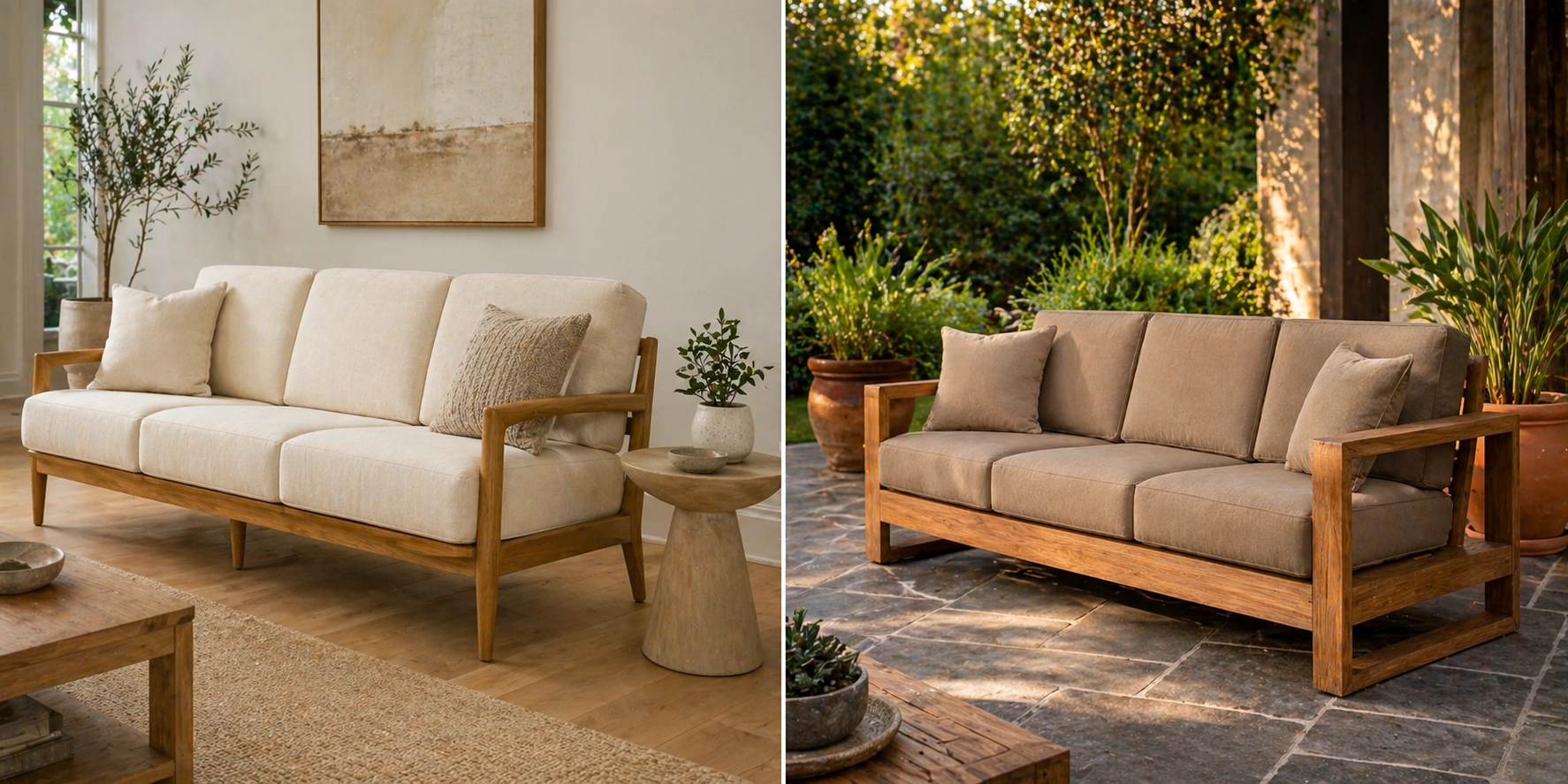
Indoor teak sofa (left) with upholstered cushions vs. outdoor teak sofa (right) with weather-ready seating — different construction for different environments
🏠 Indoor Teak Sofas
- Teak used primarily as the internal frame material, often not visible
- Upholstered with fabric, leather, or performance fabric cushions
- Cushion fill uses standard foam, down-wrap, or hybrid options
- Focus on comfort, style integration with interior decor
- Styles range from modern and mid-century to vintage
- Frame may be kiln-dried to specific indoor moisture content
- Price driven by upholstery quality, cushion construction, and design
🏛 Outdoor Teak Sofas
- Teak is the visible structural material — the wood IS the design
- Cushions use outdoor-rated fabrics (Sunbrella, Olefin) and quick-dry foam
- Designed to withstand rain, sun, and temperature swings
- May feature slatted seats as an alternative to cushions
- Often paired with coastal, tropical, or poolside aesthetics
- Joints use marine-grade stainless steel or brass hardware
- Price driven primarily by teak grade and wood thickness
If you're furnishing a living room, an indoor teak-frame sofa with quality upholstery gives you the durability of teak where it matters most (the frame) while offering the softness and style of a traditional sofa. If you're outfitting a patio, garden, or poolside area, a dedicated outdoor teak sofa is specifically engineered for that environment. Using an indoor sofa outdoors — even one with a teak frame — will destroy the upholstery within a single season.
Understanding Teak Grades: Grade A, B, and C
Not all teak is equal. The grade system classifies teak based on which part of the tree it comes from, and it has an enormous impact on durability, appearance, and price. Understanding grades is the single most important factor in evaluating a teak sofa's quality.
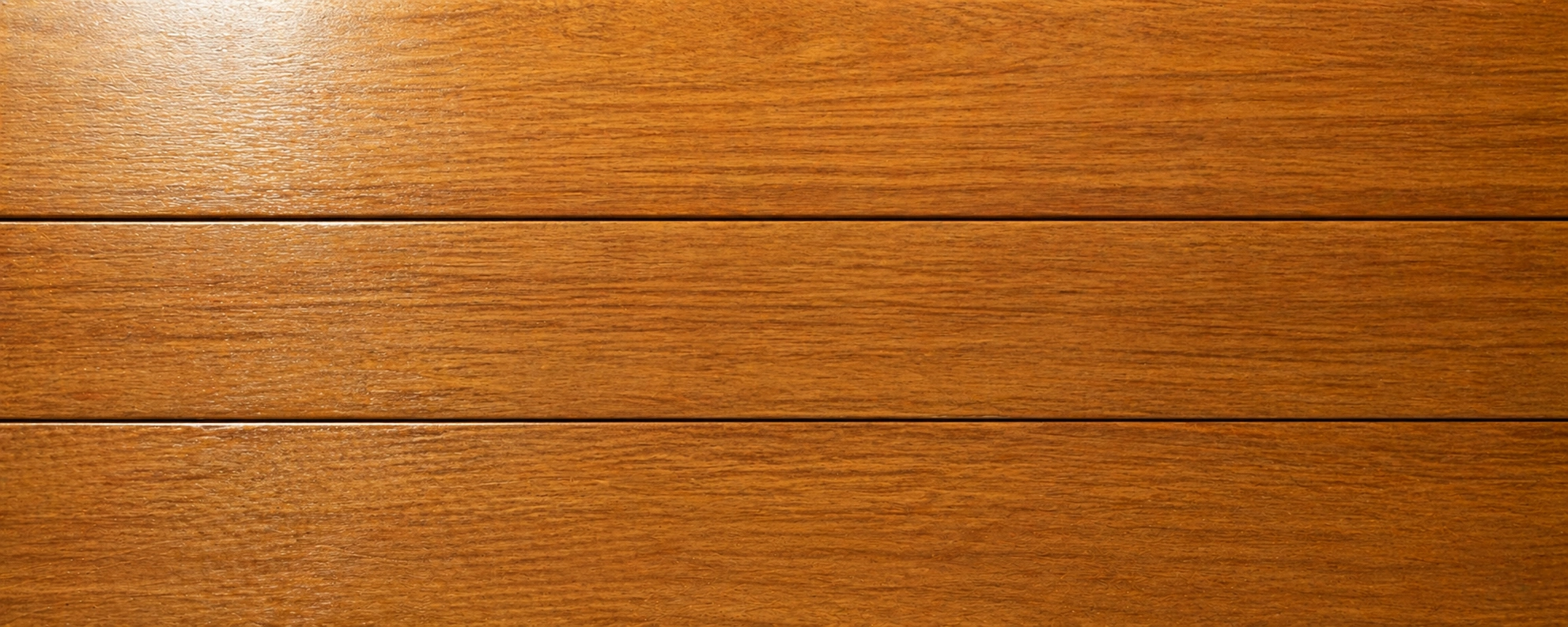
Grade A — Premium Heartwood
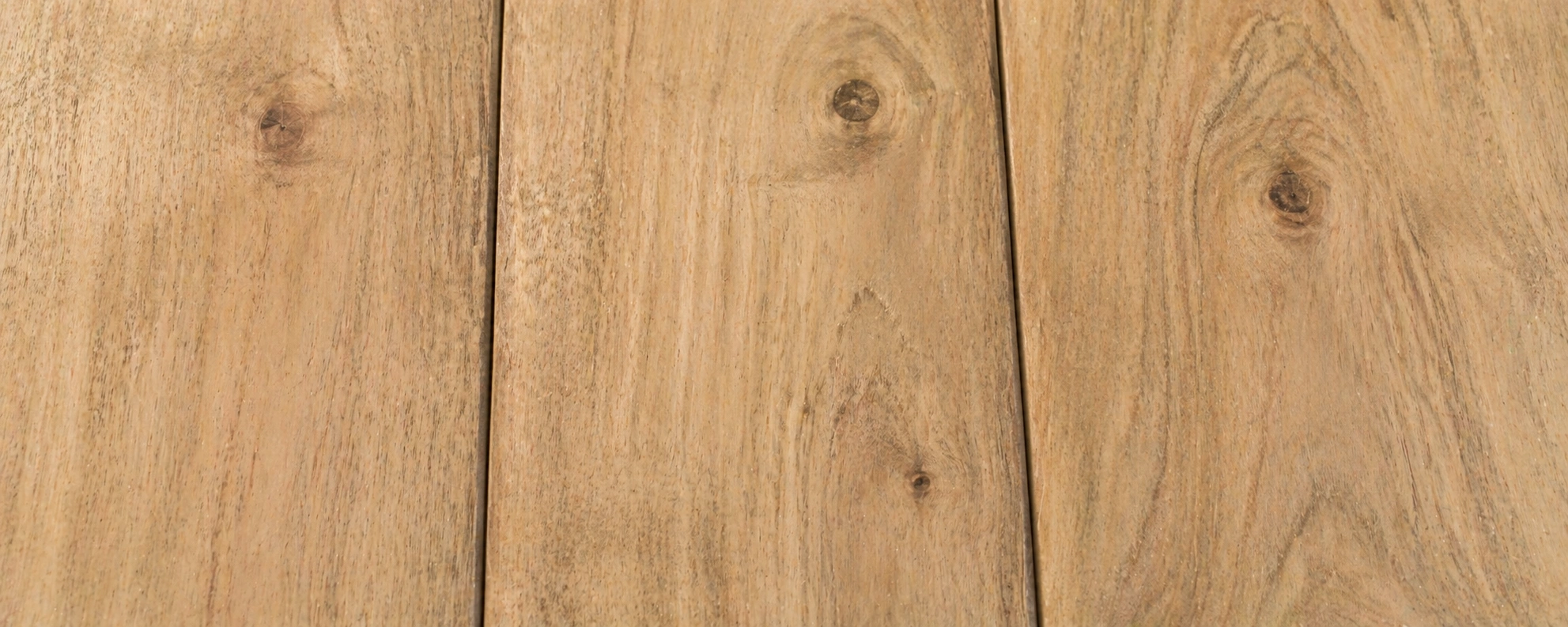
Harvested from the center (heartwood) of mature trees aged 30-50+ years. Highest natural oil content, tightest grain, richest golden-brown color, zero knots. Extremely durable — can last 50+ years outdoors with minimal maintenance. Used in premium and luxury teak furniture.
Grade B — Mixed Heartwood
From the outer heartwood or transition zone between heartwood and sapwood. Moderate oil content, less uniform grain, occasional small knots. Lighter color than Grade A. Adequate for indoor furniture and covered outdoor use. Lifespan of 15-25 years outdoors with regular maintenance.

Grade C — Sapwood
From the outer sapwood layer of the tree. Very low oil content, pale whitish color, loose grain, frequent knots. Not suitable for outdoor use — will rot and crack within a few seasons. Acceptable only for indoor, non-structural parts or hidden frame components. Budget-tier only.
Buyer Beware: Many inexpensive "teak" furniture products use Grade C sapwood with a dark stain applied to mimic Grade A appearance. The stain will fade and peel within months outdoors, exposing the low-quality wood underneath. Always ask the seller to specify the teak grade. If they cannot or will not, assume it's Grade C or a teak veneer over a different wood core. Our guide on how to check sofa quality before buying covers additional red flags to watch for.
Honest Pros and Cons of Teak Sofas
✅ Advantages
- Exceptional frame longevity — 30-50+ years with proper care
- Naturally resistant to moisture, rot, insects, and UV damage
- Does not require chemical treatments or sealants for outdoor use
- Beautiful golden-brown grain that develops character with age
- Strong enough to prevent frame flexing, squeaking, and wobbling
- Comfortable to touch even in hot weather (low thermal conductivity)
- Holds value well — quality teak furniture is often resellable
- Considered a sustainable choice when sourced from certified plantations
❌ Drawbacks
- Significantly higher upfront cost than other frame materials
- Very heavy — difficult to move or rearrange without help
- Limited cushion comfort options on all-wood outdoor designs
- Color changes over time unless regularly treated with teak oil
- Can be scratched or dented if struck with hard objects
- Inferior grades (B/C) may not deliver expected durability
- Requires specific maintenance products — standard wood polish won't work
The weight factor deserves special attention. A solid teak 3-seater sofa can weigh 150-250+ pounds depending on wood thickness. This is actually an advantage for stability (the sofa won't shift when people sit down), but it means you should plan your room layout carefully before committing to a position. For lighter alternatives with a natural aesthetic, rattan sofas weigh significantly less, though they lack teak's structural strength and weather resistance.
Teak vs. Other Popular Frame Materials
When evaluating a wooden sofa or any sofa frame, teak competes with several other materials. Here's how it compares on the factors that matter most for long-term satisfaction.
| Factor | Teak | Oak | Plywood | Rattan |
|---|---|---|---|---|
| Outdoor Use | Excellent (no treatment needed) | Poor (requires sealing) | Cannot be used outdoors | Good (with treatment) |
| Frame Lifespan | 30-50+ years | 15-25 years | 5-10 years | 10-15 years |
| Rot & Insect Resistance | Natural (built-in oils) | Requires treatment | Requires treatment | Moderate |
| Weight | Very Heavy | Heavy | Light to Medium | Light |
| Visual Appeal | Rich, warm, distinctive grain | Strong, pronounced grain | Hidden (not visible) | Woven, tropical look |
| Price (frame only) | $$-$$$$ | $$-$$$ | $ | $$-$$$ |
Teak's only real weakness in this comparison is weight and price. On every performance metric — durability, weather resistance, insect resistance, and longevity — teak is clearly superior. The question isn't whether teak is the best material; it's whether its advantages justify the higher cost for your specific situation. For outdoor furniture, the answer is almost always yes. For an indoor sofa where the frame is hidden, the benefits are less visible, and a quality hardwood frame may offer better price-to-quality value.
Who Should (and Shouldn't) Buy a Teak Sofa
🌟 Ideal For
- Homeowners wanting outdoor furniture that lasts decades, not seasons
- Those who appreciate natural wood aesthetics and warm tones
- People in humid, coastal, or tropical climates where other materials deteriorate
- Buyers treating furniture as a long-term investment rather than a disposable purchase
- Fans of coastal, tropical, or Scandinavian design styles
- Anyone who has experienced frame failure on cheaper sofas and wants a permanent solution
🚫 Consider Alternatives
- Renters who move frequently and need lightweight, portable furniture
- Budget buyers seeking the lowest upfront cost regardless of longevity
- Those who prefer ultra-plush, sink-in comfort (all-wood teak is firm)
- People who dislike the look of visible wood grain in their living space
- Anyone unwilling to perform occasional maintenance (oil application, cleaning)
- Very small spaces where a heavy, visually dominant piece overwhelms the room
If you're furnishing a large living room or an outdoor entertaining area, a teak sofa anchors the space with a sense of permanence and quality that synthetic materials simply cannot replicate. It's the kind of purchase where the cost-per-year-of-use actually decreases over time — a teak sofa that costs three times more than a budget alternative but lasts five times longer is the cheaper option in the long run.
How to Maintain a Teak Sofa
One of teak's greatest advantages is that it requires remarkably little maintenance compared to other outdoor woods. However, the care routine differs depending on whether you want to preserve the original golden-brown color or allow the natural silver-gray patina to develop. Both approaches are valid — it's a matter of personal preference.
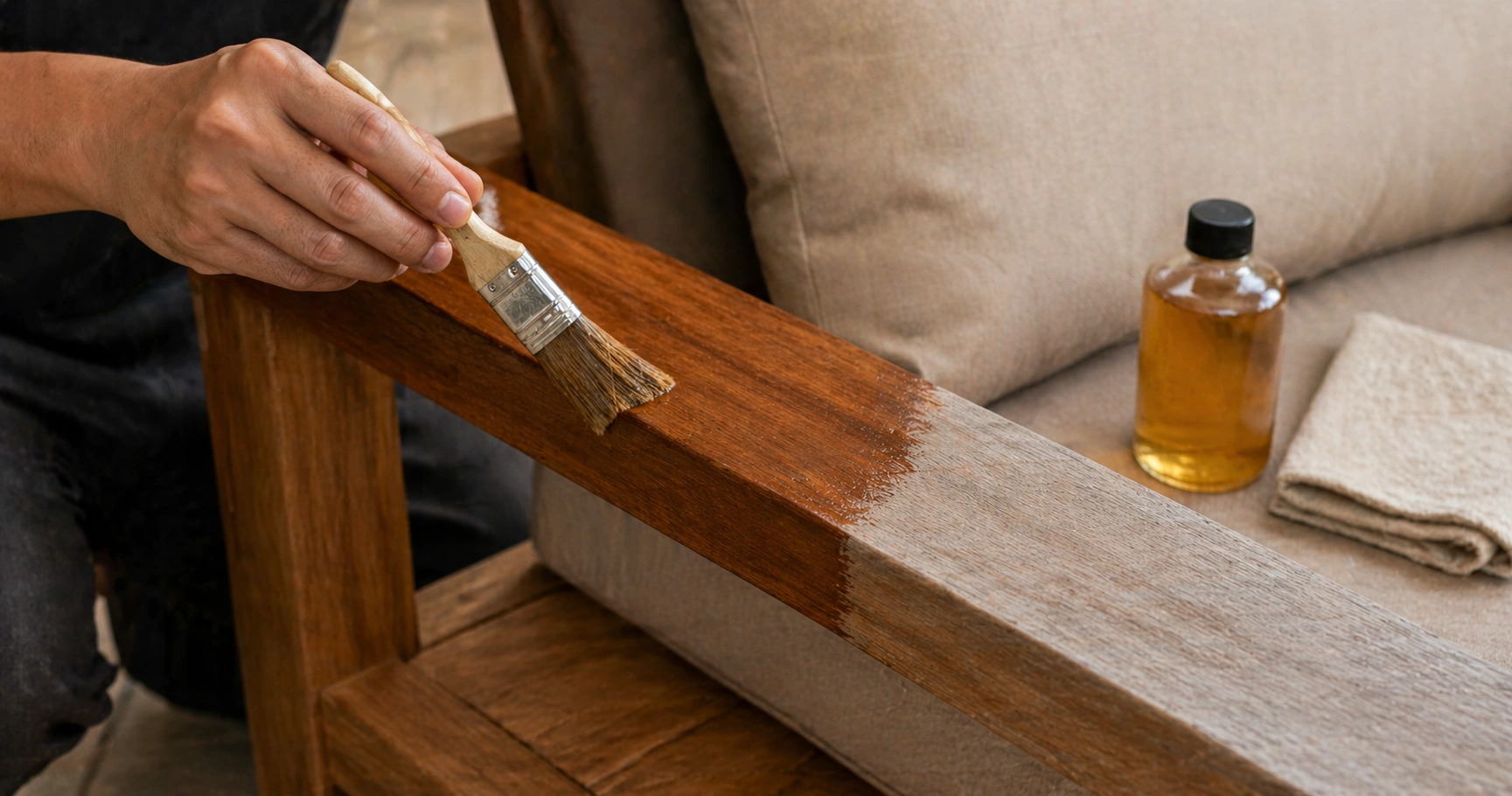
Applying teak oil restores the golden-brown color and replenishes the wood's natural protective oils
Clean Regularly
Wipe with a soft cloth or use mild soapy water with a soft brush for deeper cleaning. Never use a pressure washer — the high force can damage the wood fibers and erode the surface.
Choose Your Path
Decide: maintain golden-brown (requires oil every 3-6 months) or let it weather to silver-gray (requires only annual cleaning). Both are protective — just different aesthetics.
Apply Teak Oil
If maintaining color, sand lightly with fine grit (320), clean thoroughly, let dry completely, then apply teak oil with a brush in the direction of the grain. Two thin coats are better than one thick coat.
Protect Cushions
For outdoor setups, use furniture covers during extended rain or when not in use. Store fabric cushions indoors or in waterproof storage boxes to prevent mildew.
Pro Tip: Never apply varnish, polyurethane, or standard wood sealers to outdoor teak. These coatings trap moisture inside the wood, which can cause the teak to rot from within — the exact opposite of what you want. Stick to dedicated teak oil or teak sealer products that are designed to penetrate the wood rather than sit on the surface. For indoor teak frames, fabric protection on the upholstery is more important than treating the frame.
If your teak sofa has already weathered to silver-gray and you want to restore the original color, it's absolutely possible. Clean the wood thoroughly, sand it back to the original golden layer with medium then fine grit sandpaper, and apply teak oil. The process takes a few hours but the transformation is dramatic. For any structural issues like loose legs or frame problems, address those before sanding and oiling.
Silver Patina Note: The silver-gray color that teak develops outdoors is not a sign of damage — it's a natural oxidation process that actually adds a layer of surface protection. Many designers specifically seek out weathered teak for its refined, aged appearance. Once teak has fully silvered (usually 6-12 months of outdoor exposure), you only need to clean it — no oiling required unless you want to reverse the process.
How Much Does a Quality Teak Sofa Cost?
Teak furniture occupies the premium tier of the sofa market. Understanding what drives the price helps you determine whether a particular product offers fair value or is overpriced for what you're getting.
Budget Tier
Teak veneer over plywood or MDF core, Grade C/B teak with dark stain, basic hardware. Fine for covered patios or indoor use where appearance matters more than longevity. Expect 5-10 year outdoor lifespan.
Mid-Range Tier
Grade B teak or Grade A for visible parts only, proper joinery, marine-grade hardware, decent cushions. Good value for serious outdoor furniture buyers. 15-25 year lifespan with basic maintenance. Check our sofa budget guide for planning.
Premium Tier
Full Grade A teak throughout, mortise-and-tenon or dowel joinery, brass or 316 stainless steel hardware, premium cushions (Sunbrella, etc.). Investment-grade pieces that last 30-50+ years. Often from Indonesian or Danish manufacturers.
For outdoor teak sofas, the mid-range tier ($800-$2,500) is where most buyers find the best balance. Below $800, you're usually getting teak veneer or Grade C wood that won't survive prolonged outdoor exposure. Above $2,500, you're paying for Grade A heartwood throughout — worth it if you plan to keep the furniture for decades and want the best appearance, but overkill for casual use. Our sofa price breakdown explains exactly what you're paying for at each tier.
Teak Sofa Buying Checklist
Use this checklist when evaluating any teak sofa. It focuses on the factors unique to teak furniture that generic sofa guides don't cover. For a comprehensive buying framework, see our how to choose a sofa guide.
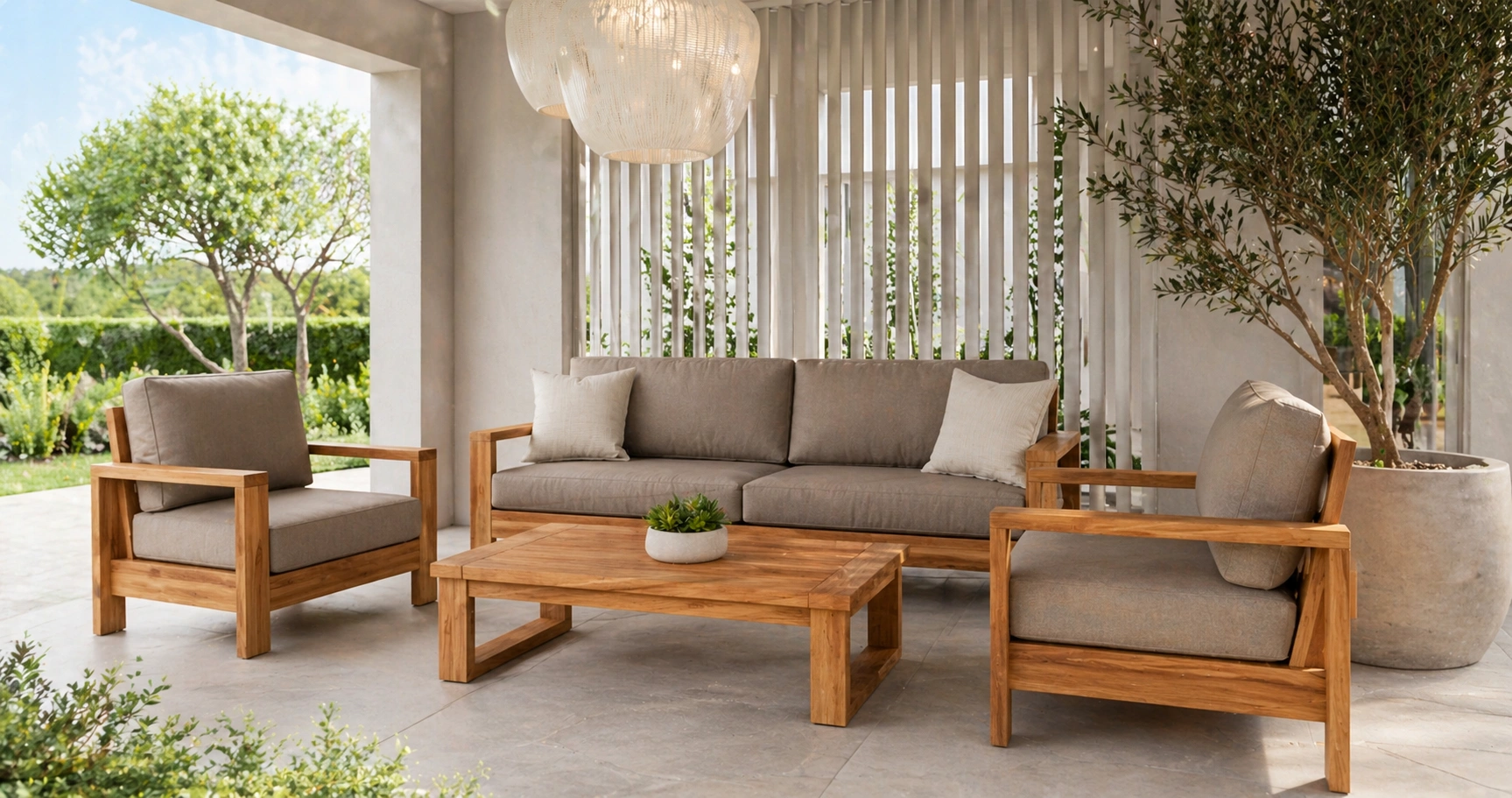
A properly chosen teak sofa anchors an outdoor living space with warmth and permanence
☑ Pre-Purchase Evaluation Steps
- Verify the teak grade — Ask specifically for Grade A, B, or C. Reputable sellers will state this clearly. If they say "solid teak" without specifying the grade, assume Grade B or lower. Grade A is essential for uncovered outdoor use.
- Check the joinery method — Mortise-and-tenon joints with dowels and marine-grade hardware are best. Avoid sofas assembled with only screws or staples — these will loosen as teak naturally expands and contracts with humidity changes.
- Inspect hardware quality — Outdoor teak sofas must use 316 stainless steel or solid brass. Standard steel or zinc hardware will rust and leave brown streaks on the teak surface — a common and ugly problem on cheap products.
- Measure wood thickness — Quality outdoor teak furniture uses 1-inch to 1.5-inch thick members. Thinner pieces (under 3/4 inch) are less sturdy and more prone to warping. Ask for exact dimensions if not listed.
- Evaluate cushion quality — For outdoor use, cushions should have Sunbrella or Olefin fabric covers with quick-dry foam cores wrapped in Dacron. Standard indoor foam will absorb water and develop mold within weeks outdoors.
- Ask about the source — Look for sustainably harvested teak from certified plantations (SVLK or FSC certified). Teak from illegal logging is not only unethical but often lower quality because younger trees have less heartwood.
- Check for kiln-drying — Properly kiln-dried teak has a moisture content of 8-12%. Air-dried teak may have higher moisture content, leading to cracking or warping as it adjusts to your climate. This matters for indoor pieces especially.
- Compare weight as a quality indicator — Heavier teak furniture usually indicates denser wood (higher grade). If two similarly sized teak sofas differ significantly in weight, the lighter one is likely using thinner wood or lower-grade timber.
- Review the warranty — Premium teak furniture often comes with 10-25 year frame warranties. Budget products may offer only 1-3 years. A short warranty on a "premium material" is a red flag.
- Consider the total cost of ownership — Factor in teak oil, covers, and cushion replacements over time. A "cheap" teak sofa that needs replacing every 5 years costs more than a quality one that lasts 30 years. See our hidden costs guide for the full picture.
Common Teak Sofa Buying Mistakes
Confusing teak veneer with solid teak
A thin teak veneer glued over plywood looks identical to solid teak initially, but the veneer can peel when exposed to moisture. Always confirm "solid teak" and verify the grade — veneer is not the same product.
Using indoor teak furniture outdoors
Even with a teak frame, indoor sofas have non-weather-resistant cushions, standard hardware, and finishes not designed for rain and sun exposure. The frame may survive but everything else will fail quickly.
Applying wrong sealers or varnish
Standard polyurethane, varnish, or wood stain traps moisture inside teak and causes rot from within. Only use products specifically labeled for teak — teak oil, teak sealer, or let it weather naturally.
Ignoring hardware quality
Standard steel screws and bolts will rust on outdoor teak, leaving permanent brown stains in the wood grain. This damage is extremely difficult to remove. Always verify marine-grade or 316 stainless steel hardware.
Not accounting for the weight
Solid teak sofas are extremely heavy. Buyers who don't plan for delivery logistics, room placement, and the difficulty of repositioning often end up frustrated. Measure and plan before the sofa arrives.
Buying stained Grade C as "premium teak"
Dark stain on pale Grade C sapwood looks like teak for a few months, then fades and peels to reveal the low-quality wood underneath. Always verify the grade — legitimate Grade A doesn't need stain to look good.
Frequently Asked Questions
Final Thoughts: Is a Teak Sofa Worth the Investment?
A teak sofa is one of the few furniture purchases that can legitimately be called an investment. Unlike trend-driven sofas that look dated within a few years, teak furniture has a timeless quality that actually improves with age. The wood develops richer character, the silver patina tells a story, and the structural integrity remains solid for decades — often outlasting multiple sets of cushions.
The buyers who are happiest with their teak sofa purchase are those who: needed outdoor furniture that wouldn't need replacing every few seasons, valued natural materials over synthetic alternatives, and understood that the premium upfront cost translates to dramatically lower long-term cost. The buyers who regret it are usually those who expected teak to be maintenance-free like plastic resin furniture, or who unknowingly purchased low-grade teak that couldn't deliver on the material's reputation.
If you've evaluated your space, climate, and lifestyle using the guidelines above, the options below represent some of the best teak sofa values available. Each selection has been evaluated for teak grade, joinery quality, hardware material, cushion construction, and real-world durability based on buyer feedback.
Before You Buy: If possible, visit a showroom and physically lift a corner of the teak sofa. The weight tells you a lot about wood density and quality — a properly built Grade A teak sofa feels remarkably solid and heavy. Lightweight "teak" furniture is almost always a sign of thin wood, low-grade timber, or hollow construction that won't deliver the durability teak is known for.