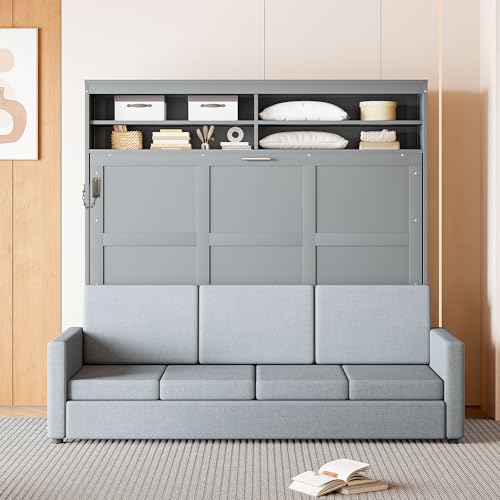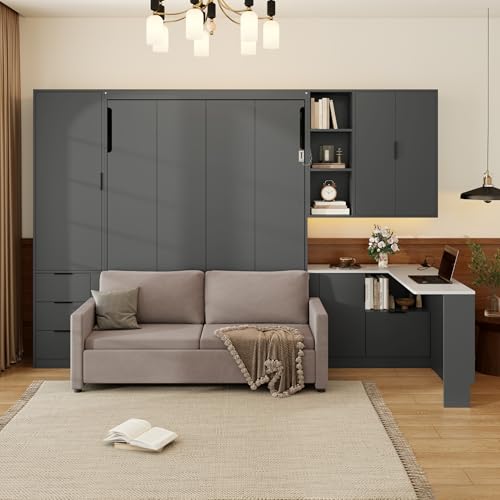
Sofa Wallbeds: The Ultimate Space-Saving Solution
Discover how sofa wallbeds combine daytime seating comfort with nighttime sleep functionality — perfect for studios, guest rooms, and multi-purpose living spaces.
VIEW TOP RECOMMENDATIONSWhat Is a Sofa Wallbed?
A sofa wallbed (also known as a murphy bed sofa or wall bed sofa combo) is a hybrid furniture piece that integrates a fold-down bed mechanism behind or beneath a sofa. During the day, it functions as a standard seating area. At night, the bed portion unfolds from the wall or cabinet to create a full sleeping surface — all without requiring you to move or rearrange the sofa itself.
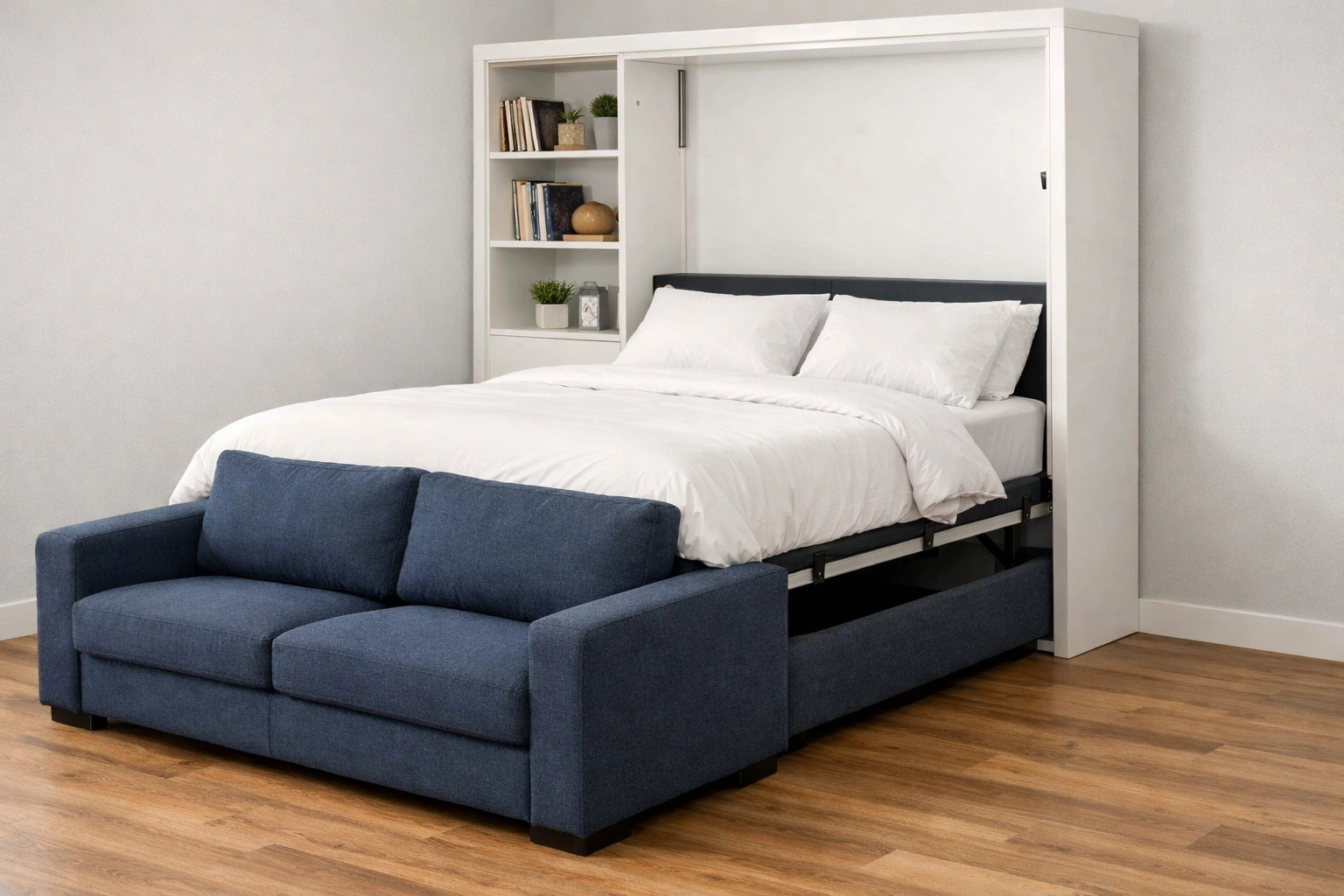
Unlike a traditional sleeper sofa where the mattress folds out from inside the couch cushions, a sofa wallbed typically features a wall-mounted frame with a piston or spring-lift mechanism. The sofa remains stationary while the bed deploys from a cabinet or panel positioned above, behind, or alongside it. This design eliminates the common sleeper sofa drawbacks — thin mattresses, awkward bar supports, and heavy lifting.
Sofa wallbeds have evolved significantly from early murphy bed designs. Modern models feature real mattresses (often 8–12 inches thick), integrated storage shelves, LED lighting, and upholstery that matches any interior style. They represent one of the most efficient ways to maximize usable square footage in compact homes.
How Sofa Wallbeds Work: The Mechanism Explained
Understanding the mechanical system behind a sofa wallbed helps you evaluate build quality and choose a model that will perform reliably for years. Here is the standard operation process:

The most common lifting mechanisms are piston-based (gas strut) systems and spring-loaded mechanisms. Piston systems are generally preferred because they offer smoother, controlled motion with less maintenance. High-end models use dual-piston systems rated for 10,000+ cycles. When evaluating quality, pay attention to the frame materials — steel frames with powder-coated finishes resist warping and squeaking far better than wood-only constructions.
Types of Sofa Wallbeds
Not all sofa wallbeds are built the same. The right type depends on your room layout, ceiling height, budget, and how frequently the bed will be used. Below are the main categories available on the market today:
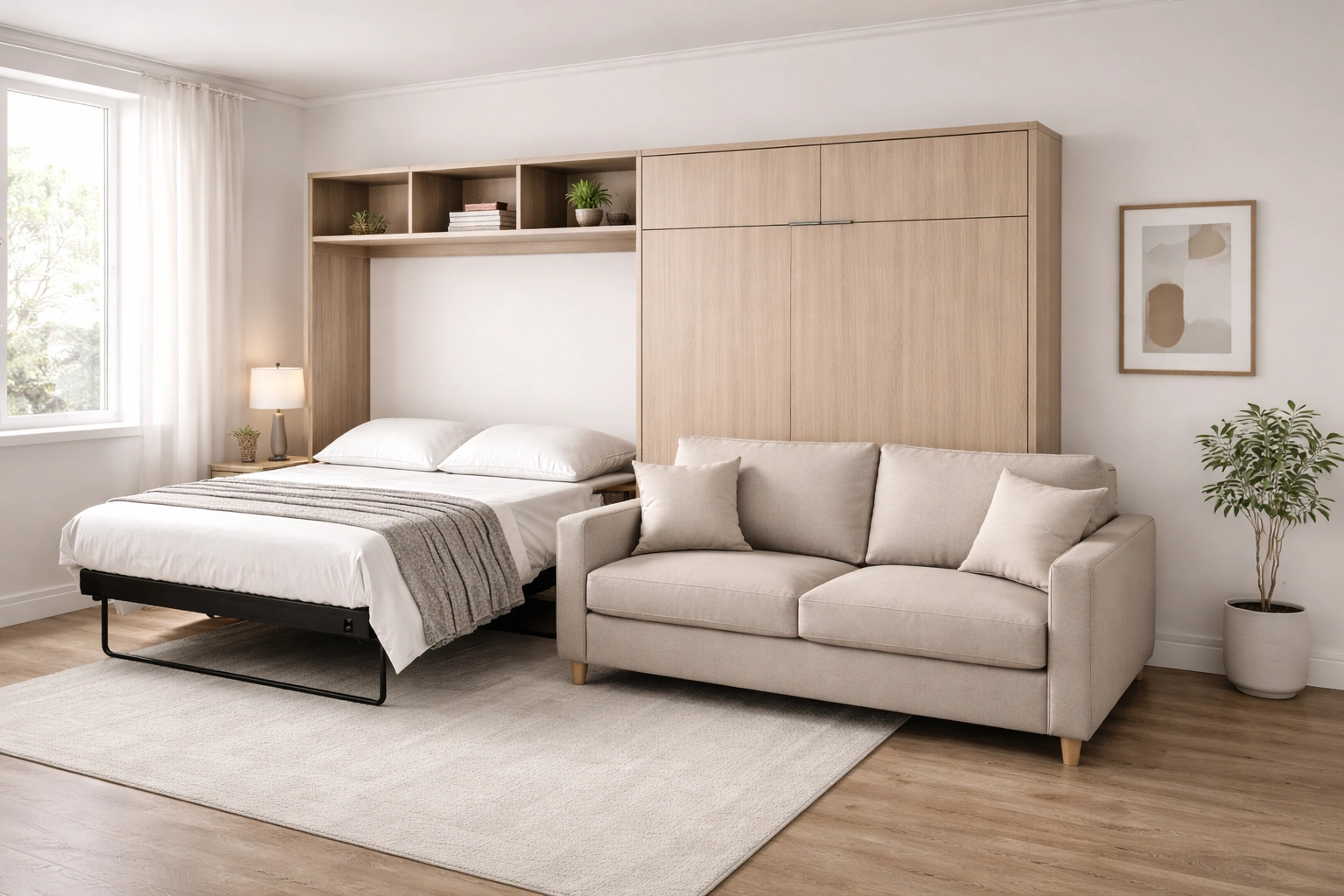
Horizontal Wallbed Sofa
The bed folds out sideways rather than downward. Ideal for rooms with lower ceilings or narrow walls where a vertical fold-down would extend too far into the room. The bed width extends along the wall instead of outward.
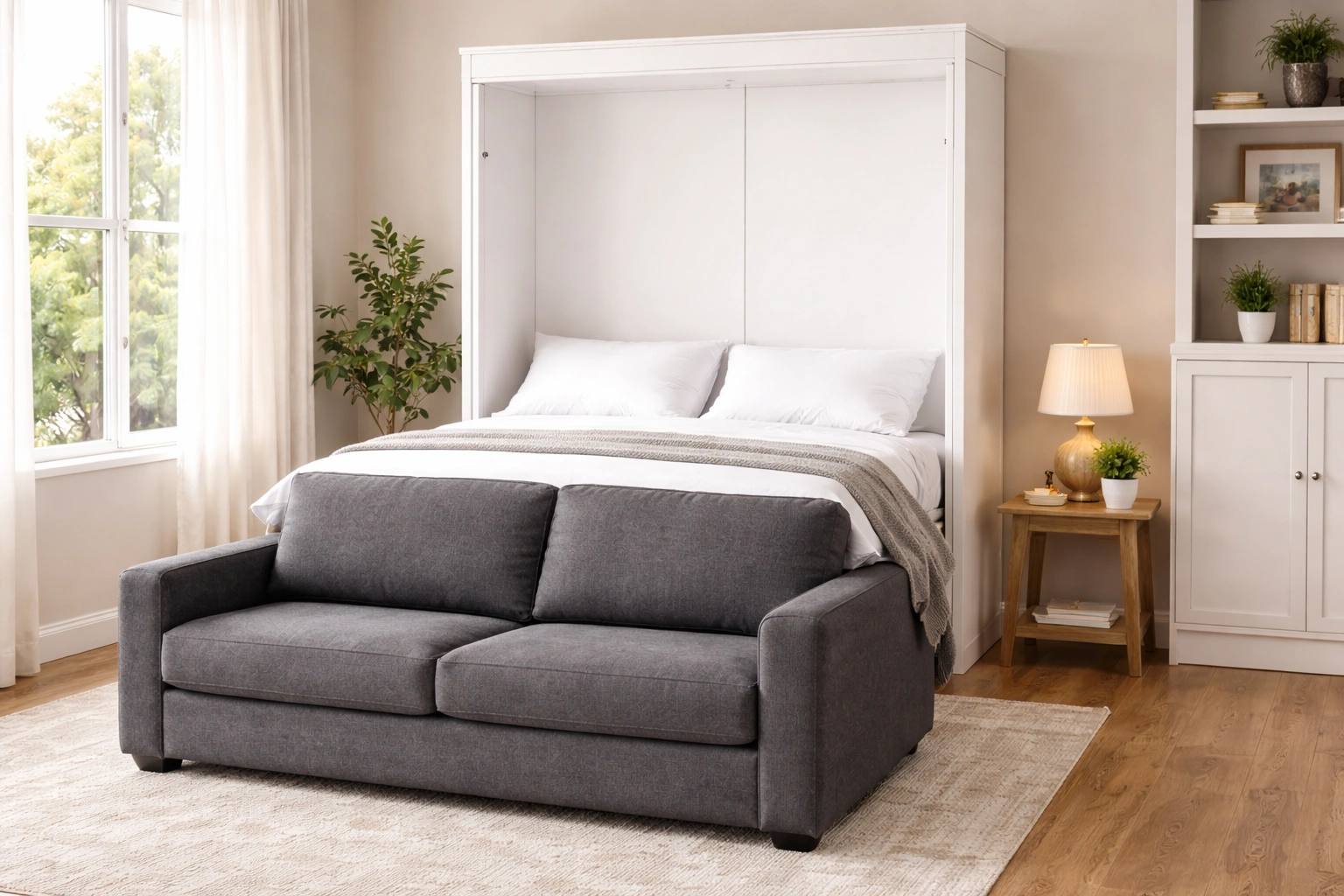
Vertical Wallbed Sofa
The most popular configuration — the bed folds down from the top of the cabinet. Requires at least 8-foot ceilings for queen-size models. Offers the most natural bed orientation and easiest mattress access.
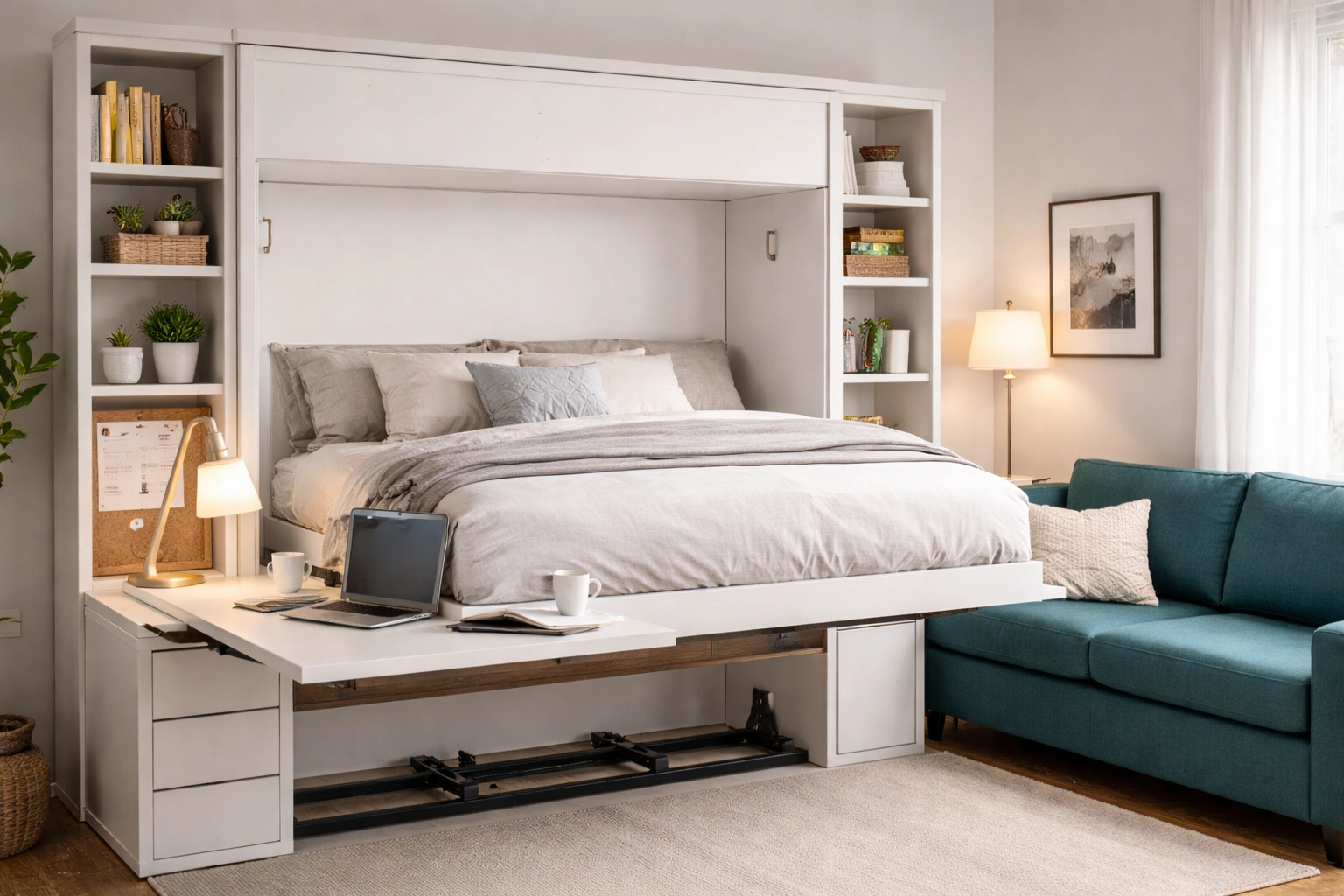
Desk-Wallbed Sofa Combo
Features a desk surface that remains horizontal when the bed folds down (items stay on the desk). Perfect for home offices that double as guest rooms. The sofa sits alongside the desk-cabinet unit.
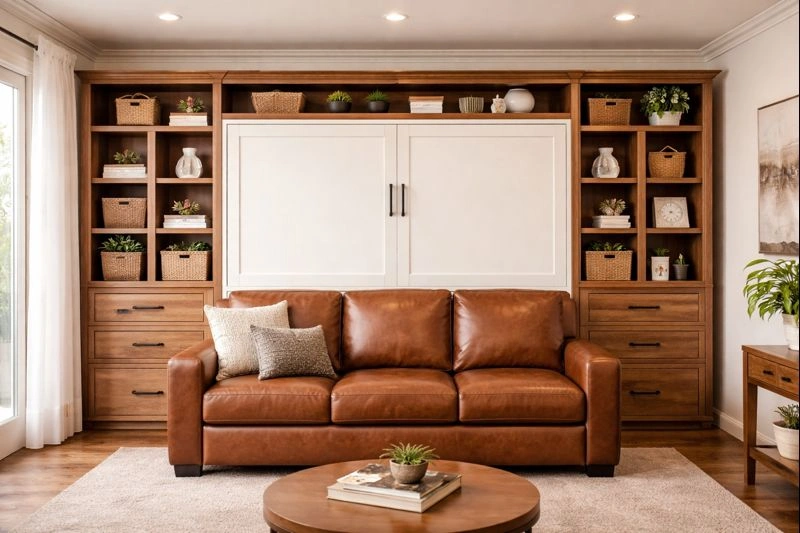
Sofa Wallbed with Storage
Side cabinets, overhead shelving, and drawers built into the wallbed frame. Similar in concept to sofas with storage, but integrated into the wall system for maximum organization.
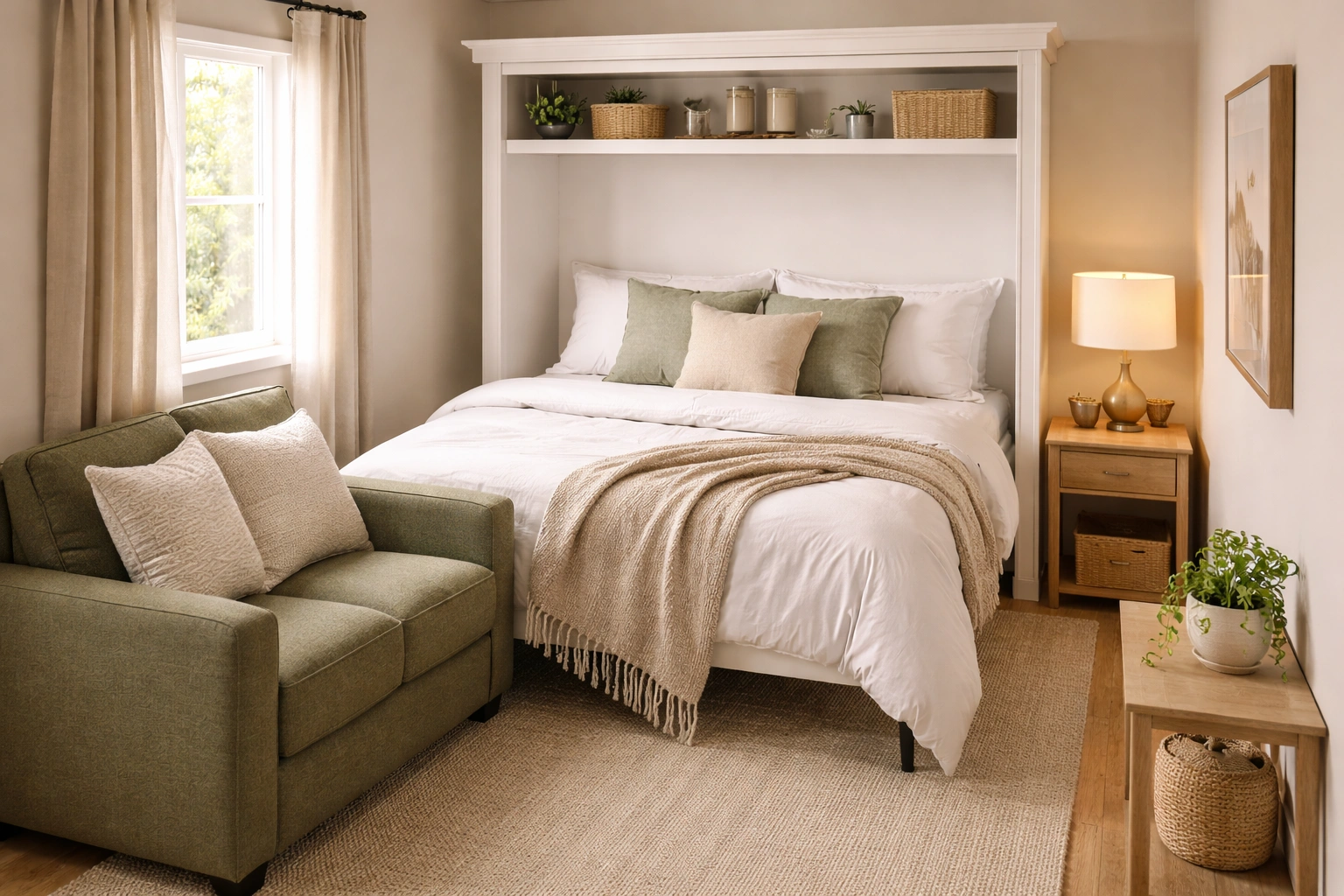
Loveseat Wallbed
A compact version paired with a loveseat instead of a full sofa. Best for very tight spaces like studios or tiny apartments where every inch counts.
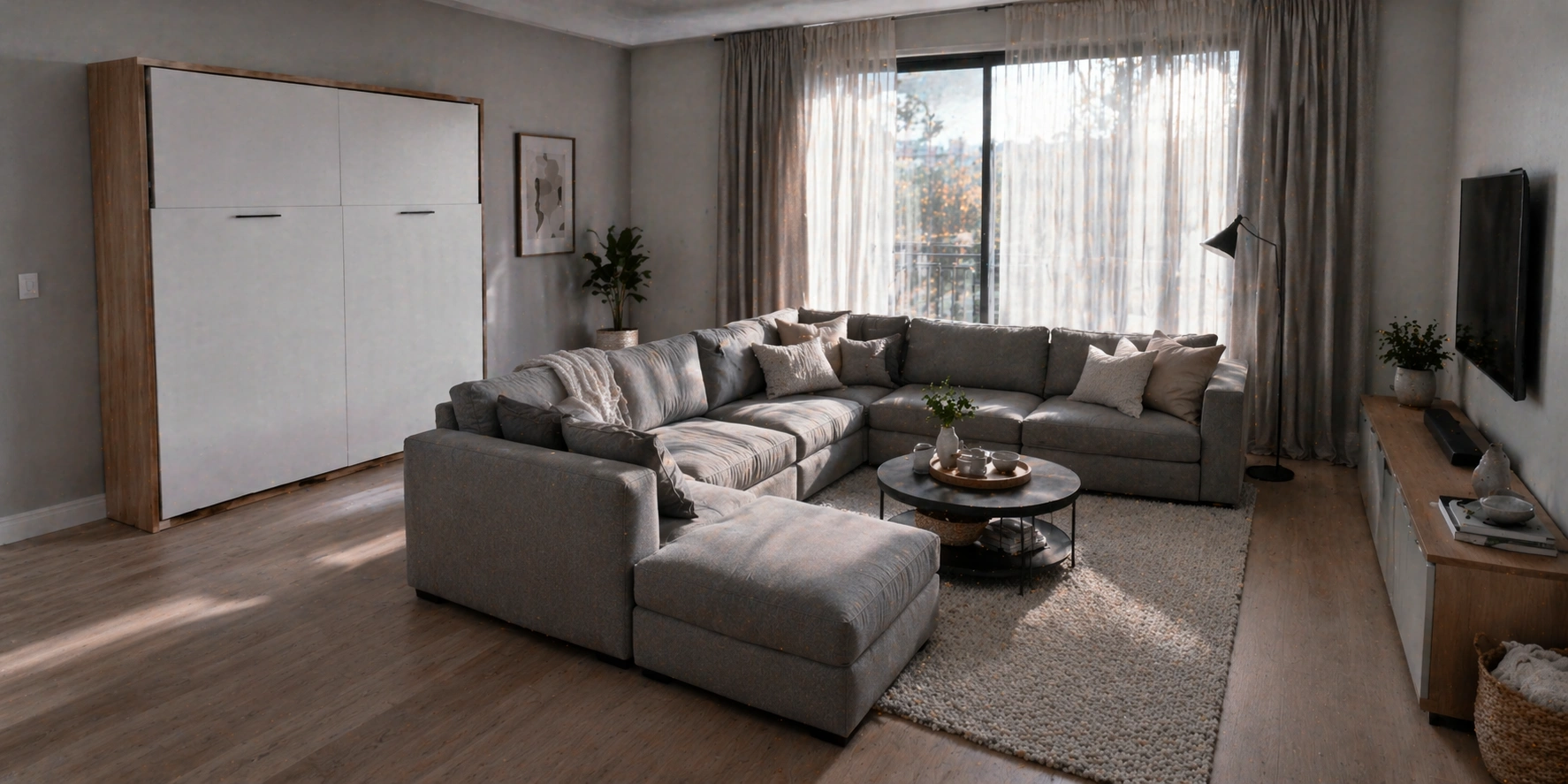
Modular Sofa + Wallbed
Combines a modular sofa with a separate wallbed unit. Offers the most flexibility — rearrange the sofa sections independently from the bed cabinet to suit different room layouts.
Key Benefits of Choosing a Sofa Wallbed
Sofa wallbeds solve a specific problem that no other furniture category addresses as effectively: maximizing both seating and sleeping comfort in a single footprint. Here are the tangible advantages:
Uses an actual mattress (8–12 inches) instead of a thin folding foam pad. Sleep quality rivals a traditional bed frame, making it suitable for nightly use — not just occasional guests.
Frees up floor space that would otherwise be occupied by a separate bed. A wallbed sofa combo can reclaim 20–40 square feet compared to having both a couch and a bed in the same room.
Piston-assisted mechanisms make lowering and raising the bed effortless. Unlike sleeper sofas that require pulling a heavy frame from inside the couch, wallbeds operate with one hand in most cases.
Since the bed is separate from the sofa, the couch itself maintains proper cushion depth, spring support, and ergonomic design — unlike sleeper sofas where the mattress steals space from cushions.
Built-in wallbed systems are considered permanent home improvements. A well-installed sofa wallbed can add functional room value, especially in urban markets where square footage commands premium prices.
Convert from living room to bedroom in under 30 seconds. No stripping cushions, no wrestling with metal frames — just pull the bed down and it's ready with sheets and pillows still in place.
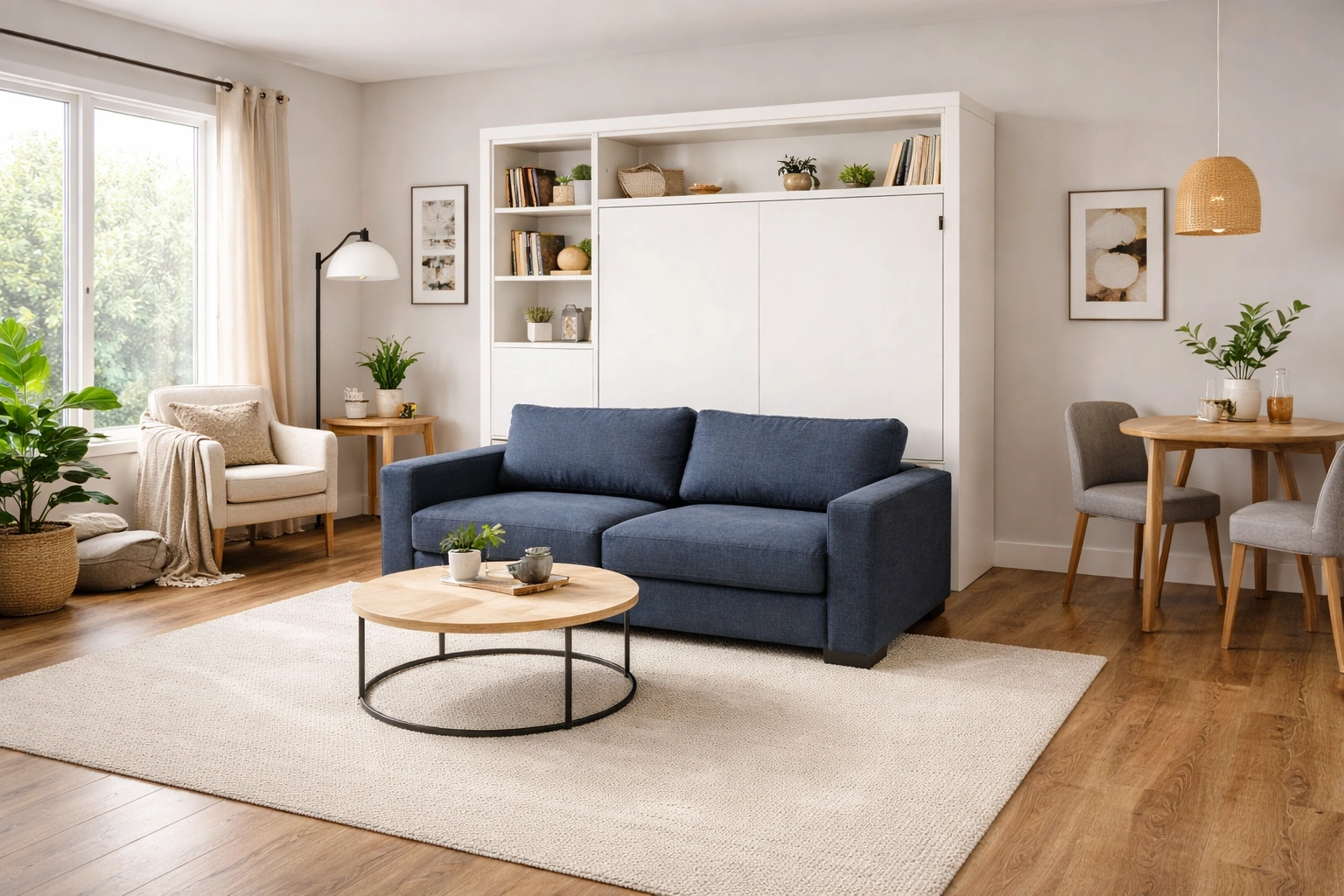
Sofa Wallbed vs. Sleeper Sofa vs. Futon: Full Comparison
If you are evaluating different dual-purpose furniture options, this comparison will clarify which solution matches your specific needs. Each has distinct trade-offs in comfort, convenience, and cost.
| Feature | Sofa Wallbed | Sleeper Sofa | Futon Sofa |
|---|---|---|---|
| Mattress Thickness | 8–12 inches (real mattress) | 4–6 inches (foldable) | 3–6 inches (cotton/foam) |
| Sleep Comfort | ★★★★★ Excellent | ★★★☆☆ Average | ★★☆☆☆ Below average |
| Sofa Comfort | ★★★★★ Excellent | ★★★☆☆ Compromised | ★★☆☆☆ Firm/thin |
| Effort to Convert | Very low (piston-assisted) | Moderate (pull-out frame) | Low (fold flat) |
| Floor Space When Open | Same as a standard bed | Slightly larger than bed | Same footprint as sofa |
| Wall Mounting Required | Yes (into studs) | No | No |
| Installation | Professional recommended | None (ready to use) | Minimal assembly |
| Price Range | $1,500 – $5,000+ | $500 – $3,000 | $200 – $1,000 |
| Suitable for Nightly Use | Yes | Not recommended | Not recommended |
| Weight (Queen) | 150–300 lbs (installed) | 150–250 lbs | 50–100 lbs |
| Lifespan | 15–20+ years | 7–12 years | 3–7 years |
Critical Buying Considerations
Purchasing a sofa wallbed is a more significant investment than buying a standard couch. Before you commit, evaluate these factors carefully to ensure you select a model that fits your space, lifestyle, and long-term needs.
Wall Type and Mounting Requirements
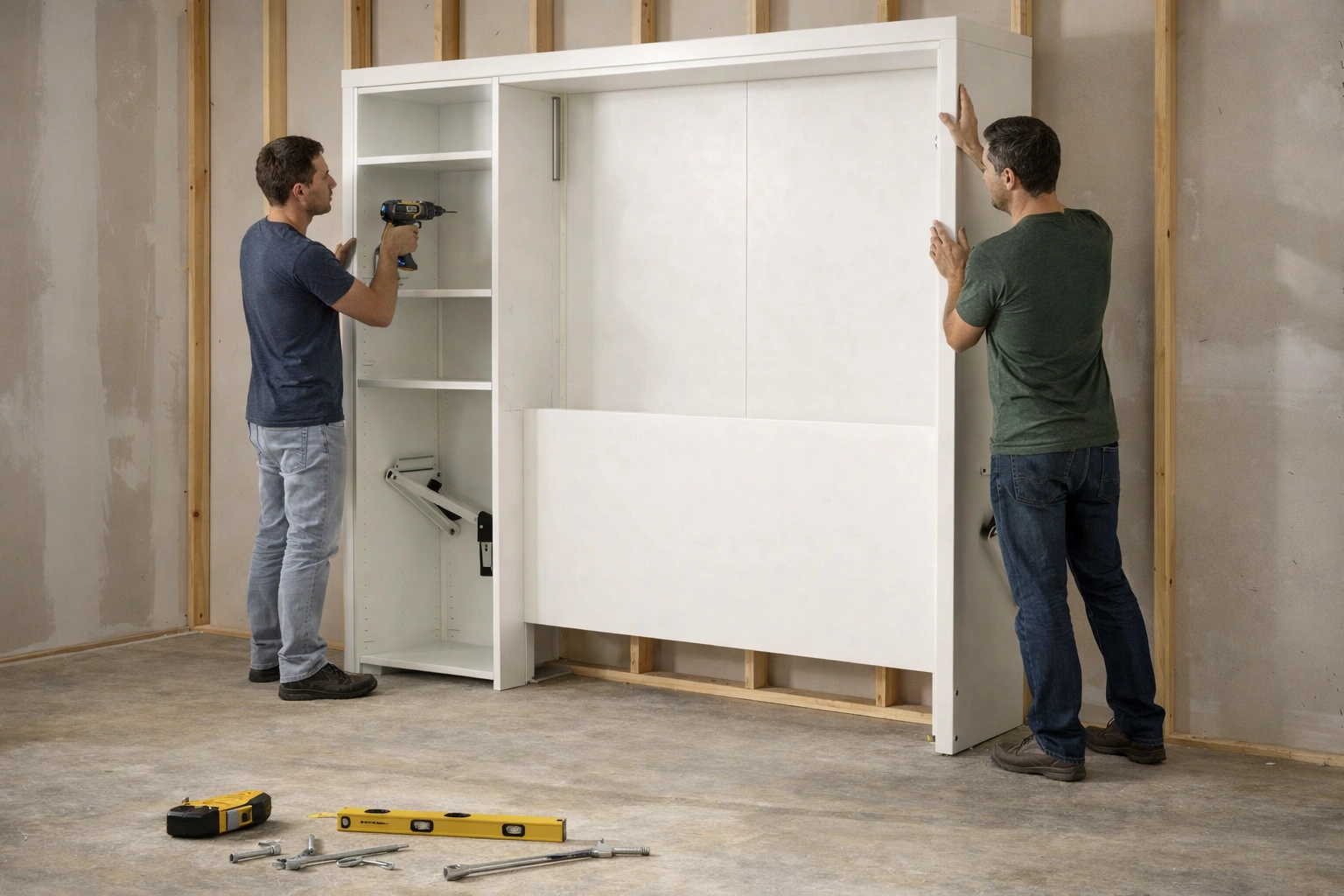
Sofa wallbeds MUST be anchored into wall studs — drywall alone cannot support the weight (150–300 lbs when loaded). Concrete, brick, or block walls work well but require different hardware. If you have plaster walls or uncertain stud spacing, consult a professional installer. This is non-negotiable for safety.
Clearance Space When Open
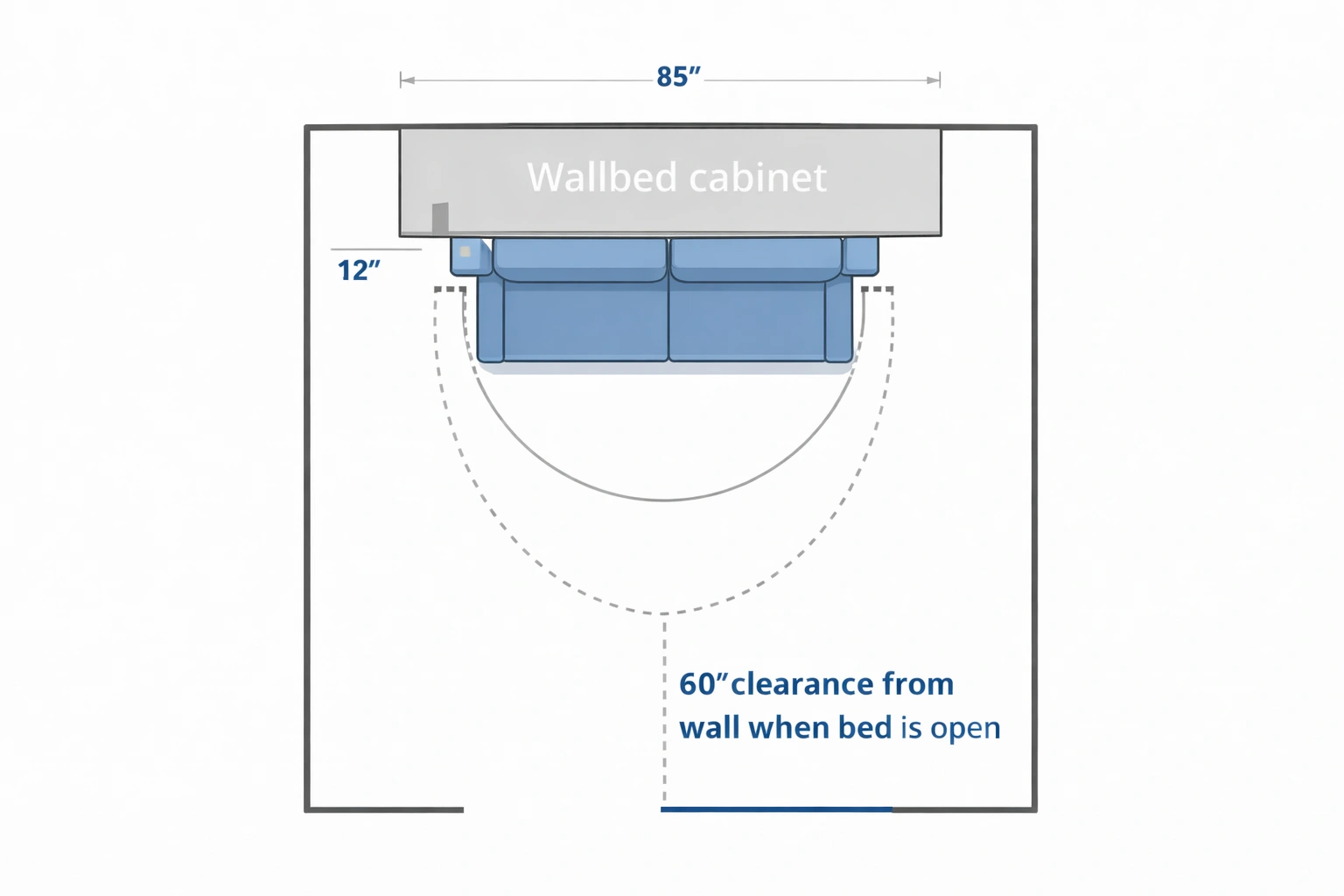
A queen wallbed extends approximately 60 inches from the wall when fully lowered. You need this clearance plus walking space around the bed. Use our measuring guide and map out the room with painter's tape before purchasing. Don't forget to account for the sofa depth in front of the wallbed cabinet.
Ceiling Height
Vertical wallbeds require sufficient overhead clearance. A queen vertical wallbed needs at least 90–96 inches of ceiling height. If your ceiling is lower, consider a horizontal wallbed configuration or a twin-size vertical model. Always check the manufacturer's height specification before ordering.
Mattress Compatibility
Most wallbeds work with standard mattresses but have weight limits (typically 60–100 lbs). Memory foam and latex mattresses work best because they flex without damage when folded. Avoid ultra-thick pillow-top mattresses (over 12 inches) as they may not fit inside the cabinet. Some manufacturers sell purpose-built wallbed mattresses optimized for the folding motion.
Mechanism Quality and Warranty
The lifting mechanism is the most critical component. Look for piston systems rated for 10,000+ cycles (equivalent to 27+ years of daily use). Reputable brands like Create-A-Bed, Murphy Wall Beds Hardware, and Easy DIY Wallbed offer mechanisms with lifetime warranties. Budget models with spring-only systems may require adjustment or replacement within 5 years.
Budget and Total Cost
The listed product price is rarely the final cost. Factor in: delivery/shipping ($150–$500), professional installation ($300–$800), mattress (if not included, $200–$800), and any electrical work for integrated lighting. Review the sofa price breakdown guide to understand the full cost picture before committing.
Best Rooms for a Sofa Wallbed
While sofa wallbeds can technically work in any room with proper wall mounting, they deliver the most value in specific spaces where dual functionality is essential. Here are the top use cases:
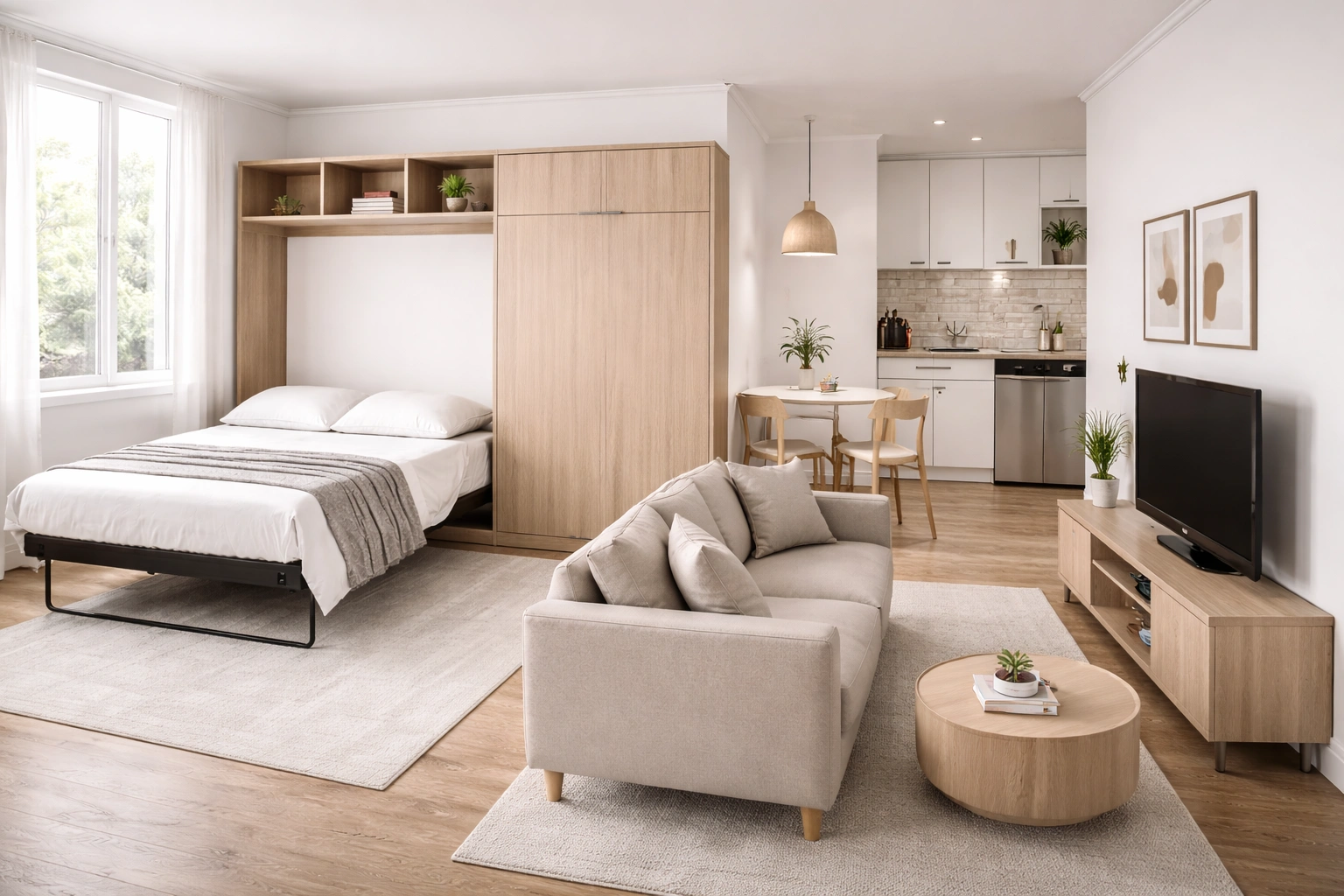
Studio Apartments
The single most impactful use case. A sofa wallbed lets a 400–600 sq ft studio function as both a living room and bedroom without feeling cluttered. This is especially valuable for apartment dwellers in expensive urban markets.
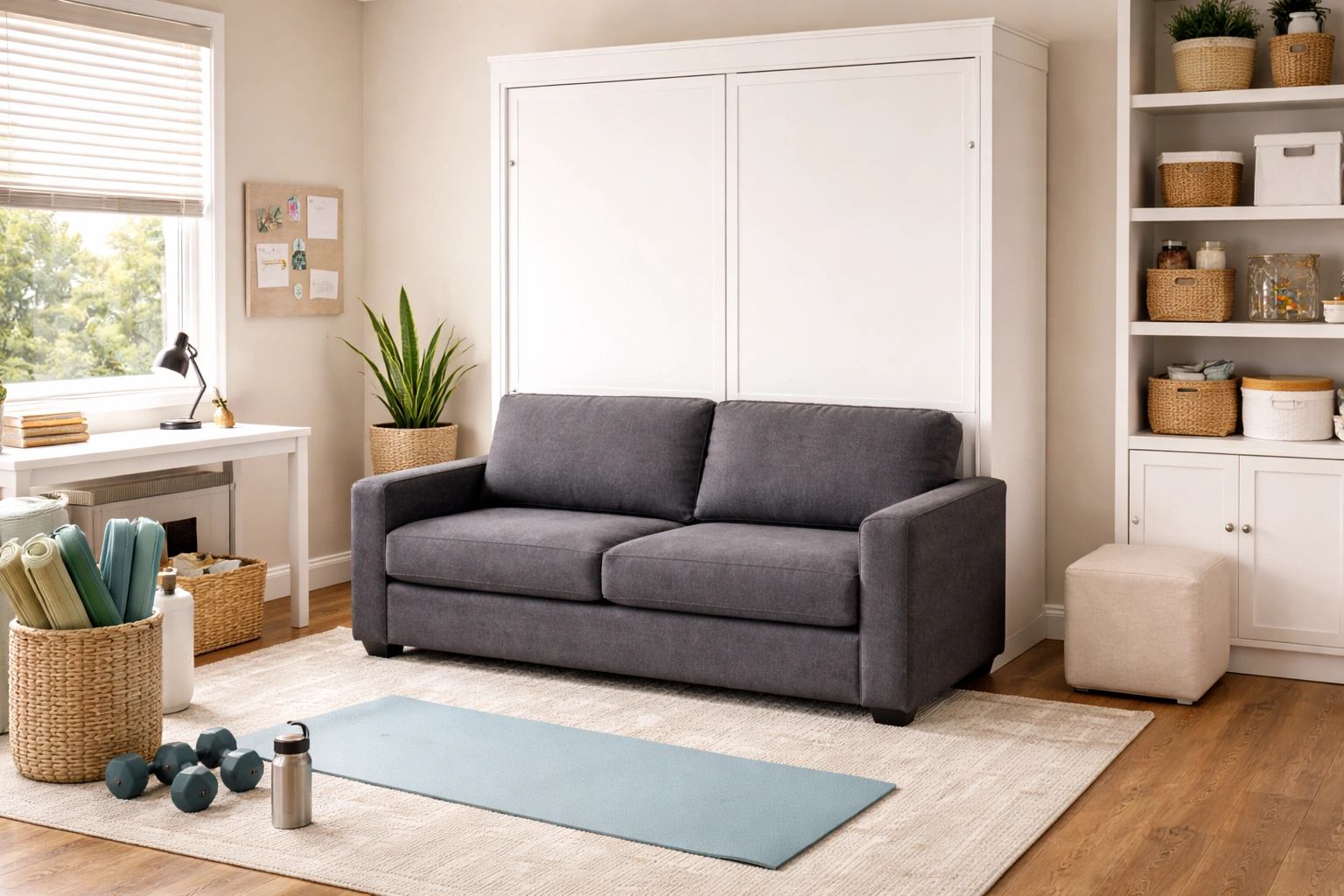
Guest Rooms
Transform a guest room into a functional home office or hobby room during the 95% of the time guests aren't visiting. The room earns its square footage year-round instead of sitting empty.
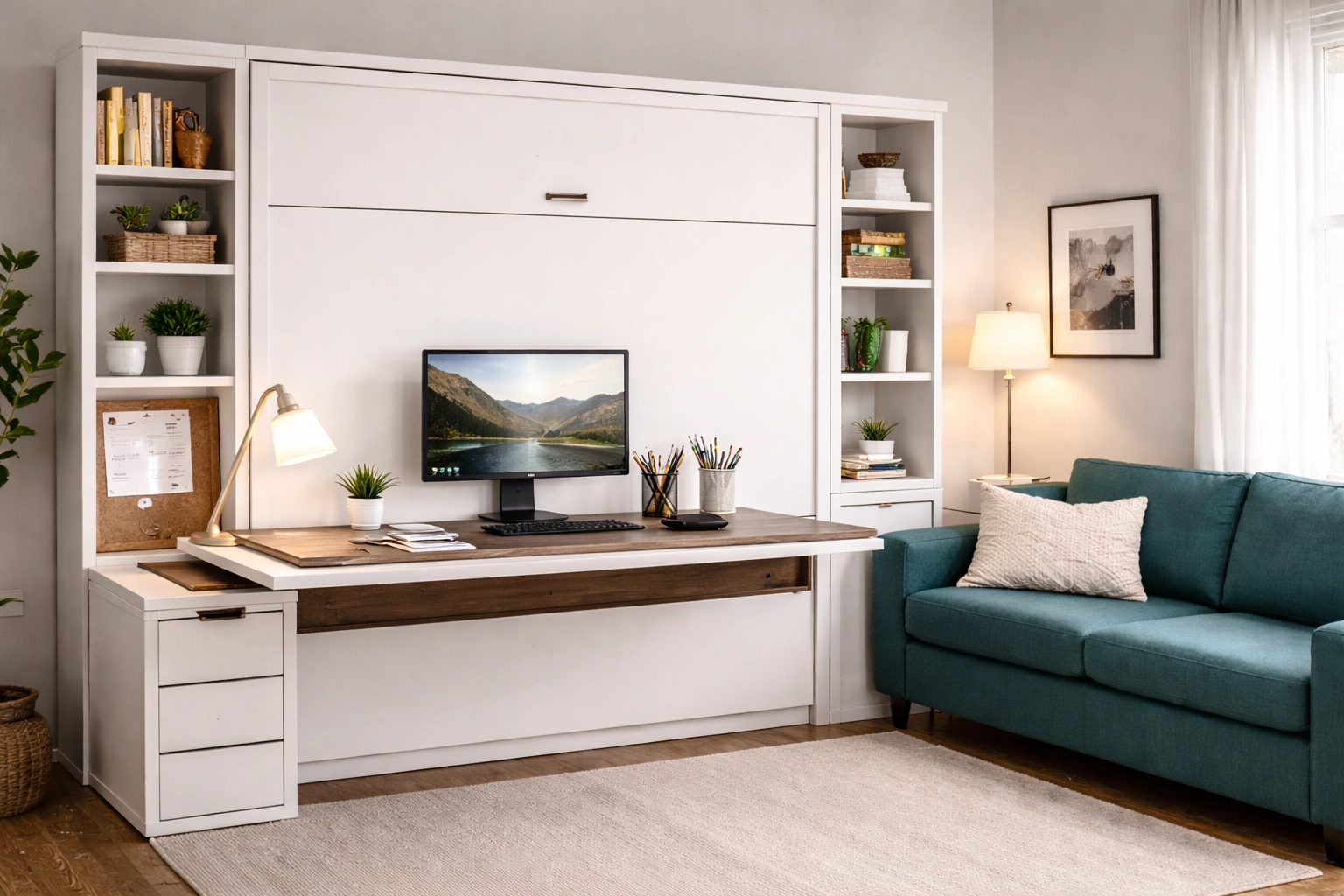
Home Offices
Pair a desk-wallbed combo with a small office sofa for a space that handles workdays, client meetings, and occasional overnight guests — all in one room.

Vacation Rentals / Airbnb
Increase sleeping capacity without adding bedrooms. A living room with a sofa wallbed can accommodate 2 additional guests, boosting rental income potential significantly.
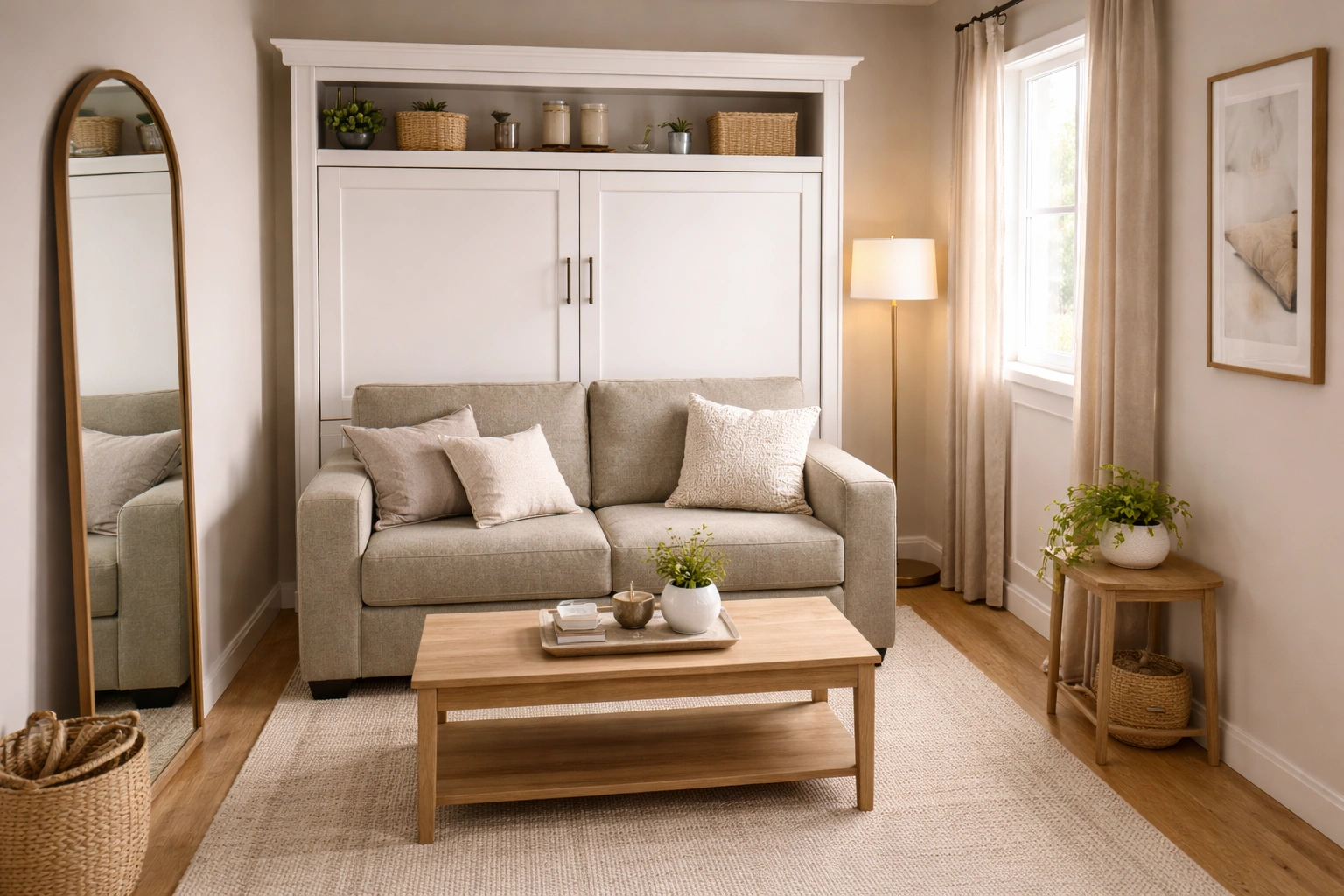
Small Living Rooms
For small spaces that need to serve as both primary living and sleeping areas, a wallbed sofa preserves the open feel during the day while providing a proper bed at night.

Family Rooms / Bonus Rooms
A family room with a sofa wallbed handles movie nights, kids' playtime, and sleepovers without requiring a dedicated guest space elsewhere in the house.
Installation Tips & Maintenance Guide
Proper installation and ongoing care directly impact the safety, performance, and longevity of your sofa wallbed. The following guidelines will help you get the most from your investment.
Installation Essentials
- ✓ Locate all wall studs using a quality stud finder — mark them clearly before drilling
- ✓ Verify electrical and plumbing behind the wall before mounting to avoid accidents
- ✓ Use lag bolts (minimum 3/8-inch diameter) that penetrate studs by at least 2 inches
- ✓ Ensure the floor is level — use shims if necessary to prevent the frame from binding
- ✓ Have a second person assist with lifting and positioning the cabinet (most units weigh 100–200 lbs)
- ✓ Test the mechanism 5–10 times after installation before adding the mattress
- ✓ Consider professional installation if your wall type is anything other than standard wood studs
Ongoing Maintenance
- ✓ Lubricate piston rods and pivot points with silicone spray every 6–12 months
- ✓ Check all mounting bolts quarterly — re-torque if any loosening is detected
- ✓ Rotate and flip the mattress every 3 months to prevent uneven wear
- ✓ Keep the cabinet interior clean and free of debris that could jam the mechanism
- ✓ Inspect hydraulic pistons for signs of leakage (oil residue on the rod)
- ✓ Clean the sofa upholstery following standard sofa cleaning guidelines
- ✓ Replace pistons in pairs — never replace just one side of a dual-piston system
Frequently Asked Questions
Ready to Transform Your Space?
Now that you understand how sofa wallbeds work, what to look for, and how they compare to alternatives — explore our curated selection of top-rated models below.
BROWSE RECOMMENDED SOFA WALLBEDS