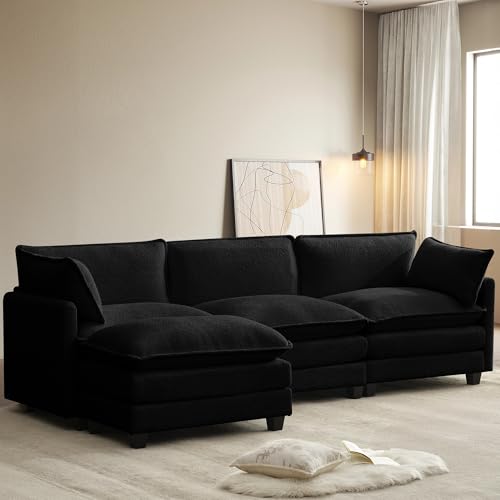
Deep Seat Sofa: The Ultimate Comfort Guide
Discover why deep seat sofas are the gold standard for lounging, how to measure seat depth correctly, and find the perfect model for your body and space
Why does seat depth matter? A sofa's seat depth determines whether you sit upright with feet on the floor or sink back into a cozy, leg-curling lounge. Deep seat sofas—typically measuring 24 inches or more from front edge to back cushion—offer an experience that standard sofas simply can't match. This guide covers everything from measurements and ergonomics to styling and maintenance, so you can make an informed decision before buying.
What Is a Deep Seat Sofa?
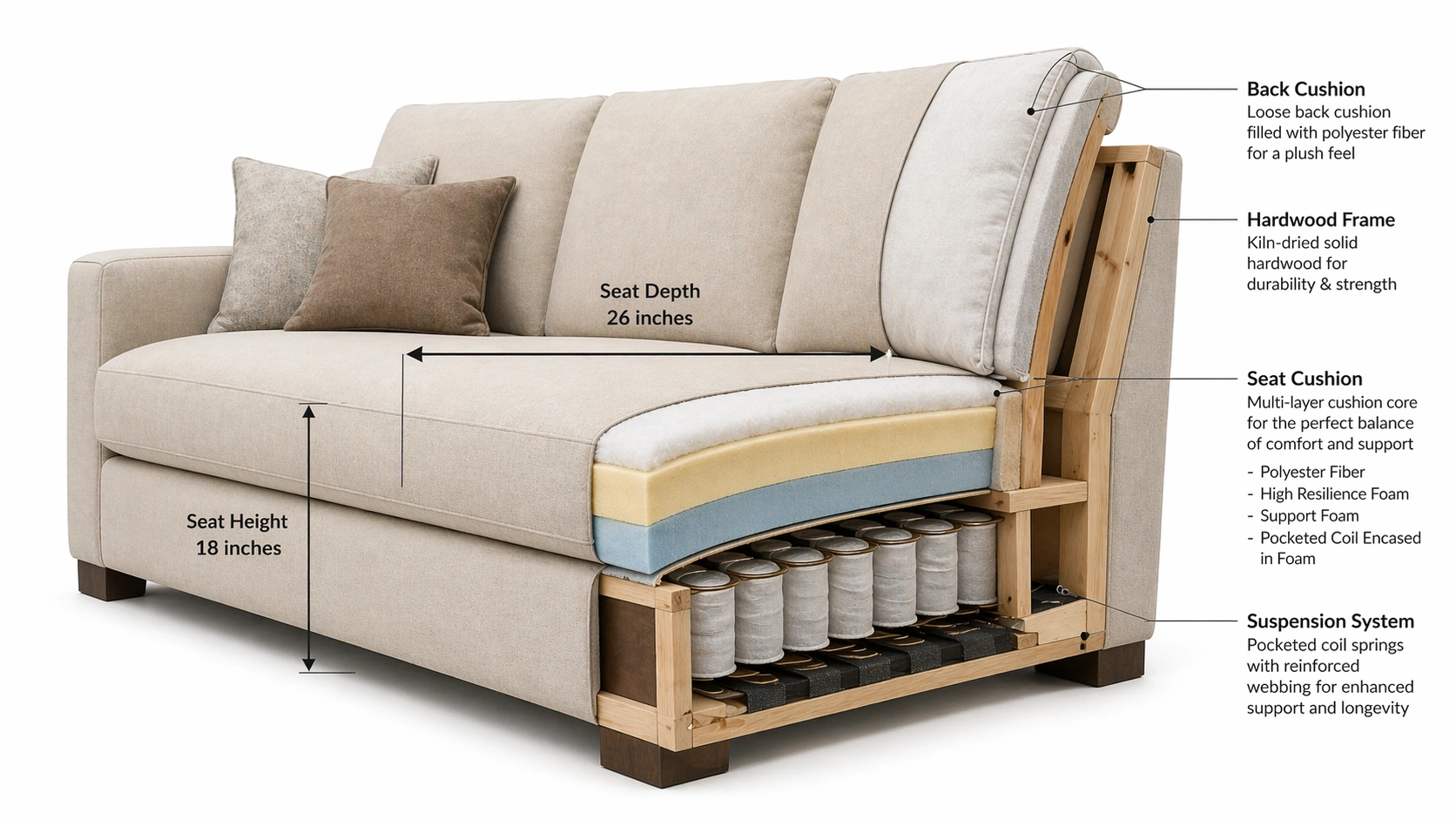
A deep seat sofa is defined by its generously proportioned seat depth—the horizontal distance from the front edge of the seat cushion to the back of the sofa. While a standard sofa seat depth typically ranges from 20 to 22 inches, deep seat models start at around 24 inches and can extend up to 28 inches or more.
This extra depth creates a significantly different sitting experience. Instead of sitting upright with your back against the cushion and feet flat on the floor, a deep seat allows you to tuck your legs up, curl into the corner, or lie back in a semi-reclined position without needing an actual reclining mechanism. It's the reason cloud couches and oversized lounge sofas have become so popular in recent years.
The concept isn't new—deep seating has been a hallmark of Chesterfield sofas and mid-century designs for over a century. What has changed is the variety: today you'll find deep seat options across sectionals, modular configurations, and even compact two-seaters designed for apartments.
Seat Depth Comparison
Understanding where deep seat sofas fall on the depth spectrum helps you visualize the difference. Use this comparison to identify which range suits your body type and sitting habits.
Seat Depth Ranges at a Glance
Who Should Buy a Deep Seat Sofa?
Deep seat sofas aren't for everyone. Your height, sitting habits, and lifestyle all play a role in whether this style will feel like a dream or a discomfort. Here's a breakdown of who benefits most—and who might want to reconsider.
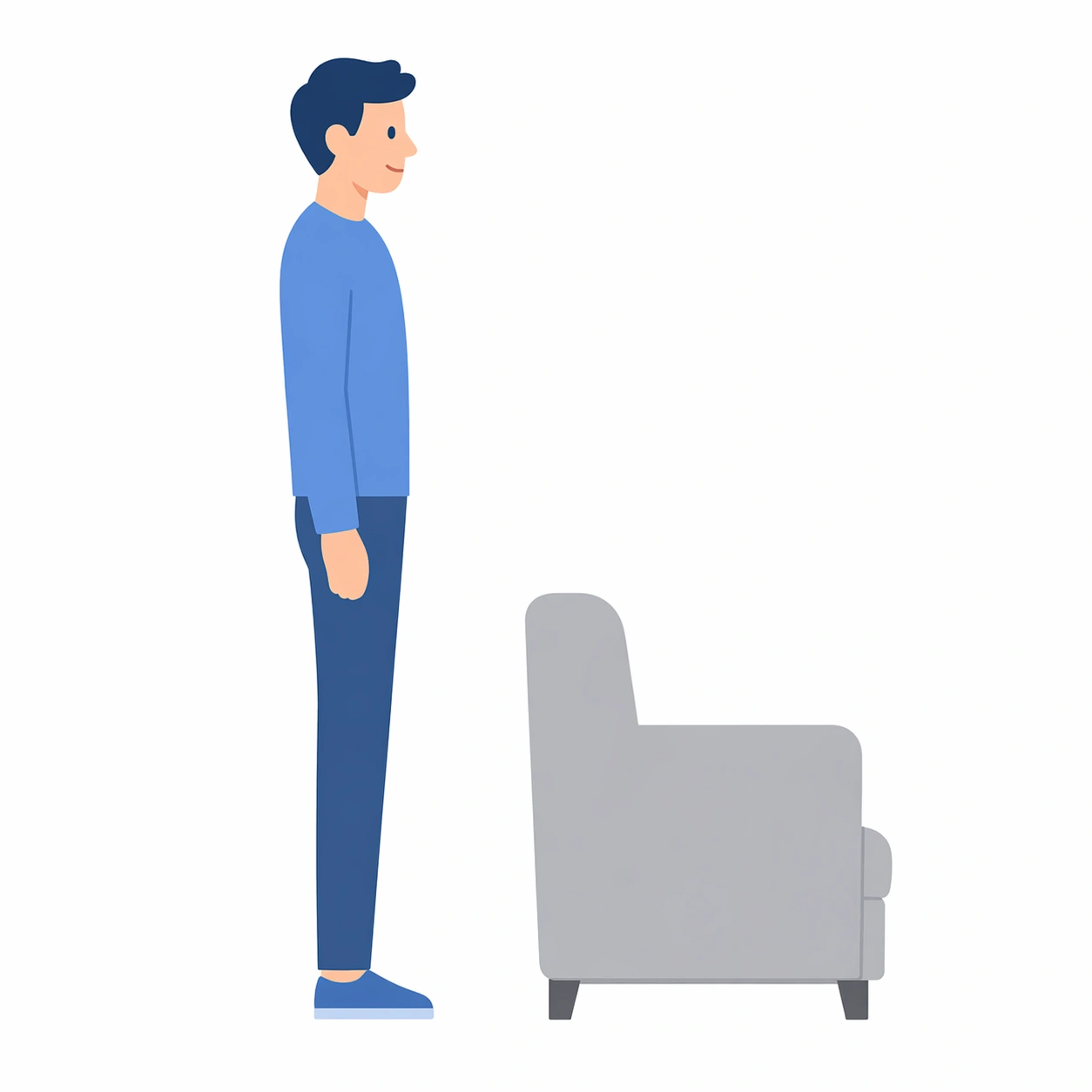
Tall Individuals
People over 5'10" often find standard sofas leave their thighs unsupported. Deep seats provide full leg support.
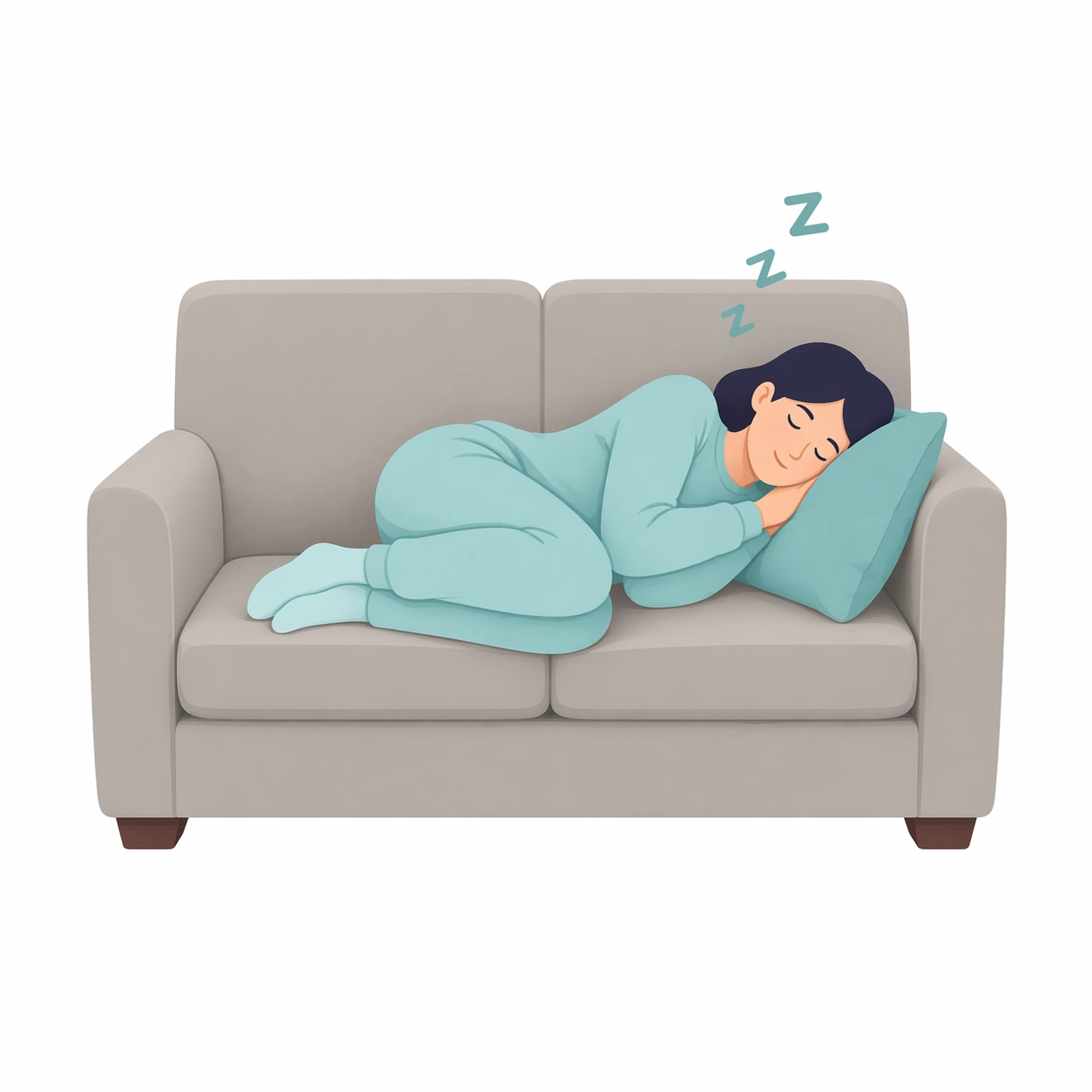
Nappers & Loungers
If you love curling up with a book or taking afternoon naps, the extra depth is ideal for daily napping.

Families with Kids
Deep seats create a safe, spacious area for kids to climb on and for the whole family to gather comfortably.

Movie Enthusiasts
Perfect for movie marathons where you want to sink in for hours without shifting positions.
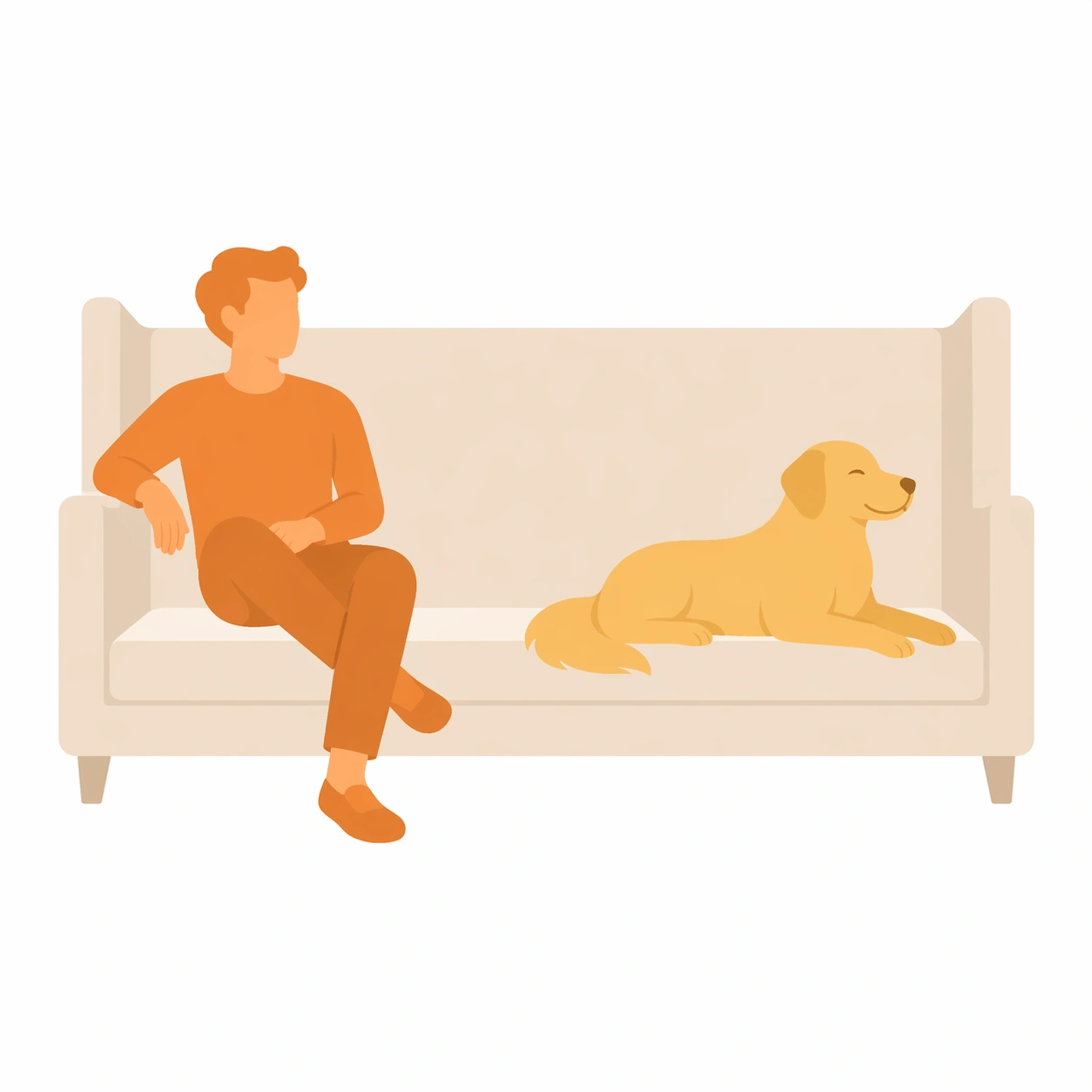
Pet Owners
Extra depth gives pets room to share the sofa without crowding you. Choose durable fabrics for pet-friendly options.
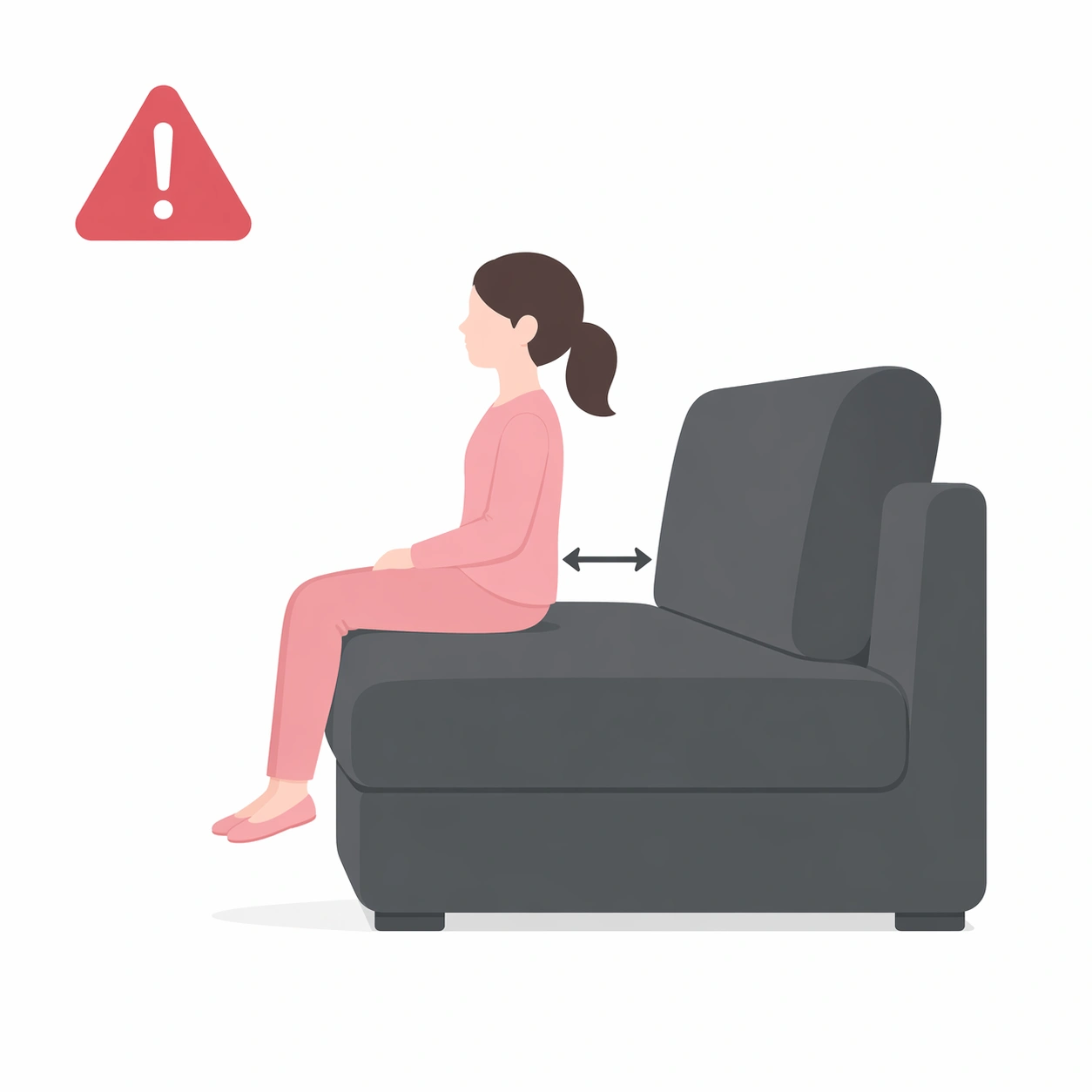
⚠️ Petite Users
Under 5'4"? Your feet may dangle, and your back may not reach the cushion without extra pillows. Consider a high-back sofa or add lumbar support.

Pros and Cons of Deep Seat Sofas
✅ Advantages
- Superior lounging comfort — sink in and relax for hours without needing a recliner
- Better for tall people — full thigh support eliminates the "edge of the seat" problem
- Multi-position seating — sit upright, cross-legged, sideways, or fully reclined
- Spacious feel — fewer cushions needed because each seat is generous
- Modern, luxurious aesthetic — the relaxed silhouette fits contemporary and modern interiors
- Great for shared spaces — kids and pets can sit with you without feeling cramped
❌ Disadvantages
- Not ideal for petite users — feet may not touch the floor; back won't reach the cushion
- Harder to get up from — the deep sink can be challenging for elderly users or those with mobility issues; see sofas for seniors
- Requires more floor space — deeper sofas eat into your room's walkway; always measure your room first
- May need extra back pillows — to fill the gap between your lower back and the cushion
- Can encourage poor posture — slouching into a deep seat for long periods may cause back pain
- Heavier and harder to move — oversized frames are difficult to transport through narrow doorways
How to Measure for a Deep Seat Sofa
Before you fall in love with a sofa online, take accurate measurements of both your space and your body. The right seat depth depends on your height and how you like to sit.
1. Measure Your Body's Ideal Seat Depth
Sit against a wall with your back straight. Measure from the wall to the back of your knee (popliteal length). Subtract 2–3 inches for clearance. For example, if your popliteal length is 20 inches, a seat depth of 17–18 inches would let you sit with feet flat. But if you prefer to tuck your legs up, add 4–6 inches to that number, bringing you into deep seat territory (22–24"+). For more detail, visit our sofa measurement guide.
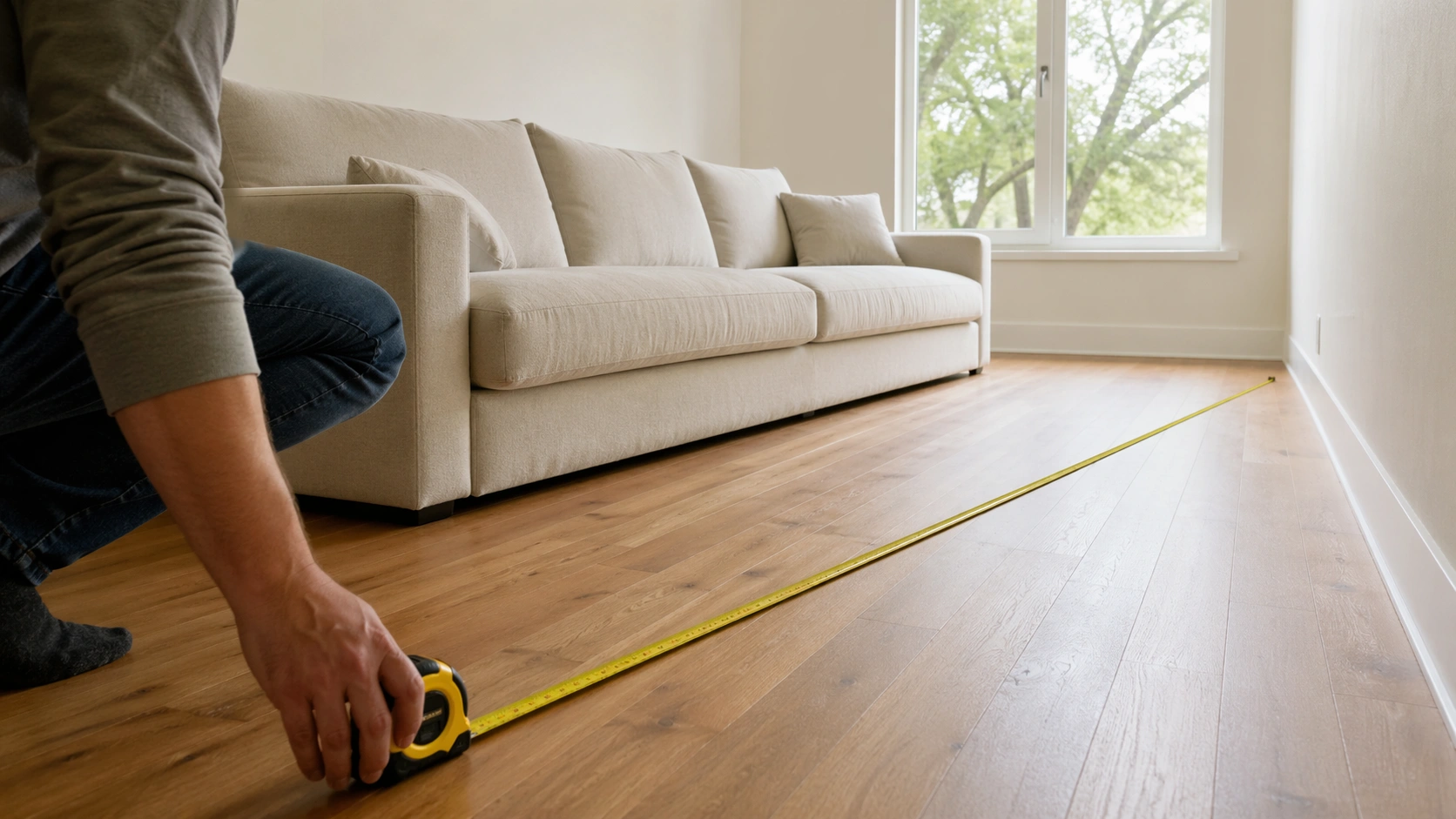
2. Measure Your Room
A deep seat sofa is typically 38–42 inches deep overall (including the back). That's 6–10 inches deeper than a standard sofa. In a small living room, those extra inches can block walkways or make the space feel cramped. Use our room size guide to ensure at least 30 inches of clearance around the sofa for traffic flow.
3. Check Doorways and Hallways
Deep sofas come in large pieces. Measure your door frames, stairwells, and any tight corners the sofa must pass through. A 40-inch-deep sectional might need to be delivered in pieces or via a modular configuration.
How to Choose the Right Seat Depth
Seat depth is only one variable in overall comfort. Here are the key factors to consider when selecting the right depth for your needs.
Consider Your Height
Your height is the single most important factor in choosing seat depth. As a general rule:
- Under 5'4" — Look for seat depths of 21–23 inches. Anything deeper and your feet will dangle.
- 5'4" to 5'9" — You can comfortably use seats from 22–25 inches. A firm, plush cushion with good support works well.
- 5'10" and above — Seat depths of 24–28 inches will feel natural and supportive. Extra depth means your legs won't hang off the edge.
Consider Your Sitting Style
Do you sit upright with perfect posture, or do you prefer to curl up with your legs underneath you? If you're a "feet-up" sitter, deep seating is practically mandatory. Upright sitters should consider whether they'll use lumbar pillows to bridge the gap on a deeper seat. Our comfort testing guide walks you through how to test before you buy.
Consider Cushion Fill
Deep seats with soft cushion fills (down or down-wrapped foam) compress significantly, reducing the effective sitting depth by 2–4 inches. Firm high-density foam maintains its depth. If you love the look of a 26-inch-deep seat but worry it's too much, choosing a softer fill can effectively reduce the usable depth while keeping the generous appearance.
Consider Back Cushion Thickness
Some sofas have 6–8-inch-thick back cushions that eat into the stated seat depth. A sofa listed as "25-inch seat depth" might only offer 19–20 inches of usable space once the back cushion is compressed. Always sit-test or ask for the usable seat depth specification. Learn more in our dedicated seat depth guide.
Best Materials for Deep Seat Sofas
Because deep seat sofas invite prolonged lounging, material choice directly affects durability, comfort, and maintenance. Here's how the main options compare.
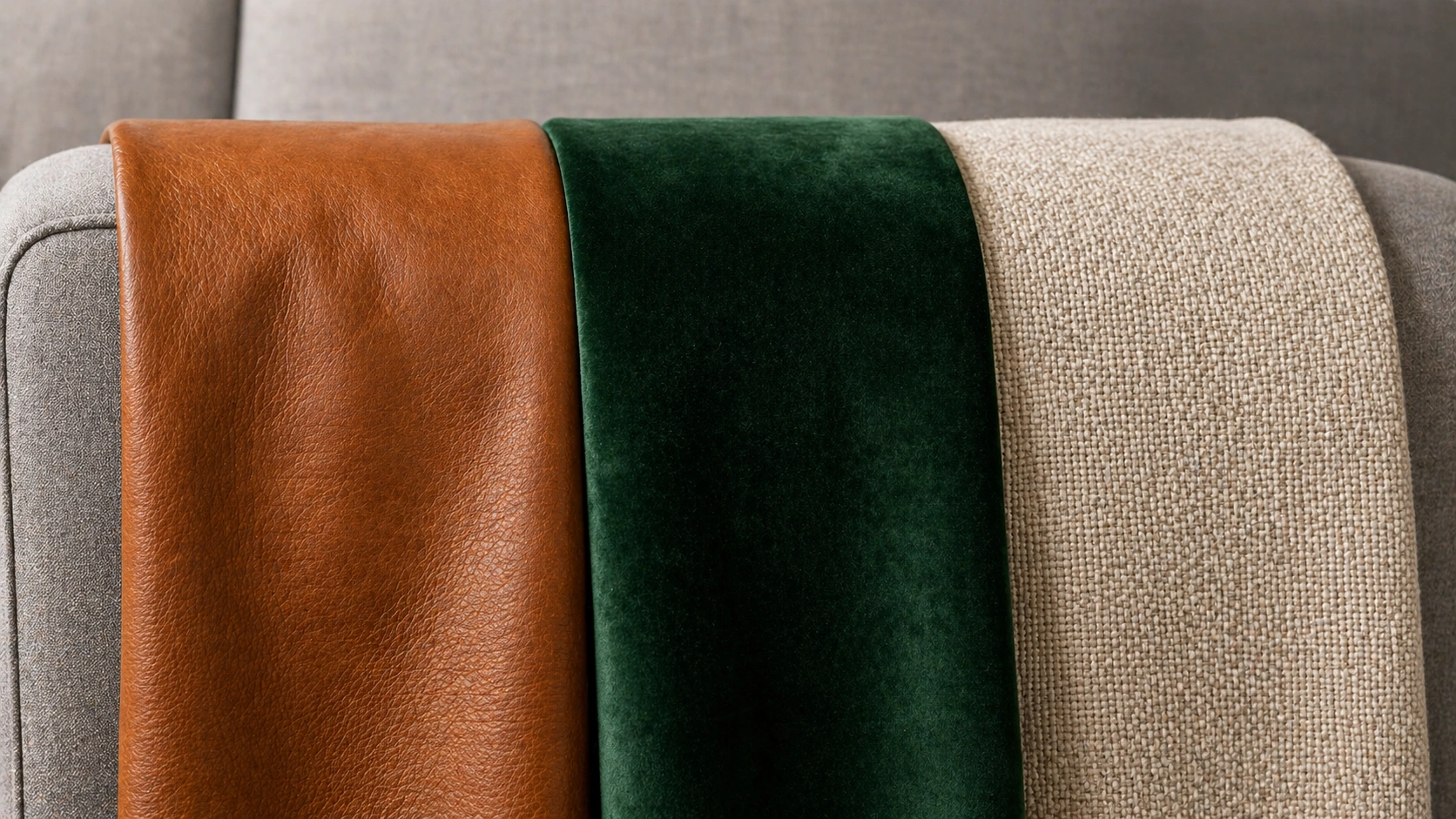
Performance Fabric
Performance fabrics like Crypton, Sunbrella, or Revolution are the top recommendation for deep seat sofas. They're stain-resistant, easy to clean, and durable enough for daily heavy use. If you have kids or pets, this should be your first choice. Check the Martindale test rating — aim for 30,000+ rubs for a sofa that gets heavy use.
Velvet
Velvet adds a luxurious, tactile dimension to deep seating that makes the lounge experience even more inviting. However, velvet shows wear patterns and pet claw marks more easily. Choose high-polyester performance velvet for the best balance of softness and durability.
Leather
Leather develops a beautiful patina over time and is naturally resistant to pet hair and odors. However, it can feel cold in winter and sticky in summer. For deep seats where skin contact is constant, consider leather vs fabric carefully based on your climate and lifestyle.
Linen
Linen offers a breathable, relaxed look that pairs naturally with deep seat designs. It wrinkles easily and isn't the most stain-resistant, but it's perfect for a casual, coastal, or bohemian aesthetic. Best for low-traffic rooms.
Styling Tips for Deep Seat Sofas
Deep seat sofas have a distinct visual presence in a room. Their larger proportions require thoughtful styling to avoid overwhelming the space.
🛋️ Add Lumbar & Throw Pillows
Deep seats often create a gap between your lower back and the cushion. Add a lumbar pillow (14×20") and 2–3 throw pillows for support and style. Browse ideas in our throws & pillows guide.
📏 Anchor with a Large Rug
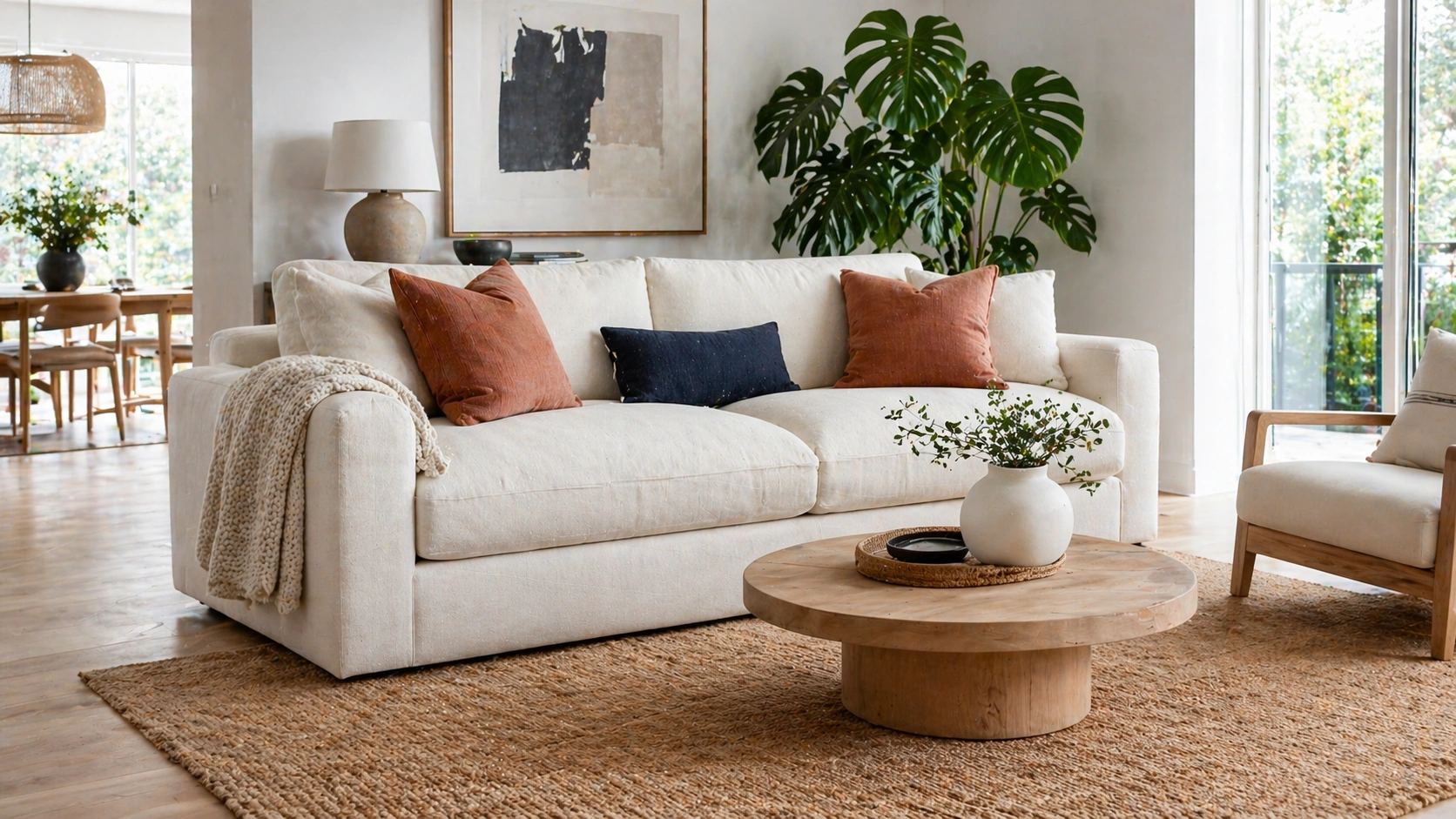
A deep sofa needs a proportionally large rug (at least 8×10 for a 3-seater). The front legs of the sofa should sit on the rug to ground the furniture group. See our layout guide for placement tips.
🎨 Choose Low-Profile Coffee Tables
Deep seating means you sit lower. A tall coffee table will feel awkwardly high. Choose a table 2–4 inches lower than the seat height, or use an ottoman instead for a seamless, comfortable reach.
🚪 Mind the Traffic Flow
A sofa that's 42 inches deep plus a coffee table can span 7 feet into the room. In a small space, consider a 2-seater or 3-seater without a chaise to keep the layout open.
Common Mistakes When Buying a Deep Seat Sofa
Avoid these frequent pitfalls that lead to buyer's remorse with deep seat sofas.
- Ignoring usable depth — Manufacturers list total seat depth, but thick back cushions can reduce usable space by 4–6 inches. Always ask for the effective sitting depth after cushion compression.
- Skipping the sit test — Online photos don't convey how a sofa feels. If possible, visit a showroom and spend at least 10 minutes in your typical sitting position. Our comfort testing guide explains what to evaluate.
- Choosing style over frame quality — Deep seats bear more weight per square inch because loungers distribute their weight across a smaller contact area. Look for kiln-dried hardwood frames and robust suspension systems.
- Forgetting about the elderly — If grandparents visit regularly, a 28-inch-deep seat can be very difficult to stand up from. Consider a compromise depth (23–24") or add a firmer seat cushion to reduce the "sink." See sofas for seniors.
- Not measuring doorways — A 42-inch-deep sofa won't fit through a 36-inch door frame unless it has removable legs or comes in modular pieces. Always check before ordering.
- Overlooking maintenance — Deep seats see more bare-skin contact and food spills. Choose materials that are easy to clean fabric or condition leather regularly, and consider slipcovered options for washability.
Deep Seat Sofa Configurations
Deep seating isn't limited to one sofa style. Here are the most popular configurations that offer generous seat depth.
Deep Seat Sectionals
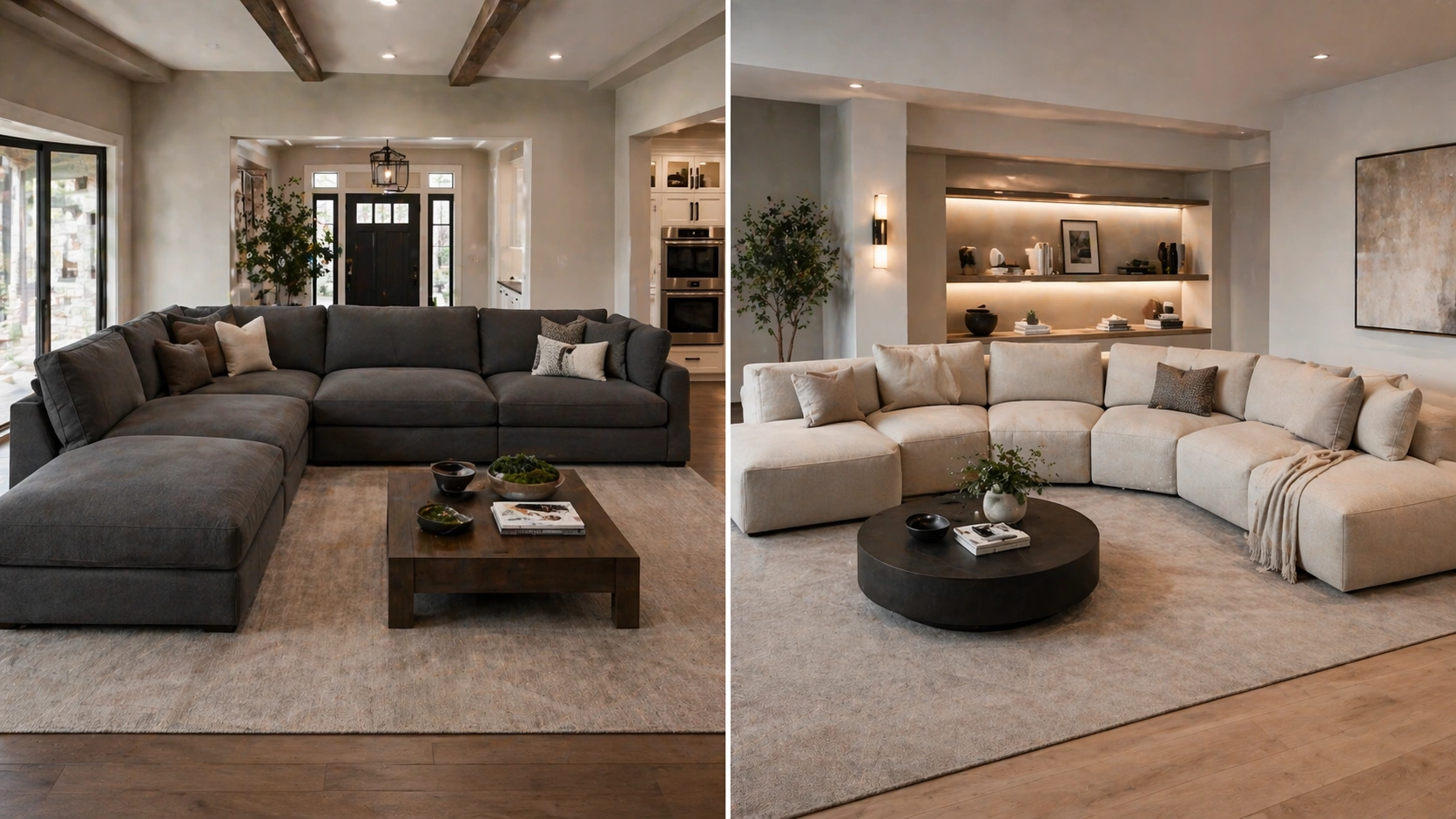
Sectional sofas with deep seats are the most popular choice for family rooms and open-plan living areas. The L-shape or U-shape design maximizes seating while the deep cushions make each position feel like a personal lounge zone. Look for models with a chaise lounge extension for the ultimate stretch-out experience.
Deep Seat Modular Sofas
Modular sofas let you reconfigure the layout as your needs change. This is especially useful with deep seating, because you can start with a compact arrangement and add modules later. If you move frequently or like to refresh your living room layout, modular is the way to go.
Deep Seat Loveseats
Don't assume deep seats require massive sofas. A loveseat with a 25-inch seat depth offers deep comfort in a compact footprint—perfect for apartments or as an accent piece in a guest room.
Deep Seat Sleeper Sofas
Combining deep seating with a sleeper mechanism gives you the best of both worlds: a comfortable lounge by day and a bed by night. The added depth often means a thicker mattress can be accommodated, improving sleep quality for overnight guests.
Balancing Comfort and Practicality
Deep seat sofas are undeniably comfortable, but that comfort comes with trade-offs. Here's how to strike the right balance.
The Posture Problem
When you sink into a deep, soft cushion, your pelvis tilts backward and your spine rounds into a C-shape. Over time, this position strains the lower back and weakens core muscles. If you work from your sofa or spend 4+ hours a day lounging, invest in a model with high-resilience foam wrapped in a thin down layer. This provides the initial softness you crave but pushes back with enough support to maintain healthier posture.
The Getting-Up Challenge
The deeper you sink, the harder it is to stand up. This is a serious consideration for anyone with knee, hip, or back issues. If this is a concern, look for deep seat sofas with:
- Firmer seat cushions (ILD 30+)
- Tight-back designs (no separate back cushions that shift)
- Sturdy, slightly angled armrests to push off from
- Seat heights of 18–19 inches (higher is easier to rise from)
For more on this topic, read our comparison of comfort vs durability.
The Space Equation
A deep sofa changes your room's proportions. In a 12×15-foot living room, a 42-inch-deep sofa plus a coffee table and TV stand leaves only about 4 feet of walkway. That's functional but tight. If you love the deep-seat feel but have limited space, consider a armless design or one with slim track arms to maximize seating area without increasing overall depth.
Maintaining a Deep Seat Sofa
Deep seat sofas endure more contact hours than standard sofas, so maintenance is especially important to preserve comfort and appearance.
Fluff and Rotate Cushions Weekly
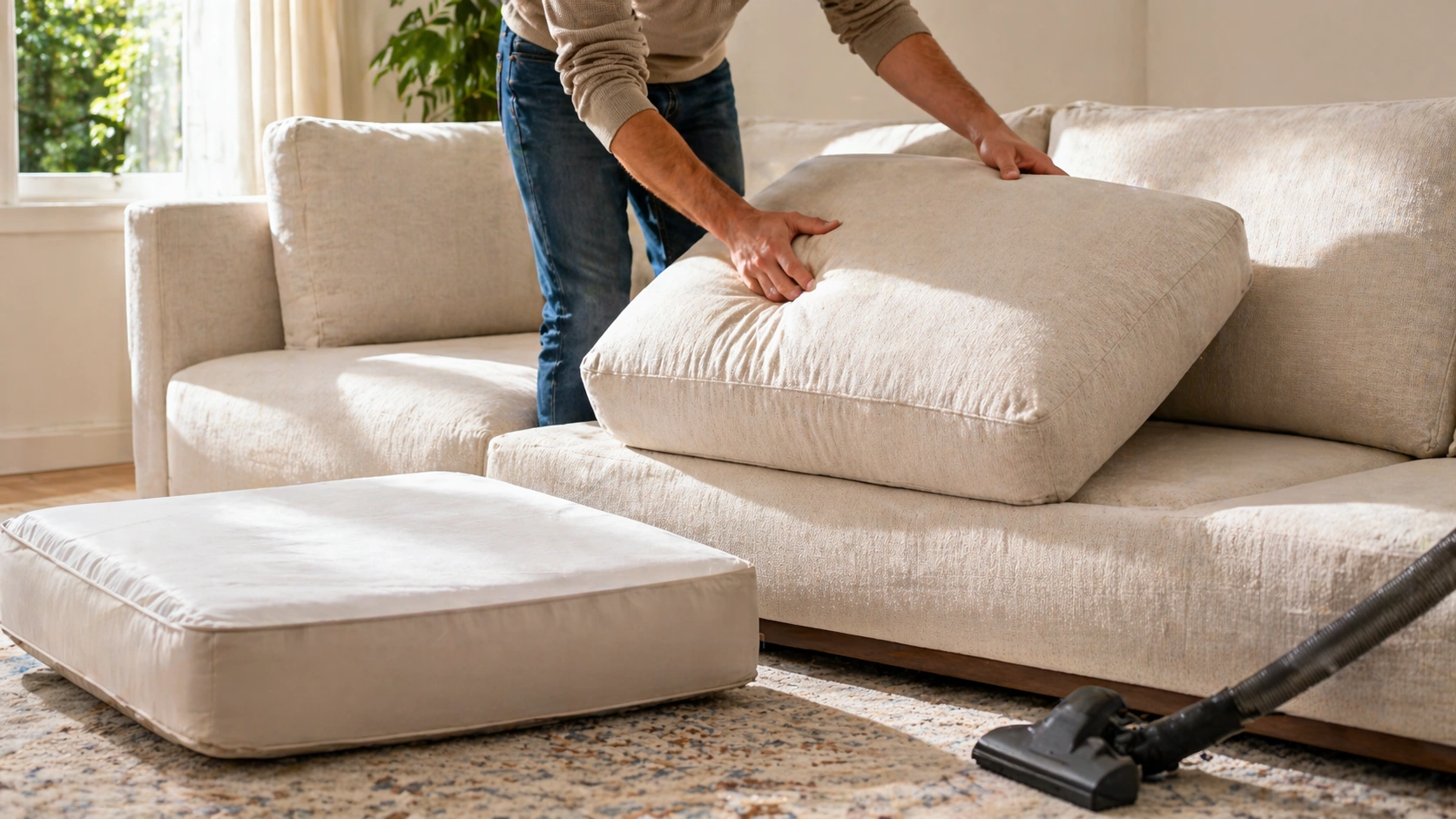
Deep cushions—especially down-filled ones—compress and develop body impressions. Rotate and flip seat cushions every week, and fluff back cushions by kneading them like dough. This prevents permanent divots and extends cushion life. If sagging has already set in, our sagging cushion fix guide can help.
Vacuum Weekly
Deep seats collect more dust, crumbs, and pet hair in their crevices. Use an upholstery attachment to vacuum all surfaces weekly, paying attention to the seam between the seat and back cushions. Follow our detailed sofa cleaning guide for a complete routine.
Address Spills Immediately
Because you spend more time on a deep seat sofa, spills are more likely. Blot (don't rub) liquid spills with a clean cloth immediately. For detailed stain removal, refer to our stain removal guide. For general fabric protection advice, see our fabric protection guide.
Protect from Sunlight
UV rays fade fabric and dry out leather. If your deep seat sofa sits near a window, use curtains or UV-blocking film. Our UV protection guide covers all options.
Frequently Asked Questions
Final Thoughts
A deep seat sofa transforms the way you use your living room. It turns a simple seating area into a personal retreat where you can curl up, stretch out, and truly relax. But the key to satisfaction lies in matching the depth to your body, your space, and your lifestyle.
Before you buy, measure your room, understand your ideal seat depth based on your height, and test the cushion firmness. A 26-inch-deep sofa with high-resilience foam and a lumbar pillow will serve most people beautifully, while an extra-deep 28+ inch model is a specialized choice best suited for tall loungers and spacious rooms.
Ready to find your perfect deep seat sofa? Explore our curated product recommendations below, or continue your research with our comprehensive sofa choosing guide and top 10 sofas list.