
Secondhand vs New Sofa
A complete side-by-side comparison to help you decide whether a pre-owned or brand-new sofa is the right choice for your home and budget
SEE THE COMPARISONBuying a sofa is one of the most significant furniture investments you will make for your home. The question of whether to buy secondhand or new is one that nearly every shopper faces at some point, and the answer is rarely straightforward. Both options come with distinct advantages, hidden trade-offs, and scenarios where one clearly outperforms the other.
This guide breaks down every factor you need to consider — from upfront cost and long-term durability to hygiene, warranties, and environmental impact — so you can make a confident, well-informed decision that matches your specific situation.

Quick Comparison at a Glance
Before diving into each factor in detail, here is a comprehensive side-by-side comparison covering the most important decision points. Use this as a quick reference, then read the full breakdown below for context and nuance.
| Factor | Secondhand Sofa | New Sofa |
|---|---|---|
| Upfront Cost | $50–$500 typically Winner | $300–$3,000+ typically |
| Condition | Varies; may need cleaning or repairs | Pristine, factory-fresh Winner |
| Lifespan Remaining | Unpredictable; depends on age and prior use | Full expected lifespan Winner |
| Warranty | None or transferable (rare) | 1–15 year manufacturer warranty Winner |
| Hygiene | Risk of stains, odors, allergens, pests | Clean, untouched Winner |
| Customization | Limited to what is available | Fabric, color, size, configuration Winner |
| Environmental Impact | Reduces waste; extends product life Winner | New materials, manufacturing footprint |
| Return Policy | Almost never | 30–100 day return window Winner |
| Delivery | Self-pickup usually required | White-glove delivery available Winner |
| Availability | Limited; depends on local market | Anytime, any configuration Winner |
💡 Key takeaway: Secondhand wins on price and sustainability. New wins on nearly everything else — condition, warranty, hygiene, and peace of mind. The right choice depends on which factors matter most to you.
Pros and Cons Breakdown
✅ Secondhand Sofa Pros
- Significant cost savings — often 50–80% below retail price
- Environmentally friendly — keeps furniture out of landfills
- Access to premium brands at budget prices (e.g., Herman Miller, Restoration Hardware)
- No assembly required — already built and ready to use
- Immediate availability — no shipping wait times
- Unique and vintage pieces not available in stores
❌ Secondhand Sofa Cons
- No warranty or return policy — what you see is what you get
- Unknown history — prior use, accidents, pet exposure
- Hygiene concerns — stains, odors, dust mites, potential pests
- Limited selection — you take what is available locally
- Transportation burden — usually requires pickup with your own vehicle
- Shorter remaining lifespan — cushions may already be worn
✅ New Sofa Pros
- Full manufacturer warranty covering defects and structural issues
- Clean, hygienic, and free from prior use
- Complete customization — choose fabric, color, size, and configuration
- Return policy if the sofa does not meet expectations
- Professional delivery and setup included (with most retailers)
- Full expected lifespan from day one
❌ New Sofa Cons
- Significantly higher upfront cost
- Environmental impact from manufacturing and shipping
- Assembly may be required for some models
- Shipping delays — can take weeks or months for custom orders
- Depreciation — loses value the moment it enters your home
- Potential for quality inconsistency with budget brands

Cost Analysis: How Much Can You Actually Save?
Price is the most common reason people consider secondhand sofas, but the true savings are more nuanced than the sticker price suggests. Understanding the full price breakdown of a sofa helps you evaluate whether the discount is genuine.
A typical mid-range 3-seater sofa from a reputable brand costs between $800 and $1,500 new. The same model, if available secondhand in good condition, typically sells for $200 to $600. On paper, that is a 60–75% savings. However, you must factor in additional costs that come with buying used:
Typical Secondhand Sofa
+ $0–$100 repairs
+ $0–$75 rental truck
Comparable New Sofa
Full warranty included
No additional costs
Even after adding cleaning, minor repairs, and transportation costs, a secondhand sofa typically costs 40–60% less than its new equivalent. For shoppers on a tight budget — especially those furnishing a first apartment or a guest room where the sofa will see lighter use — this can represent hundreds of dollars in genuine savings.
However, there is an important caveat: if a used sofa requires major work such as frame repair, cushion replacement, or professional reupholstery ($500–$1,500+), the total cost can approach or even exceed the price of buying new. Always estimate repair costs before committing to a used purchase.
💡 Pro tip: For budget-conscious buyers who still want the benefits of new, check out our guide to the best cheap sofas — many quality options exist under $500 new, which narrows the gap with secondhand pricing considerably.
Quality and Durability: The Hidden Risk of Used
When you buy a new sofa, you know exactly what you are getting in terms of frame materials, cushion fill, and spring systems. With a secondhand sofa, the internal condition is largely invisible, and the previous owner's usage patterns significantly affect remaining lifespan.
A sofa that sat in a formal living room and was rarely used may have 10+ years of life remaining. The same model placed in a busy family room with kids and pets might have compressed cushions, weakened springs, and a stressed frame — even if the upholstery looks acceptable on the surface.

Key Durability Factors to Evaluate in a Used Sofa
- Frame integrity: Sit on every seat and feel for creaking, wobbling, or unevenness. A solid hardwood frame (kiln-dried oak, maple, or ash) can last 15–25 years, while cheaper particle board or plywood frames may fail within 5–8 years. Refer to our sofa quality checklist for detailed inspection steps.
- Cushion resilience: Press down firmly on each cushion and release. Quality foam should bounce back within seconds. If cushions stay compressed, the foam density has degraded and will only get worse. Learn about foam density ratings to understand what to look for.
- Spring condition: Reclining or sitting should feel even across the entire seat. Lumps, sagging, or audible squeaking suggest worn or broken springs that would require costly spring replacement.
- Upholstery wear: Check for fabric pilling, thinning areas, color fading, and seam separation. These are signs of heavy use that affect both appearance and durability. The Martindale rub test score of the original fabric can give you a baseline for expected wear resistance.
- Joint construction: Look underneath the sofa. Doweled, glued, and corner-blocked joints indicate quality construction. Staples, nails, or visible gaps suggest a weaker frame that may not hold up to continued use.
The fundamental trade-off is clear: with a new sofa, you pay for certainty about quality and expected lifespan. With a secondhand sofa, you trade that certainty for a lower price — but the risk of early failure is real and should be factored into your decision.
Hygiene and Health Concerns
This is the area where the secondhand vs new debate has the sharpest contrast. A new sofa arrives in your home completely clean and untouched. A secondhand sofa carries the invisible history of everyone who has sat, slept, eaten, or spilled on it.
⚠️ Critical warning — Pest risk: Bed bugs, fleas, and dust mites can live in upholstered furniture. A sofa picked up from a curbside or bought from an unknown seller carries the highest risk. Always inspect thoroughly — look for small dark spots (fecal matter), shed skins, or live insects in seams, under cushions, and along the underside of the frame.
Common Hygiene Issues with Used Sofas
- Dust mites and allergens: Upholstered furniture is a magnet for dust mites, pet dander, and pollen. These accumulate over years and can trigger allergies and asthma even if the sofa appears clean on the surface.
- Odors: Smoke, pets, cooking, and body oils can permeate fabric and foam. Surface cleaning rarely eliminates deep-set odors — they may require professional ozone treatment or replacement of the cushion inserts.
- Biological contamination: Sweat, skin cells, and bodily fluids can seep into cushions and foam over time. This is particularly relevant for sleeper sofas that have been used as beds.
- Mold and mildew: If a sofa was stored in a damp basement or garage, mold may have developed inside the cushion cores or on the frame — areas that are not visible from the outside.
How to Sanitize a Secondhand Sofa
If you decide to buy used, thorough sanitization is non-negotiable. The process varies by material:
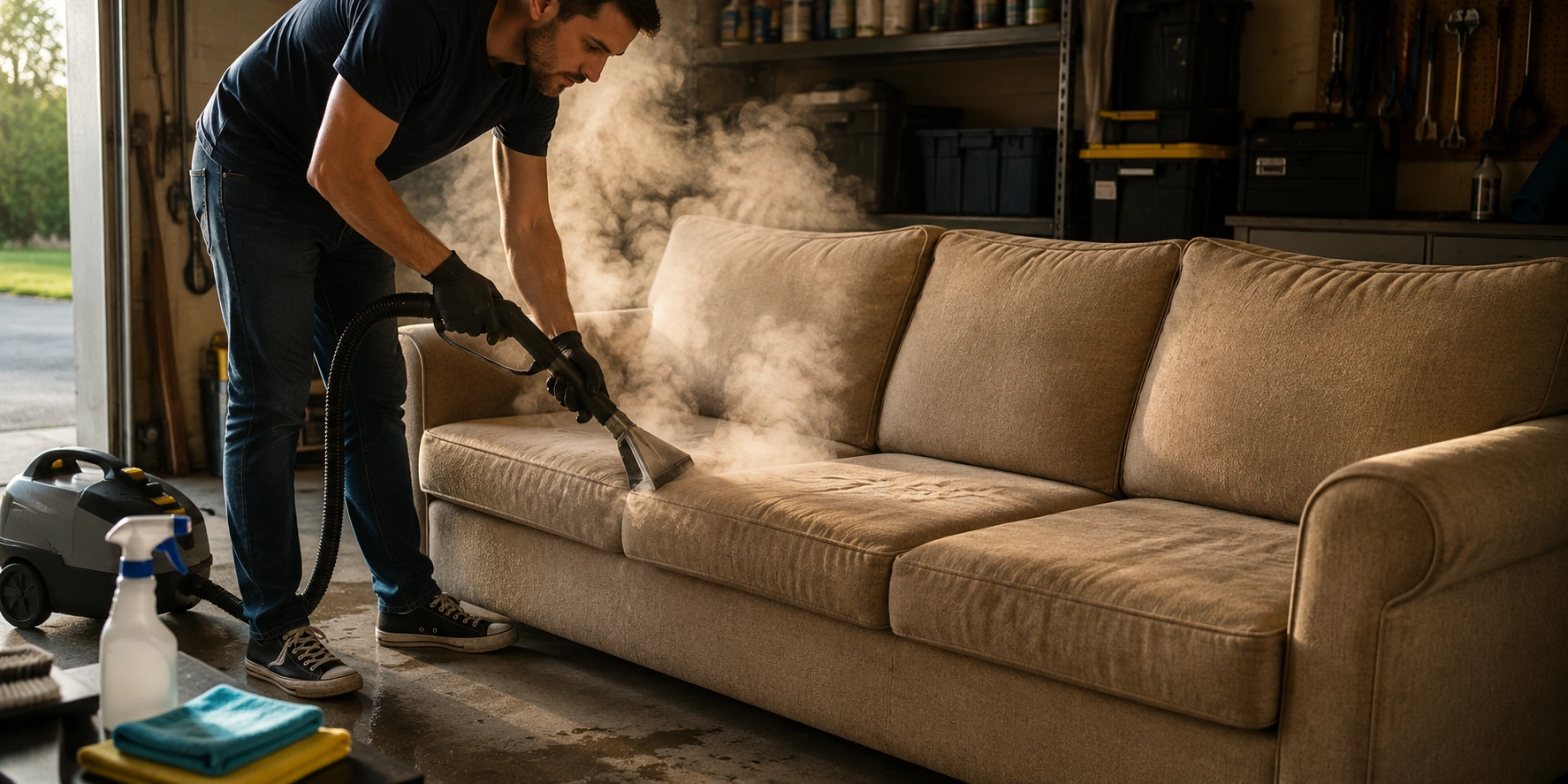
- Fabric sofas: Vacuum all surfaces and crevices thoroughly. Steam clean at 160°F (71°C) or higher to kill dust mites and bacteria. For stubborn odors, apply an enzymatic cleaner designed for upholstery. Our guide on cleaning fabric sofas covers the complete process step by step.
- Leather sofas: Wipe down all surfaces with a dedicated leather cleaner, then apply conditioner to restore moisture and create a protective barrier. This is generally easier than fabric since leather has a non-porous surface. See our leather sofa cleaning guide for specifics.
- Deep sanitization: For high-risk purchases, consider hiring a professional upholstery cleaning service. They have industrial-grade steam extractors and treatments that go far beyond what consumer products can achieve.
For an extra layer of protection, consider investing in sofa covers — they provide a clean barrier between you and the existing upholstery and are far cheaper than reupholstering.
Secondhand Sofa Inspection Checklist
If you are going to buy a secondhand sofa, a thorough inspection is your best defense against a bad purchase. Print this checklist or save it on your phone and go through every item before handing over any money.
🔍 Complete Inspection Checklist
- Frame test: Lift one corner of the sofa about 6 inches off the ground. If the opposite corner also lifts, the frame is likely solid. If the frame twists or flexes, it may be weak.
- Sit test: Sit on every seat for at least 30 seconds. Listen for squeaks, feel for unevenness, and check if the seat height is consistent across all positions.
- Cushion press: Press firmly on each cushion and release. Quality cushions should recover their shape within 2–3 seconds. If they stay flat, the foam has degraded.
- Upholstery scan: Check every surface for stains, tears, thinning fabric, fading, and seam separation. Flip cushions over — the underside often reveals hidden damage.
- Odor check: Get close to the fabric and take a deep breath. Look for smoke, pet, mold, or musty odors. If the sofa has any strong smell, walk away — odors rarely disappear with cleaning.
- Pest inspection: Using a flashlight, examine all seams, crevices, under cushions, and the underside of the sofa for dark spots, eggs, shed skins, or live insects.
- Frame underside: Look underneath the sofa. Check for cracked wood, loose joints, rusted metal parts, and proper corner blocking. Stapled-only construction is a red flag.
- Moving parts: For recliner sofas or sleepers, test every mechanism multiple times. Listen for grinding, clicking, or resistance. Check that the footrest locks securely in place.
- Legs and base: Verify all legs are present, straight, and firmly attached. Wobbly legs can often be fixed, but they may indicate frame joint problems. Check our guide on fixing loose sofa legs if you encounter this issue.
- Size verification: Measure the sofa completely — width, depth, height, and diagonal depth (for doorways). Compare against your room dimensions and entry points before purchasing.
💡 Insider tip: The single most telling test is the frame lift test (item #1). A solid frame indicates quality construction that has held up over time. A flexing or twisting frame means the sofa will only get worse with continued use, regardless of how good the upholstery looks.
Warranty, Returns, and Buyer Protection
This is an area where new sofas have an overwhelming advantage. When you buy new — whether from a physical store or online — you typically receive a manufacturer warranty (1–15 years depending on the brand and component) and a retailer return policy (usually 30–100 days). If the sofa arrives damaged, develops a manufacturing defect, or simply does not feel right in your space, you have recourse.
With a secondhand sofa, there is almost never a warranty or return option. Private sellers on Craigslist, Facebook Marketplace, or OfferUp operate under "as-is" terms. Even consignment stores and used furniture shops typically offer only a 24–48 hour exchange window, and only for structural defects reported immediately — not for comfort preferences or buyer's remorse.
This matters more than many shoppers realize. A squeaking noise that develops after a week of use, cushions that flatten faster than expected, or a wobbly frame that becomes noticeable once the sofa settles into your flooring are all problems that would be covered under a new sofa warranty but are your full responsibility with a used purchase.
Before buying secondhand, ask yourself: "If this sofa develops a major problem in the first month, can I absorb the total loss?" If the answer is no, buying new — or at minimum, new from a brand with a strong warranty — may be the safer financial decision. Review your chosen retailer's return policy carefully before purchasing.
Environmental Impact: A Clear Winner
If sustainability is a priority for you, secondhand is the clear winner. The furniture industry generates enormous waste — an estimated 9.8 million tons of furniture end up in U.S. landfills annually, and upholstered seating is one of the largest categories. Buying secondhand directly diverts a sofa from this waste stream.
Beyond waste reduction, buying used also avoids the environmental costs of manufacturing: raw material extraction (wood, foam, fabric), energy consumption in factories, chemical treatments (dyes, flame retardants, stain protectors), and carbon emissions from shipping. A single new sectional sofa can have a carbon footprint of 200–500 kg CO2 equivalent.
That said, the sustainability calculation is not entirely one-sided. If a secondhand sofa only lasts 1–2 years before needing replacement (because it was already near the end of its life), and you then buy new anyway, the net environmental benefit is minimal. The most sustainable choice is a secondhand sofa that still has many years of life remaining — which brings us back to the importance of thorough inspection.
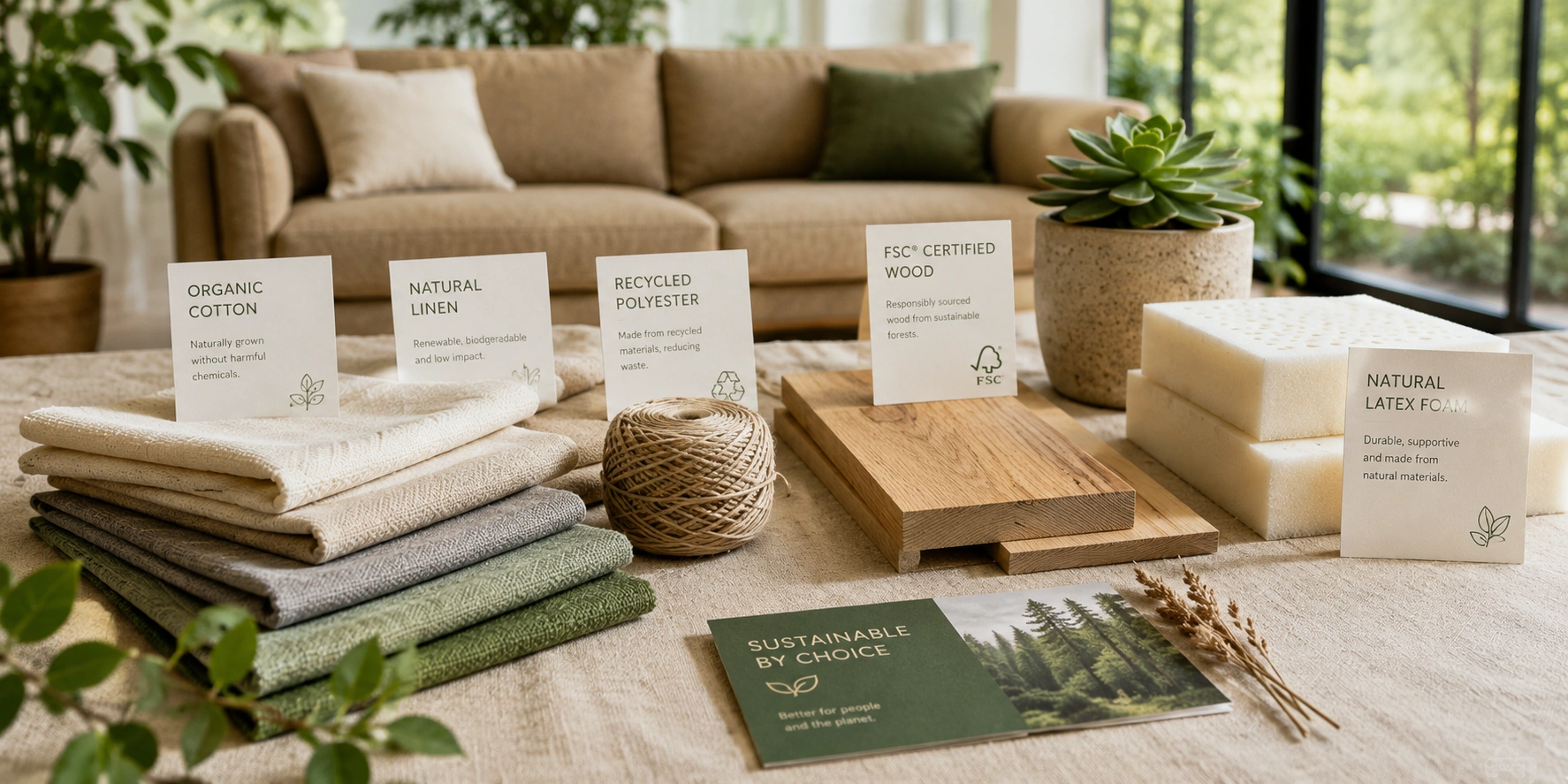
For buyers who want new but care about sustainability, explore our guide to sustainable sofas, which covers eco-friendly materials, certifications to look for, and brands with strong environmental practices.
Where to Buy Secondhand Sofas
Not all secondhand sources are equal. The reliability of the seller, the quality of the inventory, and your recourse if something goes wrong vary dramatically by channel. Here is a ranked guide from most to least reliable:
Consignment Furniture Stores
These stores inspect, clean, and curate their inventory. Prices are higher than direct-from-owner, but you get a physical showroom, some level of quality control, and occasionally a short exchange window. Best option for buyers who want used quality with minimal risk.
Corporate Liquidators and Office Furniture Resellers
Companies upgrading their office sofas and lobby furniture often sell lightly-used pieces at steep discounts. These sofas typically see less wear than residential pieces and are available in bulk.
Online Marketplaces (Facebook Marketplace, OfferUp, Craigslist)
The largest selection and lowest prices, but also the highest risk. You deal directly with individuals, have no quality assurance, and must handle all inspection and transportation yourself. Always inspect in person before paying — never buy sight-unseen from these platforms.
Estate Sales and Auctions
Can yield high-quality, well-maintained pieces at competitive prices. The quality tends to be higher than general online marketplaces because estate sales often include premium brands. Arrive early and be prepared to act quickly — desirable pieces sell fast.
Curbside / Free Listings
The cheapest option but carries the highest risk of pests, structural damage, and hygiene issues. Only consider if you have the skills to inspect thoroughly, the means to sanitize professionally, and the ability to discard it if problems are discovered later. Generally not recommended unless you are experienced with furniture restoration.
For buyers who decide new is the better route, our guide on where to buy sofas covers both online and in-store retailers, including which ones offer the best warranties, return policies, and value for money. Timing also matters — check the best time to buy a sofa for seasonal sales that can reduce the price gap between new and used.
When to Choose Secondhand vs New: Decision Guide
The "right" answer depends entirely on your specific circumstances. Below are the most common scenarios where one option clearly outperforms the other.
🟢 Choose Secondhand When...
- ✦ Your budget is under $500 and you need a functional sofa now
- ✦ You are furnishing a temporary space (rental, staging, dorm)
- ✦ You want a premium brand you cannot afford new
- ✦ The sofa will see light or occasional use (guest room, reading nook)
- ✦ You have the skills and willingness to clean and make minor repairs
- ✦ Sustainability is a top priority for you
- ✦ You find a sofa from a reputable consignment store with a return window
- ✦ You have access to a truck or delivery service for pickup
🔵 Choose New When...
- ✦ This is your primary living room sofa — long-term comfort matters
- ✦ You have specific size, color, or configuration requirements
- ✦ Anyone in your household has allergies, asthma, or chemical sensitivities
- ✦ You want warranty protection and a return safety net
- ✦ You have young children or pets and need durable, easy-to-clean upholstery
- ✦ You cannot risk a bad purchase — the loss would be financially painful
- ✦ You want professional delivery and setup
- ✦ You are buying a specialized type like a recliner or sleeper sofa where mechanism reliability is critical
The decision does not have to be all-or-nothing, either. Many households take a hybrid approach: buy a quality new sofa for the main living room where comfort and longevity are paramount, and supplement with secondhand pieces for secondary spaces like a basement, home theater, or home office. This strategy maximizes value while ensuring your primary seating investment is protected.
Can a Secondhand Sofa Be Refurbished to Like-New?
In some cases, yes — and the result can be stunning. Reupholstering a high-quality secondhand frame with new fabric and replacement cushions can produce a sofa that looks and feels brand new for a fraction of the cost of buying a comparable new piece. This approach works best when:
- The frame is solid hardwood in excellent condition (the most expensive component to replace)
- The spring system is intact and functioning properly
- You choose a durable new fabric — check our guide on the most durable sofa fabrics for recommendations
- The total refurbishment cost (labor + materials) stays well below the price of a comparable new sofa
Professional reupholstery typically costs $500–$2,000 depending on sofa size, fabric choice, and your location. Adding replacement cushions adds another $100–$400. If you find a solid-frame secondhand sofa for $200 and spend $800 on reupholstery, your total investment is $1,000 — potentially less than half the price of a comparable quality new sofa at $2,500+.
However, this strategy only makes financial sense with high-quality frames. Reupholstering a cheap, poorly constructed sofa is like putting a $2,000 suit on a mannequin — it looks good briefly, but the underlying structure will fail. Learn to evaluate price vs quality to know when refurbishment is worthwhile.

Hidden Costs That Surprise Buyers
Both secondhand and new sofas come with costs that are not immediately obvious. Being aware of these helps you budget accurately and avoid unpleasant surprises.
Secondhand hidden costs:
- Truck rental or delivery service ($30–$150) if the seller does not provide transportation
- Professional cleaning or steam treatment ($75–$200) for thorough sanitization
- Fabric protector spray ($15–$30) — see our fabric protection guide
- Replacement cushions if the originals are beyond saving ($100–$400)
- Pest treatment if bed bugs or fleas are discovered ($200–$500+ for professional extermination)
- Other hidden costs of buying a sofa that apply regardless of new or used
New sofa hidden costs:
- Delivery and setup fees ($50–$300) if not included in the purchase price
- Fabric protection plans ($50–$150) offered at checkout
- Extended warranty upsells ($50–$200) — evaluate whether the manufacturer warranty is sufficient
- Taxes and shipping fees for online orders (can add 8–15% to the total)
- Floor protection pads and furniture sliders ($10–$30) to prevent damage to your floors
The key difference is predictability: new sofa hidden costs are known upfront at checkout, while secondhand hidden costs emerge after purchase and can vary wildly. Factor a 15–25% buffer into your secondhand budget to account for the unexpected.
Frequently Asked Questions
Final Verdict
There is no universal answer to the secondhand vs new sofa question — the right choice depends on your budget, risk tolerance, timeline, and how the sofa will be used. But here is a practical framework to help you decide:
If your budget is under $500 and you are willing to invest time in inspection and cleaning: Secondhand is a smart choice, particularly from consignment stores or estate sales where quality is curated. Focus on solid-frame sofas from reputable brands, and walk away from anything with signs of pests, strong odors, or structural weakness.
If your budget is $500–$1,000 and you want a reliable primary sofa: Compare the cost of a quality used + refurbishment against a budget-friendly new sofa. Our best cheap sofas guide shows that you can find genuinely good new options in this range, which may offer better long-term value than a used sofa of uncertain quality.
If your budget is over $1,000 and this is your main living room sofa: Buy new. The warranty, hygiene, customization, and peace of mind are worth the premium for a piece you will use daily for years. Choose wisely using our complete guide to choosing a sofa, and you will get excellent value from your investment.
The hybrid approach: Many savvy shoppers buy one quality new sofa for the primary living space and fill secondary rooms with carefully inspected secondhand pieces. This maximizes comfort where it matters most while keeping the overall furnishing budget reasonable.
Whatever you decide, the most important step is making an informed decision — and that is exactly what this guide was designed to help you do. Take your time, do your research, and choose the option that gives you confidence in your purchase.


