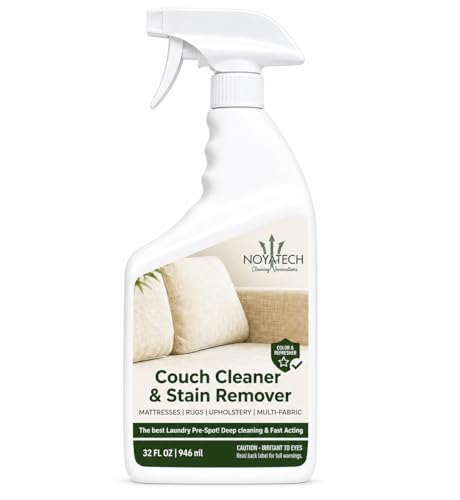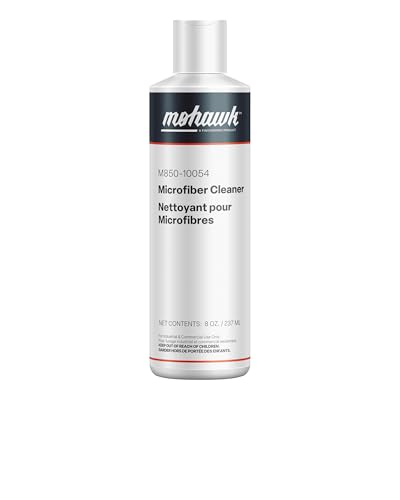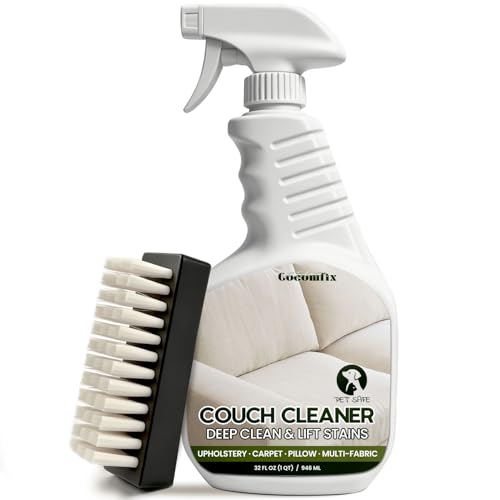
How to Clean a Microfiber Sofa: The Complete Guide
From daily dusting to stubborn stain removal, master every technique to keep your microfiber couch looking fresh and new for years.
Why microfiber needs special care: Microfiber is made from ultra-fine synthetic fibers that are incredibly soft, durable, and stain-resistant by nature. However, its unique structure means that using the wrong cleaning method can cause permanent damage. Water marks, flattened nap, and stiff patches are all common results of improper cleaning. This guide walks you through the correct techniques for every scenario so you can clean with confidence.
Microfiber is one of the most popular upholstery fabrics for a good reason. It is highly resistant to wear, repels spills better than most natural fibers, and feels incredibly soft to the touch. These qualities make microfiber couches a top choice for families with children and pets. But knowing how to clean microfiber properly is what separates a sofa that lasts decades from one that looks worn out within a few years. For a broader comparison of microfiber against other upholstery options, our leather vs fabric guide provides useful context on where microfiber stands.
Understanding Microfiber Fabric
Before you begin cleaning, it helps to understand what microfiber actually is. Microfiber consists of synthetic fibers — typically polyester, nylon, or a blend — that are much finer than a human hair. These fibers are tightly woven together, creating a dense fabric that traps dust and resists liquid penetration. This density is what gives microfiber its stain-resistant reputation, but it is also what makes cleaning mistakes so costly.
There are two common types of microfiber upholstery you may encounter. Suede-style microfiber has a soft, napped texture similar to genuine suede and is the most common type found on residential sofas. Smooth microfiber has a flat, woven appearance more akin to traditional upholstery fabric. The cleaning approach differs slightly between these two, particularly when it comes to restoring the nap after cleaning. If you want to explore how microfiber compares to other specialized fabrics, our sofa materials explained article covers the full range of options.
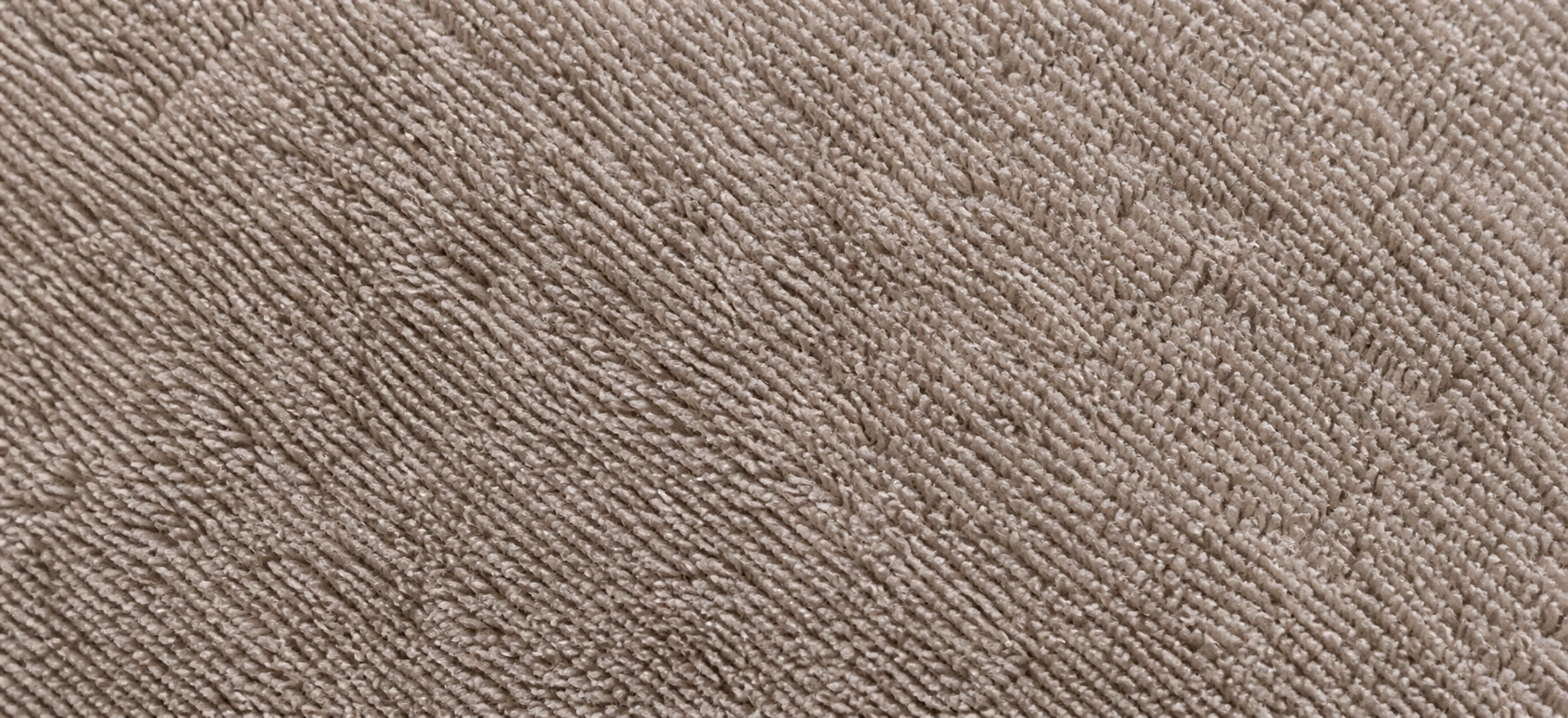
Microfiber's ultra-fine synthetic fibers create a dense, soft surface that requires specific cleaning techniques to maintain
Step 1: Check the Manufacturer's Cleaning Code
Every microfiber sofa comes with a cleaning code tag, typically located underneath the cushions or on the bottom of the frame. This code tells you exactly which cleaning agents are safe to use. Ignoring this code is the single most common mistake people make, and it can lead to irreversible damage. If your tag is missing or unreadable, test any cleaning solution on a small hidden area first — such as the back of the sofa or under a cushion — and wait 24 hours to check for discoloration or texture changes.
Water-Based
Safe to clean with water and mild water-based detergents. The most common and easiest code to work with.
Solvent-Based
Use only water-free cleaning solvents or rubbing alcohol. Water can cause permanent staining on S-coded fabric.
Water or Solvent
Either water-based or solvent-based cleaners are safe. Start with the gentlest option and escalate if needed.
Vacuum Only
No liquid cleaners at all. Vacuum or brush only. Professional dry cleaning may be an option for deep stains.
Essential Cleaning Supplies
Gather everything you need before starting. Having the right tools on hand prevents rushed decisions that lead to damage. Most of these items are already in your home, which makes microfiber one of the most budget-friendly fabrics to maintain.
Upholstery Brush Attachment
A soft-bristle vacuum attachment is essential for pulling dust, pet hair, and crumbs from the dense fiber structure without damaging the surface.
White Cloth or Sponge
Always use white to avoid color transfer onto the fabric. Microfiber cloths work well but avoid dyed or colored sponges entirely.
Mild Dish Soap
For W-coded sofas, a few drops of clear dish soap mixed with water creates an effective yet gentle cleaning solution. Avoid dyed soaps.
Rubbing Alcohol
The go-to solution for S-coded microfiber. It evaporates quickly, cleans effectively, and will not leave water marks on solvent-only fabrics.
Soft-Bristled Brush
A clean toothbrush or specialized upholstery brush is used after cleaning to restore the fabric nap and uniform texture direction.
Spray Bottle
For applying cleaning solutions evenly across the fabric surface. Misting is always preferred over pouring or soaking.
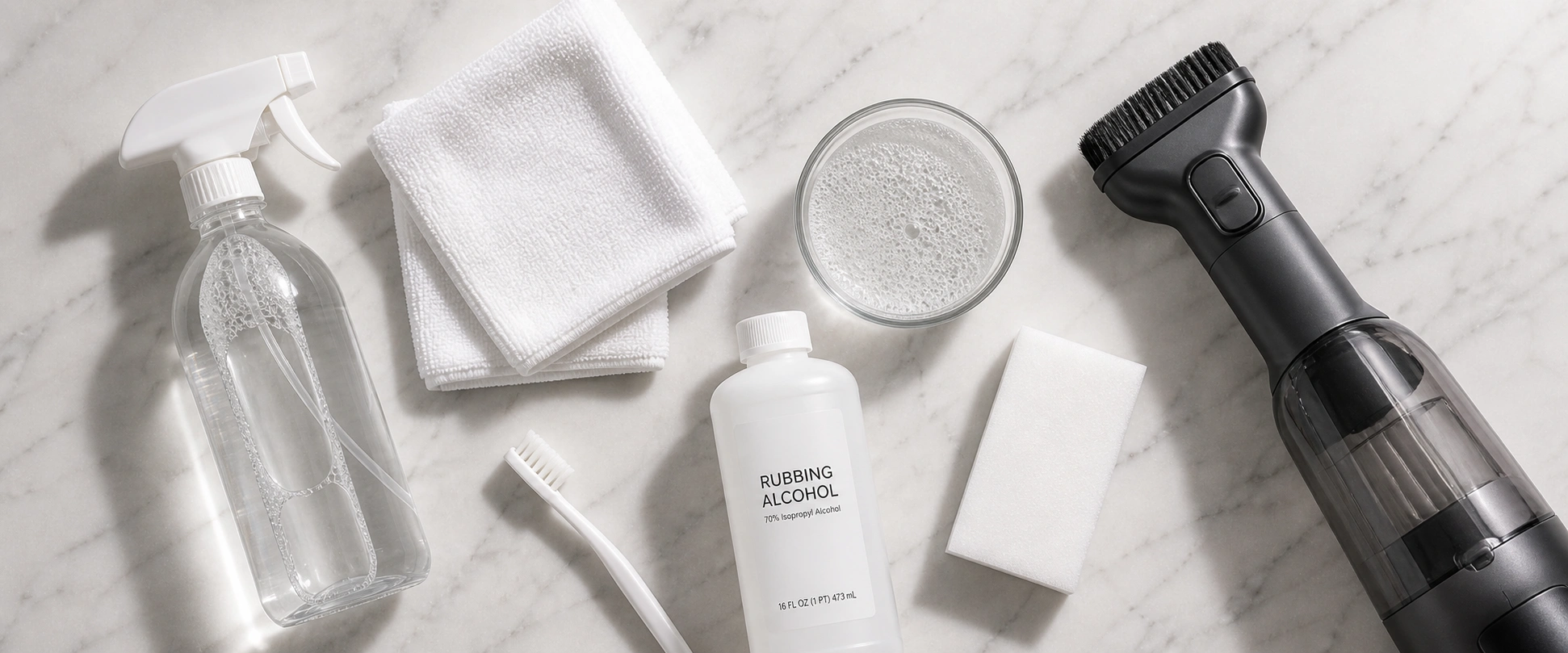
Having the right cleaning supplies organized before you start saves time and prevents damage from using improper alternatives
Step-by-Step Routine Cleaning
Routine cleaning is the foundation of microfiber care. If you maintain a regular schedule, you will rarely need to deal with stubborn stains or deep-cleaning emergencies. This process applies to both W-coded and S-coded sofas with the appropriate solvent substitution.
- Remove All Loose Debris Take off all cushions and use your vacuum's upholstery brush attachment to clean every surface — seat cushions, back cushions, armrests, and the frame. Pay special attention to crevices where crumbs, pet hair, and dust accumulate. Vacuum in overlapping strokes to ensure thorough coverage. For households with shedding pets, a rubber glove or lint roller can supplement the vacuum for stubborn hair.
- Prepare Your Cleaning Solution For W-coded fabric: mix one quart of warm water with a few drops of clear dish soap and one tablespoon of white vinegar. For S-coded fabric: pour undiluted rubbing alcohol into a spray bottle. Do not dilute the alcohol — its fast evaporation rate is what makes it safe for solvent-only microfiber.
- Test on a Hidden Area Spray a small amount of your solution on an inconspicuous spot. Gently blot with a white cloth and wait for it to dry completely. Check for any color transfer, discoloration, or texture change before proceeding to visible areas.
- Clean One Section at a Time Lightly mist one cushion or section — never saturate the fabric. Using a white cloth or sponge, gently blot and wipe in circular motions. Work from the top of the cushion downward to prevent dirt from migrating to already-cleaned areas. Avoid aggressive scrubbing, which can damage the fiber structure and create worn patches.
- Restore the Fabric Nap After cleaning each section, while the fabric is still slightly damp, use a soft-bristled brush to gently stroke the fabric in one consistent direction. This restores the characteristic soft nap of microfiber and ensures the fibers dry uniformly, preventing streaking or matting.
- Allow Complete Drying Let the sofa air dry completely before replacing cushions or sitting on it. Open windows for ventilation, use a ceiling fan, or position a portable fan nearby. Drying typically takes 2 to 4 hours depending on humidity. Never use a hair dryer or heat gun, as high heat can melt or shrink synthetic fibers.
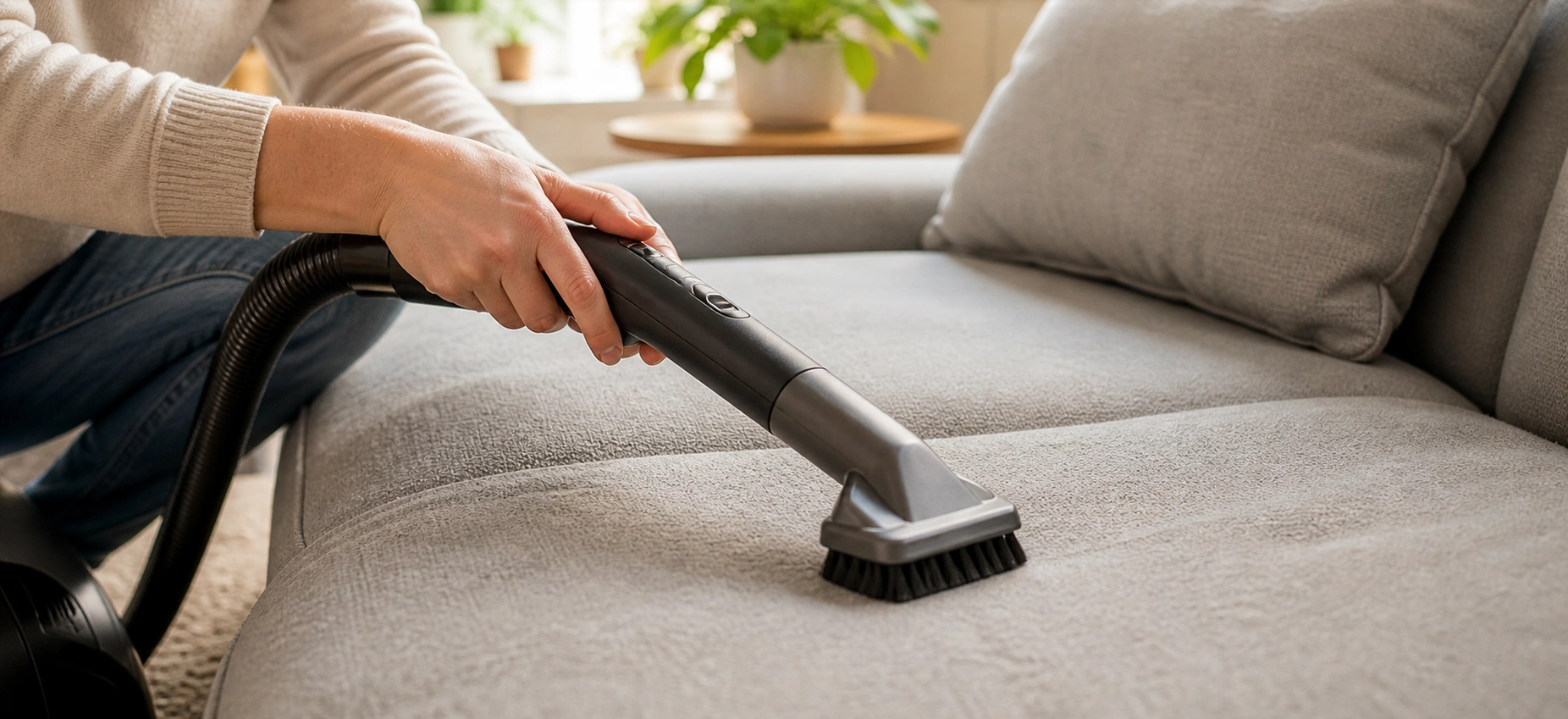
Vacuuming with a proper upholstery brush attachment is the first and most important step in any microfiber cleaning routine
How to Remove Specific Stains
Even with diligent maintenance, accidents happen. The key to successful stain removal is acting quickly and using the right technique for each type of stain. Always blot — never rub — as rubbing pushes the stain deeper into the fibers and can permanently alter the texture. For a comprehensive reference on all stain types, our stain removal guide covers additional scenarios beyond microfiber.
| Stain Type | Recommended Solution | Technique | Drying Note |
|---|---|---|---|
| Coffee & Tea | Mild dish soap solution (W) or rubbing alcohol (S) | Blot immediately from outside edge toward center. Reapply solution and blot until no color transfers to cloth. | Air dry, then brush nap |
| Red Wine | Rubbing alcohol (safe for W and S codes) | Blot excess, spray alcohol lightly, blot repeatedly. For stubborn stains, sprinkle baking soda after alcohol treatment, let sit, then vacuum. | Must dry completely before brushing |
| Grease & Oil | Cornstarch or baking soda, then dish soap | Sprinkle dry powder generously over stain, let absorb for 15 minutes, vacuum. Then apply dish soap solution and blot. | Air dry, check for residue |
| Pet Urine | White vinegar and water (1:1 ratio) | Blot to absorb, spray vinegar solution, blot thoroughly. Follow with baking soda sprinkled on area to neutralize odor, vacuum after drying. | Ensure fully dry to prevent odor |
| Ink | Rubbing alcohol (best option) | Dab alcohol onto stain with cotton swab, let sit 30 seconds, blot gently. Repeat until ink no longer transfers. Avoid spreading. | Air dry, do not heat |
| Blood | Cold water and dish soap (never hot water) | Blot with cold water first. Mix cold water with dish soap, blot from outside in. Hot water will permanently set blood proteins into the fibers. | Cold air dry preferred |
| Mud | Let dry completely first, then vacuum | Never clean wet mud — it will push deeper. Let it dry fully, brush off dried crumbs, vacuum, then clean remaining residue with appropriate solution. | Brush nap after fully dry |
| Food Sauce | Dish soap solution (W) or rubbing alcohol (S) | Scrape off excess gently with spoon edge, blot with solution, work from outside in. Repeat until cloth comes away clean. | Air dry, inspect in good light |
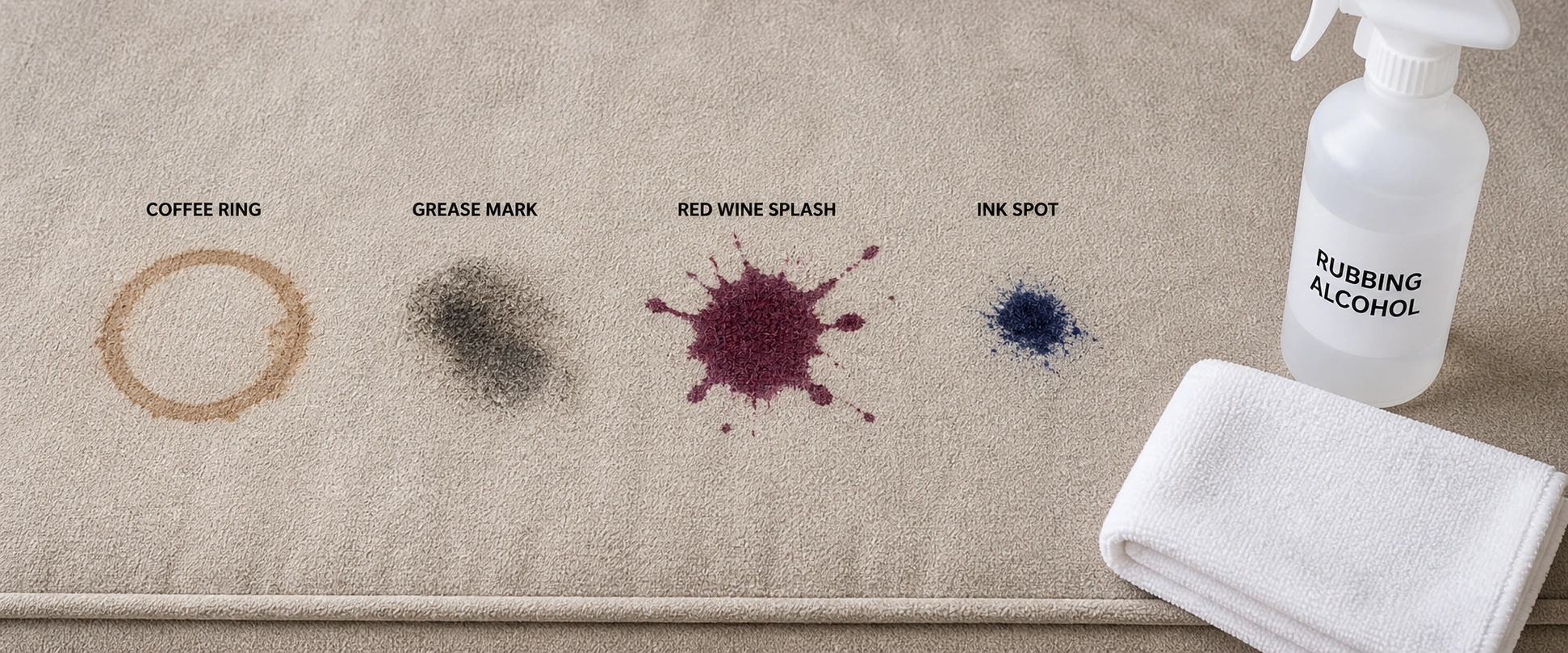
Different stains require different treatment approaches — always identify the stain type before choosing your cleaning method
How to Fix Water Spots and Stiff Patches
Water spots are the most common complaint among microfiber sofa owners. They appear as darker circular patches where water has been applied unevenly, causing the fibers to harden and mat down in an inconsistent pattern. This is particularly common on S-coded fabric that was accidentally cleaned with water, but it can also happen on W-coded fabric if the moisture was not distributed evenly.
The fix is surprisingly simple: you need to re-wet the entire affected area so that all fibers dry uniformly. Lightly mist the entire cushion — not just the water spot — with clean water (for W-coded) or rubbing alcohol (for S-coded). The goal is to saturate the area evenly so that when it dries, all fibers harden and reset at the same rate. After misting, use a soft-bristled brush to stroke the entire surface in one direction, then let it dry completely. The water spot should disappear once fully dry.
For stiff patches where the fabric feels rough or crunchy to the touch, the same re-wetting technique applies. The stiffness is caused by dried cleaning residue or minerals from hard water trapped in the fibers. Rubbing alcohol is particularly effective here because it dissolves residue as it evaporates. Spray the stiff area, gently massage with your fingers to break up the hardened fibers, brush the nap, and let dry.
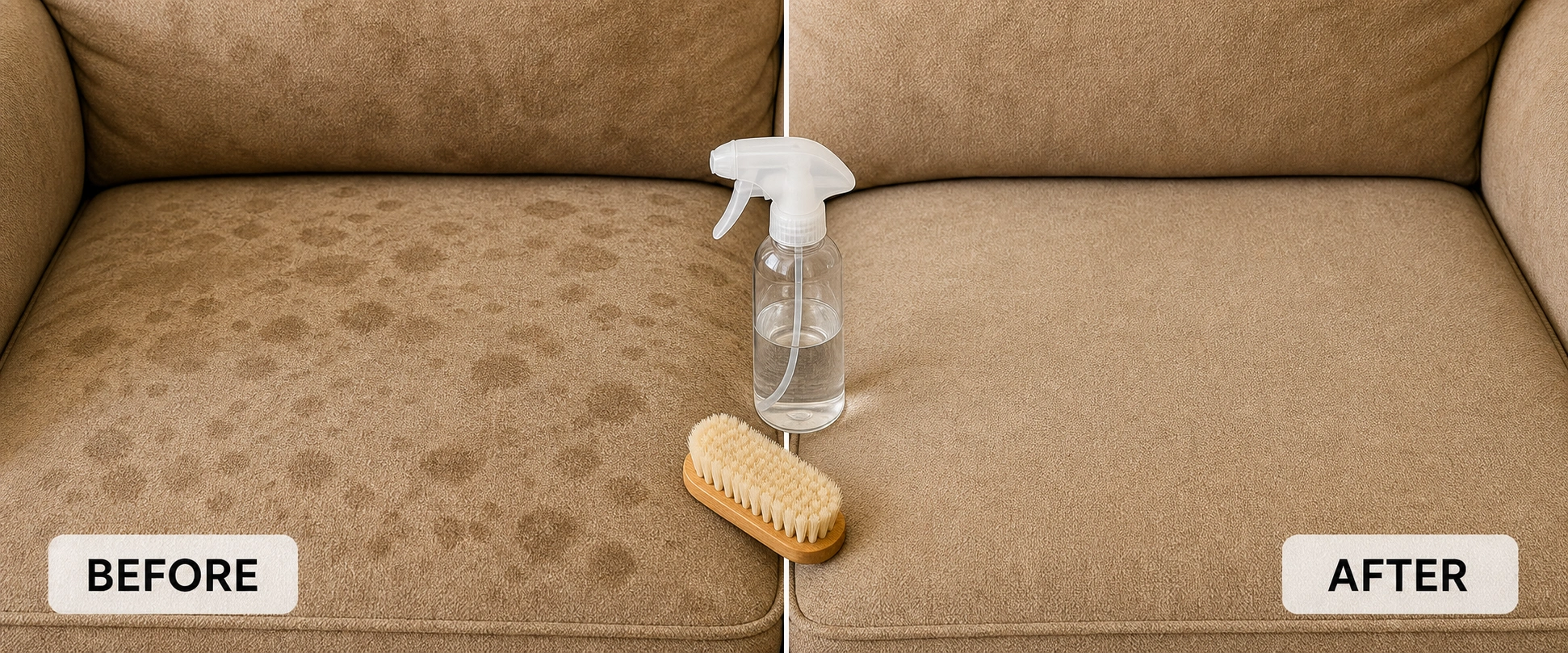
Re-wetting the entire cushion evenly and brushing in one direction eliminates water spots and restores uniform texture
Deep Cleaning Methods
Even with regular maintenance, microfiber sofas benefit from a thorough deep cleaning every few months. Deep cleaning removes embedded dirt, body oils, and allergens that routine vacuuming cannot reach. The method you choose depends on your sofa's cleaning code, the level of soiling, and whether you have the right equipment. For general sofa deep cleaning principles, our complete sofa cleaning guide provides additional context.
Alcohol Cleaning Method (Best for S-Coded Sofas)
This is the most reliable deep-cleaning method for solvent-coded microfiber and also works safely on W-coded fabric. Pour undiluted rubbing alcohol into a spray bottle. Mist one section at a time — the fabric should feel damp but not soaked. Wipe with a clean white sponge using circular motions. You will see the sponge getting dirty as it lifts embedded grime. Rinse or replace the sponge frequently. After cleaning each section, brush the nap in one direction and move to the next area. The alcohol evaporates quickly, so the sofa dries faster than with water-based methods.
Soap and Water Method (W-Coded Sofas Only)
For water-safe microfiber, a more thorough version of routine cleaning constitutes deep cleaning. Use a stronger solution — one tablespoon of dish soap and two tablespoons of white vinegar per quart of warm water. Work through each cushion methodically, using a sponge to gently agitate the surface. For heavily soiled areas, let the solution sit for 2 to 3 minutes before wiping. This gives the soap time to break down body oils and embedded grime. Follow up with a clean damp cloth to remove soap residue, which can attract dirt if left behind.
Should You Use a Steam Cleaner?
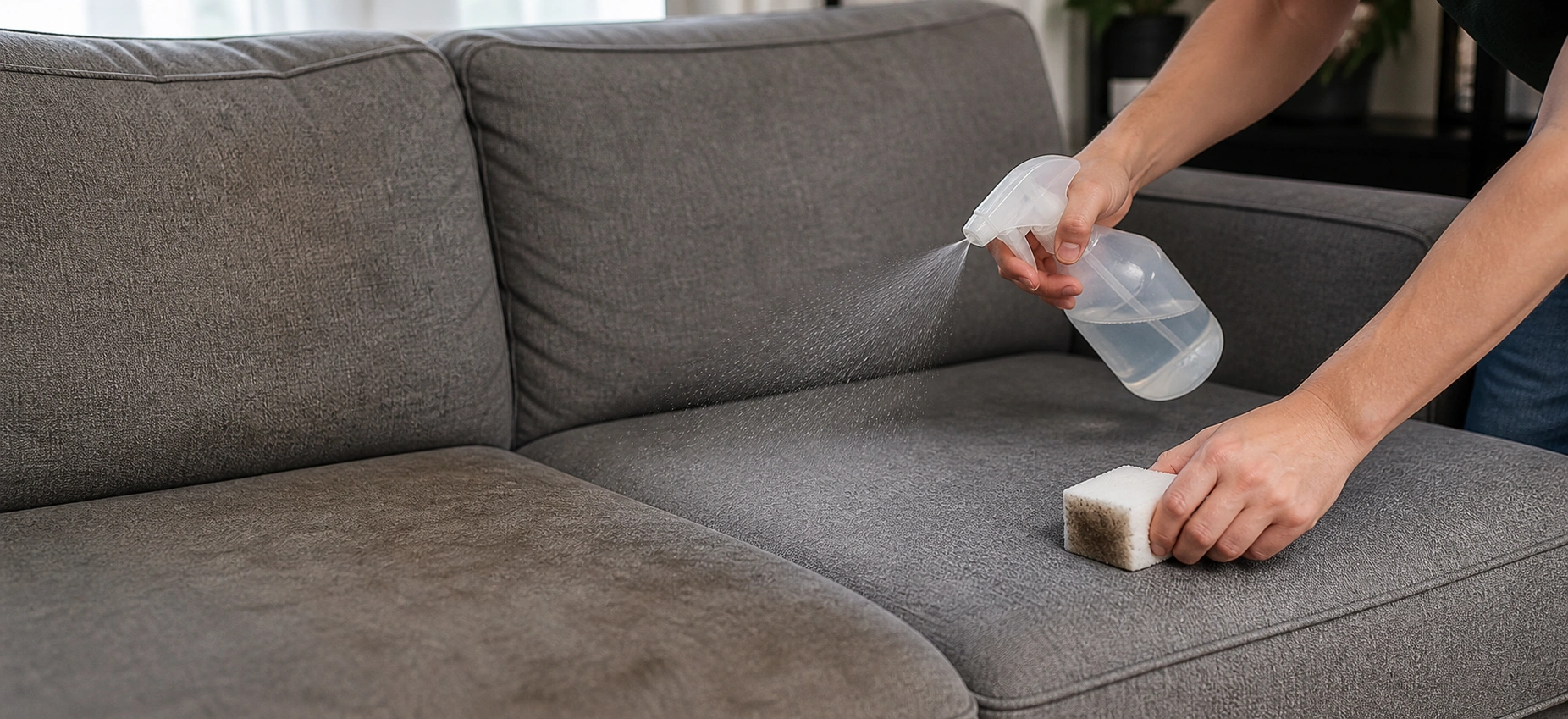
Deep cleaning with rubbing alcohol and a white sponge lifts years of embedded dirt while being gentle on synthetic fibers
Common Mistakes to Avoid
Understanding what not to do is just as important as knowing the right technique. These are the errors we see most frequently, each of which can cause permanent damage that is expensive or impossible to reverse.
- Ignoring the cleaning code: Applying water to an S-coded sofa is the number one cause of permanent water ring damage. Always check the tag first, every single time.
- Rubbing stains instead of blotting: Rubbing forces the stain deeper into the dense fiber structure and can permanently alter the fabric texture. Always blot from the outside edge inward.
- Using colored cloths or sponges: Dye from colored cleaning tools can transfer onto the microfiber, especially when used with alcohol or solvent. Use only white cloths and sponges.
- Oversaturating the fabric: Microfiber only needs to be lightly misted. Soaking the fabric leads to long drying times, water spots, potential mold growth inside the cushion, and weakened backing material.
- Skippping the nap brushing step: Without brushing, microfiber dries with uneven fiber direction, creating a matted, patchy appearance. Always brush while slightly damp in uniform strokes.
- Using bleach or harsh chemicals: Bleach degrades synthetic fibers, causing them to become brittle, discolored, and prone to tearing. Stick to mild dish soap, vinegar, or rubbing alcohol.
- Using fabric softener: Fabric softener leaves a waxy coating on microfiber that clogs the fibers, reduces softness, and actually attracts more dirt over time. Never use it in any form.
- Steam cleaning: As mentioned above, the heat and moisture combination from steam cleaners can permanently damage microfiber. This is one mistake that cannot be undone.
Protection and Ongoing Maintenance
Prevention is always easier than restoration. Establishing a few protective habits will dramatically reduce your cleaning workload and keep your microfiber sofa looking newer for longer. Our complete fabric protection guide covers additional strategies, but here are the most impactful practices specific to microfiber.
Apply a Fabric Protector Spray
After every deep cleaning, apply a dedicated microfiber-safe fabric protector. These sprays create an invisible barrier that causes liquids to bead up on the surface instead of soaking in, giving you critical extra seconds to blot spills before they become stains.
Use Removable Sofa Covers
For high-traffic homes with children or pets, sofa covers provide a sacrificial layer that takes the brunt of daily wear. Choose machine-washable covers that can be removed and laundered regularly, keeping the underlying microfiber pristine.
Rotate and Flip Cushions Regularly
Rotate seat cushions and flip reversible cushions every 1 to 2 weeks. This ensures even wear distribution, prevents uneven fading from sunlight exposure, and gives all surfaces equal rest time between uses.
Address Spills Immediately
The longer a spill sits, the more it penetrates the dense fiber structure. Keep a clean white cloth near the sofa at all times. Even a few seconds of delay can mean the difference between a quick blot and a permanent stain.
Minimize Direct Sunlight Exposure
Prolonged UV exposure causes synthetic fibers to fade and become brittle. Position your sofa away from direct sunlight or use curtains and blinds during peak hours. For additional protection, read our UV protection guide.
Add Decorative Throws and Pillows
Strategically placed throws and pillows protect the armrests and high-contact areas from body oils, dirt, and friction. They are also an easy way to refresh the look of your sofa without deep cleaning.
When to Call a Professional
While most microfiber cleaning tasks can be handled at home, certain situations warrant professional attention. Knowing when to call for help prevents you from making a bad situation worse through DIY attempts.
- The sofa has an X cleaning code and has significant staining that vacuuming cannot address
- Large areas of mold or mildew have developed, which requires specialized treatment to ensure spores are fully eliminated
- Stubborn odors from pet urine or smoke that persist after multiple cleaning attempts
- Extensive ink or dye transfer from clothing that covers a large surface area
- The fabric has structural damage — tears, separating seams, or deteriorating backing — that needs repair before cleaning
- You have attempted cleaning and the stain has spread or the fabric texture has been permanently altered
- The sofa is still under warranty and the manufacturer requires professional cleaning to maintain coverage
Professional upholstery cleaners have access to commercial-grade solvents, extraction equipment, and techniques that are not available to consumers. If you are dealing with any of the above situations, investing in professional service is more cost-effective than risking irreparable damage through continued DIY attempts.
Microfiber vs. Other Sofa Fabrics: Cleaning Comparison
Understanding how microfiber compares to other common upholstery fabrics helps you appreciate its strengths and limitations. If you are still deciding on a fabric for your next sofa purchase, this comparison will inform your choice.
| Factor | Microfiber | Cotton/Linen | Velvet | Leather |
|---|---|---|---|---|
| Stain Resistance | Excellent | Poor to Moderate | Poor | Good |
| Cleaning Difficulty | Easy | Moderate | Difficult | Easy |
| Water Sensitivity | Moderate (code-dependent) | Low | High | Low |
| Pet Friendliness | Excellent | Poor | Poor | Moderate |
| Maintenance Cost | Very Low | Low | High | Moderate |
| Durability | Very High | Moderate | Moderate | High |
As you can see, microfiber consistently ranks as one of the easiest and most affordable fabrics to maintain. If you are interested in how other fabrics compare in detail, our guides on cleaning velvet sofas and cleaning leather sofas provide fabric-specific instructions. For households debating between options, the most durable sofa fabrics guide offers a durability-focused comparison.
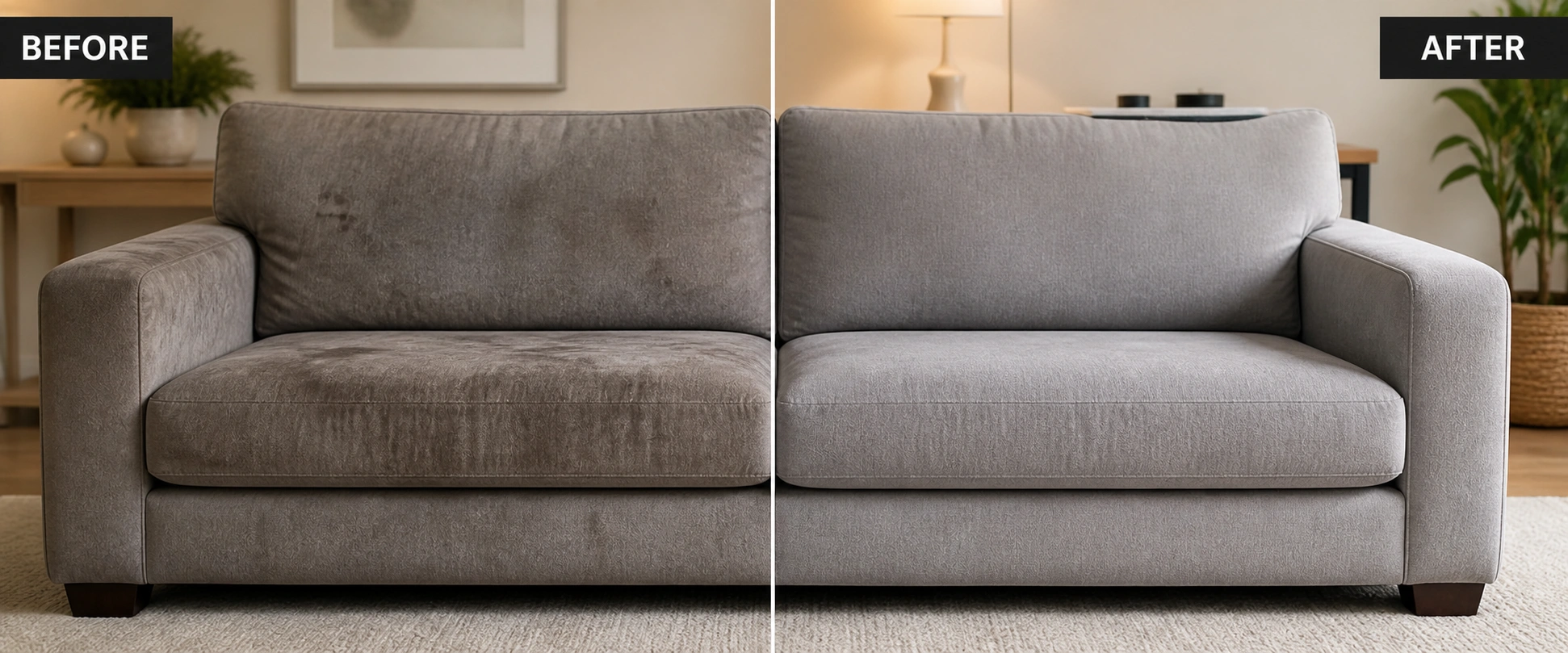
A properly cleaned microfiber sofa can look remarkably close to its original condition, even after years of daily use
Frequently Asked Questions
Need Cleaning Supplies or a New Microfiber Sofa?
Browse our recommended microfiber sofas and cleaning products below. Each selection has been evaluated for ease of maintenance, durability, and overall value.
View Recommended Products