
Price vs Quality: What You Really Pay for in a Sofa
Stop guessing whether that $2,000 sofa is worth it. Learn exactly what drives costs, where quality matters most, and how to find the best value at any budget.
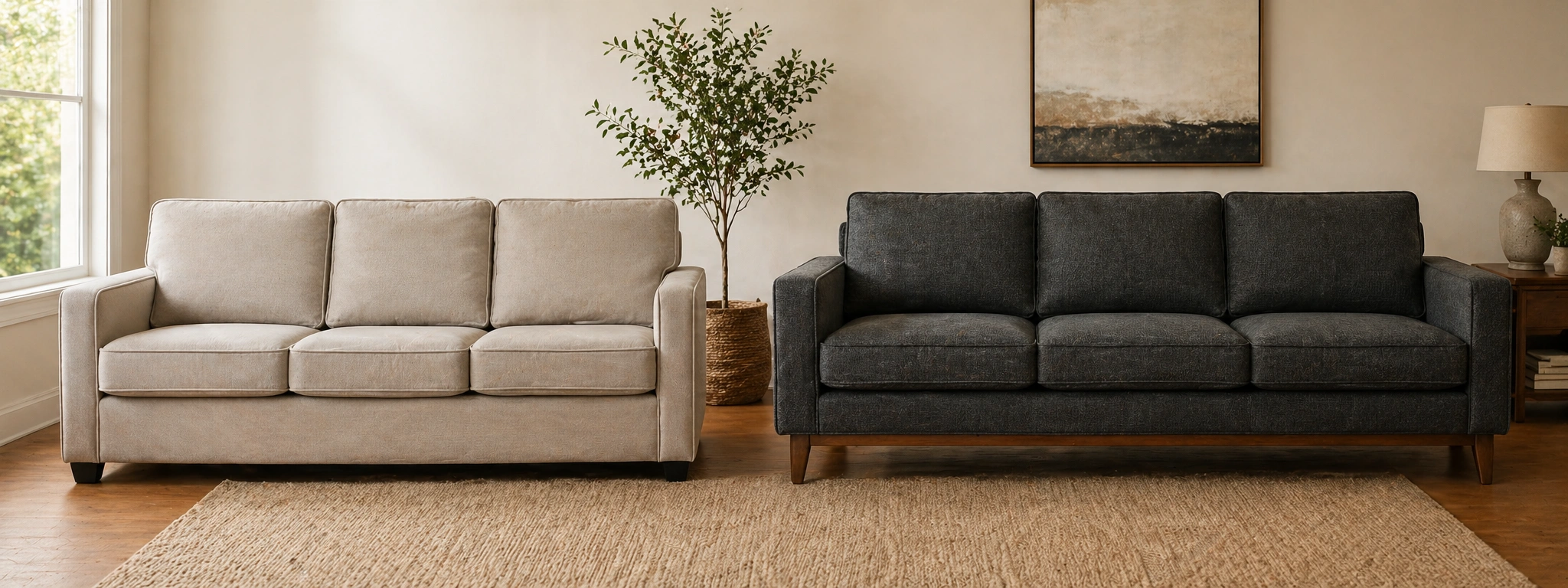
Walk into any furniture store and you'll see sofas ranging from $200 to $5,000 — sometimes they even look almost identical. So why the massive price gap? The answer lies hidden inside the frame, under the cushions, and in the fibers of the upholstery. Understanding the relationship between price and quality is the single most important skill you can develop before buying a sofa.
This guide breaks down every factor that influences sofa pricing, compares what you actually get at each price tier, and gives you a clear framework to decide where to invest and where to save. Whether you're furnishing your first apartment or upgrading a family living room, you'll finish this page knowing exactly what to look for and what to avoid.
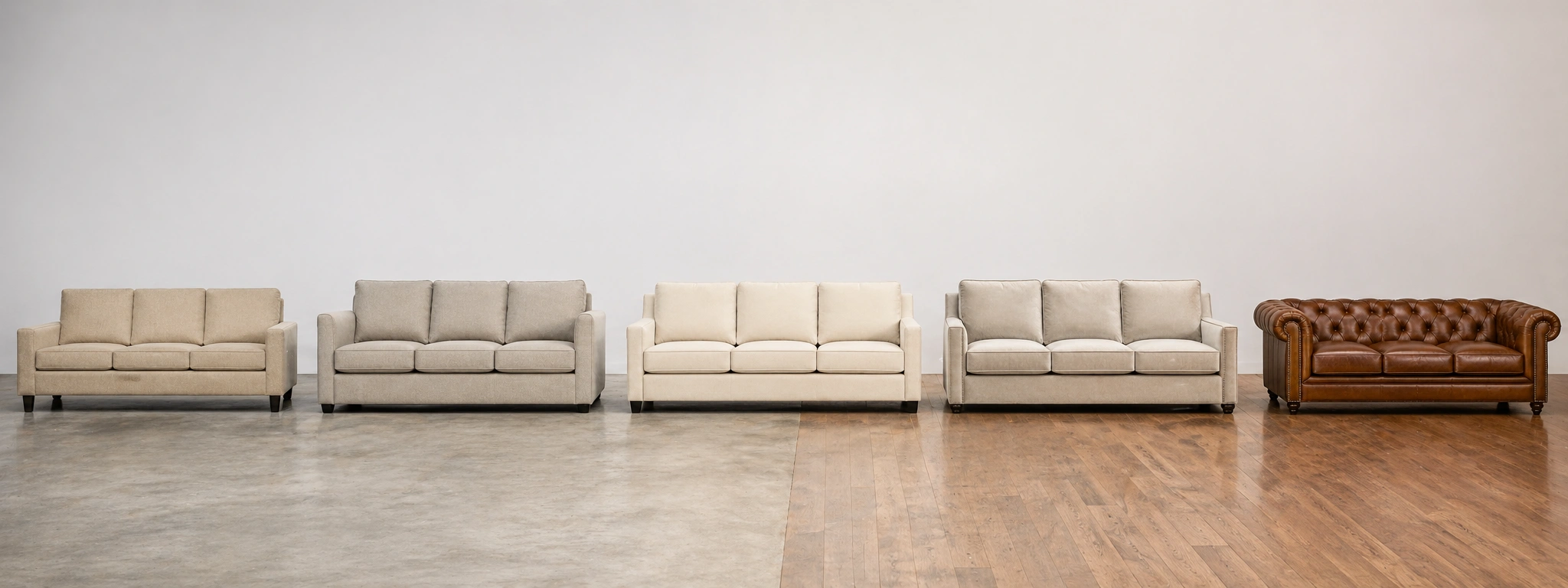
What Actually Drives Sofa Prices
A sofa's price tag isn't arbitrary. It reflects the sum of dozens of material and construction decisions. Here are the five major cost drivers, each of which can double or triple the final price depending on the choices made:
| Cost Factor | Budget Choice | Premium Choice | Price Impact |
|---|---|---|---|
| Frame | Particleboard / softwood | Kiln-dried hardwood | 2–4x more |
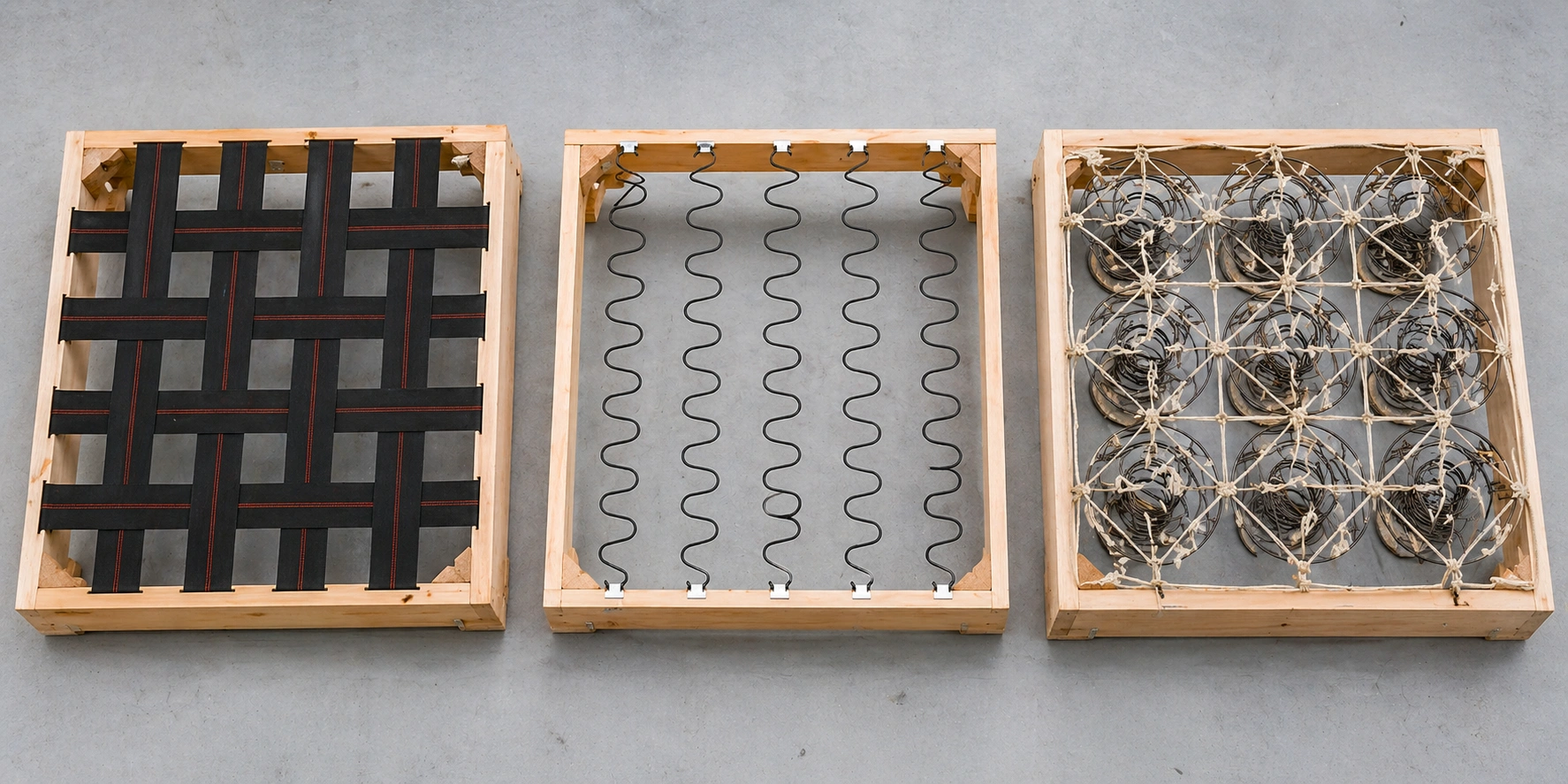
| Springs | Mesh / no springs | Eight-way hand-tied | 2–3x more |
| Cushion Foam | Low-density polyurethane | High-resilience HR foam + down | 2–3x more |
| Upholstery | Polyester / bonded leather | Top-grain leather / performance fabric | 3–5x more |
| Manufacturing | Mass-produced overseas | Handcrafted domestic | 2–4x more |
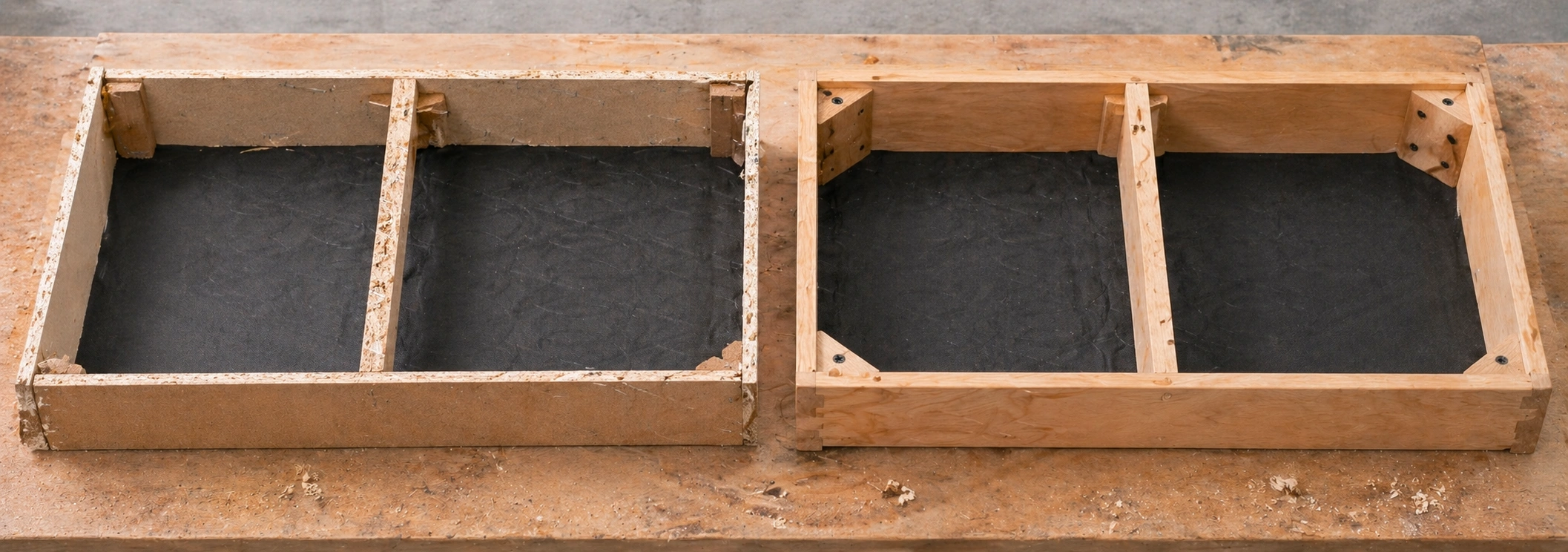
Two sofas that look identical on the showroom floor can have completely different internal construction. A hardwood frame alone can add $300–$800 to the cost compared to a composite frame. Similarly, the spring system hidden beneath the cushions is one of the biggest differentiators — yet it's completely invisible to the buyer. This is exactly why understanding these factors matters so much.
The Four Sofa Price Tiers — What You Get
Sofas naturally fall into four distinct price categories. Each tier has clear characteristics, expected lifespan, and trade-offs. Here's an honest breakdown:
- Particleboard or softwood frame
- No springs or basic mesh
- Low-density foam (1.0–1.5 lb)
- Thin polyester or bonded leather
- Mass-produced, minimal QC
- Limited or no warranty
- Hardwood or plywood frame
- Sinuous springs or pocket coils
- Medium-high density foam (1.8–2.5 lb)
- Durable fabric (15,000+ Martindale)
- Factory-assembled with QC
- 5–10 year frame warranty
- Kiln-dried hardwood frame
- Eight-way hand-tied springs
- High-resilience foam + down wrap
- Performance fabric or genuine leather
- Handcrafted with details
- 10–15 year comprehensive warranty
- Tempered hardwood, joinery-grade
- Eight-way hand-tied, custom gauge
- Blend of down, feathers, and HR foam
- Full aniline or top-grain leather
- Bespoke, artisan craftsmanship
- Lifetime or generational warranty
Where Quality Matters Most (And Where It Doesn't)
Not all quality investments are equal. Some upgrades dramatically extend your sofa's life, while others are mostly cosmetic. Here's a priority ranking based on actual durability impact:
- Frame Construction — This is the skeleton of your sofa. A kiln-dried hardwood frame with proper joinery (dowels, corner blocks, not just staples) can last decades. A particleboard frame will warp, crack, or wobble within 2–3 years. If you invest in only one thing, make it the frame.
- Spring System — The suspension system determines how your sofa feels and how well it supports weight over time. Sinuous springs are the minimum acceptable standard; eight-way hand-tied springs are the gold standard. A collapsed spring system cannot be fixed cheaply.
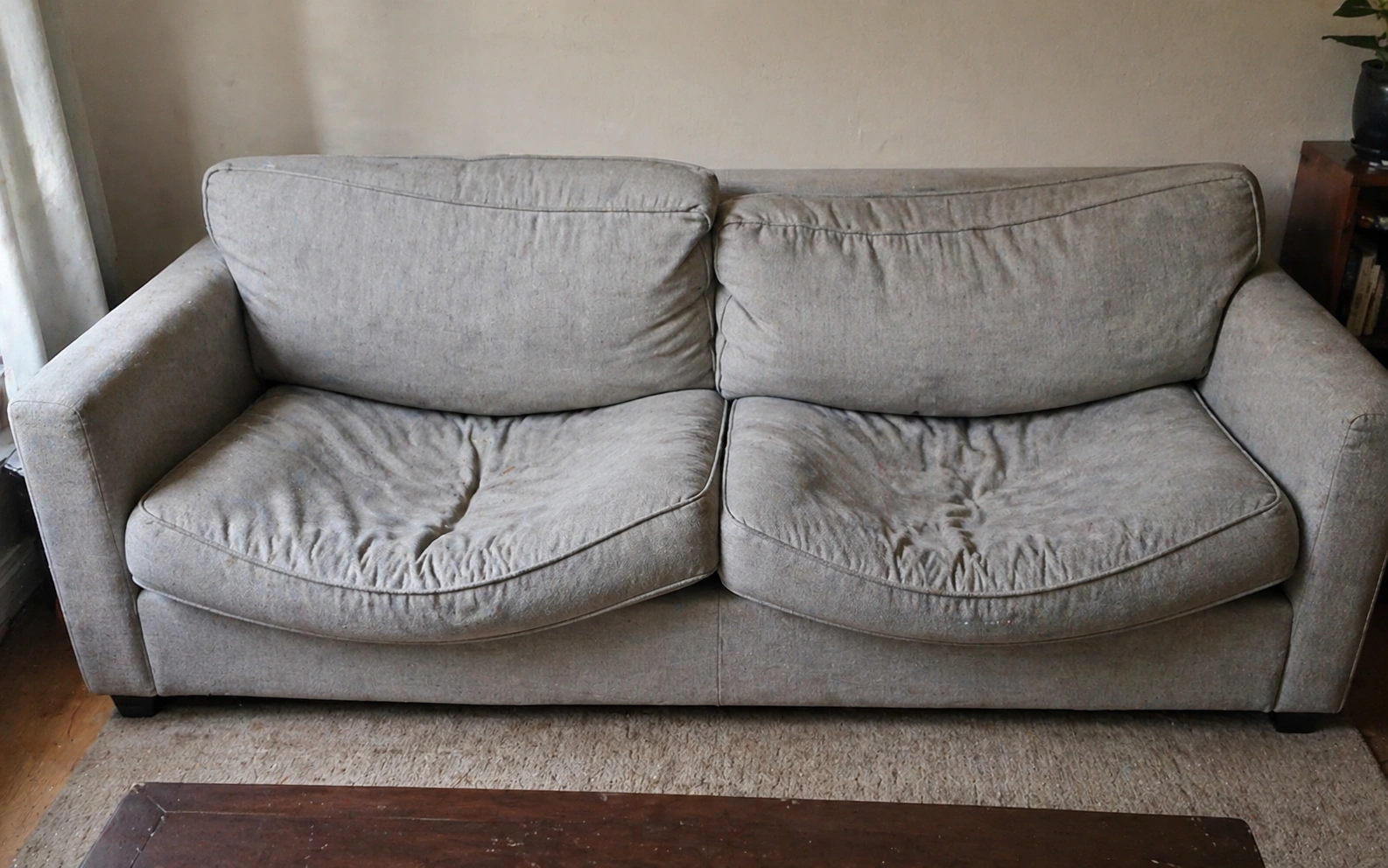
- Foam Density — Foam density directly controls how quickly cushions lose their shape. Budget sofas use foam rated 1.0–1.5 lb/ft³ which flattens within months. Quality sofas use 2.0+ lb/ft³ high-resilience foam that maintains support for years.
- Upholstery Durability — The Martindale rub test score tells you how well fabric resists wear. Look for 15,000+ cycles for daily use, 30,000+ for heavy use. For leather, top-grain leather outlasts bonded or split leather by 5–10x.
- Cushion Wrapping — Foam wrapped in Dacron or down creates a softer feel without sacrificing support. This is a comfort upgrade, not a durability one, but it dramatically improves the sitting experience.
- Legs and Hardware — Solid wood or metal legs are functional and durable. Decorative legs add style but have minimal impact on longevity. This is an area where you can safely save.
The Hidden Costs of Choosing Cheap
A $300 sofa is never really $300. Over its shortened lifespan, it generates hidden costs that often exceed the price of a quality alternative. Understanding these costs changes the math completely:
True Cost of a $300 Sofa (5 years)
- Initial purchase: $300
- Replacement after 2 years: $300
- Replacement after 4 years: $300
- Cushion inserts to delay sagging: $80
- Sofa cover to hide wear: $50
- Delivery fees (×3 purchases): $150
- Disposal fees (×2): $80
- Total: ~$1,260
True Cost of a $1,000 Sofa (8 years)
- Initial purchase: $1,000
- One delivery fee: $50
- Basic maintenance supplies: $30
- Fabric protection treatment: $40
- No replacement needed
- No disposal fees
- Comfortable for full 8 years
- Total: ~$1,120
The math shows that buying cheap can actually cost more over a 5-year period. This doesn't even account for the frustration of sitting on a sagging, uncomfortable sofa for months before finally replacing it. For a deeper look at unexpected expenses, see our guide on hidden costs of buying a sofa.
When Paying More Is Genuinely Worth It
Higher prices are justified in specific situations. Here's when you should seriously consider investing in the mid-range or premium tier:
- Daily primary use — If this sofa will be sat on for 3–6+ hours every day (family room, main living room), quality construction pays for itself within 2–3 years through comfort retention and durability.
- Homes with children or pets — Families need durable frames that can handle jumping, wear-resistant fabrics that resist stains, and construction that won't break under active use. Family-friendly sofas in the $1,000–$2,000 range outperform budget options dramatically.
- Pet owners — Cats and dogs are brutal on upholstery. Investing in pet-resistant sofas with performance fabrics or tight-grain leather saves you from claw marks, odor absorption, and premature replacement.
- Large or heavy households — A household of 4+ people puts significantly more stress on frames and springs. A 4-seater or 5-seater sofa needs an especially strong frame to prevent center sagging.
- You keep furniture for years — If you're not someone who redecorates frequently, a premium sofa at $2,500 amortized over 12 years costs about $208/year. A budget sofa at $400 replaced every 2 years costs $200/year — with far worse comfort.
- Back pain or ergonomic needs — A sofa that supports proper posture requires quality foam, appropriate seat depth, and proper spring support — none of which are found in budget options.
When Budget Options Make Perfect Sense
Not everyone needs a $1,500 sofa. There are legitimate scenarios where a budget purchase is the smart move:
- Temporary living situations — If you're renting for a year, in a transitional phase, or a student, a budget sofa fulfills your need without tying up capital. Just don't expect it to move with you twice.
- Occasional-use rooms — Guest rooms, formal living rooms used only for entertaining, or a guest room sofa that sees use a few times per month doesn't need premium construction.
- First apartment or starter home — When you're building your life, cash flow matters more than furniture longevity. Start budget, plan to upgrade in 2–3 years. Check out our best budget sofas for options that maximize what you get for under $500.
- Supplementary seating — A second sofa in a basement, rec room, or home theater that gets light, occasional use doesn't justify premium spending.
- You're uncertain about your style — If you're still figuring out your design preferences, it's better to spend $400 on a sofa you'll replace in 2 years than $2,000 on one you'll tire of in 6 months.
Smart Strategies to Maximize Value
Getting the best value isn't about finding the cheapest sofa — it's about paying the right price for the right quality. These strategies help you do exactly that:
1. Shop During the Right Season
Furniture prices follow predictable cycles. The best time to buy a sofa is during major holiday sales (Memorial Day, July 4th, Labor Day, Black Friday) and end-of-season clearance events in January and August. You can save 20–40% on mid-range and premium sofas during these periods — effectively getting next-tier quality at a lower-tier price.
2. Prioritize the Frame, Compromise on Fabric
The frame and springs are irreversible — you can't upgrade them later. Upholstery can be replaced. If budget is tight, find a sofa with a solid hardwood frame and good springs, even if the fabric isn't your first choice. You can reupholster later or add a stylish slipcover. Use our sofa quality checklist to evaluate frames when shopping.
3. Consider a Modular Sofa for Flexibility
Modular sofas let you start small and add pieces over time. This spreads the cost and lets you invest in quality gradually. If one section gets damaged, you replace just that piece — not the entire sofa. This approach often provides better long-term value than buying a full sectional sofa upfront.
4. Evaluate Secondhand vs New
A 3-year-old premium sofa ($2,000 new) sold for $600–$800 on the secondhand market is often a better deal than a brand-new budget sofa at the same price. The premium frame, springs, and cushion core still have 7–12 years of life. The key is inspecting for frame damage, spring condition, and cushion support before buying.
5. Understand the Full Price Breakdown
Retail prices include significant markups for showroom overhead, sales commissions, and brand positioning. Direct-to-consumer brands often offer comparable quality at 30–50% less by cutting out the middleman. Understanding where your money goes helps you identify overpriced options.
6. Don't Overpay for Features You Won't Use
A sofa with USB ports sounds appealing, but built-in electronics become outdated quickly and can't be replaced. Similarly, a sleeper sofa mechanism adds $200–$500 to the price — only worth it if you regularly host overnight guests. Focus spending on structural quality, not gadgets.
Component-by-Component: Where Every Dollar Goes
For buyers who want to understand the details, here's exactly how quality differences manifest in each component:
| Component | Budget ($200–$500) | Mid-Range ($800–$1,500) | Premium ($1,500–$3,500) |
|---|---|---|---|
| Frame Wood | Particleboard, MDF, pine | Plywood, birch, poplar | Oak, maple, ash (kiln-dried) |
| Frame Joints | Staples, glue only | Dowels + glue, some screws | Dowel + corner block + glue |
| Spring Type | Elastic webbing or mesh | Sinuous (S-type) springs | Eight-way hand-tied |
| Foam Density | 1.0–1.5 lb/ft³ | 1.8–2.5 lb/ft³ | 2.5–3.0+ lb/ft³ HR foam |
| Cushion Wrap | None or thin Dacron | 1" Dacron wrap | Down/feather blend wrap |
| Fabric Durability | 5,000–10,000 rubs | 15,000–25,000 rubs | 30,000–100,000+ rubs |
| Leather (if applicable) | Bonded or faux leather | Corrected grain / split | Top-grain or full aniline |
| Seat Depth | Inconsistent, often shallow | Standard 20–22" | Optimized 21–24" |
| Finish Quality | Visible staples, uneven seams | Clean seams, even tailoring | Hand-finished, pattern matching |
Notice the pattern: budget sofas cut corners on every single component. Mid-range sofas make acceptable choices across the board. Premium sofas invest in the best option for each component. This compounding effect is why a premium sofa can last 5–10x longer than a budget one — it's not one thing, it's everything working together.
Balancing Comfort and Durability at Any Price
One of the trickiest aspects of the price-quality relationship is that the most durable option isn't always the most comfortable. Ultra-firm high-density foam lasts forever but feels like sitting on a board. Ultra-soft down cushions feel luxurious but compress within months. The sweet spot lies in understanding the comfort vs durability trade-off:
Also consider the firm vs plush decision carefully. Firm sofas aren't inherently less comfortable — they provide better spinal support and maintain their shape longer. If you prefer a plush feel, be prepared to fluff and rotate cushions regularly, regardless of price point. For a deeper understanding, read our guide on how to test sofa comfort before buying.
Red Flags That Mean You're Overpaying
Expensive doesn't always mean quality. Watch out for these common tactics that inflate price without adding real value:
- Brand name markup without construction details — If a retailer can't or won't tell you what's inside the frame and cushions, the premium is likely going to marketing, not materials.
- "Italian design" or "European style" without substance — These phrases suggest aesthetic inspiration, not actual manufacturing quality. A sofa assembled overseas with cheap internals and Italian-sounding styling is still a cheap sofa.
- Heavy decorative elements with lightweight construction — Tufting, nailhead trim, and carved wood accents are expensive add-ons that don't improve durability. A tufted sofa costs more to produce but the tufting doesn't make the frame stronger.
- Short warranty on expensive pieces — A $2,500 sofa with only a 1-year warranty is a warning sign. Quality manufacturers stand behind their products with 10+ year frame warranties.
- Pressure tactics and "limited time" pricing — If the deal is only available today, it's probably not a deal. Reputable retailers offer consistent pricing with periodic legitimate sales.
Your Quick Decision Framework
Based on everything above, here's a simple decision guide to help you determine the right price point for your situation:
| Your Situation | Recommended Spend | Why |
|---|---|---|
| First apartment, unsure of style | $300–$600 | Low commitment, plan to upgrade in 2–3 years |
| Guest room / occasional use | $400–$800 | Light use doesn't demand premium construction |
| Primary living room, 1–2 people | $800–$1,500 | Sweet spot for daily comfort and 5–8 year lifespan |
| Family with kids and/or pets | $1,000–$2,000 | Needs durable frame, stain-resistant fabric, heavy-duty construction |
| Large family / heavy daily use | $1,500–$3,000 | Maximum durability needed, amortized over 10+ years |
| Design investment / forever piece | $2,500–$5,000+ | Artisan quality, customization, generational durability |
For a more detailed budgeting approach, check our comprehensive sofa budget guide which includes worksheets and monthly savings plans. If you're still unsure how much a good sofa should cost, that FAQ answer provides specific numbers based on sofa type and size.
Frequently Asked Questions
Final Takeaway
The relationship between sofa price and quality isn't linear — it follows a curve where the biggest quality jumps happen between $300–$1,500, and returns diminish above $2,500 for most households. The smartest buyers aren't the ones who spend the most or the least — they're the ones who understand what they're paying for and match their investment to their actual needs.
1. Always invest in the frame and springs first — they determine 70% of a sofa's lifespan.
2. The $800–$1,500 range is the value sweet spot for most buyers — you get quality construction without paying for brand markup.
3. A cheap sofa is never truly cheap when you factor in replacement costs — do the 5-year math before deciding.
Ready to find a sofa that delivers real value? Explore our curated recommendations below, or dive deeper with our complete sofa buying guide for a step-by-step purchasing process.


