What Sofa Is Best for Pets? The Complete Guide for Pet Owners
From scratch-resistant fabrics to washable slipcovers — learn exactly what makes a sofa survive dogs, cats, and everyday pet life without sacrificing style or comfort.
Owning a Pet Does Not Mean Sacrificing Your Sofa
If you are here, you already know the frustration: you bring home a beautiful sofa, and within weeks it is covered in fur, dotted with claw marks, or stained from an excited tail-wagging greeting. The good news is that the furniture industry has caught up. There are now sofas specifically engineered to withstand everything your pet can throw at them — and they look great doing it.
This guide breaks down exactly what makes a sofa pet-friendly, which fabrics hold up best against claws and fur, which sofa designs give you the easiest maintenance, and what features actually matter versus what is just marketing. By the end, you will know exactly what to look for and what to avoid. For a broader starting point, our complete sofa buying guide covers all the fundamentals of choosing any sofa.
The Five Challenges Every Pet Owner Faces
Before we talk about solutions, you need to understand exactly what your sofa is up against. Different pets create different problems, but they all fall into five categories:
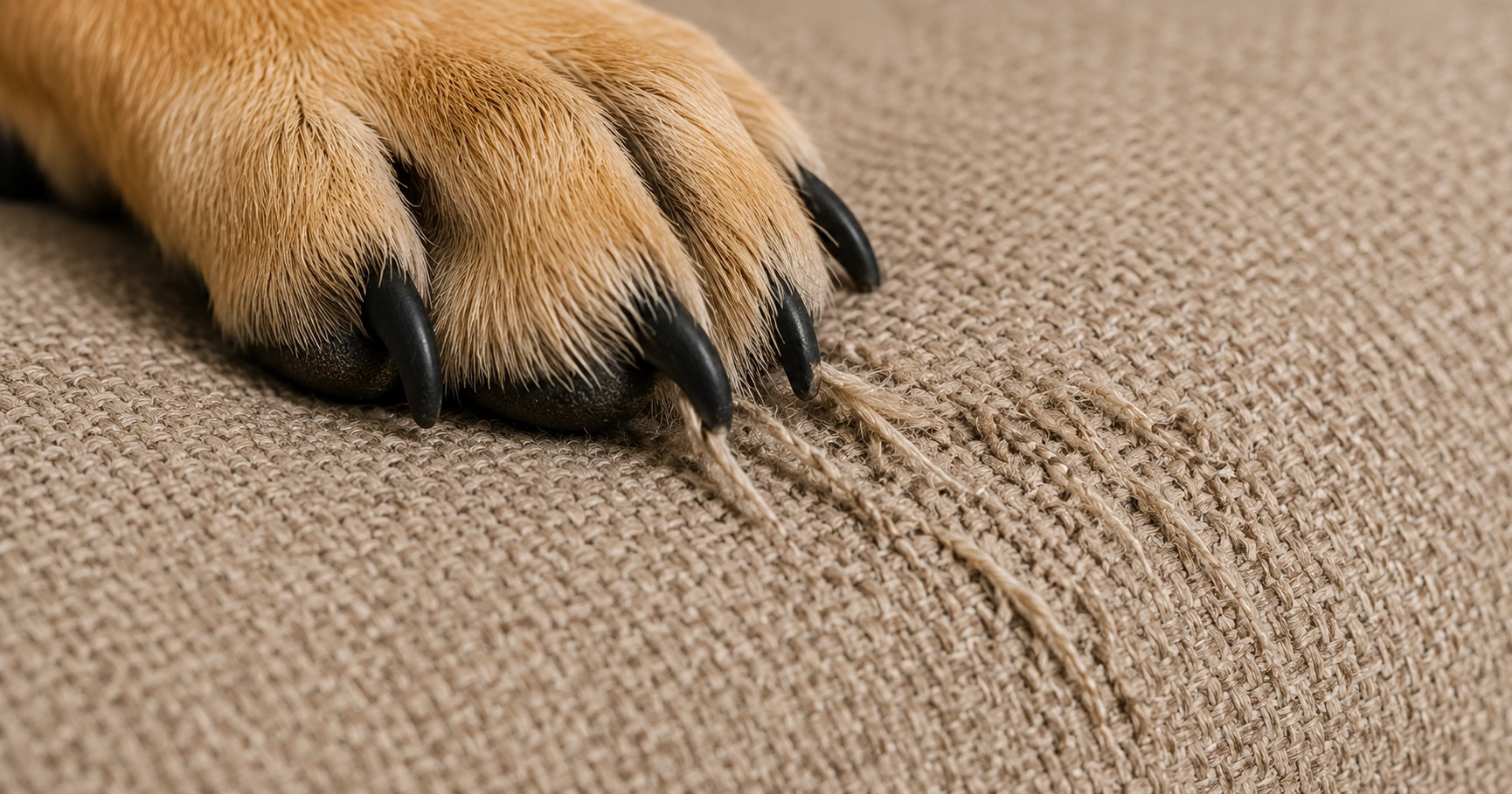
Claw damage is the most visible and expensive pet-related sofa problem
1. Scratching and Snagging
Cats scratch to mark territory and shed claw sheaths. Dogs scratch to dig, settle in, or out of boredom. Both can destroy loosely woven fabrics like velvet, chenille, and linen in a matter of days. Even fabrics that resist scratches can eventually show wear in high-traffic pet areas like armrests and seat fronts.
2. Pet Hair Accumulation
Some fabrics act like magnets for pet hair — it embeds into the weave and becomes nearly impossible to remove without a specialized tool. Short-haired pets are actually worse than long-haired ones in this regard because fine hairs weave into tight fabric threads more easily.
3. Stains from Accidents, Drool, and Mud
Paws track mud. Drool accumulates on armrests. Accidents happen — especially with puppies, senior dogs, or cats with litter box issues. A sofa that absorbs liquids will develop permanent odors and stains that no cleaner can fully remove.
4. Odors
Pet body oils, dander, and any accidents that seep into cushions create odors that get trapped inside the sofa. Once odors penetrate the foam and frame, the only solution is replacing the internal materials — which is expensive or impossible.
5. Wear and Sagging from Pet Activity
Large dogs jumping on and off a sofa create concentrated impact on the seat edges and springs. Over time, this causes cushion sagging and can even damage the spring system underneath. A 70-pound Labrador landing on the same spot daily puts more stress on a sofa than years of normal human use.
A truly pet-friendly sofa must address all five challenges simultaneously — not just one. A fabric that resists hair but stains easily is not a good solution. A sofa that repels stains but cannot handle scratching is not either. The best pet sofas are the ones that perform well across every category.
Best Upholstery Fabrics for Pets (Ranked)
Fabric choice is the single most important decision you will make. The right fabric eliminates 80% of pet-related sofa problems before they start. Here is how the most common options compare:
| Fabric | Scratch Resistance | Hair Release | Stain Resistance | Odor Resistance | Best For |
|---|---|---|---|---|---|
| Performance Fabric (Crypton, Revolution) | Excellent | Excellent | Excellent | Excellent | All pets, all situations |
| Outdoor Fabric (Sunbrella) | Excellent | Good | Excellent | Excellent | Droolers, muddy paws, shedders |
| Genuine Leather | Fair (cats) | Excellent | Excellent | Excellent | Dog owners (not cats) |
| Microfiber | Good | Moderate | Good | Moderate | Budget-friendly, dogs |
| Tight-Weave Canvas | Good | Moderate | Moderate | Moderate | Light scratching, low budget |
| Velvet | Poor | Poor | Fair | Poor | Pet-free homes only |
| Chenille | Poor | Poor | Fair | Poor | Pet-free homes only |
| Silk / Linen (loose weave) | Very Poor | Fair | Poor | Poor | Pet-free homes only |
The clear winner across all categories is performance fabric. These are engineered textiles (brands like Crypton, Revolution, and Brentano) that are treated at the fiber level to resist stains, moisture, odors, and bacterial growth. They have tight weaves that resist snagging and smooth surfaces that release pet hair easily. Many are also bleach-cleanable — a lifesaver for serious accidents. For a deeper dive into durability ratings, check our guide on the Martindale abrasion test, which measures how many rubs a fabric can withstand before showing wear.
Performance Fabric Deep Dive
What makes performance fabric different from regular fabric is not just a surface treatment — the fibers themselves are engineered for durability. Crypton, for example, uses a patented process that encapsulates every fiber in a moisture barrier while maintaining a soft hand-feel. Revolution fabric is made from recycled polyester and resists stains without any chemical coating. Both score above 50,000 on the Martindale test, far exceeding the 15,000 minimum recommended for residential use.
The one trade-off is texture variety. Performance fabrics tend to come in solid colors and simpler weaves. If you want a textured look like bouclé or chenille, you will have to accept less pet durability. For most pet owners, the trade-off is absolutely worth it.
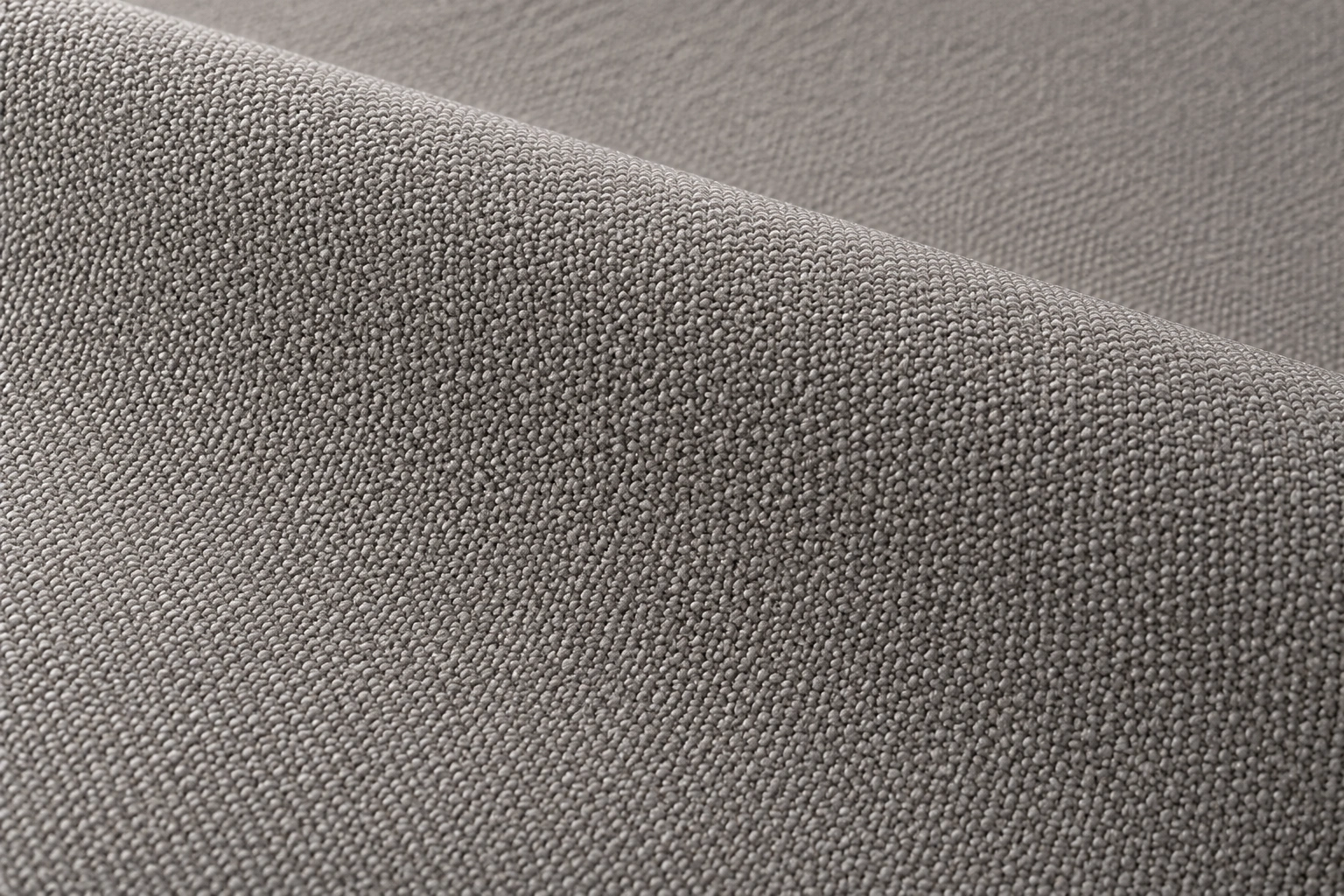
Performance fabric tight weave — claws cannot catch on the smooth surface
Leather: Great for Dogs, Risky for Cats
Leather deserves a separate discussion because it is one of the most popular choices for pet owners, but its suitability depends entirely on whether you have dogs or cats. Our leather vs fabric comparison covers this in broader detail, but here are the pet-specific considerations:
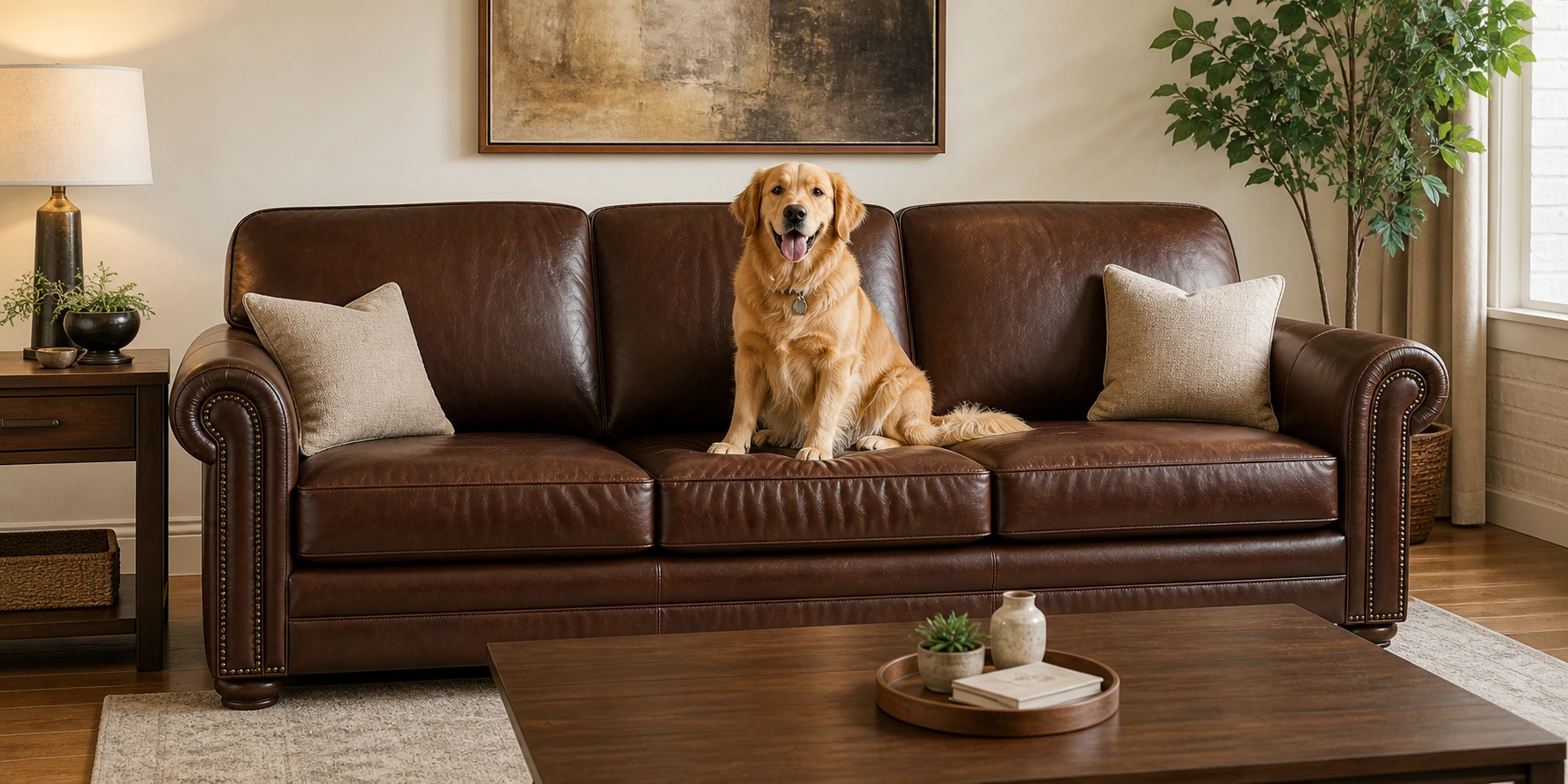
Leather works beautifully for dogs — hair wipes off and stains do not absorb
Why Leather Works for Dogs
- Zero hair absorption: Pet hair sits on the surface and wipes off with a damp cloth. No brushing, no lint rollers needed.
- Stain-proof surface: Liquids cannot penetrate sealed leather. Drool, muddy paws, and accidents simply wipe clean.
- Odor-resistant: Leather does not absorb pet odors the way fabric does. Even years of use, a quick wipe-down removes any residual smell.
- Easy maintenance: Regular leather conditioning keeps the surface supple and prevents cracking from pet nails.
Why Leather Fails for Cats
Cat claws puncture leather with every jump and kneading session. Unlike fabric, where a scratch might only affect the surface fibers, a cat claw creates a permanent hole in leather that cannot be repaired invisibly. Over time, a leather sofa with a cat will develop a pattern of small puncture marks concentrated on the armrests and seat fronts. Full-grain leather is more resistant than bonded leather, but no leather type is truly cat-proof.
Faux leather (polyurethane or PVC) is actually worse than genuine leather for pet owners. It peels and cracks with minimal use, and pet claws accelerate this process dramatically. If you want a leather look with cats, choose a leather-look performance fabric instead — it mimics the appearance without the vulnerability.
Slipcovered Sofas: The Ultimate Safety Net
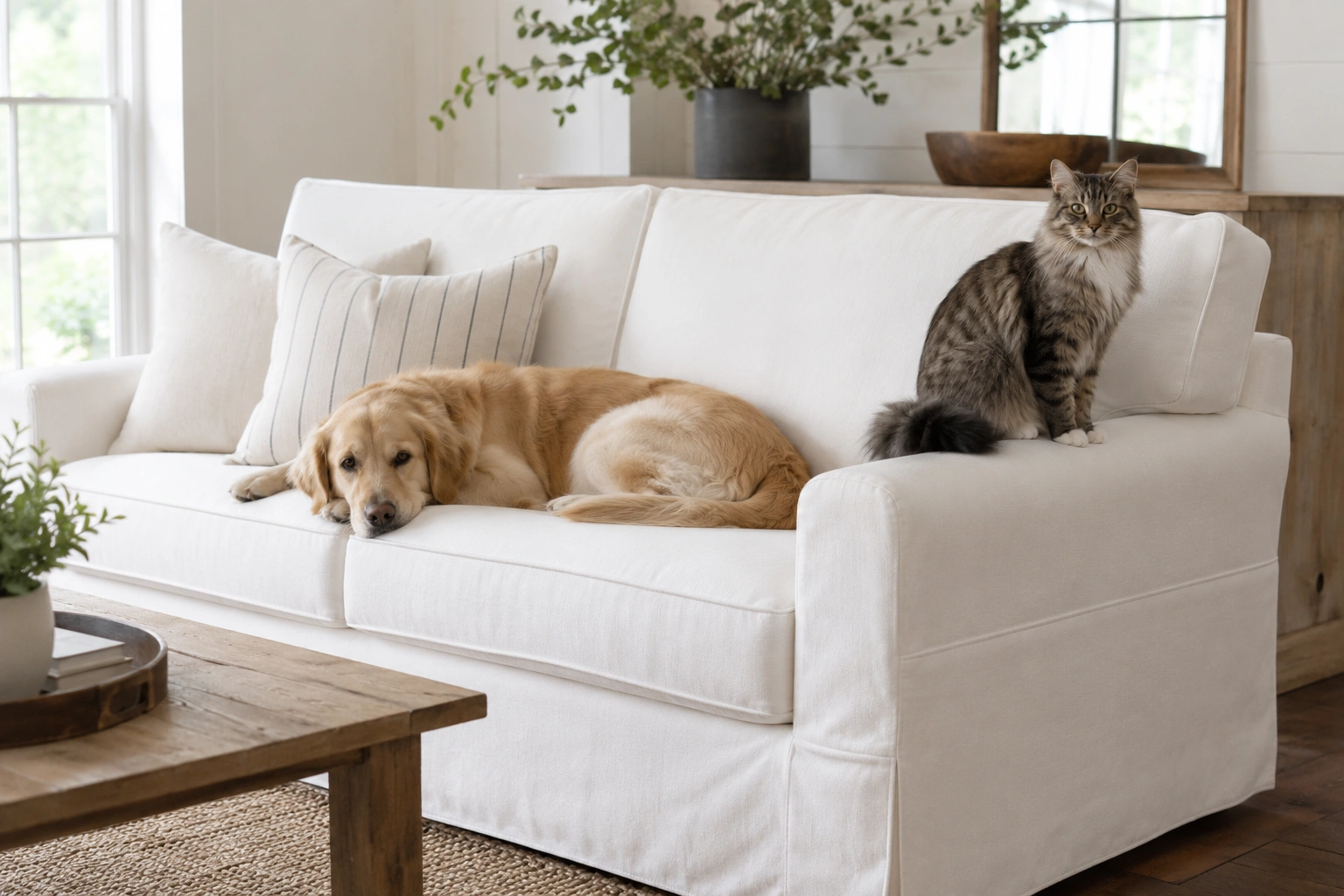
Slipcovers can be removed and washed whenever needed — the ultimate pet owner advantage
If there is one feature that gives pet owners the most peace of mind, it is a removable, machine-washable slipcover. The logic is simple: no matter how careful you are about fabric choice, pet messes will happen. With a slipcovered sofa, the worst-case scenario is throwing the cover in the washing machine — not living with a permanent stain or paying for professional cleaning.
Slipcovers work best when they are tight-fitting and made from a durable, washable fabric. A loose, baggy slipcover looks sloppy and shifts every time your pet jumps on or off, which creates more problems than it solves. Look for tailored slipcovers with elastic edges or zippered cushions that stay put during pet activity.
The biggest advantage is long-term value. When a slipcover eventually becomes worn, stained beyond cleaning, or damaged by claws, you can buy a replacement cover for a fraction of the cost of reupholstering or replacing the entire sofa. Some manufacturers sell the same sofa frame with dozens of cover options, so you can even change your room's look when the mood strikes. If your pet has an accident that penetrates to the cushions, you can also purchase replacement cushions without replacing the whole sofa.
Keep one set on the sofa and one set clean in the closet. When pet mess happens, swap the dirty cover for the clean one immediately. This means you never have to look at a stained sofa while waiting for laundry day — and your pet still has a comfortable place to sit in the meantime.
Best Sofa Types for Pet Owners
Beyond fabric, the actual design and construction of the sofa matters. Some sofa types are inherently more pet-friendly than others:
1. Slipcovered Sofas (Any Style)
As discussed above, any sofa with a removable, washable cover automatically ranks high for pet owners. Brands like IKEA, Pottery Barn, and BenchMade Modern offer extensive slipcover options in pet-friendly fabrics.
2. Outdoor-Indoor Hybrid Sofas
Sofas upholstered in outdoor-grade fabric like Sunbrella are gaining popularity as indoor pet sofas. The fabric is solution-dyed (color goes all the way through the fiber, not just on the surface), so fading and staining are virtually impossible. These sofas are water-resistant, mold-resistant, and can be hosed down or spot-cleaned with bleach for serious messes. They are ideal for dogs that swim, drool excessively, or track in mud regularly.
3. Microfiber Sofas
Microfiber couches offer good scratch resistance at a lower price point than performance fabrics. The ultra-fine fibers create a dense surface that is difficult for claws to penetrate. The main drawback is hair — microfiber's soft texture holds onto pet hair more tenaciously than smooth performance fabrics. A rubber-bristled brush or damp sponge removes most hair, but it requires more frequent attention. For cleaning guidance, see our microfiber cleaning guide.
4. Modular Sofas
Modular sofas have a hidden advantage for pet owners: individual sections can be replaced. If your dog always destroys one corner seat, you can swap out just that module instead of replacing the entire sofa. This modular approach also lets you rearrange the configuration to create a pet-friendly layout — for example, positioning the chaise section away from high-traffic pet paths.
5. Sofas with Washable Fabric (Built-In)
A newer category is sofas explicitly marketed as washable sofas, where the entire upholstery is designed to be removed and machine-washed. Unlike traditional slipcovers, these are integrated into the sofa design for a tailored fit. This is the closest thing to a "set it and forget it" solution for pet owners — when it gets dirty, wash it. When it wears out, replace it.
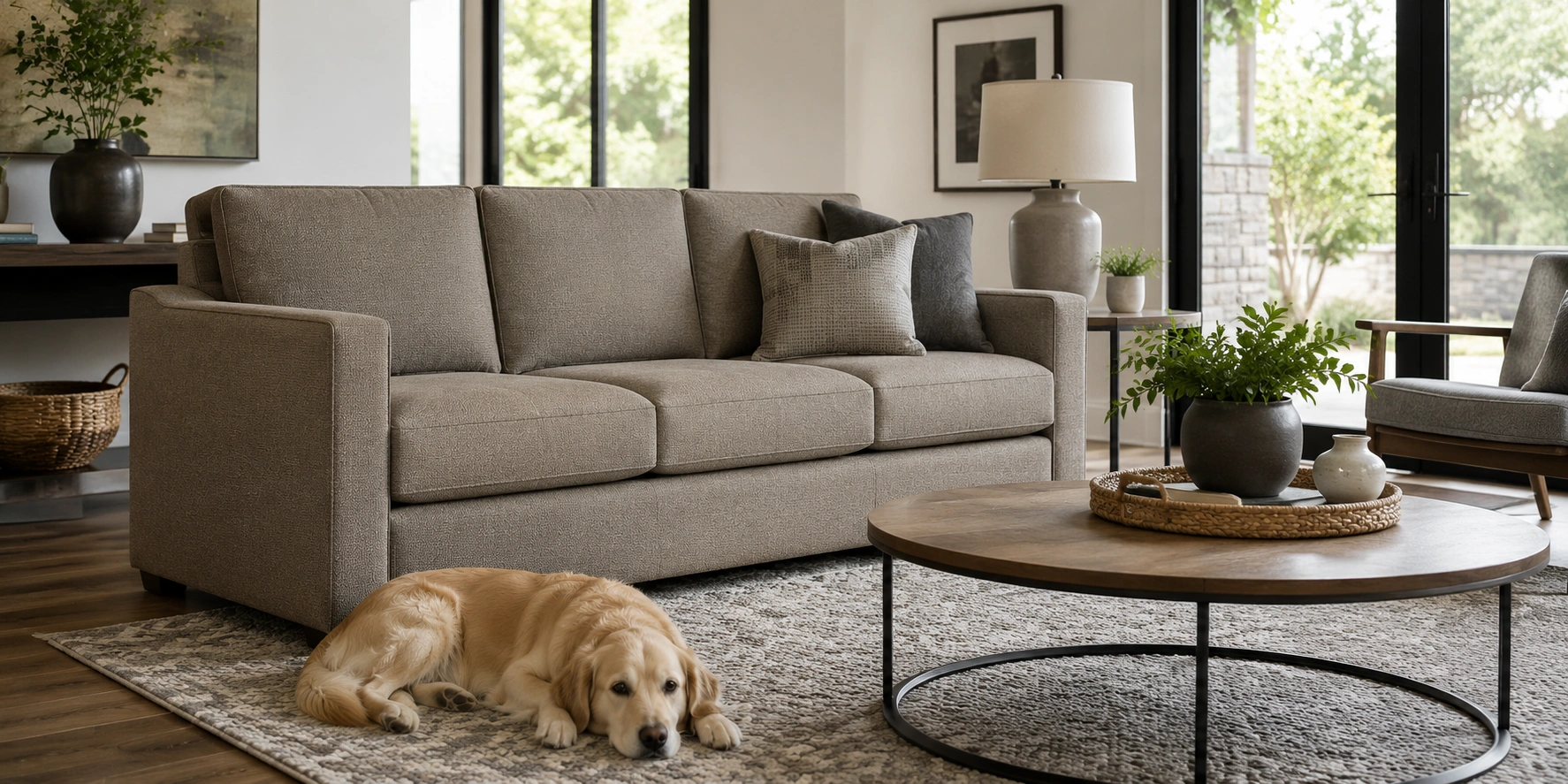
Outdoor-grade fabric used indoors — virtually indestructible for pet households
Essential Features to Look For
Regardless of fabric type or sofa style, these specific features make a meaningful difference for pet owners:
Tight Weave
The tighter the fabric weave, the harder it is for claws to catch and pull. Hold the fabric up to light — if you can see through it easily, it is too loose for pets.
Removable Cushion Covers
Even if the main sofa body is not slipcovered, having zippered cushion covers allows you to wash the part your pet touches most. This is the minimum standard.
Patterned or Textured Surface
Solid colors show every hair and stain. Patterns like tweed, herringbone, or subtle stripes camouflage pet hair and minor imperfections between cleanings.
Raised Legs (4+ inches)
Sofas that sit directly on the floor trap pet hair, dust bunnies, and toys underneath. Raised legs allow you to sweep or vacuum underneath easily.
Stain-Resistant Treatment
Even with pet-friendly fabric, an additional stain-resistant treatment like Scotchgard adds a protective barrier. Reapply it every 6-12 months for best results.
Solid Frame Construction
Pets jumping on and off stresses the frame and joints. A kiln-dried hardwood frame with corner blocks handles this impact far better than particleboard or softwood.
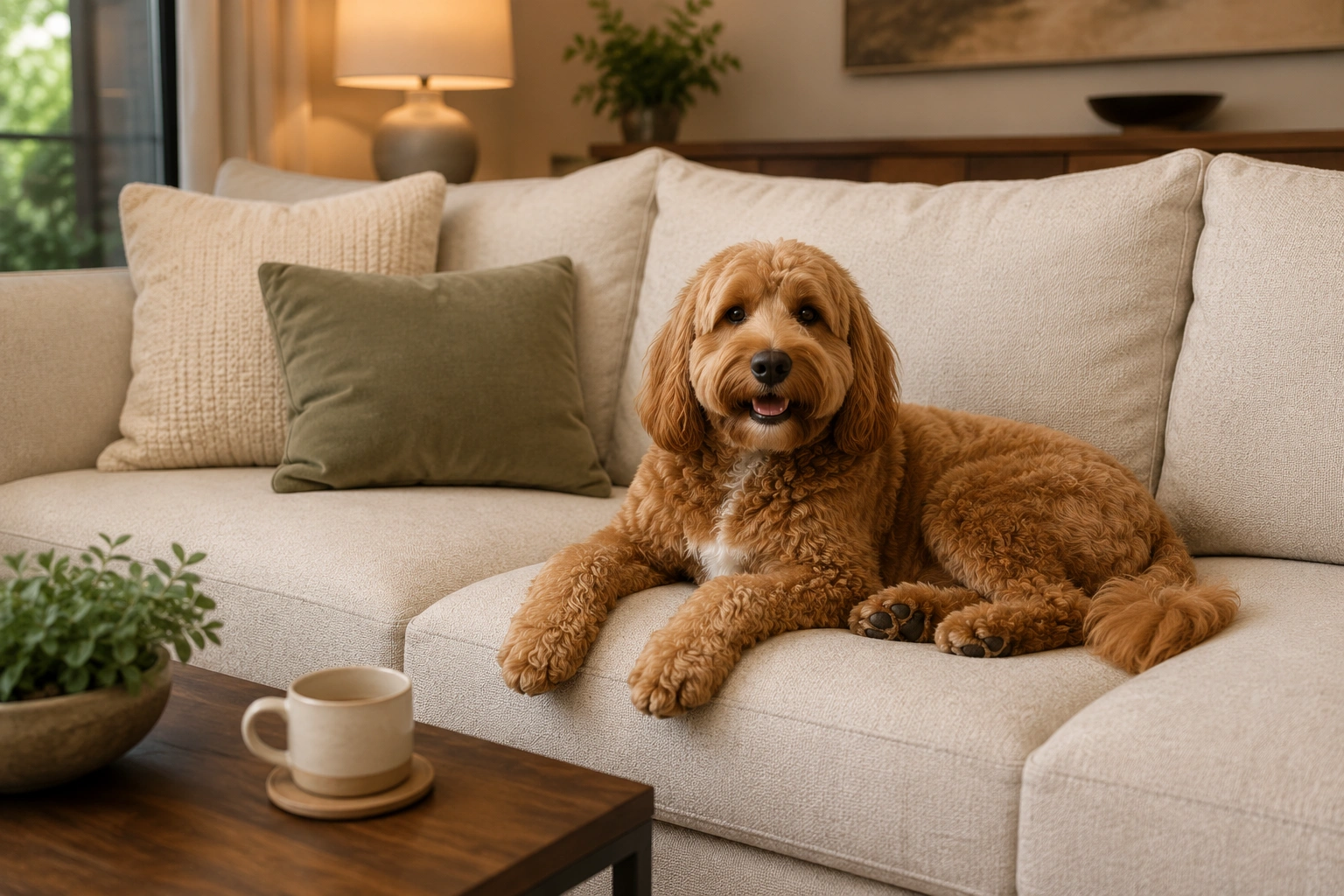
The most effective way to hide pet hair is to match your sofa color to your pet's fur. A beige sofa with a golden retriever will look perpetually dirty. The same sofa with a black cat looks pristine. If you have multiple pets of different colors, choose a medium-tone pattern — tweed, heathered gray, or a subtle geometric print works for any pet hair color.
Dogs vs Cats: Different Needs, Different Solutions
While many pet-friendly sofa principles overlap, dogs and cats present fundamentally different challenges that affect your ideal choice:
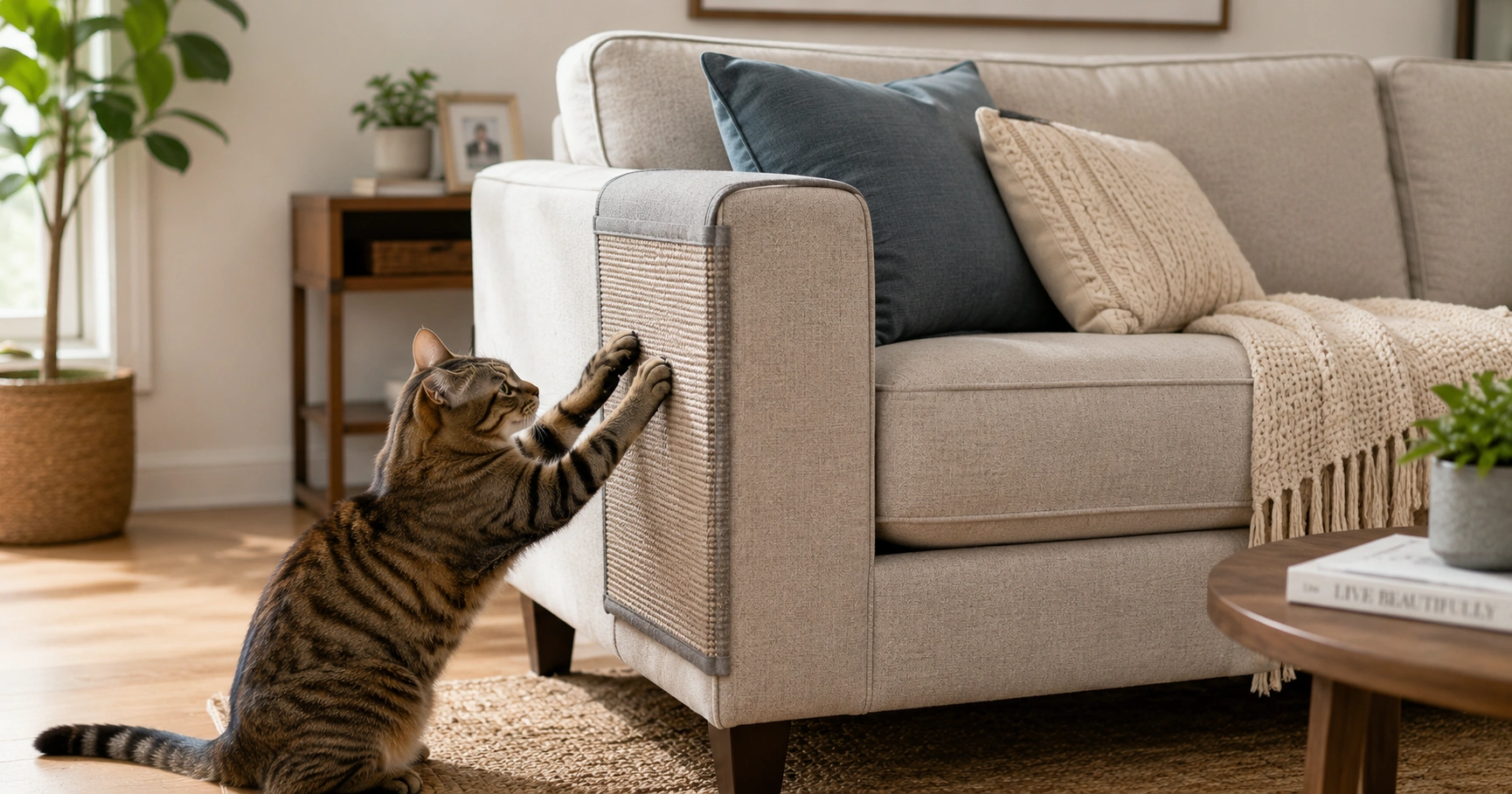
Cats target specific areas like corners and armrests — protect these zones first
For Dog Owners, Prioritize:
- Stain and moisture resistance: Dogs drool, track mud, and have occasional accidents. Waterproof or water-resistant fabric is essential.
- Hair-release surface: Smooth or semi-smooth fabrics that do not trap hair. Leather, performance fabric, and tight microfiber are ideal.
- Weight capacity: Large dogs (50+ lbs) stress sofa frames and cushions. Look for high-density foam (2.0+) and reinforced frames.
- Odor resistance: Dogs develop a "dog smell" on fabric over time. Non-porous materials like leather and performance fabrics prevent this.
- Easy wipe-clean surface: For muddy paws and drool, you want a surface you can clean with a damp cloth in seconds, not a multi-step fabric cleaning process.
For Cat Owners, Prioritize:
- Scratch resistance above all: This is the number one concern. Tight-weave performance fabric, canvas, or microfiber. Never velvet, chenille, or leather.
- Replaceable covers: Even scratch-resistant fabric will eventually show wear in a cat's favorite scratching spots. Slipcovers or replaceable cushion covers are essential.
- Textured patterns: Cats prefer smooth surfaces for scratching. A slightly textured or patterned fabric is less appealing to their claws.
- Armrest protection: Armrests are the most scratched area. Consider a sofa with track arms (no exposed fabric on the arm front) or add pet-proof sofa covers to the armrests specifically.
- Deterrent compatibility: Some fabrics work well with double-sided sticky tape or furniture scratch guards. Smooth, tightly woven fabrics accept these protections better than textured ones.
If you have both dogs and cats, prioritize the cat's needs. Cats are harder on furniture than dogs in terms of irreversible damage — you can clean dog hair and stains, but you cannot undo claw punctures. Choose a tight-weave performance fabric with a slipcover, and add physical scratch protection to the corners and armrests.
Maintenance Routine for Pet-Friendly Sofas
Even the best pet-friendly sofa needs regular maintenance to stay clean and odor-free. Here is a weekly routine that takes under 30 minutes:
- Daily (2 minutes): Quick lint roller pass over the areas your pet sits most. This prevents hair from embedding into the fabric weave.
- Weekly (10 minutes): Vacuum the entire sofa with an upholstery attachment. Use a rubber-bristled pet hair tool for stubborn areas. Wipe down leather or performance fabric with a damp microfiber cloth.
- Monthly (15 minutes): Apply fabric protection spray to maintain the stain-resistant barrier. Check for early signs of wear, loose threads, or claw damage. Spot-clean any minor stains before they set.
- Quarterly (30 minutes): Deep clean the entire sofa. For washable slipcovers, remove and launder according to care instructions. For non-removable upholstery, use an upholstery cleaner or steam cleaner. Flip and rotate cushions to ensure even wear.
For specific stain situations, our stain removal guide covers pet-specific stains like urine, vomit, mud, and blood. For general fabric cleaning, see our guides on cleaning fabric sofas and cleaning leather sofas.
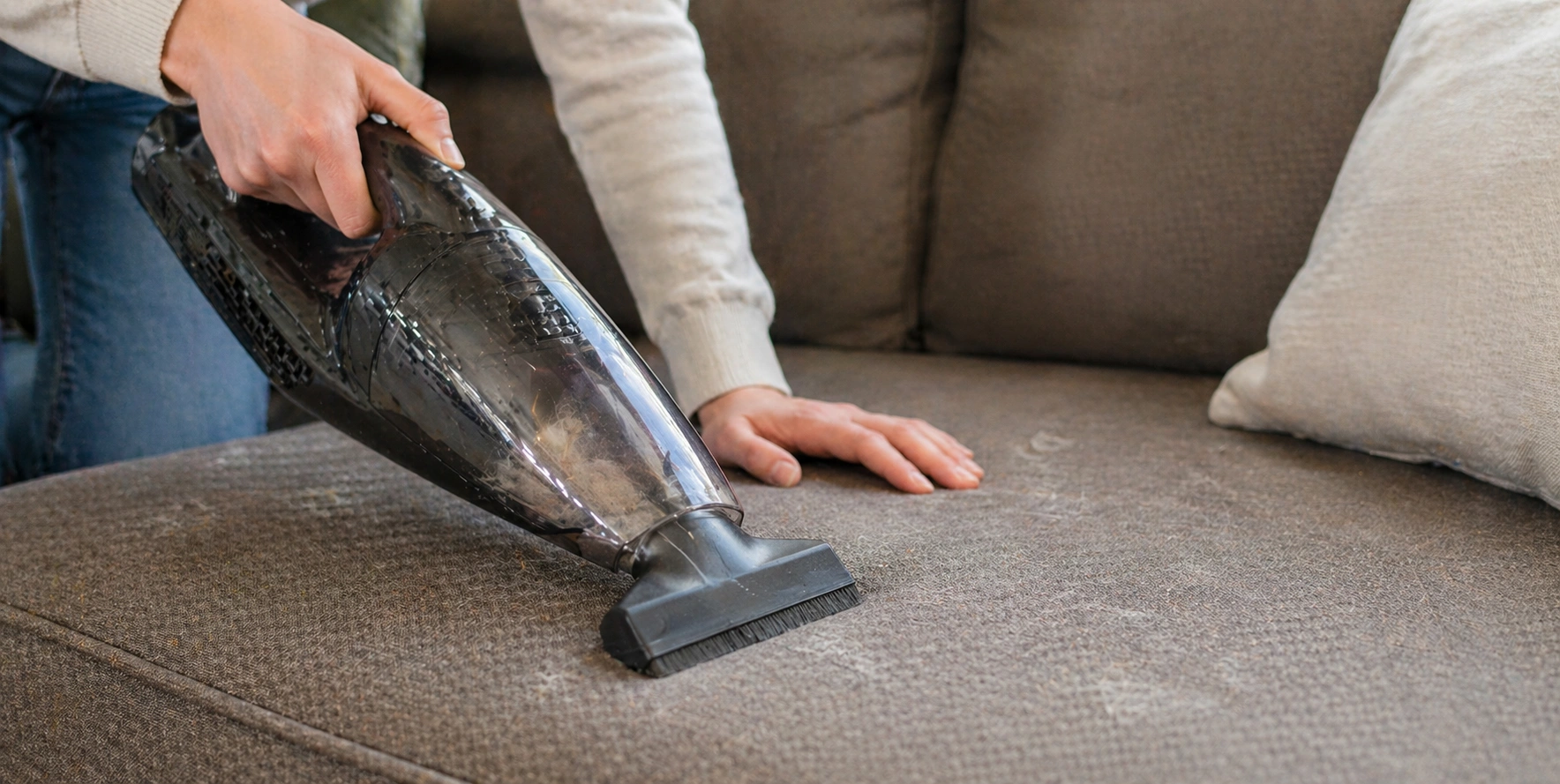
Weekly vacuuming with an upholstery attachment prevents hair from embedding permanently
Never use fabric softener on slipcovers — it coats fibers and reduces stain resistance. Never use bleach on colored fabrics unless the manufacturer explicitly states it is bleach-cleanable. Never steam-clean leather — the heat can damage the finish. And never let wet slipcovers air-dry on the cushions, as moisture can transfer to the foam and cause mold or odor issues.
Extra Protection Layers Worth Considering
Even with a pet-friendly sofa, adding extra protection extends its life significantly and reduces your stress:
- Pet-specific sofa covers: Pet-proof sofa covers are heavier-duty than decorative throws. They are waterproof, scratch-resistant, and designed to stay in place. Use them when you are away from home or during shedding season.
- Waterproof seat liners: Thin waterproof pads placed under the cushion covers protect the foam from accidents, spills, and drool. They are invisible and cost very little but prevent the most expensive type of damage.
- Corner scratch guards: Clear plastic or adhesive corner protectors stop cats from scratching the most vulnerable areas. They are barely visible and can be removed when guests visit.
- Decorative throws and blankets: Throw blankets on your pet's favorite spot serve double duty — they look stylish and catch most of the hair and dirt before it reaches the sofa surface. Wash them weekly.
- Full sofa covers: If you already own a non-pet-friendly sofa and are not ready to replace it, a well-fitted full sofa cover is the most cost-effective solution. Look for covers with anti-slip backing to prevent shifting.
Common Mistakes Pet Owners Make When Buying Sofas
Choosing Style Over Function
A beautiful velvet sofa will look terrible within weeks with a cat. Prioritize fabric durability first, then find a style you like in that fabric. There are plenty of attractive pet-friendly options available now.
Buying Light Colors Without a Plan
White or cream sofas can work with pets — but only if you have slipcovers or are committed to aggressive cleaning. Without a removable cover plan, light colors become high-maintenance nightmares.
Ignoring the Frame
Fabric gets all the attention, but a weak frame will break under a large dog's repeated jumping. Check frame materials and construction quality — a torn cover is fixable, a broken frame is not.
Assuming "Pet-Friendly" Label Is Enough
Some brands slap "pet-friendly" on any dark-colored fabric. Look for specific claims: Martindale test scores, stain-resistant technology names (Crypton, Sunbrella), and washability specifications.
Not Testing Hair Removal Before Buying
Bring a lint roller or piece of tape to the store. Rub it on the fabric and see how much resistance you get. If hair sticks aggressively in the showroom, it will be worse at home with a real pet.
Skipping Waterproof Protection
Even stain-resistant fabric is not waterproof. A single urine accident can soak through to the foam if you do not have a waterproof liner. This $10 addition prevents hundreds of dollars in damage.
Pet-Friendly Sofa Buying Checklist
Frequently Asked Questions
Now that you know exactly what to look for, browse our curated pet-friendly recommendations below. Each sofa has been selected based on the criteria covered in this guide — scratch-resistant fabric, easy maintenance, durable construction, and proven performance in pet households. For more options, see our full best sofas for pet owners roundup or explore family-friendly sofas that also handle pets well.