Living Room Layout Guide: Arrange Your Sofa Like a Pro
A step-by-step guide to measuring your space, planning traffic flow, and choosing the perfect sofa arrangement for any room shape or size
START PLANNINGA great sofa in the wrong spot can make an entire room feel awkward. The difference between a room that feels inviting and one that feels cramped often comes down to layout — not the furniture itself. This guide walks you through every decision, from measuring your room to placing your last accent chair, so you can create a living room layout that looks balanced, flows naturally, and maximizes every square foot.
What This Guide Covers
1. How to Measure Your Room Accurately
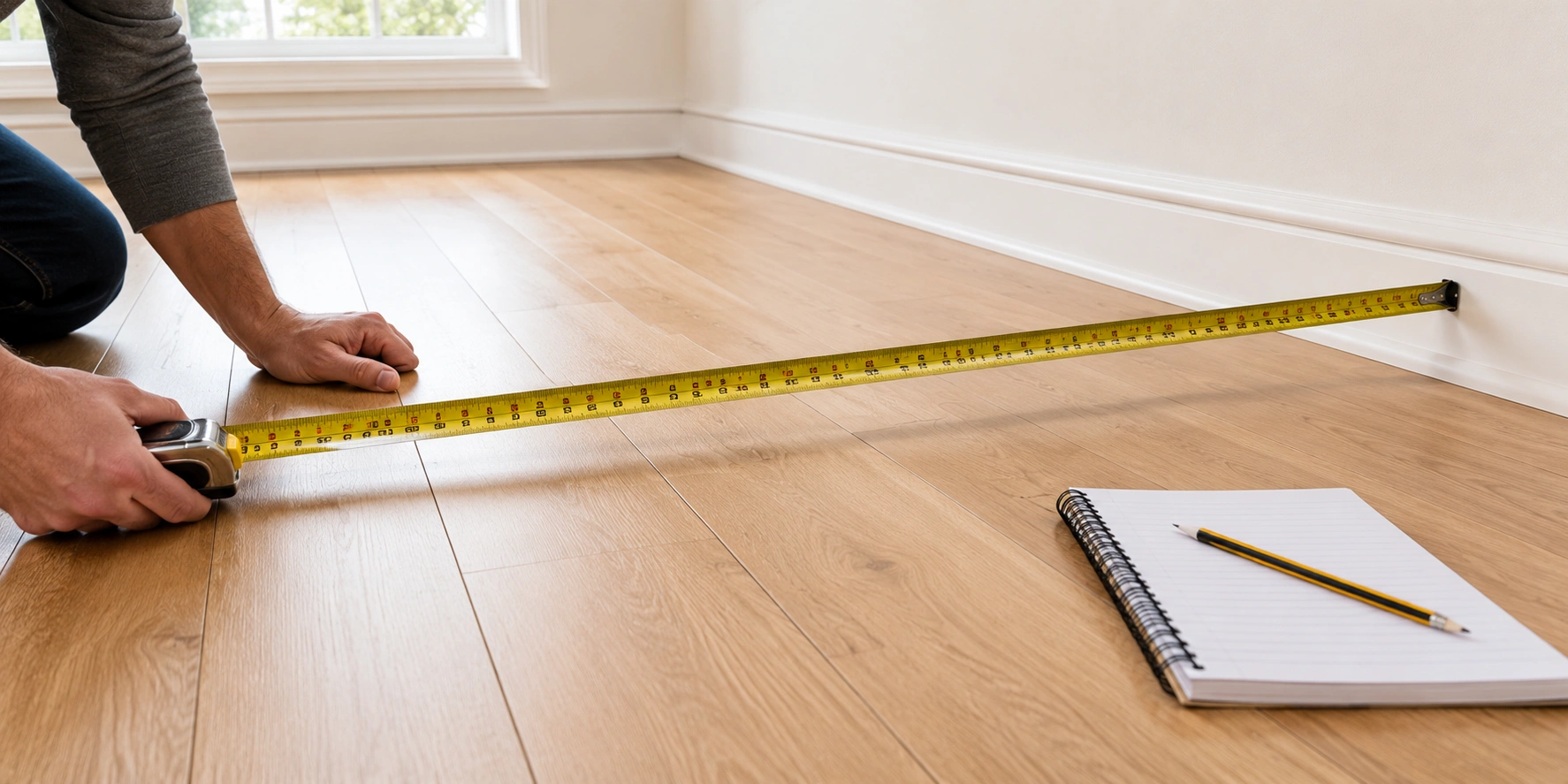
Before you even think about furniture, you need a clear picture of your space. Measuring correctly is the single most important step — and the one most people skip or rush. A few inches of error can mean your sofa doesn't fit through the door, blocks a walkway, or leaves an awkward gap against the wall.
What You Need
- A metal measuring tape (at least 25 feet)
- Graph paper or a free room planner app
- A notebook for recording measurements
- Painter's tape (for testing layouts on the floor)
Step-by-Step Measuring Process
- Measure wall-to-wall length and width — Take measurements at the floor level along each wall. Measure at three heights (floor, mid-wall, ceiling) if walls appear uneven. Record the smallest measurement to be safe.
- Mark doors, windows, and openings — Note the width of each door and window, plus the distance from the nearest corner to the edge of each opening. Include which doors swing inward or outward.
- Map electrical outlets, vents, and radiators — You don't want a sofa blocking your only outlet or covering a heating vent. Record their positions relative to the nearest corner.
- Measure ceiling height — This matters if you're considering tall bookshelves, a high-back sofa, or wall-mounted artwork above your seating area.
- Check hallway and door clearances — Measure the path from your front door to the living room. The widest point of your new sofa must fit through every doorway and turn along that path. Learn how to measure a sofa for delivery.
After you've chosen a potential sofa size, use painter's tape to outline its dimensions directly on your floor. Add outlines for a coffee table and side chairs. Walk through the space — sit down in the "empty" sofa area. This 10-minute exercise prevents costly mistakes.
2. Identify Your Focal Point
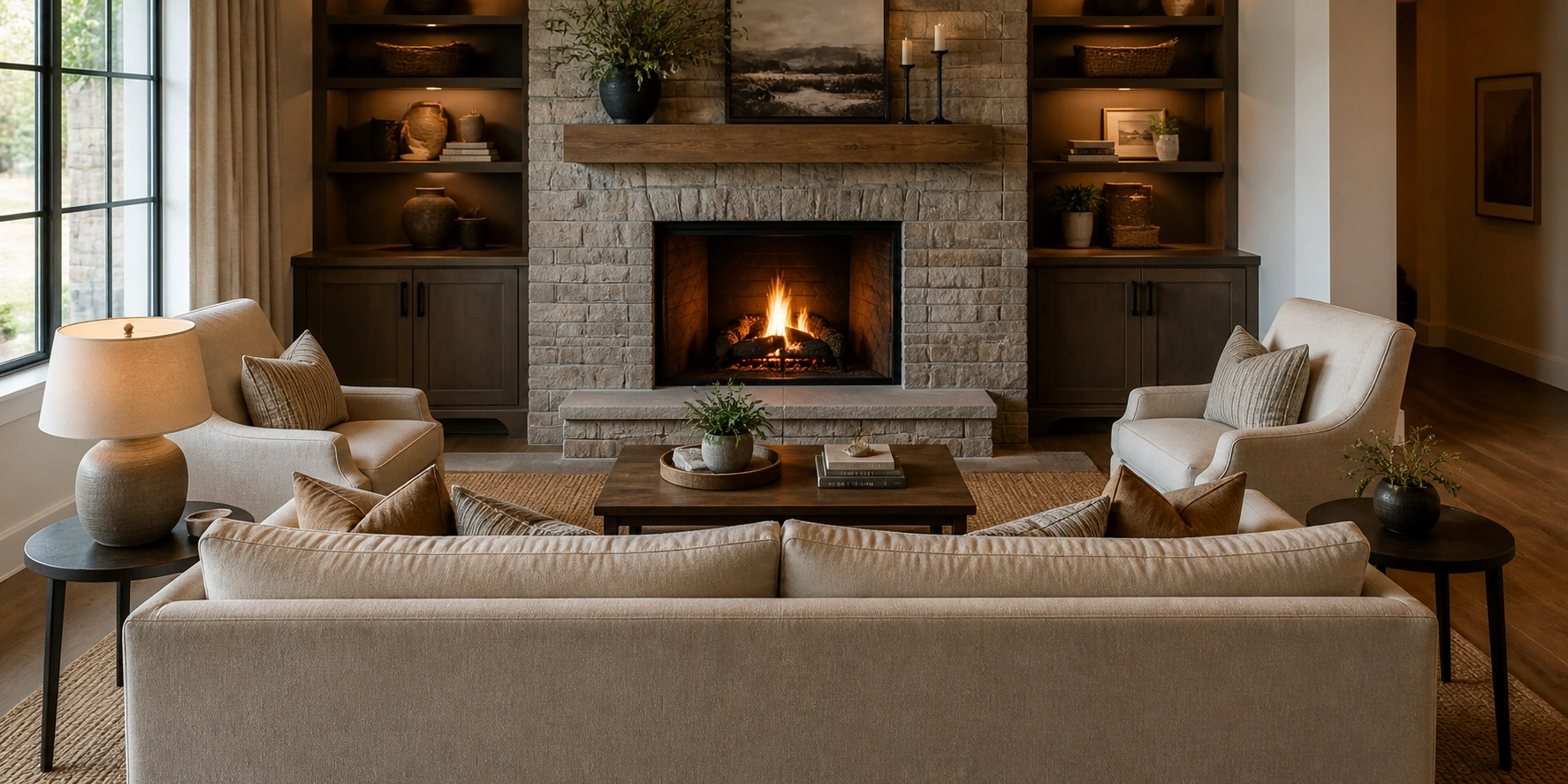
Every well-designed room has a focal point — the element your eye naturally gravitates toward when you walk in. Your sofa arrangement should be built around this feature. If you ignore the focal point, the room will feel disorganized regardless of how expensive your furniture is.
Fireplace
Most common focal point in traditional homesTV or Media Wall
Standard in modern family roomsLarge Window with View
Works best when the view is worth highlightingArchitectural Feature
Exposed beams, accent walls, or built-in shelvingStatement Artwork
Use when no architectural focal point existsCreated Focal Point
A bold area rug or grouped furniture can serve as oneThe rule is simple: orient your main seating toward the focal point. Your sofa should face or be at an angle to this feature, not turned away from it. In rooms with two competing focal points (like a fireplace and a TV on opposite walls), you have three options:
- Choose one as primary — Arrange the sofa toward the one you use more often (usually the TV for daily use, fireplace for entertaining).
- Split the room into zones — Create a conversation area facing the fireplace and a separate media zone facing the TV, especially effective in large rooms.
- Use a swivel or adjustable chair — Position a sofa chair that can turn between both focal points.
3. Traffic Flow Rules and Clearance Standards
Traffic flow is the invisible path people walk through your room. Get this wrong, and your living room will constantly feel cluttered, no matter how minimal your furniture. Get it right, and even a fully furnished room will feel spacious.
The principle: people should never have to walk through the middle of a conversation area to get from one side of the room to the other. Traffic should flow around the edges of your seating arrangement, not through it.
Minimum Clearance Standards
| Path Type | Minimum Clearance | Recommended Clearance |
|---|---|---|
| Main walkway (door to door) | 36 inches | 42–48 inches |
| Secondary path (behind sofa, between furniture) | 24 inches | 30 inches |
| Sofa to coffee table | 14 inches | 18 inches |
| Sofa to TV (viewing distance for 55" TV) | 7 feet | 8–10 feet |
| Sofa to TV (viewing distance for 65" TV) | 8 feet | 9–12 feet |
| Chair to side table | 6 inches | 8–10 inches |
| Between parallel seating (face-to-face) | 36 inches | 42–48 inches |
The most important traffic path is the one from the room's entrance. When someone walks in, they should immediately see the seating area — not be blocked by the back of a sofa. If your room has two entries, position furniture so neither path cuts through the conversation zone.
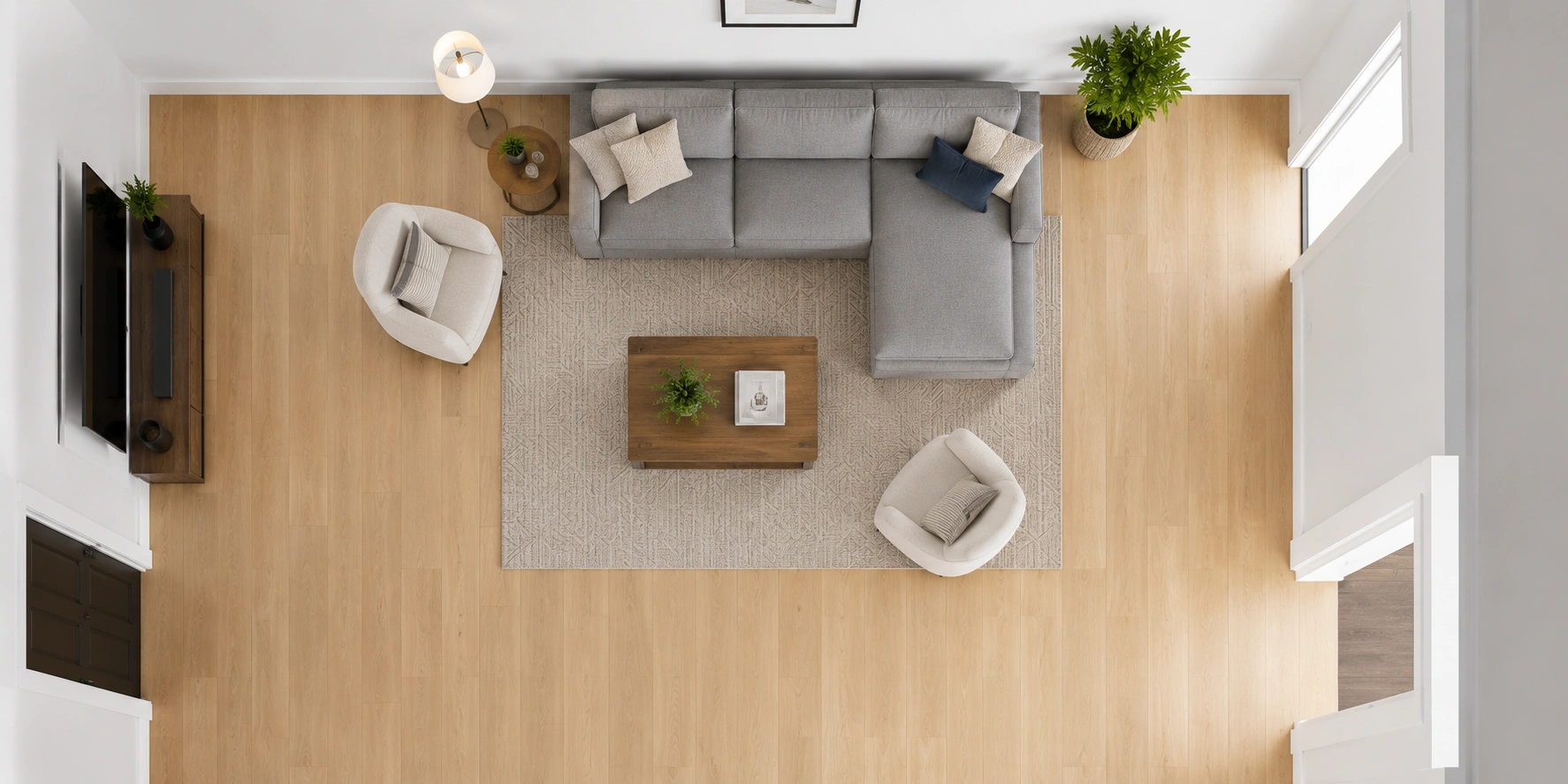
4. 6 Proven Sofa Layout Patterns
Most successful living room layouts fall into one of these six patterns. The right one depends on your room shape, size, focal point, and how you use the space. Here's a detailed breakdown of each — including when to use it and what sofa type works best.
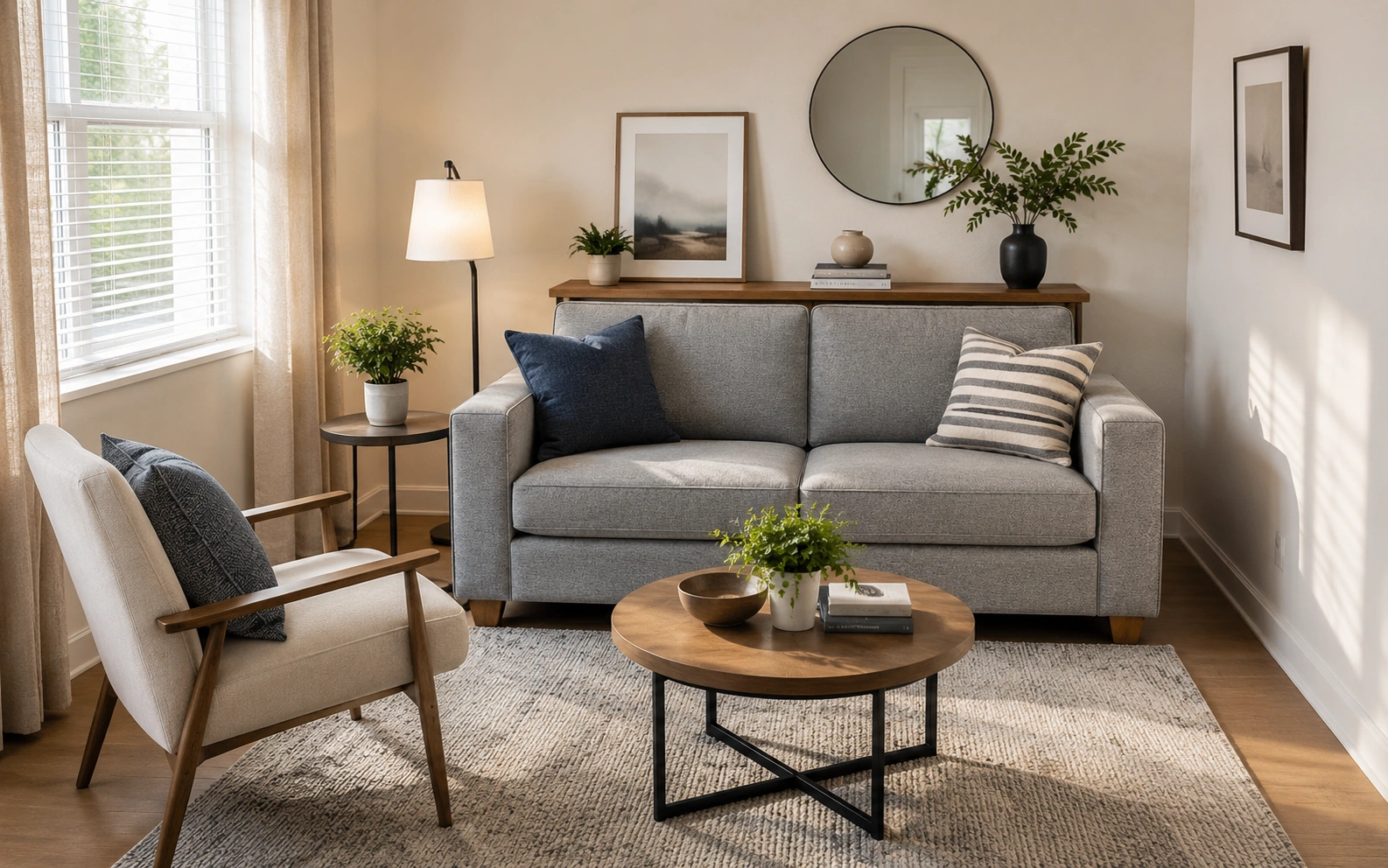
1. Sofa Against the Wall
The most space-efficient option. Push the sofa against the longest wall with a coffee table in front and chairs angled on one or both sides. Best for small rooms and apartments. Works with any sofa type — a 3-seater sofa or loveseat fits best in tight spaces.

2. Floating Sofa
Pull the sofa away from all walls (at least 12–18 inches) to create depth and define separate zones. Behind the sofa, add a console table or narrow bookshelf. Ideal for large rooms and open-plan layouts. A sectional sofa works exceptionally well floating in open spaces.
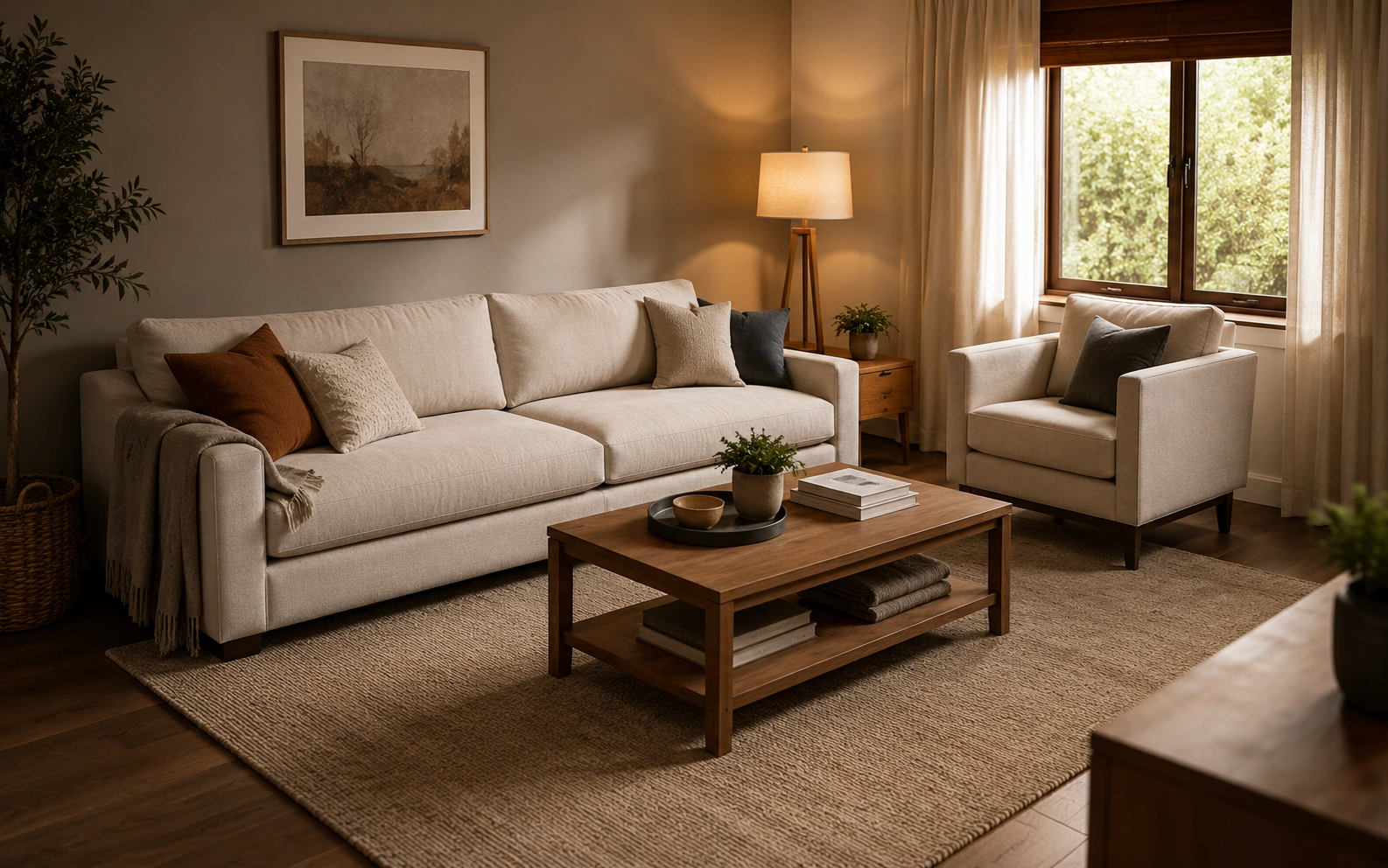
3. L-Shaped Arrangement
Place the sofa and a chair (or two chairs) at a 90-degree angle, creating an L. This is the most versatile layout for medium to large rooms. It naturally encourages conversation while keeping the focal point visible. Works with a standard sofa plus a sofa chair, or a 2-seater sofa paired with a loveseat.
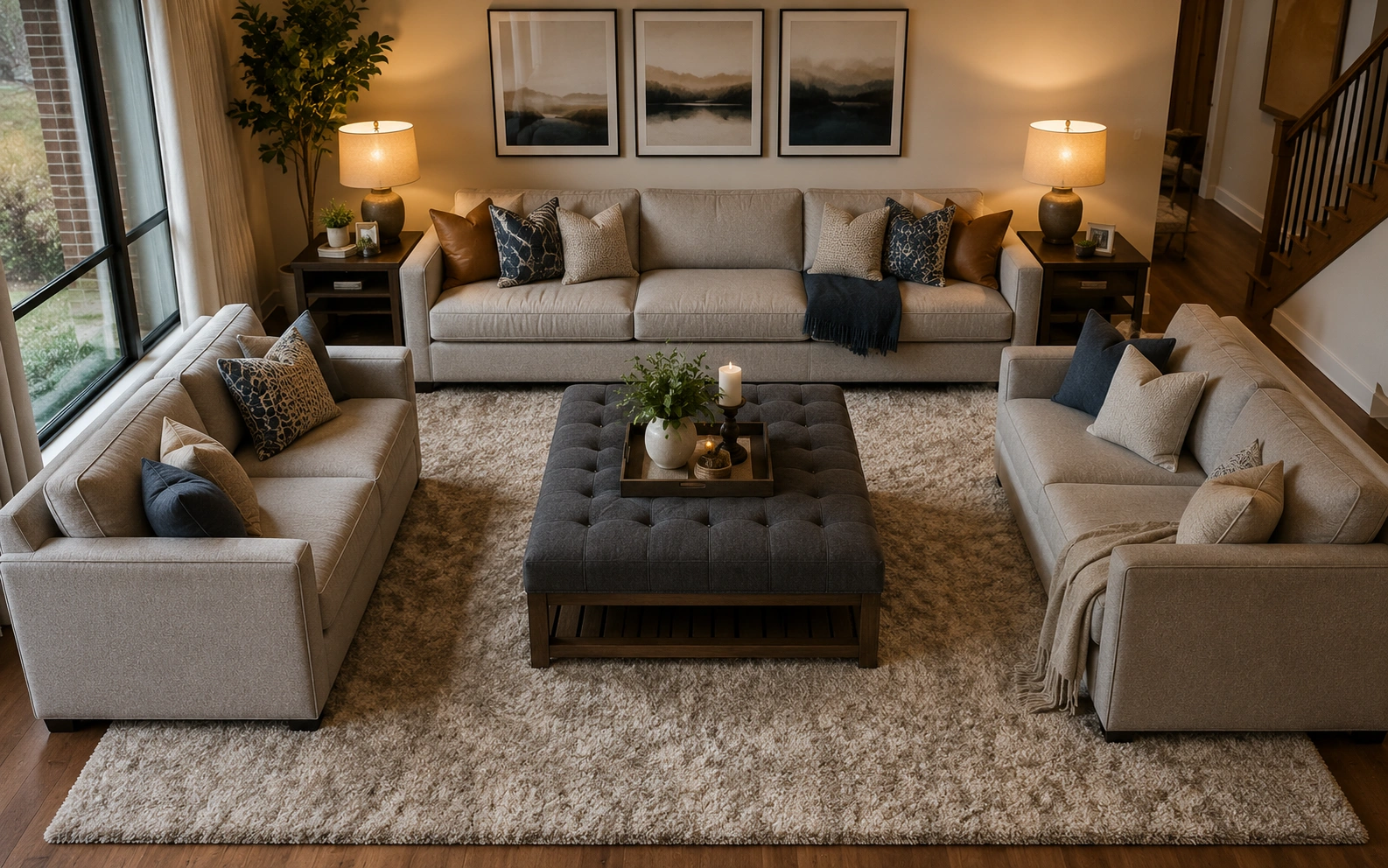
4. U-Shaped Arrangement
Wrap seating around three sides of a coffee table — sofa on one side, two chairs or a second sofa on the opposite and adjacent sides. Creates the most intimate conversation zone. Best for large or dedicated family rooms. A sectional sofa with a chaise naturally creates a U-shape, or pair a 4-seater sofa with two armchairs.
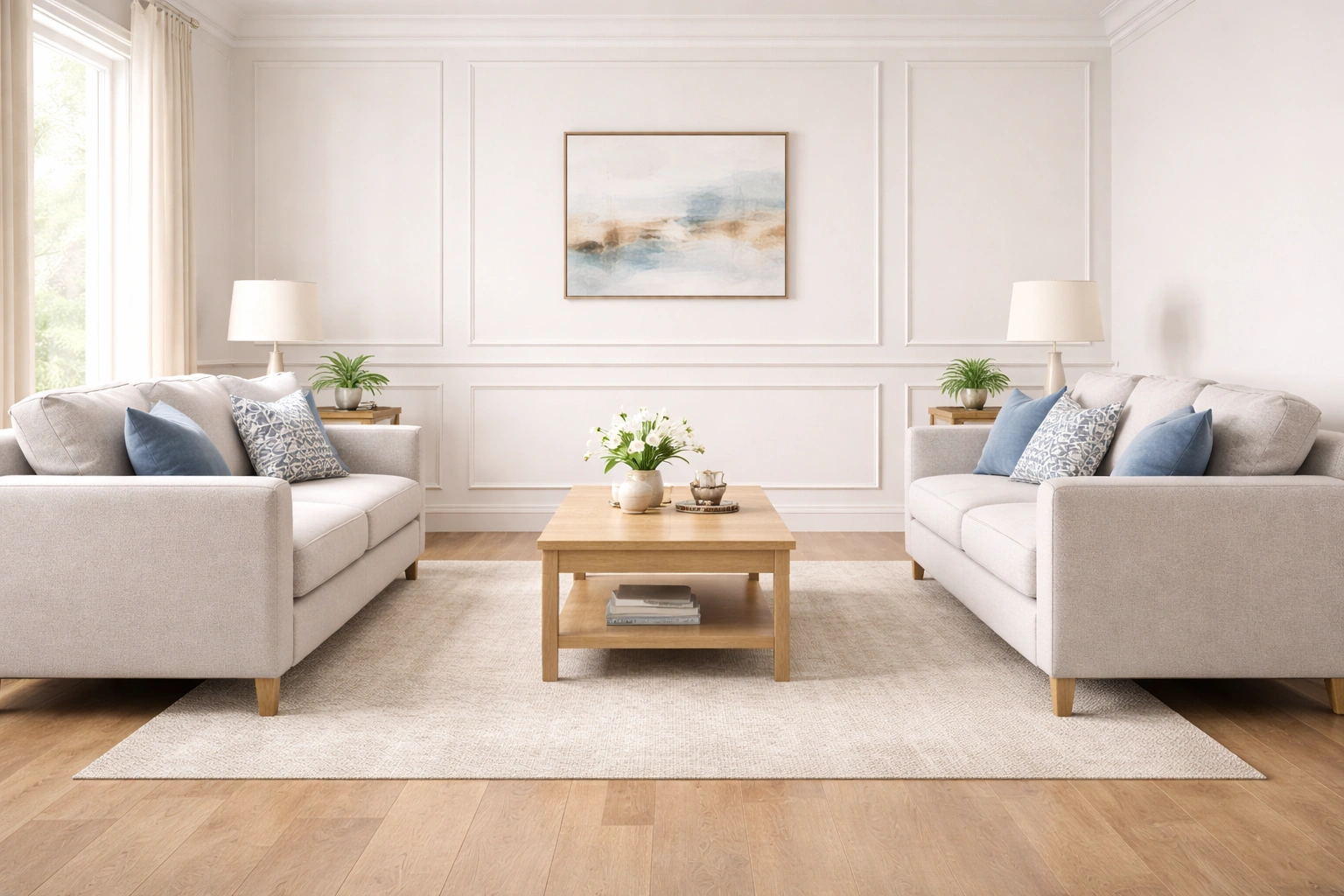
5. Face-to-Face (Symmetrical)
Two matching sofas face each other across a coffee table. This is the classic formal living room layout — balanced, elegant, and perfect for entertaining. Requires a wider room (at least 12 feet). Consider pairing two 3-seater sofas or a sofa with a loveseat for narrower rooms.

6. Angled or Asymmetrical
Position the sofa at a slight angle (not parallel to any wall) to add visual interest and soften boxy rooms. Best for square rooms, corner spaces, or rooms with awkward architectural features. A curved sofa works beautifully in angled layouts, or try a modular sofa that you can configure at custom angles.
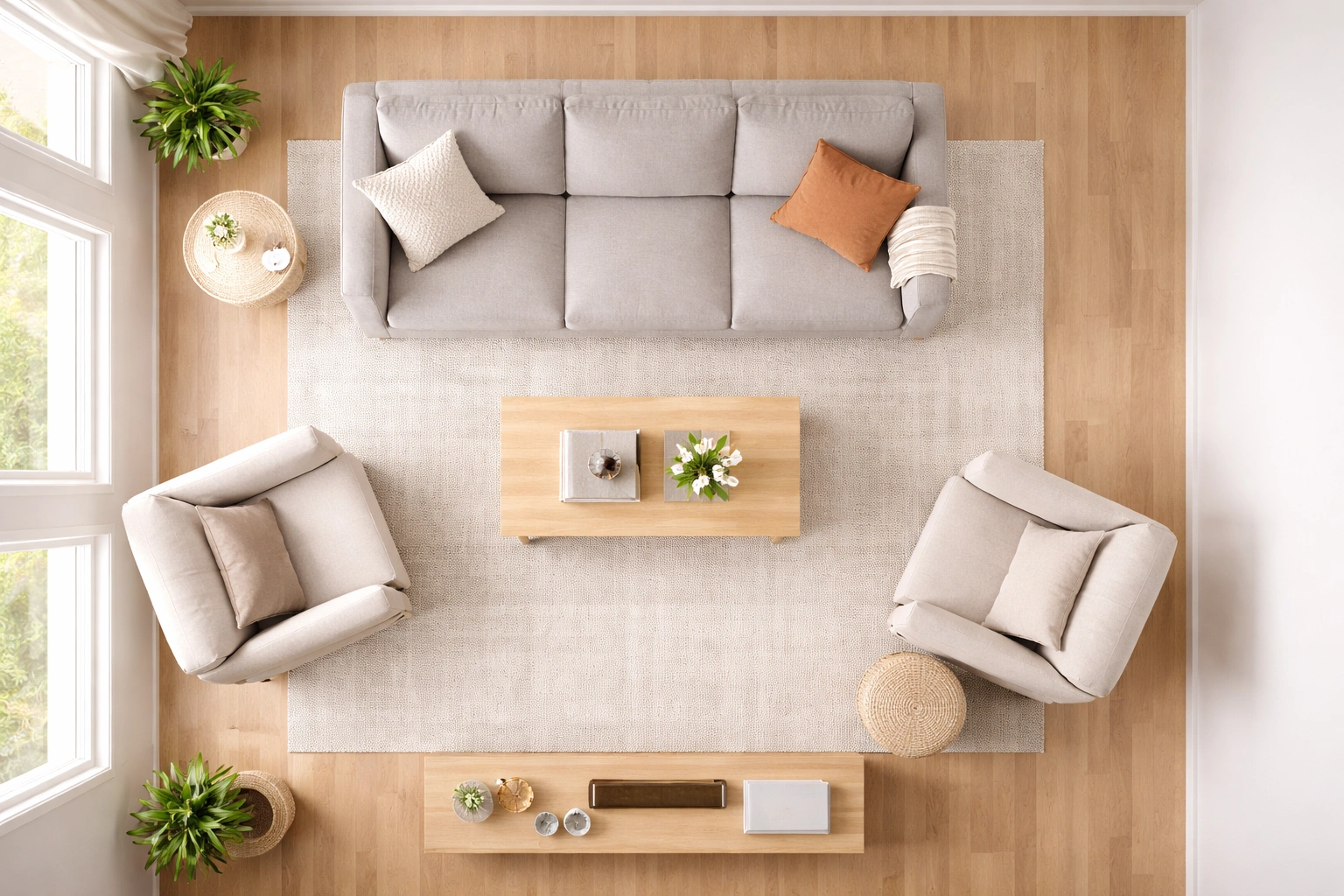
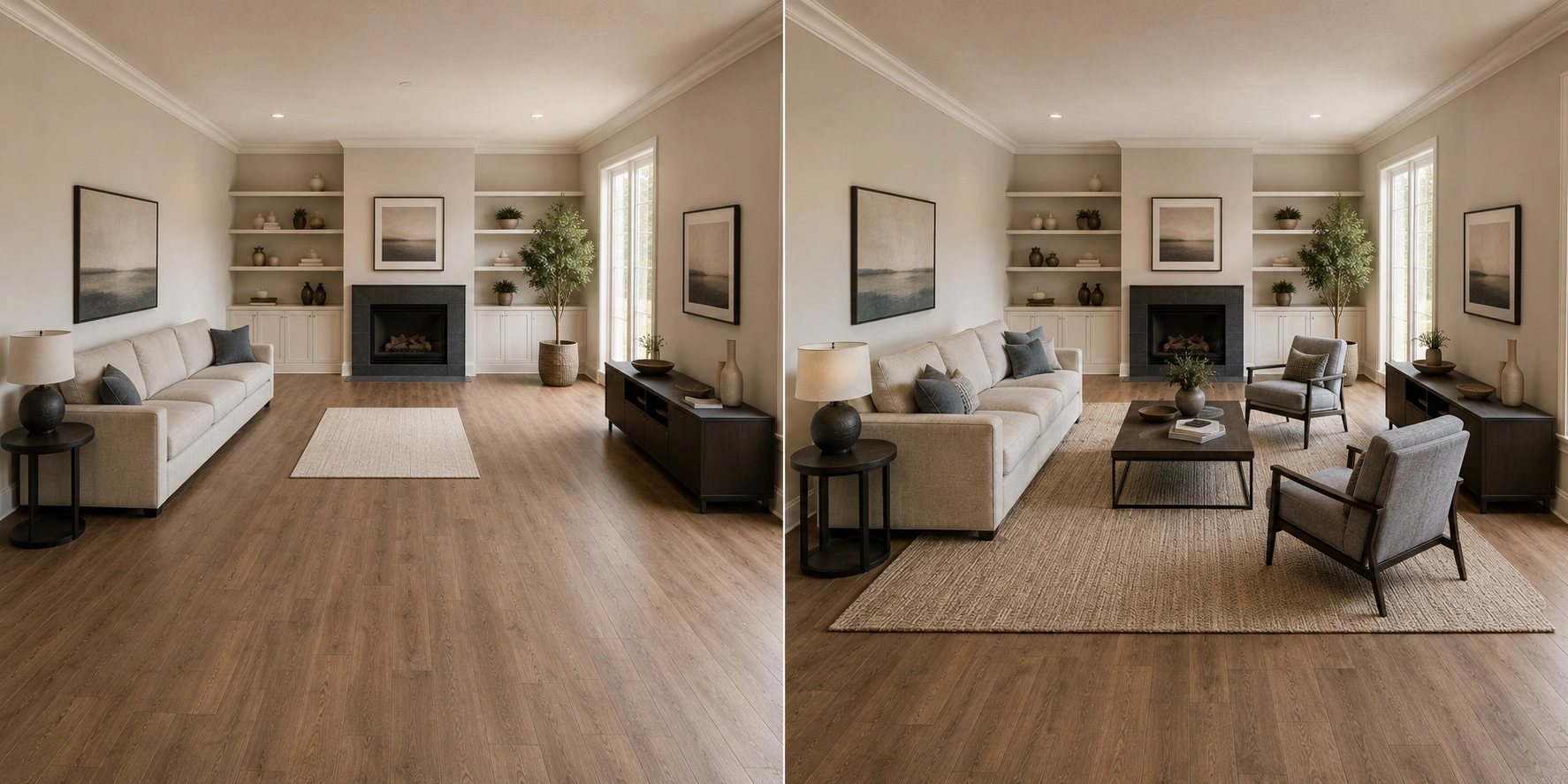
Whatever layout you choose, define the seating area with an area rug. All front legs of your seating should be on the rug (or at minimum, the front two legs of the sofa). This visually "glues" the arrangement together and makes the layout feel intentional even in an open-plan space.
5. Best Layouts by Room Shape
Room shape is one of the biggest factors in determining which layout will work. The same furniture arrangement that looks great in a rectangular room can feel completely wrong in a square or narrow space. Here's how to adapt your approach.
Long and Narrow Rooms
Resist the urge to line all furniture along the walls — this creates a "bowling alley" effect. Instead, divide the room into two zones: place the main seating in one zone and a daybed sofa, desk, or reading nook in the other. Use a loveseat or 2-seater sofa instead of a full-size sofa to avoid blocking the room's width.
Best pattern: Floating sofa or L-shaped arrangement placed in the wider zone.
Square Rooms
Square rooms are tricky because there's no natural "long wall" to anchor furniture. The solution is to avoid pushing everything against the perimeter. Instead, float the arrangement toward the center or use an angled layout. A modular sofa is ideal here because you can configure it to fill the space without following the walls.
Best pattern: Angled arrangement or U-shaped floating layout.
Open-Plan Spaces
In an open-concept home, your living area needs to define itself without walls. Use your sofa as a "wall" to separate the living zone from the dining or kitchen area. A sectional sofa with the back facing the kitchen creates the clearest boundary. Pair it with an area rug and a sofa table behind it for storage and visual weight.
Best pattern: Floating sectional or L-shaped arrangement with the sofa back as a room divider.
L-Shaped or Oddly Shaped Rooms
Work with the room's angles instead of fighting them. Place your main seating in the largest section, and use the alcove or extension for a secondary function — a reading corner with a 1-seater sofa, a small office area, or a futon sofa for guests. Don't try to center furniture in an asymmetrical room; anchor it to the longest straight wall.
Best pattern: Sofa against the longest wall with secondary seating in the alcove.
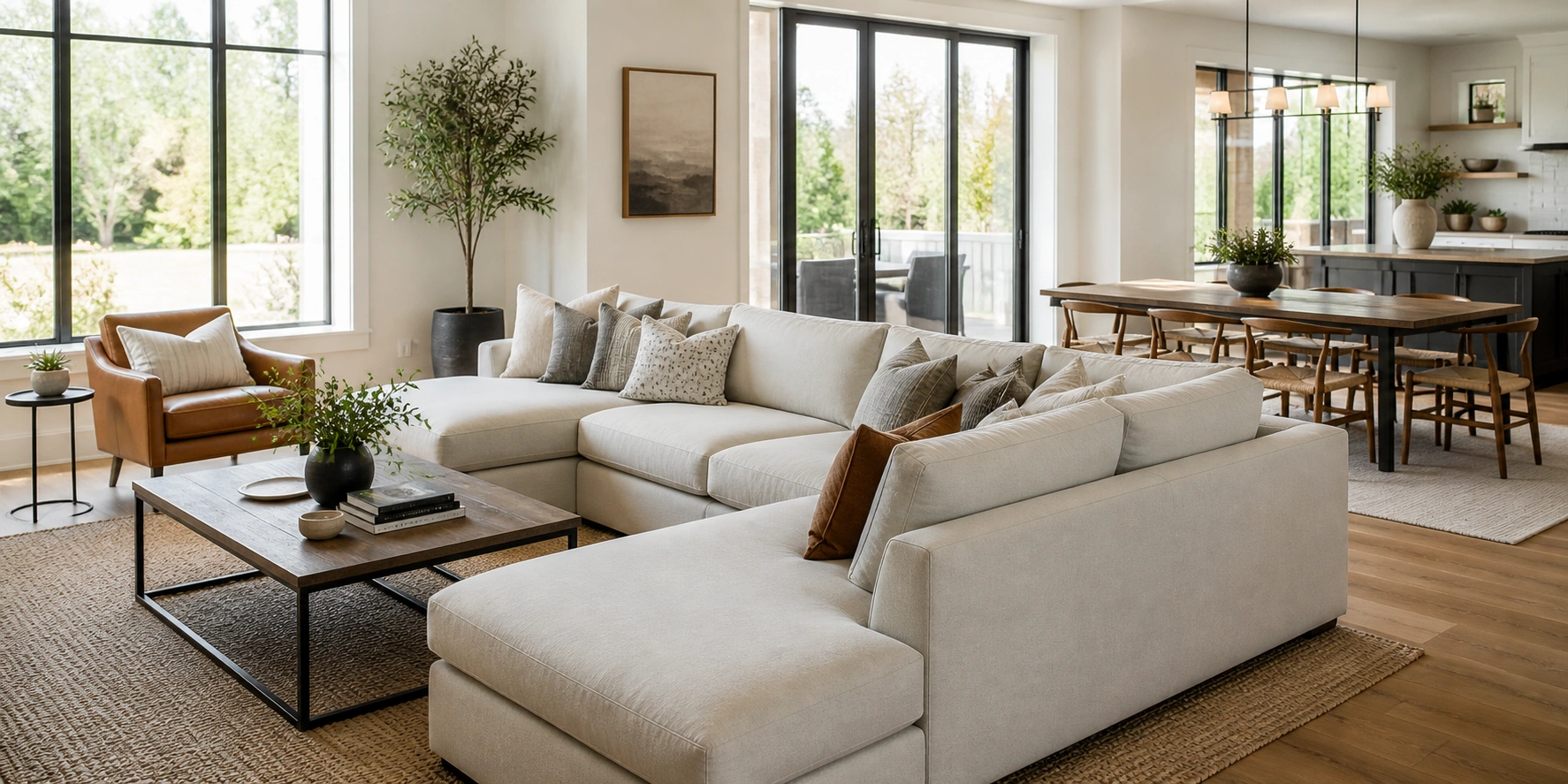
6. Best Layouts by Room Size
Room size doesn't just determine which layout works — it determines which sofa type you should be shopping for in the first place. Here are specific recommendations based on common room dimensions.
Small Rooms (Under 150 sq ft / 10x12 ft)
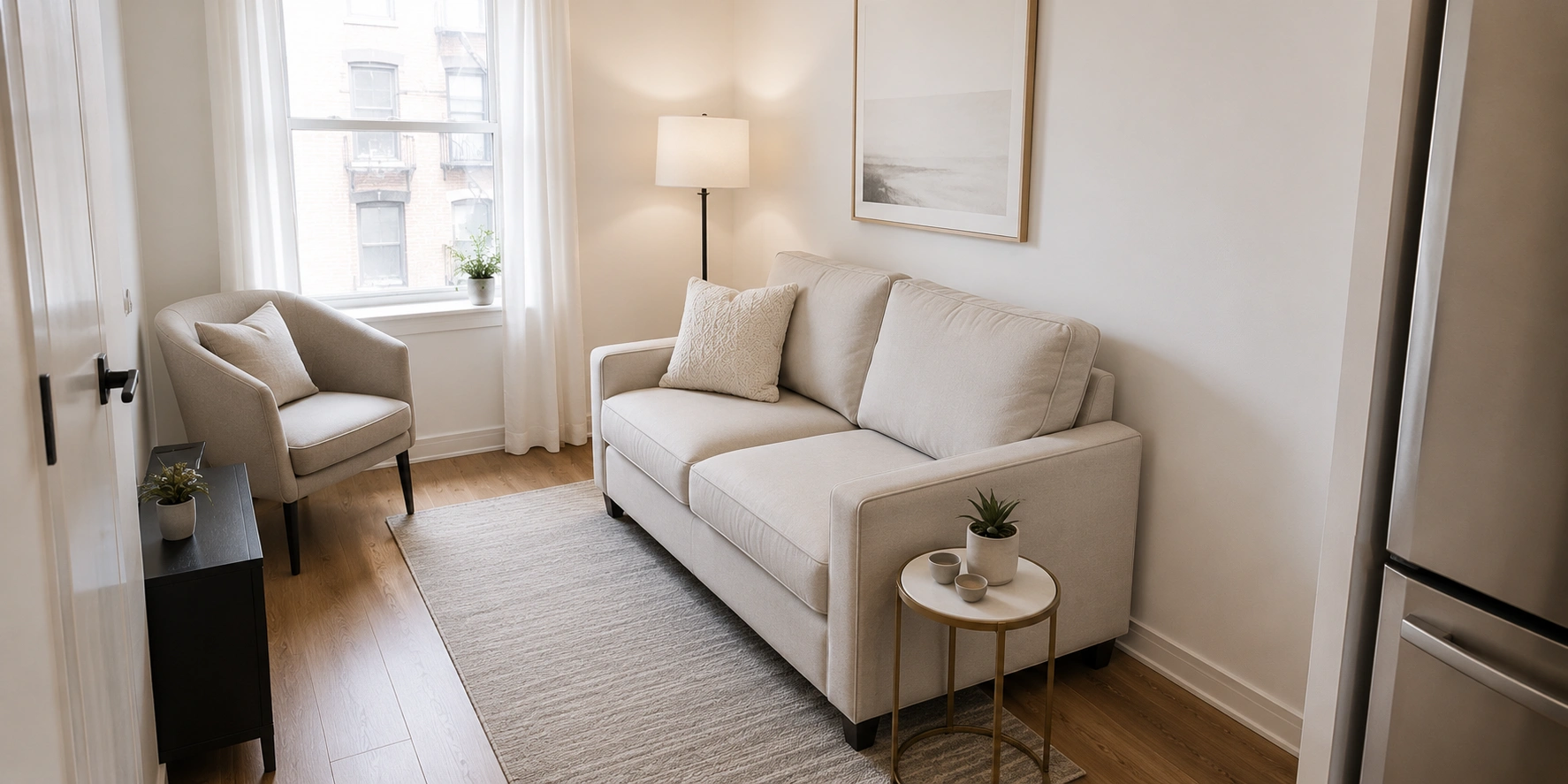
In a small room, every inch matters. Prioritize one primary seat and keep secondary seating minimal or omit it entirely. Avoid bulky arms and deep seats — a 2-seater sofa or compact loveseat with narrow arms is your best bet. Push the sofa against the longest wall and skip the coffee table in favor of a small side table. For extra seating, add a single floor sofa or pouf that can be tucked away when not in use. Explore more options in our guide to sofas for small spaces.
Medium Rooms (150–300 sq ft / 12x14 to 15x18 ft)
This is the most common living room size, and it offers the most flexibility. A 3-seater sofa anchored to one wall, paired with one or two chairs, creates a balanced L-shape. You have room for a proper coffee table and side tables. If you prefer more seating, a small sectional sofa with a chaise works well. This room size supports all six layout patterns — choose based on your focal point and how you use the room.
Large Rooms (Over 300 sq ft / 18x18 ft and above)
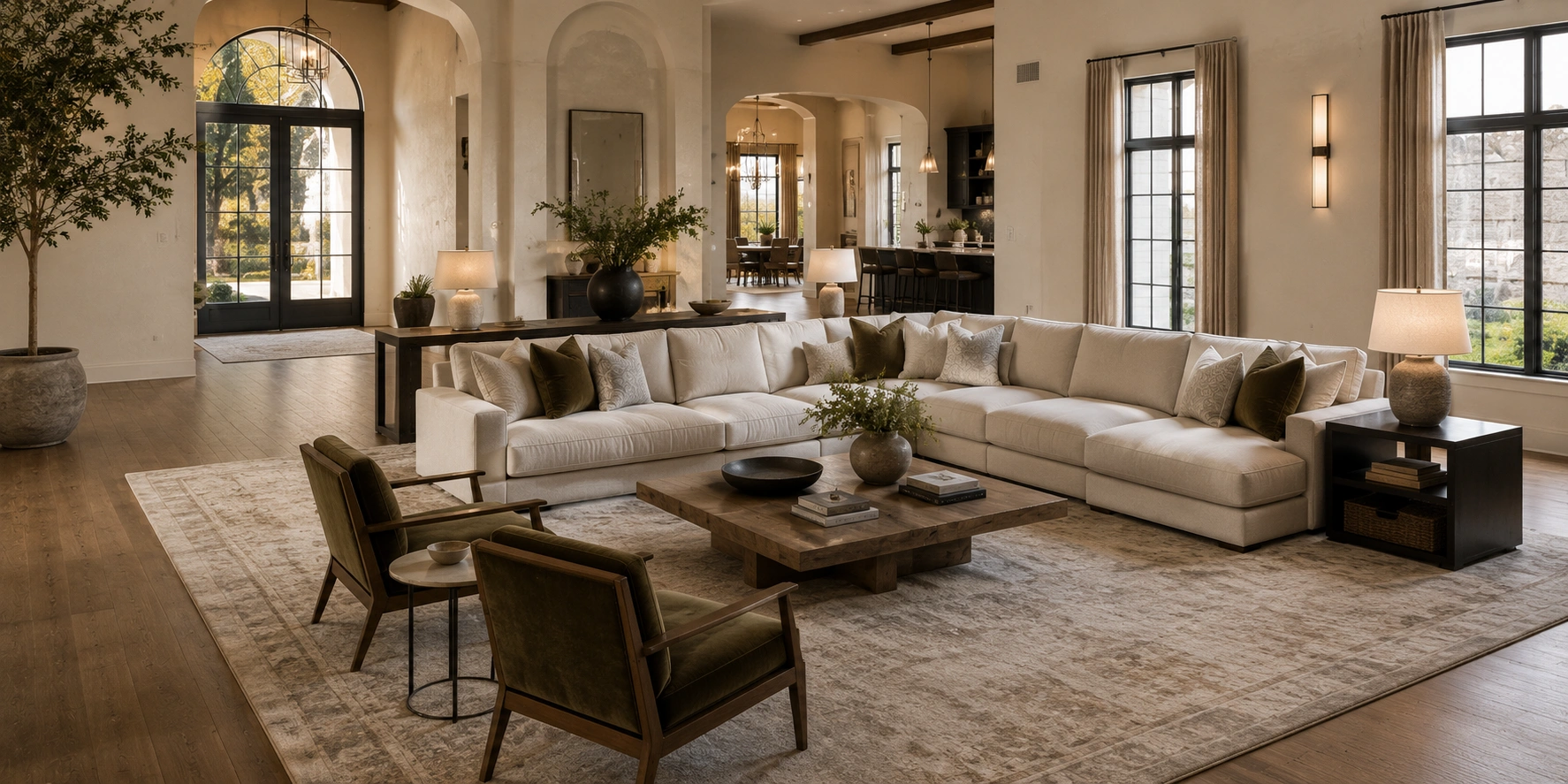
Large rooms present the opposite challenge: furniture can look lost if the scale is too small. Choose substantial pieces — a 4-seater sofa, 5-seater sofa, or a large sectional. Don't be afraid to float furniture away from walls. Create multiple zones: a main conversation area and a secondary reading or gaming nook. For dedicated entertainment, explore our home theater sofa recommendations. See more ideas for large room layouts.
7. 10 Common Layout Mistakes to Avoid
These are the errors we see most often — and they're all fixable. If your current layout feels "off," check this list first.
- Pushing all furniture against the walls. This is the #1 mistake. It creates a cold, formal feel with an empty, unusable center. Pull at least your main sofa away from the wall by 6–12 inches, or float it entirely if the room allows.
- Ignoring the focal point. If your sofa faces a blank wall while the fireplace or window is behind you, the room will feel disoriented. Always orient toward your focal point.
- Blocking traffic paths. If people have to sidestep around a chair or squeeze between the coffee table and sofa, your layout is too tight. Refer to the clearance standards above.
- Using a rug that's too small. A tiny 4x6 rug under a full-size sofa looks like a postage stamp. Your rug should extend at least to the front legs of all seating, ideally 6–12 inches beyond on each side.
- Mismatched furniture scale. A delicate accent chair next to a massive overstuffed sofa looks unbalanced. Keep pieces within a similar visual weight range — or intentionally contrast for an eclectic look, but do it deliberately.
- Forgetting about lighting. Plan where floor lamps, table lamps, and overhead lights go at the layout stage. Don't wait until after the furniture is placed to realize there's no outlet near your reading chair.
- Crowding the room with too many pieces. More furniture doesn't mean more comfort. In a medium room, a sofa, two chairs, a coffee table, and one side table is often enough. Leave breathing room.
- Placing the TV too high or too far. The center of your TV screen should be at eye level when seated (typically 42 inches from the floor). For a 55-inch TV, aim for 7–10 feet viewing distance; for 65-inch, aim for 8–12 feet.
- Not accounting for door swing and drawer space. A beautiful sofa with storage is useless if the drawer can't open because it's 2 inches from the wall. Leave clearance for any moving parts.
- Choosing the wrong sofa type for the room. A deep-seat sofa in a narrow room extends too far into the walkway. A Chesterfield sofa with rolled arms may be too wide for a small apartment. Always check the exact dimensions — not just the seating capacity — before buying.
8. Quick-Start Layout Checklist
Ready to plan your layout? Follow this checklist from start to finish. Completing every step before you buy will save you time, money, and frustration.
- Measure your room — Wall-to-wall, ceiling height, doors, windows, outlets, and vents. Record everything.
- Measure your delivery path — From front door to living room, including hallway widths and stairwell clearances.
- Draw a floor plan — Use graph paper, a free app, or even a simple sketch with accurate scale.
- Identify your focal point — Fireplace, TV, window, or architectural feature. Mark it on your plan.
- Map traffic paths — Draw lines showing how people enter, exit, and move through the room. Ensure 36-inch minimum main paths.
- Choose your layout pattern — Match it to your room shape and size from the patterns above.
- Outline furniture with tape — Use painter's tape on the floor to mark the sofa, coffee table, and chair positions. Walk through the space.
- Verify sight lines — Sit in each "seat" and check: Can you see the focal point? Is the coffee table reachable? Does anything feel blocked?
- Choose the right sofa type — Based on your layout plan, select the appropriate sofa size and style. Browse sofa types or start with our complete sofa buying guide.
- Finalize and purchase — Double-check all dimensions against your floor plan. Order with confidence knowing the layout works.
Ready to Find the Perfect Sofa for Your Layout?
Now that you know exactly how your room should be arranged, browse our curated recommendations below — each selected to work well within the layouts discussed in this guide.
VIEW RECOMMENDED SOFAS
Frequently Asked Questions
How far should a sofa be from the wall?
In small rooms, you can push it flush against the wall. In medium to large rooms, pull it away 3–6 inches minimum — this creates a more polished look, prevents the sofa skirt from bunching, and allows for baseboard clearance. In large rooms, floating the sofa 12–24 inches from the wall defines separate zones.
Should the sofa face the door?
Not necessarily. Your sofa should face the focal point, which may or may not be near the door. The more important rule is that the sofa should be visible from the door — when someone walks in, they should see the seating area, not the back of the sofa. If your floor plan forces the sofa to face away from the door, add a console table behind it with decorative items to create a welcoming entry view.
Can I put a sectional in a small room?
Yes, if you choose the right configuration. A compact 2-piece sectional (sofa + chaise) can actually fit in less floor space than a traditional sofa + two chairs, because it eliminates the gap between pieces. The key is choosing a sectional with narrow arms and a modest depth. See our guide to sofas for small spaces for specific size recommendations.
What's the best layout for a room with a TV and fireplace on different walls?
This is a common challenge. The most practical solution is to pick one as your primary focal point based on how you use the room — TV for daily viewing, fireplace for entertaining. For a compromise, mount the TV above the fireplace (if the mantel height allows proper viewing angle), or use a swivel TV mount that lets you angle the screen toward the seating from either position. Alternatively, use a modular sofa with a chaise that can face either direction.
How do I layout a combined living and dining room?
Use your sofa as the divider. Place it perpendicular to the dining area with its back facing the dining table. A console table or sofa table behind the sofa adds storage and creates a visual boundary. An area rug under the living room furniture further defines the zone. This approach works especially well with a sectional sofa.
Should I match my sofa to my room's color scheme exactly?
No — in fact, a sofa that contrasts slightly with your walls creates more visual interest. If your walls are light, a medium or dark-toned sofa anchors the space. If your walls are dark, a lighter sofa brightens the room. For versatile options, explore neutral-tone sofas or make a statement with bold-colored sofas. The choice between leather and fabric also affects how color reads in your space.