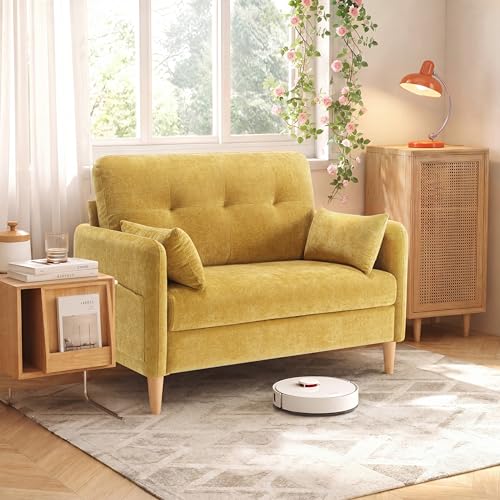
Bohemian Sofas: The Complete Guide to Free-Spirited Living
Learn how to choose, style, and care for a bohemian sofa that transforms your living room into a warm, eclectic, and deeply personal space.
EXPLORE RECOMMENDATIONSWhat You'll Learn in This Guide
- What Exactly Is a Bohemian Sofa?
- Key Characteristics That Define Boho Style
- Best Materials for Bohemian Sofas
- Color Palettes That Capture the Boho Vibe
- How Bohemian Compares to Other Design Styles
- Practical Styling Tips for Your Living Room
- Choosing the Right Boho Sofa for Your Space
- Common Mistakes to Avoid When Buying
- Care and Maintenance Guide
- Top Bohemian Sofa Recommendations
PhanMarket Insight: Bohemian style is not about following rules — it is about creating a space that feels collected, lived-in, and deeply personal. This guide walks you through every consideration so you can invest in a bohemian sofa that looks intentional, not chaotic.
What Exactly Is a Bohemian Sofa?
A bohemian sofa — often called a boho couch — is a seating piece that embodies the free-spirited, eclectic aesthetic rooted in 1960s and 1970s counterculture. Unlike modern sofas that prioritize clean lines and minimalism, bohemian sofas celebrate texture, pattern, color, and a sense of global wanderlust. They are designed to look as though they have been gathered over time from flea markets, travels, and artisan workshops rather than selected from a single catalog.
The term "bohemian" itself traces back to the Bohemia region in the Czech Republic, but in design context, it refers to a lifestyle that rejects conventional norms in favor of creativity and self-expression. A true bohemian sofa is not a single type — it can be a sectional sofa draped with throws, a low-profile floor sofa surrounded by cushions, or a curved sofa upholstered in rich velvet. What unifies them is the feeling they create: relaxed, warm, and unapologetically individual.

What makes bohemian sofas particularly appealing to today's buyers is their versatility. They work in apartments, family homes, and even creative office spaces. They pair naturally with vintage furniture pieces, handwoven rugs, and artisanal decor. If you are drawn to spaces that feel warm, inviting, and full of character rather than sterile and cookie-cutter, a bohemian sofa might be exactly what your living room needs.
Key Characteristics That Define Boho Style
Before you start shopping, it helps to understand what separates a bohemian sofa from other styles. These are the core design elements that give boho sofas their distinctive personality:
Rich Textures
Boho sofas prioritize tactile richness — think macrame details, tufting, fringe accents, and woven fabrics. Texture is often more important than color in creating the boho feel.
Earthy & Warm Tones
Terracotta, burnt orange, mustard yellow, deep green, and rust form the foundation. These colors evoke nature, warmth, and a grounded, organic atmosphere.
Global Influences
Moroccan patterns, Indian block prints, Turkish kilim inspiration, and Mexican craftsmanship often appear in the upholstery, trim, or decorative elements of boho sofas.
Natural Materials
Rattan frames, wooden legs, jute accents, and cotton or linen upholstery connect the sofa to the natural world — a cornerstone of bohemian philosophy.
Low & Relaxed Profile
Many boho sofas sit lower to the ground, creating a casual, lounging-friendly silhouette. Deep seats encourage curling up rather than sitting upright.
Eclectic Mix
A boho sofa does not need to match everything else in the room. It thrives alongside contrasting pieces — a core principle that makes this style forgiving and fun.
When evaluating a sofa for its bohemian potential, look for at least three of these characteristics. A sofa with rich texture, earthy tones, and a low profile will read as boho even in a room that is otherwise neutral. Understanding these traits also helps you avoid pieces that merely use "boho" as a marketing label without delivering the authentic aesthetic. For a deeper understanding of how comfort factors into your choice, our guide on how to test sofa comfort provides practical evaluation methods.
Best Materials for Bohemian Sofas
The material you choose will largely determine how your bohemian sofa looks, feels, and ages. Unlike a leather sofa that develops a patina over time, fabric-based boho sofas rely on their weave, pattern, and texture to create visual interest. Here is a detailed breakdown of the most suitable materials:
| Material | Boho Appeal | Durability | Maintenance | Best For |
|---|---|---|---|---|
| Velvet | Rich, luxurious texture that adds depth; works beautifully in jewel tones | Medium-High | Regular vacuuming; professional cleaning for stains | Statement pieces in living rooms |
| Linen | Natural, slightly wrinkled look that feels effortlessly casual | Medium | Machine washable covers; prone to wrinkling | Relaxed, airy boho spaces |
| Cotton | Breathable, takes prints and patterns beautifully | Medium | Easy to clean; may shrink | Patterned upholstery, families |
| Rattan / Wicker | Instantly boho; natural woven texture is the hallmark look | High (frame) | Dust regularly; avoid excessive moisture | Outdoor, sunrooms, accent pieces |
| Microfiber | Subtle texture; available in earthy colors | High | Very easy; stain-resistant | Pet owners, high-traffic homes |
| Bouclé | Trendy looped texture that adds tactile interest | Medium | Gentle cleaning; snag-prone | Contemporary boho fusion |
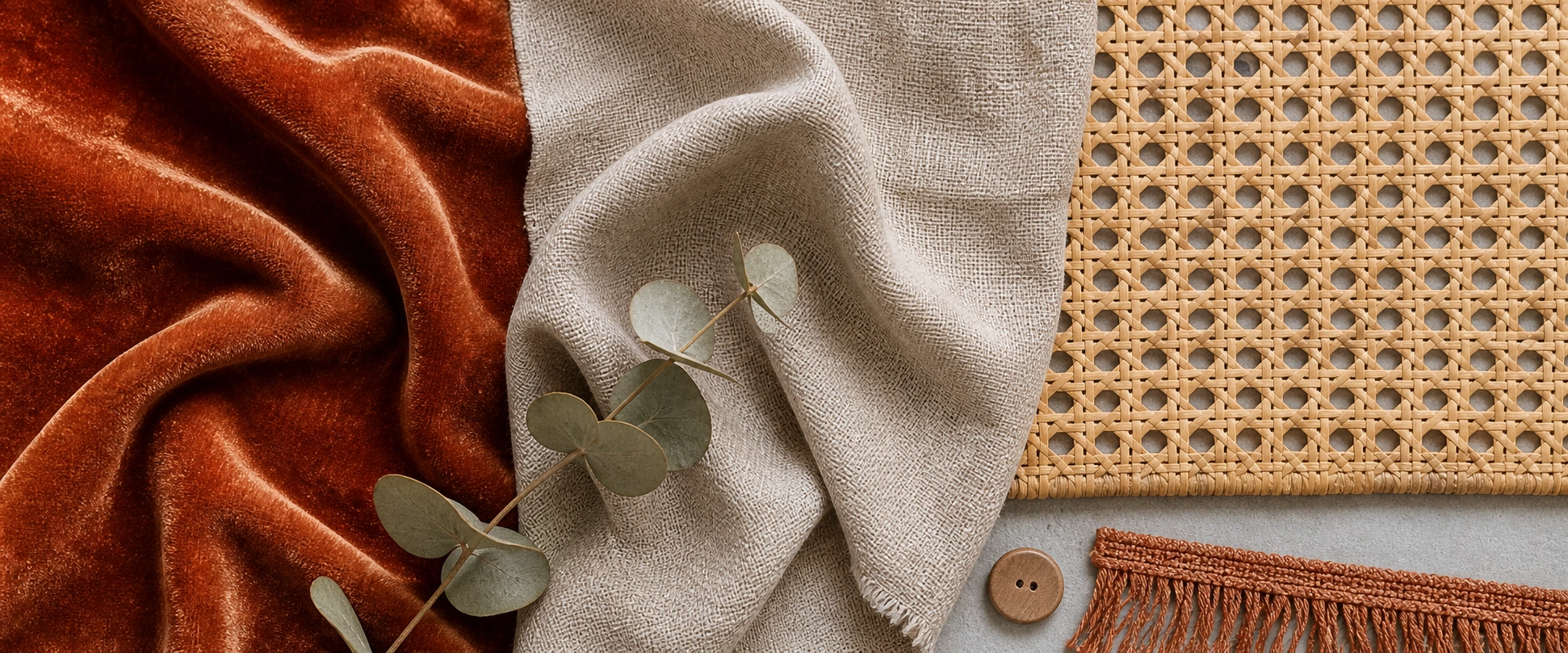
If you are choosing between materials, consider your lifestyle first. Households with pets or young children may prefer microfiber couches for their stain resistance while still finding options in earthy tones. For a more indulgent, adult-oriented space, velvet sofas in rust or emerald green deliver maximum boho impact. Our detailed materials explained guide covers performance ratings and care requirements for each fabric type.
For the frame, rattan sofas offer the most authentic boho aesthetic, while solid hardwood frames with visible wooden legs provide a grounded, natural foundation that pairs with any upholstery. Understanding frame materials helps ensure your sofa is not just beautiful but structurally sound for years of use.
Color Palettes That Capture the Boho Vibe
Color is one of the most powerful tools in bohemian design. Unlike neutral sofas that recede into the background, boho sofas often serve as a color anchor for the entire room. The key is choosing a palette that feels warm and intentional rather than random. Here are the most effective bohemian color schemes:
The most foolproof approach is to choose one dominant color for the sofa itself — terracotta and mustard are perennial favorites — then layer complementary tones through pillows, throws, and surrounding decor. A brown couch can absolutely work in a boho setting if you warm it up with textiles in rust, cream, and green. Similarly, a green sofa in olive or sage instantly brings an earthy, nature-connected quality that is central to bohemian design.
For those who prefer a softer starting point, cream or beige upholstery allows you to go bold with patterned cushions and colorful surrounding elements. This approach gives you more flexibility to change the look seasonally. Our guide on bold color sofas explores the psychology of color in living spaces and helps you choose shades that match your personality, not just current trends.
How Bohemian Compares to Other Design Styles
Understanding how bohemian differs from similar styles helps you avoid buying a sofa that is close but not quite right. Many shoppers confuse boho with vintage, coastal, or eclectic, but each has distinct principles:
Bohemian vs. Modern
Modern sofas emphasize clean lines, solid colors, and minimal decoration. Bohemian sofas embrace ornamentation, mixed patterns, and visible texture. Where modern says "less is more," boho says "more is more — as long as it tells a story."
Bohemian vs. Coastal
Coastal sofas use light blues, whites, and natural textures to evoke the beach. Bohemian sofas lean into warmer earth tones — terracotta, amber, deep green — and draw inspiration from deserts, forests, and global markets rather than ocean settings.
Bohemian vs. Vintage
A vintage sofa is defined by its age and era-specific design. A bohemian sofa can be brand new — what matters is the aesthetic, not the era. However, vintage pieces are excellent starting points for boho rooms because their aged patina adds character.
Bohemian vs. Contemporary
Contemporary sofas reflect current trends with a focus on understated elegance. Bohemian sofas deliberately push against mainstream trends, favoring individuality and artistic expression over what is currently popular in showrooms.
The beauty of bohemian style is that it absorbs elements from all these aesthetics. You can place a boho sofa in a room with industrial metal shelving, a coastal jute rug, and a mid-century modern side table — and it works, because boho is inherently about mixing rather than matching. For a broader comparison, our sectional vs traditional guide explores how sofa form factors interact with different design approaches.
Practical Styling Tips for Your Living Room
A bohemian sofa is only half the equation. How you style the space around it determines whether the result looks curated or cluttered. These actionable tips will help you create a cohesive boho living room that feels intentional and inviting:
- Layer textiles generously. Drape a throw blanket over one arm, arrange three to five mismatched pillows in varying sizes and patterns, and consider a kilim or Moroccan-style rug underneath. Layers are the single most effective way to achieve boho warmth.
- Incorporate natural elements. Place potted plants (snake plants, pothos, monstera) at different heights around the sofa. Add a wooden sofa table or a rattan side table to reinforce the organic connection.
- Mix patterns with a common thread. Pair a striped cushion with a floral one and a geometric throw, but keep them tied together through a shared color — for example, all containing terracotta or mustard. This prevents the space from feeling chaotic.
- Add warm lighting. Replace harsh overhead lights with floor lamps featuring woven shades, table lamps with brass or copper finishes, and string lights draped along a wall. Warm light transforms a boho sofa from a piece of furniture into an experience.
- Include artisanal and handmade decor. A macrame wall hanging, hand-thrown ceramics, a woven basket, or a vintage mirror with an ornate frame adds the human touch that distinguishes authentic boho from mass-produced imitation.
- Do not fear empty space. The biggest boho mistake is over-filling the room. Let your sofa breathe. Negative space allows the eye to rest and actually makes the layered elements more impactful. Our living room layout guide covers spacing principles that work with any style.
- Use a sofa cover to refresh seasonally. One of the practical advantages of boho style is that swapping a slipcover or adding new cushion covers can completely transform the look without buying a new sofa — perfect for those who love variety.

Choosing the Right Boho Sofa for Your Space
Bohemian style is remarkably adaptable, but the type of sofa you choose should match your room's dimensions and function. Here is how different boho sofas perform in common living situations:

Small Apartments
A 2-seater sofa or a loveseat in a bold terracotta or mustard creates a strong boho statement without overwhelming limited square footage. Pair with a floor lamp and one textured throw. For very tight spaces, explore sofas for small spaces and apartment sofa recommendations.

Family Rooms
A sectional sofa in a durable fabric like microfiber or washable cotton handles daily family life while maintaining boho warmth through color and cushion styling. Add storage baskets underneath for toys and blankets. See our best sofas for families for durability-focused options.

Studios & Lofts
A floor sofa or modular sofa gives you flexible, low-profile seating that defines zones without blocking sight lines. These pieces embody the casual, laid-back spirit that boho is built on. Pair with floor cushions for extra seating when guests arrive.
Whatever your space, always start with accurate measurements. Knowing how to measure for a sofa — including doorways, hallways, and the intended placement area — prevents costly returns. Our size and room guide provides specific measurement frameworks for every room type. If budget is a concern, our sofa budget guide helps you allocate wisely across frame, upholstery, and accessories.
Common Mistakes to Avoid When Buying a Bohemian Sofa
Bohemian style's relaxed nature can sometimes lead buyers into traps that result in buyer's remorse. Here are the most frequent mistakes and how to avoid them:
Prioritizing Looks Over Comfort
A sofa that photographs beautifully means nothing if it is uncomfortable to sit on for more than ten minutes. Always check cushion fill types and spring systems before purchasing. A boho sofa should invite you to linger, not just look good on Instagram.
Ignoring Durability for Delicate Fabrics
Silk, raw linen, and delicate embroidery look stunning but may not survive daily use. Check the Martindale rub test score for any fabric you consider. If you have pets, explore pet-friendly sofa options that still deliver boho aesthetics.
Buying Too Small to Save Money
A undersized sofa in a large room looks lost, no matter how stylish it is. Investing in the right size is more important than investing in the most decorative option. Refer to our sofa size guide before making a decision.
Confusing Clutter with Eclectic
Bohemian is curated eclecticism, not hoarding. Every piece in your living room should earn its place. If adding one more throw or pillow makes the space feel cramped rather than cozy, stop. Edit ruthlessly.
Overlooking Frame Quality
A beautiful boho upholstery means nothing on a weak frame. Look for kiln-dried hardwood, reinforced joints, and a quality suspension system. A rattan frame should have tightly woven construction without loose strands or wobbly joints.
Forgetting About Maintenance Reality
Light-colored linen in a house with kids and a golden retriever is a recipe for frustration. Be honest about your lifestyle and choose materials accordingly. If you need guidance, our most durable sofa fabric article ranks options by real-world performance.
Care and Maintenance Guide
Bohemian sofas often feature fabrics and materials that require specific care routines. Proper maintenance not only keeps your sofa looking beautiful but also extends its lifespan significantly — protecting your investment. Here is what you need to know based on material type:
Fabric Upholstery (Velvet, Linen, Cotton)
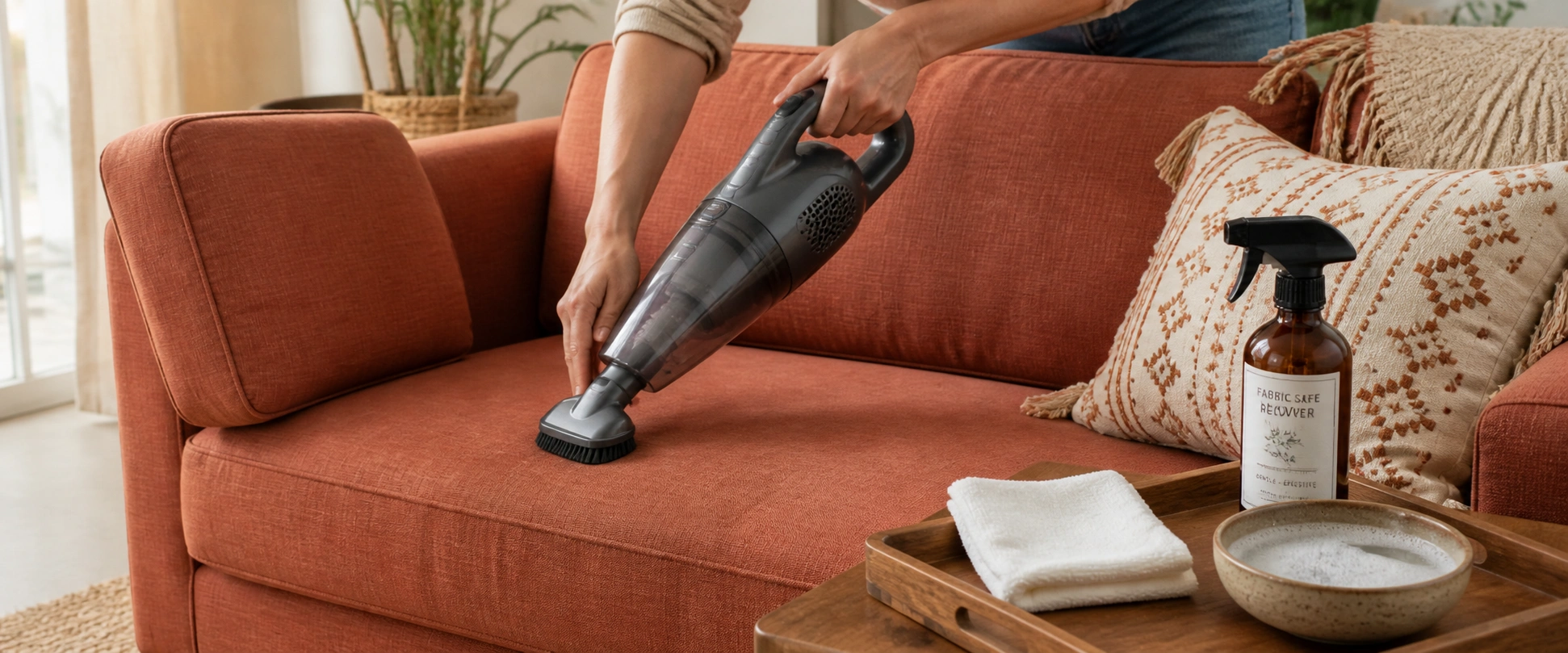
Vacuum your sofa weekly using a soft brush attachment to remove dust before it settles into fibers. For velvet sofas, always brush in the direction of the nap to maintain the fabric's sheen. Fabric sofas in cotton and linen benefit from removable, washable covers — a significant advantage for boho style where you might want to swap covers seasonally. Treat stains immediately using our stain removal guide, and always test cleaning solutions on a hidden area first.
Rattan and Wicker Frames
Dust rattan frames weekly with a soft cloth or a brush with soft bristles. Every few months, wipe with a damp cloth (not wet — excess moisture can cause warping) and allow to air dry completely. For stubborn dirt in crevices, use a soft toothbrush. Apply a thin coat of boiled linseed oil or furniture wax once a year to prevent the rattan from drying out and cracking.
Cushions and Throws
Fluff and rotate cushions weekly to ensure even wear and prevent permanent indentations. If your cushions start to feel flat, our guide on fixing sagging cushions covers both DIY solutions and replacement options. Wash throw pillows and blankets according to their care labels — most boho textiles are cotton or linen and can be machine washed on gentle cycles. For comprehensive protection, consider applying a fabric protection treatment when the sofa is new.
General Maintenance Schedule
Boho Sofa Maintenance Checklist
- Weekly: Vacuum all surfaces with soft brush attachment
- Weekly: Fluff and rotate seat and back cushions
- Monthly: Check for loose legs, wobbles, or frame issues
- Monthly: Spot clean any new stains promptly
- Every 3 months: Deep clean upholstery or wash removable covers
- Every 6 months: Apply fabric protection spray re-treatment
- Annually: Inspect rattan frames and apply protective oil if needed
- Annually: Assess cushion firmness and consider replacement if sagging
If you encounter issues like squeaking, fabric pilling, or persistent odors, our common sofa problems and fixes guide addresses these and more. For questions about whether your specific sofa issue is covered under warranty or requires professional repair, contact our support team.
Final Buying Considerations
Before you make your purchase, use this quick-reference framework to evaluate any bohemian sofa you are considering:
- Frame quality: Is it kiln-dried hardwood, rattan, or another durable material? Avoid softwoods and particleboard. Learn more about frame materials.
- Cushion comfort: Does the cushion fill provide the right balance of softness and support for your sitting habits?
- Fabric practicality: Does the material's durability match your household's demands? Check Martindale scores and consider whether you need fabric protection.
- Size proportion: Does the sofa fit your room without overwhelming it or looking too small? Use our measurement guide.
- Style authenticity: Does the sofa have at least three key boho characteristics (texture, earthy tones, natural materials, low profile, global influence)?
- Long-term versatility: Can you refresh the look with new cushions or a slipcover, or are you locked into one aesthetic?
- Value for money: Are you paying for quality construction, or primarily for a trendy label? Our price vs quality guide helps you evaluate this objectively.
Understanding sofa price breakdown helps you see exactly where your money goes — frame, upholstery, cushion fill, labor — so you can make informed trade-offs. If you are deciding between a custom piece and a ready-made option, our custom vs ready-made comparison covers the pros, cons, and cost implications of each path.
Finally, knowing how much a good sofa costs sets realistic expectations. A quality bohemian sofa typically ranges from $500 to $2,500 depending on size, material, and construction. The best time to buy is during major sales events (Memorial Day, Labor Day, Black Friday) when retailers offer significant discounts on furniture.