
Sofa Budget Guide: How Much to Spend and Where to Save
A practical, no-nonsense breakdown of sofa prices, cost factors, and smart strategies to get the best value for your money.
SEE PRICE RANGESBuying a sofa is one of the most significant furniture investments you will make, yet most shoppers have no clear idea what they should actually spend. This guide eliminates the guesswork. Whether you are furnishing a first apartment on a tight budget or upgrading your family living room, you will learn exactly where your money goes, which corners are safe to cut, and which areas demand full investment. Our goal is simple: help you walk away with a sofa that feels like it cost twice as much.
Understanding Sofa Price Ranges
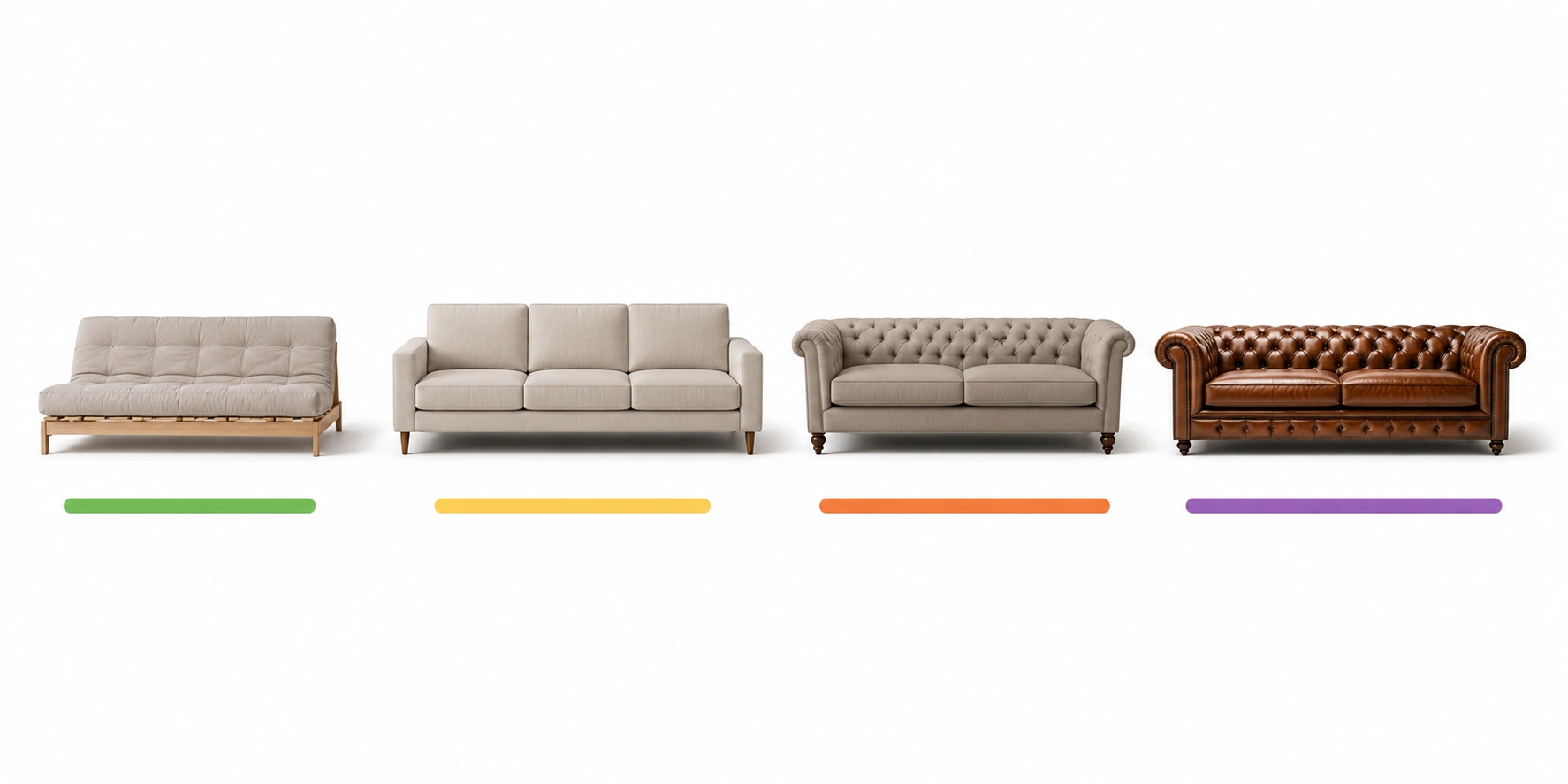
Sofa prices span a wide spectrum, and understanding what each tier delivers is the first step toward making a smart purchase. The price you pay directly correlates with the materials used, construction methods, and expected lifespan. Here is a realistic breakdown based on current market data for standard three-seater sofas in the United States.
| Price Tier | Price Range | Expected Lifespan | What You Get |
|---|---|---|---|
| Budget | $200 – $500 | 2 – 4 years | Particle board or softwood frame, basic foam cushions, polyester or microfiber upholstery, sinuous springs. Suitable for occasional use or temporary furnishing. |
| Mid-Range | $500 – $1,200 | 5 – 8 years | Kiln-dried hardwood or plywood frame, medium-density foam with fiber wrap, performance fabric or bonded leather, reinforced sinuous or pocket coils. Solid everyday option. |
| Premium | $1,200 – $2,500 | 8 – 15 years | Solid hardwood frame with dowel joints, high-resilience foam and down blend, top-grain leather or designer fabric, eight-way hand-tied springs. Long-term investment piece. |
| Luxury | $2,500 – $10,000+ | 15 – 25+ years | Hardwood frame with hand-tied construction, premium fill (down, goose feathers), full aniline or semi-aniline leather, artisan craftsmanship, customizable options. |
For most households, the sweet spot sits between $500 and $1,200. This range delivers frames that will not warp, cushions that maintain their shape for years, and upholstery that resists daily wear. If you are wondering how much a good sofa should cost, this mid-range tier is where durability and affordability intersect most effectively.
Do not let a low sticker price fool you. A $250 sofa that needs replacing in two years costs you $125 per year. A $900 sofa that lasts eight years costs just $112 per year and delivers far superior comfort throughout. Think in terms of cost per year of use, not just the upfront price tag.
What Drives Sofa Prices
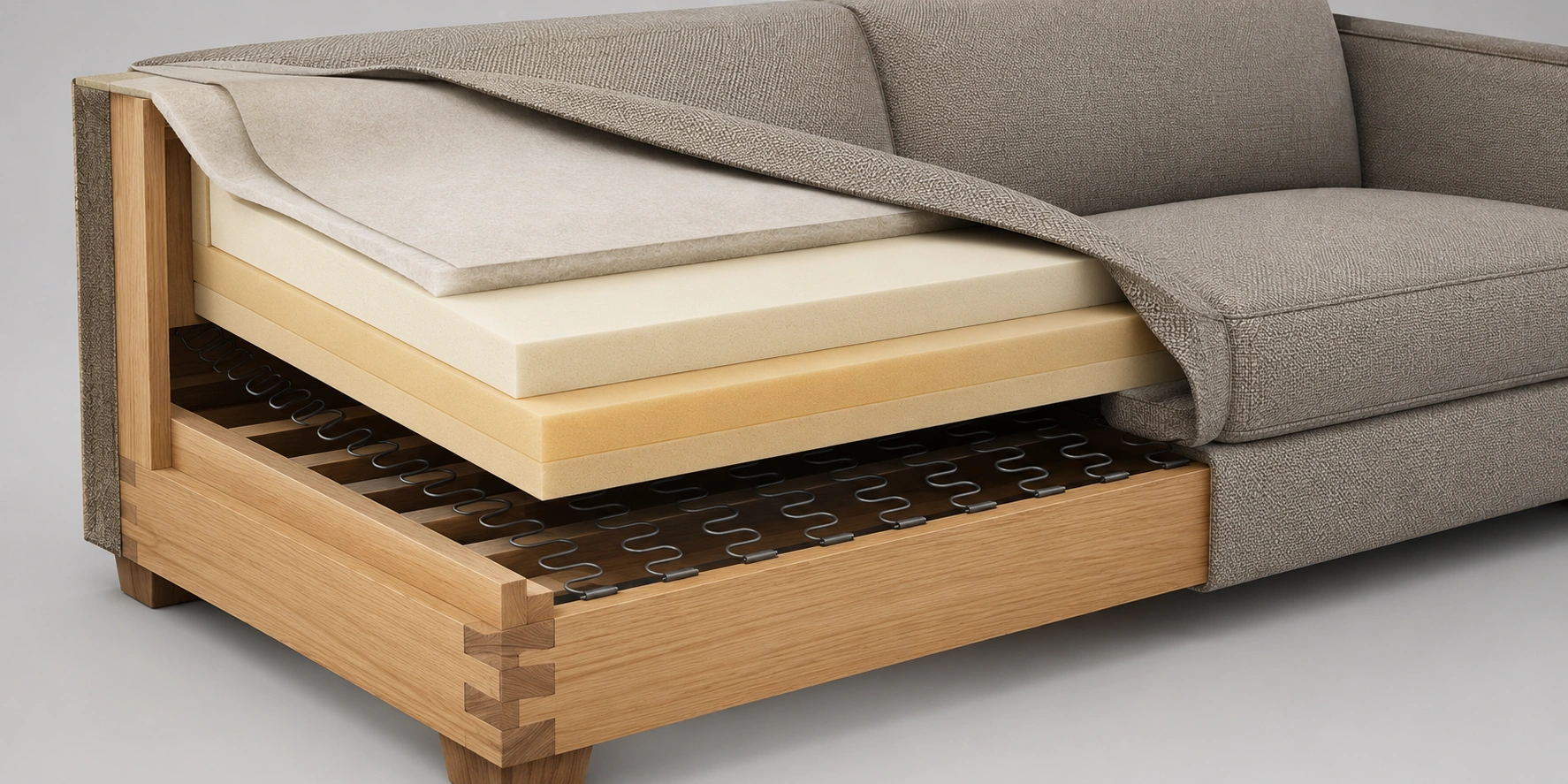
Understanding the individual components that determine a sofa's price empowers you to evaluate whether a specific model is worth its asking cost. Every dollar you spend goes into one of five main categories, each contributing differently to comfort and longevity.
Frame (25–35% of cost)
The skeleton of your sofa. Kiln-dried hardwood like oak, maple, or ash costs more but resists warping and cracking. Particle board and softwoods like pine are cheaper but flex and degrade faster over time. Learn about frame materials in detail.
Spring System (10–18% of cost)
Springs determine seat support and longevity. Eight-way hand-tied springs are the gold standard but expensive. Sinuous (no-sag) springs offer good value at a lower cost. Avoid sofas with no spring system at all. Compare spring systems.
Cushion Fill (18–28% of cost)
High-density foam (1.8+ lb/ft³) with a fiber wrap provides firm, lasting support. Down blends feel luxurious but require frequent fluffing. Low-density foam flattens quickly and is the main reason budget sofas sag. Explore cushion fill types.
Upholstery (15–25% of cost)
Fabric choice significantly impacts price. Performance polyester and microfiber are affordable and durable. Top-grain leather can double the price. Velvet and linen sit in the mid-to-premium range. Leather vs fabric comparison.
Details & Finishing (5–12% of cost)
Tufting, nailhead trim, decorative legs, and custom stitching add visual appeal but increase labor costs. These are purely aesthetic — they do not improve comfort or durability. Prioritize function over decoration when on a budget.
Brand & Distribution (10–20% of cost)
Established brands charge more for their reputation, warranties, and retail overhead. Direct-to-consumer brands often deliver comparable quality at lower prices by cutting out the middleman. Where to buy sofas wisely.
How to Allocate Your Budget
If you have a fixed amount to spend, the way you distribute that budget across components matters more than the total number. The chart below shows the ideal allocation for a $1,000 sofa budget, prioritizing the elements that have the greatest impact on longevity and comfort.
The logic is straightforward: the frame and springs are structural — if they fail, the entire sofa is done. Cushions affect daily comfort and can be replaced later if needed. Upholstery is visible and should look good, but affordable performance fabrics deliver excellent results without the premium price tag. Decorative details should receive the smallest portion because they contribute nothing to function. For a deeper understanding of how each dollar translates to quality, read our complete sofa price breakdown analysis.
Best Sofa Types for Each Budget
Not all sofa types cost the same. Some designs inherently require more material, more complex construction, or pricier mechanisms. Choosing the right type for your budget tier is one of the most effective ways to maximize value. If you have a smaller space to furnish, sofas for small spaces naturally cost less due to reduced material requirements.
Under $500: Maximum Value Types
Futon Sofa
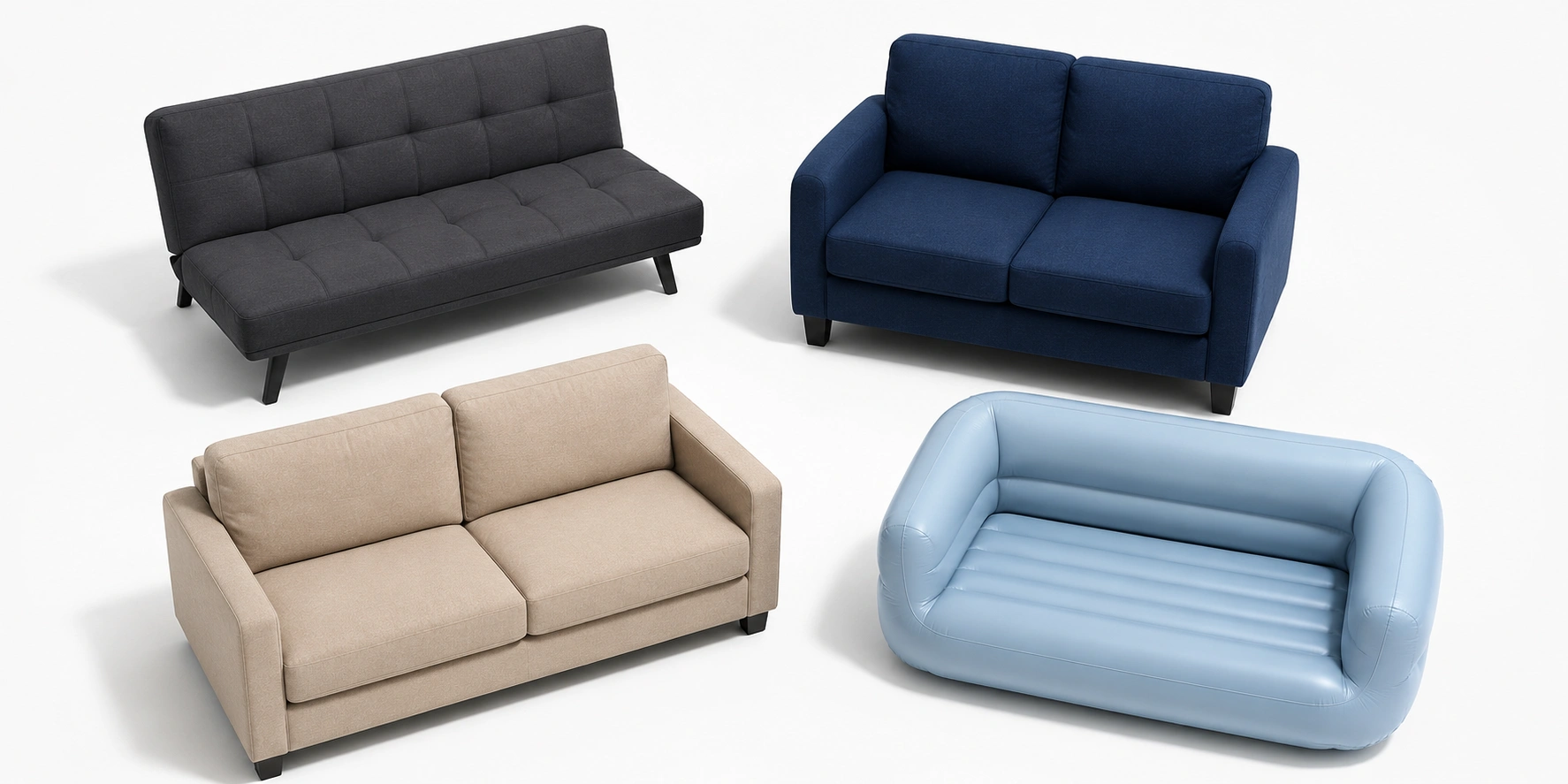
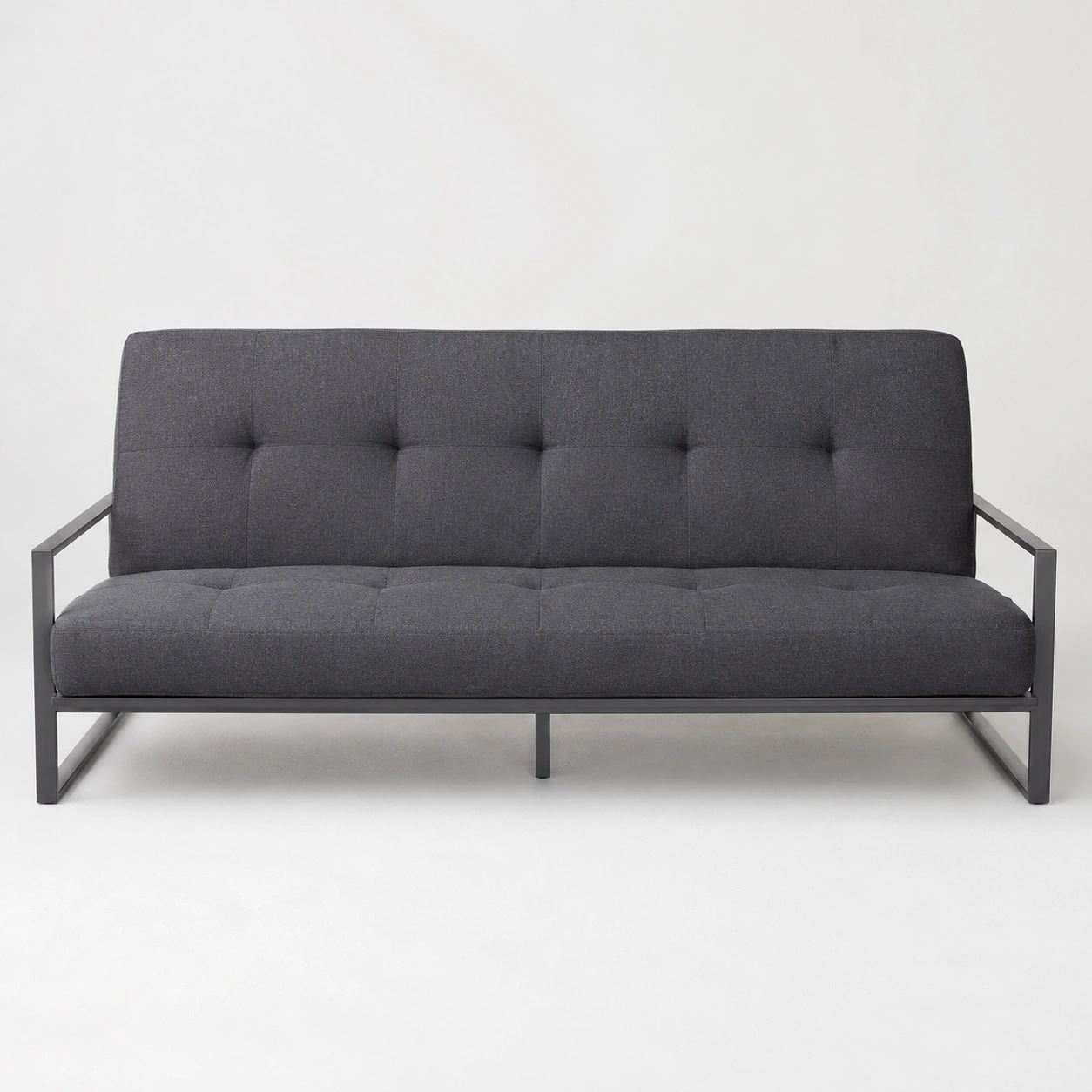
Dual-purpose design, minimal frame, cotton or polyester mattress. Great for studios and guest spaces.
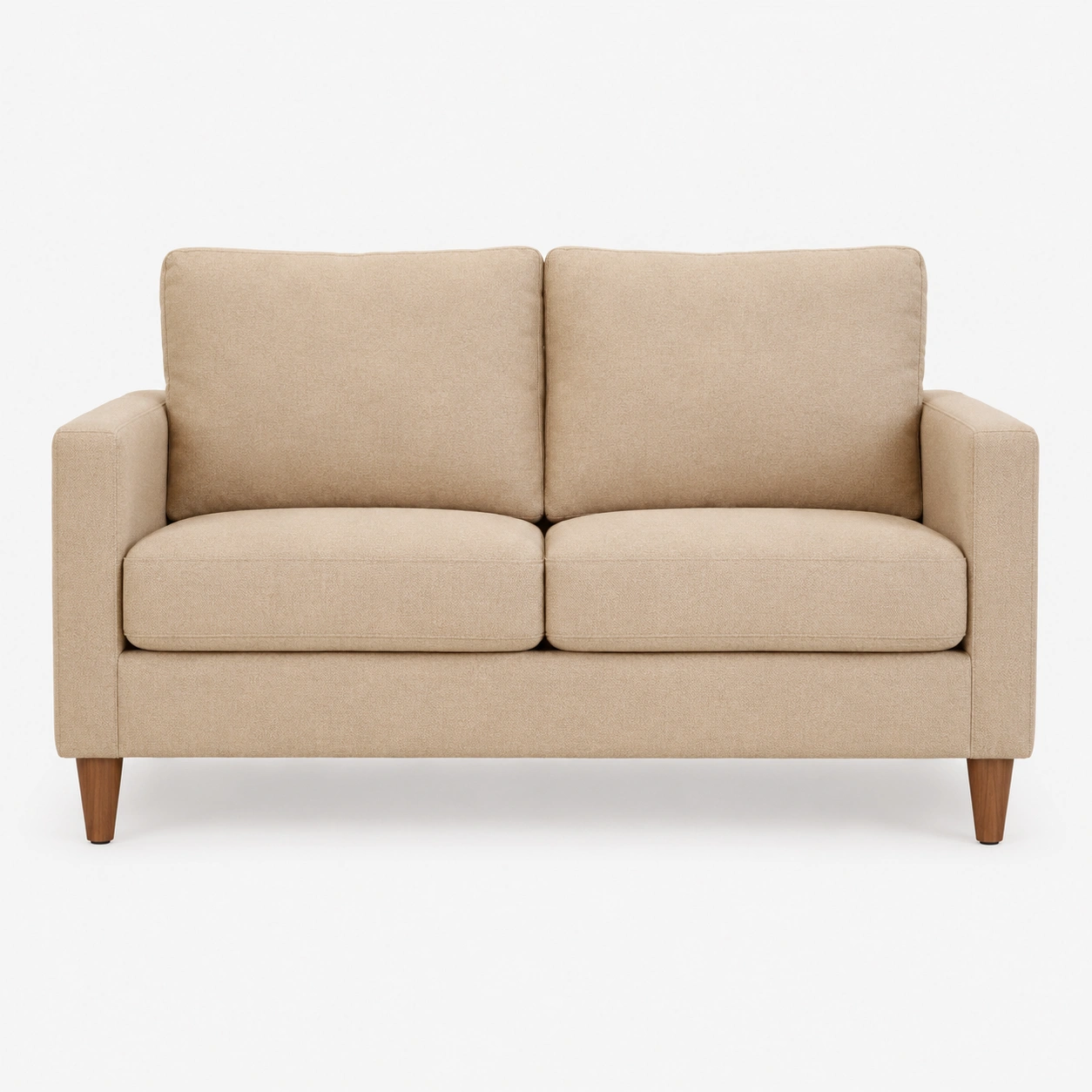
Loveseat
Compact two-seater with less material cost. Ideal for apartments and small living rooms. Explore loveseats.
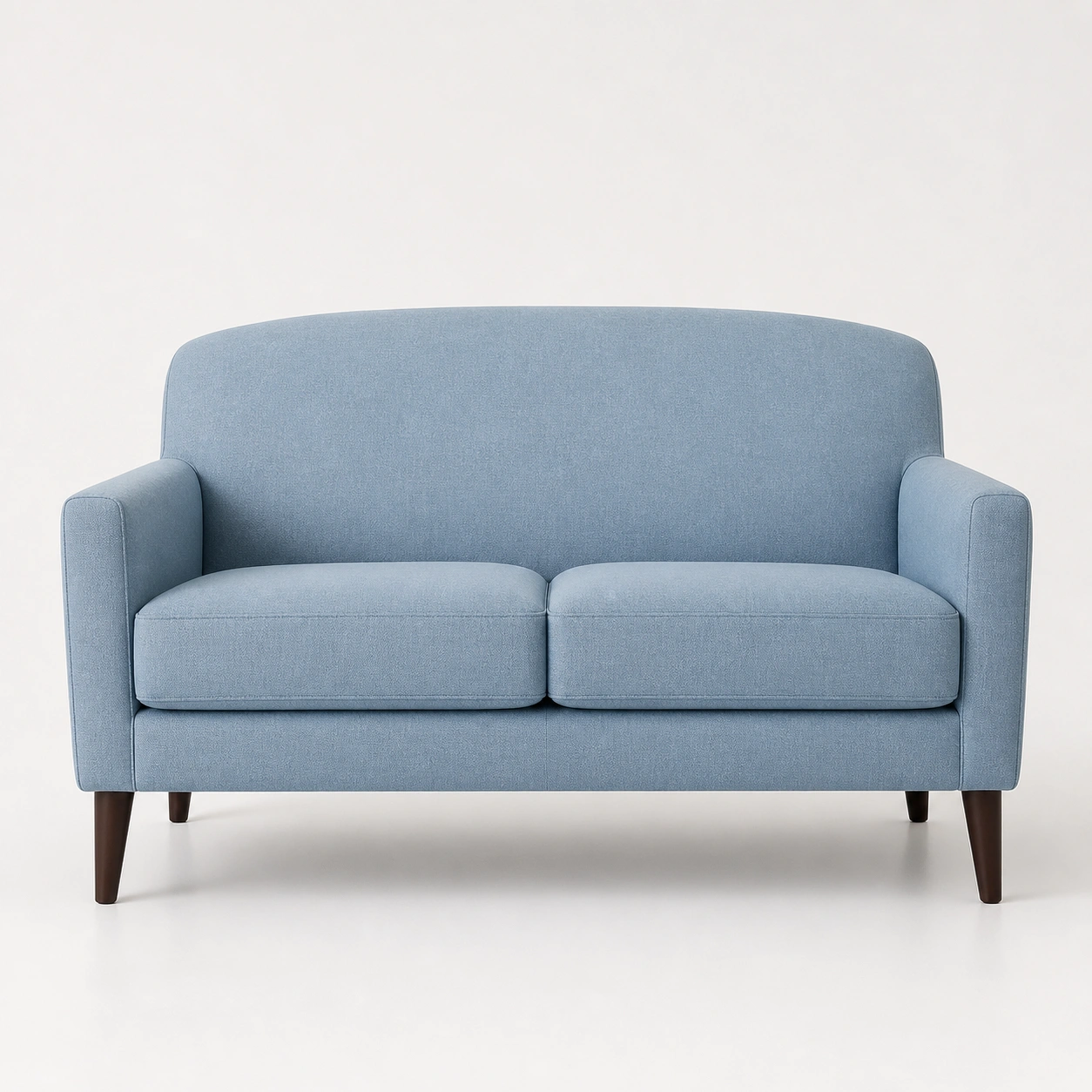
2-Seater Sofa
Slightly larger than a loveseat with better proportion. Fewer cushions mean lower cost. See 2-seater options.
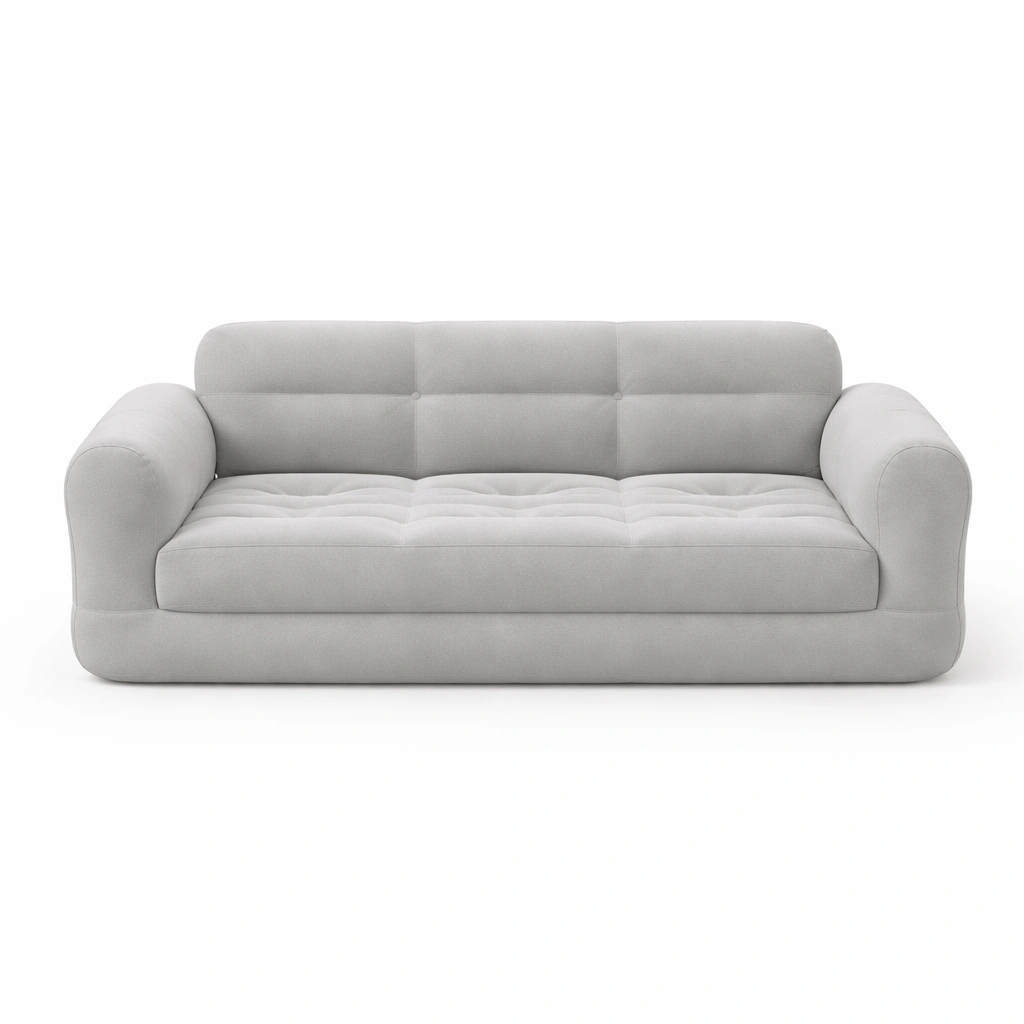
Inflatable Couch
Ultra-budget temporary solution. Not for daily use but works for camping or occasional seating. Learn about inflatable couches.
$500 – $1,200: The Smart-Money Sweet Spot
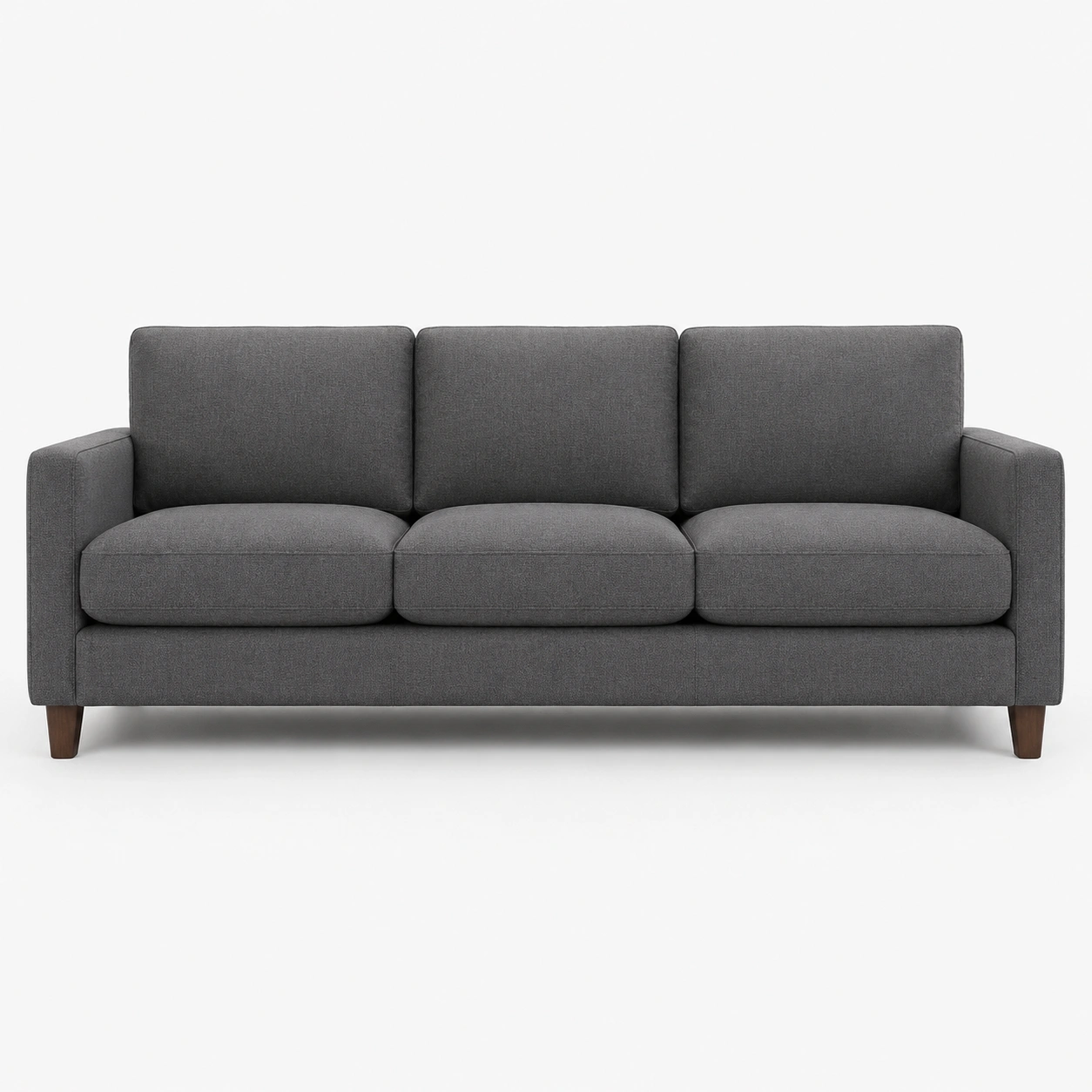
3-Seater Sofa
The standard living room workhorse. At this price, expect hardwood frames and quality fabric. Browse 3-seater sofas.
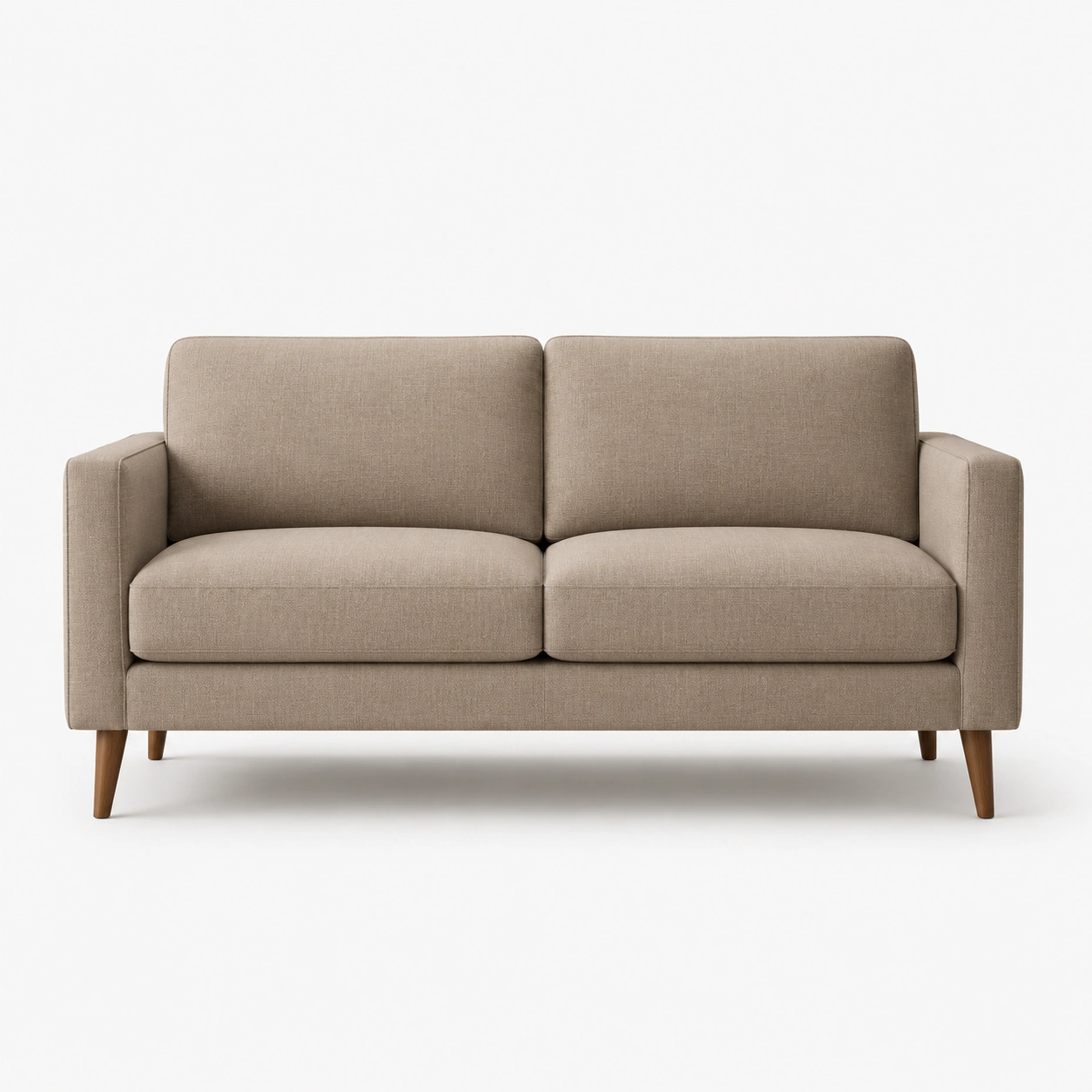
Apartment Sofa
Scaled-down proportions for urban living. Lower material costs without compromising construction. See apartment sofas.
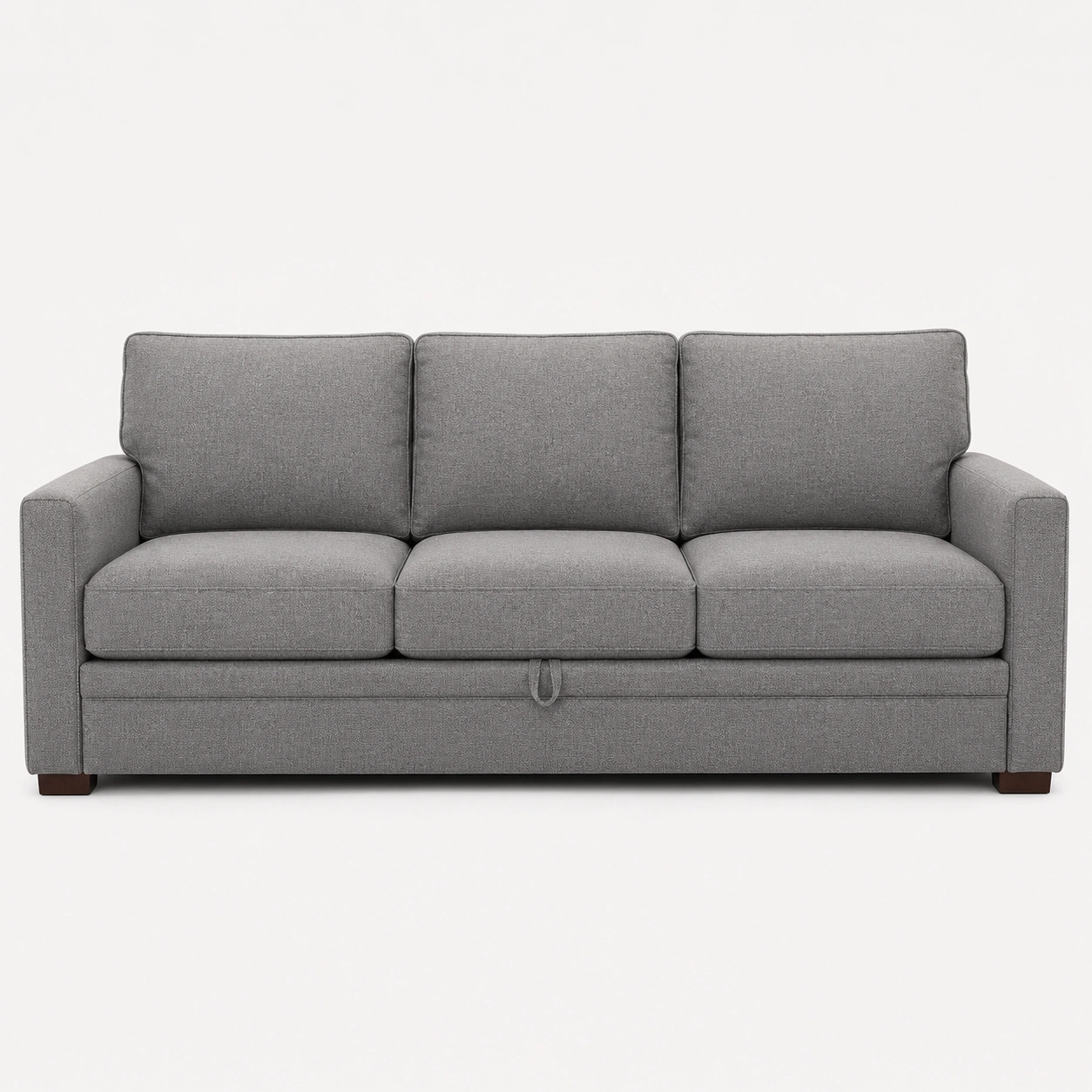
Sleeper Sofa
Built-in mattress mechanism adds cost, but mid-range options now offer comfortable memory foam. Explore sleeper sofas.
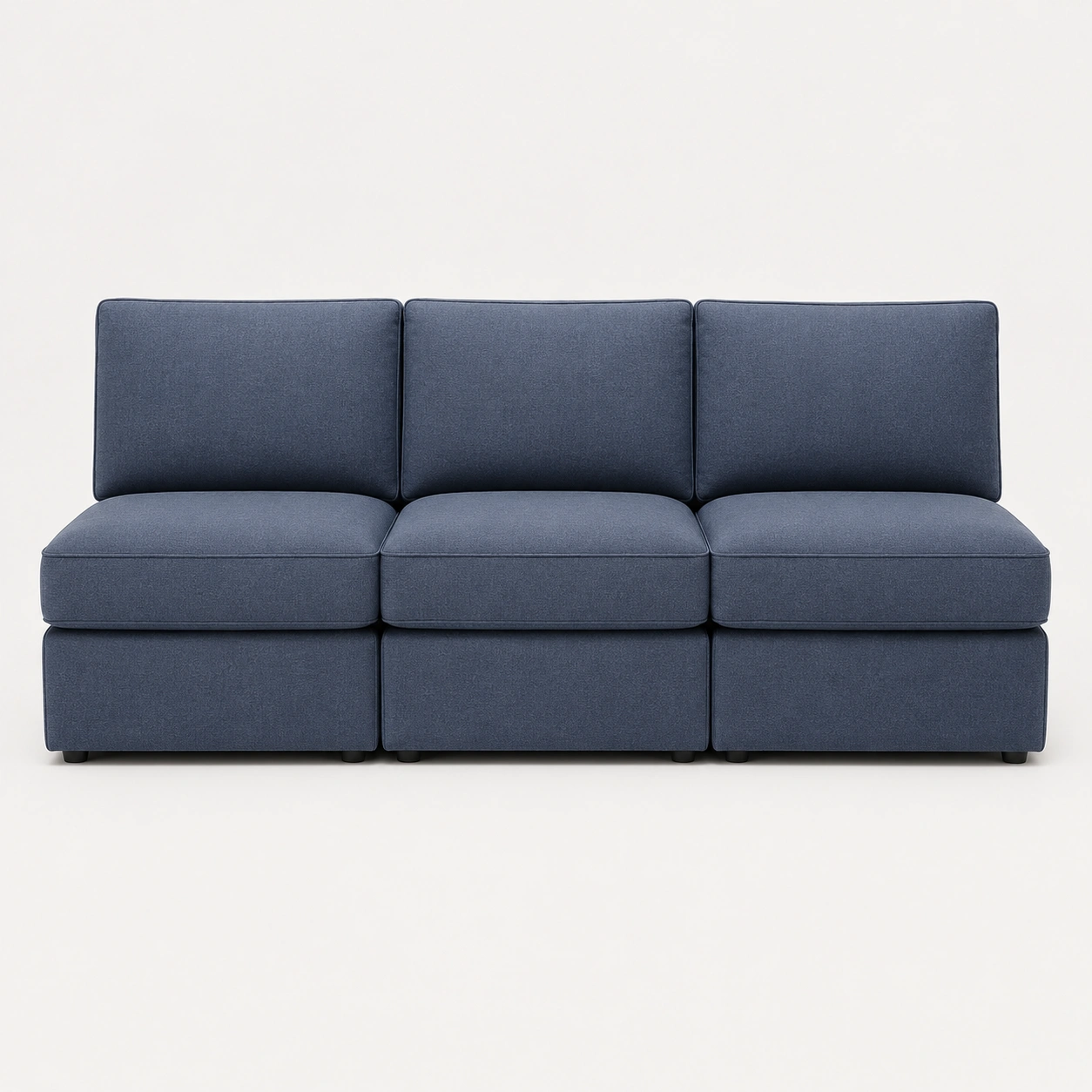
Armless Sofa
No arms means less frame material and upholstery, keeping costs down while maximizing seating. View armless sofas.
$1,200 – $2,500: Investment-Level Types
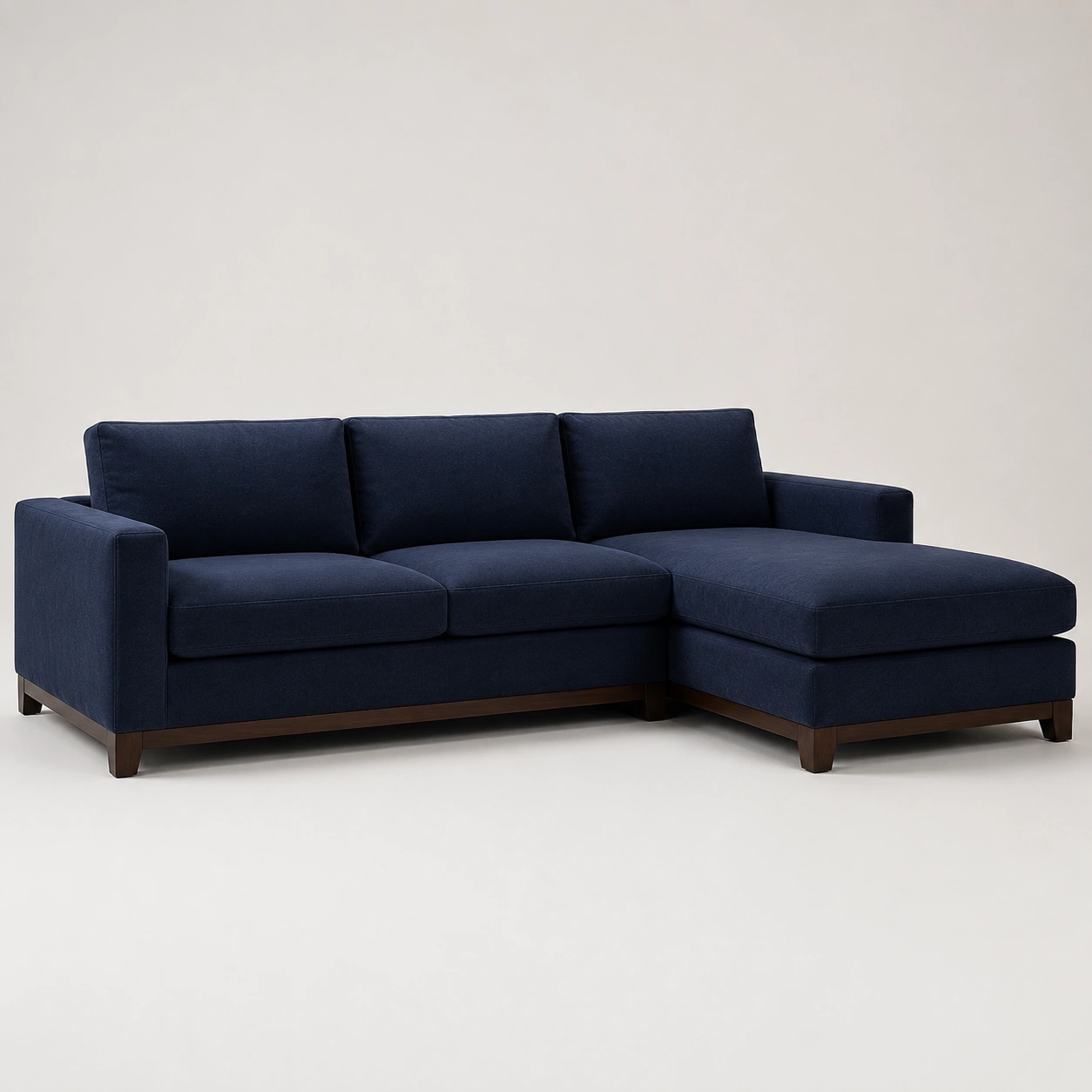
Sectional Sofa
L-shaped or U-shaped configurations with premium construction. High material volume justifies the cost. Explore sectionals.
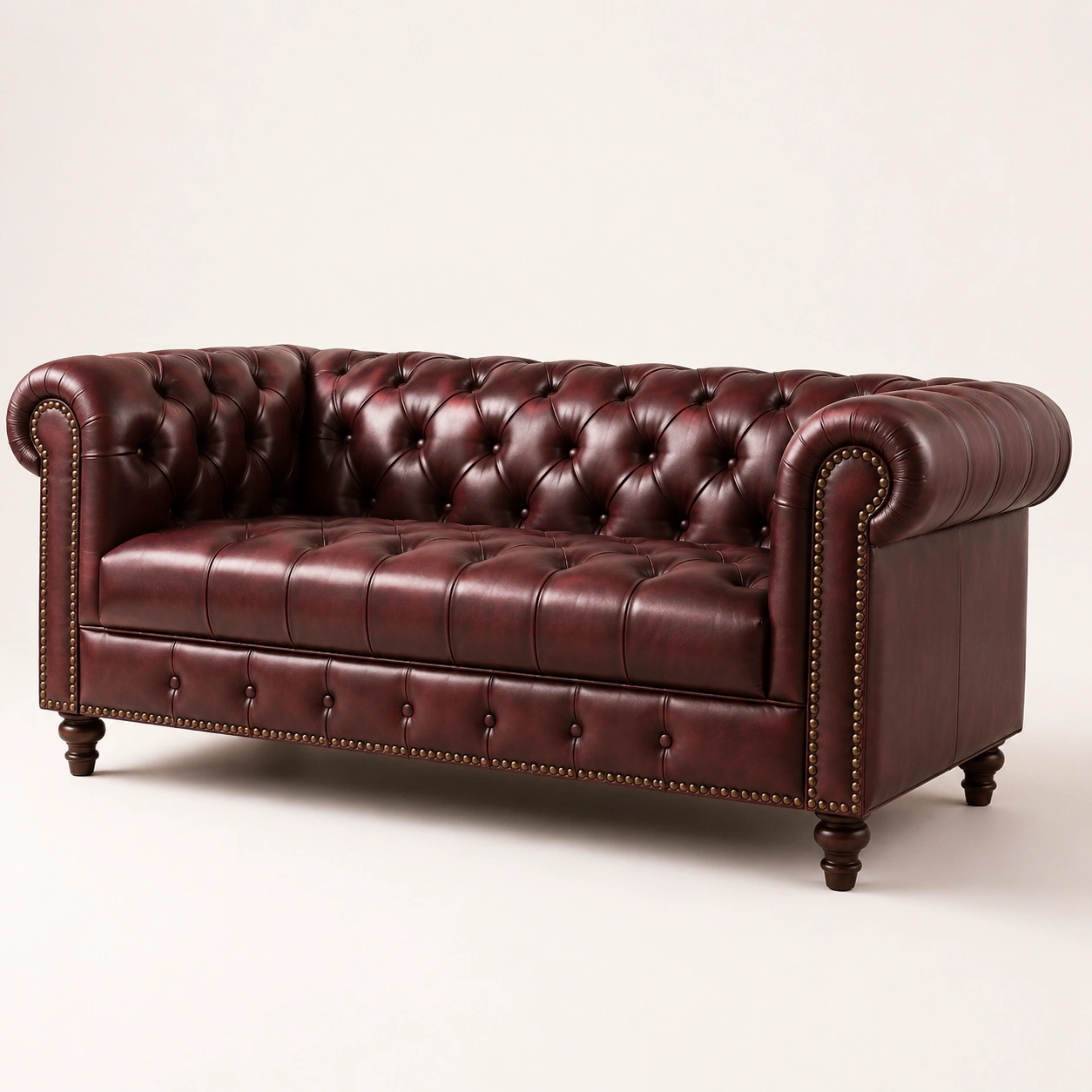
Chesterfield
Deep button tufting and rolled arms require skilled labor. A timeless design that holds value. See chesterfields.
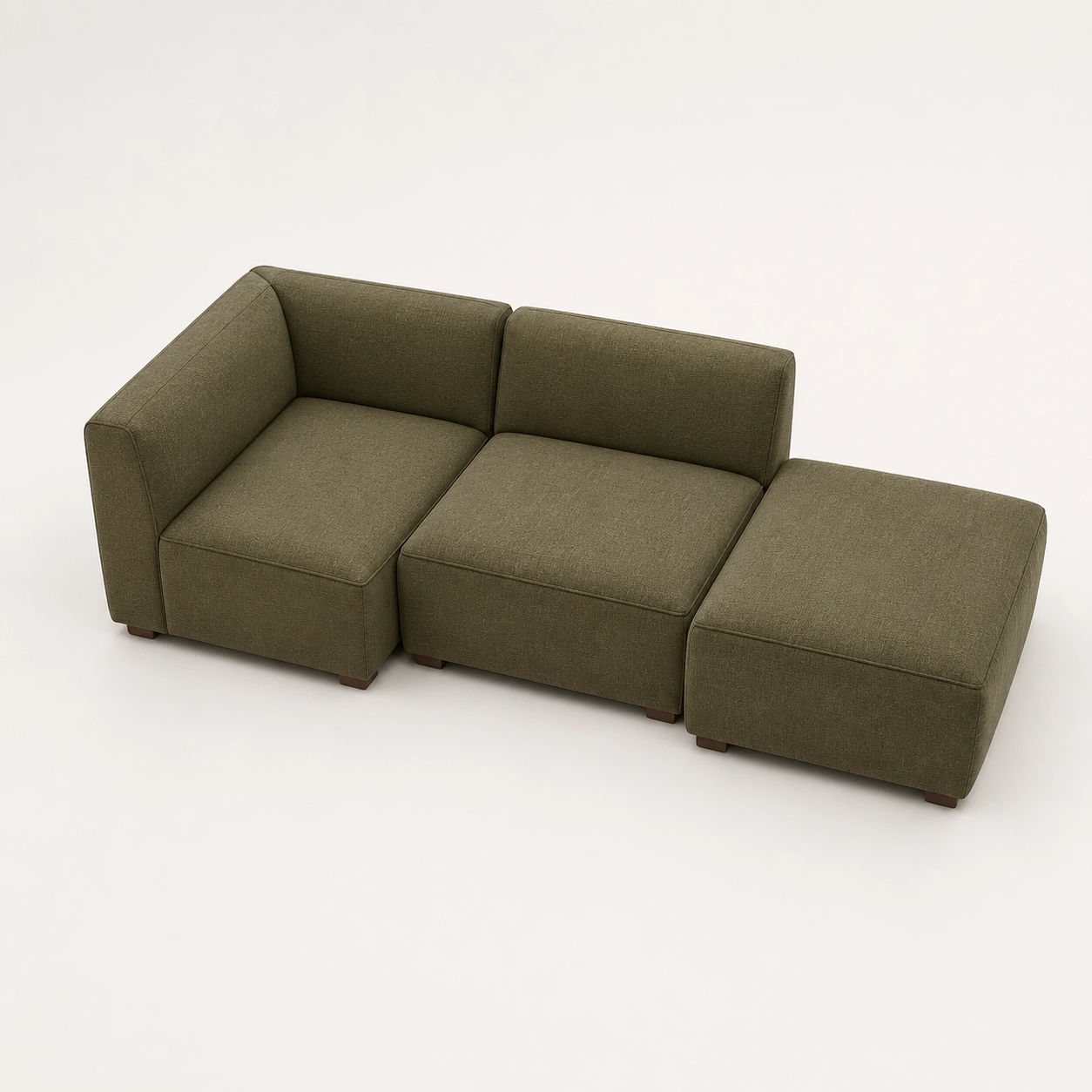
Modular Sofa
Individual pieces that reconfigure. Engineering costs are higher but flexibility is unmatched. Discover modular sofas.
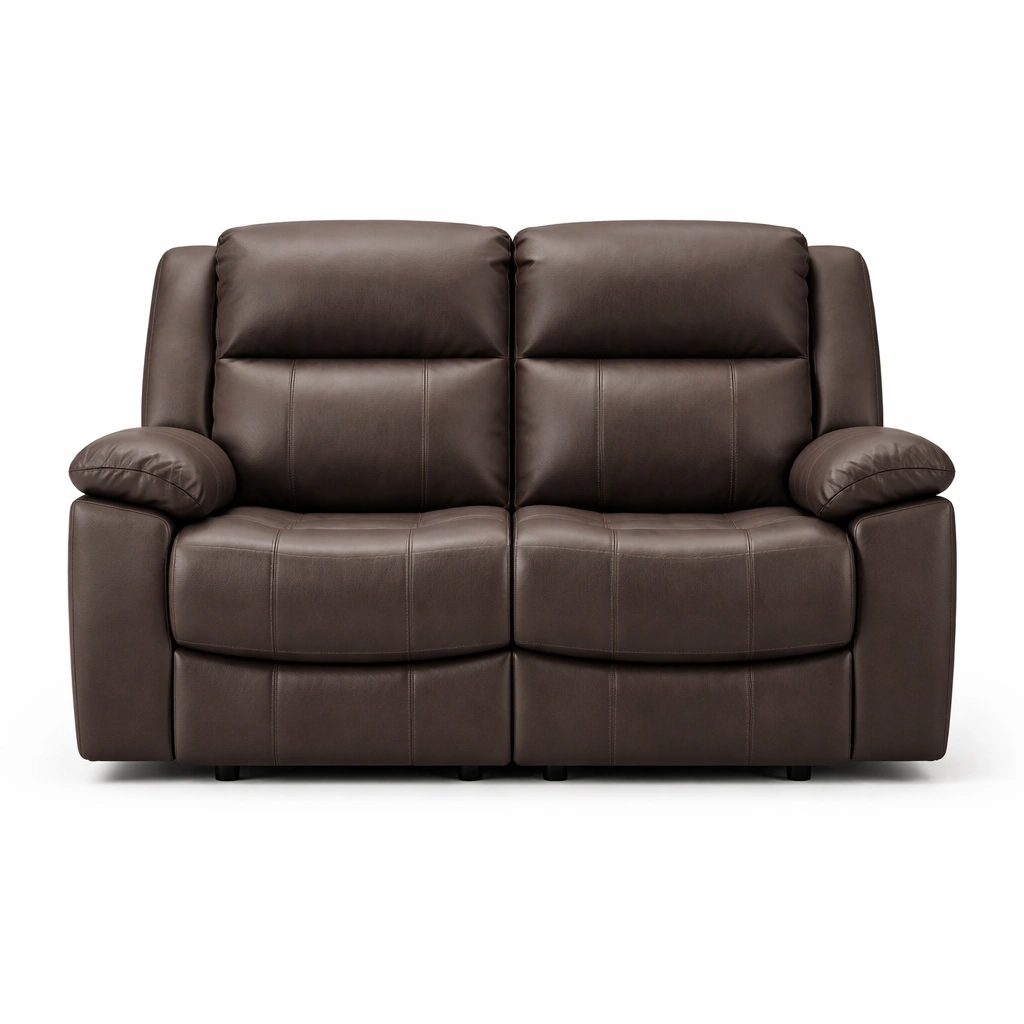
Recliner Sofa
Motorized or manual reclining mechanisms add significant cost. Look for steel frames at this tier. Browse recliner sofas.
Affordable Material Options That Perform
Material selection is where budget-conscious shoppers can make the biggest impact. The right fabric or frame choice can save you hundreds without any noticeable sacrifice in daily use. The key is knowing which affordable options actually perform well versus which ones only look good on a price tag.
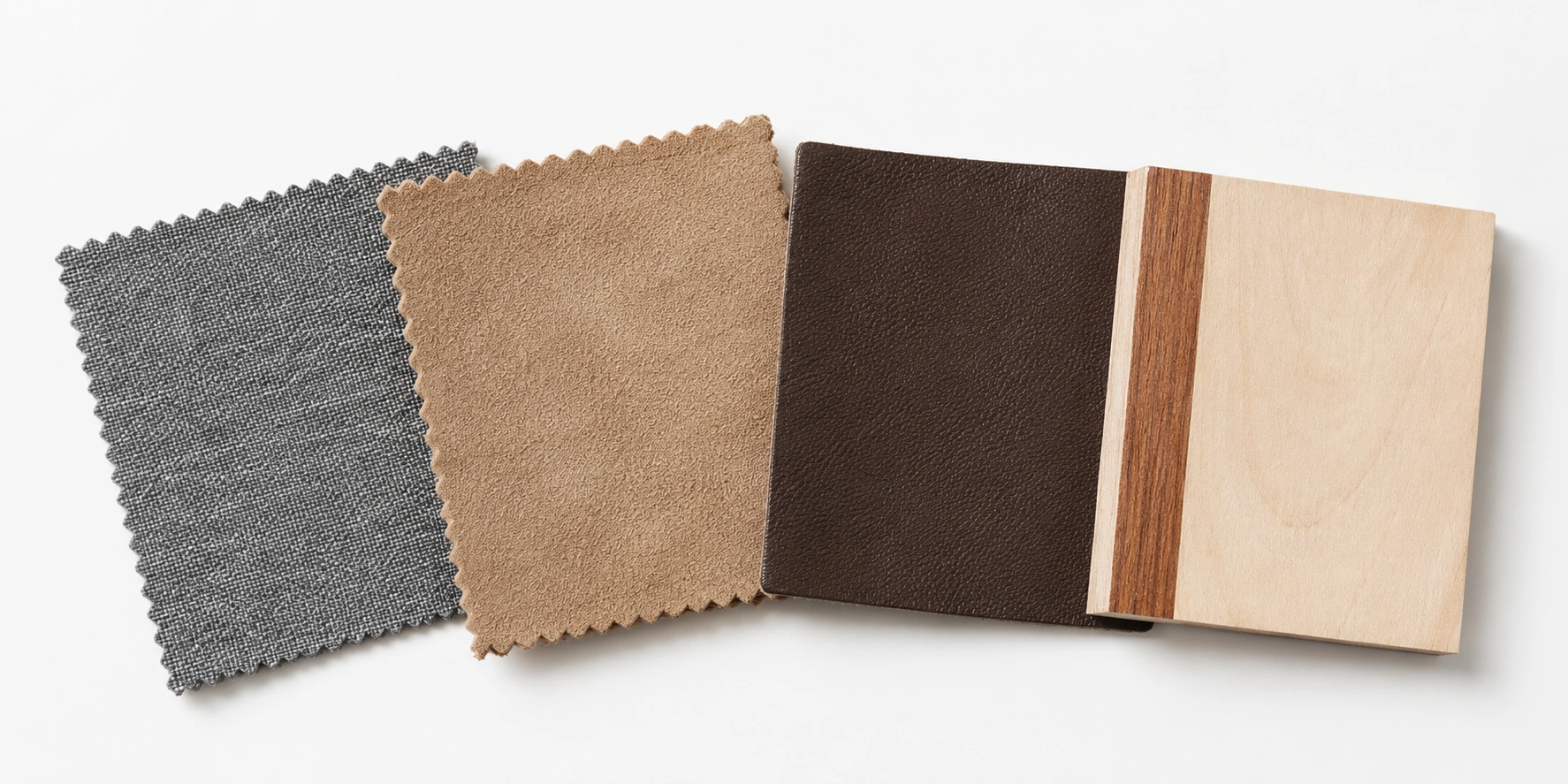
Budget-Friendly Upholstery Fabrics
Polyester and polyester blends are the undisputed champions of budget upholstery. Modern polyester is nothing like the scratchy material from decades ago. Today's performance polyester resists staining, fading, and wear while feeling soft to the touch. A polyester sofa at $600 can outperform a cotton sofa at $900 in terms of stain resistance and colorfastness. The Martindale abrasion test is your best friend here — look for fabrics rated at 20,000+ rubs for residential use.
Microfiber is another excellent budget choice, particularly for households with children or pets. Its ultra-fine fibers create a tight weave that repels liquid and resists pilling. Microfiber couches typically cost 20–30% less than equivalent leather models and are easier to clean. For pet owners specifically, check out our guide to the best sofas for pet owners.
Bonded leather sits between fabric and genuine leather in price. It uses leather scraps bonded with polyurethane. While it looks like leather and costs less, be aware that bonded leather peels and cracks within 3–5 years. If leather aesthetics matter to you but the budget is tight, a dark-colored performance fabric often delivers better long-term value than bonded leather. For a thorough comparison, read our leather grades explained guide.
Smart Frame Choices on a Budget
While kiln-dried hardwood is the ideal frame material, high-quality plywood can be an excellent budget alternative. Multi-layer plywood with a hardwood veneer resists warping better than solid softwoods like pine. The critical factor is joinery — look for dowels, corner blocks, and staples (in combination), not just staples alone. Avoid any frame that feels lightweight when you try to lift one end of the sofa. For a complete understanding, see our frame materials guide.
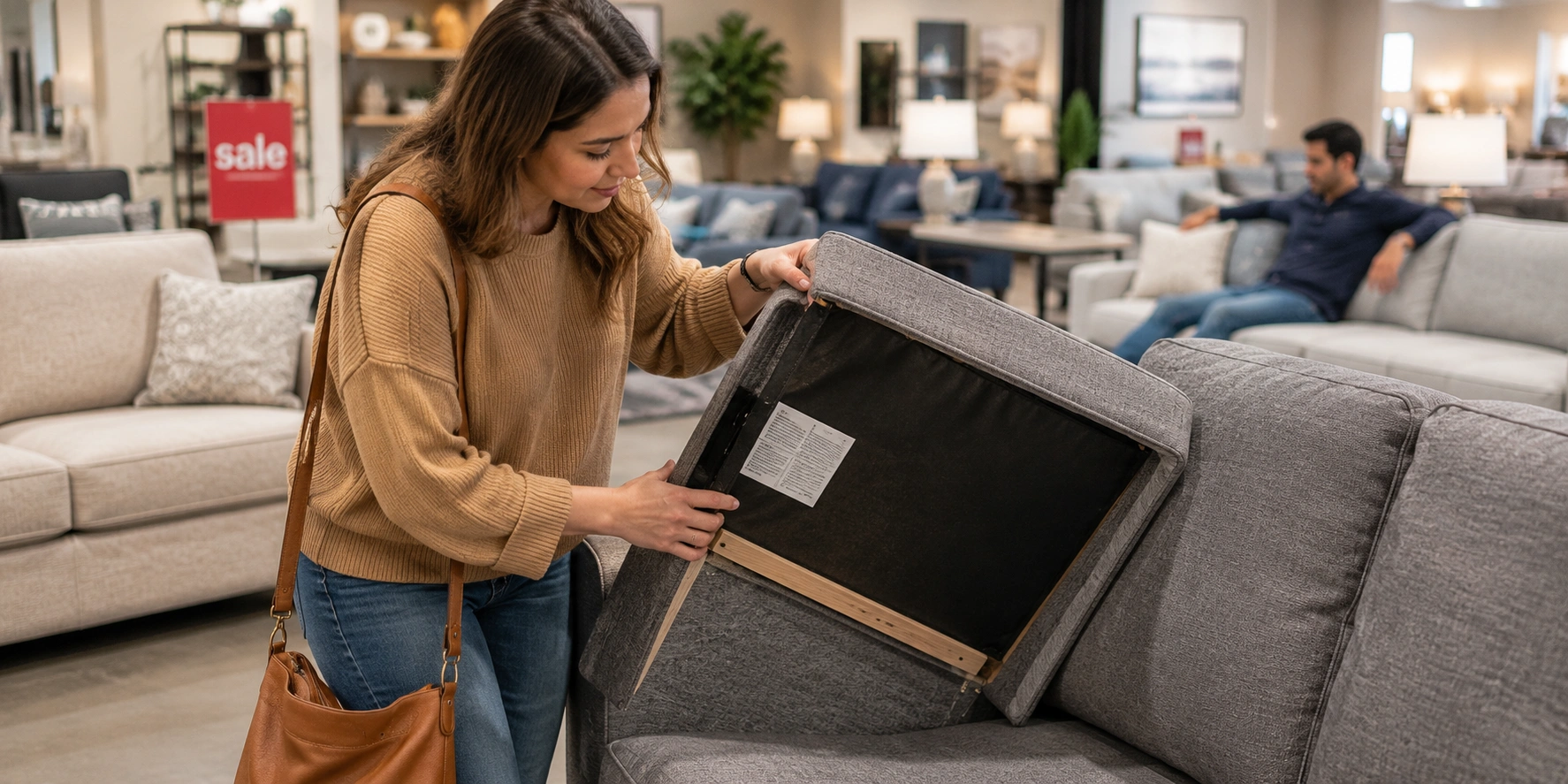
Before buying, ask the seller to show you the sofa's underside or remove a cushion cover to inspect the frame tag. Many manufacturers list frame material and construction method on a label. If the tag says "all-wood construction" without specifying hardwood, it likely means softwood or composite. Specific language like "kiln-dried hardwood" or "hardwood frame" is what you want to see.
Where to Save vs Where to Splurge
This is the most important section of the entire guide. Not all cost-cutting is created equal — saving on the wrong component can turn a "bargain" into an expensive mistake. The following framework shows exactly which areas reward smart spending and which areas tolerate budget choices gracefully. This approach directly relates to the broader question of price versus quality in sofas.
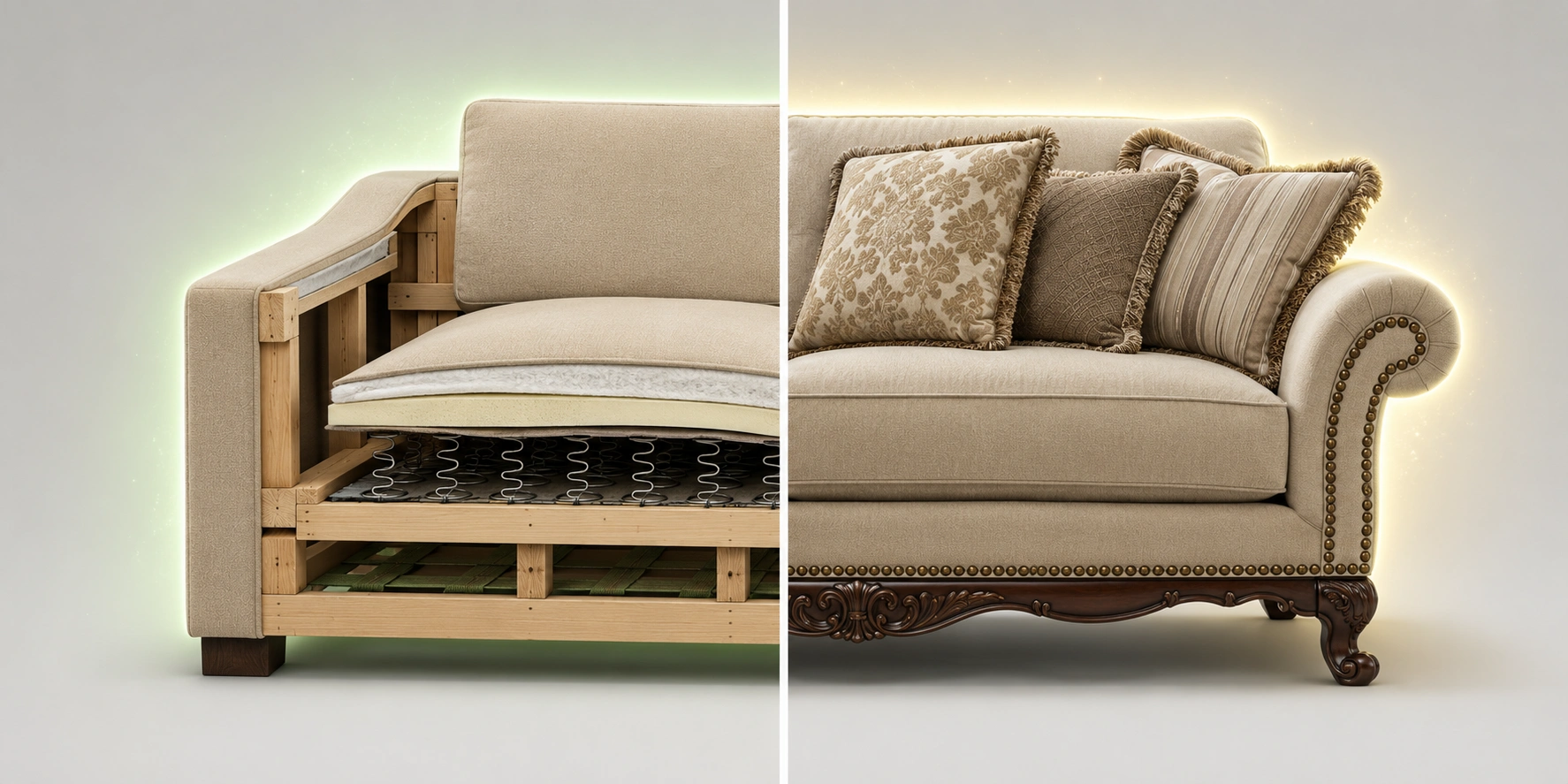
✅ Safe to Save On
- Decorative details — Nailhead trim, tufting, and ornate legs look nice but add zero comfort or durability. A clean, simple design saves $100–$300.
- Trendy colors — Neutral tones (grey, beige, navy) cost the same as trendy shades but never go out of style, extending the sofa's usable life. Explore neutral sofas.
- Brand name markup — Direct-to-consumer brands often use the same factories as name brands but skip the retail markup. You can save 30–50% without quality loss.
- Throw pillows included — Skip the matching pillow set. Buy separate throw pillows for $15–$30 each and get exactly the look and feel you want. Browse throws and pillows.
- Delivery premiums — If you have a pickup truck or can borrow one, self-pickup saves $50–$200. White-glove delivery is a luxury, not a necessity.
- Extended warranties — Most credit cards offer free extended warranties. Check yours before paying for a store warranty that may have exclusions.
⛔ Never Compromise On
- Frame material — A softwood or particle board frame will sag, crack, or warp within 2–3 years. This is non-negotiable. Insist on hardwood or high-grade plywood. Why frame matters.
- Spring system — A sofa without proper springs (or with cheap, loosely hung springs) will develop uncomfortable dips. Sinuous springs are the minimum acceptable standard. Spring systems compared.
- Foam density — Anything below 1.5 lb/ft³ density foam will flatten within months. Look for 1.8 lb/ft³ or higher for seat cushions. Understand foam density.
- Joinery method — Staples alone are a red flag. Look for combinations of dowels, screws, corner blocks, and staples. Glued and doweled joints are the mark of quality.
- Seat depth for your body — A sofa that does not fit your body is useless regardless of price. Test before buying. How to test sofa comfort.
- Fabric durability rating — Cheap fabric that pills, tears, or stains in the first year makes the entire sofa feel cheap. Always check the Martindale or Wyzenbeek rating.
Many budget sofas are designed to look luxurious in photos — deep tufting, rolled arms, chrome legs — while using the cheapest possible internal construction. These sofas often receive negative reviews within months as cushions flatten and frames creak. Always look past the exterior and ask about what is inside. Our guide on how to check sofa quality before buying walks you through the exact inspection process.
Hidden Costs to Watch For
The price on the tag is rarely the final amount you pay. Hidden costs can add 10–30% to your total sofa expense if you are not prepared. Understanding these costs upfront prevents unpleasant surprises and helps you set a realistic total budget. Our detailed article on hidden costs of buying a sofa covers this topic in even greater depth.

- Delivery and shipping fees — Range from $50 for curbside drop-off to $300+ for white-glove delivery with unpacking and placement. Large or heavy sofas (especially sectionals) sit at the higher end.
- Assembly charges — Some sofas require on-site assembly. While standard 3-seaters rarely do, modular sofas and sectionals often need assembly that costs $50–$150 if not included.
- Fabric protection treatment — Stores charge $50–$150 for Scotchgard or similar treatments. You can buy a can of fabric protector for $10–$15 and apply it yourself. DIY fabric protection guide.
- Sales tax — Online purchases may not charge sales tax in certain states, but many now do following new marketplace rules. Factor in 5–10% depending on your location.
- Return restocking fees — Some retailers charge 15–25% restocking fees for returned sofas, even within the return window. Always read the return policy before purchasing.
- Maintenance supplies — Leather conditioner, fabric cleaner, and protective covers add $30–$80 in the first year. Budget for these as part of your total cost of ownership.
- Accessory purchases — Sofas often trigger additional purchases: throw pillows ($15–$40 each), a sofa table ($80–$200), or a rug ($50–$200) to anchor the space. Browse sofa tables.
Take your ideal sofa price and multiply by 1.15 to 1.25. That is your true budget target. If you want to spend $800 on the sofa itself, plan for a total outlay of $920–$1,000 including delivery, protection, and accessories. This prevents the common mistake of maxing out your budget on the sofa price alone and then having to cut corners on delivery or care.
Smart Shopping Strategies
Timing, negotiation, and strategic shopping can save you hundreds without compromising on quality. These tactics are used by interior designers and furniture buyers to consistently get below-MSRP pricing on quality pieces.
Best Times to Buy a Sofa
Furniture retailers follow predictable sales cycles. Shopping during these windows can save you 20–40% on the exact same sofa. Our comprehensive guide on the best time to buy a sofa covers seasonal patterns in detail, but here is the quick reference:
Post-holiday clearance. Stores need to make room for spring inventory. Discounts of 30–50% on floor models and overstock items.
One of the biggest furniture sale weekends of the year. Many retailers offer their deepest discounts during this holiday weekend.
Kicks off the summer sale season. Excellent for outdoor sofas and living room sets. 25–40% off is common.
Mid-year clearance event. Stores clear spring inventory to prepare for fall arrivals. Great selection with solid discounts.
Another major furniture holiday. Competing sales between retailers often drive prices lower than other holidays.
The deepest discounts of the year, often 40–60% off. Plan ahead and know exactly what you want because inventory moves fast.
Additional Money-Saving Tactics
Negotiate at physical stores. Furniture prices are rarely fixed. Ask for the floor model price (typically 15–25% off), request that delivery be waived, or ask if they can match an online price. The worst they can say is no, and most salespeople have discretion to offer discounts to close a sale.
Consider secondhand options carefully. A quality used sofa from a reputable source can deliver premium construction at budget prices. The key is knowing what to inspect. Our secondhand vs new sofa comparison helps you determine when a used purchase makes sense and how to evaluate condition accurately.
Choose a ready-made sofa over custom. Custom orders carry 20–40% premiums and often have longer lead times with no return option. Ready-made models from quality brands deliver proven designs at lower prices, and you can test them in person before buying.
Use floor models strategically. Floor models are real, assembled sofas that have been on display. They often sell for 20–40% off with minor cosmetic wear that is usually unnoticeable. Inspect seams, cushions, and frame stability before purchasing a floor model.
Buy the right size the first time. One of the most expensive mistakes is buying a sofa that does not fit your space, forcing you to sell at a loss and buy again. Always measure your room, doorways, and hallways before purchasing. Our sofa size and room guide provides a complete measuring framework to prevent costly sizing errors.
If you are furnishing an entire room, allocate roughly 70% of your seating budget to the primary sofa and 30% to secondary seating (accent chair, ottoman, or sofa with ottoman). The primary sofa takes the most wear and has the biggest impact on comfort, so it deserves the lion's share of your investment.


