Futon Sofa: The Complete Guide to Style, Comfort & Versatility
Discover everything about futon sofas — from traditional Japanese origins to modern convertible designs — and find the perfect futon that transforms any room from seating to sleeping in seconds.
FIND YOUR PERFECT FUTONWhat Is a Futon Sofa?
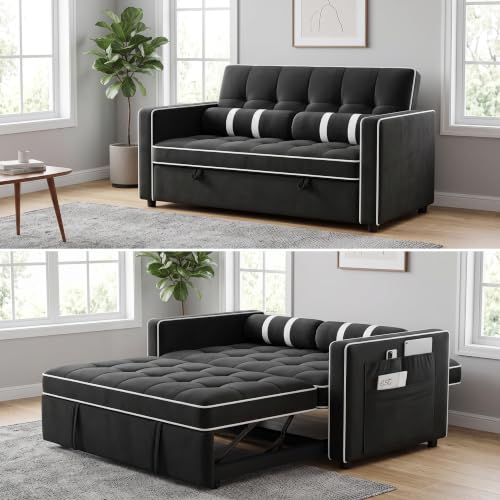
A futon sofa is a convertible piece of furniture that serves dual purposes: it functions as a seating couch during the day and easily converts into a bed at night. Originating from traditional Japanese bedding — a thin, foldable mattress placed directly on the floor — the Western futon sofa has evolved into a framed, hinged design with a cushioned mattress that folds flat to create a sleeping surface.
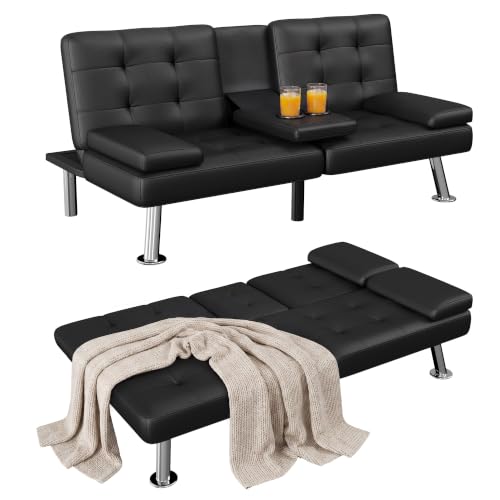
Unlike a standard sofa that is built solely for lounging, a futon is engineered around a simple bi-fold or tri-fold mechanism. The backrest folds down flush with the seat, creating a flat bed without the need for pulling out a hidden mattress. This straightforward conversion is what makes futons one of the most popular sleeper sofa alternatives, especially for people who need a quick, hassle-free transition between sitting and sleeping.

A typical futon sofa in both seated and flat bed positions — one piece, two functions.
Modern futons have come a long way from their thin, uncomfortable ancestors. Today's models feature thicker mattresses, sturdy hardwood or metal frames, armrests, built-in storage, and upholstery options ranging from linen and microfiber to faux leather. Whether you're furnishing a guest room, a studio apartment, or a dorm room, the futon remains one of the most space-efficient and budget-friendly solutions available.
Types of Futon Sofas
Not all futons are the same. Understanding the different types helps you match the right style to your space, comfort needs, and lifestyle. Here are the main categories:

Bi-Fold Futon
The most common type. The mattress folds once in the middle. As a couch, the bottom half is the seat and the top half is the backrest. To convert, simply fold the backrest down flat. Best for living rooms and everyday use.

Tri-Fold Futon
The mattress folds into three sections. This design creates a more compact sofa footprint and a longer bed when flat. Ideal for narrow rooms where depth is limited but you still need a full-length sleeping surface.
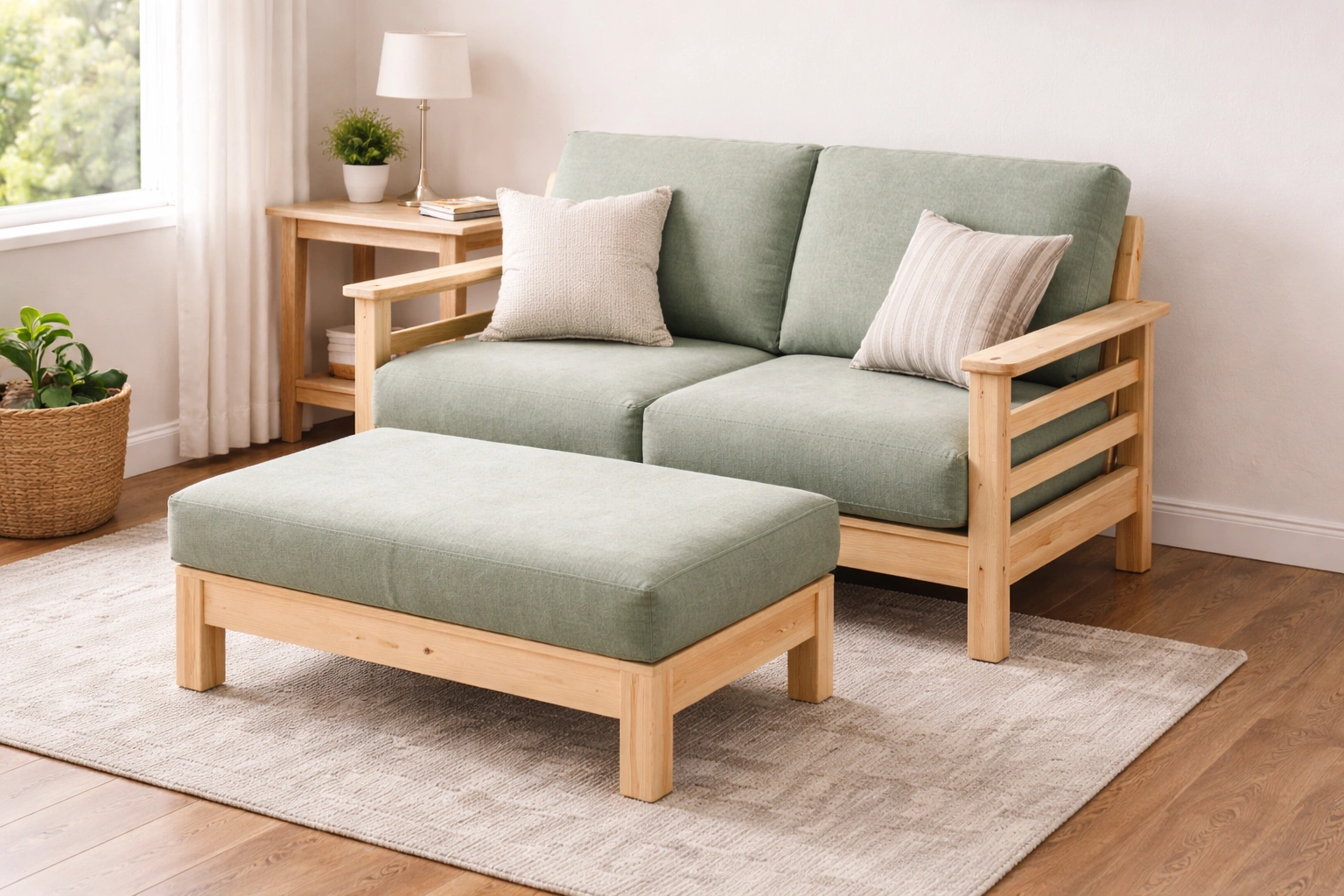
Loveseat Futon
A compact futon sized for two, often paired with a matching ottoman that doubles as an extension for the bed. Perfect for small spaces and apartments where a full-size futon won't fit.
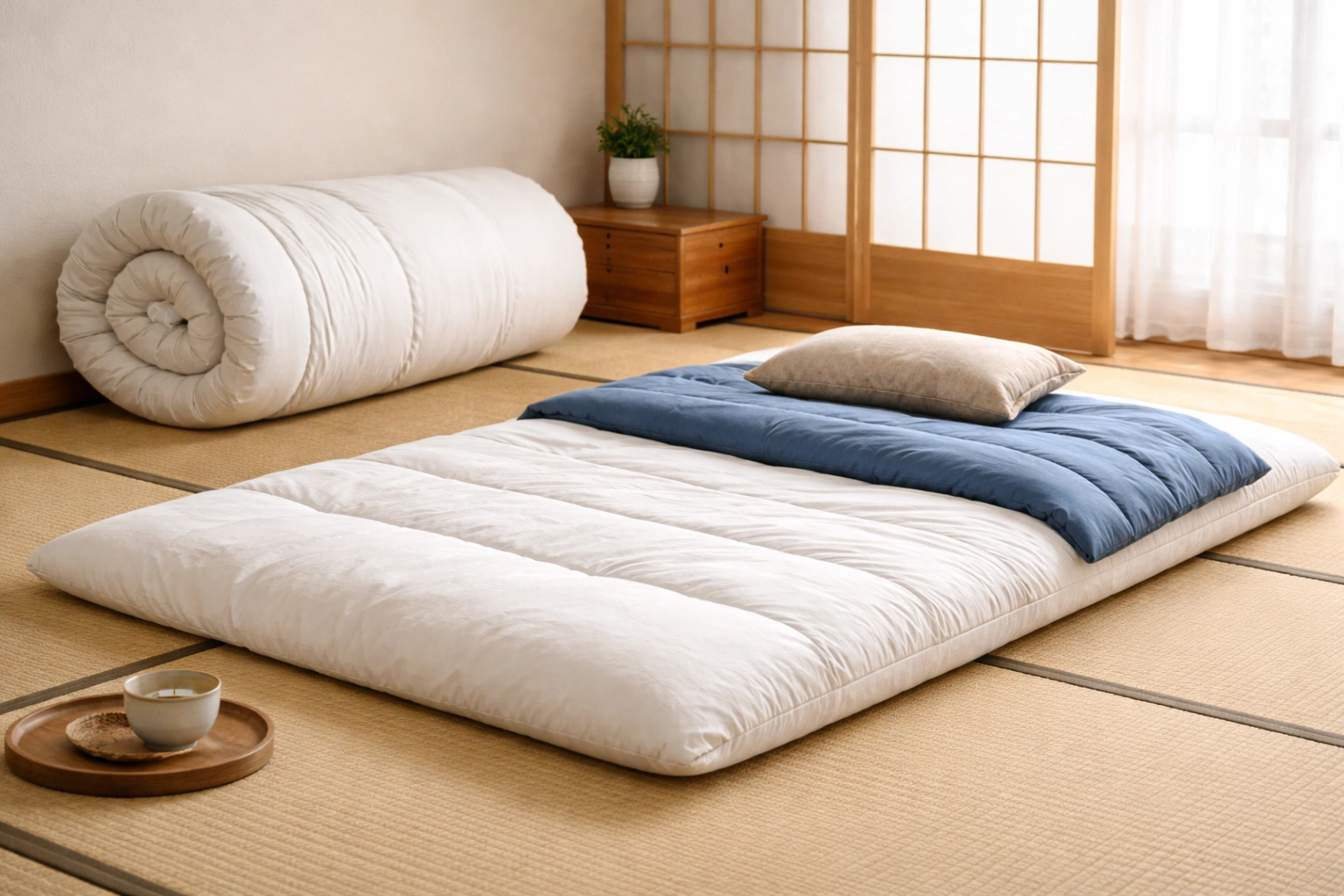
Japanese Floor Futon (Shikibuton)
The original futon — a thin cotton mattress placed directly on the floor, rolled up and stored during the day. Minimalist, portable, and ideal for those who appreciate traditional Japanese design or need a floor sofa experience.
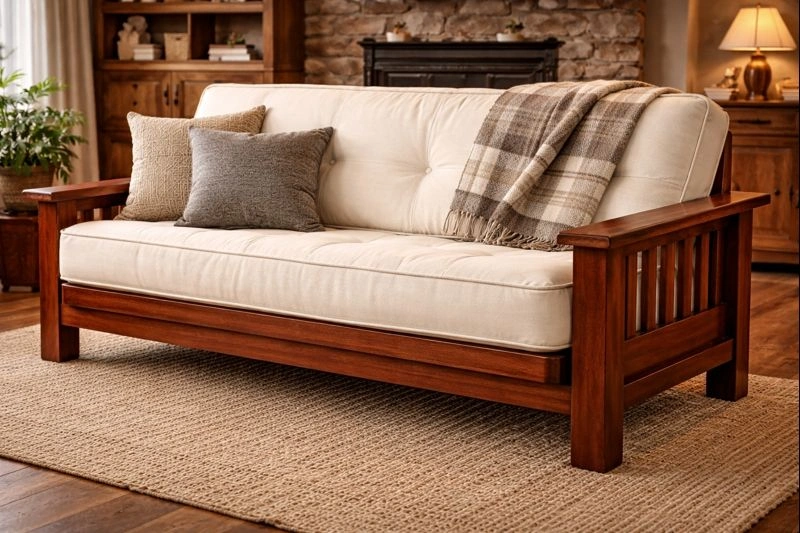
Wooden Frame Futon
Features a solid hardwood or pine frame with wide arms. Adds warmth and a classic look to any room. Heavier and more durable, often chosen for rustic, traditional, or vintage sofa aesthetics.

Metal Frame Futon
Lightweight, sleek, and often more affordable. The minimalist metal frame suits modern sofa and industrial interiors. Easier to move but may be less sturdy than wood for heavy daily use.
Pros and Cons of Futon Sofas
Before investing in a futon, it's important to weigh its advantages and limitations honestly. Here's a balanced overview:
✅ Pros
- Space-saving: One piece of furniture replaces both a couch and a bed — essential for studios and small apartments.
- Quick conversion: Fold down in seconds; no pulling out a hidden mattress or wrestling with mechanisms.
- Affordable: Generally much cheaper than a separate sofa plus bed combination. See our sofa budget guide for price comparisons.
- Versatile placement: Works in guest rooms, home offices, dorm rooms, and even basements.
- Easy to move: Lighter than traditional sofas and can often be disassembled for transport.
- Replaceable mattress: The futon mattress can be swapped out independently from the frame, making maintenance simpler.
❌ Cons
- Comfort gap: Even the best futon mattresses rarely match the comfort of a dedicated bed or a high-end plush sofa.
- Wear on the fold: The crease line where the mattress folds tends to wear and sag over time.
- Lower seating height: Futons sit lower than standard sofas, which may be uncomfortable for some people — especially those who prefer high-back seating.
- Thin cushions: Budget models often come with thin mattresses that provide minimal support for daily sleeping.
- Limited style options: Fewer upholstery and design choices compared to regular sofas or sectionals.
Futon vs. Sleeper Sofa vs. Daybed: Which One Should You Choose?
These three convertible options are often confused, but they work very differently. Understanding the distinctions will help you choose the right one for your situation.

Side-by-side visual comparison: futon, sleeper sofa, and daybed.
| Feature | Futon Sofa | Sleeper Sofa | Daybed |
|---|---|---|---|
| Conversion | Backrest folds down flat | Hidden mattress pulls out | Already bed-sized; back is decorative |
| Ease of use | Very easy — one motion | Moderate — requires pulling mechanism | No conversion needed |
| Mattress quality | Thin to medium (4–10 in) | Medium to thick (5–8 in hidden) | Standard twin mattress |
| Comfort as bed | Fair to good (depends on mattress) | Good to very good | Good (uses real mattress) |
| Comfort as sofa | Fair — lower seat, firmer back | Very good — feels like a real sofa | Fair — deep seat, more like a bed |
| Price range | $150 – $700 | $400 – $2,000+ | $200 – $1,200 |
| Best for | Small spaces, budget buyers, dorms | Guest rooms, living rooms, frequent hosting | Kids' rooms, home offices, daybed sofa lovers |
| Weight | Light to moderate | Heavy | Moderate |
How to Choose the Right Futon Sofa
Buying a futon involves more than picking the first one you see online. Here are the key factors to evaluate before making your decision:
1. Frame Material
The frame determines durability, weight, and aesthetics. Hardwood frames (oak, ash, maple) are the most durable and support heavier weight, making them ideal for daily use. Pine frames are lighter and more affordable but may loosen at the joints over time. Metal frames are sleek and budget-friendly but can squeak with movement. For more details, read our complete frame materials guide.
2. Mattress Thickness & Fill
The mattress is the single most important factor for comfort. Here's what to look for:
- 4–6 inches: Budget range; suitable only for occasional guest use. Cotton or foam core with minimal support.
- 6–8 inches: Mid-range; better for regular sitting and occasional sleeping. Look for high-density foam or a foam-spring combo.
- 8–10+ inches: Premium range; comfortable enough for nightly sleeping. Features innerspring or pocket coil cores with foam layers on top.
Understanding cushion fill quality is essential — our cushion fill types guide breaks this down in detail.
3. Size & Room Fit
Always measure your space in both configurations — sofa mode and bed mode. A futon that fits as a couch may extend far beyond your available floor space when folded flat. Use our sofa size and room guide to get the measurements right. Common futon sizes include:
- Chair futon: ~30–39 in wide — single sleeper, great for kids or a 1-seater replacement
- Loveseat futon: ~48–54 in wide — fits two seated, opens to a twin or small full bed
- Full-size futon: ~54–60 in wide — the most popular, seats 2–3 and opens to a full bed
- Queen futon: ~60–72 in wide — maximum sleeping space, best for larger rooms
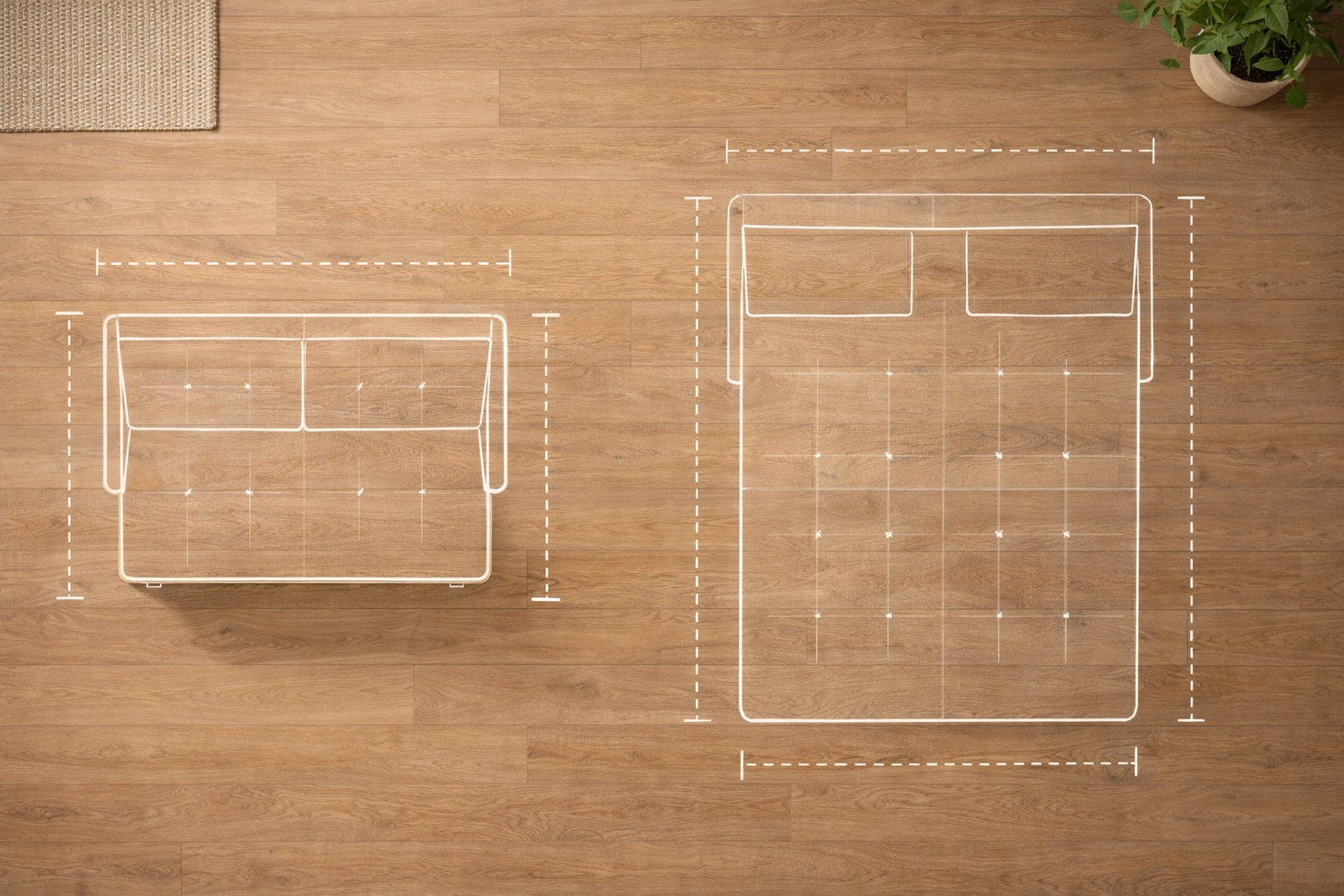
Always measure for both seated and flat positions — a queen futon can extend over 80 inches when open.
4. Upholstery Material
The cover affects both aesthetics and practicality. Your choice should match your lifestyle:
- Microfiber: Soft, stain-resistant, affordable. Great for families with kids. Easy to clean — see our microfiber cleaning guide.
- Linen/Cotton blend: Breathable, natural look. Less durable but comfortable. A linen sofa aesthetic on a futon budget.
- Faux leather: Sleek, easy to wipe clean, and a budget-friendly alternative to a leather sofa. Less breathable in warm climates.
- Velvet: Adds a touch of luxury to the futon form. Good for statement pieces but harder to maintain. Our velvet cleaning tips can help.
- Performance fabric: Stain-resistant, moisture-wicking, and durable. The best choice if your futon will see heavy daily use or if you have pets.
5. Conversion Mechanism
Most futons use one of two mechanisms:
- Click-clack: The most common and easiest. Push the backrest forward until it clicks past the hinge, then let it drop flat. One smooth motion.
- Roll-out / A-frame: The seat section rolls forward on a track while the backrest lowers. Less common but provides a more supportive sleeping surface.
Test the mechanism in-store if possible. It should feel smooth, not stiff, and should lock firmly in both the upright and flat positions.
Best Use Cases for Futon Sofas
Futons aren't for every room, but in the right situation, they're hard to beat. Here are the scenarios where a futon truly shines:
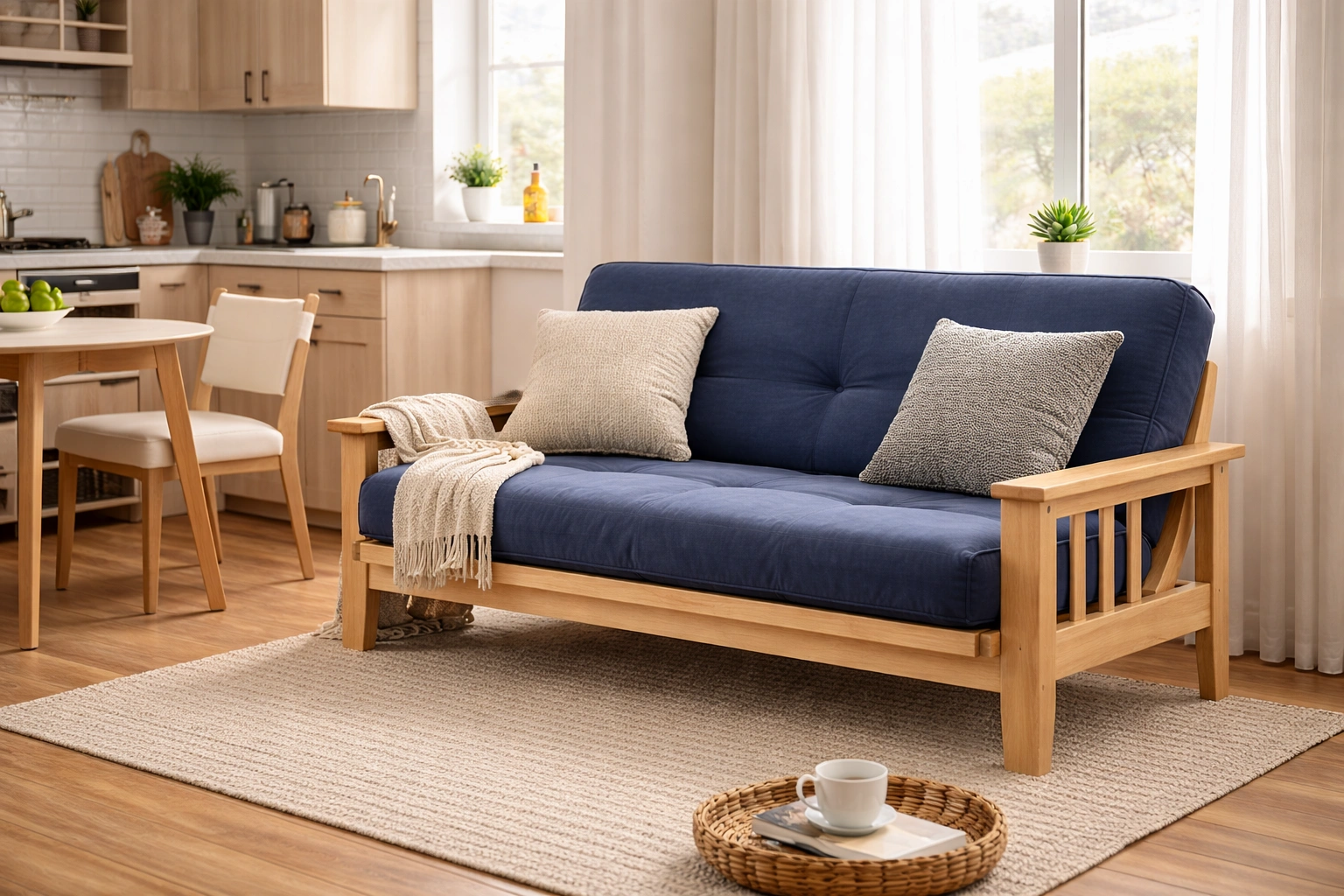
A futon in a studio apartment — seating by day, bed by night, all in one footprint.
Studio & Small Apartments
When every square foot matters, a futon eliminates the need for a separate bed and couch. A sofa for apartments needs to be compact, and a futon's dual function makes it the most efficient choice for open-plan living spaces.
Guest Rooms
A guest room sofa should accommodate visitors without turning the room into a permanent bedroom. A futon lets the space function as a home office or den between visits, then converts instantly when guests arrive.
Home Offices & Multipurpose Rooms
If your home office occasionally hosts overnight guests, a futon provides seating during work hours and a bed after hours — without the footprint of a dedicated office sofa plus a guest bed.
Dorm Rooms & Student Housing
Budget, portability, and space efficiency make futons the default choice for college dorms. They're easy to move between semesters and affordable enough for student budgets.
Cabins, Vacation Homes & Bonus Rooms
For basement recreation rooms, lake cabins, or vacation homes that aren't used daily, a futon provides functional seating and occasional sleeping without the investment of a full bedroom set.
Futon Sofa Maintenance Tips
A well-maintained futon can last 5–10 years. Here's how to keep yours in top condition:
- Flip and rotate the mattress monthly. Futon mattresses wear unevenly, especially at the fold line. Rotating prevents permanent creases and sagging. This is the single most important thing you can do.
- Vacuum the mattress and frame regularly. Dust, crumbs, and pet hair accumulate in the folds. A quick vacuum every 1–2 weeks keeps allergens at bay and extends fabric life.
- Treat spills immediately. Blot (don't rub) liquid spills with a clean cloth. Follow material-specific cleaning methods from our fabric sofa cleaning guide.
- Use a mattress protector. A waterproof protector under your fitted sheet prevents stains, moisture, and odors — especially important if the futon is used for sleeping regularly.
- Air out the mattress. Every few months, remove the mattress from the frame and lean it against a wall in a well-ventilated room or outside (in the shade). This prevents mold and musty smells.
- Check frame bolts and hinges. Tighten any loose screws or bolts on the frame every 3–6 months. A wobbly frame causes squeaking and accelerates joint wear. If you hear squeaks, see our squeaking noise troubleshooting guide.
- Sun-protect your futon. Prolonged UV exposure fades fabric and degrades foam. Keep your futon away from direct sunlight, or follow our UV protection tips.
Common Mistakes When Buying a Futon
Avoid these frequent pitfalls that lead to buyer's remorse:
- Choosing the thinnest mattress to save money. A 4-inch cotton futon mattress may look fine online, but after a few nights of sleeping on it, you'll feel every bar of the frame through the cushion. Spend a little more for 6+ inches of quality fill.
- Not measuring for the bed position. Many buyers only measure for the couch configuration and are shocked when the futon extends into their walkway or blocks a door when opened flat. Always measure both positions using our sofa measuring guide.
- Ignoring weight capacity. Futon frames have weight limits (typically 500–750 lbs for full and queen sizes). If multiple adults will sit or sleep on it regularly, check the spec before buying.
- Forgetting about seat depth. A futon that converts to a large bed may have an uncomfortably deep seat as a couch. Test the seated position before committing.
- Not considering hidden costs. Factor in shipping, a mattress protector, a fitted sheet for the bed size, and possibly throw pillows for back support when budgeting your purchase.
Choosing a Futon for Specific Needs
For Daily Sleeping
If your futon will serve as your primary bed, prioritize an 8–10+ inch mattress with an innerspring or pocket coil core. Add a quality pillow and a memory foam topper for extra comfort. Consider a futon with a solid wood frame for maximum stability. People with back issues should also consult our sofa for back pain guide for ergonomic tips.
For Kids & Teens
A kids' sofa in futon form is perfect for sleepovers and growing children. Choose a durable, stain-resistant cover (microfiber or performance fabric) and a mid-range mattress thickness. Avoid metal frames with sharp edges in kids' rooms.
For Pet Owners
Pet hair, scratches, and accidents are realities for pet owners. Choose a tight-weave, dark-colored performance fabric or faux leather futon, and consider a pet-proof cover to protect your investment.
For Seniors
Futons sit low to the ground, which can make standing up difficult for older adults. If this is a concern, look for a futon with a higher seat height (18+ inches from the floor) or explore sofas designed for seniors with easier entry and exit.
Frequently Asked Questions About Futon Sofas
It depends on the mattress quality. A thick (8+ inch) futon with an innerspring or pocket coil core can be comfortable for daily use. However, thin cotton-only mattresses are not recommended for nightly sleeping — they lack the support needed for proper spinal alignment and will cause discomfort over time. If you're choosing between firm and soft, read our firm vs. plush sofa guide to understand what works best for your body.
Standard sheet sizes apply: a full-size futon takes full sheets, a queen takes queen sheets, and so on. However, futon mattresses are typically thinner than standard bed mattresses, so deep-pocket sheets may be loose. Regular fitted sheets work best. Using a mattress protector underneath helps keep the futon clean and extends its life.
A quality futon mattress lasts 5–8 years with regular rotation and proper care. Budget cotton mattresses may compress within 2–3 years. The fold line is typically the first area to show wear. Monthly flipping and rotating can significantly extend the lifespan. When the mattress develops a permanent ridge or visible sagging that doesn't recover, it's time to replace it.
Yes, many people do — especially in living rooms where space is at a premium. However, futons generally offer firmer seating and a lower seat height compared to a comfortable sofa or sectional. If your living room is your primary lounging space and you don't need the bed function, a dedicated sofa may be a better long-term investment. For help deciding, see our comfort vs. durability guide.
A good quality futon (frame + mattress) typically costs between $300 and $700. Budget models start around $150, but expect thinner mattresses and less durable frames. Premium futons with solid hardwood frames and thick coil mattresses can run $700–$1,200+. For context on how this compares to other sofa types, visit our sofa price breakdown.
A sofa wallbed (Murphy bed with a sofa) is a much larger, wall-mounted system where a full bed folds down from the wall in front of a separate sofa. A futon is a standalone, freestanding piece that converts internally. Wallbeds offer better sleeping comfort and a real sofa experience but cost significantly more and require wall installation. Futons are simpler, cheaper, and more portable.
Some futons come with removable, machine-washable covers — especially those marketed as a washable sofa. Others have attached upholstery that requires spot cleaning only. If easy cleaning is important to you, specifically look for "removable cover" or "machine-washable cover" in the product description. You can also buy a separate futon cover for any model to make cleaning easier.
Is a Futon Sofa Right for You?
A futon sofa is the ultimate space-saving, budget-friendly, convertible furniture solution — but it's not for everyone. If you value quick conversion, live in a compact space, or need flexible seating-to-sleeping options for guests, a futon is an excellent investment. If you prioritize premium comfort as a daily couch or bed, you may be better served by a dedicated sleeper sofa or a traditional 3-seater sofa with a separate guest bed.
The key is to invest in a quality mattress (8+ inches with coil support), choose the right frame material for your usage, and measure your space carefully for both configurations. With proper maintenance — monthly flipping, regular cleaning, and frame tightening — a good futon will serve you well for years.
Ready to browse? Check our recommended futon sofas below, or explore our full buying guide to compare all your options before making a final decision.