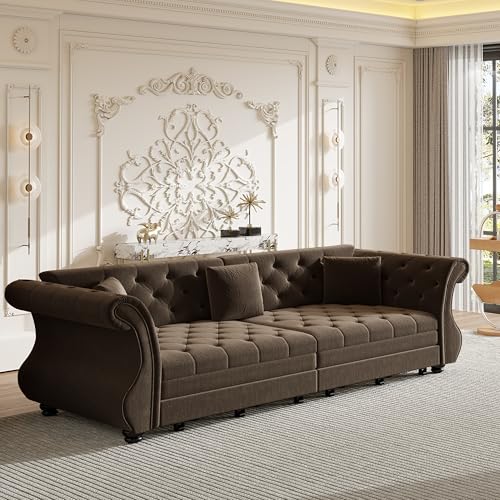
The Complete Guide to Vintage Sofas
Discover timeless styles, authentic materials, and expert buying advice to find a vintage sofa that brings character and history into your home
EXPLORE STYLESPhanMarket Philosophy: A vintage sofa is more than furniture — it is a statement of character and craftsmanship. This guide helps you understand what makes a piece truly vintage, how to evaluate quality, and how to choose one that fits your space and lifestyle before you buy.
What Is a Vintage Sofa?
A vintage sofa refers to a seating piece manufactured between approximately 20 and 100 years ago that reflects the design trends, materials, and craftsmanship of its specific era. Unlike antiques (which are over 100 years old), vintage furniture captures more recent design movements while still carrying the weight of history and artisanal construction that modern mass-produced pieces often lack.
What sets vintage sofas apart is their authentic character — the subtle patina on leather, the hand-tied springs, the solid hardwood frames joined with traditional techniques like dovetail or mortise-and-tenon joints. These details tell a story that no reproduction can fully replicate. Whether you are drawn to the clean lines of mid-century modern design or the ornate detailing of Victorian upholstery, a vintage sofa adds soul to any room.
Understanding the distinction between true vintage, antique, and retro reproduction is essential before making a purchase. A secondhand sofa may or may not be vintage — age alone does not define the category. The design period, construction method, and material authenticity all play a role. If you are new to vintage furniture, our broader sofa buying guide provides a solid foundation before diving into the specifics of vintage pieces.
Key Characteristics of Vintage Sofas
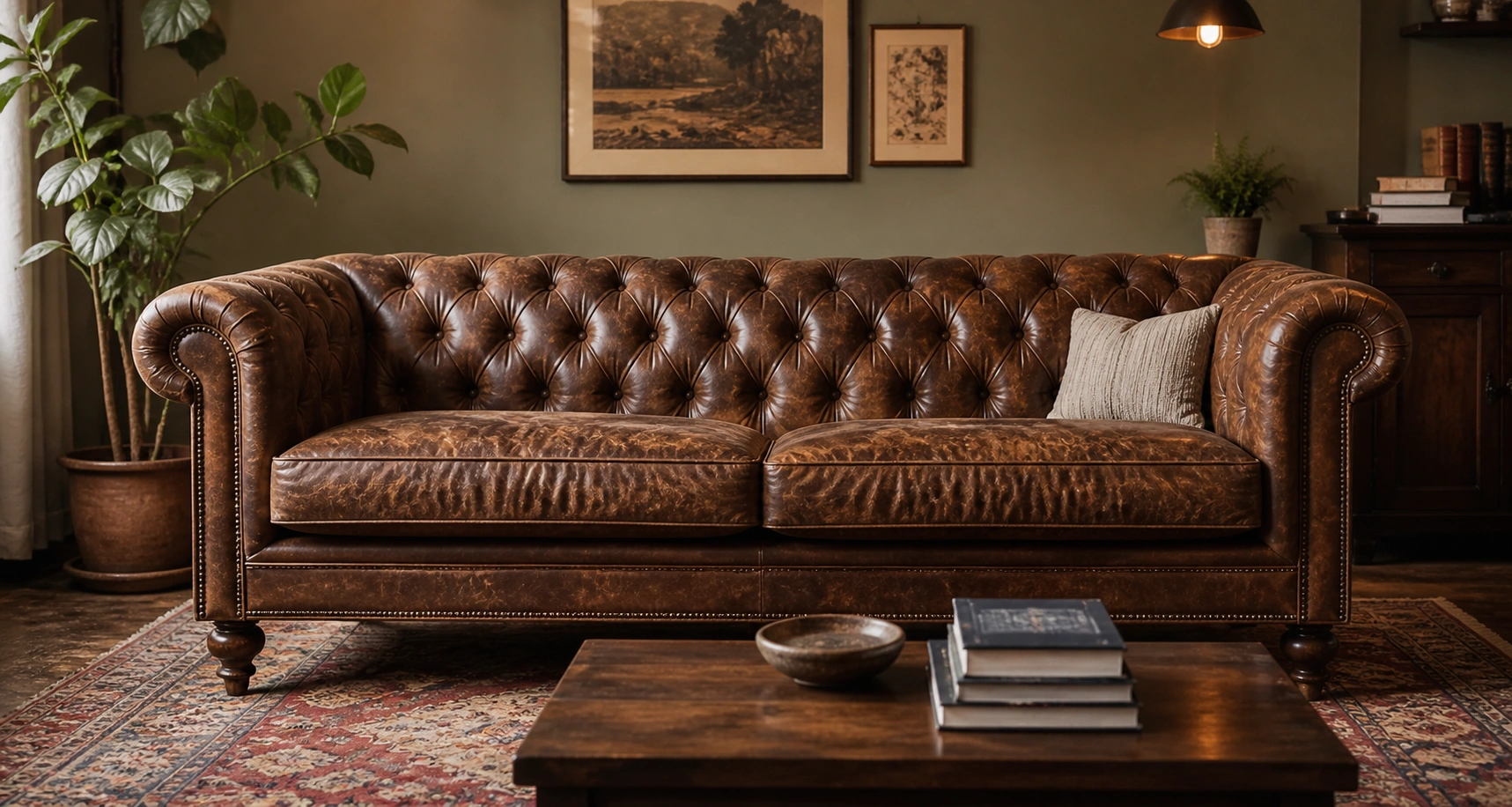
Authentic vintage sofas share several identifiable traits that distinguish them from modern production. Learning to recognize these features helps you evaluate authenticity and quality when shopping.
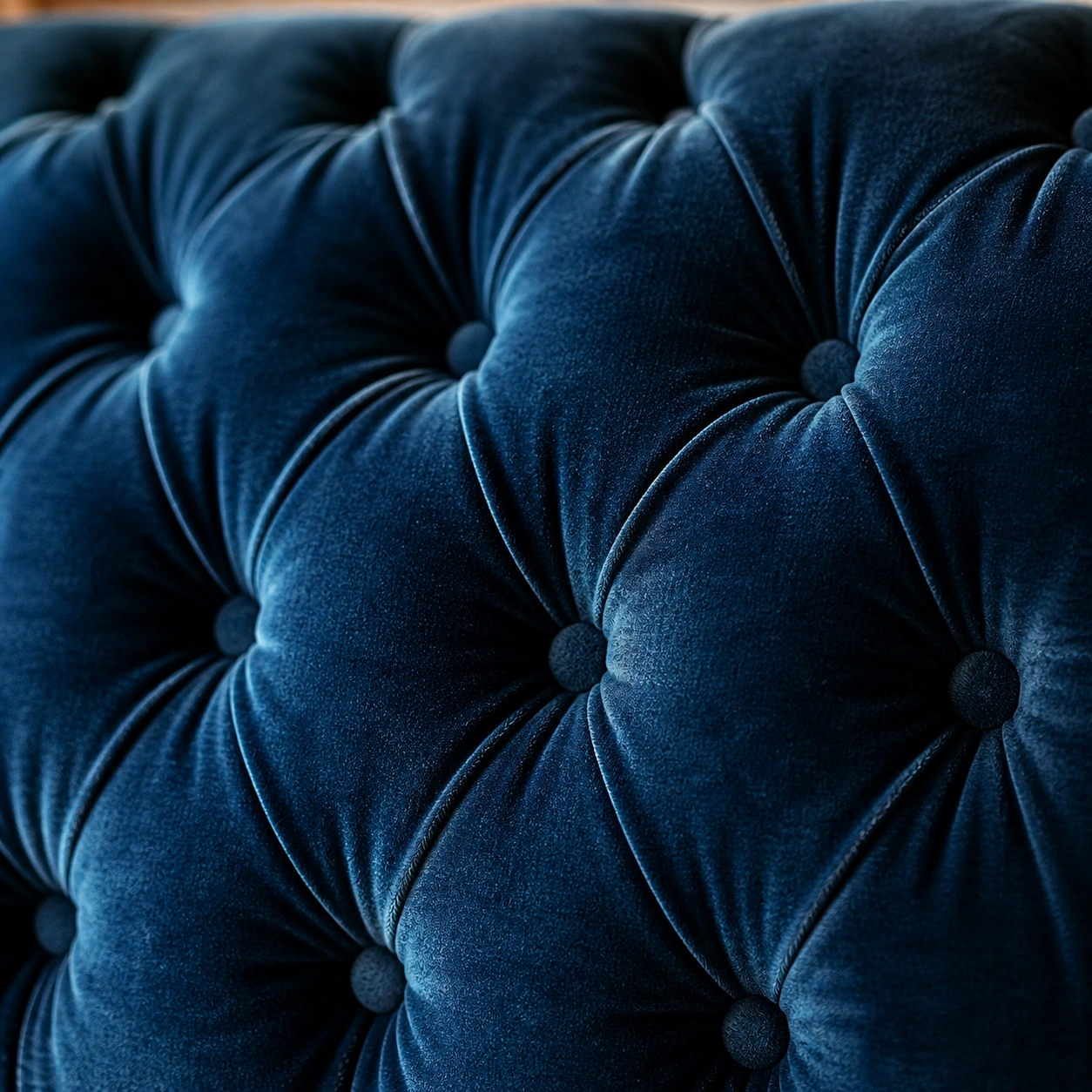
Tufted Upholstery
Deep button or blind tufting creates the signature textured look. Hand-tufted pieces show slight irregularities that signal authentic craftsmanship rather than machine production.
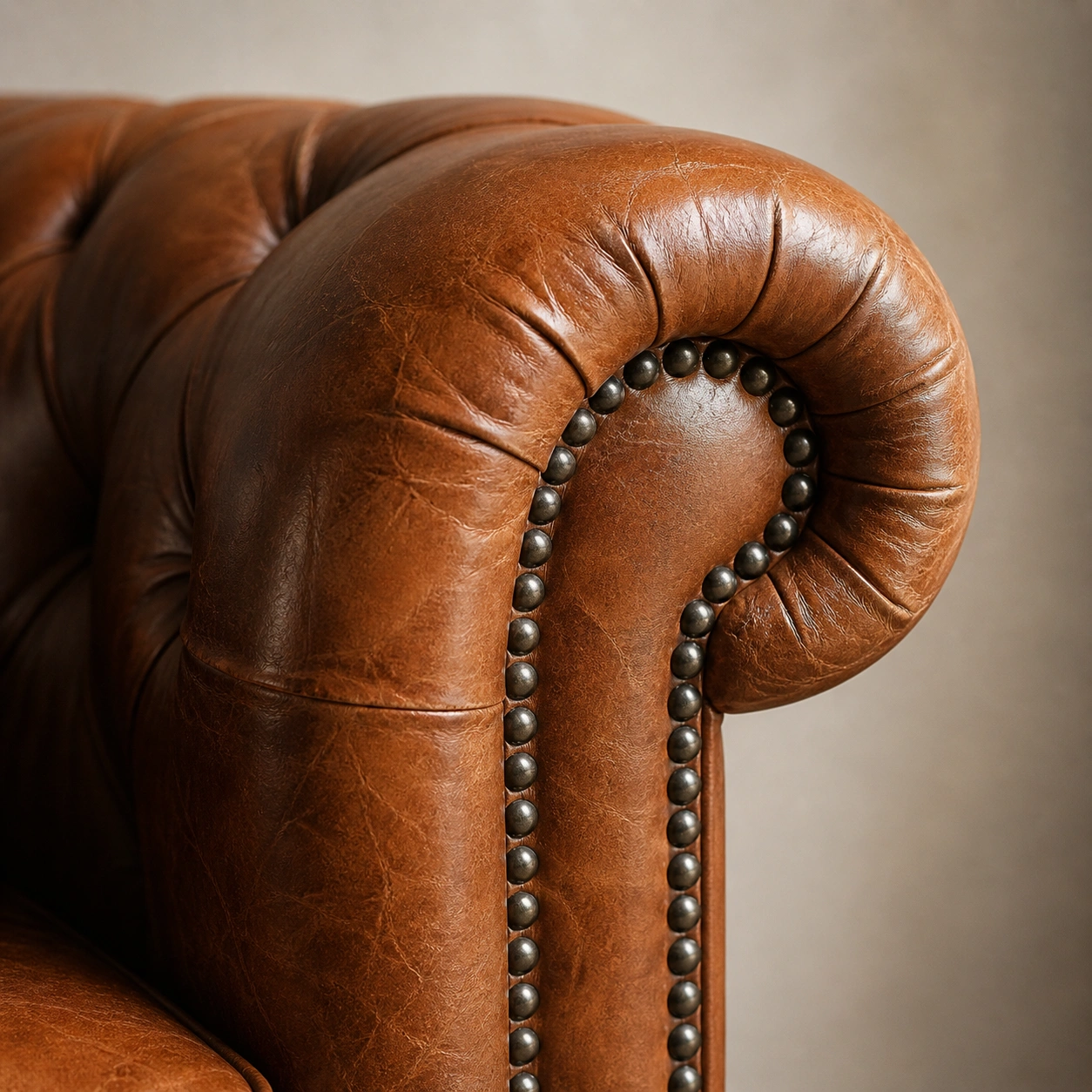
Rolled or Scroll Arms
Rounded, flowing arm profiles were standard in pre-1970s furniture. The rolled arm style adds elegance and softness compared to the sharp track arms common in contemporary designs.
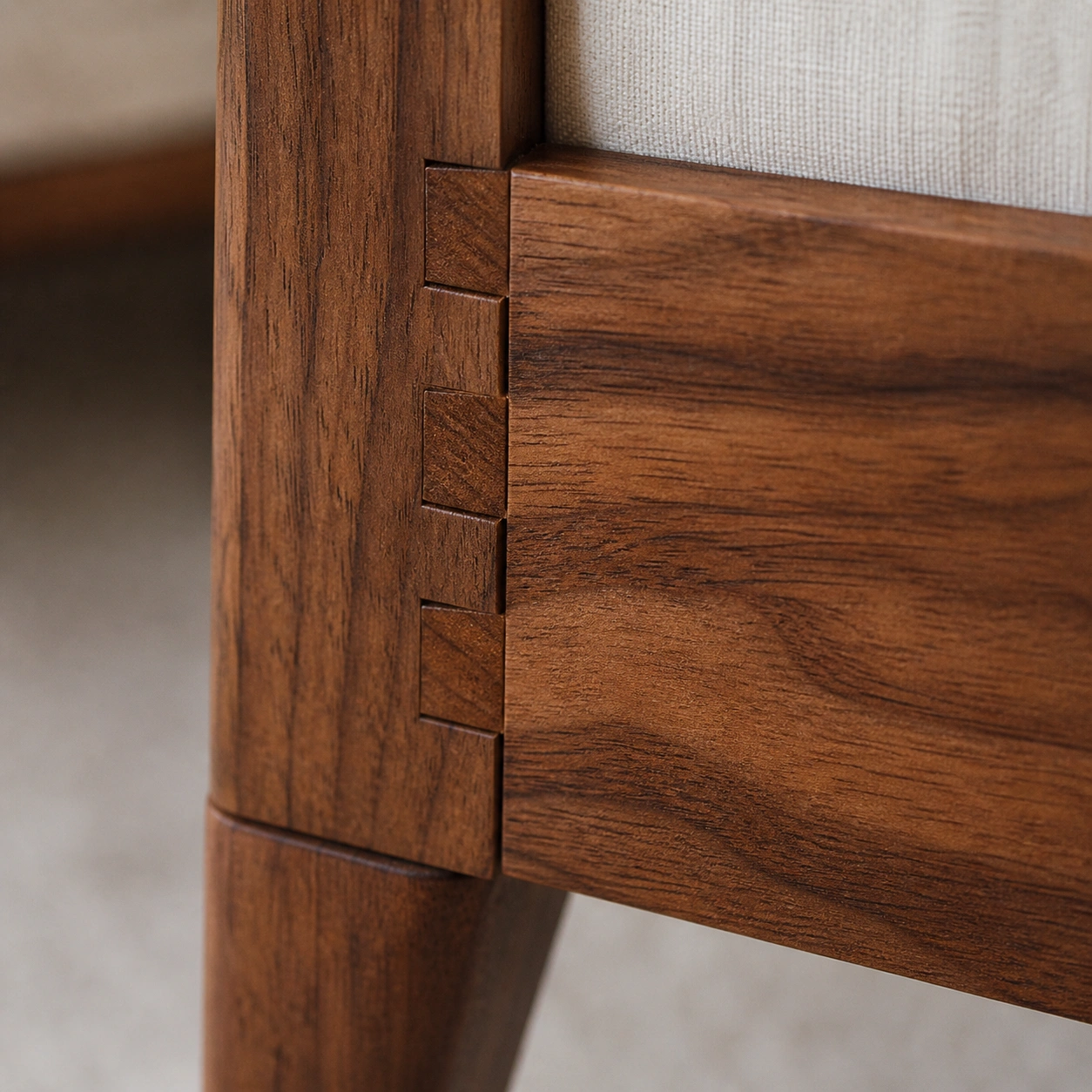
Solid Wood Frames
Genuine vintage sofas use kiln-dried hardwood — oak, maple, walnut, or mahogany — not MDF or plywood. Check for frame material quality by inspecting joints and exposed wood sections.
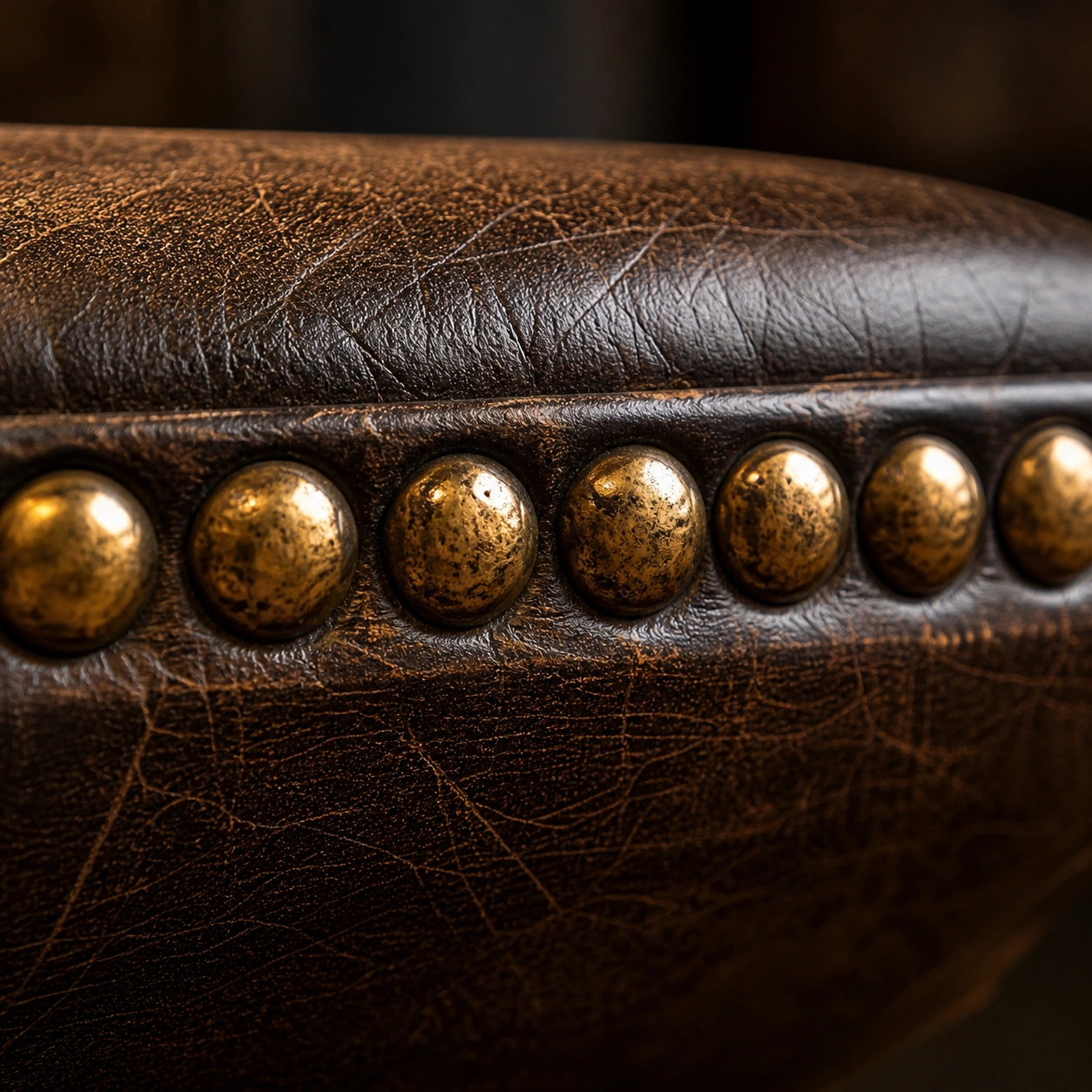
Decorative Details
Brass nailhead trim, carved wooden legs, exposed welting (piping), and ornate base rails are hallmarks. These finishing touches reflect the design philosophy of their era and add visual richness.
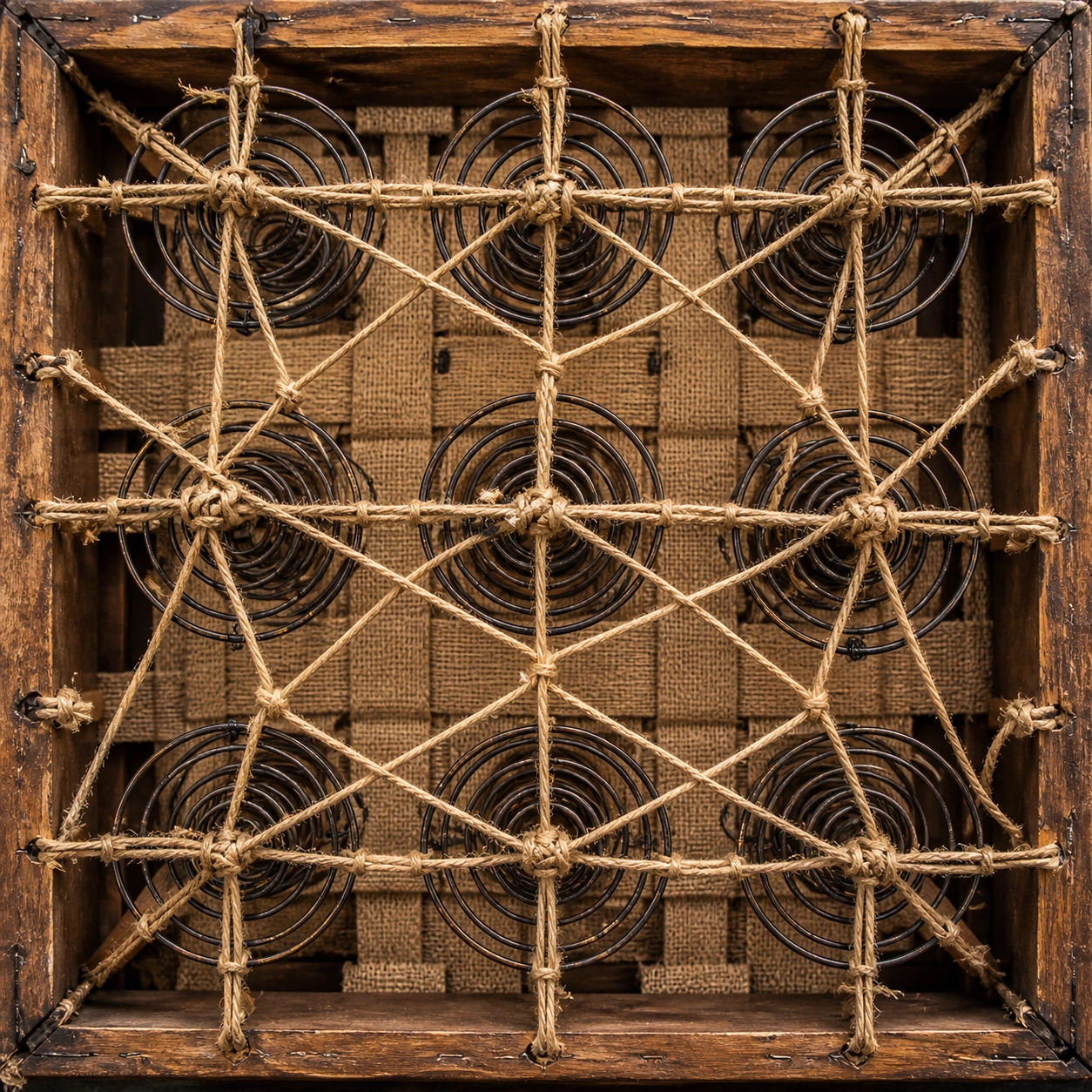
Hand-Tied Springs
Eight-way hand-tied coil springs were the gold standard in vintage sofa construction. This spring system provides superior support and longevity compared to modern drop-in wire units.
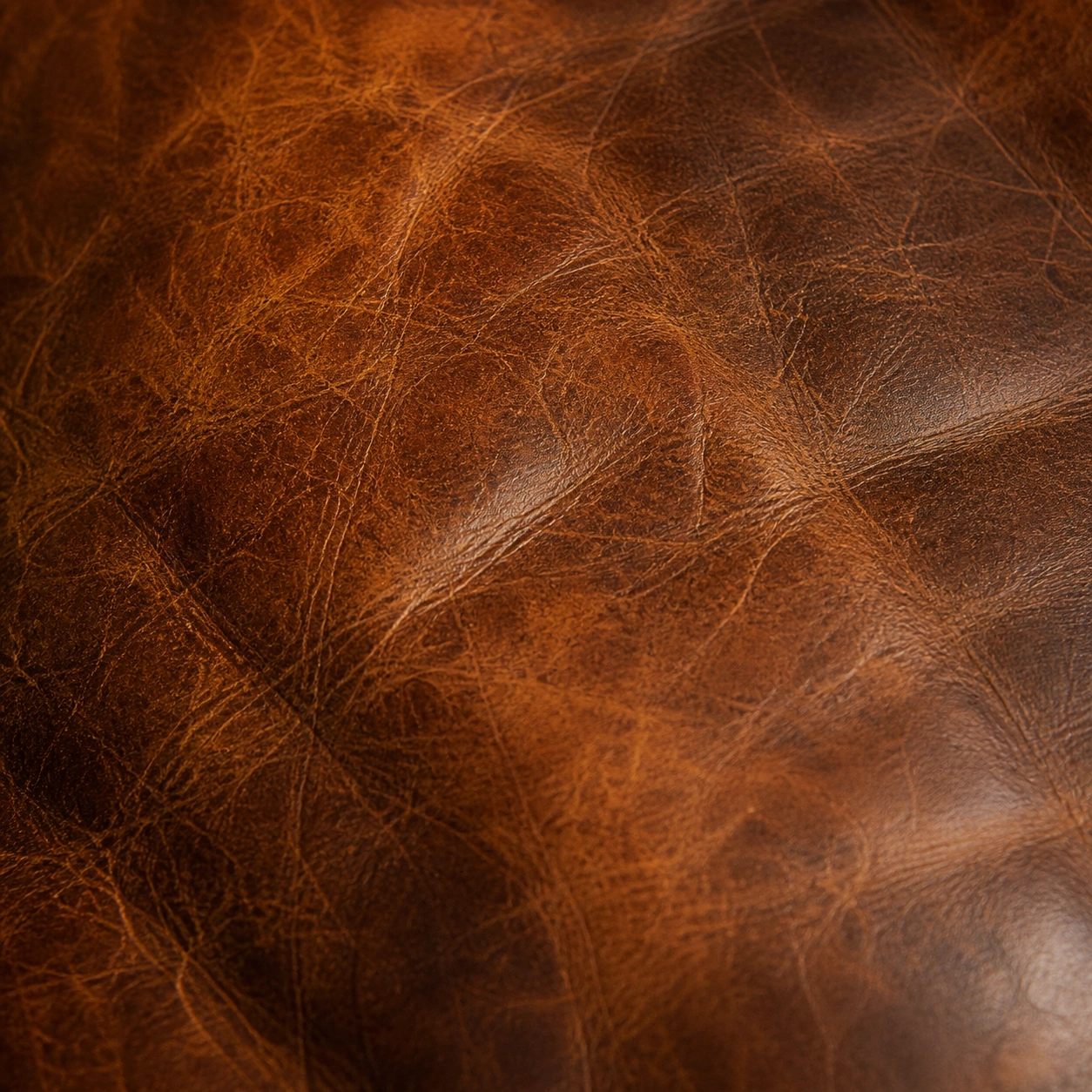
Natural Patina
Authentic aging shows as a rich patina on leather and gentle fading on fabric. This wear is desirable — it demonstrates the piece's history and genuine age rather than artificial distressing.
Popular Vintage Sofa Styles
Vintage sofas span multiple design movements, each with its own aesthetic DNA. Understanding these styles helps you narrow your search and find a piece that complements your home's existing decor.
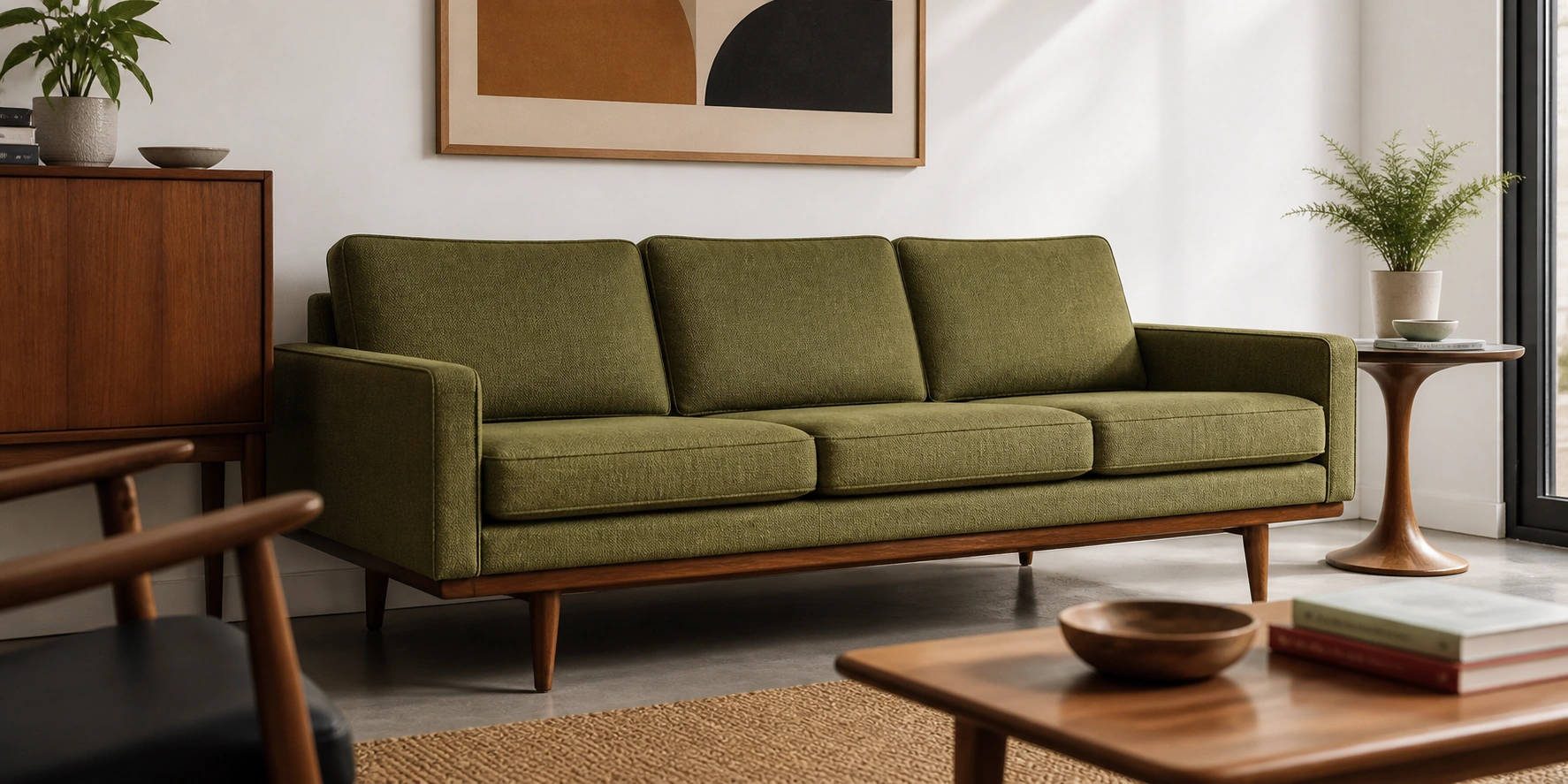
Mid-Century Modern
Characterized by clean lines, tapered wooden legs, and organic curves. Designers like Eames, Saarinen, and Nakashima defined this era. These pieces pair well with modern sofa arrangements for an eclectic look. Highly sought after and excellent long-term value retention.
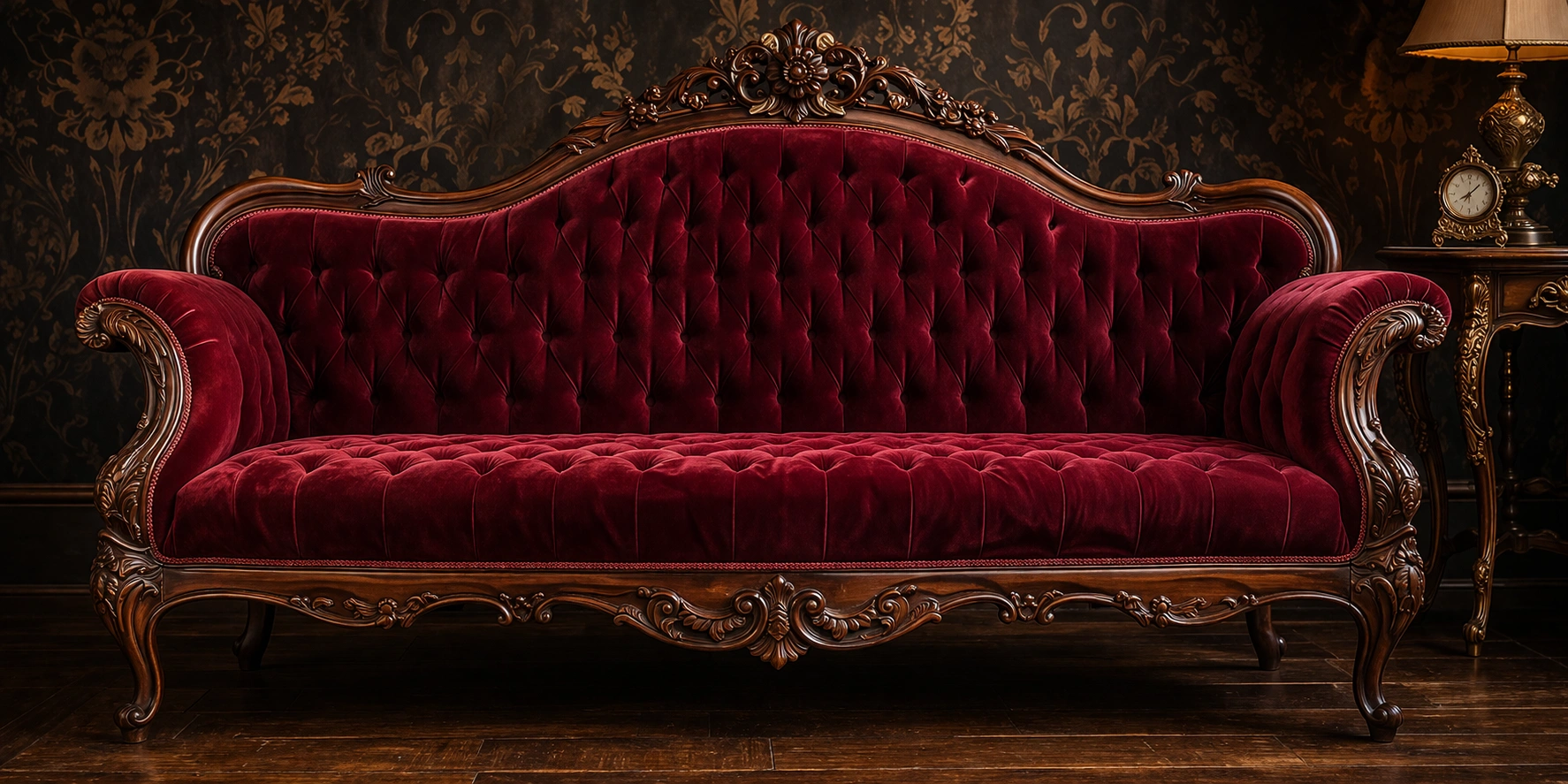
Victorian
Opulent and ornate with carved mahogany frames, deep tufting, and rich velvet or brocade upholstery. Victorian pieces make a dramatic statement in formal living rooms. Heavier and more formal than other vintage styles, they suit traditional or maximalist interiors.
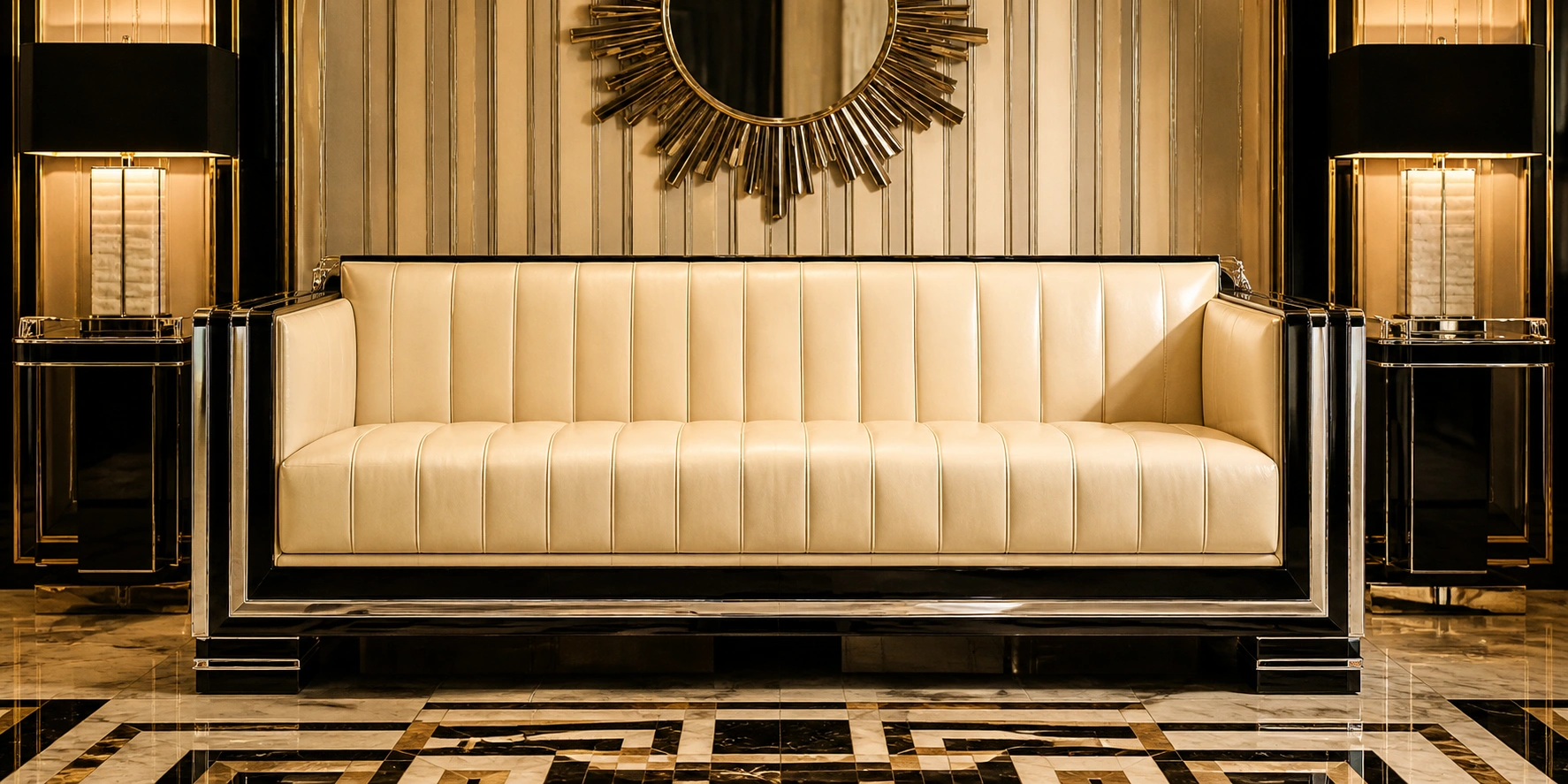
Art Deco
Geometric shapes, streamlined silhouettes, and luxurious materials like lacquered wood, chrome accents, and exotic leather. Art Deco pieces bring glamorous sophistication. Works beautifully in office settings or as a bold focal point in a minimalist room.
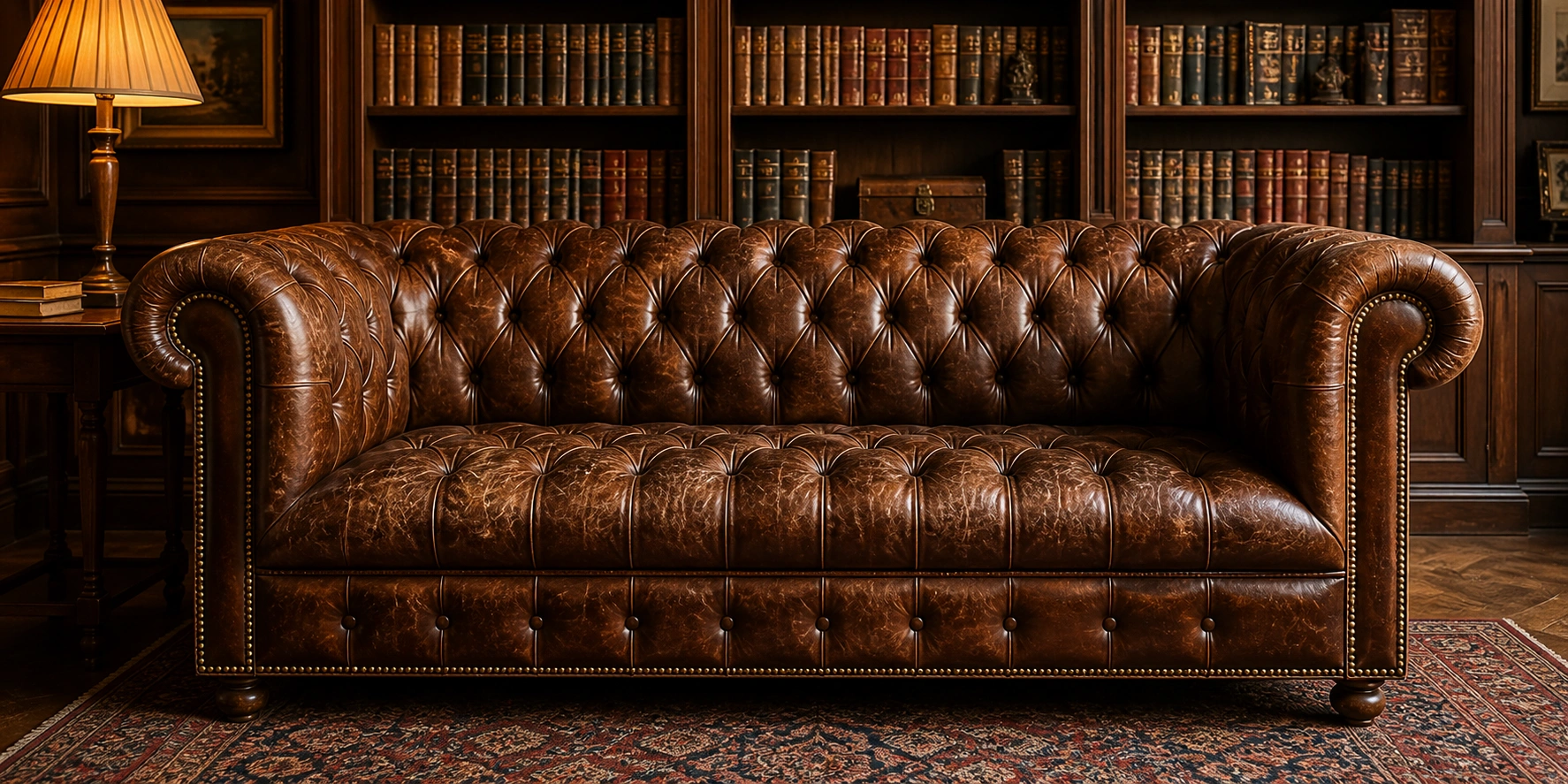
Chesterfield
The iconic deep-tufted design with rolled arms and equal-height back. The Chesterfield sofa transcends eras — vintage versions in aged leather are particularly prized. A versatile choice that anchors both classic and contemporary spaces with equal authority.
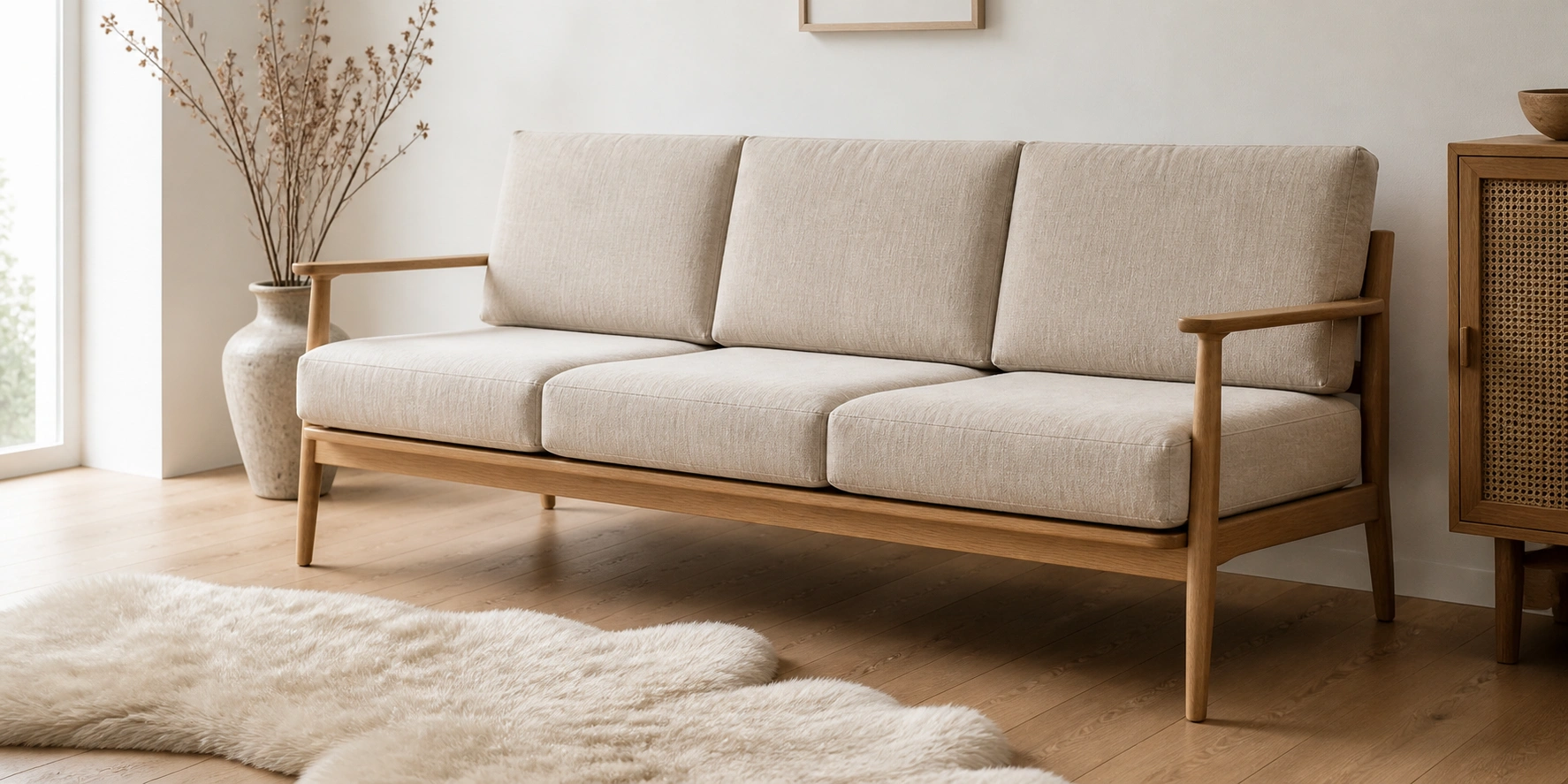
Scandinavian Modern
Emphasizes functionality, natural materials, and understated elegance. Light oak or teak frames with linen or wool upholstery in muted tones. Perfect for those who appreciate the neutral sofa aesthetic with vintage pedigree.
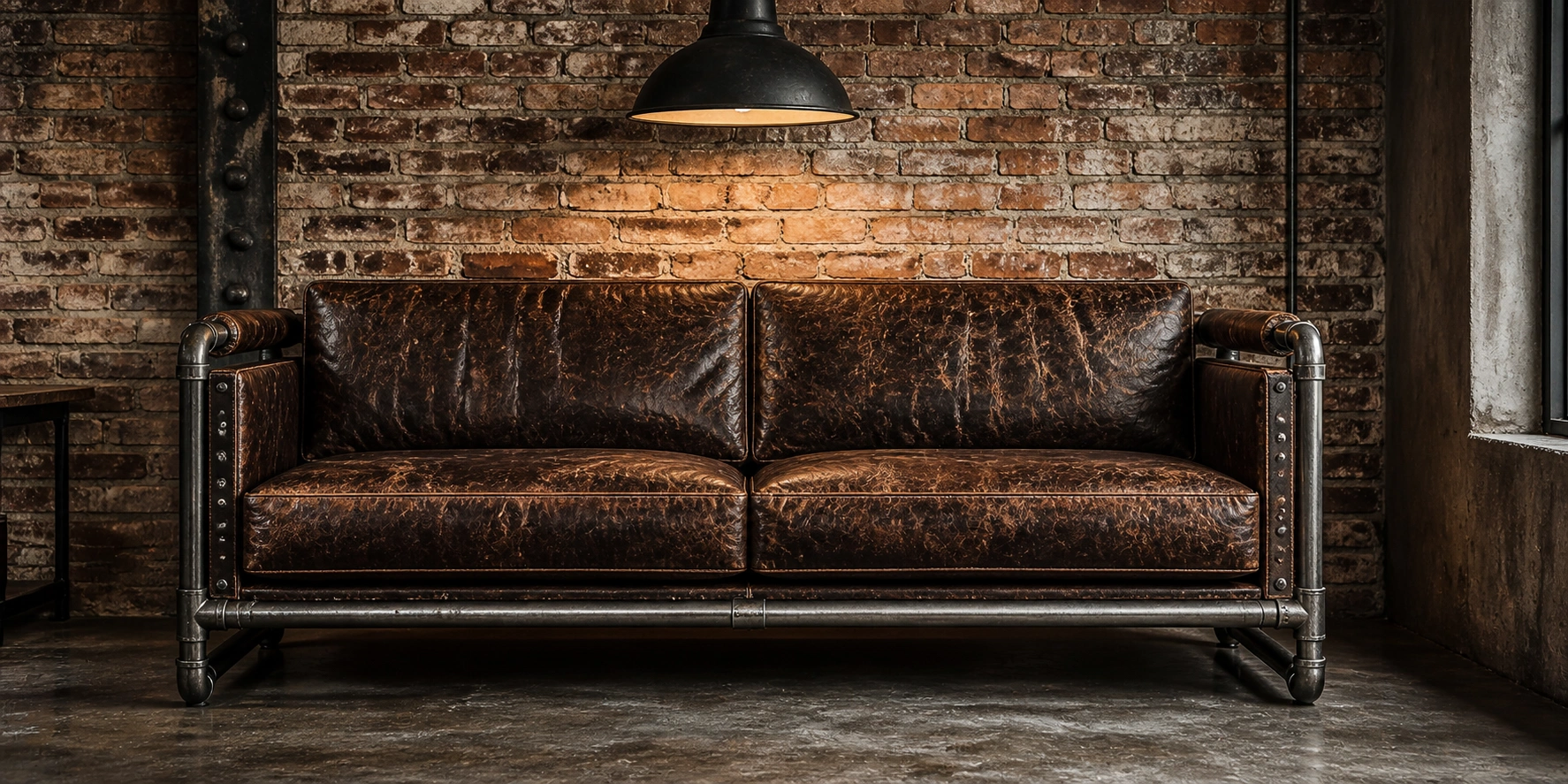
Industrial Vintage
Raw leather, distressed wood, and exposed metal hardware define this utilitarian aesthetic. Closely related to the broader industrial sofa category. Ideal for lofts, studios, and spaces that celebrate raw, unfinished design elements.
Vintage vs. Retro vs. Antique: Know the Difference
These three terms are frequently confused, but they refer to distinctly different categories. Understanding the difference prevents overpaying for a reproduction and helps you set realistic expectations.
| Feature | Antique | Vintage | Retro |
|---|---|---|---|
| Age | 100+ years old | 20 – 100 years old | New, inspired by past styles |
| Authenticity | Original period piece | Original period piece | Reproduction or reinterpretation |
| Construction | Hand-crafted, traditional joinery | Mix of hand and early machine | Modern mass production |
| Materials | Solid wood, horsehair, cotton batting | Solid wood, coil springs, natural fabrics | MDF, foam, synthetic fabrics |
| Value | High, often museum or collector grade | Moderate to high, depends on maker | Budget to mid-range |
| Maintenance | Requires specialist care | Standard care with attention to age | Standard modern furniture care |
| Example | 1890s Victorian settee | 1960s Eames lounge | New sofa with mid-century lines |
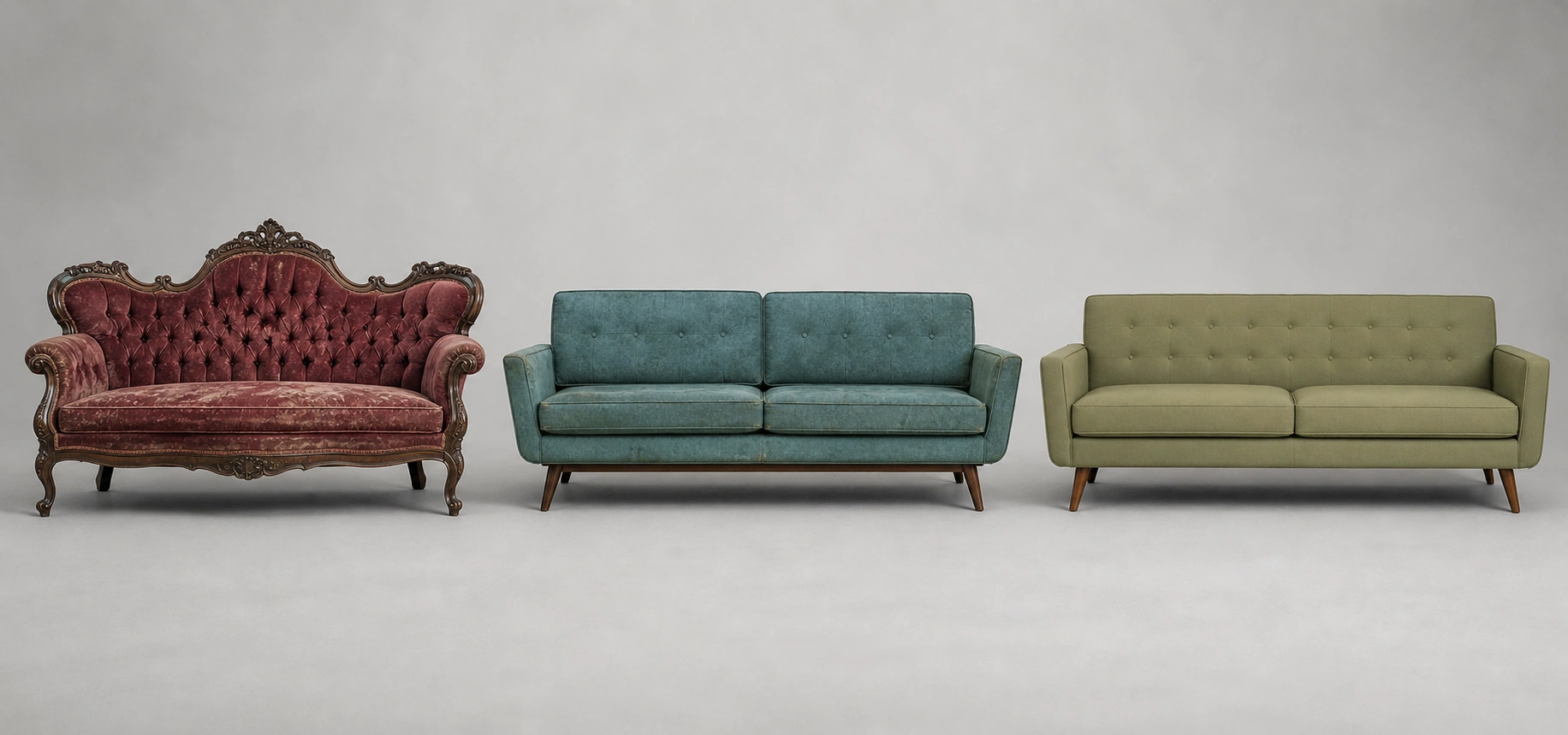
When shopping, always ask the seller whether a piece is an original or a reproduction. A quality check before buying should include inspecting the frame joints, spring system, and underside of the piece. Original vintage sofas will show construction methods consistent with their era, while retro pieces will use modern shortcuts like staples, foam inserts, and plywood.
Materials Found in Authentic Vintage Sofas
The materials used in vintage sofas differ significantly from modern production. Understanding these materials helps you assess both authenticity and maintenance requirements. For a deeper dive into all sofa materials, see our comprehensive materials explained guide.
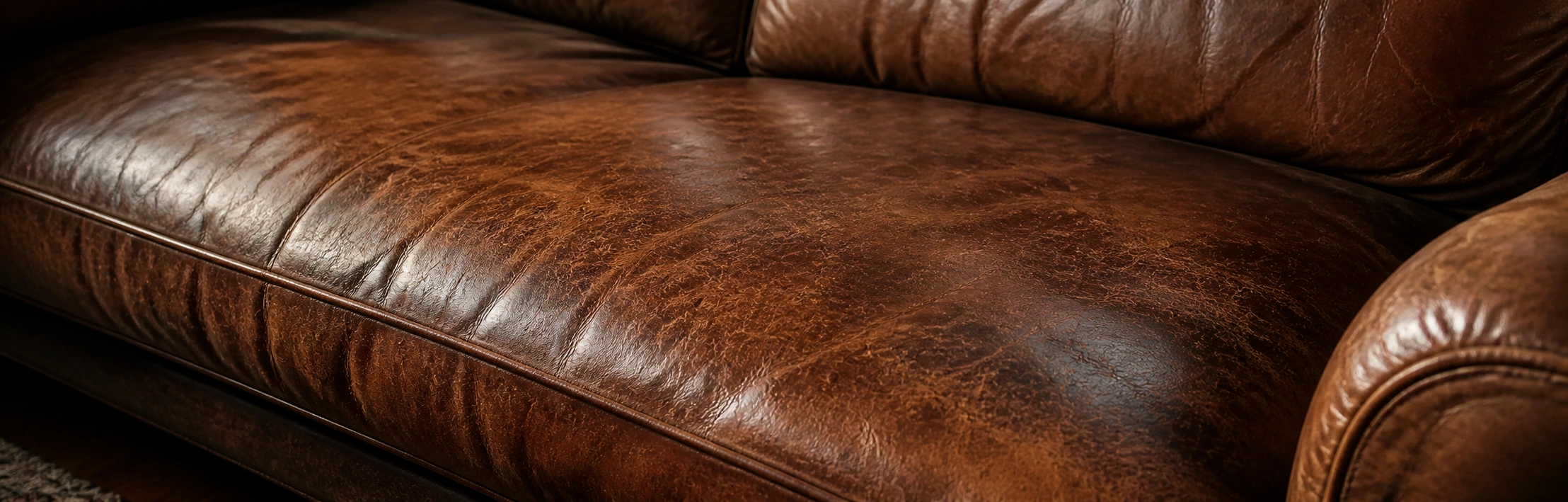
Full-Grain Leather
The most prized material in vintage sofas. Authentic pieces use top-grain or full-grain leather that develops a rich patina over decades.
- Develops unique character with age
- Requires regular leather conditioning
- Check for leather grade authenticity
- Avoid pieces with peeling or cracked bi-cast leather
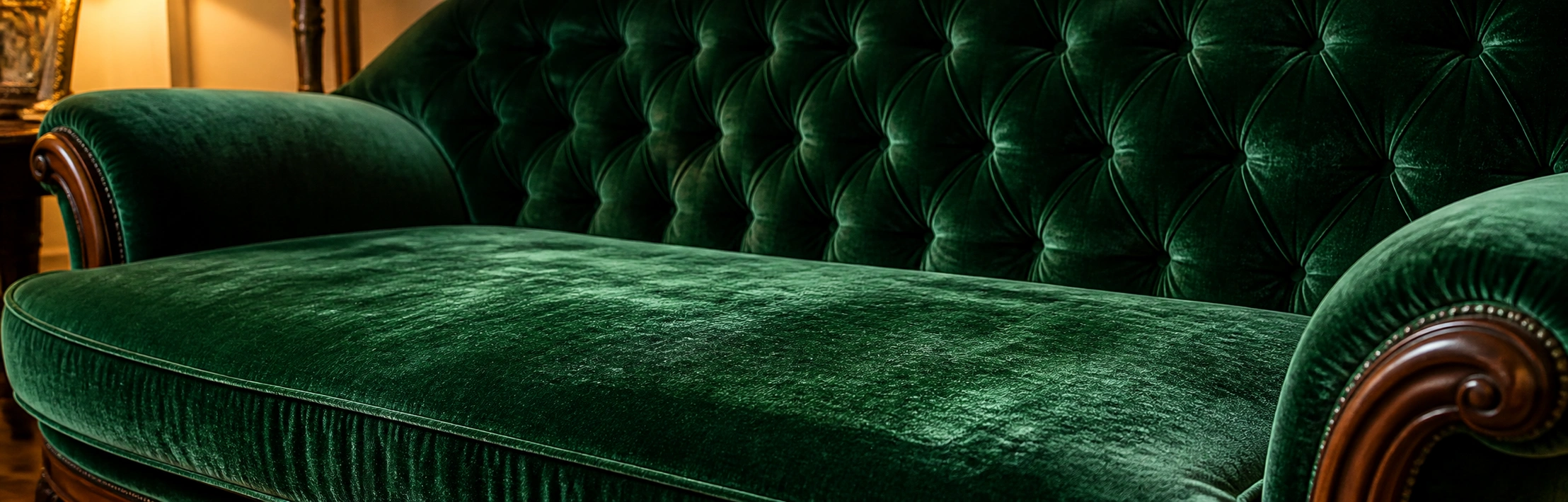
Velvet and Brocade
Luxurious fabrics favored in Victorian and Art Deco periods. Vintage velvet has a denser pile and richer color depth than modern equivalents.
- Often found on velvet sofa pieces from the 1920s-1960s
- Requires gentle velvet cleaning methods
- Susceptible to crushing and fading in sunlight
- Reupholstering can refresh while preserving the frame
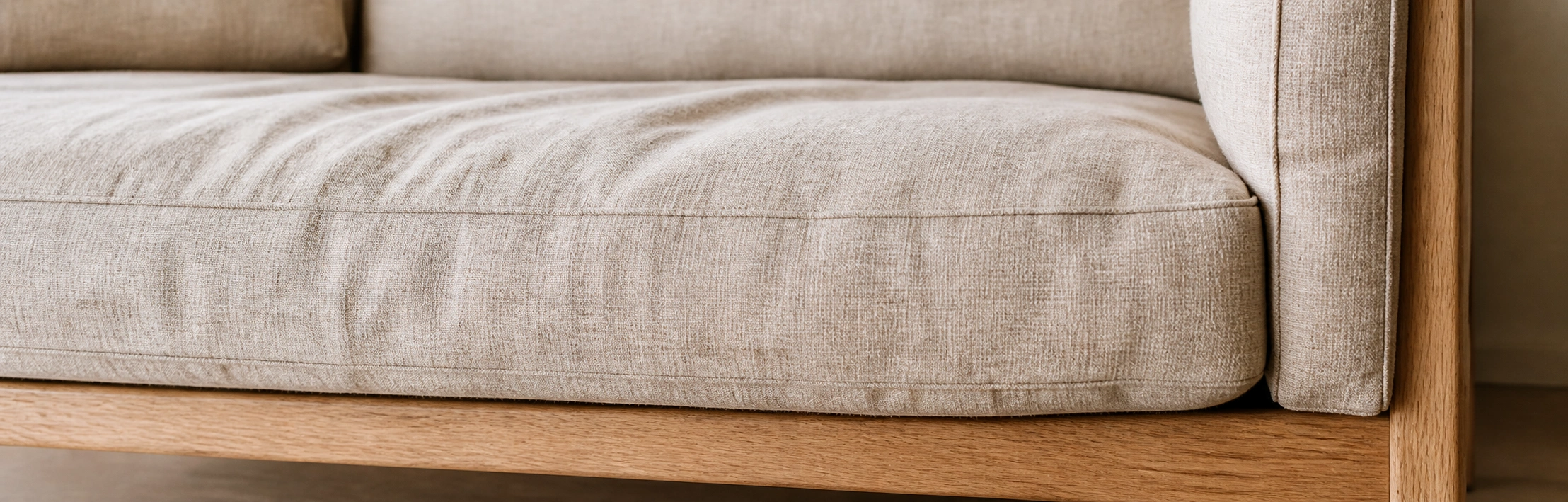
Linen and Cotton
Natural fiber upholstery common in mid-century and Scandinavian vintage pieces. Breathable and comfortable but shows wear more visibly than synthetic options.
- Signature material for linen sofa styles
- Follow fabric sofa cleaning guidelines
- May show natural wrinkling — part of the character
- Check Martindale rub test ratings if available
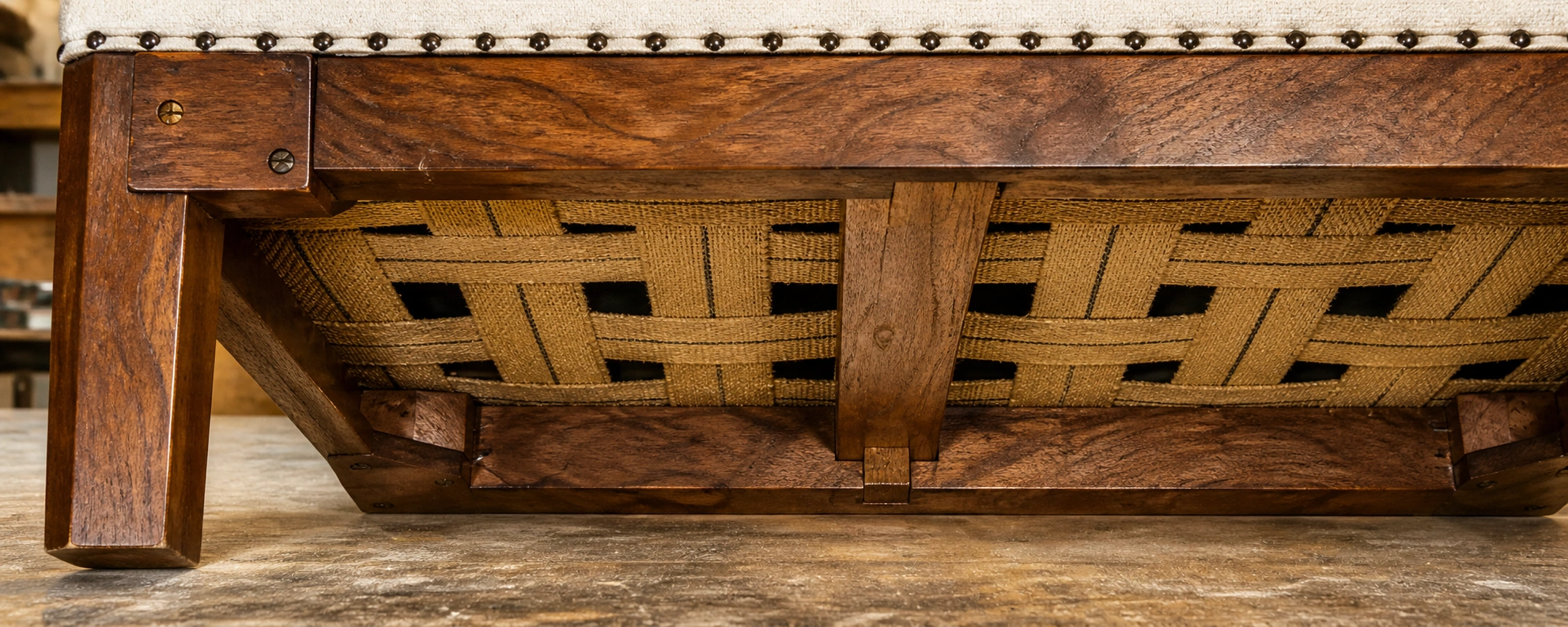
Solid Hardwood Frames
Oak, walnut, mahogany, and teak were standard frame materials. The quality of the frame construction is the single most important factor in a vintage sofa's longevity.
- Look for dovetail, mortise-and-tenon joints
- Avoid frames with staples or glued-only joints
- Check for frame repair needs before buying
- Teak frames are especially durable and rot-resistant
How to Choose the Right Vintage Sofa
Buying a vintage sofa requires more scrutiny than purchasing new furniture. These practical tips help you evaluate condition, value, and suitability for your home.
Inspect the Frame Thoroughly
The frame is the foundation. Look for solid hardwood with traditional joinery — no staples, no MDF. Rock the sofa gently; excessive wobble indicates loose joints. Sit on all cushions to test for comfort and structural integrity. If you hear creaking or feel shifting, the frame may need repair.
Check the Spring System
Lift the cushions and press down on the seat base. You should feel even resistance from hand-tied coil springs. If you feel hard spots, hollow areas, or hear metal scraping, the springs may be broken or disconnected. Spring replacement is possible but adds significant cost.
Evaluate the Upholstery Condition
Minor wear adds character, but large tears, extensive staining, or foam that has crumbled to dust means reupholstering is necessary. Factor this cost into your budget — professional reupholstering typically ranges from $500 to $2,500 depending on the piece. Learn about cushion fill types to understand what replacement options exist.
Verify Provenance When Possible
Look for manufacturer labels, tags, or stamps under the cushions or on the frame bottom. Pieces from recognized designers or brands (Herman Miller, Knoll, Dunbar, etc.) command higher prices but also hold value better. Even without a famous label, a well-constructed unmarked piece can be an excellent find.
Measure Your Space Precisely
Vintage sofas come in non-standard sizes that may not match modern room proportions. Use our size and room guide and learn how to measure both your space and the sofa accurately. Account for doorways, hallways, and staircases — vintage pieces with solid wood frames cannot be disassembled easily.
Set a Realistic Total Budget
The purchase price is only part of the equation. Include potential costs for reupholstering, spring repair, leg replacement, and delivery (vintage pieces often require special handling). Our sofa budget guide and price breakdown can help you plan realistically.
Buying Tip: If you are deciding between a secondhand vintage sofa vs. a new one, consider that a well-restored vintage piece often outlasts a new sofa at a similar price point. The key is accurate assessment of restoration costs before purchasing. When in doubt, bring a professional upholsterer for an inspection — many offer pre-purchase evaluation services for a small fee.
Where to Place a Vintage Sofa
A vintage sofa can transform a room, but placement matters. The right setting enhances its character; the wrong one makes it look out of place. Here are the most effective placements for different vintage styles.
Formal Living Room
Victorian, Chesterfield, and Art Deco pieces shine as the centerpiece of a primary living room. Pair with complementary period accessories, a quality rug, and muted wall colors to let the sofa command attention without competing with other elements.
Home Theater or Media Room
A vintage leather sofa adds warmth and authenticity to a home theater or movie marathon space. The aged leather aesthetic pairs naturally with dark walls and ambient lighting. Ensure the seat depth is comfortable for extended viewing.
Office or Lobby
Mid-century and Art Deco vintage sofas make sophisticated statements in an office reception or lobby area. They project taste, stability, and attention to detail — qualities that leave a strong impression on clients and visitors.
Family Room
Scandinavian and mid-century vintage pieces work well in a family room thanks to their durable construction and approachable design. Opt for reupholstered versions in performance fabric if you have children or pets.
Guest Room
A compact vintage loveseat or 2-seater sofa creates an inviting reading nook in a guest room. Smaller vintage pieces are easier to source and more affordable, making them a low-risk entry point into vintage furniture collecting.
Small Apartment
Not all vintage sofas are oversized. Mid-century compact sofas and 3-seater versions fit well in small spaces. Their clean lines and raised legs create a sense of openness. Always measure doorways — vintage solid frames cannot be maneuvered like modular pieces.
Caring for Your Vintage Sofa
Proper maintenance preserves both the value and comfort of your vintage piece. Vintage furniture requires a different care approach than modern pieces due to its age-sensitive materials and construction.
Routine Dusting and Vacuuming
Use a soft brush attachment to vacuum fabric upholstery weekly, removing dust from tufted crevices where debris accumulates. For leather, use a dry microfiber cloth. Regular cleaning prevents abrasive dust from accelerating wear on aging fibers. Refer to our general sofa cleaning guide for technique details.
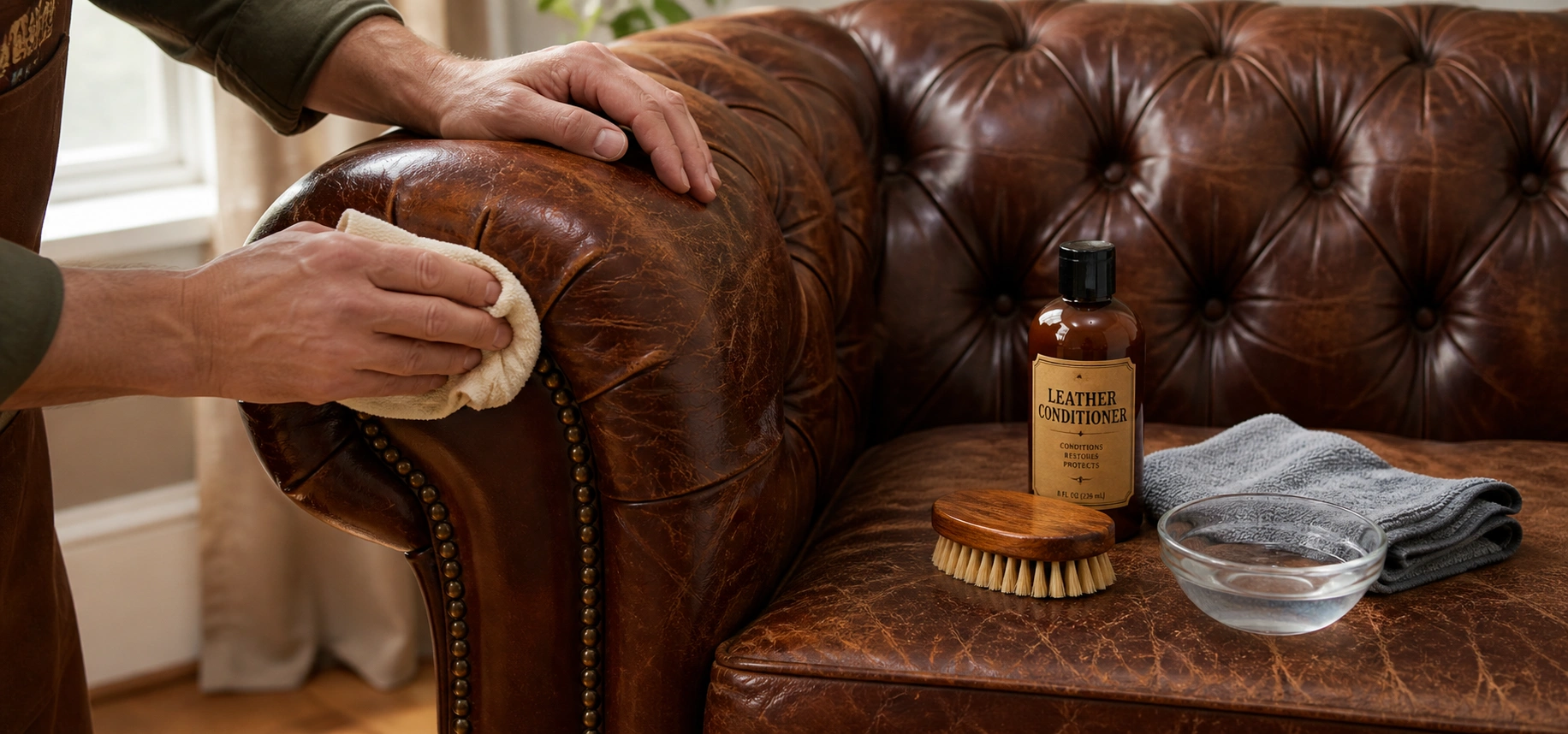
Leather Conditioning Schedule
Apply a quality leather conditioner every 3-6 months to prevent cracking and maintain suppleness. Avoid silicone-based products, which clog pores. For detailed instructions, see our leather conditioning guide. Never use household cleaners, vinegar, or alcohol on vintage leather.
Protect from Sunlight and Heat
UV rays cause irreversible fading on both fabric and leather. Position your sofa away from direct sunlight or use UV protection window films. Heat sources like radiators dry out leather and weaken adhesives in the frame. Maintain at least 18 inches of clearance from any heat source.
Address Stains Immediately
Blot (never rub) spills promptly with a clean, damp cloth. Vintage fabrics are often more absorbent than modern treated fabrics. For stubborn stains, consult our stain removal guide. Test any cleaning solution on an inconspicuous area first — vintage dyes can be unpredictable.
Rotate and Flip Cushions
Evenly distribute wear by rotating seat cushions and reversing them if they are reversible. This is especially important for vintage pieces where the original cushion fill may have already settled over decades. If cushions have flattened significantly, professional restuffing can restore comfort.
Use Appropriate Covers for Protection
If your vintage sofa sees daily use, consider fitted covers during high-traffic periods. Use sofa covers designed for delicate furniture — avoid elastic straps that put tension on old frames. For pet households, pet-proof covers provide a practical barrier without hiding the piece entirely.
Schedule Professional Maintenance
Have a professional upholsterer inspect your vintage sofa every 2-3 years. They can catch issues like sagging cushions, loose joints, or worn webbing before they become major problems. Early intervention is always less expensive than major restoration.
Vintage vs. New: Which Should You Choose?
The decision between a vintage and new sofa ultimately depends on your priorities. Below is a balanced comparison to help you make an informed choice based on what matters most to you.
| Consideration | Vintage Sofa | New Sofa |
|---|---|---|
| Construction Quality | Superior — solid wood, hand-tied springs, natural fills | Variable — ranges from premium to budget-grade |
| Initial Cost | Wider range; quality pieces often comparable or less | Predictable pricing; sales and discounts available |
| Longevity | Already proven durable; can last decades more with care | Depends on build quality; 5-15 years typical |
| Customization | Limited to reupholstery choices | Extensive — fabric, configuration, size options |
| Warranty | None (unless from a dealer offering guarantees) | Typically 1-10 years depending on brand |
| Unique Character | One-of-a-kind with genuine history and patina | Mass-produced; many homes may have the same piece |
| Eco Impact | Low — reusing existing furniture reduces waste | Higher — new manufacturing, shipping, packaging |
| Delivery | Often requires special handling; solid frame limitations | Standard delivery; some offer modular options for tight spaces |
If uniqueness, craftsmanship, and sustainability matter most to you, a vintage sofa is the clear choice. If you need specific dimensions, a warranty, or the ability to choose exact fabric colors, a new sofa — particularly from the custom or ready-made market — may be more practical. Many homeowners successfully blend both: a statement vintage piece alongside complementary modern seating. The comfort vs. durability balance also differs — vintage frames tend to outlast modern ones, but vintage cushions may need refreshing.