Leather Conditioning: The Complete Guide for Your Sofa
Leather is a living material that needs regular nourishment to stay supple, resist cracking, and look its best. Learn exactly how to condition your leather sofa the right way.
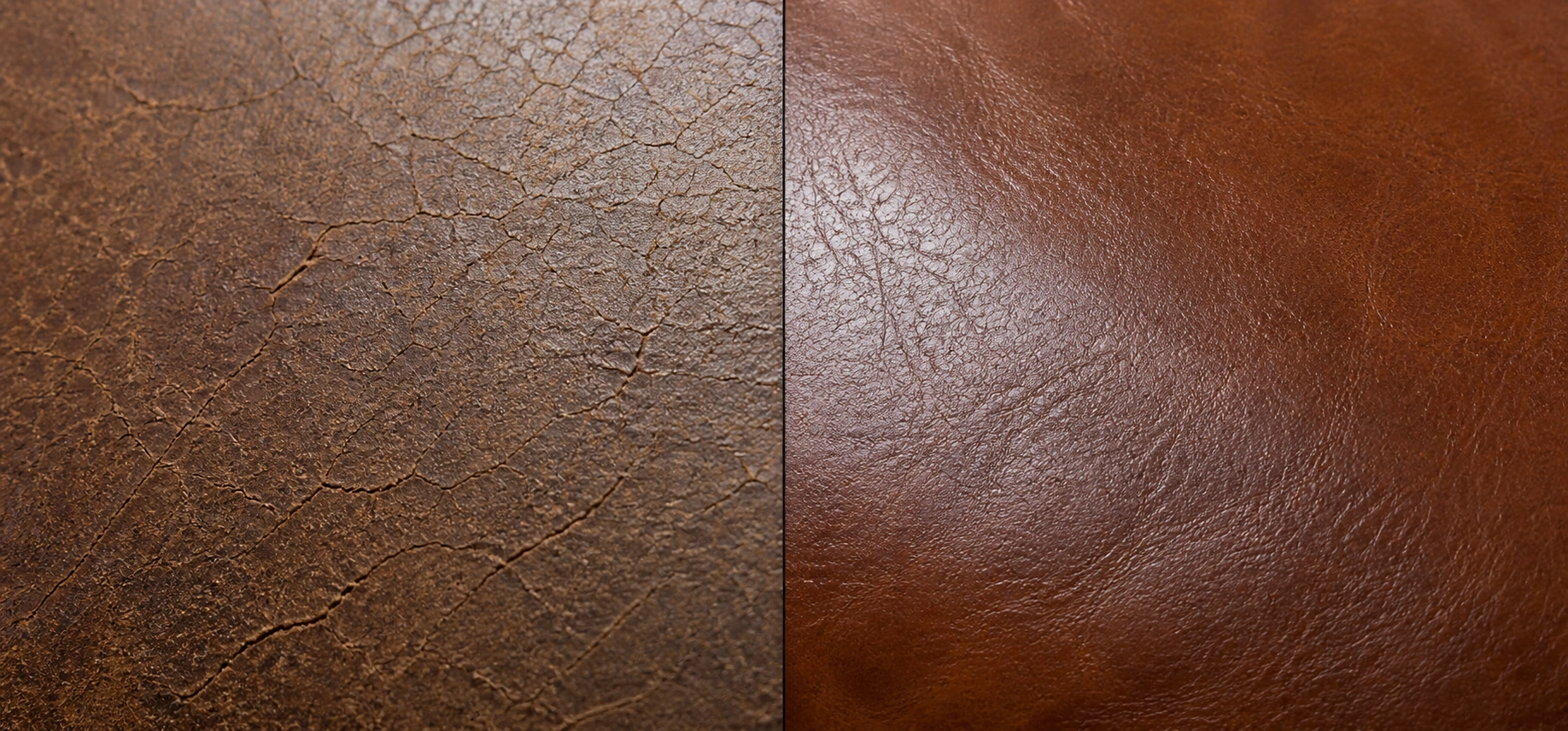
VIEW RECOMMENDED PRODUCTSLeather furniture is one of the most rewarding investments you can make for your home. A quality leather sofa develops a beautiful patina over time — but only if it receives the care it needs. Unlike fabric upholstery, leather is an animal hide that gradually loses its natural oils through everyday use, exposure to sunlight, and fluctuations in indoor humidity. When those oils deplete, the leather dries out, stiffens, and eventually cracks.
Leather conditioning is the process of replenishing those essential oils and restoring the hide's natural flexibility. It is not the same as cleaning — cleaning removes surface dirt, while conditioning penetrates the material to nourish it from within. This guide covers everything you need to know: which leather types require different approaches, how to select the right product, the correct application technique, and the mistakes that can permanently damage your furniture.
Why Leather Conditioning Is Non-Negotiable
Prevents Cracking and Peeling
Dry leather loses elasticity and becomes brittle. Conditioner restores flexibility at the fiber level, preventing the surface cracks that lead to costly leather tear repairs.
Restores Natural Luster
Conditioned leather has a rich, warm sheen that dry leather cannot replicate. The oils in conditioner bring depth back to the color and revive the hide's natural glow without making it greasy.
Repels Moisture and Stains
Properly conditioned leather has a more effective natural barrier against spills and accidental stains. While not waterproof, conditioned leather resists liquid absorption long enough for you to wipe it away — complementing the protection offered by a fabric protection treatment.
Extends Sofa Lifespan by Years
A leather sofa that is regularly conditioned can easily last 15 to 25 years or more. Neglected leather, by contrast, may show irreversible damage within 5 to 7 years. Conditioning is the single most impactful maintenance step for long-term durability.
Buffers Against Environmental Stress
Sunlight, heating systems, and air conditioning all accelerate moisture loss in leather. Conditioner acts as a buffer, helping the hide withstand these daily environmental assaults without drying out prematurely.
Maintains Supple Comfort
Well-conditioned leather feels soft and yielding against your skin. Dry leather feels stiff, rough, and uninviting — the opposite of what you want from a comfortable seating surface.
Leather Types and How They Affect Conditioning
Aniline Leather
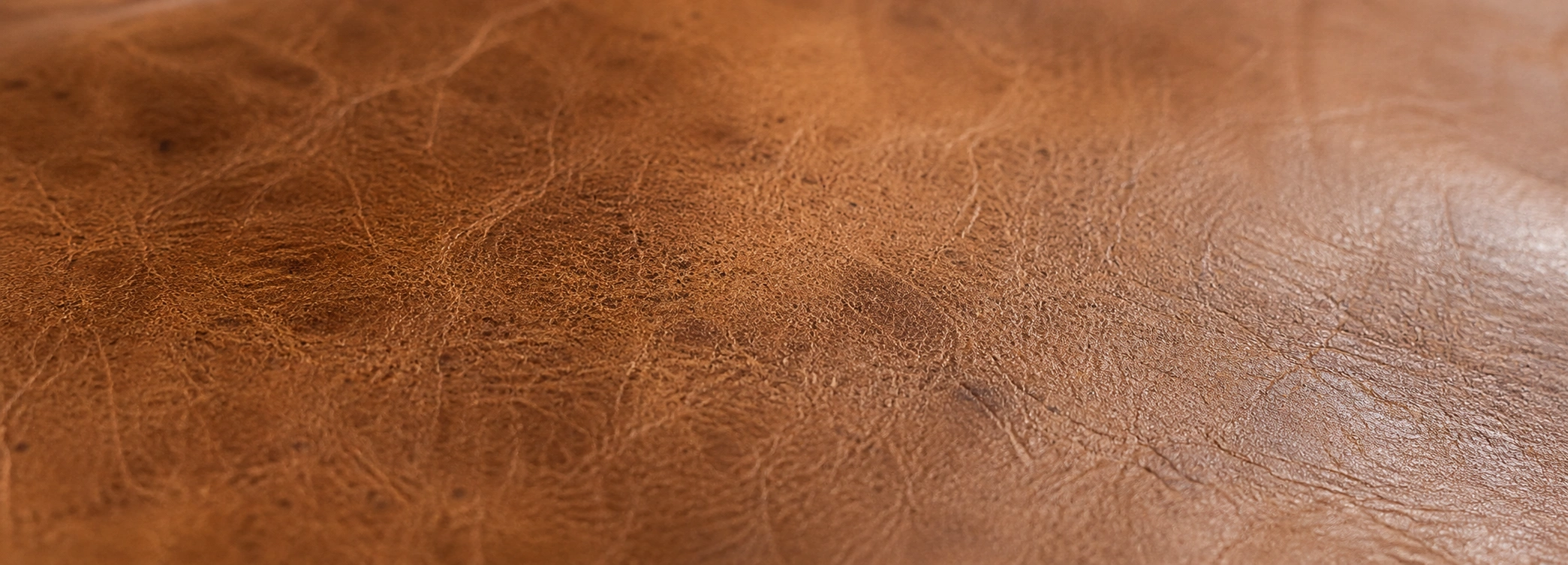
Uncoated and dyed through with soluble dyes, aniline leather is the most natural and porous type. It absorbs conditioner readily and needs it most frequently. Use only conditioners specifically labeled safe for aniline leather — heavy wax or silicone-based products can stain the surface. Understanding leather grades helps you identify whether your sofa falls into this premium category.
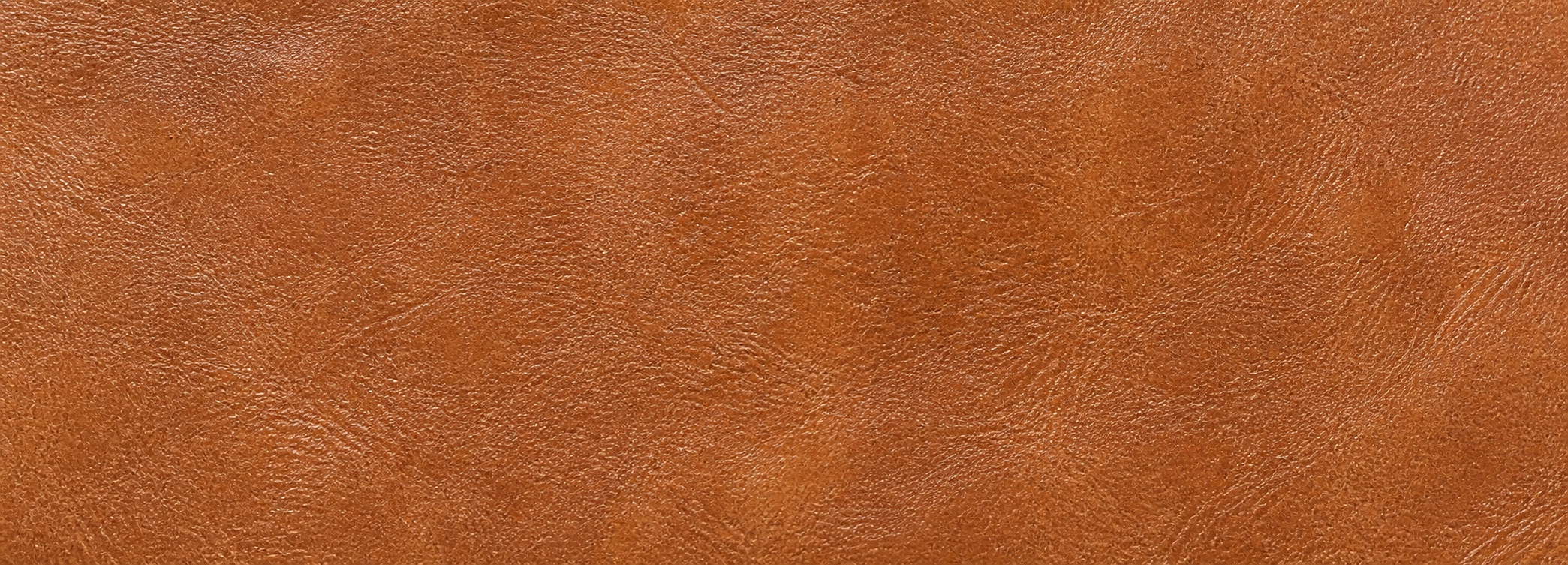
Semi-Aniline Leather
Has a thin protective topcoat over the dyed hide, offering moderate stain resistance while retaining some natural feel. Most quality leather sofas use semi-aniline. Conditioner penetrates more slowly than with pure aniline, so allow extra absorption time. Standard leather conditioners work well with this type.
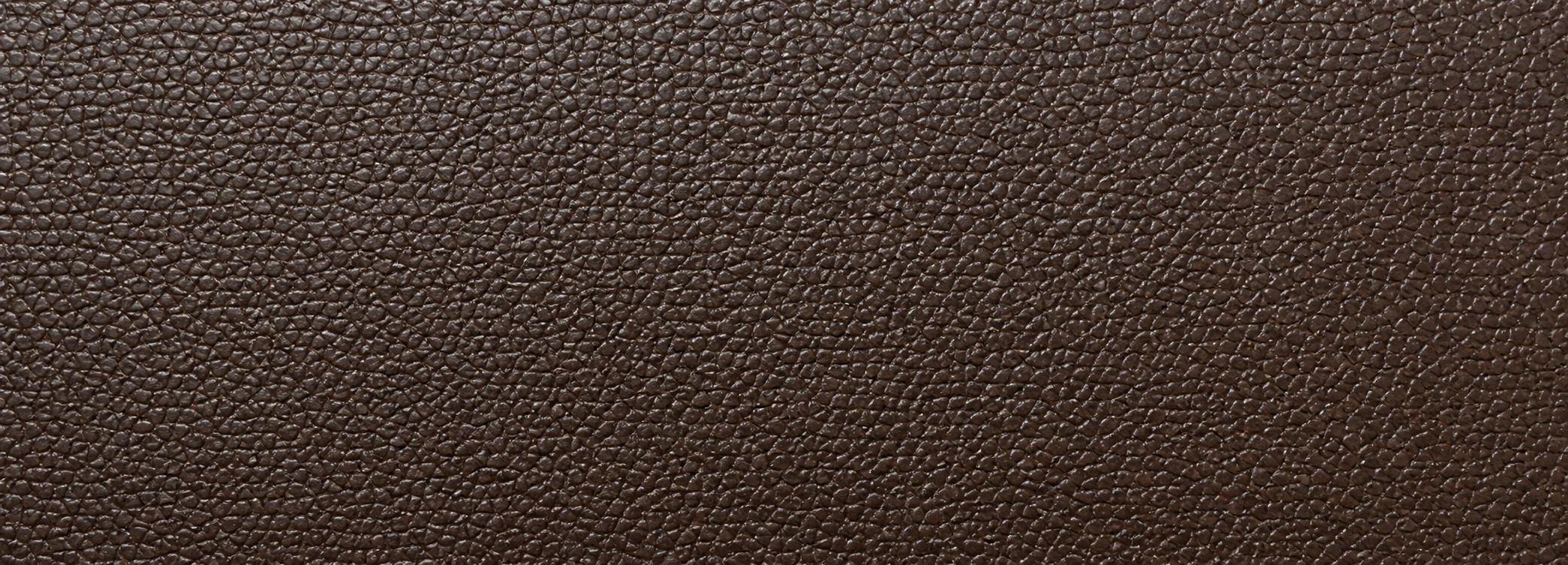
Pigmented (Protected) Leather
Coated with a polymer layer that provides excellent stain and wear resistance. This is the most common type found in family-oriented leather furniture. Conditioner cannot penetrate the coating deeply, but it still benefits the underlying hide and keeps the surface from feeling dry. Cream-based conditioners are ideal here.
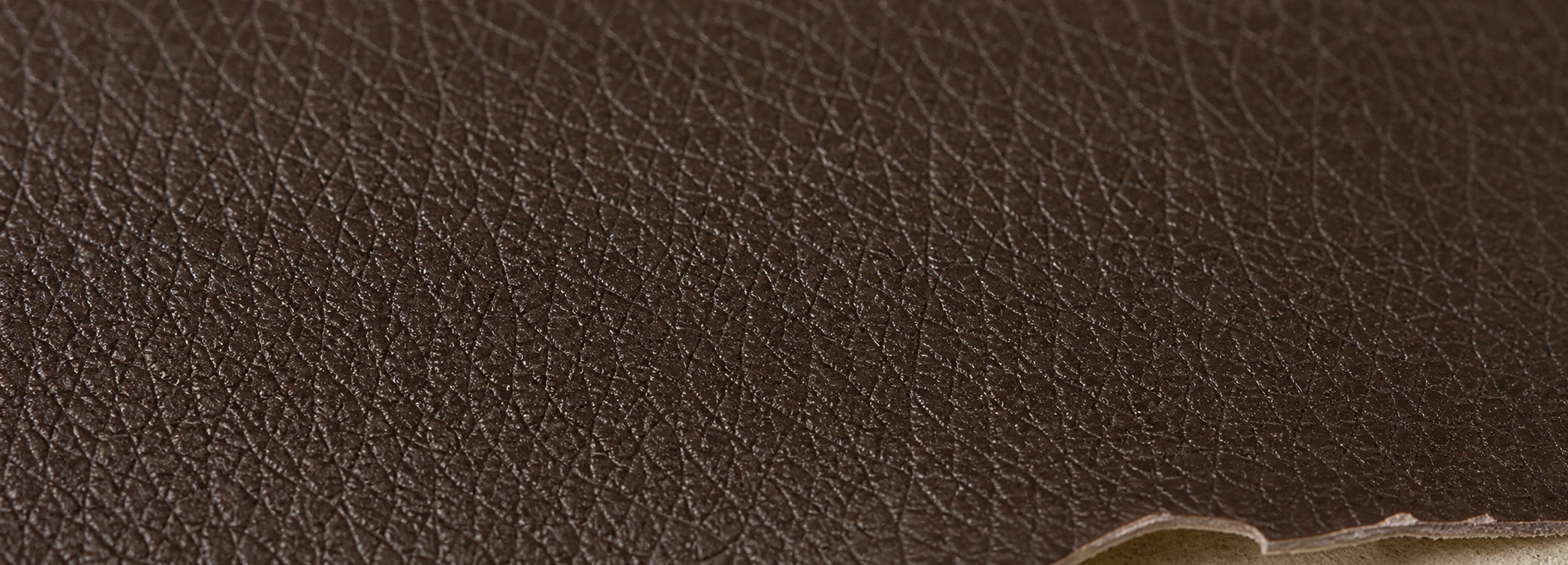
Bonded Leather
Made from shredded leather fibers bonded with polyurethane. While it looks like leather, it contains only a small percentage of actual hide. Conditioning provides minimal benefit because the surface is predominantly synthetic. Light application can help prevent the surface layer from drying and peeling, but do not expect dramatic results. If you are choosing between options, see our materials explained guide for a deeper comparison.
How Often Should You Condition Your Leather Sofa?
There is no single universal schedule because the right frequency depends on your leather type, your home environment, and how heavily the sofa is used. The following guidelines cover the most common scenarios. When in doubt, observe your leather: if it feels slightly stiff to the touch or the color appears dull and flat, it is time to condition regardless of the calendar.
Dry or Sunny Climates
Homes in arid regions or with large windows exposing the sofa to direct sunlight lose moisture faster. UV protection measures help, but more frequent conditioning is still essential.
Normal Household Use
Standard living conditions with moderate humidity and typical daily use. This is the most common scenario for a primary living room sofa. Condition every 3 months for aniline leather, every 6 for pigmented.
Light Use / Guest Rooms
Sofas in guest rooms, formal sitting areas, or homes with stable humidity and minimal direct sunlight can go longer between treatments.
Step-by-Step: How to Condition a Leather Sofa
Follow these six steps in order for the best results. The entire process typically takes 30 to 45 minutes for a standard three-seater sofa. Preparation is just as important as the conditioning itself — skipping steps reduces effectiveness and can even cause damage.
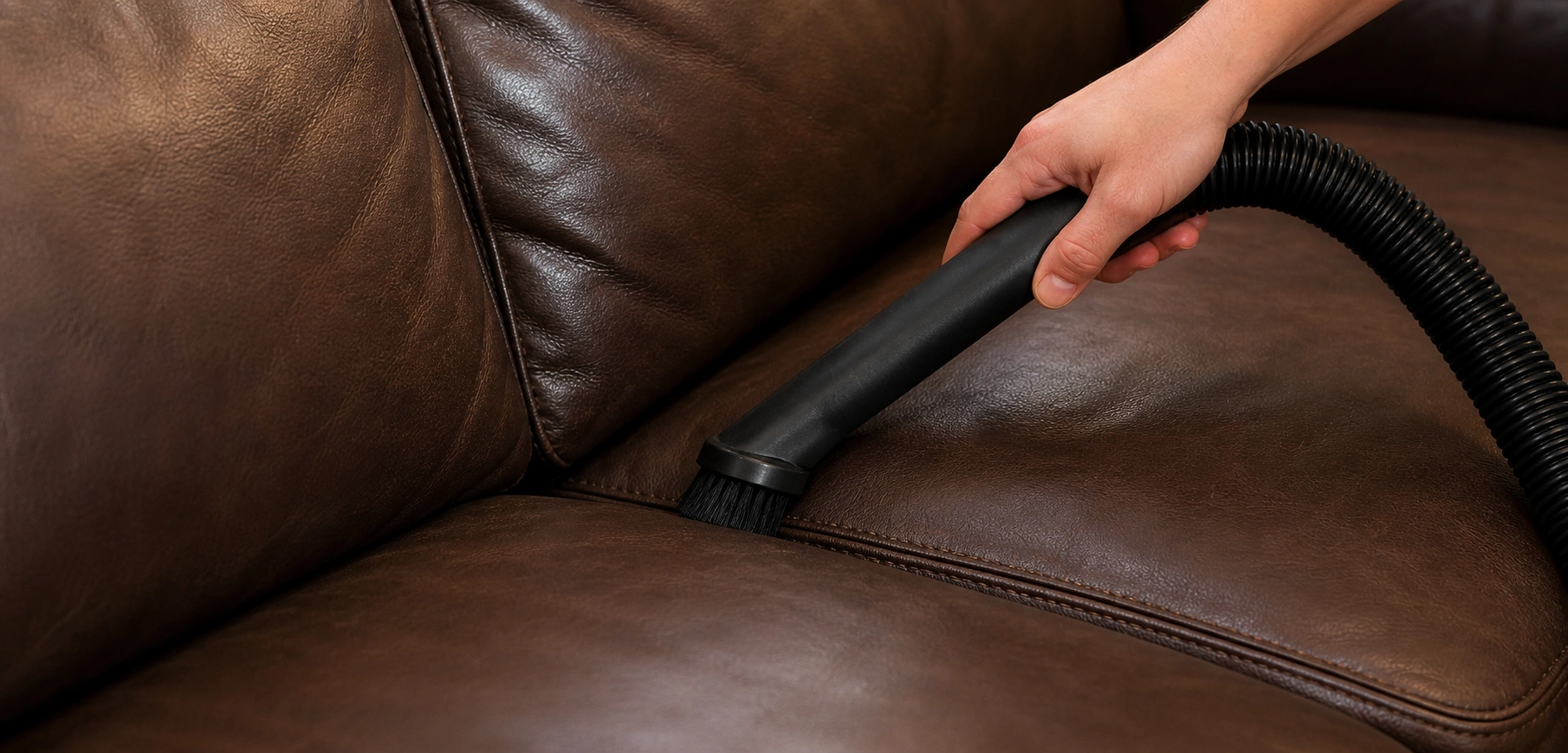
Vacuum Thoroughly
Use a vacuum with a soft brush attachment to remove loose dust, pet hair, crumbs, and debris from all surfaces, crevices, and seams. Pay special attention to the gaps between seat cushions and along the base. This physical debris removal is essential because any particles left on the surface can act as abrasives when you rub in the conditioner later, causing micro-scratches.
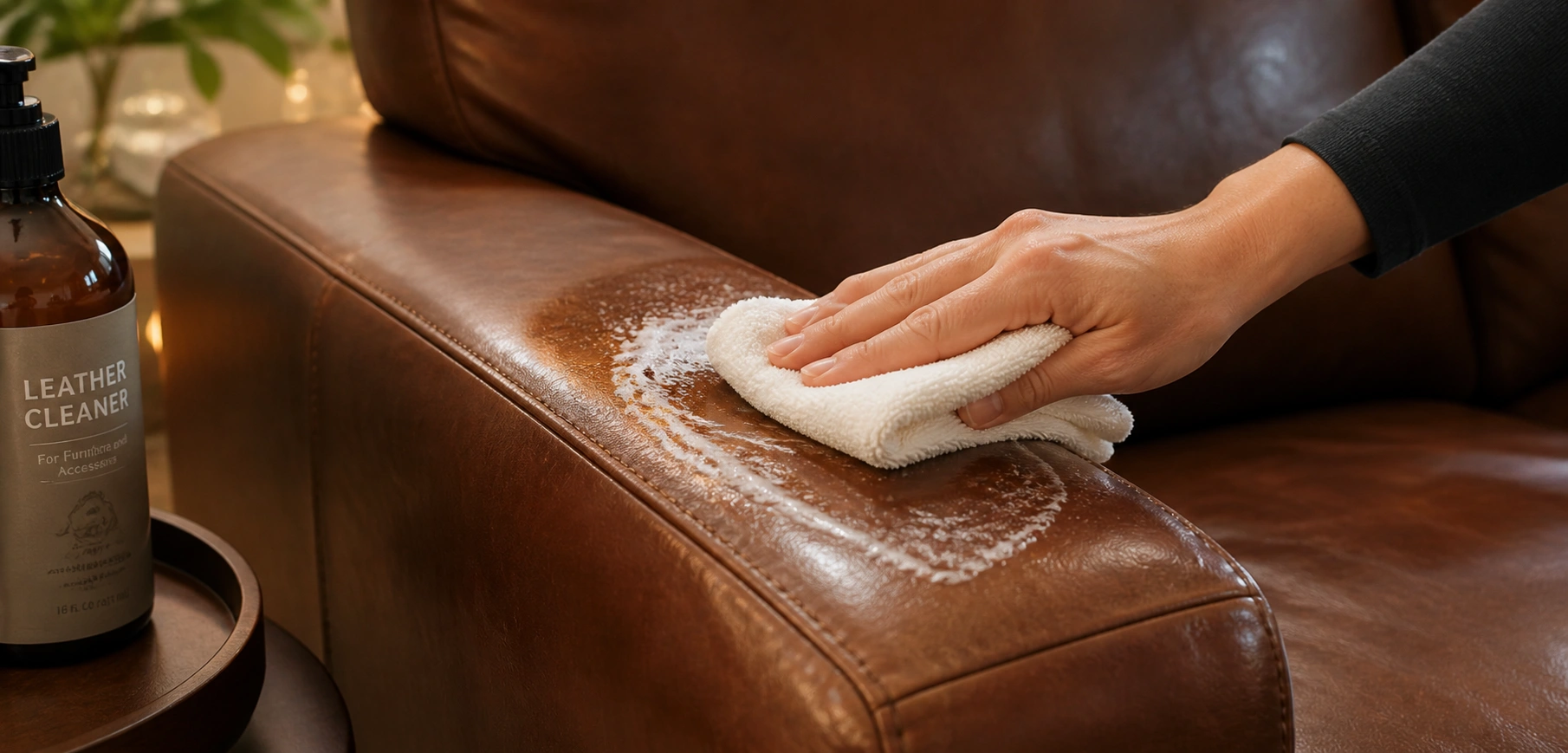
Clean with Leather-Specific Cleaner
Apply a dedicated leather cleaning product using a clean microfiber cloth, working in small sections from top to bottom. This removes body oils, sweat residue, spilled drink marks, and other contaminants that regular vacuuming cannot address. If your sofa has stubborn stains, address those first with appropriate stain removal techniques before proceeding.
Let the Leather Dry Completely
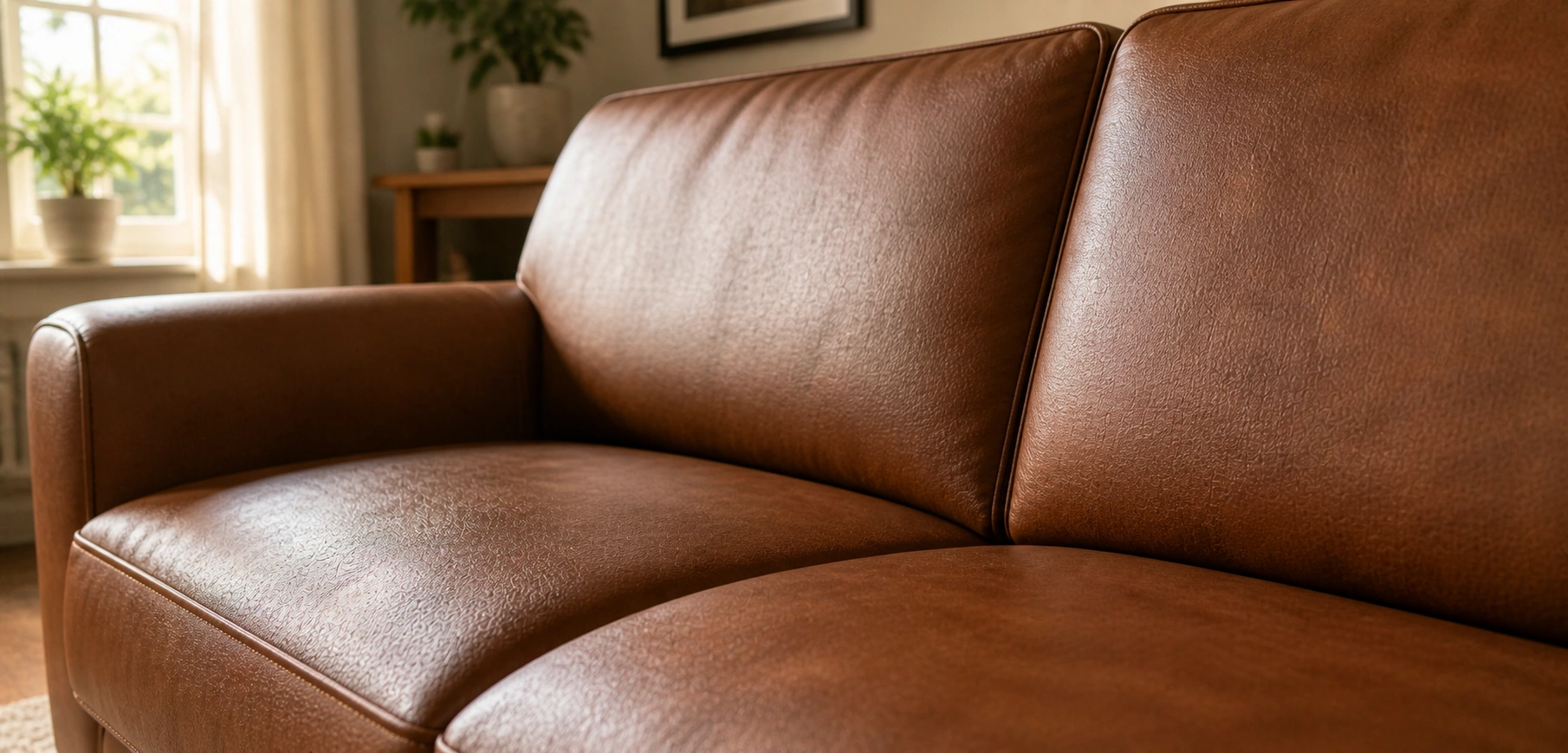
This step is critical and often rushed. Allow the cleaned leather to air dry naturally at room temperature. This typically takes 30 minutes to 1 hour depending on humidity. Never use a hair dryer, heater, or direct sunlight to speed up drying — heat causes leather to shrink and crack. The leather must be completely dry before conditioning because any residual moisture dilutes the conditioner and prevents proper absorption.
Apply Conditioner in Thin, Even Layers
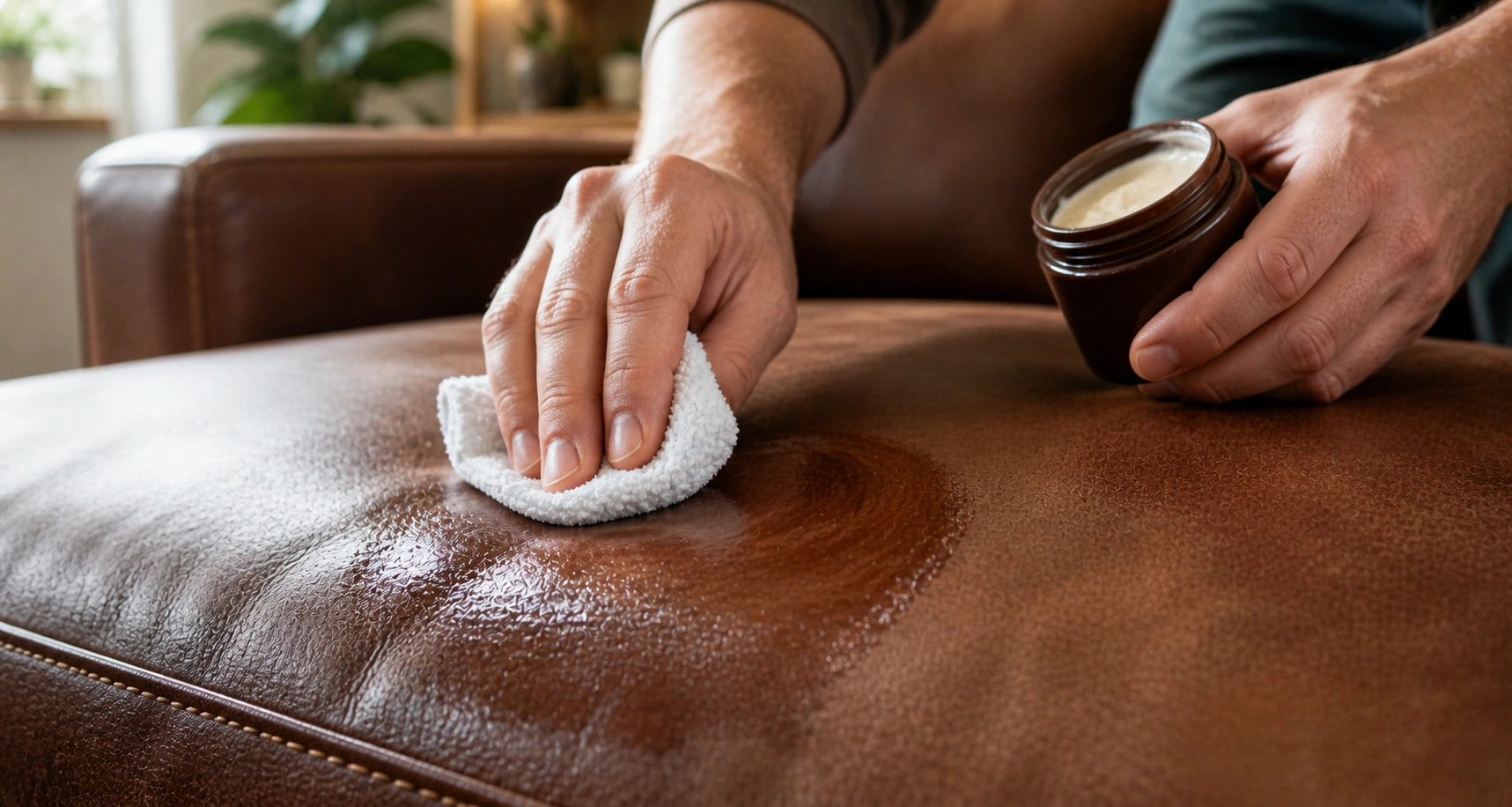
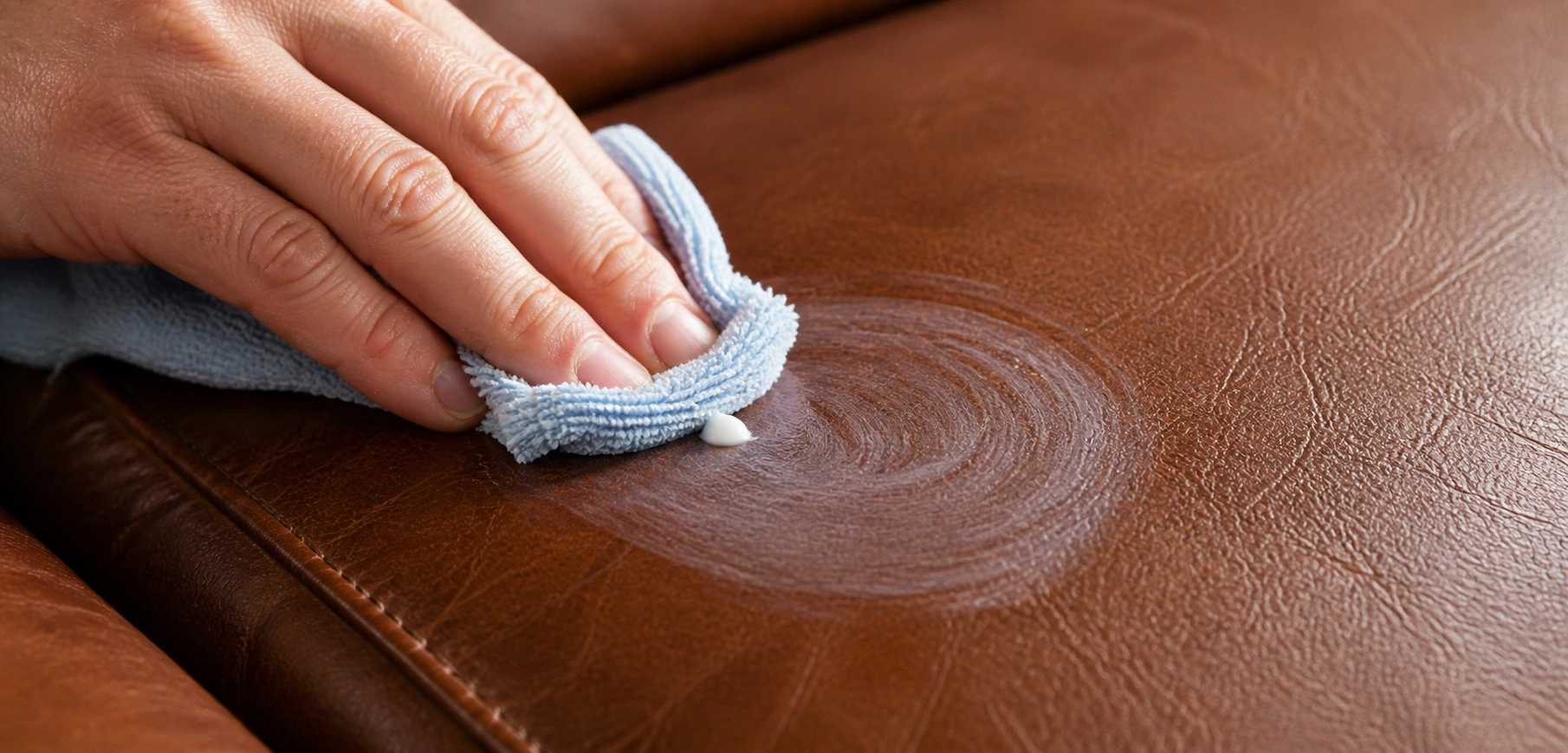
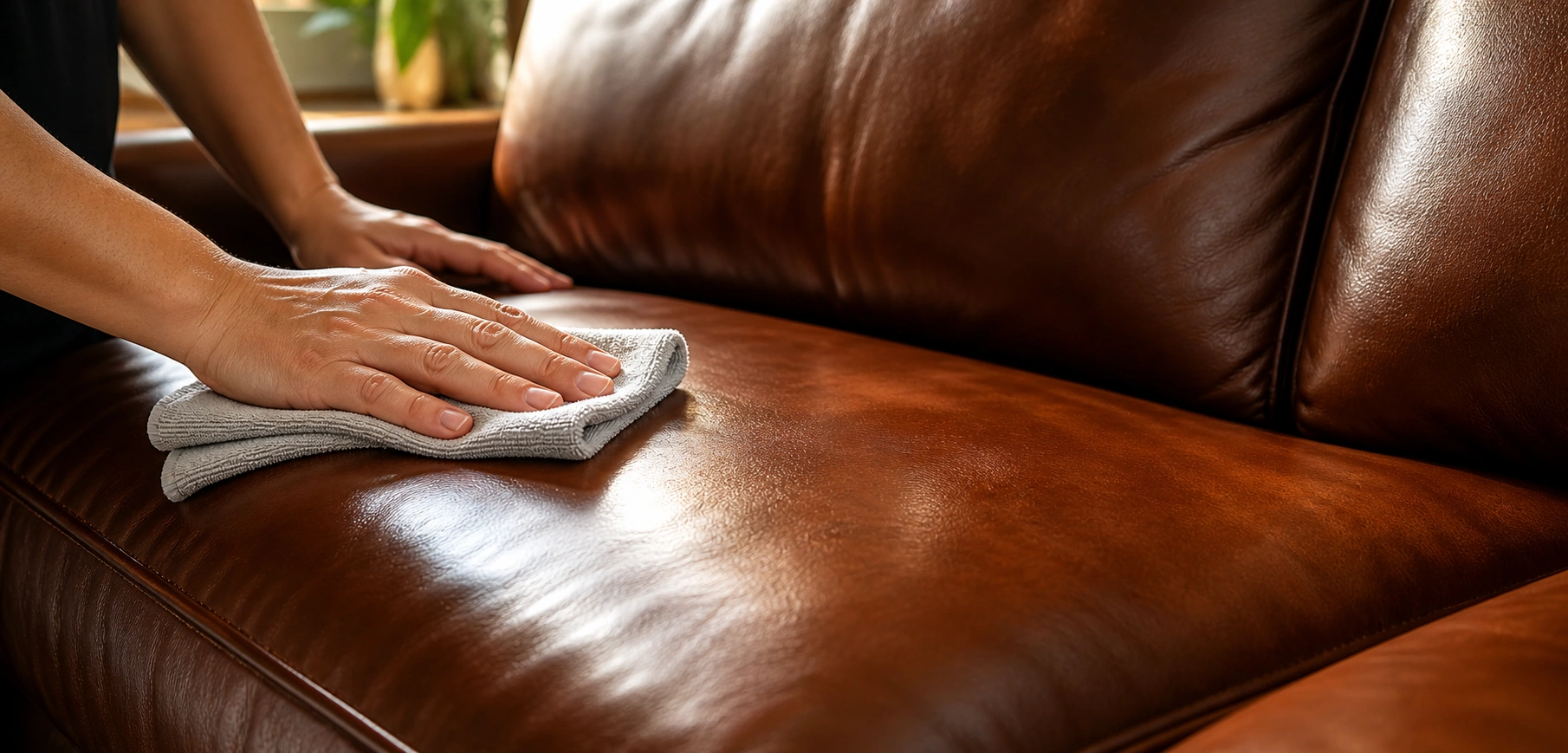
Squeeze a small amount of conditioner — roughly the size of a quarter — onto a clean, dry microfiber cloth. Apply it to one section of the sofa at a time (one cushion, one armrest, etc.) using gentle circular motions. The key word is thin: less is more. Excessive conditioner sits on the surface, feels sticky, attracts dust, and may transfer to clothing. Work the conditioner into the leather with light pressure — you should not need to press hard.
Allow 15–20 Minutes for Absorption
Resist the temptation to buff immediately. The conditioner needs time to penetrate the leather fibers. Leave the sofa undisturbed for at least 15 minutes, ideally 20. During this time, the oils and emollients in the conditioner migrate into the hide's pore structure. This waiting period is what separates effective conditioning from merely coating the surface.
Buff Off Excess with a Dry Cloth
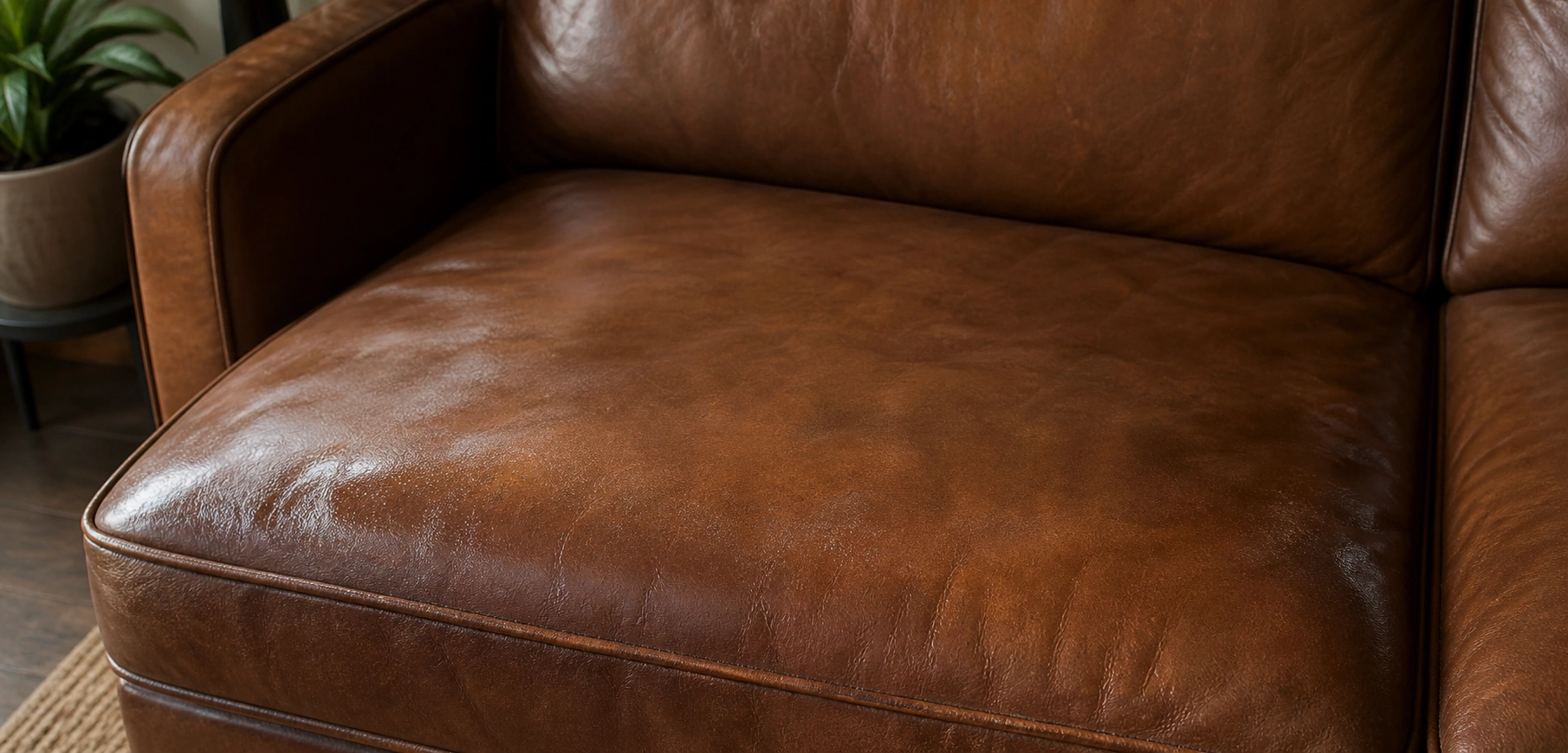
Using a fresh, dry microfiber cloth, gently buff the entire surface in circular motions. This removes any conditioner that the leather did not absorb, preventing a sticky or greasy residue. Proper buffing also brings out the natural sheen and leaves the surface feeling smooth and supple to the touch. Take your time — thorough buffing makes a visible difference in the final result.
Conditioner Types: Cream, Oil, or Wax?
Not all leather conditioners work the same way. The formulation you choose affects absorption rate, finish appearance, and long-term leather health. Here is a clear comparison to help you select the right product for your specific sofa. Keep in mind that some premium products combine multiple formulation types for balanced performance.
| Type | How It Works | Best Leather Type | Pros | Cons |
|---|---|---|---|---|
| Cream Conditioner | Water-based emulsion with oils and waxes suspended in a lotion-like formula | All types, especially pigmented and semi-aniline | Easy to apply, even absorption, no greasy residue, safe for most finishes | May need more frequent application on very dry leather |
| Oil-Based Conditioner | Pure or blended natural oils (mink oil, neatsfoot oil, lanolin) that deeply penetrate | Aniline and unfinished leather | Deep penetration, excellent for severely dry leather, long-lasting nourishment | Can darken leather, may over-soften with repeated use, not for coated leather |
| Wax-Based Conditioner | Beeswax or carnauba wax blended with oils; sits closer to the surface | Pigmented and bonded leather | Strong surface protection, water resistance, enhances sheen | Minimal deep penetration, can build up with frequent use, may feel slightly waxy |
| Hybrid (Cream + Wax) | Combines cream base with wax content for both nourishment and surface protection | Semi-aniline and pigmented leather | Balanced approach, conditions and protects in one step, most versatile option | Slightly less deep conditioning than pure oil, slightly less protection than pure wax |
For most household leather sofas — which are typically semi-aniline or pigmented — a quality cream or hybrid conditioner is the safest and most effective choice. Reserve oil-based products for raw or aniline leather that has become genuinely parched, and always test in an inconspicuous area first. For additional surface-level protection beyond conditioning, consider applying a dedicated leather protection treatment after conditioning.

Common Mistakes That Damage Leather
Using Household Oils
Olive oil, baby oil, coconut oil, and similar kitchen products are not suitable for leather. They clog pores, accelerate oxidation, attract dust, and cause darkening that cannot be undone. Always use a product specifically formulated for leather furniture.
Skipping the Cleaning Step
Applying conditioner over dirty leather seals in body oils, sweat, and grime. This accelerates deterioration underneath the conditioned surface, leading to hidden damage that only becomes visible once it is too late to fix easily.
Applying Too Much Conditioner
More is not better. Excess conditioner creates a sticky surface that attracts dirt, transfers to clothing, and can promote mold growth in humid environments. A thin, even layer is always more effective than a heavy coating.
Using Heat to Speed Drying
Hair dryers, space heaters, or placing the sofa in direct sunlight to dry faster causes the leather fibers to contract and stiffen. This directly counteracts the conditioning process and promotes the cracking you are trying to prevent.
Conditioning Without Checking Leather Type
Using a heavy wax conditioner on aniline leather causes staining. Using an oil-based product on pigmented leather wastes product since it cannot penetrate the coating. Always verify your leather type before selecting a conditioner — our leather grades guide can help you identify it.
Ignoring the Underside and Hidden Areas
The back, underside of cushions, and areas hidden from view still lose moisture. Neglecting these areas creates uneven aging — the visible surfaces may look fine while hidden sections become brittle and crack, weakening the overall structure.
When to Call a Professional
Regular conditioning handles routine maintenance effectively, but certain situations require expert intervention. Attempting DIY repairs on severely damaged leather can make the problem worse and increase the cost of professional restoration later.
If your leather sofa shows deep cracks that have split through the surface, large tears, extensive color fading, or mold penetration, a professional leather technician has the specialized tools, color-matching systems, and repair compounds that consumer products cannot replicate. Professional restoration typically costs a fraction of replacing the sofa and can return even heavily damaged pieces to near-original condition.
For routine maintenance, however, conditioning at home with the right products and technique is straightforward, cost-effective, and genuinely rewarding. The difference between a neglected leather sofa and a well-maintained one becomes dramatically obvious after just a few conditioning sessions — the leather literally transforms in front of your eyes.
Frequently Asked Questions
The Bottom Line
Leather conditioning is not a luxury or an optional extra — it is a fundamental maintenance requirement for anyone who owns a leather sofa. The process is straightforward, the products are affordable, and the results are immediately visible. A sofa that costs thousands of dollars can be protected with a bottle of conditioner that costs less than twenty dollars and 45 minutes of your time, twice a year.
The key takeaways are simple: know your leather type, clean before conditioning, apply thin even layers, allow proper absorption time, and buff thoroughly. Avoid household oils, skip no steps, and condition on a schedule appropriate for your environment. If you follow this guide consistently, your leather sofa will reward you with decades of comfort, beauty, and durability — developing the rich patina that only well-maintained leather can achieve.
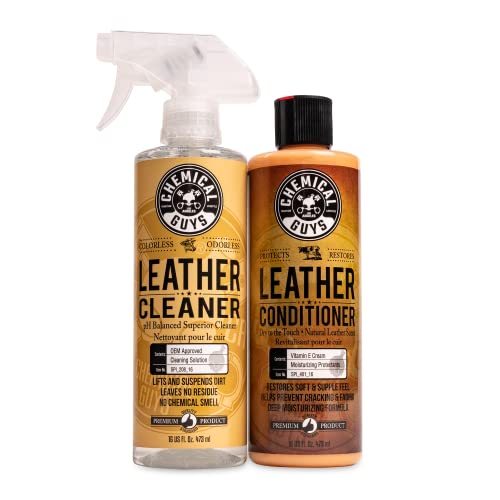
Ready to get started? Browse our recommended leather conditioning products below, all selected for compatibility with common furniture leather types and proven performance.