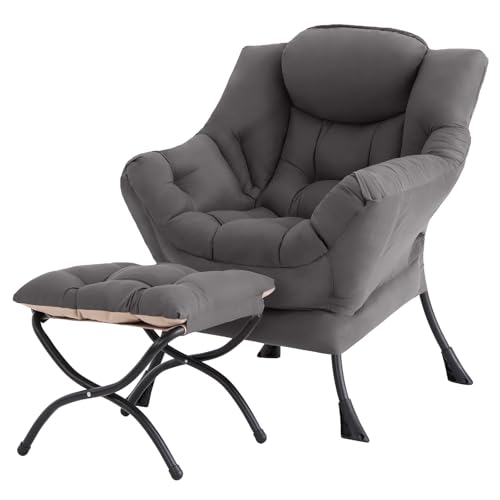
The Complete Guide to Choosing the Best Sofa Chair
From accent chairs to club chairs and barrel chairs — learn which sofa chair type fits your space, comfort needs, and style so you can buy with confidence.
VIEW TOP PICKSPhanMarket Philosophy: A sofa chair is often the most versatile piece of seating in any home — it fills empty corners, completes a living room set, and even serves as your personal reading nook. This guide covers every detail you need to make the right choice.

A sofa chair — sometimes called an upholstered armchair or occasional chair — is a single-seat piece of furniture designed to deliver the same depth of comfort you expect from a full-sized sofa, but in a compact footprint. Unlike dining chairs or desk chairs, sofa chairs are built for lounging, with generous cushioning, supportive backrests, and armrests that invite you to sit back and relax.
What makes sofa chairs so popular is their incredible versatility. They can anchor a reading corner, complement a living room sofa arrangement, serve as statement pieces in an entryway, or provide comfortable extra seating in a guest room. Whether you live in a spacious home or a compact apartment, there is a sofa chair designed to fit your situation perfectly.
This guide will walk you through every sofa chair type, explain how to evaluate comfort and quality, and help you match the right chair to your room and lifestyle. By the end, you will know exactly what to look for before making a purchase.
Types of Sofa Chairs Explained
Not all sofa chairs are created equal. Each type has a distinct shape, comfort profile, and ideal placement. Understanding these differences is the first step toward finding the chair that truly fits your needs.
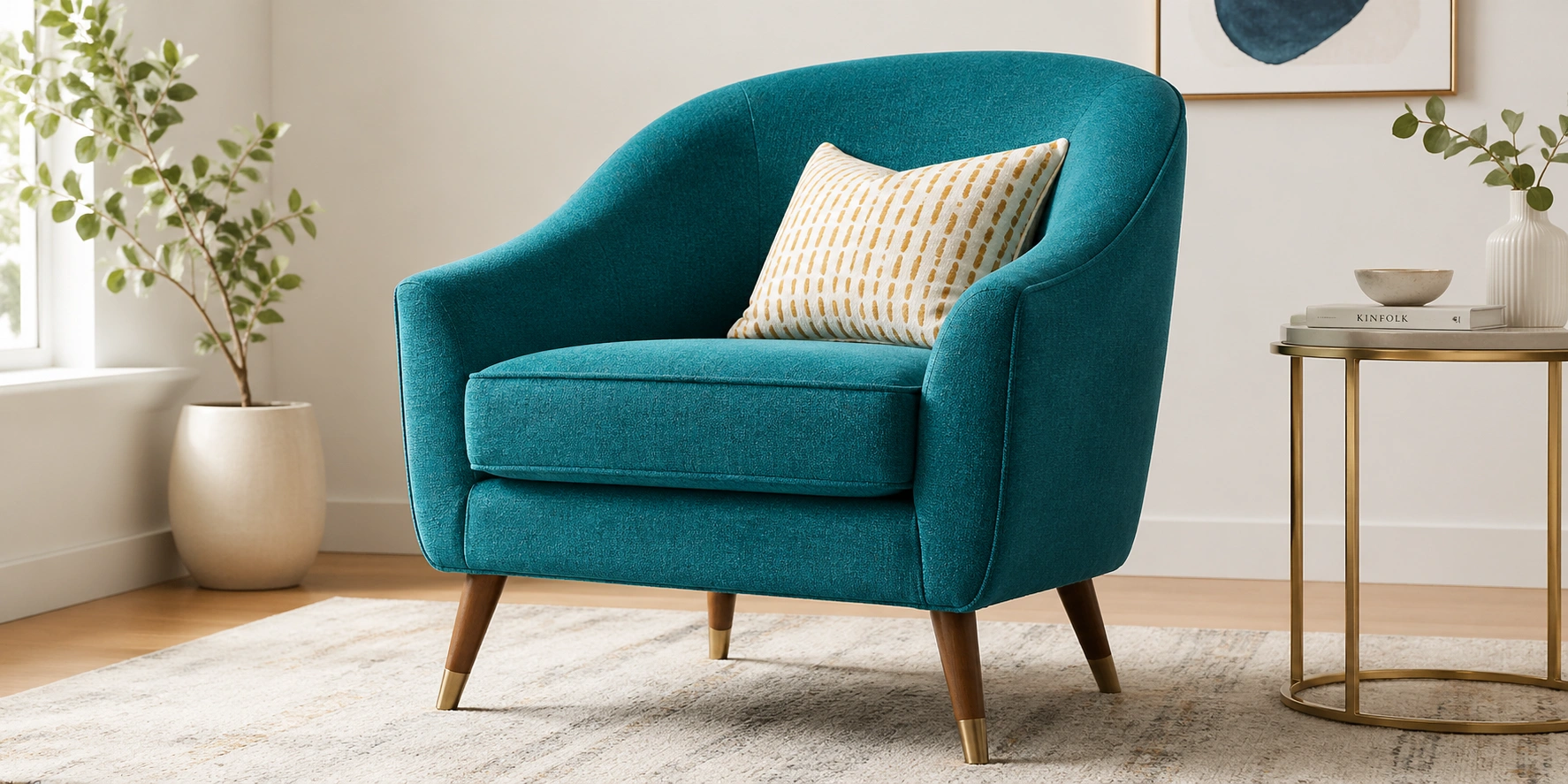
Accent Chair
The most popular sofa chair category. Accent chairs prioritize style and personality — they come in bold colors, unique patterns, and eye-catching silhouettes. They are designed to complement your existing modern sofa or contemporary sofa while adding visual interest. Comfort levels vary widely, so always check cushion thickness and seat depth before buying.
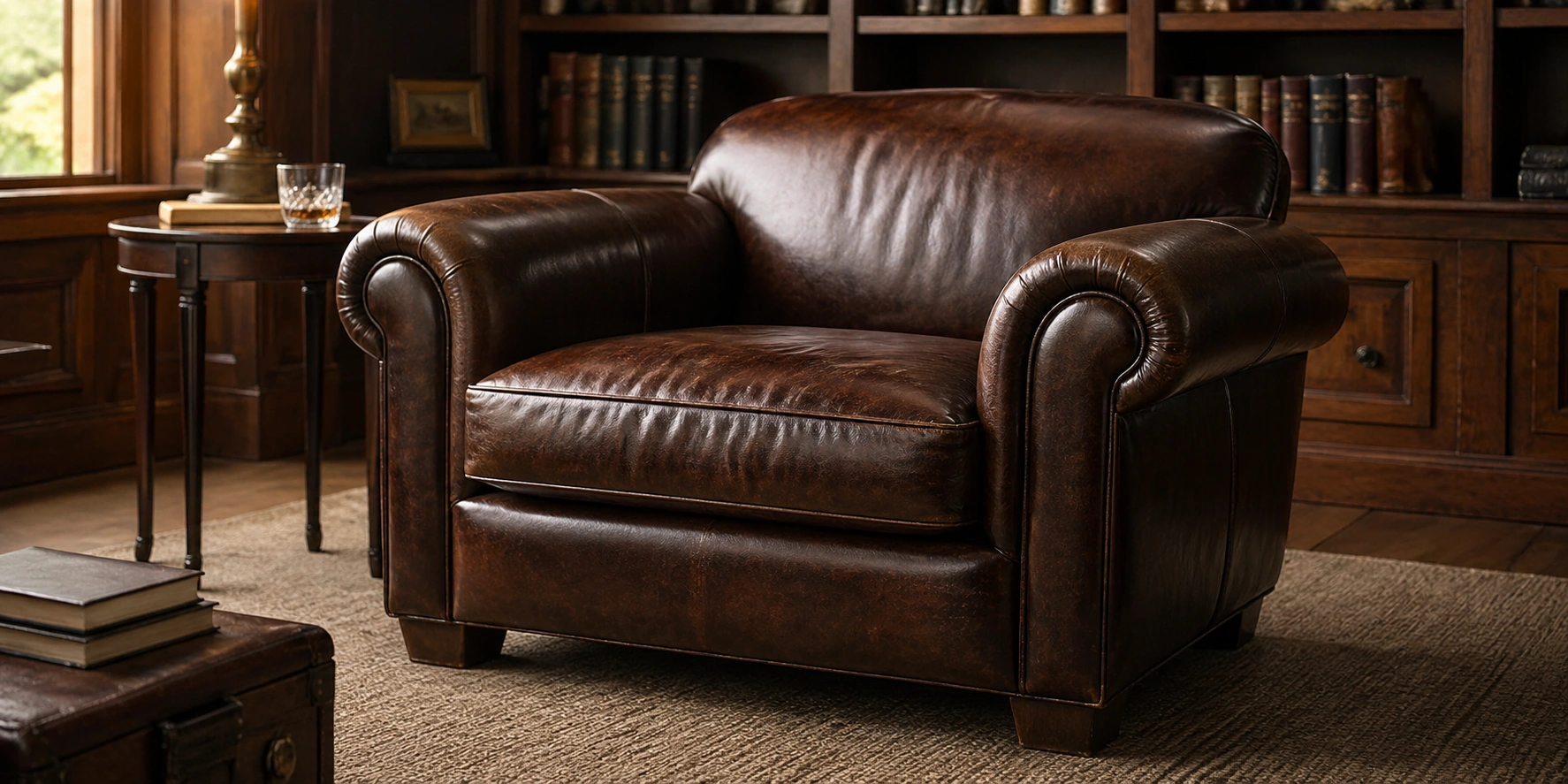
Club Chair
Originally designed for gentlemen's clubs in 19th-century England, club chairs feature a low back, deep seat, and thick rolled arms. They are among the most comfortable seating options available, often upholstered in leather. Club chairs excel in studies, libraries, and as pairing chairs flanking a fireplace or console table.
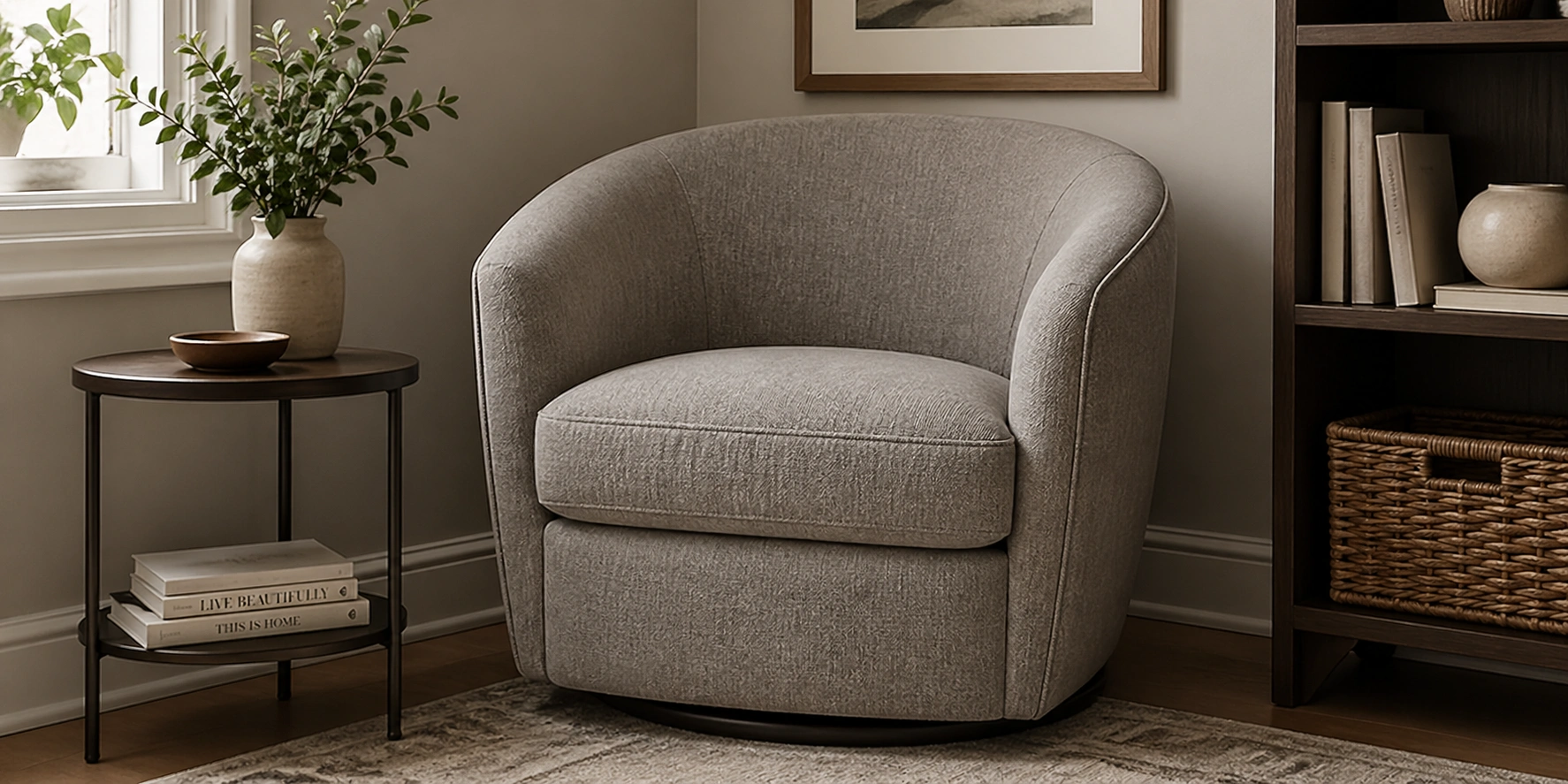
Barrel Chair
Recognizable by its curved, wraparound back that resembles the shape of a barrel. This design cradles the sitter and provides excellent lumbar support without the need for a separate cushion. Barrel chairs work wonderfully in small spaces because their curved shape softens room corners. They also pair well with loveseats in compact living rooms.
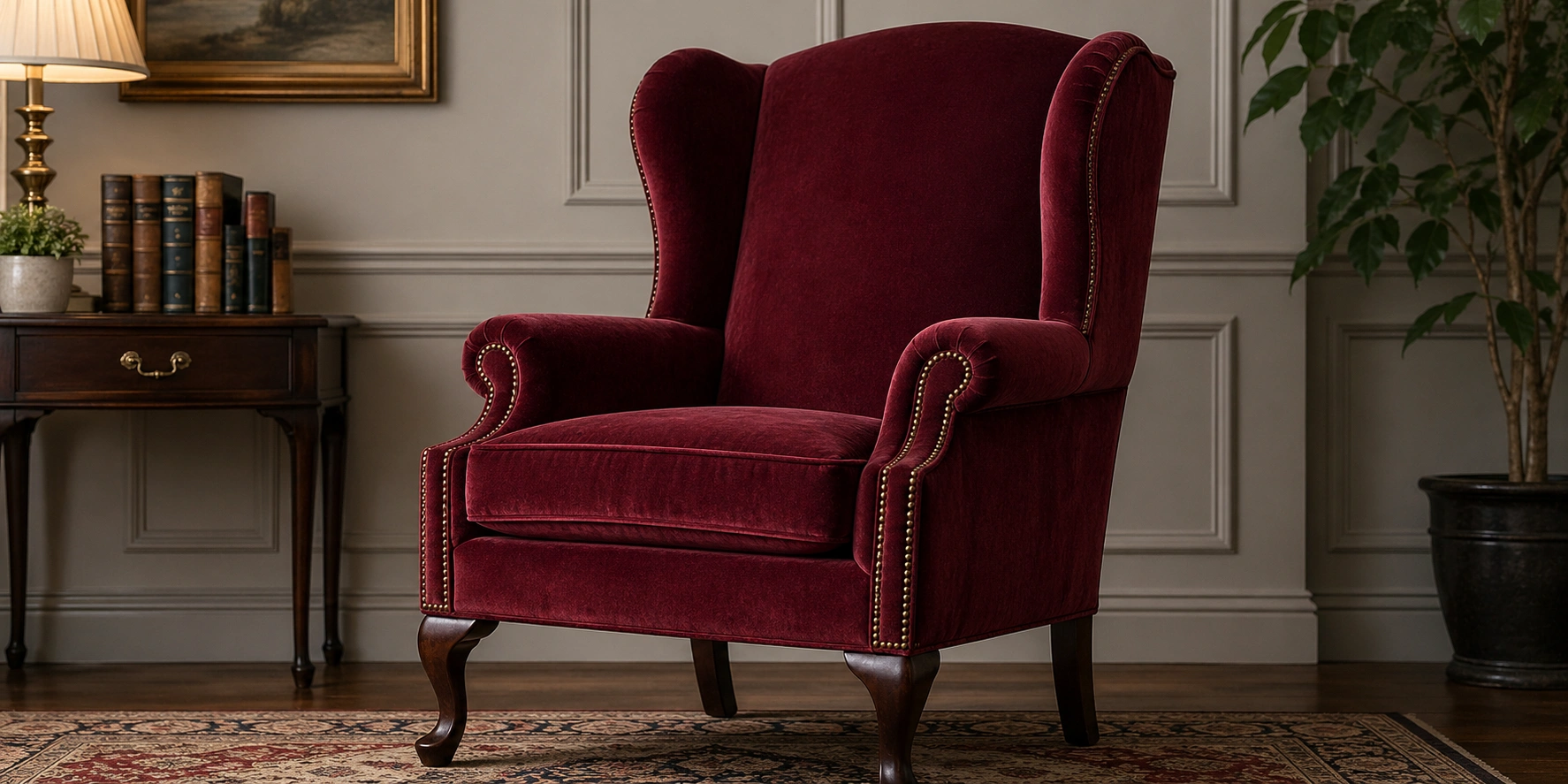
Wingback Chair
One of the oldest chair designs, wingback chairs feature tall backs with projecting side panels ("wings") that were historically designed to shield the sitter from drafts near a fireplace. Today, they add elegance and a sense of tradition to any room. High-back models offer superior head and neck support, making them a favorite for long reading sessions.
Beyond these four main categories, there are several specialized variants worth knowing about. Recliner sofa chairs add a mechanical reclining mechanism for full-body relaxation — ideal for home theaters and daily napping. Armless sofa chairs eliminate armrests to save even more space, making them perfect for narrow corridors or tight floor plans. Swivel sofa chairs combine the comfort of an upholstered chair with 360-degree rotation, which is especially useful in office settings where you need to face different directions throughout the day.
Sofa Chair vs. Other Seating Options
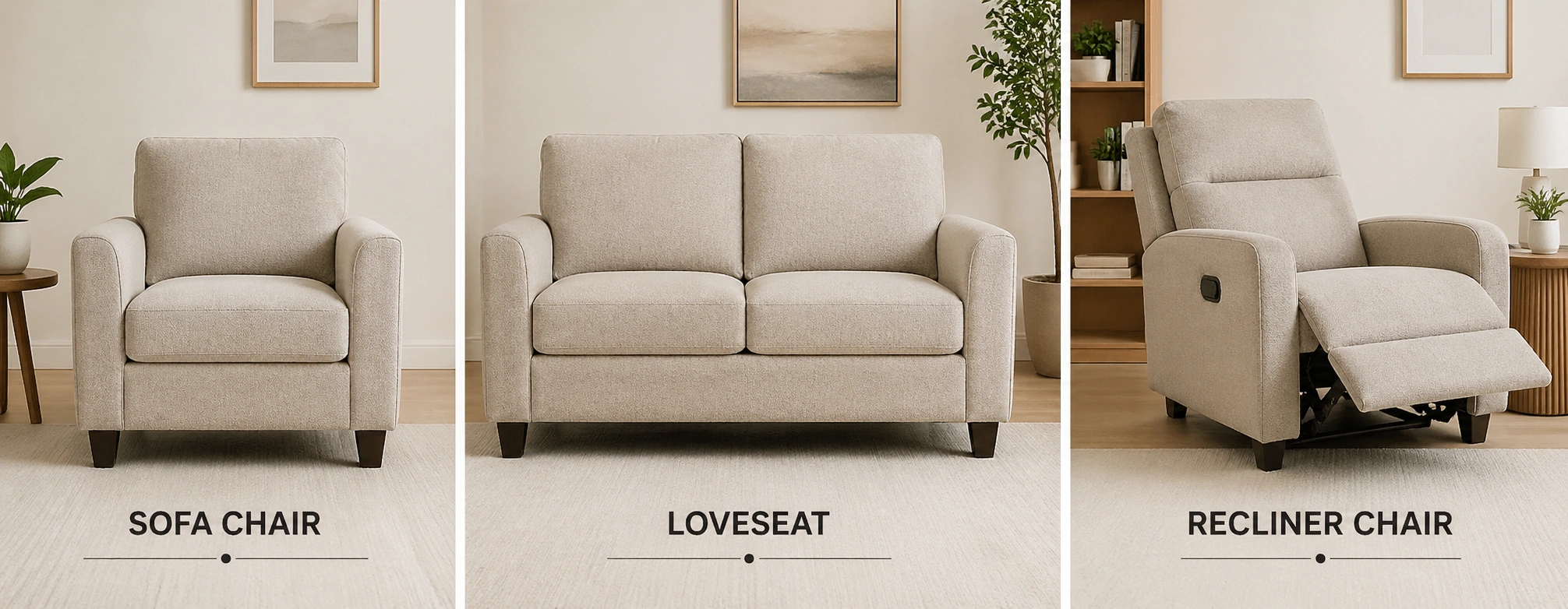
One of the most common dilemmas buyers face is deciding between a sofa chair and other compact seating options. Should you get a single sofa chair, a 1-seater sofa, or go slightly bigger with a 2-seater sofa? The answer depends on your room size, how the piece will be used, and whether you frequently host guests.
A sofa chair and a 1-seater sofa share many similarities — both are single-seat, upholstered pieces. However, a 1-seater sofa typically has a wider seat pan and a more structured back, designed to feel like a miniature version of a full sofa. A sofa chair, by contrast, often has a more defined character or stylistic identity and may prioritize a cozy, enclosed feel over a spacious one. If you want something that feels like a "real sofa" in miniature form, a 1-seater may be better. If you want personality and a cozy nest for one, a sofa chair wins.
When comparing a sofa chair to a loveseat, the trade-off is clear: a loveseat seats two people but requires roughly double the floor space. For a small room where every inch matters, a sofa chair paired with a small ottoman can deliver similar comfort in a much smaller footprint. However, if you regularly have a second person sitting with you — for movie nights or conversations — a loveseat provides practical advantages that no single chair can match.
| Feature | Sofa Chair | 1-Seater Sofa | Loveseat | Recliner Chair |
|---|---|---|---|---|
| Seat Width | 24–32 inches | 30–38 inches | 48–60 inches | 22–28 inches |
| Depth | 30–38 inches | 32–40 inches | 32–40 inches | 34–42 inches |
| Seating Capacity | 1 person | 1 person | 2 persons | 1 person |
| Style Variety | Very High | Moderate | High | Moderate |
| Lounge Comfort | High | Moderate–High | High | Very High |
| Best For | Accent, reading nook | Compact solo seating | Couples, guests | Relaxation, napping |
| Space Needed | ~8 sq ft | ~10 sq ft | ~16 sq ft | ~10 sq ft |
How to Choose the Right Sofa Chair
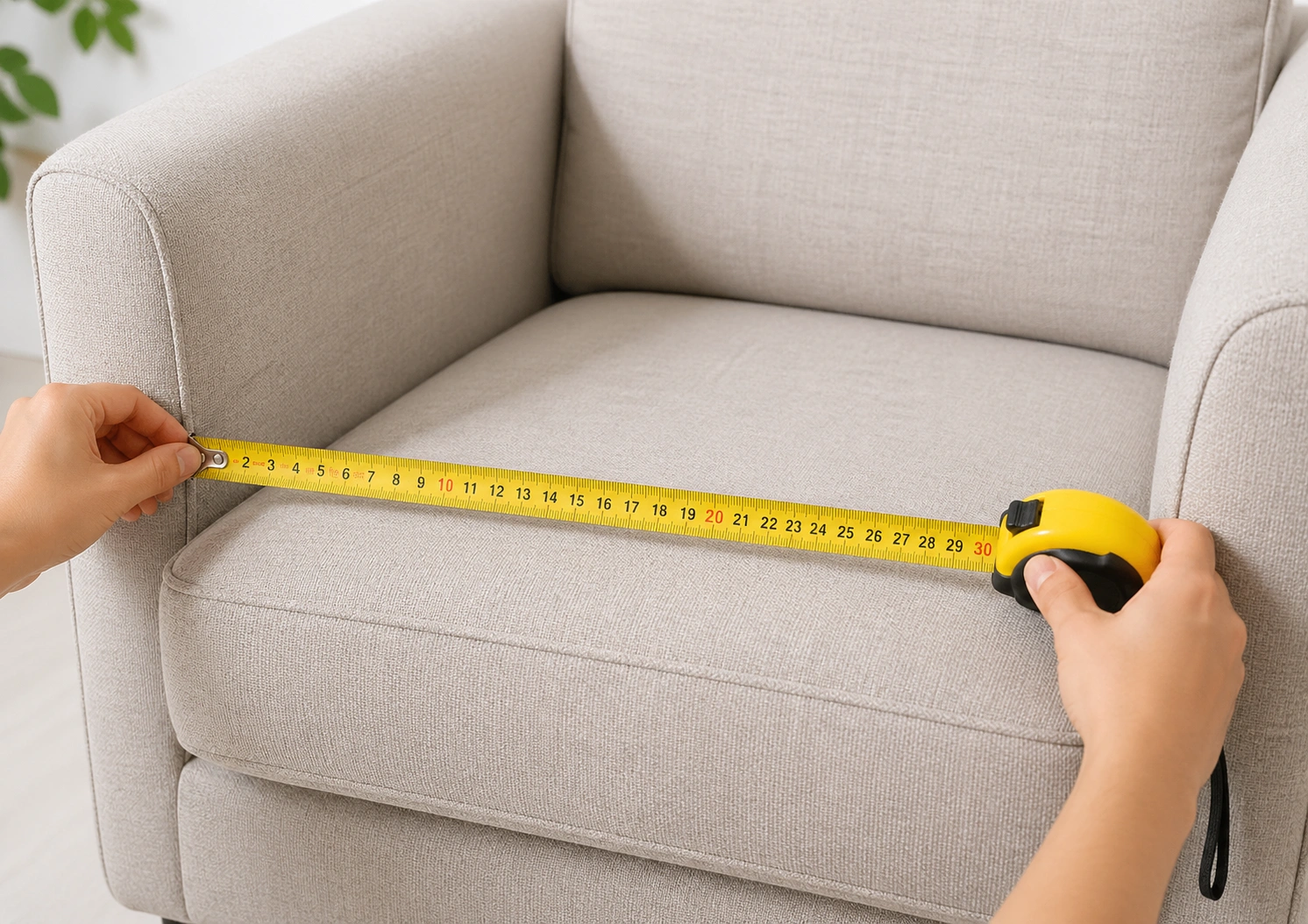
Choosing a sofa chair goes far beyond picking a color you like. The difference between a chair you love for years and one that gathers dust often comes down to a handful of practical factors that many buyers overlook. Here is a systematic approach to evaluating any sofa chair before you buy.
1. Measure Your Space Accurately. Before browsing any products, grab a tape measure and map out exactly where the chair will go. Account for the chair's full dimensions — width, depth, and height — plus clearance. You need at least 18 inches of walkway space around the chair, and if it will face a sofa table or coffee table, leave 12 to 18 inches between them. Our sofa measuring guide covers the full process in detail.
2. Match Seat Depth to Your Height. Seat depth is the distance from the front edge of the seat to where it meets the backrest. For people under 5'4", a seat depth of 20–22 inches is ideal. Average-height individuals (5'4" to 5'10") are comfortable in the 22–24 inch range. Taller people over 5'10" may prefer 24 inches or more. Our seat depth guide explains how to find your personal sweet spot.
3. Evaluate Cushion Fill Quality. The filling inside the cushions determines both initial comfort and long-term durability. High-density foam (1.8 lb/ft³ or higher) provides firm, resilient support that holds its shape for years. Down-wrapped foam blends offer a softer sit with a luxurious feel but require regular fluffing. Avoid low-density foam or pure polyester fill in a chair you plan to use daily — it will flatten within months. If you are unsure about the firm vs plush sofa debate, remember: you can always soften a firm cushion with a throw pillow, but you cannot fix a cushion that has lost its support.
4. Check the Frame Construction. A solid frame is the foundation of any durable seating piece. Look for kiln-dried hardwood frames — oak, ash, or beech — with glued and corner-blocked joints. Avoid chairs with frames made primarily of particleboard, MDF, or untreated softwoods, as these warp and weaken over time. Our frame materials guide explains what to look for and what to avoid.
5. Consider Your Room's Function. A chair for a formal living room can prioritize style, but a chair for a family room needs to withstand daily use, spills, and possibly pets. If you have children or animals, explore pet-friendly options and performance fabrics. For a home office, look for chairs with adequate lumbar support — our guide on sofas for back pain covers ergonomic considerations that apply equally to sofa chairs.
Best Materials for Sofa Chairs
The upholstery material you choose affects everything from the chair's appearance to its durability, maintenance requirements, and how it feels against your skin. This decision deserves as much attention as the chair's design itself.
Leather remains the gold standard for durability and easy maintenance. Full-grain and top-grain leather develop a beautiful patina over time and can last 15 to 25 years with proper leather conditioning. It is resistant to spills, pet hair does not cling to it, and it wipes clean with a damp cloth. However, leather can feel cold in winter and sticky in summer, and it comes at a higher price point. Our leather grades guide will help you understand the significant quality differences between leather types.
Performance Fabric has become the most popular choice for households with kids or pets. These engineered textiles — including brands like Crypton, Sunbrella, and Revolution — are designed to resist stains, repel liquid, and withstand heavy abrasion. Many pass the Martindale abrasion test at 50,000+ cycles, which far exceeds what typical residential use demands. Performance fabrics come in a wide range of colors and textures, so you do not have to sacrifice style for practicality.
Velvet delivers unmatched richness and visual depth. A velvet sofa chair instantly elevates a room's aesthetic with its soft sheen and luxurious hand feel. However, velvet is more delicate — it can show crushing marks, attracts pet hair, and requires gentle cleaning methods. It is best suited for low-traffic areas like bedrooms, formal living rooms, or reading nooks.
Linen offers a relaxed, natural look with excellent breathability. Linen sofa chairs are ideal for warm climates and casual interiors. The trade-off is that linen wrinkles easily and can be prone to staining without a protective treatment. If you choose linen, consider a fabric protection treatment applied at the time of purchase.
⚠️ Common Mistake: Many buyers choose a material based solely on appearance without considering their household's reality. A white linen chair looks stunning in a showroom photo but can become a source of stress in a home with toddlers and a golden retriever. Always match the material to your lifestyle first, then find a style you love within that category. If you are torn between options, our leather vs fabric comparison breaks down the pros and cons in detail.
Where to Place a Sofa Chair in Your Home

The beauty of a sofa chair is that it works in virtually every room of the house. The key is choosing the right type and style for each specific location. Here are the most effective placement strategies for common room types.
Living Room — The Companion Chair. The most popular placement for a sofa chair is alongside a main sofa to create a balanced, conversational seating arrangement. Position the chair at a 90-degree angle to the sofa, with both pieces facing a shared focal point like a fireplace or TV. This creates an intimate conversation zone. An accent chair or club chair works best here — choose one that either matches your sofa's upholstery for a cohesive look or contrasts boldly for a designer statement.
Bedroom — The Reading Nook. A wingback chair or barrel chair placed near a window creates a dedicated reading spot that transforms a bedroom from purely functional to genuinely inviting. Add a small side table and a floor lamp, and you have a cozy retreat. For small bedrooms, choose a chair with a relatively narrow profile (under 28 inches wide) to avoid crowding the space.
Home Office — The Thinking Chair. If your office has space beyond your desk, a sofa chair provides a comfortable spot for reviewing documents, taking phone calls, or simply giving your eyes a break from the screen. A swivel chair or a contemporary-style chair with clean lines works well in professional settings. Ensure the chair height allows you to stand up easily without strain — especially important for older adults.
Entryway — The First Impression. A well-chosen sofa chair in an entryway or foyer makes an immediate style statement and provides a convenient spot for putting on or removing shoes. Opt for a durable, easy-to-clean material since entryway chairs see a lot of traffic. A bold-colored chair can set the tone for your entire home's interior palette.
Basement or Family Room — The Casual Lounger. In lower-level spaces where the atmosphere is more relaxed, comfort trumps formality. A reclining sofa chair or an oversized club chair with deep cushioning fits perfectly. These spaces also benefit from chairs with cup holders or built-in USB ports for movie nights and gaming sessions.
How to Test Sofa Chair Comfort Before Buying

Sit for at Least 10 Minutes
A quick 30-second sit in a store tells you almost nothing. Bring a book or browse your phone while seated. Pay attention to whether the cushion still feels supportive after several minutes or if pressure points start to develop. Our comfort testing guide outlines a complete evaluation routine.
Check Lumbar Support
Place your hand behind your lower back while seated. If there is a gap between your spine and the chair back, the lumbar support is insufficient — especially problematic if you plan to use the chair for extended reading or working. A chair with a slightly curved backrest or an included lumbar pillow is preferable.
Test the Seat Edge
The front edge of the seat should not cut into the back of your thighs. If it does, the seat is either too deep for your leg length or the cushion is too firm at the front. This seemingly minor issue becomes painful during prolonged sitting and is a leading cause of buyer regret.
Try Different Positions
Sit upright, lean back, cross your legs, tuck one leg under you. A well-designed sofa chair accommodates natural sitting variations without feeling unstable. If the chair feels wobbly or tips when you shift position, it likely has stability issues with its legs or frame.
Check Armrest Height
Your forearms should rest comfortably on the armrests with your shoulders relaxed — not hunched up or drooping down. Armrests that are too high cause shoulder tension; armrests that are too low provide no benefit and waste space.
Evaluate the Fabric Texture
Run your hand across the upholstery and rest your bare arm against it. Some fabrics feel smooth and cool, while others feel rough or warm. This sensory experience matters because you will be in direct contact with this material every time you sit down.
💡 Buying Online? If you cannot test the chair in person, read customer reviews specifically mentioning comfort for people of your height and weight. Look for details about seat firmness, back support, and whether the chair feels smaller or larger than expected in person. Pay attention to return policies — a generous return policy is your safety net when buying seating unseen. Also check our guide on how to check sofa quality for red flags to watch for in online product listings.
Sofa Chair Budget Guide
Sofa chairs span an enormous price range — from under $100 for a basic accent chair to well over $2,000 for a designer or handcrafted piece. Understanding what you get at each price tier helps you spend wisely and avoid both overpaying and the trap of buying something so cheap that it needs replacement within a year.
Budget Tier ($100–$300): These chairs typically use lower-density foam, simple frames, and basic upholstery. They can work well for light use in a guest room or as a decorative piece that is rarely sat in. However, daily use will likely reveal sagging cushions and loose joints within 12 to 18 months. If budget is your primary concern, explore affordable sofa options that still meet minimum quality thresholds.
Mid-Range Tier ($300–$700): This is where most buyers find the best value. Chairs in this range typically feature solid wood frames, medium to high-density foam, and decent upholstery options including some performance fabrics. They are built to withstand regular daily use for 5 to 10 years. This tier includes many of the most popular options on Amazon and other major retailers.
Premium Tier ($700–$1,500): Expect kiln-dried hardwood frames, high-resilience foam or down-wrapped cushions, top-grain leather or premium performance fabrics, and refined joinery. These chairs are investment pieces that can last 15+ years with proper care. Many luxury sofa brands fall into this category, offering designer aesthetics alongside construction quality.
Designer Tier ($1,500+): These chairs command premium prices for brand prestige, unique designs, handcrafted details, and exclusive materials. They make sense for design enthusiasts who want a signature piece, but the comfort and durability may not always be proportionally better than the premium tier. For a thorough breakdown of where your money goes, read our sofa price breakdown and budget planning guide.
Maintaining Your Sofa Chair for Longevity
A quality sofa chair represents a significant investment, and proper maintenance is what separates chairs that last decades from those that deteriorate within a few years. The care routine depends heavily on your chair's material, but some practices apply universally.
For fabric-upholstered chairs, vacuum the surface weekly using a soft brush attachment to remove dust and prevent embedded dirt from abrading the fibers. Address spills immediately — blot (never rub) with a clean cloth, then follow up with appropriate cleaning methods. Our fabric sofa cleaning guide covers specific techniques for different stain types. If pilling appears on the fabric surface, our fabric pilling troubleshooting article explains the causes and solutions.
For leather chairs, dust weekly with a soft cloth and apply leather conditioner every 3 to 6 months to prevent cracking and maintain suppleness. Keep leather chairs away from direct heat sources and sunlight, which cause drying and fading. If you notice small tears or cracks, our leather repair guide provides step-by-step fix instructions before the damage worsens.
For all sofa chairs, rotate and flip cushions monthly if they are reversible. This ensures even wear distribution. Tighten any loose screws in the legs or frame promptly — a wobbly chair puts uneven stress on joints and accelerates structural damage. If your chair develops a squeak, refer to our squeaking noise guide for diagnosis and repair steps. Using sofa covers can also extend the life of your chair, especially in households with pets or young children.