Sofa Foam Density & ILD: The Hidden Numbers That Define Comfort
Density determines how long your sofa lasts. ILD determines how it feels. Understand both, and you'll never buy the wrong sofa again.
Why this guide matters: Most people choose a sofa by how it looks or feels in a 5-minute showroom sit. But the real quality is hidden inside the cushions. Foam density and ILD are the two most important numbers that determine whether your sofa will feel great for a decade — or start sagging in a year. This guide explains exactly what they mean and how to use them to make a confident purchase.
What is Sofa Foam Density?
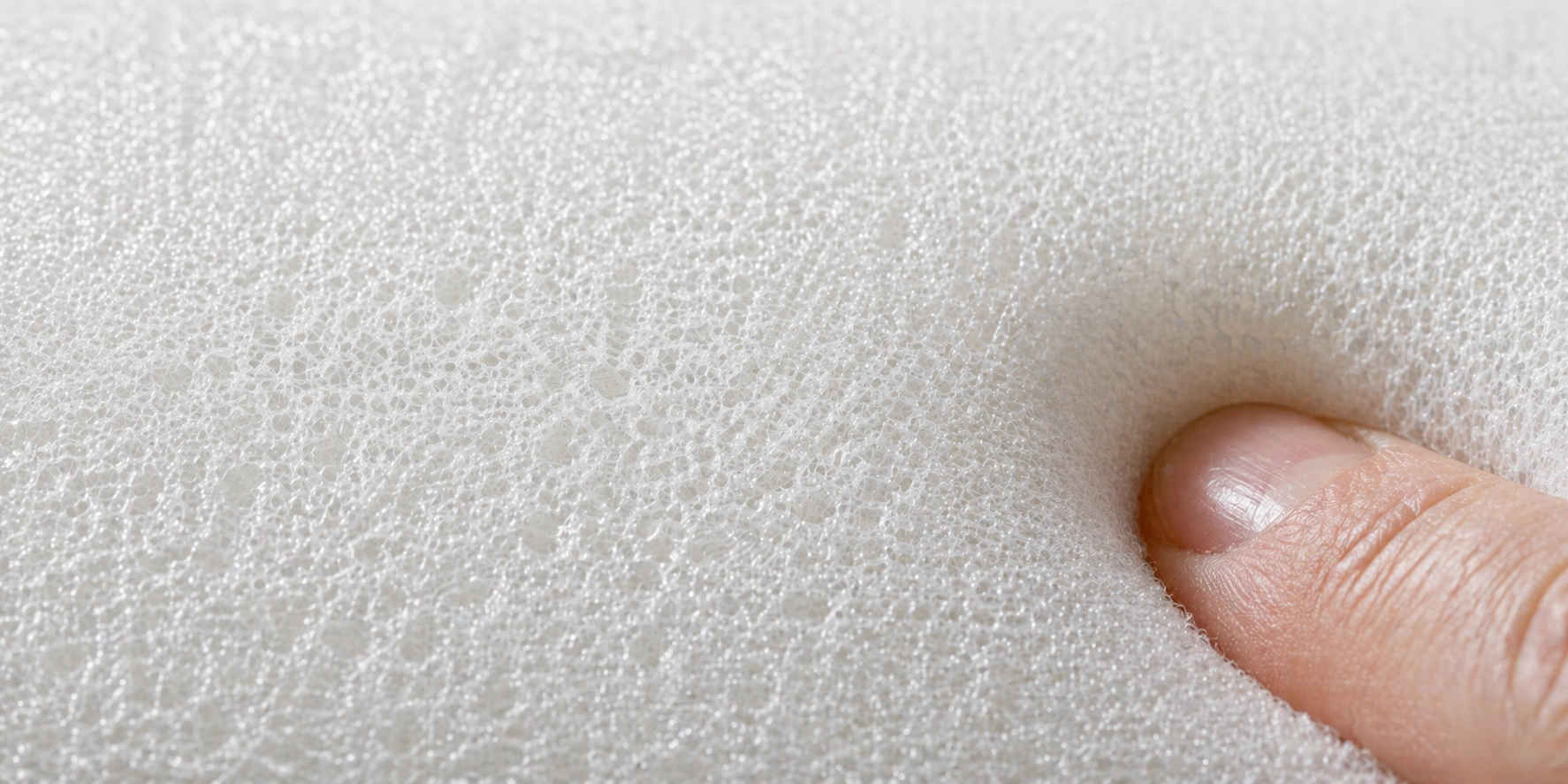
Foam density measures how much polyurethane material is packed into a given volume of cushion. It's expressed in pounds per cubic foot (PCF) or kilograms per cubic meter (kg/m³). Simply put: the higher the density, the more material inside the foam, and the longer it will maintain its shape and support.
Density is not the same as firmness. A high-density foam can be soft, and a low-density foam can be firm. What density truly determines is durability and resilience — how well the foam bounces back after being compressed over months and years of daily use.
When you sit on a sofa and the cushion stays permanently depressed, that's a density problem. Low-density foam breaks down quickly, losing its ability to support your weight. This is the #1 reason cheap sofas start sagging within 1–2 years. For a deeper dive into overall cushion construction, see our guide on sofa cushion fill types.
💡 The Density Rule of Thumb: For a sofa used daily, never go below 1.8 PCF (pounds per cubic foot). For heavy use or long-term investment, aim for 2.0 PCF or higher. Anything below 1.5 PCF is suitable only for decorative or occasional furniture.
What is ILD (Indentation Load Deflection)?
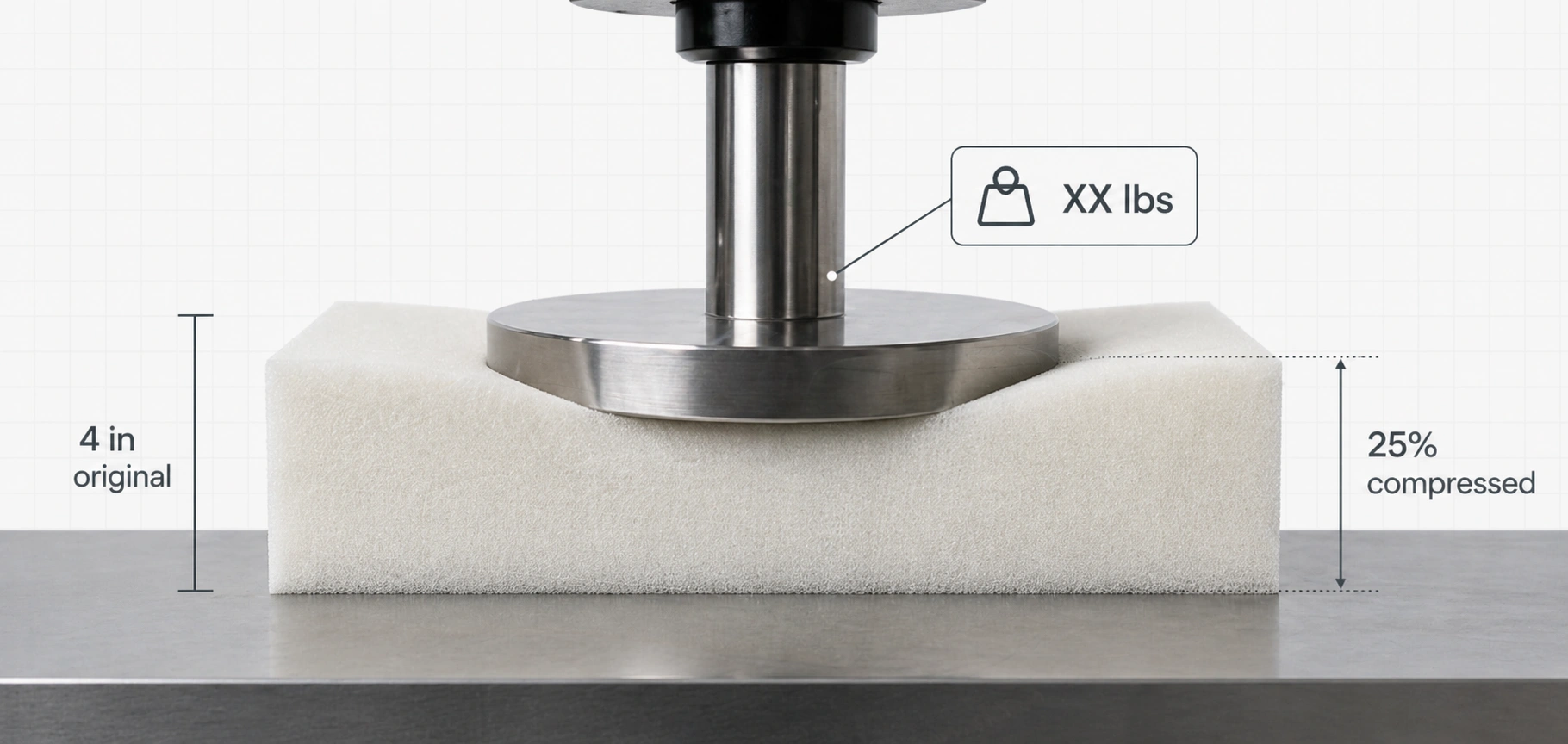
While density tells you about durability, ILD tells you about firmness. ILD (Indentation Load Deflection), sometimes called IFD (Indentation Force Deflection), measures how much force is required to compress the foam by 25% of its original thickness.
Here's how it works in practice: A piece of foam measuring 4 inches thick is placed on a flat surface. A circular plate presses down until the foam compresses by 1 inch (25%). The amount of weight (in pounds) needed to achieve that compression is the ILD number.
A lower ILD means less force is needed — the foam is softer and more yielding. A higher ILD means more force is needed — the foam is firmer and more supportive. This is critical when deciding between a firm vs plush sofa, as the ILD is the scientific measurement behind that subjective "feel."
ILD Ranges and What They Feel Like
- 12–18 ILD: Very soft. Feels like sinking into the cushion. Best for back cushions or deep lounge seating.
- 19–25 ILD: Soft to medium. Gentle contouring with some support. Great for casual living rooms.
- 26–32 ILD: Medium to firm. Balanced support. The sweet spot for most households and everyday use.
- 33–40 ILD: Firm. Strong push-back. Good for people who prefer sitting upright or need extra support.
- 40+ ILD: Very firm. Feels almost rigid. Typically used in commercial furniture or for people with specific back support needs.
Density vs. ILD: What's the Difference?
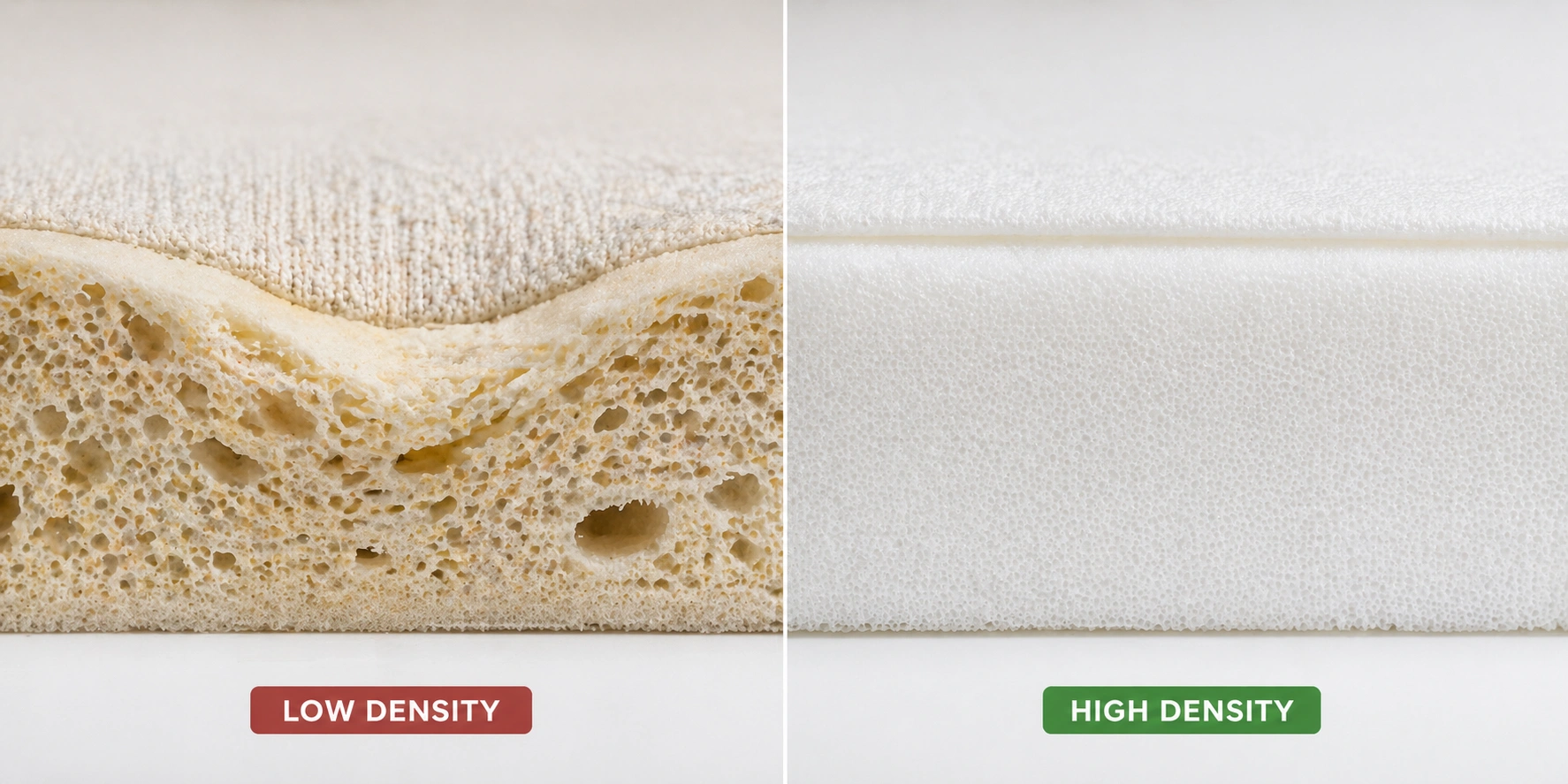
Foam Density = Durability
Density dictates how long your foam will last. High-density foam (2.0+ PCF) has more cell walls per inch, making it resist permanent compression. It's the difference between a cushion that bounces back for 10 years and one that flattens in 18 months. Think of density as the lifespan of your cushion.

ILD = Firmness & Feel
ILD dictates how the cushion feels when you sit. A 15 ILD cushion yields easily and feels plush. A 35 ILD cushion resists your weight and feels firm. Think of ILD as the personality of your cushion. The right ILD depends on your body weight, sitting habits, and comfort preferences.
The most common mistake buyers make is assuming a firm sofa must be high quality (high density) or a soft sofa must be low quality. In reality, you can have high-density foam with a low ILD (extremely durable but very soft) or low-density foam with a high ILD (feels firm but will flatten quickly). The best sofas combine high density for longevity with the ILD that matches your comfort preference.
This distinction is also key when weighing comfort versus durability — you don't have to choose one or the other if you understand these two metrics.
Foam Density Ratings Chart

| Density Rating | PCF Range | Expected Lifespan | Best For |
|---|---|---|---|
| Low Density | 1.0 – 1.5 PCF | 1–3 years | Decorative pieces, guest rooms, occasional use |
| Medium Density | 1.6 – 1.9 PCF | 3–6 years | Light daily use, budget-friendly options |
| High Density BEST FOR DAILY USE | 2.0 – 2.5 PCF | 7–12 years | Primary living room sofas, family use, daily lounging |
| Very High Density | 2.6+ PCF | 12–20+ years | Commercial use, luxury sofas, heavy-duty applications |
💡 Note on Spring Systems: Foam doesn't work alone. The best sofas combine quality foam with a robust spring system — pocket coils or sinuous wires — to distribute weight and prevent the foam from bearing the entire load. Springs and foam work together to create lasting comfort.
Which Foam Specs Are Right for Your Lifestyle?
The ideal foam density and ILD depend on who uses the sofa, how often, and what kind of sitting experience you prefer. Here's a practical breakdown to match specifications to real-life scenarios.

Daily Family Use
Kids jumping, adults lounging, constant activity. You need high-density foam that won't sag under repeated heavy use.
2.2+ PCF / 28–34 ILD
Daily Napping & Lounging
You love sinking into your sofa for movie nights or afternoon naps. Choose high density for durability with a lower ILD for that plush, enveloping feel.
2.0+ PCF / 18–24 ILD
Guest Room / Occasional
Used only a few times a month. You can save money with medium density since the foam won't be stressed daily.
1.5–1.8 PCF / 24–30 ILD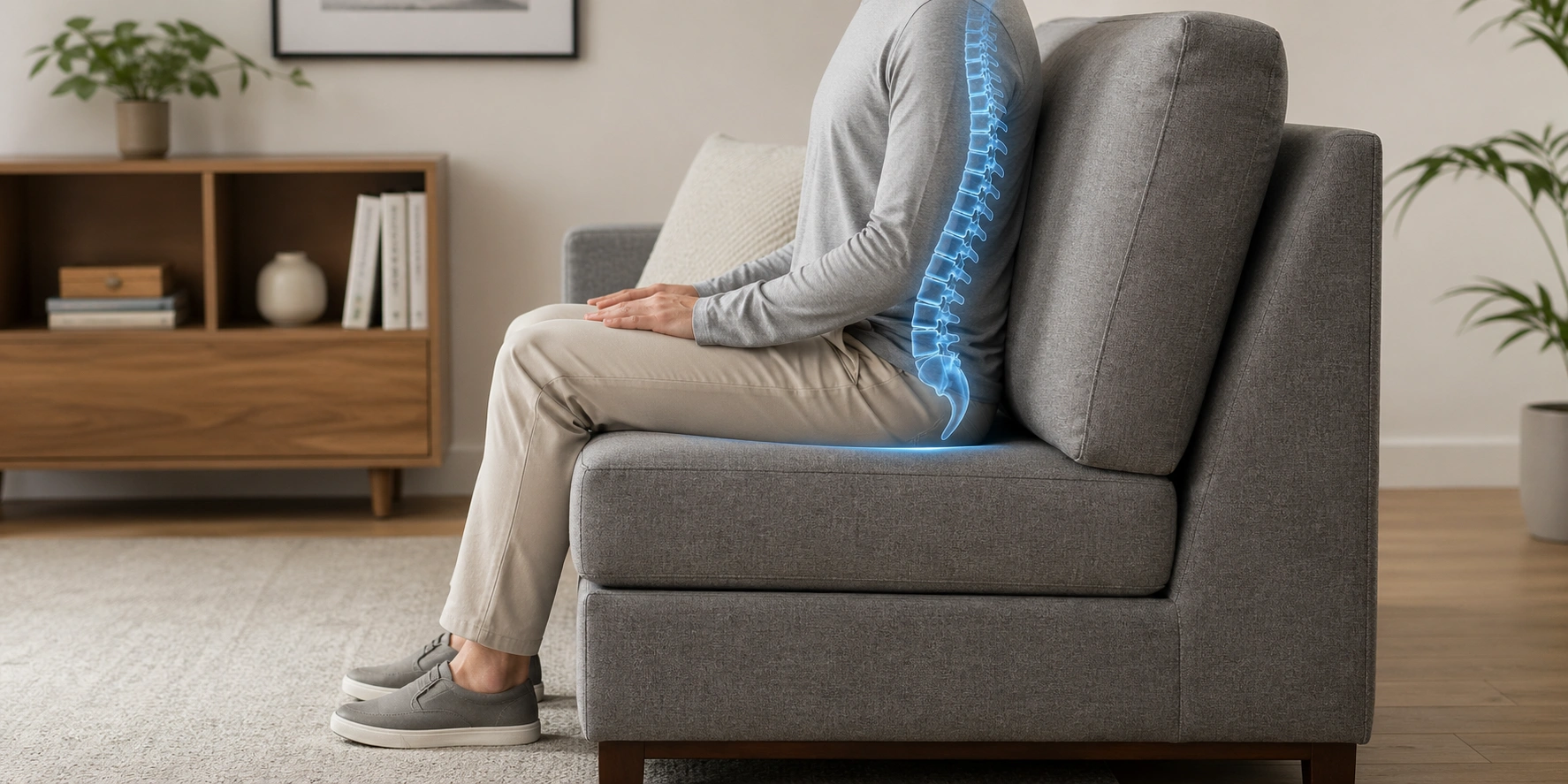
Back Pain Sufferers
You need firm, consistent support that doesn't bottom out. High-density foam with a higher ILD prevents your body from sinking into unhealthy postures.
2.2+ PCF / 32–40 ILD
Seniors / Easy Entry
Firm, high-ILD foam makes it easier to stand up from a seated position. Avoid overly soft cushions that swallow you in.
2.0+ PCF / 30–36 ILD
Deep Seat Curl-Ups
If you love a deep seat sofa or cloud couch style, use high-density foam in the core wrapped in a thick layer of soft dacron or down blend for the best of both worlds.
2.0+ PCF Core / 18–22 ILDBeyond Foam: What Else Affects Cushion Feel?
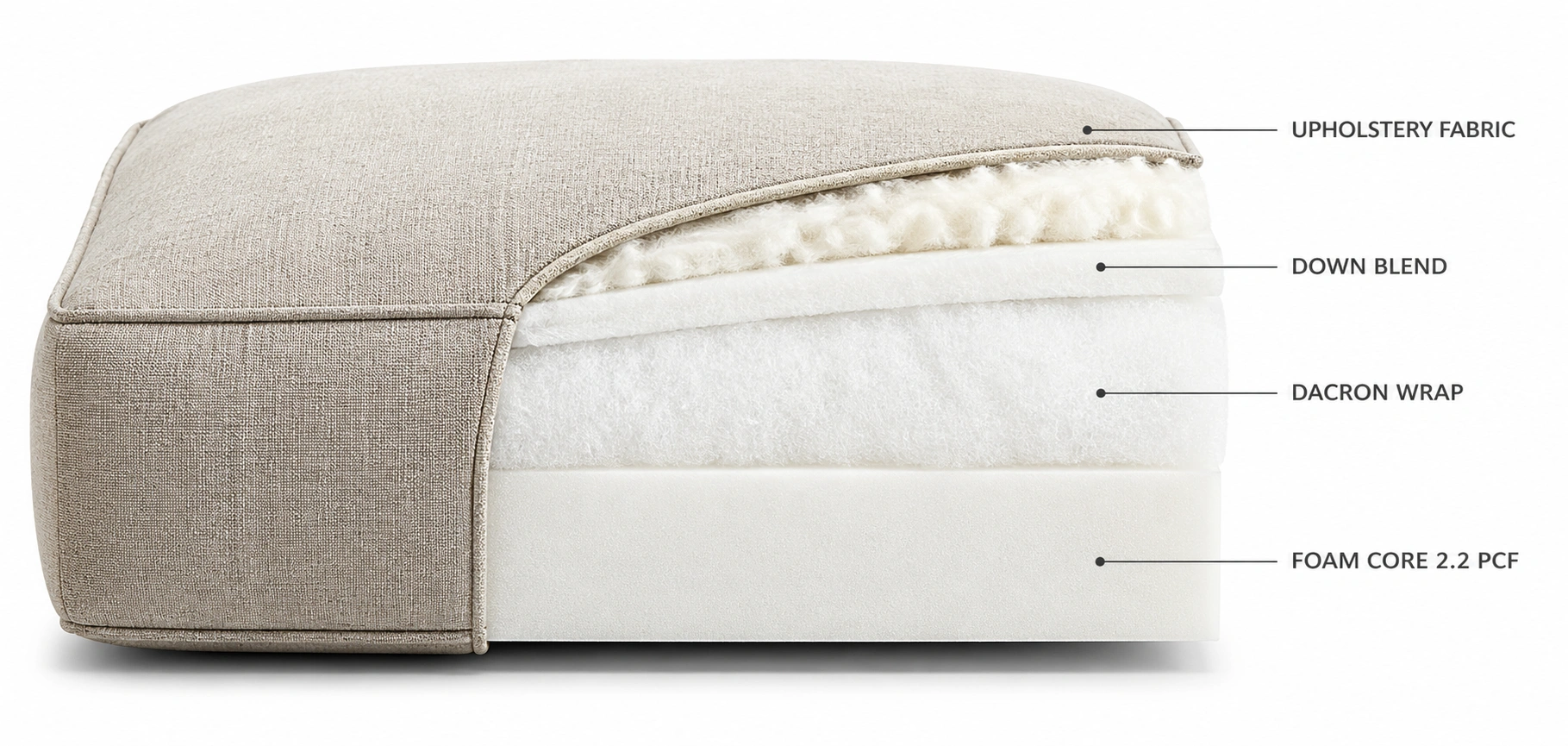
Foam density and ILD are critical, but they're not the whole story. Several other factors influence how a sofa cushion ultimately feels and performs:
Cushion wraps: Most quality sofas wrap the foam core in a layer of dacron (polyester fiber), down feathers, or a down-blend. This softens the initial sit and gives the cushion a plush surface while the dense foam core provides underlying support. A sofa for families often uses a thick dacron wrap for comfort without sacrificing the durable core.
Seat depth and suspension: A cushion with the exact same foam specs will feel different on a shallow seat vs. a deep seat. Similarly, the suspension type beneath the cushion (eight-way hand-tied, pocket coil, sinuous spring) dramatically affects how the foam performs. Poor springs can make great foam feel mediocre.
Foam layering: Premium sofas sometimes use multiple foam layers — a high-density core for support sandwiched between softer layers for comfort. This "zone" approach provides a luxurious sit without sacrificing longevity. It's common in luxury sofa construction.
💡 Sagging Already? If your current sofa has flattened cushions but the frame is still solid, you don't need a new sofa — you need new foam. A professional re-foaming or replacement cushions service can restore your sofa for a fraction of the replacement cost. Learn how in our guide to fixing sagging sofa cushions.
How to Check Foam Quality Before You Buy
Retailers rarely volunteer foam specifications — which should tell you something. But you can and should ask. Here's how to make sure you're getting quality foam:
1. Ask for the PCF rating: If the salesperson or website doesn't list foam density, ask directly. "What is the foam density in PCF?" If they can't answer, that's a red flag. Reputable manufacturers know their specs. For more ways to evaluate quality beyond the specs, see our guide on how to check sofa quality before buying.
2. Check the warranty: A warranty that covers cushion sagging for 5+ years usually indicates the manufacturer trusts their foam density. A 1-year cushion warranty? Expect low-density foam.
3. Do the sit test: Sit firmly, then stand up. The cushion should regain its shape within seconds. If it stays depressed or recovers slowly, the density is likely low. For a comprehensive approach, follow our sofa comfort testing guide.
4. Feel the weight: High-density foam cushions are noticeably heavier than low-density ones. If a seat cushion feels unusually light for its size, the foam density is probably low.
5. Read the fine print: Some brands advertise "high-density foam" but actually use 1.8 PCF — which is the bare minimum for daily use. True high density starts at 2.0 PCF. Understanding these nuances is part of making smart price vs. quality decisions.
Frequently Asked Questions
A good foam density for a residential sofa is typically 1.8 to 2.5 PCF (pounds per cubic foot). For heavy daily use, 2.0 PCF or higher is recommended for optimal durability, while 1.5 PCF is suitable only for occasional use in guest rooms or decorative settings.
No, foam density and firmness are completely different measurements. Density refers to durability and quality (how much material is packed into the foam), while firmness is determined by ILD (Indentation Load Deflection). You can have a high-density foam that is soft (low ILD) or a low-density foam that is firm (high ILD). Always check both numbers.
ILD stands for Indentation Load Deflection. It measures the force required to compress the foam by 25%. A lower ILD (e.g., 15–20) means a softer cushion, while a higher ILD (e.g., 30–40) means a firmer cushion. Most comfortable everyday sofas use foam with an ILD between 24 and 32.
Sofa sagging is usually caused by low-density foam (below 1.8 PCF) breaking down quickly, or worn-out spring systems. High-density foam maintains its shape much longer. If your cushions have flattened but the frame is still solid, you may need to replace the foam core rather than the entire sofa.
Yes, but with a caveat. Sleeper sofas need foam that is both durable and flexible enough to fold. Medium-to-high density foam (1.8–2.2 PCF) with a medium ILD works best. Avoid very firm, thick foam that resists folding, and always look for foam specifically rated for sofa bed mechanisms.
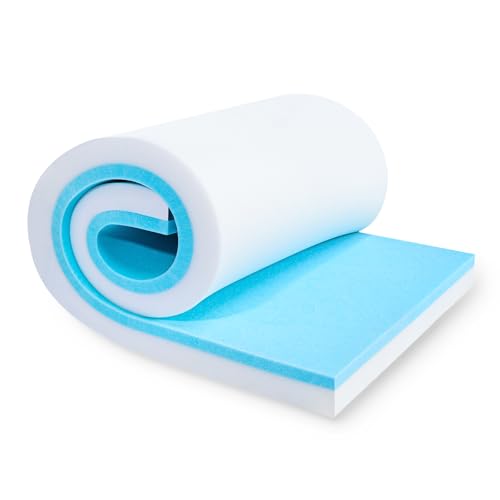
Absolutely. Replacing foam cores is one of the most cost-effective ways to extend a sofa's life. You can order custom-cut foam online specifying your exact density and ILD preferences, then reuse your existing cushion covers. This is especially worthwhile if the sofa frame is still solid.
Ready to choose? You now understand what foam density and ILD really mean — and why they matter more than almost any other spec when it comes to long-term satisfaction. When you shop, ask the right questions, check the numbers, and match the specs to your lifestyle. If you need more help narrowing down your options, our complete guide on how to choose a sofa covers every factor you should consider.