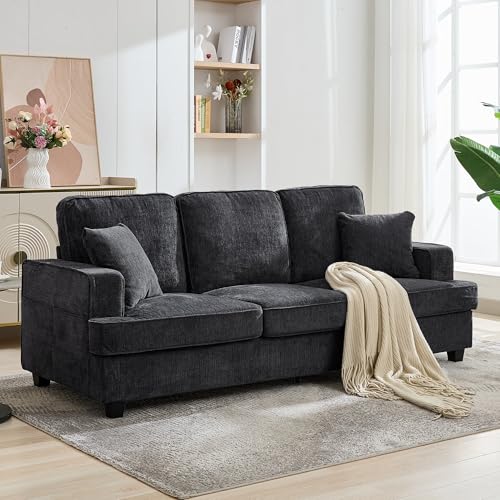
Best Sofas for Basements & Rec Rooms
Your complete guide to choosing durable, moisture-resistant, and comfortable seating for below-ground living spaces
VIEW TOP PICKSWhy Basement Sofas Require Special Attention: Unlike above-ground rooms, basements present unique challenges including higher humidity levels, limited natural light, narrow stairways for furniture delivery, and temperature fluctuations. Choosing the wrong sofa can lead to mold growth, warped frames, and costly replacements. This guide helps you make an informed decision that protects your investment.
Understanding Basement & Rec Room Challenges
Before shopping for a basement sofa, it is essential to understand the environmental factors that make below-ground spaces fundamentally different from main-level living rooms. A sofa that performs beautifully upstairs may deteriorate rapidly in a basement if it is not suited for those conditions. The five key challenges below should shape every decision you make — from frame material to fabric choice to placement within the room.

High Humidity
Basement humidity typically ranges from 50-70%, compared to 30-50% upstairs. Prolonged moisture exposure causes wood frames to warp, fabric to develop mold and mildew, and metal components to rust. This is the single most important factor in basement sofa selection.
Narrow Stairways
Most basement stairs are 30-36 inches wide with low overhead clearance and tight turns. Full-size sectionals and oversized sofas often cannot fit. Measuring your stairway dimensions before purchasing is non-negotiable.
Temperature Fluctuations
Basements tend to be cooler in winter and can become damp in summer. These temperature swings cause materials to expand and contract, which can loosen joints, crack leather, and weaken adhesives over time.
Low Natural Light
Fewer windows means less UV exposure, which actually benefits fabric longevity. However, poor lighting can make dark-colored sofas disappear visually and make the space feel smaller. Color choice matters for both aesthetics and perceived room size.
Concrete Floors
Direct contact with concrete can transfer moisture into sofa legs and frames. Concrete is also harder than typical flooring, which affects comfort perception and may require rugs or furniture pads for a more inviting feel.
Heavy Use Patterns
Rec rooms typically see more intensive use than formal living rooms — game nights, movie marathons, sleepovers, and kids playing. The sofa needs to withstand frequent use, spills, and occasional rough treatment without showing wear quickly.
⚠ Critical First Step: Before purchasing any sofa, test your basement's moisture level with a hygrometer. If relative humidity consistently exceeds 60%, address the moisture problem first with a dehumidifier, waterproofing, or improved ventilation. No sofa — regardless of material — will survive long-term in an excessively damp basement. Read more about protecting your furniture investment in our fabric protection guide.
Best Sofa Types for Basements & Rec Rooms
Not every sofa style is practical for a below-ground space. The ideal choice depends on your room dimensions, stairway constraints, how you use the space, and your budget. Below are the top-performing sofa types for basement and rec room environments, ranked by overall suitability.

Modular Sofas — Top Pick
Individual pieces that connect together, making them the easiest to navigate down tight basement stairs. You carry each module separately and assemble in place. Highly configurable for awkward room shapes and available in deep-seat versions perfect for lounging during movie nights.

Sectional Sofas
L-shaped and U-shaped sectionals maximize seating in open basement layouts. Choose sectional designs with removable cushions and detachable corner pieces for easier delivery. Ideal for families and those who frequently host guests in their rec room.

Sleeper Sofas
Dual-purpose seating that converts to a bed — perfect for basements that double as guest rooms. The mattress can be removed separately for transport. Modern sleeper mechanisms have improved significantly, offering better comfort than older designs.

Recliner Sofas
The ultimate choice for home theater basements and dedicated movie rooms. Built-in footrests and adjustable back angles provide personalized comfort. Look for wall-hugger designs that recline without requiring extra space behind them — critical in compact basements.

Futon Sofas
Budget-friendly and incredibly easy to move — most futons fold flat for transport down stairs. A smart option for smaller basement spaces or casual rec rooms. Metal-frame futons resist moisture better than wood-frame versions, though they offer less cushion support.

Loveseats & 2-Seaters
The most stair-friendly option for narrow or steep basement access. A loveseat combined with separate armchairs creates flexible seating that can be arranged and rearranged easily. Excellent for compact rec rooms where a large sofa would overwhelm the space.
💡 Pro Tip for Delivery: Always measure three things before buying: (1) the stairway width at its narrowest point, (2) the diagonal height from stair tread to ceiling, and (3) any landing or turn dimensions. Bring these measurements when shopping. Many online retailers list the "minimum doorway width" for each sofa. Learn how to measure a sofa properly to avoid costly return headaches.
Material Selection for Below-Ground Spaces
Material choice is arguably more critical for basement sofas than for any other room in the house. The wrong material will absorb moisture, develop odors, support mold growth, or deteriorate prematurely. Here is a detailed comparison of the most common upholstery and frame materials specifically evaluated for basement conditions.

| Upholstery Material | Moisture Resistance | Durability | Maintenance | Basement Rating |
|---|---|---|---|---|
| Performance Fabric | Easy — stain & water resistant | |||
| Microfiber | Easy — wipe clean | |||
| Synthetic Leather (PU) | Very Easy — wipe clean | |||
| Olefin / Polypropylene | Easy — water resistant | |||
| Cotton Blend | Moderate — absorbs moisture | |||
| Genuine Leather | Requires conditioning | |||
| Velvet | Difficult — traps moisture | |||
| Linen | Difficult — absorbs moisture |
The clear winners for basement environments are performance fabrics and microfiber. Performance fabrics are engineered at the fiber level to resist stains, repel water, and resist fading — making them virtually ideal for the spills and humidity common in rec rooms. Microfiber is tightly woven, naturally water-resistant, and extremely durable, making it a favorite for family-friendly spaces.
For frame materials, kiln-dried hardwood remains the gold standard for structural integrity, but ensure the sofa has a moisture barrier between the frame and upholstery. Frame materials guide explains why kiln-drying reduces the moisture content that would otherwise cause warping. Plywood and engineered wood frames can also work well in basements because they resist warping better than solid wood in humid conditions. Avoid sofas with exposed untreated wood legs — opt for metal or powder-coated steel legs instead, as they will not rust easily and won't absorb moisture from concrete floors.
⚠ Avoid Genuine Leather in Basements: While leather sofas are luxurious and durable, genuine leather is porous and will absorb moisture from humid air, leading to mold growth, cracking, and a musty smell. If you love the leather look, choose high-quality synthetic leather (polyurethane) instead. It mimics the appearance and feel of real leather without the moisture vulnerability. Learn more about the differences in our leather vs fabric comparison.
Size & Layout Guide for Basement Sofas
Basement rec rooms come in vastly different shapes and sizes — from compact 10x12 foot converted spaces to sprawling 20x30 foot open-plan entertainment areas. Getting the proportions right ensures comfortable traffic flow, adequate seating capacity, and a balanced visual appearance. The guidelines below help you match sofa size to your specific room dimensions.

Room Size to Sofa Size Guide
| Room Size | Recommended Sofa | Seating Capacity | Layout Tip |
|---|---|---|---|
| 10 × 12 ft | Loveseat or 2-seater | 2 people | Place against the longest wall; add one armchair if space allows |
| 12 × 15 ft | 3-seater (80-90") | 3-4 people | Center placement with 30" walking paths on two sides |
| 14 × 18 ft | L-shaped sectional | 5-6 people | Anchor in a corner; float if the room is open-concept |
| 16 × 20 ft+ | U-shaped sectional or modular | 7+ people | Create distinct zones — seating area, game table, bar area |
Beyond raw dimensions, consider the architectural features of your basement. Support columns, utility closets, stairwell openings, and HVAC equipment all affect where a sofa can realistically go. An L-shaped layout works particularly well in basements because it can wrap around a column or define a seating area within a larger open space without needing walls.
For basements that serve as home theaters, the sofa placement should prioritize viewing angle over traditional room symmetry. Position the primary seating at a distance of 1.5 to 2.5 times the screen diagonal for optimal viewing. If your rec room doubles as a movie marathon space, consider a deep-seat sofa or a recliner configuration for extended viewing comfort.
📋 Pre-Purchase Measurement Checklist
- Stairway width at the narrowest point (including handrails)
- Diagonal clearance from stair tread to ceiling overhead
- Width and depth of any landings or turns in the stairway
- Basement doorway dimensions (measure the actual opening, not the frame)
- Clearance from the basement door to the intended sofa placement spot
- Distance from exterior walls (leave 2-3 inches to prevent moisture transfer)
- Available floor space minus 30-inch walking paths on all sides
- Distance from the sofa to the TV screen (for theater setups)
Features That Matter Most in Basement Sofas
Beyond basic type and material, certain features dramatically improve the basement sofa experience. These are the specific attributes that separate a sofa that merely survives in a basement from one that truly thrives there. Prioritize these features based on how you use your rec room.

Must-Have Features
Removable & Washable Cushion Covers: In a rec room environment, spills are inevitable — whether from game-day snacks, kids' drinks, or late-night movie refreshments. Washable sofas with zippered cushion covers let you handle messes without professional cleaning. This single feature can extend your sofa's usable life by years and keep it looking fresh.
Built-In Storage: Sofas with storage compartments are exceptionally practical in basements where space is often at a premium. Hidden storage under seats or inside arms can hold extra blankets, board games, remote controls, and gaming controllers — reducing clutter and keeping the rec room organized.
Cup Holders & USB Ports: Integrated cup holders reduce spill risk on carpet or hard flooring, while built-in USB ports keep devices charged during long gaming sessions or movie nights without the need for extension cords running across the floor.
Moisture-Resistant Legs: Since basement sofas often sit on concrete or tile, choose models with metal, powder-coated steel, or plastic legs. Wood legs in direct contact with concrete will wick moisture upward over time. If you prefer the look of wood, place furniture cups or felt pads with a moisture barrier under each leg.
Worth Considering
Stain-Resistant Treatment: Many performance fabrics come pre-treated with stain-resistant finishes like Crypton or Revolution. These treatments repel liquids at the fiber level, giving you time to wipe up spills before they soak in. If your chosen sofa does not have factory-applied treatment, consider a post-purchase fabric protection spray specifically formulated for the material.
Detachable Legs: Sofas with screw-in legs reduce the overall height by 4-6 inches, which can make the difference between fitting through a basement doorway and getting stuck. This feature is especially valuable for older homes with smaller doorframes.
Firm Cushion Support: While plush cushions feel luxurious initially, they tend to compress faster under heavy rec room use. Understanding cushion fill types helps you choose a balance — high-density foam cores with a soft wrap layer provide the best combination of support and comfort for spaces that see daily use.
Color & Style Recommendations
Basement lighting is typically warmer and dimmer than upper levels, which significantly affects how fabric colors appear. Colors that look vibrant under store lighting may appear muted or dull in a basement. The following guidance helps you select colors and styles that enhance your below-ground space rather than working against it.
Color Strategies for Low-Light Spaces
Light Colors to Brighten: Light gray, cream, beige, and soft white sofas reflect available light and make the basement feel larger and more open. A white couch or light-colored sectional can dramatically transform a dark basement — but only if you choose stain-resistant performance fabric and are prepared for the maintenance commitment. Grey couches offer a practical middle ground, providing brightness without showing every speck of dirt.
Warm Tones for Coziness: If your goal is to create an inviting, lounge-like atmosphere, warm tones like terracotta, rust, amber, and chocolate brown add visual warmth that counters the naturally cool temperature of basements. A brown couch in a rich leather-look synthetic can anchor the space beautifully, especially when paired with warm accent lighting.
Bold Accents for Personality: Basements are inherently casual spaces, making them the perfect place for bold color choices you might hesitate to use upstairs. A green sofa, orange sofa, or red sofa can become a statement piece that gives the rec room a distinct identity. Pair bold upholstery with neutral walls and accessories to keep the look balanced.
Style Matching
The style of your basement sofa should complement the room's purpose. For a dedicated home theater, sleek modern sofas or recliner rows create a cinematic feel. For a casual hangout space, contemporary designs with plush cushions feel relaxed and inviting. An industrial-style sofa with metal accents pairs naturally with exposed basement ductwork and concrete walls. For a game room with a bar area, oversized comfortable sofas with deep seats encourage lingering and socializing.
Maintenance Tips for Basement Sofas
Even with the perfect material and construction, a basement sofa requires consistent maintenance to prevent moisture-related damage and extend its lifespan. The following routine care practices take only minutes but can add years to your sofa's life.

- Run a dehumidifier consistently — Maintain basement humidity between 30-50%. This single step prevents the majority of moisture-related sofa problems, including mold, musty odors, and frame warping.
- Vacuum weekly — Remove dust, pet hair, and debris that can trap moisture against the fabric. Use an upholstery attachment with soft bristles to avoid damaging the surface.
- Treat spills immediately — Blot (never rub) spills with a clean cloth within minutes. Performance fabrics give you a wider window, but prompt action always produces the best results. For stubborn stains, refer to our stain removal guide.
- Rotate and flip cushions monthly — Even wear patterns extend cushion life significantly. If your cushions are reversible, flip them. If not, rotate their positions. This also helps with preventing sagging.
- Use a sofa cover during extended non-use — If the basement rec room is not used daily, a breathable sofa cover protects against dust accumulation and moisture settling into the fabric.
- Keep the sofa away from exterior walls — Leave at least 2-3 inches of clearance between the sofa and any exterior basement wall to prevent condensation transfer.
- Inspect for mold quarterly — Check under cushions, along the bottom frame, and in hidden crevices. Early detection prevents spread. If you notice a musty smell, investigate immediately using our sofa odor troubleshooting guide.
- Ensure proper ventilation — Keep basement vents open and unobstructed. If the rec room has windows, open them periodically to exchange air, especially during dry weather conditions.
For fabric-specific cleaning instructions, consult our detailed guides: cleaning microfiber, cleaning fabric sofas, and general sofa cleaning methods. If your basement is also home to pets, pet-proof sofa covers provide an additional layer of defense against hair, claws, and accidents.
Common Mistakes to Avoid
After analyzing hundreds of basement sofa setups and common complaints, these are the most frequent — and most costly — mistakes that buyers make. Avoiding these pitfalls will save you money, frustration, and potentially thousands of dollars in premature replacement costs.
Not Measuring the Stairway Before Ordering
This is the number one mistake. A beautiful sofa that cannot fit through your basement stairs becomes an expensive problem. Measure twice, compare against the sofa's shipping dimensions, and confirm with the retailer if there is any doubt. Read our complete measurement guide before purchasing.
Choosing Genuine Leather for a Damp Basement
Leather is permeable and will absorb moisture from the air, leading to mold, discoloration, and cracking. The leather grades guide explains why even top-grain leather is vulnerable. Choose synthetic alternatives that provide the same aesthetic without the moisture risk.
Placing the Sofa Directly on Concrete
Concrete floors transfer moisture through direct contact, which can rot wood legs, rust metal components, and create a damp environment under the sofa. Always use furniture risers, a moisture-barrier rug pad, or a waterproof mat underneath.
Ignoring the Moisture Problem First
Buying a moisture-resistant sofa does not solve a basement humidity problem. If your basement consistently exceeds 60% humidity, invest in a quality dehumidifier and address any water intrusion issues before furnishing. A sofa cannot outlast a fundamentally damp environment.
Overbuying for the Space
An oversized sectional in a modest basement creates a cramped, claustrophobic feel and leaves no room for other activities like a game table or exercise area. Use the size guide above and err on the side of slightly smaller — you can always add a sofa table or accent chairs later.
Sacrificing Quality for Price
Budget sofas with particleboard frames and low-density foam may seem like a smart choice for a casual space, but they deteriorate rapidly in basement conditions. Understanding the price vs quality relationship helps you find the true value sweet spot — spending a bit more upfront on a proper frame and fabric saves money long-term.
Frequently Asked Questions
Ready to Find Your Perfect Basement Sofa?
We have curated the top-rated sofas specifically suited for basement and rec room environments. Each recommendation accounts for moisture resistance, deliverability, durability, and value for money.
See Our Top Recommendations